Sep 29, 20267 min read
5 Places Locals Want You to Visit in JapanSep 29, 2026
3 MIN READ

Writer
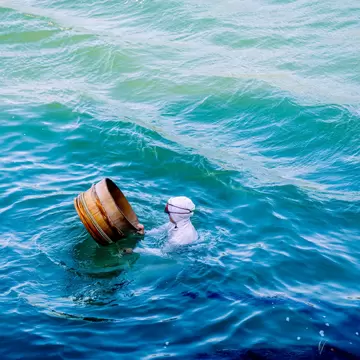
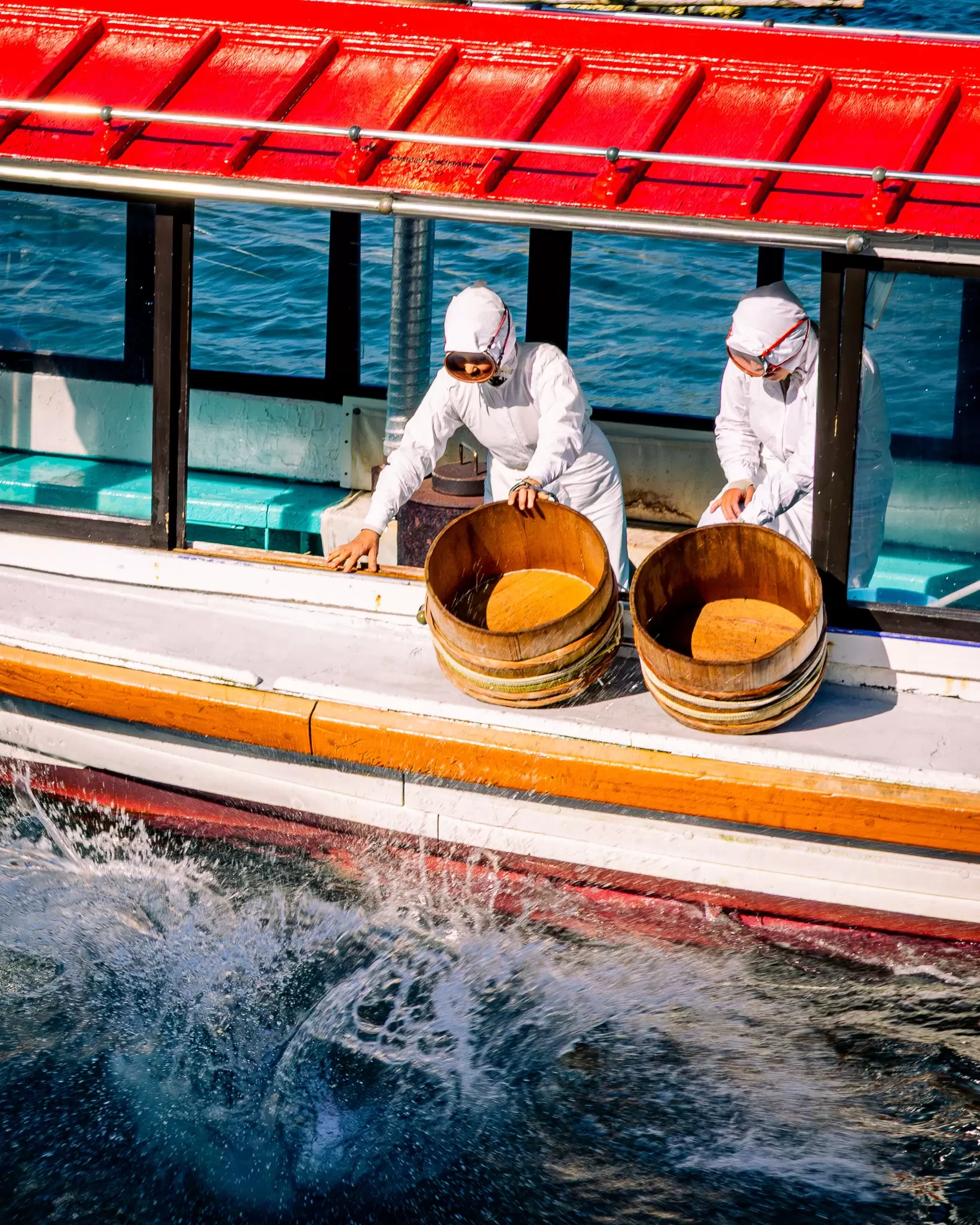
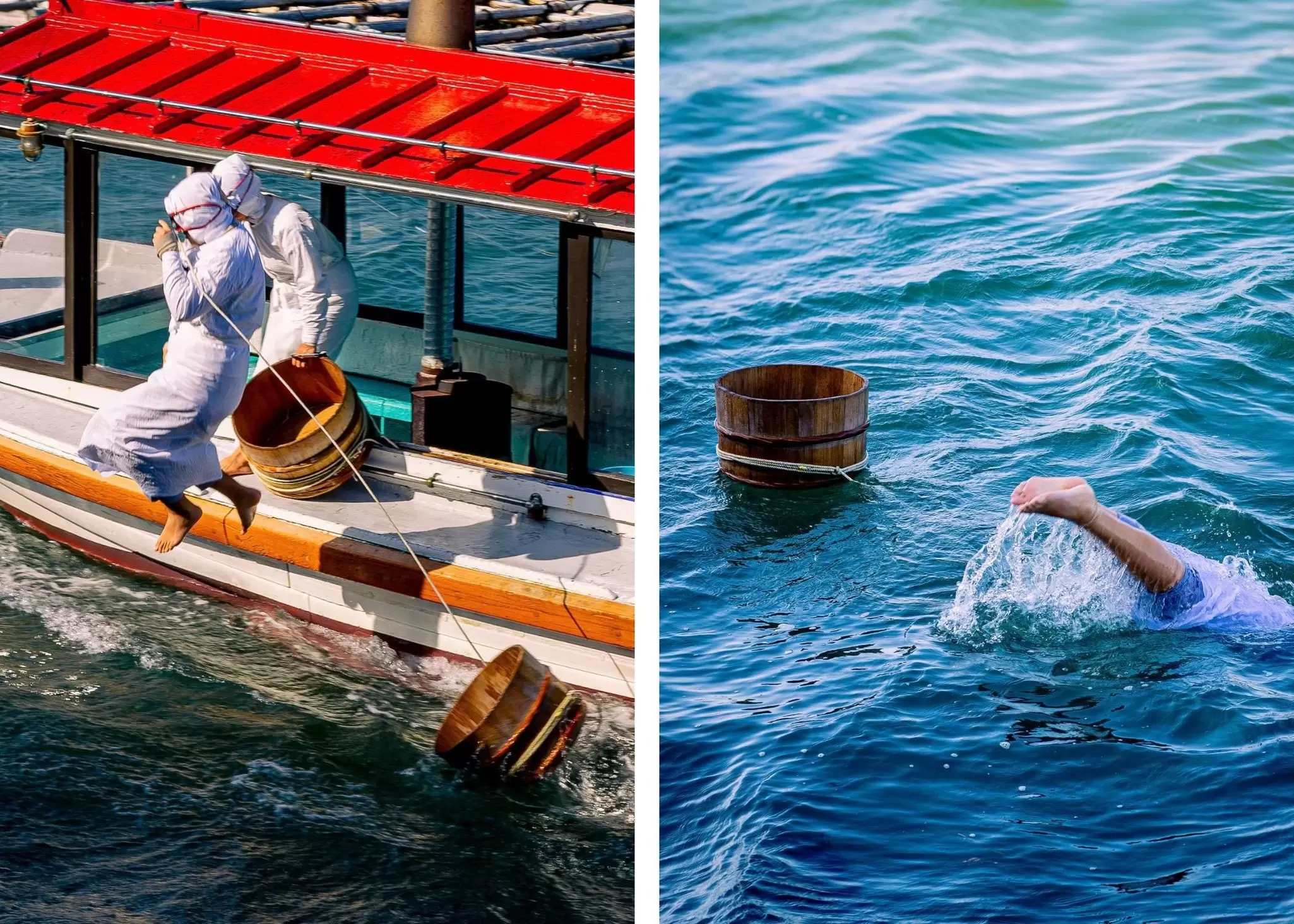
A diver at work in Toba, Japan. Laura Studarus

Writer
Lonely Planet may earn a commission from affiliate links on our site. All recommendations and reviews reflect our own independent opinions.
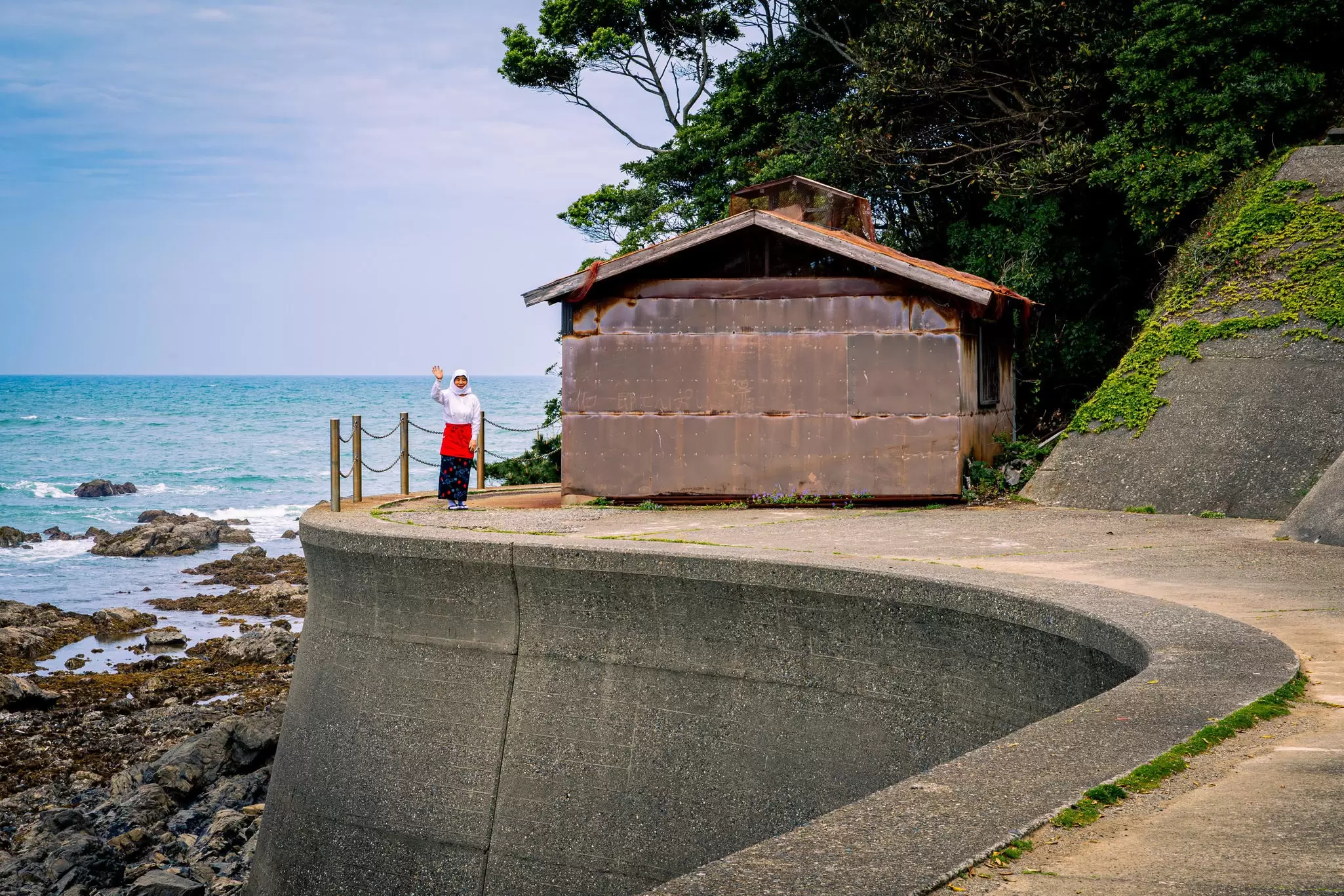
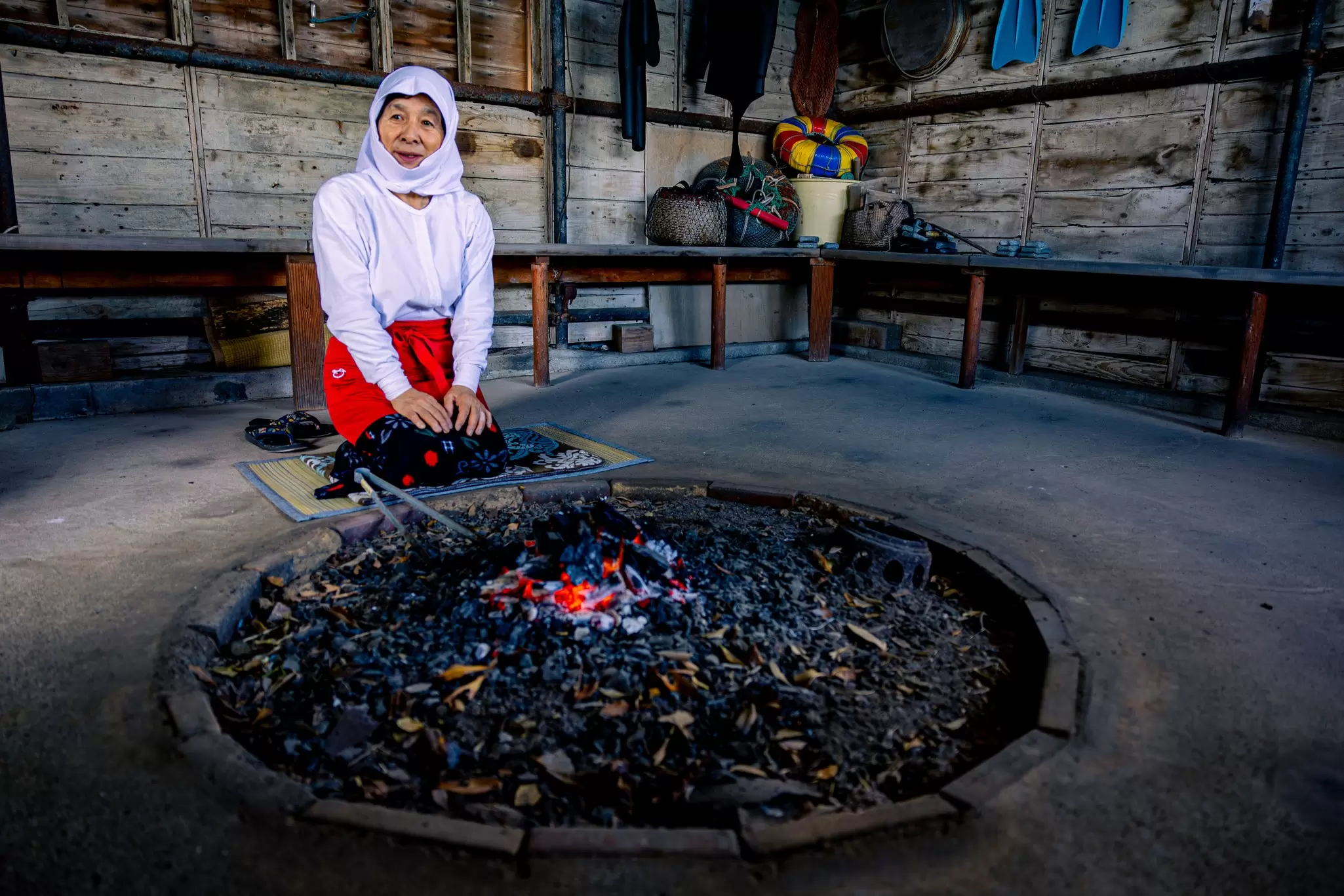
I was sitting by the ocean in the Kujirazaki Hachiman Kamado hut, in Mie, Japan, with a woman wearing a red apron, a white head covering and a billowy white shirt. She was an ama, part of a collective of women who have been free diving in this region of Japan for an estimated 2000 years.
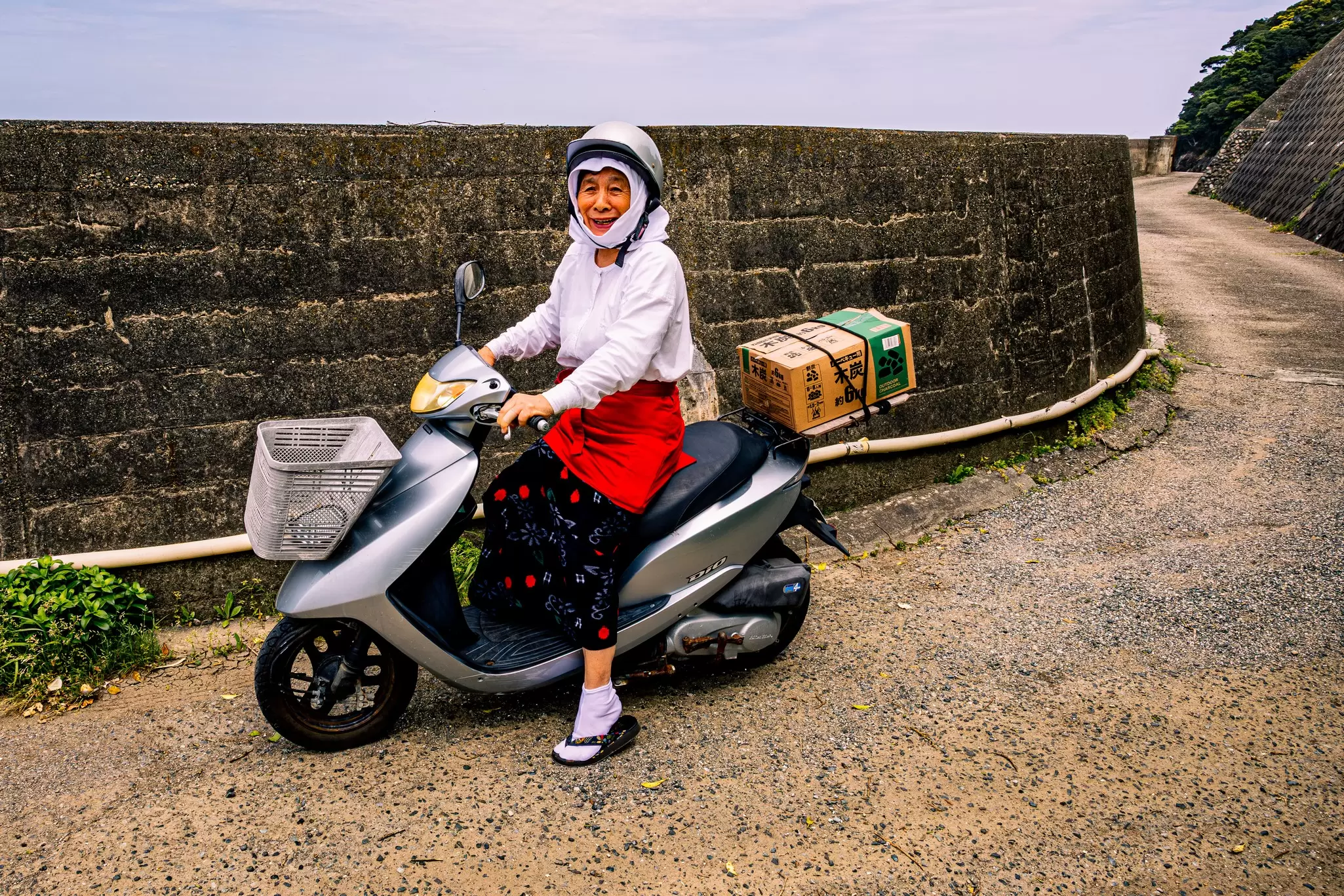
I learned a lot as we gathered by the fire pit. Originally, women were pressed into diving, while men hunted on land. Because fat distribution in women surrounds vital organs, they stay warmer longer in the region’s cold water. Their striking uniform (isogi) is both symbolic and practical. The white represents purity and is thought to make the divers look bigger in the water – an instant shark deterrent.
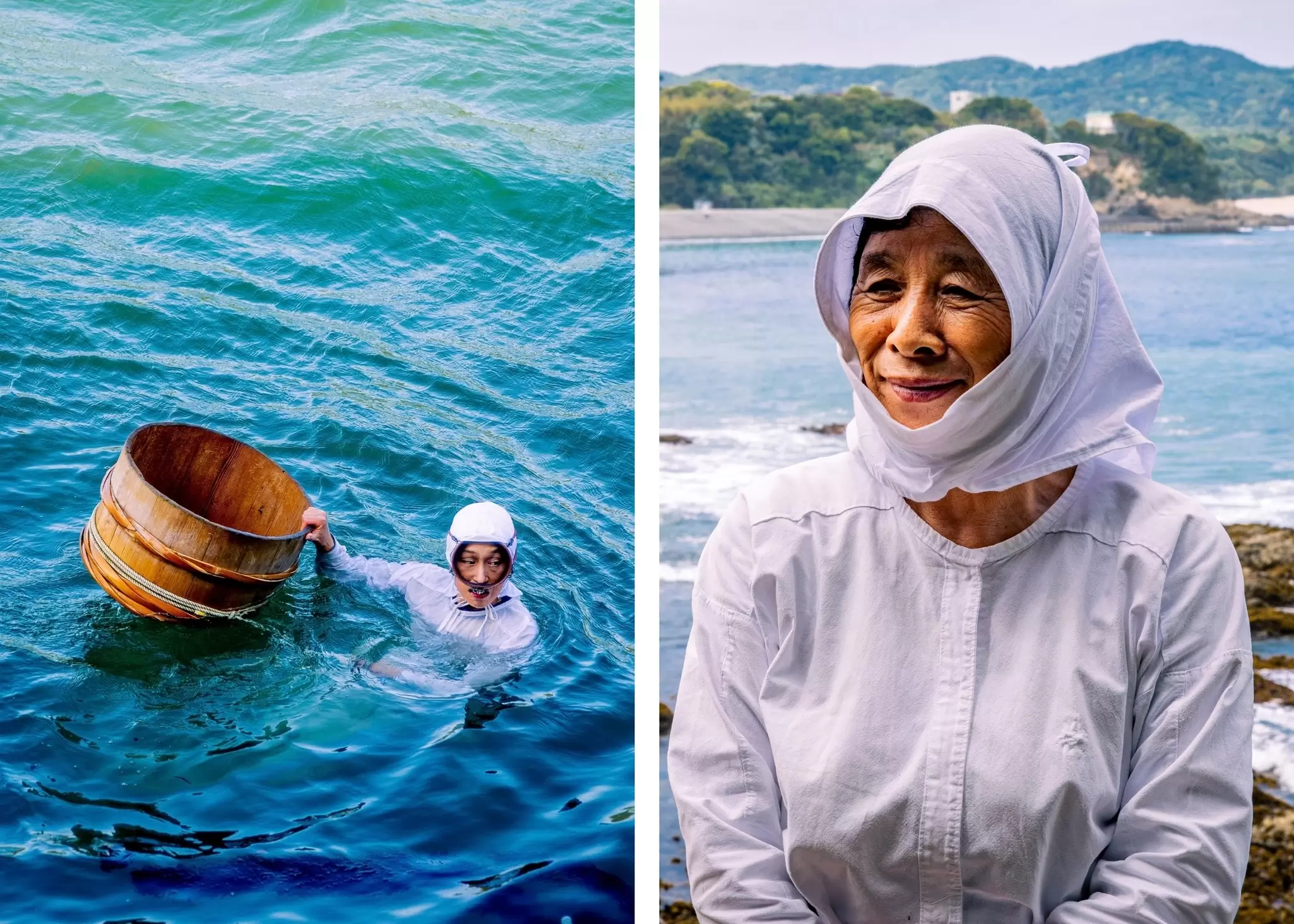
Weather permitting, the ama dive 6 days a week. And while Japan was an early adopter of scuba, the ama free dive in 1- and 2-minute bursts to prevent overfishing. On a clear day, you might even be able to hear groups working close to the shore; every time an ama reaches the surface, she whistles (isobue), signifying her safety. In 1996, Japan’s Ministry of the Environment named the whistle one of the 100 Soundscapes of Japan.
An estimated 1000–2000 ama remain in Japan, a sharp decline from the 17,000–20,000 divers in the mid-1950s. Most of them work in or around Toba, on the eastern end of the Shima Peninsula, and the average age is 65 years old. To safeguard this dwindling heritage, ama were designated an Important Intangible Folk Cultural Property of Japan in 2017. Local communities are continuing to campaign for UNESCO Intangible Cultural Heritage status to bring more international attention and pressure to preserve the practice.
There’s a deep connection between the women still working in the trade. My companion in the hut was proud of her ability to capture a large amount of seafood on each dive – she once gathered 200kg of sea snails in an hour. But her favorite part of the job was warming up in the hut after the dive and chatting with her coworkers.
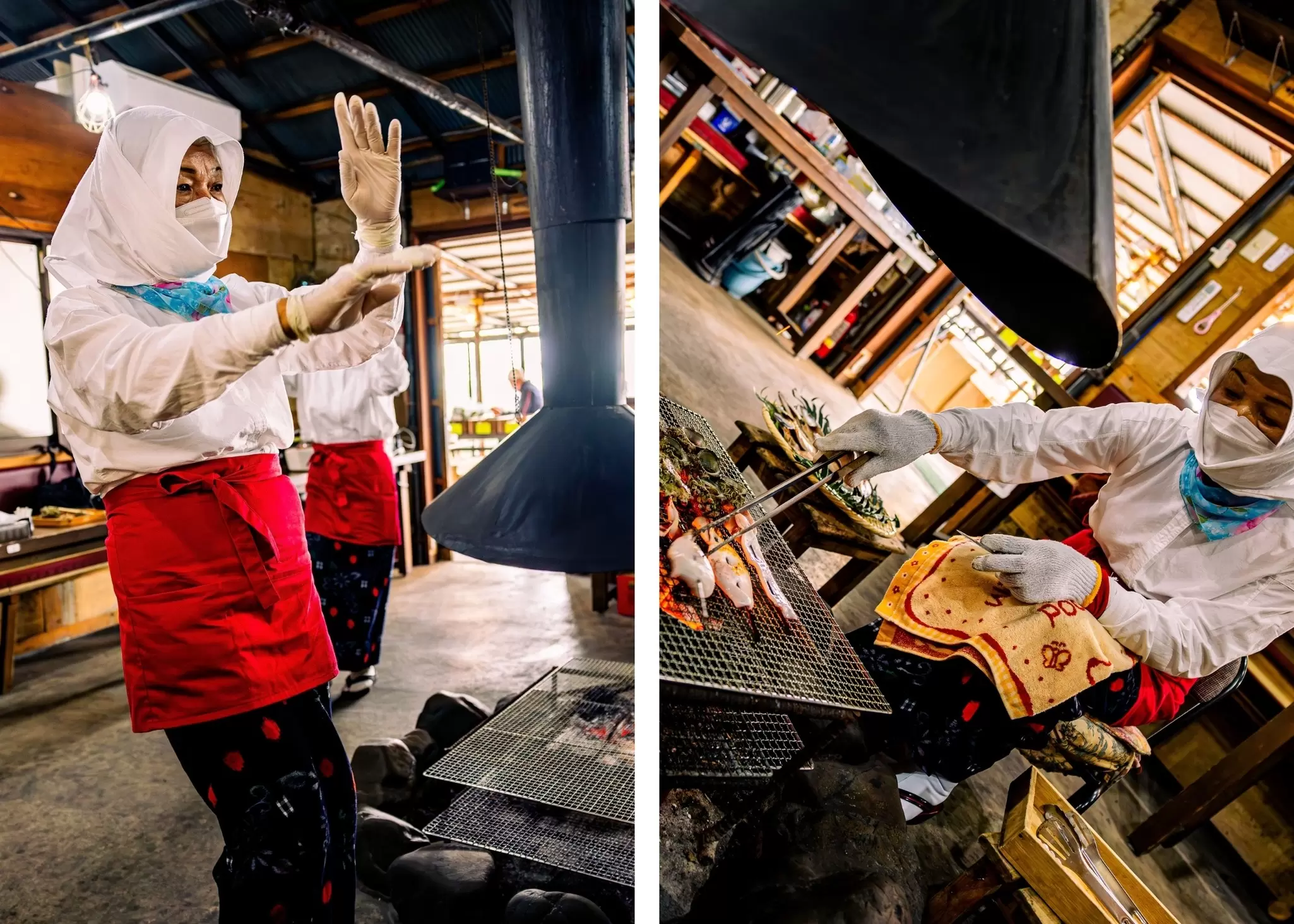
At Hachiman Kamado in Toba, ama cook the day’s catch – a collection of in-shell mollusks, spiny lobster, dried mackerel and squid over a charcoal grill – in the center of the room. The restaurant, an ama hut that opened its doors to visitors in 2004, doubles as a casual opportunity to get to know the divers, who circle the room to chat with customers. One woman proudly announced that she’s 95 and still loves being an ama. When I paused to figure out the mechanics of eating my first-ever abalone, another teased my indecision with a playful, “Oishii desu!” (“Isn’t it delicious!”)
The meal ended with the ama performing an energetic traditional dance called osatsu ondo, with hand motions that mimic the rhythm of the sea, throwing ropes and pulling in catches. The audience was encouraged to sing and dance along.
Ama were crucial to Japan’s early production of cultivated pearls, a technique perfected at Mikimoto Pearl Island in the early 1900s. As revealed by the island’s on-site museum, ama were the only ones capable of harvesting oysters originally. Once the oysters had been implanted with a pearl nucleus, the divers would return them to the ocean bed to mature.
That process has been moved to mesh nets, suspended in the sea from floating rafts, eliminating the need for divers. However, the island hosts ama demonstrations several times per day. Uniformed divers leap from boats with buckets (tarai) tied around their waists and begin theatrical vertical dives, feet aloft as they descend under the waves.
Book your Japan trip with Lonely Planet Journeys
See Japan how it's meant to be seen
Planned by local experts and tailored to you, Lonely Planet Journeys handles the logistics so you can just enjoy the trip. Tell us what you want and we'll build your Japan itinerary from scratch, or browse our bookable trips to get inspired.

Explore related stories