

Sep 21, 20268 min read
A Guide to Okinawa, JapanLonely Planet may earn a commission from affiliate links on our site. All recommendations and reviews reflect our own independent opinions.
One of Japan’s great hiking routes, the Michinoku Coastal Trail runs over 1000km north–south along the eastern coast of the Tōhoku region, in the north of Japan’s main island.
In all, the trail passes through four prefectures – Aomori, Iwate, Miyagi and Fukushima – taking in not just an array of scenery en route, but offering opportunities to experience regional culture and connect with locals.
The two best windows for hiking on the Michinoku Coastal Trail are spring (late March through May) and autumn (October and November). You’ll find blue skies and pleasant temperatures for being outdoors.
If you do go in summer, be aware that the weather will be hot and humid from July to September, even at the far north of the trail, and much of the trail is exposed to the sun. Plan to walk less each day, protect yourself from the sun, and keep well hydrated. Winter won’t have heavy snow on the coast, but low temperatures can drop below 0°C (32°F), conditions can be icy, and the wind gets very chilly, so you’ll be carrying a lot of gear to stay warm.
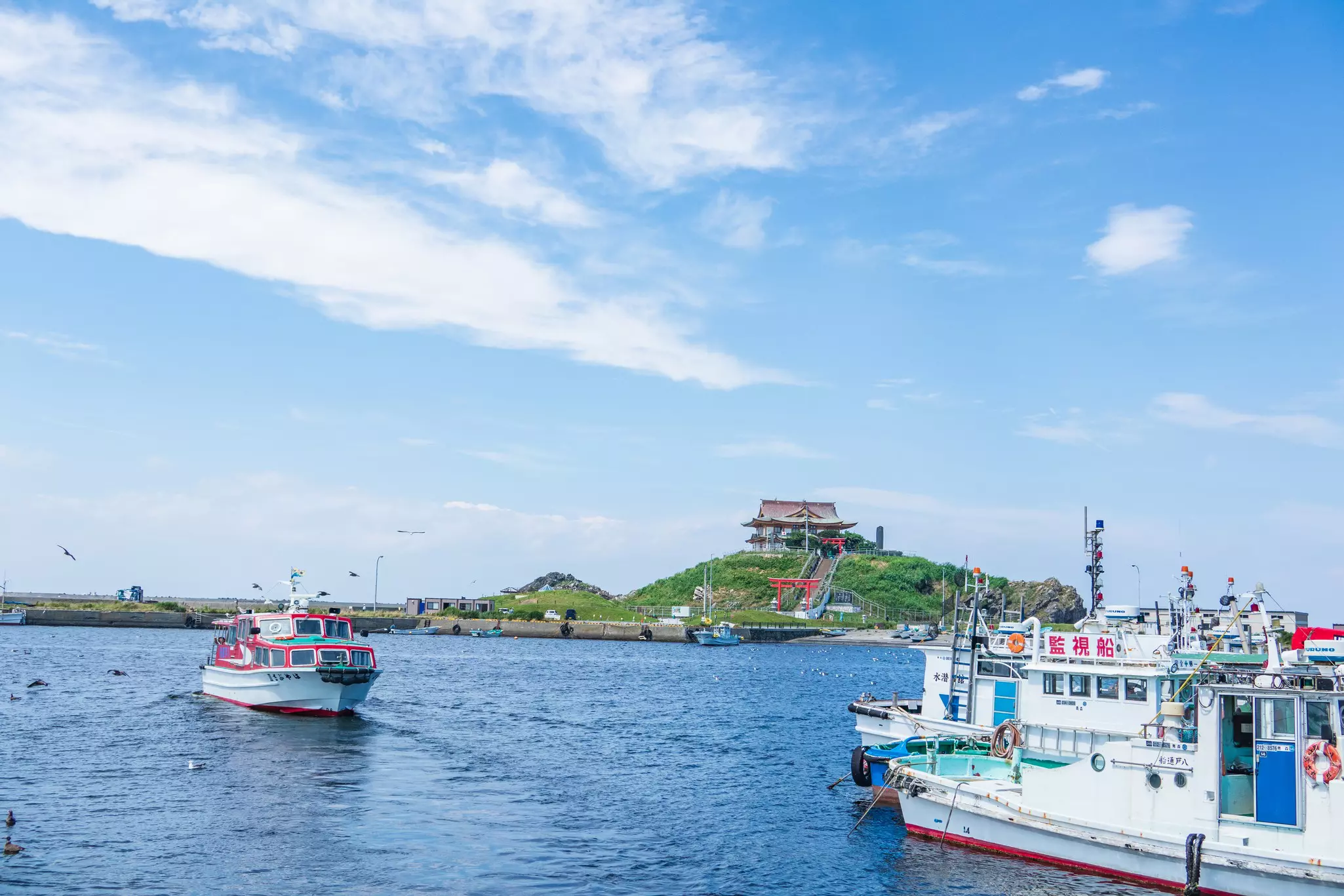
The beauty of the Michinoku Coastal Trail is that you could opt for a great day hike or take on the entire trail over 40 to 50 days. With just a day, it’s hard to beat the northernmost section of the trail in Hachinohe, where you could walk from gull-covered Kabushima-jinja down to the Tanesashi Coast. The highlights there include the 2km-long Otsuka beach, Yodo-no-Matsubara pine grove, and Tanesashi natural lawn. Oh, and if one of the gulls at the shrine poops on you, excellent – not only is that considered good luck, but the shrine will also give you a certificate to commemorate the event.
If you have a week or so available, the organization that oversees the trail has broken it into numerous 100km to 150km sections, which it details in a free-to-download booklet that also covers essential gear lists, flora and fauna, trail safety, and other helpful information.
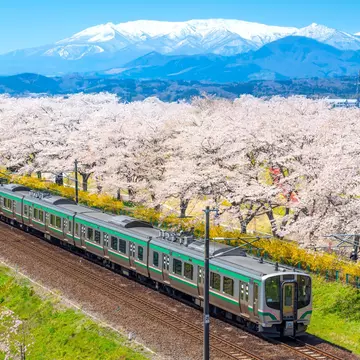
It varies. You can easily take a bullet train from Tokyo to major hubs in Tōhoku but will then need to use local lines to get to the coast. For the northernmost trailhead in Hachinohe, for example, you can reach Hachinohe Station via bullet train from Tokyo in roughly 3 hours, then take the JR Hachinohe Line to Same Station (20 minutes) for the starting point by Kabushima Shrine. For the middle and southern sections, you could take a bullet train to Sendai (1 hour and 30 minutes from Tokyo) and then take local trains or buses to the coast.
As for getting around while there, local buses and trains will help you navigate any coastal sections you aren’t walking, but it’s best to plan schedules ahead. These services don’t run very often.
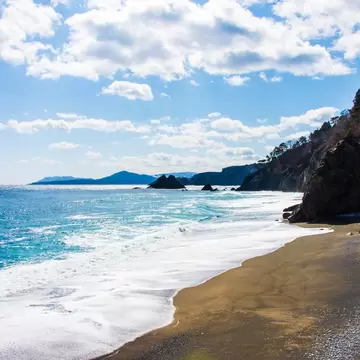
Even on day hikes, the Michinoku Coastal Trail offers an incredible variety of scenery and terrain. You can have expansive views from the jagged cliffs of Kitayamazaki or see the striking rock formations of Goishi, yet also find flower-covered shorelines and stunning beaches like Otsuka. Sprinkle in quiet coves, tranquil ports and forest trails, and there’s no risk of a hike ever getting monotonous.
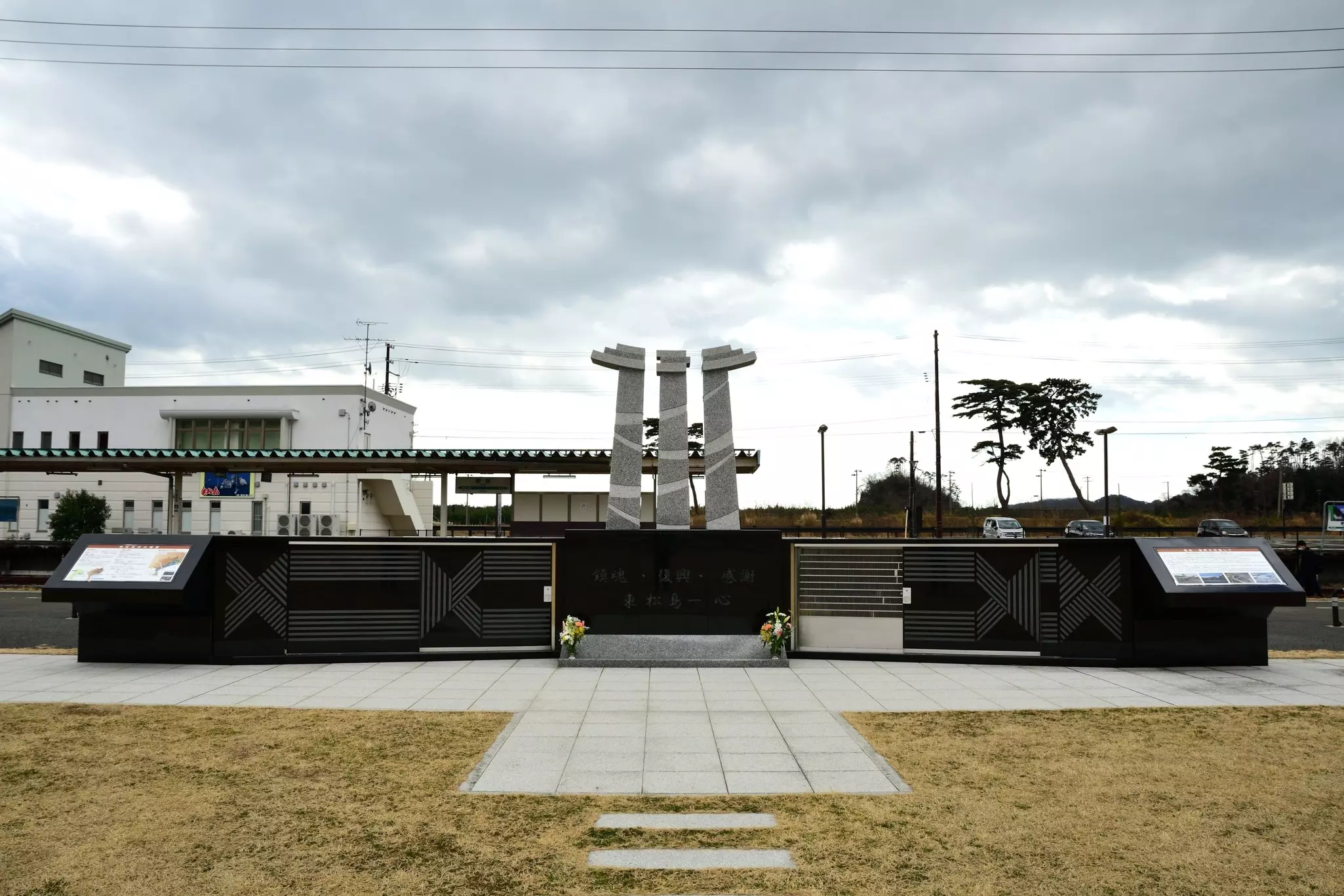
The Michinoku Coastal Trail was conceived as part of the rebuilding efforts following the March 11, 2011 earthquake, tsunami and nuclear disaster, which claimed some 20,000 lives and devastated communities across eastern Tōhoku. Hiking the trail, you’ll encounter numerous memorials to the disaster and several facilities that document 3.11 and the subsequent recovery efforts. These include the Iwate Tsunami Memorial Museum in Rikuzentakata and the Miyagi Tsunami Disaster Memorial Museum in Ishinomaki.
There are non-hiking experiences to be had all along the coast. A good hub for that up north is the Tanesashi Kaigan Information Center, where seasonal programs include horseback riding, sea urchin harvesting and outdoor yoga. Another handy hub is the Natori Trail Center further south. If you hike the superbly scenic Fudai to Tanohata section (more on that below), a fun experience is a 1-hour tour in a small sappa fishing boat. You can do that and cycling tours via a facility called Tsukehama Banya, a collection of fishing huts that was rebuilt after being washed away by the 2011 tsunami.

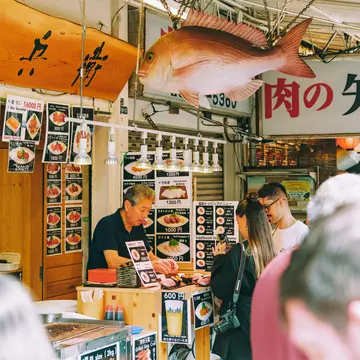
Like anywhere in Japan, you’ve got to try the local specialties. In Hachinohe, one is Senbei-jiru, a hotpot that mixes vegetables, meat and seafood, and is finished with the addition of wheat crackers. Down on the Sanriku coast, Miyagi is known for its oysters and sea urchin, while all across the trail, you’ll find places serving rice topped with super-fresh seafood.
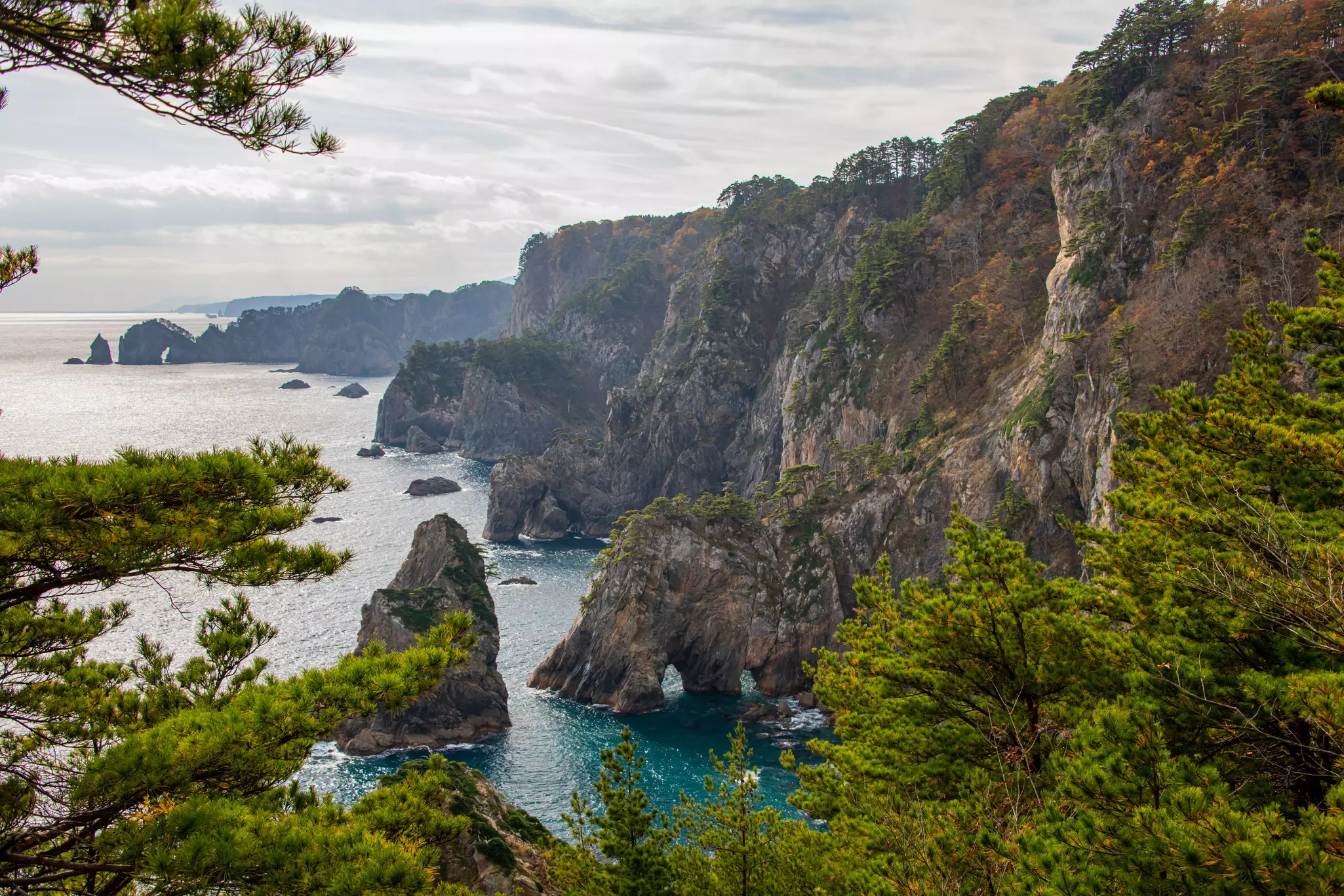
I love the 25km walk between Fudai and Tanohata villages in Iwate Prefecture. During COVID, my son (then 13) and I escaped Tokyo for a few days along the coast here, which has been dubbed the “Alps of the sea” because of its steep, rugged cliffs.
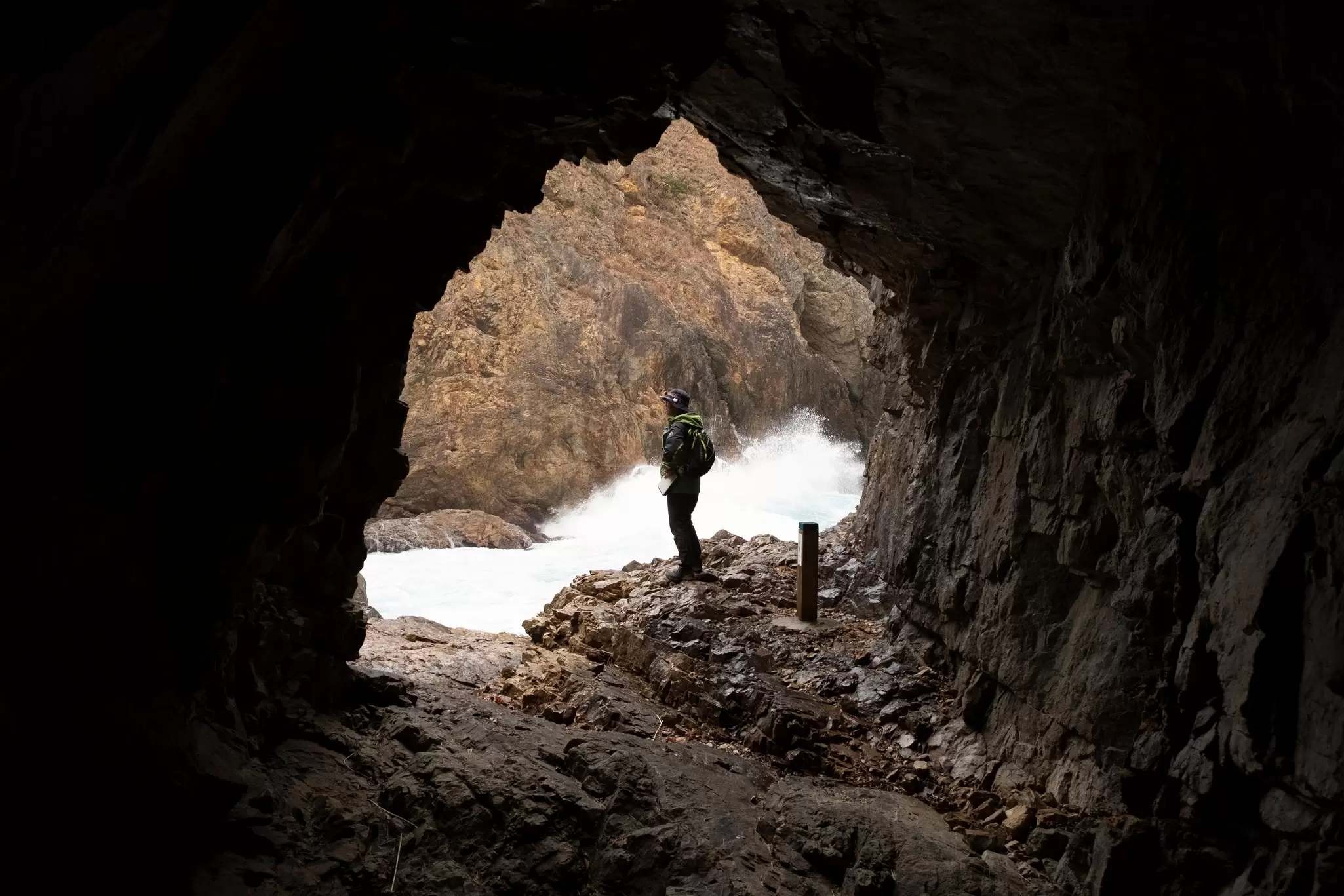
It’s absolutely beautiful, but also quite diverse – we walked sandy beaches, explored woods, navigated hand-dug tunnels at the base of a cliff, took in sweeping clifftop views and had a couple of soothing soaks in hot-spring baths.
Tōhoku’s east coast isn’t expensive. Your main fees will come from getting there and accommodation. Camping is cheapest but there are also good-value minshuku (family-run guesthouses) that are best to book ahead of time. Some accommodations will take credit cards but check in advance – in the countryside it’s always sensible to carry cash, especially for small stores and restaurants. Coins and small bills are handy for buses and local trains too, although you can also use a Suica or Pasmo IC card on some, and that card can be used to pay for goods in many convenience stores and some other shops.
Here are guidelines on typical costs:
Camping at Natori Trail Center (with own tent): from ¥880
Minshuku room and breakfast: ¥6000–10,000 per night
Bullet train from Tokyo to Hachinohe: ¥17,030
Bullet train from Tokyo to Sendai: ¥11,630
Local train basic fare: ¥150–300
Simple lunch at local restaurants: from ¥800
Bentō from supermarket: from ¥400
Convenience store coffee: from ¥120
Sappa boat tour in Tanohata: ¥3,800
There are campsites along many parts of the trail. Some might require reservations and others close in winter. Another option is to pitch a tent in someone’s garden. The Michinoku Trail Club has a long list of MCT Supporters that includes locals who are happy to host hikers and places to refill water bottles, use restrooms, and charge batteries. A handful of hikers wild camp along the trail but it isn’t encouraged. At the very least, you need to check local rules in each area before doing that – especially rules concerning the use of fire.
Book your Japan trip with Lonely Planet Journeys
See Japan how it's meant to be seen
Planned by local experts and tailored to you, Lonely Planet Journeys handles the logistics so you can just enjoy the trip. Tell us what you want and we'll build your Japan itinerary from scratch, or browse our bookable trips to get inspired.


Explore related stories