Sep 21, 20268 min read
A Guide to Okinawa, JapanAug 12, 2026
4 MIN READ

Writer
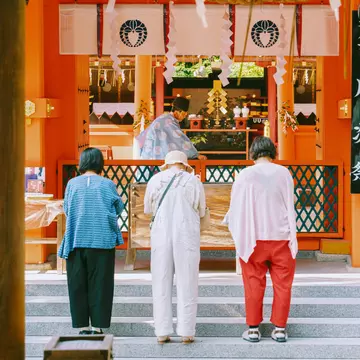
Yoshida-jinja, Kyoto. Rintaro Kanemoto for Lonely Planet

Writer
Highlights
Writer Jamie Ditaranto shares Japan packing tips on fashion, seasons and daily needs.
Pack rain gear for spring, fall and summer; add thermals for winter.
Credit cards work widely, but bring cash for temples, shops and vending machines.
Travel light to ease train transfers; Japan's luggage-forwarding services can send bags ahead.
Lonely Planet may earn a commission from affiliate links on our site. All recommendations and reviews reflect our own independent opinions.
Japan’s environments range from the urban sprawl of Tokyo to the remote, snowy slopes of Hokkaidō – which makes deciding on what you need to pack no easy matter.
Let’s start with the basics: as with any trip, your Japan itinerary, together with the season and weather patterns of where you’re visiting, will help determine the combination of layers you’ll need. For example, on my April hiking trip to Japan, I made sure to have warm layers, a raincoat and sturdy shoes for the trail.
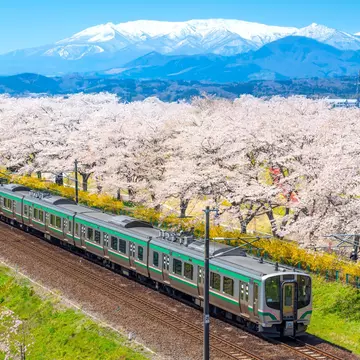
There are also some only-in-Japan pointers to keep in mind as you lay out what you’ll need – and get ready to ride the bullet trains across the country’s dreamy landscapes.
Here’s everything you need to know about fashion etiquette in Japan, plus tips on how to pack for the weather.
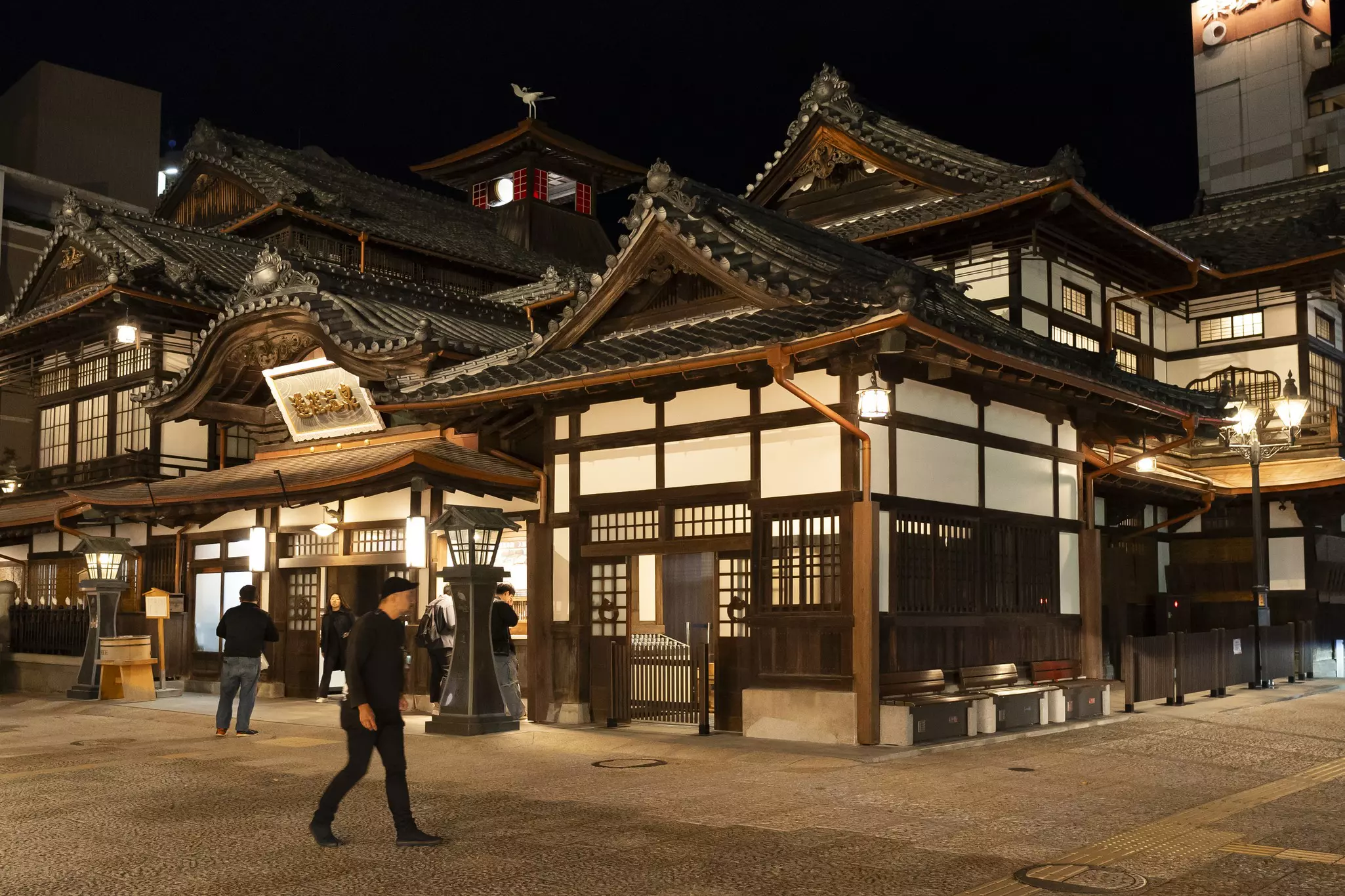
Japan is famous for its epic streetwear, it’s true – but day-to-day fashion in Japan probably isn’t all that different from what you wear at home. Female travelers should know that modesty is a norm here: while Japanese women tend to avoid showing excessive skin, Japanese accept such displays (to a degree) by Westerners. Athleisure is less common – so if you want to fit in swap sweats, leggings and basketball shorts for a smart-casual, more fitted look instead. When visiting a shrine or temple, avoid wearing clothes that are too casual or revealing.
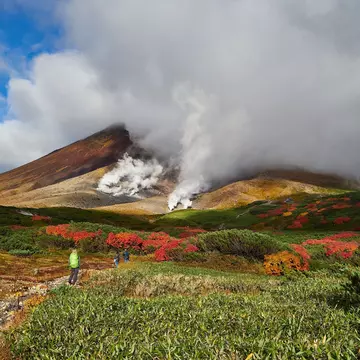
Autumn, as the foliage shifts from green to orange and red, is a beautiful season to explore Japan’s natural landscapes. Bring a rain jacket (typhoon season lasts until October) and plan to dress in layers as the temperature changes throughout the day.
It goes without saying that you should be bringing thermals and snow gear if you’re planning a ski trip. Further south, snow is rare in cities like Tokyo and Kyoto, but you should still have warm enough clothes to manage temperatures that range between 40°F and 60°F (4.5°C to 15.5°C). A hat and a scarf never hurt.
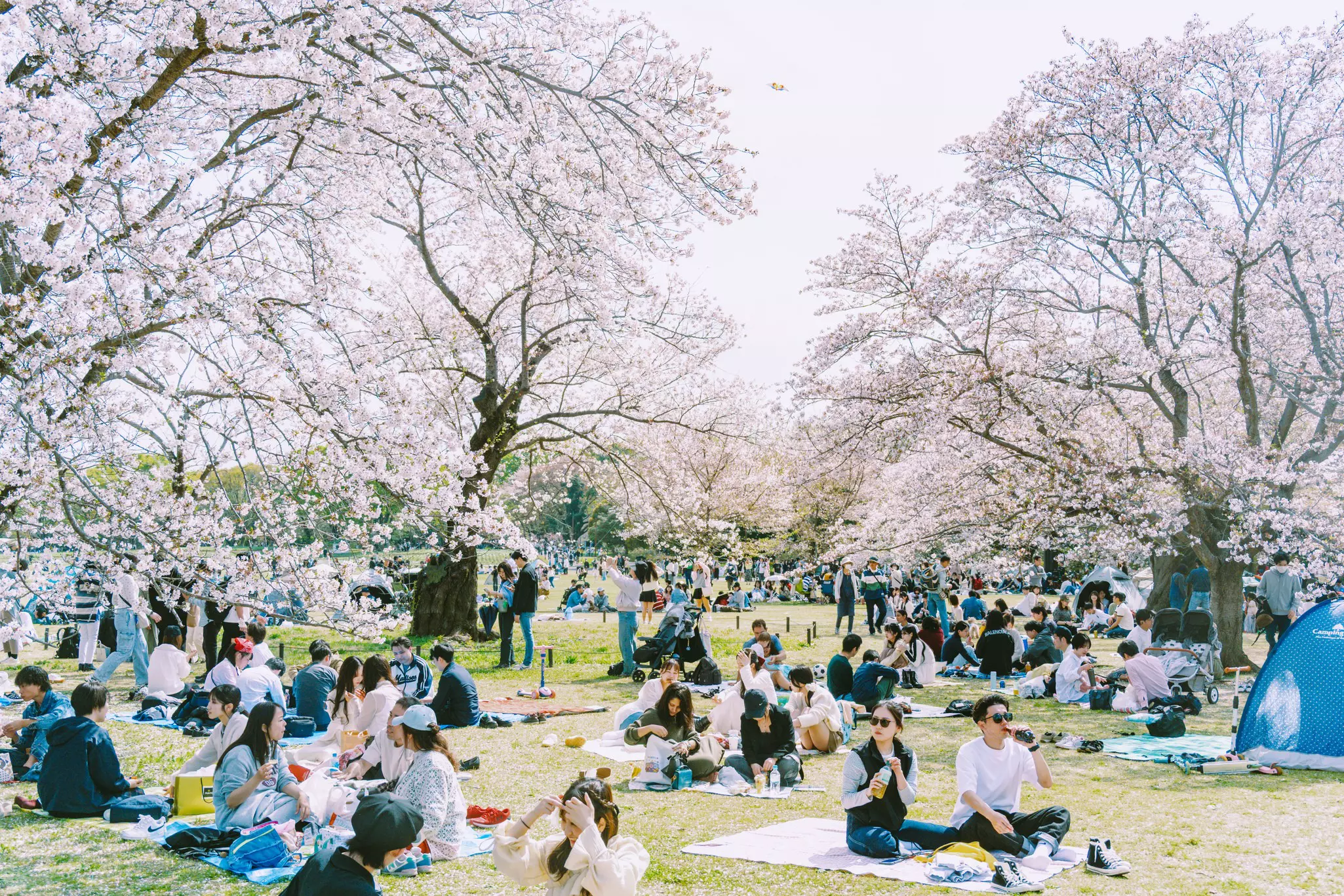
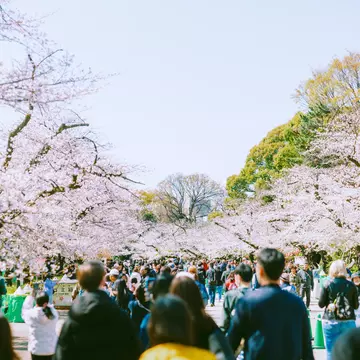
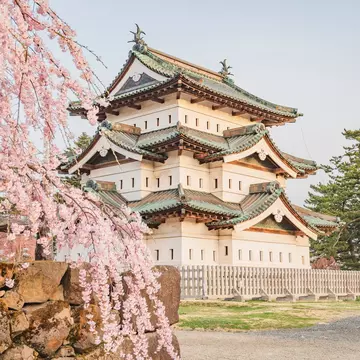
With the bloom of Japan’s iconic pink cherry blossoms comes the return of the wet season. Rain gear will come in handy, as will a small umbrella and your best waterproof boots. You can bring a fleece layer to wear under your raincoat, which will help keep you warm and cold and wet evenings.
Summer temperatures in Japan can reach up to 90°F (32°C), so bring moisture-wicking layers to help you stay cool and dry. This is also the rainy season, so make sure you have a waterproof layer and shoes in case of a sudden downpour.
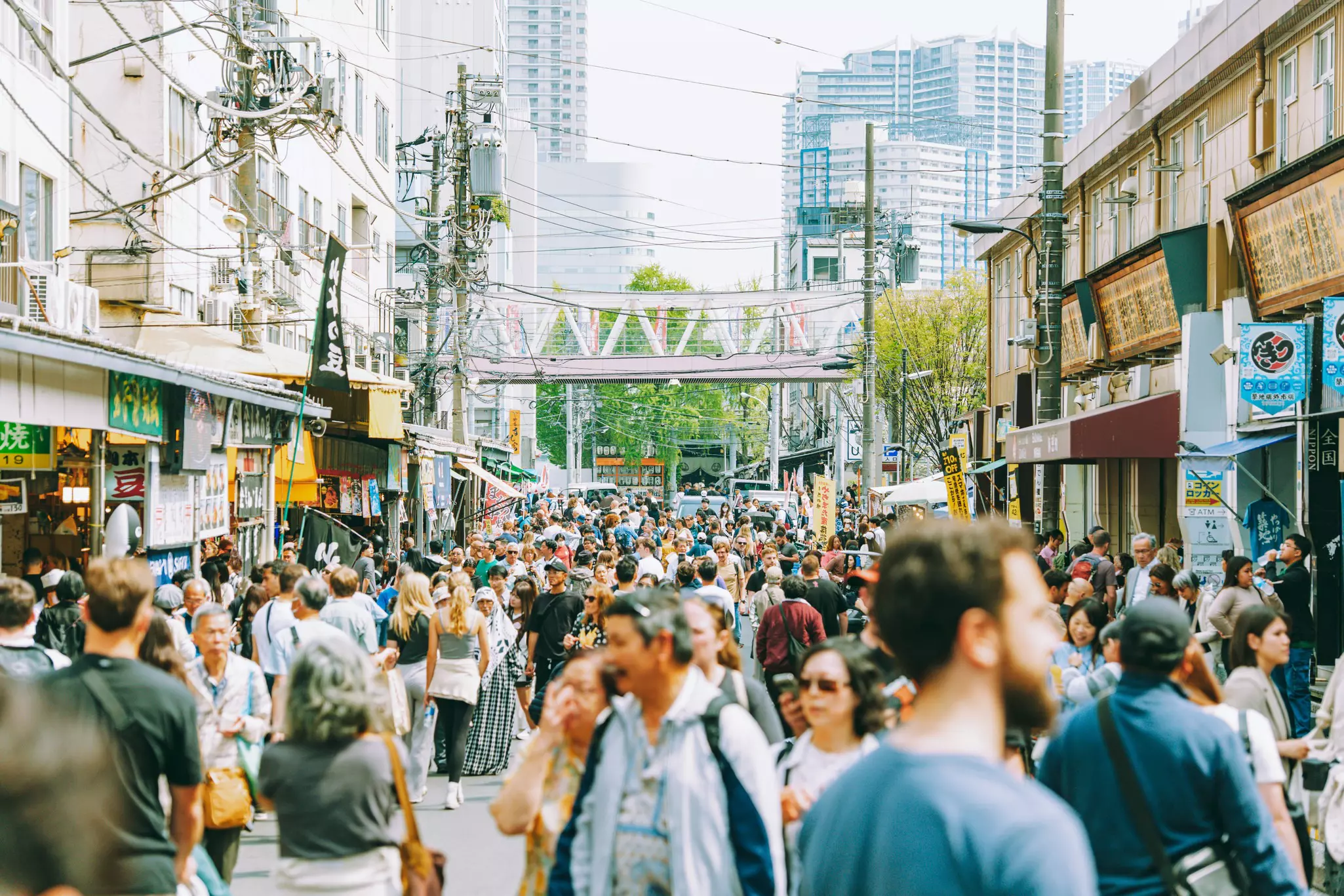
No matter what time of year you go or what your plans are, there are a few must-haves you should take with you every time you step out the door in Japan.
Credit cards and tap-to-pay are widely accepted in Japan, but you may need to carry a little cash for small shops, vending machines and temple visits. A small coin purse is also useful.
Even if you don’t think you’ll use your phone to take a lot of photos, an external power bank and backup charger always comes in handy, just in case – especially if you are using an eSim to use data as you tour.
Not every public bathroom in Japan will have soap or paper towels, so make sure to have a small bottle of hand sanitizer within reach.
Trash cans in Japan are surprisingly difficult to find – this is an intentional choice that, counterintuitively, has been proven to reduce littering – so you will likely end up holding onto your gum wrappers and spare bits of plastic all day. Keep a small plastic bag in your purse or backpack to stash your trash.
Lucky for North Americans, Japan uses Type A power outlets, the kind with two flat prongs. Visitors from other countries will need a converter.
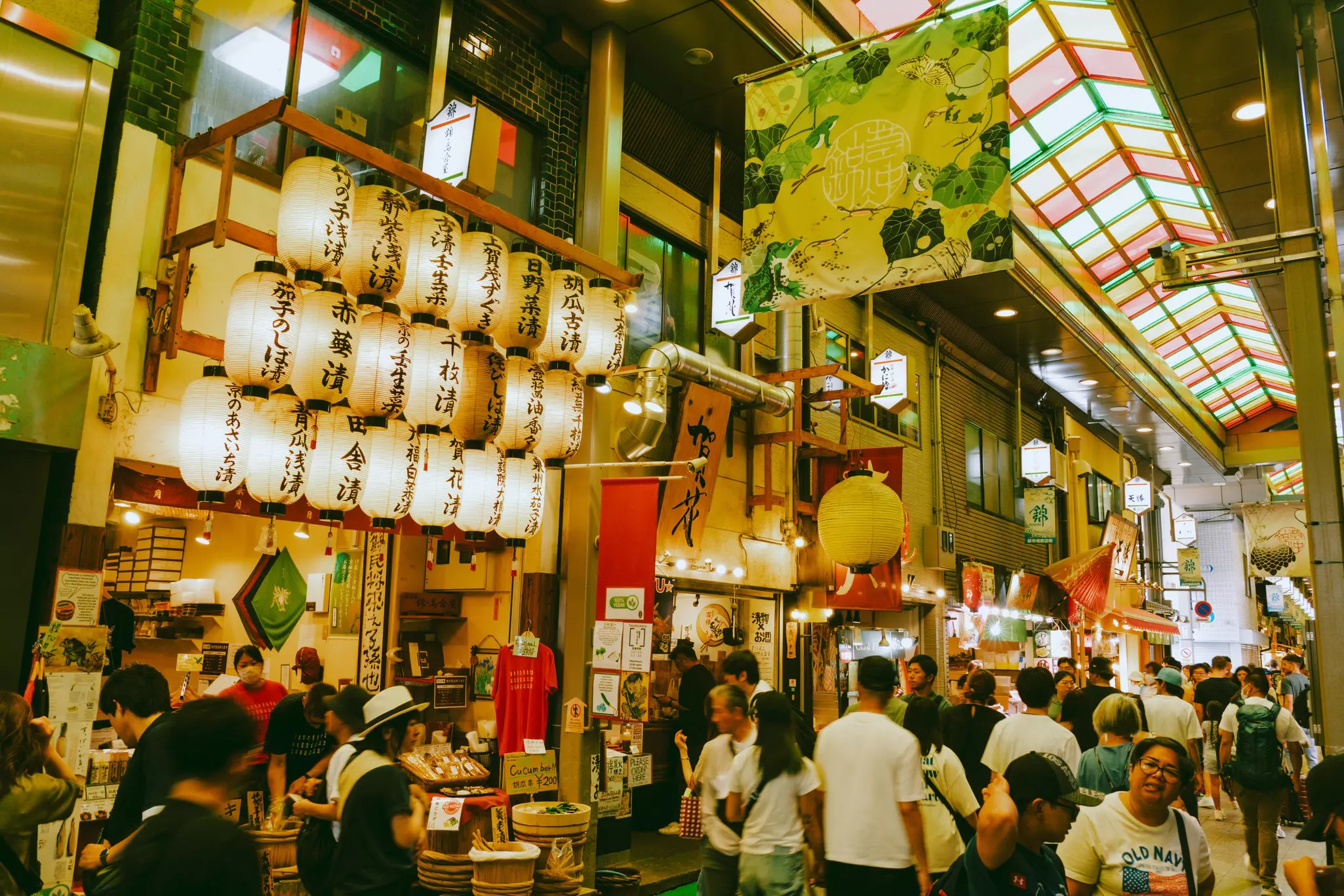
For any multicity trip to Japan, traveling light is the ultimate advantage, sparing you the need to navigate train transfers and narrow streets while lugging a large roller bag. Even so, be realistic about how much you might want to bring back from your trip. Even though I’m not much of a souvenir person, I still ended up packing my suitcase with irresistible finds, from a small samurai statue to a few packs of soba noodles.
During my hiking trip – an inn-to-inn trek along the Nakasendo Way with the tour outfitter Walk Japan – I was also able to take advantage of a luggage-forwarding service (such as Yamato Transport), which are common in Japan. This let me stay light on the trail with just the essentials in my backpack, knowing my bag would be waiting for me at my next stop.
Book your Japan trip with Lonely Planet Journeys
See Japan how it's meant to be seen
Planned by local experts and tailored to you, Lonely Planet Journeys handles the logistics so you can just enjoy the trip. Tell us what you want and we'll build your Japan itinerary from scratch, or browse our bookable trips to get inspired.

Explore related stories