Jun 17, 20267 min read
A Guide to Naoshima Island, JapanJun 17, 2026
7 MIN READ

Writer
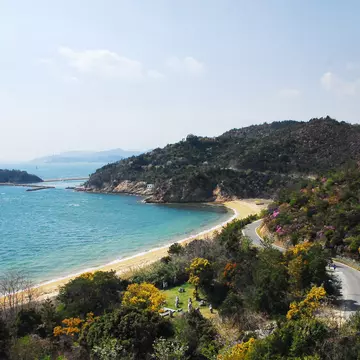
The beach surrounded by forest on Naoshima Island. Miyuki39/Shutterstock

Writer
Lonely Planet may earn a commission from affiliate links on our site. All recommendations and reviews reflect our own independent opinions.
Naoshima is one of Japan’s best destinations for art lovers. Previously, this island in the Seto Inland Sea was a copper-smelting hub, but it suffered a population decline as younger generations left for the mainland. However, in the early 1990s, the land was reenvisioned as an open-air museum. Now the island is home to 15 galleries and creative outdoor spaces, and art is the common thread through it all, from the local bathhouse to high-end hotels.
If you’re a fan of art, nature and getting away from Japan’s Golden Triangle of tourist spots, this is everything you need to know about planning a trip to Naoshima Island.
Since many of Naoshima’s galleries are outdoors, the timing of your visit is crucial. Sakura season (late March to early April) brings added color in the form of the Labyrinth of Cherry Blossoms by Japanese architect Tadao Ando; however, your photo ops will come with additional crowds. Likewise, mid-November to early December is peak autumn leaf season, with the added benefit of cool, comfortable temperatures around 14°C.
Part of the island’s appeal is that it's designed to be enjoyed at a slower pace. Culture vultures should consider two full days – one to explore the larger galleries, and one to experience the smaller art houses and outdoor installations. If you’re visiting more for the experience, one full day of gallery hopping should be enough.
In short, yes! But it will take some planning.
Start your journey from either Takamatsu (Takamatsu Port) or Okayama (Uno Port). Both ferries operate on a first-come, first-served basis and require cash to purchase a ticket. Be sure to check the schedule in advance. Naoshima has two ports: Miyanoura Port – the main terminal, which receives the bulk of the maritime traffic – and Honmura Port, which is closer to the Art House Project but has fewer daily departures.
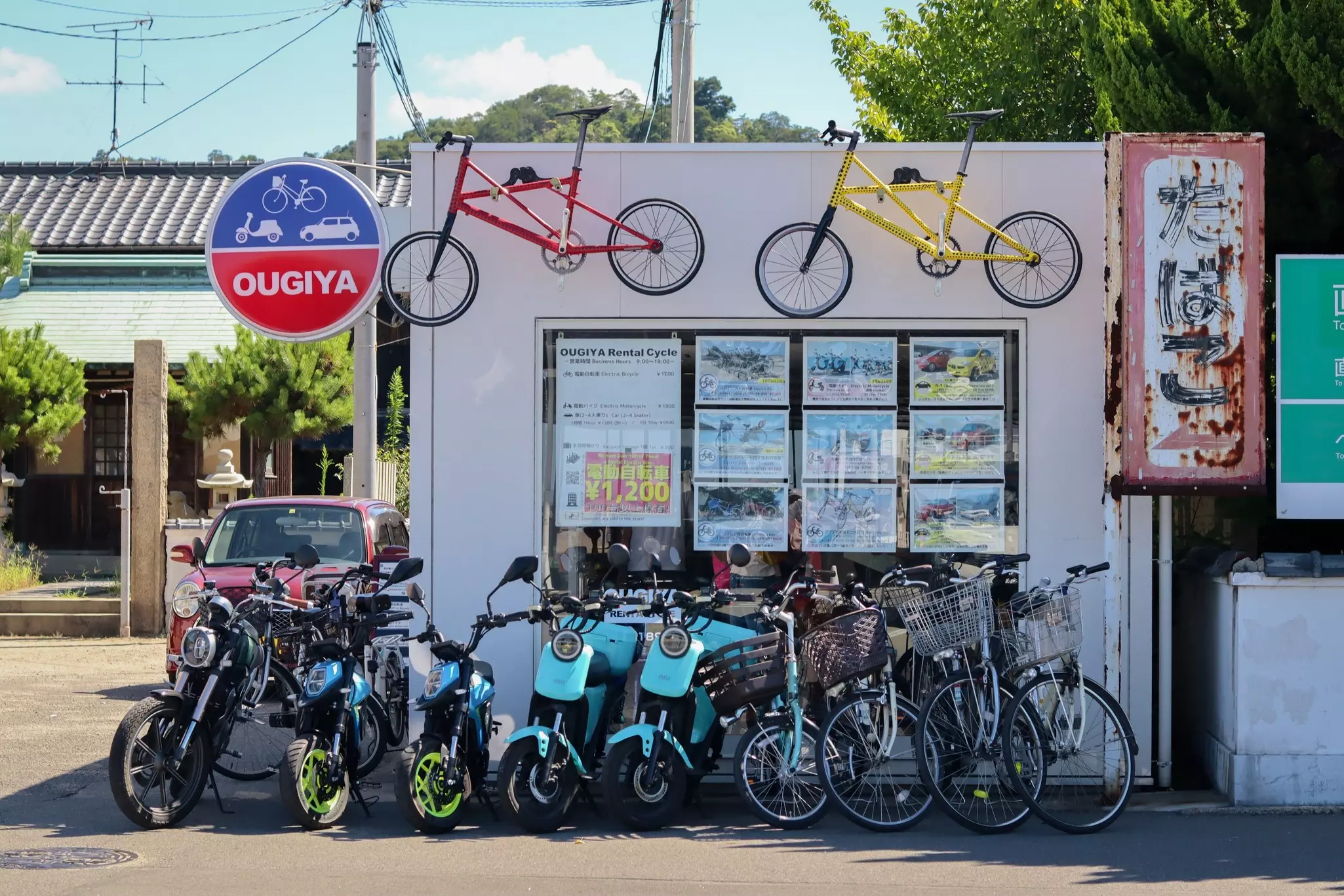
Once you’re on the island, be prepared for long distances between galleries and hills. If you’re not up for a moderately challenging walk, consider renting an electric bike at Ougiya (おうぎや) located across the street at the Miyanoura ferry terminal. Alternatively, many Airbnbs and smaller hotels offer electric bikes as a booking perk.
If biking isn’t your thing, there is also a free Benesse Art Site Shuttle that runs every 30 minutes (every 15 minutes at peak visitor times) between Tsutsuji-so, Benesse House Museum, Lee Ufan Museum, Valley Gallery and Chichu Art Museum. You do not have to stay at the Benesse Art House museum to ride for free.
The Art House Project was created to preserve traditional Japanese homes along the eastern Honmura district by repurposing them into tiny, site-specific galleries. The Art House Project ticket gives you entry to the bulk of them, but many operate on an à la carte pricing system, ranging from 400 to 500 Japanese Yen (¥).
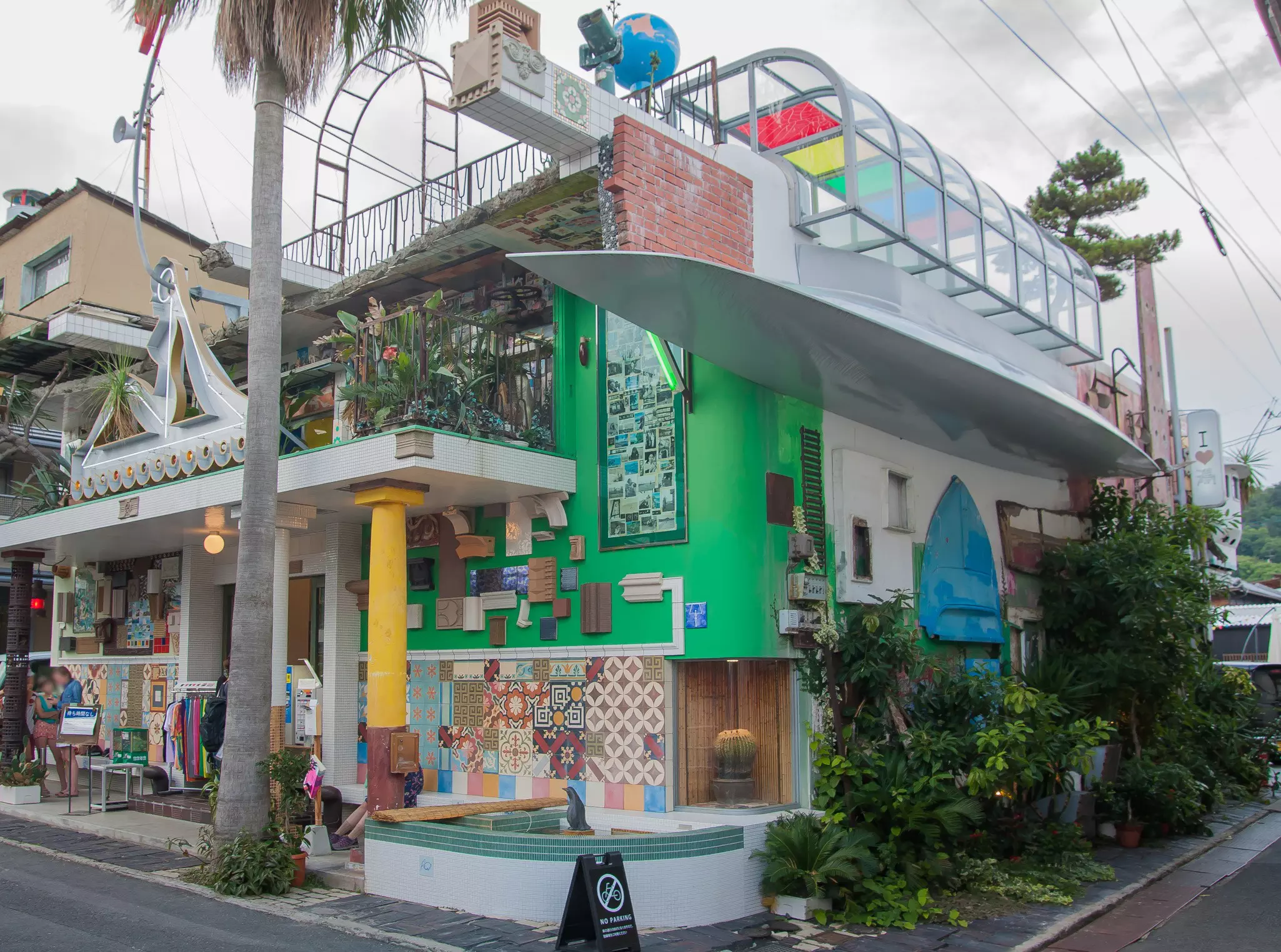
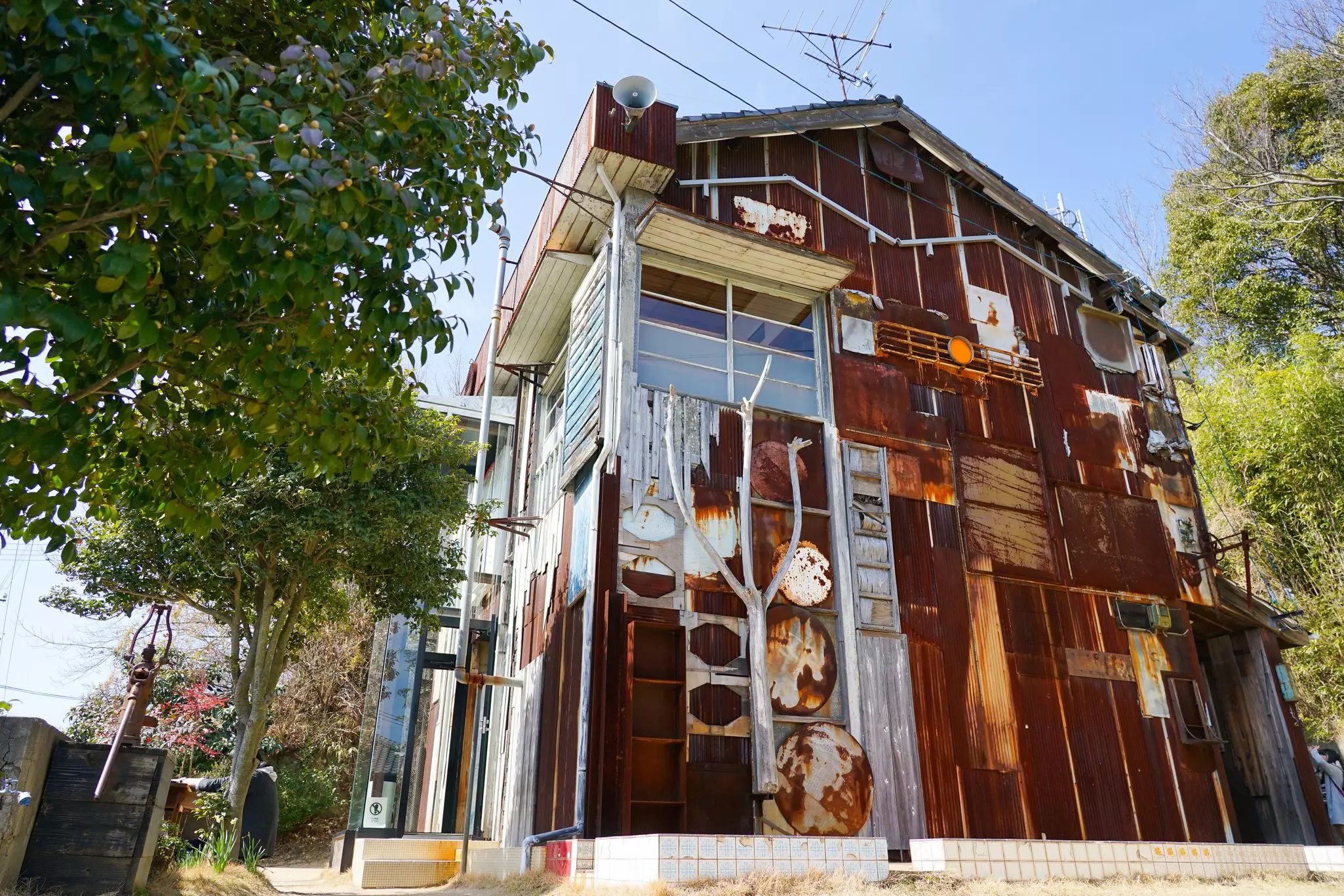
While each house offers a dramatically different flavor of art, Haisha (the Japanese word for “dentist”) needs to be your first stop. The two-story former home takes a scrapbook-style approach to documenting the island’s history, shown in its rusted metal, textured wood, and neon sign-covered exterior. Remove your shoes and enter to see one of Naoshima’s strangest pieces of art, a two-story replica of the Statue of Liberty wedged into the house’s narrow frame.
A more intimate installation is "Sea of Time '98" at Kadoya, a featured site of the Art House Project. Inside this compact, 200-year-old traditional home, the original floor has been replaced with a shallow pool of water filled with submerged LED counters. Each digital light cycles down from 9 to 1 at a unique pace. These individual speeds were chosen by 125 local island residents, representing the rhythms of the island.
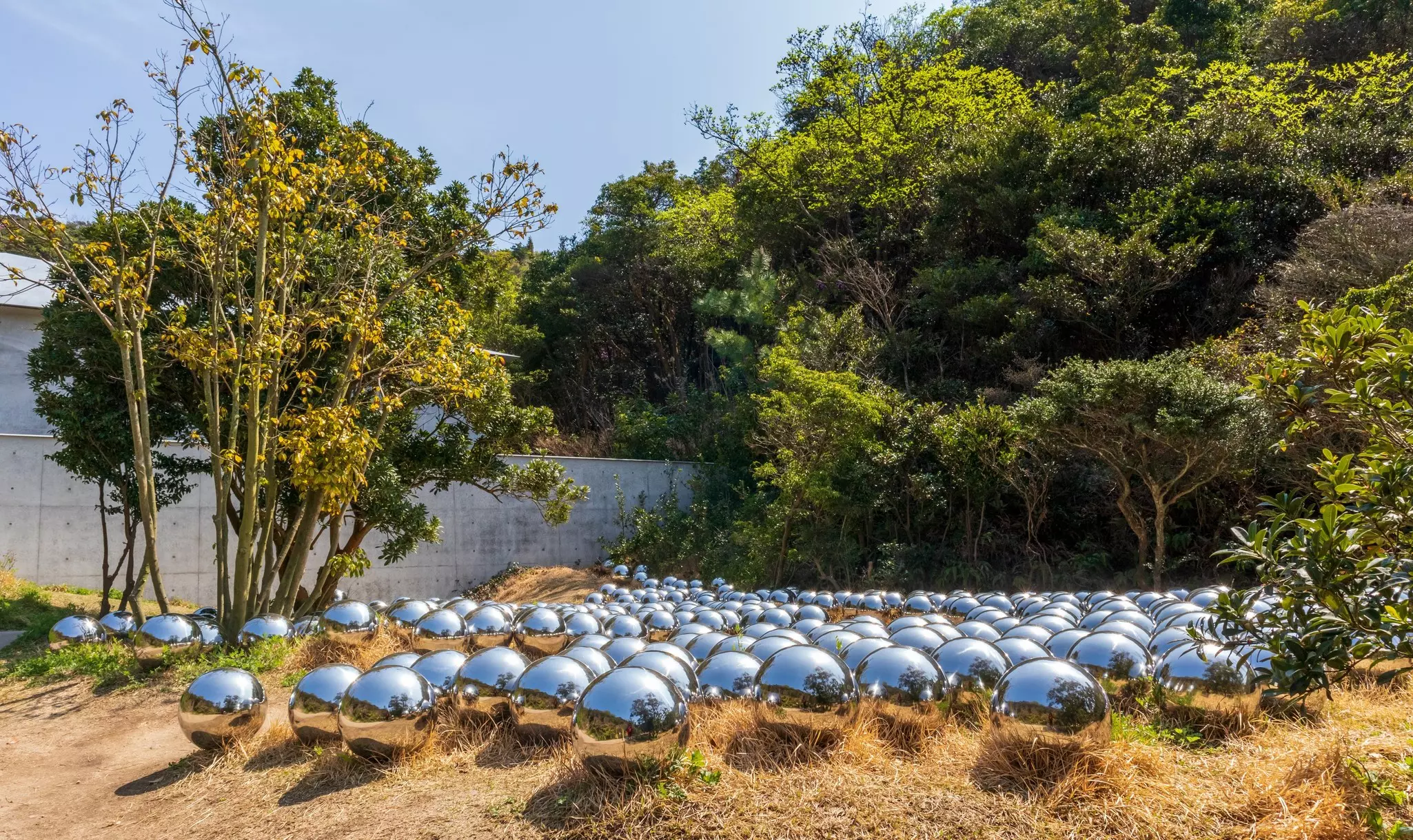
One of the best parts of visiting Naoshima is seeing the way nature interacts with art. A passing cloud, a rain shower or even the light at a specific time of day can dramatically change the nature of the artwork. One of the best places to see that happen is at Valley Gallery, a hillside space between the Benesse House Museum and the Lee Ufan Museum. The narrow, largely outdoors gallery is the home of Yayoi Kusama’s dynamic creation, “Narcissus Garden.” The piece is composed of hundreds of mirrored metallic balls, drifting across a pond and sitting in piles inside a concrete shell designed by Tadao Ando. They clang together as the wind blows, reflecting the changes in the surrounding landscape.
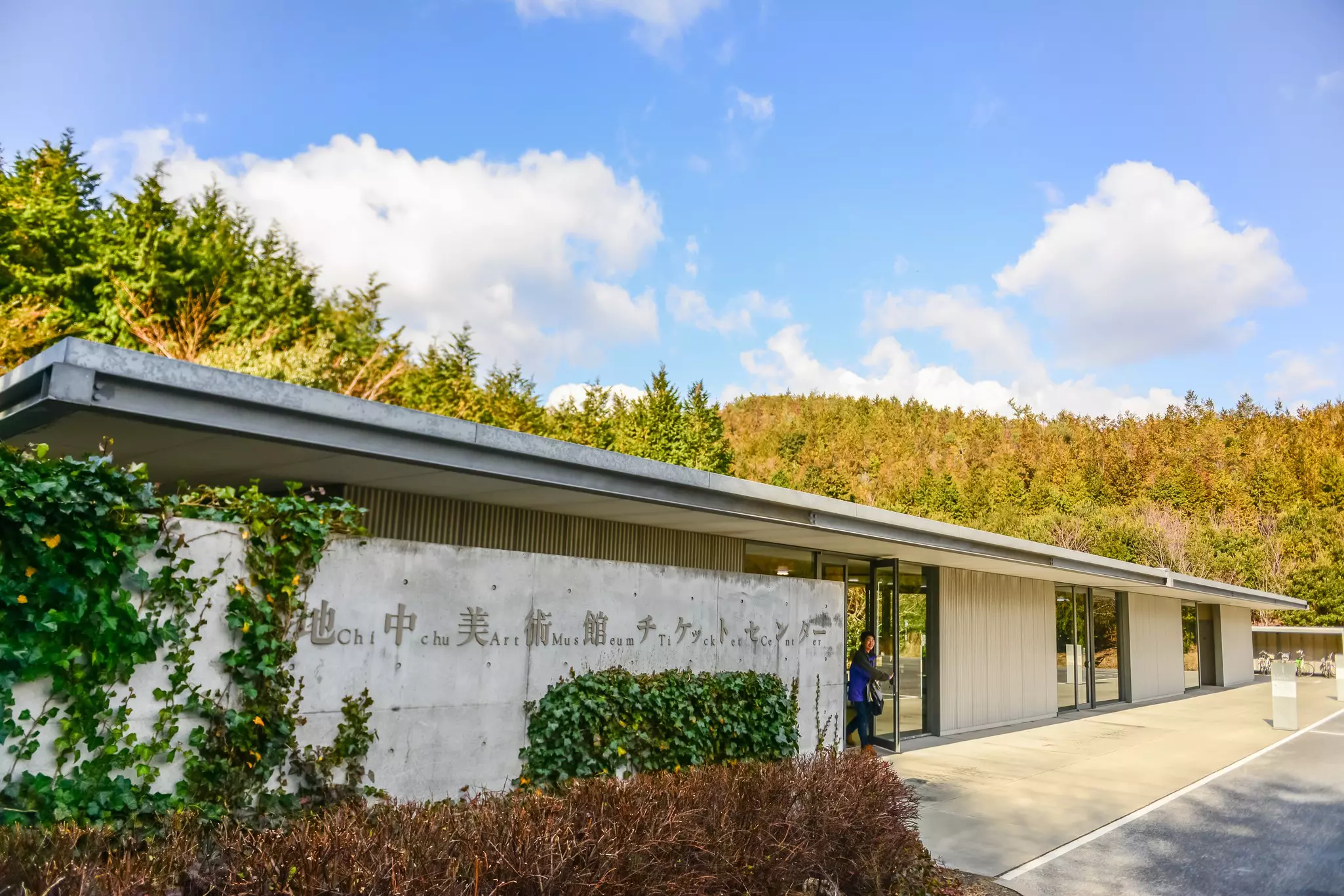
Chichu Art Museum is considered one of the most innovative spaces in the world – with good reason. Designed by Tadao Ando, the underground space is lit through large geometric openings in the ceiling, creating remarkable, industrial spaces for works by James Turrell and Claude Monet, who is also referenced in the living installation “Chichu Garden,” featuring 200 plant varieties grown by the artist in his Giverny gardens. But the centerpiece was created by American sculptor Walter De Maria. There’s no photography permitted in his chamber, “Time/Timeless/No Time,” but the stunning open-air room featuring gold plating and a large black orb is sure to leave an impression.
Make your Night at the Museum fantasies real with a stay at Benesse House. Noshima’s flagship hotel is a sprawling Tadao Ando-designed complex featuring a full art gallery. The MICHELIN Key-awarded hotel has all the high-end amenities you’d expect – including well-appointed seaside-view rooms, an onsite spa, and eateries ranging from high-end Japanese at Setomae Sushi Nagi to casual snacks at the Museum Cafe. But even if you’re not staying overnight, it’s worth visiting for its impressive art collection, accessible with a ticket to the Valley Gallery. Be sure to spend some time with “100 Live and Die,” a chaotic flashing-neon sculpture by Bruce Nauman, which reveals itself through multiple viewings, and “Blue Landscape,” a textured, site-specific work by Teresita Fernández.
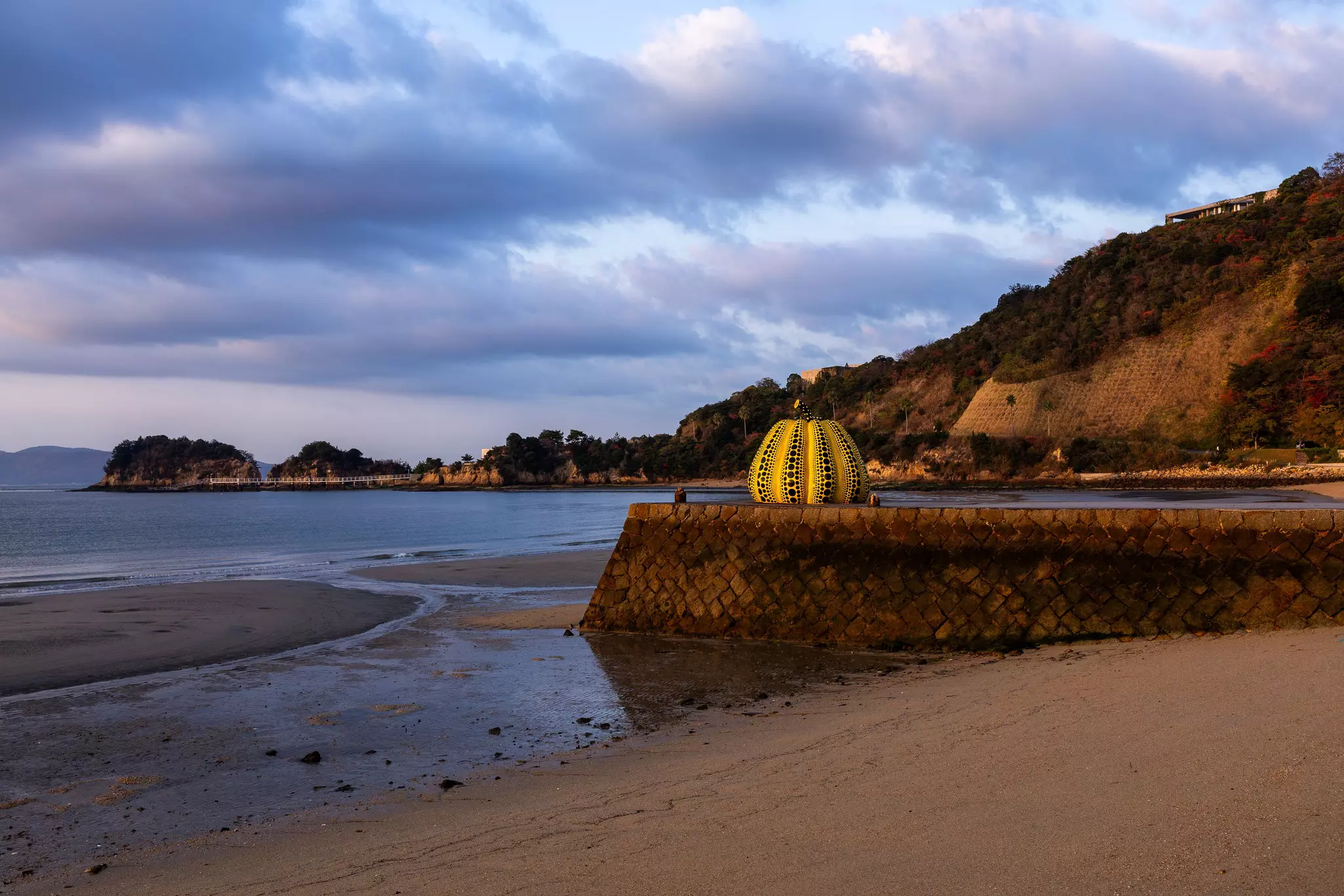
I am not a morning person, but watching the sun rise on Naoshima Island makes getting out of bed worth it. Start your morning at Kusama’s Pumpkin, a spotted yellow squash located on a short jetty just past the Benesse House grounds. The combination of the sun sparkling on the Seto Inland Sea and having an iconic work of art all to myself instantly became a core travel memory.
A night at Benesse House: from ¥68,000
Airbnb: starting from ¥18,000 per night
Ferries to and from the island: from ¥370
Art House Project ticket (access to five out of seven galleries in the Honmura district): ¥1,050
Electric bike rental (daily): ¥1,500
Entrance to Hiroshi Sugimoto Gallery and matcha service: ¥1,600
A bowl of noodles at Noshima Noodles: ¥1,000
Like many places in Japan, the majority of galleries on Naoshima are closed on Monday. The island is an extremely popular location during Golden Week – the cluster of holidays at the end of April and beginning of May. Avoid both the crowds and peak pricing by visiting either before or after the rush.
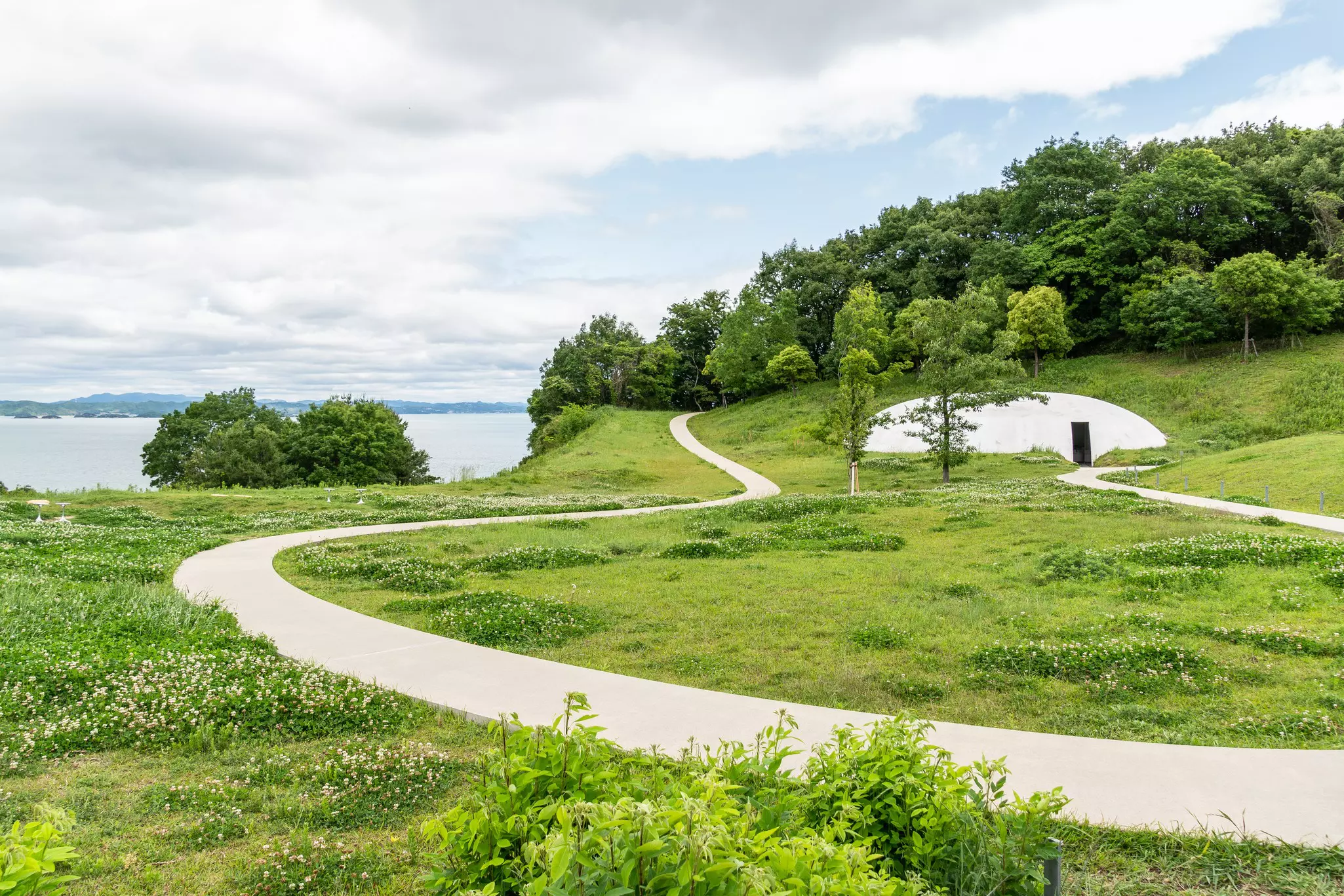
Naoshima may get most of the press, but Teshima, just 30-50 minutes via ferry, is worth a visit – particularly on Mondays when Naoshima galleries are closed. You will need to rent an electric bike to traverse the wild but well-kept paths to Teshima Art Museum, a stunning open-air experience by Ryue Nishizawa and artist Rei Naito. Fuel up with wood-fired pizza from Pizza Haruya, a local food truck parked on the hill just above the exhibit, before peddling back to the dock.
While the larger museums and hotels will be happy to take Apple Pay and credit cards, cash is still king at smaller galleries, gift shops and local restaurants.
Every three years, Naoshima hosts the Setouchi Triennale, a contemporary arts festival held on islands across Japan's Seto Inland Sea. Visit in 2028 for the 100-day festival, featuring several site-specific new works.
Explore related stories