Aug 12, 202615 min read
What to know before traveling to IndiaSep 1, 2020
5 MIN READ
Writer
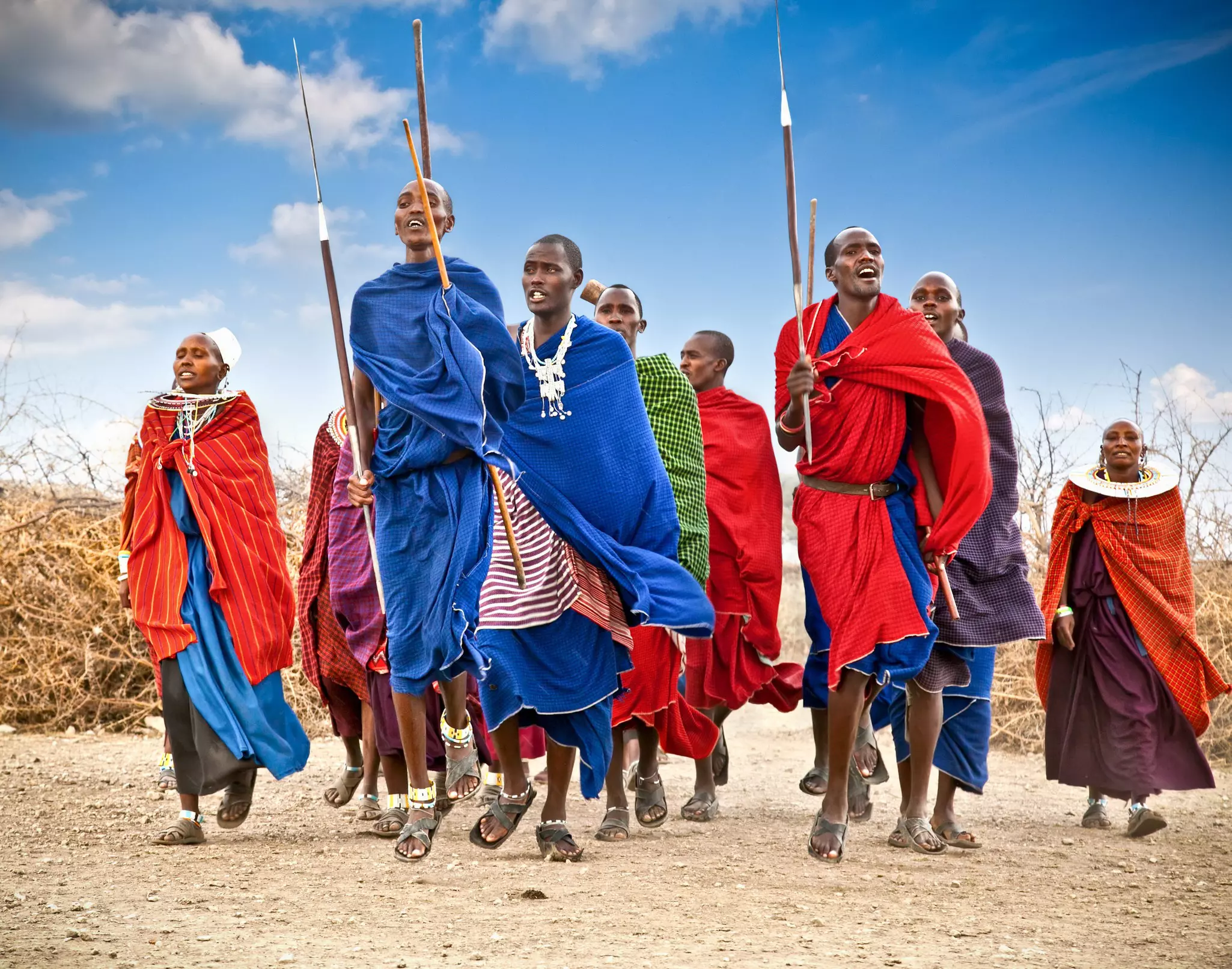
The Masai of East Africa - Indigenous people are the cornerstone of conservation ©Aleksandar Todorovic/Shutterstock.com

Writer
Lonely Planet may earn a commission from affiliate links on our site. All recommendations and reviews reflect our own independent opinions.
If it weren’t for tourisms positive impact on the economy, being called a tourist nowadays is almost a bad thing due to the environmental flipside. So can tourists actually be heroes not just for economic growth but for the planet’s wellbeing as well? Can the tourists feel their cape fluttering in the wind as they fly into a destination to save the world? Let us introduce the latest superhero –The safari hero.
Let’s give some perspective to this point of view with a quick background of the nature & wildlife crisis. From the 1900s till now, fauna and flora biodiversity has plummeted in terms of entire species being wiped out of the earth, raising scientists concern about the 6th mass extinction. Some scientists say that the world could take 5 to 7 million years to recover from this loss, which is way more than the 0. 2 million years (200, 000) since the arrival of homo-sapiens on earth.
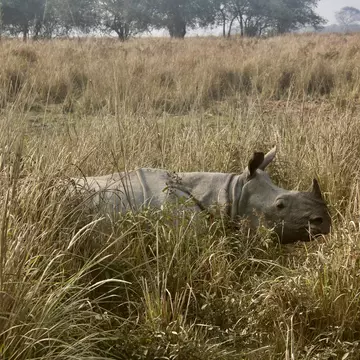
To put the wildlife crisis in context, one of our most beloved animals - the mighty African elephant used to number at 27 million in 1800 and that reduced to 2 million by 1970 and just 450, 000 today. The big cats too have an equally shocking statistical tale to tell. African lion numbers are down from 110, 000 in 1970 to around 25000 today. The great apes (other than humans) have fared no better. Coming to our favourite prehistoric-looking beast, the rhinoceros numbers have gone down from 500, 000 at the turn of the 20th century to 70, 000 by 1970 and finally less than 28, 000 today throwing light on how grim things are with such low numbers.
Contrary to this downward trend, there is one more trend that's clear as day.in the 1800s there were 1 billion or 1000 million humans.in 1930 it was 2 billion, 4 billion in 1974, 6 at the turn of the 21st century and there are 7. 8 billion of us today in 2020. So as we grow by the billion, the other creatures who share the planet with us, are being pushed to the edge of extinction. The UN expects the human population to hit 9-10 billion by mid-century and peak at around 11 billion by 2100. And 7. 8 billion means 7800, 000, 000 individuals. Overall humans, and our domestic animals such as our pets and livestock, are leaving no space for wild animals, and now only 4% of all animals by weight are wild.
Since the 1970s' reputed conservation organizations such as WWF (World Wildlife Fund) have been raising alarm bells about the sharp decline in biodiversity on earth.in the landmark ‘Living Planet Index’ report released by WWF in 2014, they highlighted how the count of both charismatic large animals and the lesser-known smaller wildlife living in their shadows, has nosedived. Overall 60% of mammals, reptiles, birds and fish have vanished from the world in the past 50 years.
The IUCN (International Union for Conservation of Nature) regularly releases the ‘Red List’, a list of animal species categorized as per their threatened status, with the most threatened ones in the wild labelled as ‘critically endangered’. Imagine that nearly 30000 entire species, not individuals, are considered threatened with extinction. That’s 41% of all amphibians, 26% of mammals including whales, 14% of birds, 30% of sharks & rays and 33% of reef corals.
You can now easily see where the natural world is headed. So what does a safari Hero do? With each safari, these animals are worth more alive, than dead. Their economic worth to locals can override the need for cutting forests for farms, for the poor poacher to earn from killing or for eating bushmeat. Also, the safari tourists would naturally like to view and photograph the animals in their natural wild surroundings and not in private farms or zoos. With that, we have large government-protected areas such as national parks and wildlife sanctuaries cut out, where the forest cover remains largely undamaged. Forests are literally the lungs of the planet as they are major carbon sinks (absorbing greenhouse gases that heat the planet) and oxygen sources.
WWF states that the forest cover globally has reduced by 53% since 1970. Today only 30% of all land on Earth is forested, and just half of that or 14. 9% overall, is protected. You can be sure that even this protection is because there are people wanting to pay money to see the animals in the wild. And because of the favourite flagship species, the others are protected too along with their habitat, which is critical to maintaining the health of our home planet. There is now a call from the top conservation organisations including the National Geographic Society, Conservation International and others, that 30% of the planet should be protected by 2030 and 50% by 2050, in order for it to be livable for future generations.
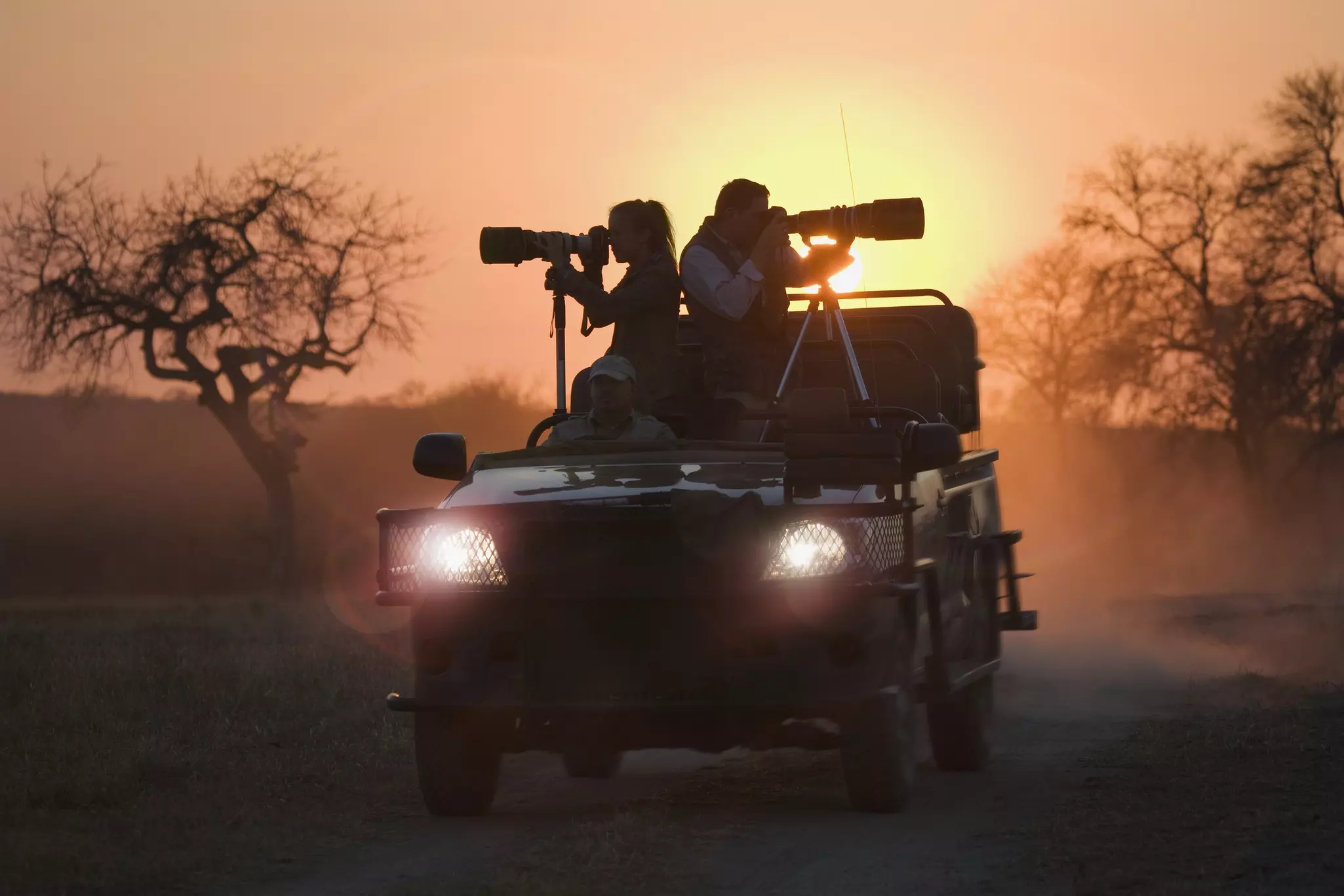
The preservation of animals indirectly means the preservation of the ecosystems that support wildlife and us. Hence their survival is imperative not just for boosting tourism revenue of a nation but for maintaining the fragile ecological balance of the planet itself, by containing deforestation and ensuring greenhouse gases are absorbed efficiently which otherwise could cause an irreversible climate crisis. This is how a safari hero actually saves the world, one safari at a time.
Nitin Gairola is a travel & conservation writer, a poet, photographer, and a business management professional besides being a nature & wildlife enthusiast. He has been to many parts of the Earth, covering the continents, polar caps, mountain ranges, rainforests & jungles, grasslands, deserts and nearly a century of countries, in his personal quest to document and better understand the planet & its inhabitants.
You might also like: The medieval art and architectural wonders of Orchha Bundi - the monsoon delight city of Rajasthan Barentsburg - The northernmost inhabited island of the world
Book your India trip with Lonely Planet Journeys
See India how it's meant to be seen
Planned by local experts and tailored to you, Lonely Planet Journeys handles the logistics so you can just enjoy the trip. Tell us what you want and we'll build your India itinerary from scratch, or browse our bookable trips to get inspired.


Explore related stories