Sep 24, 202610 min read
A Book Lover’s Guide to IndiaDec 1, 2025
4 MIN READ

Writer
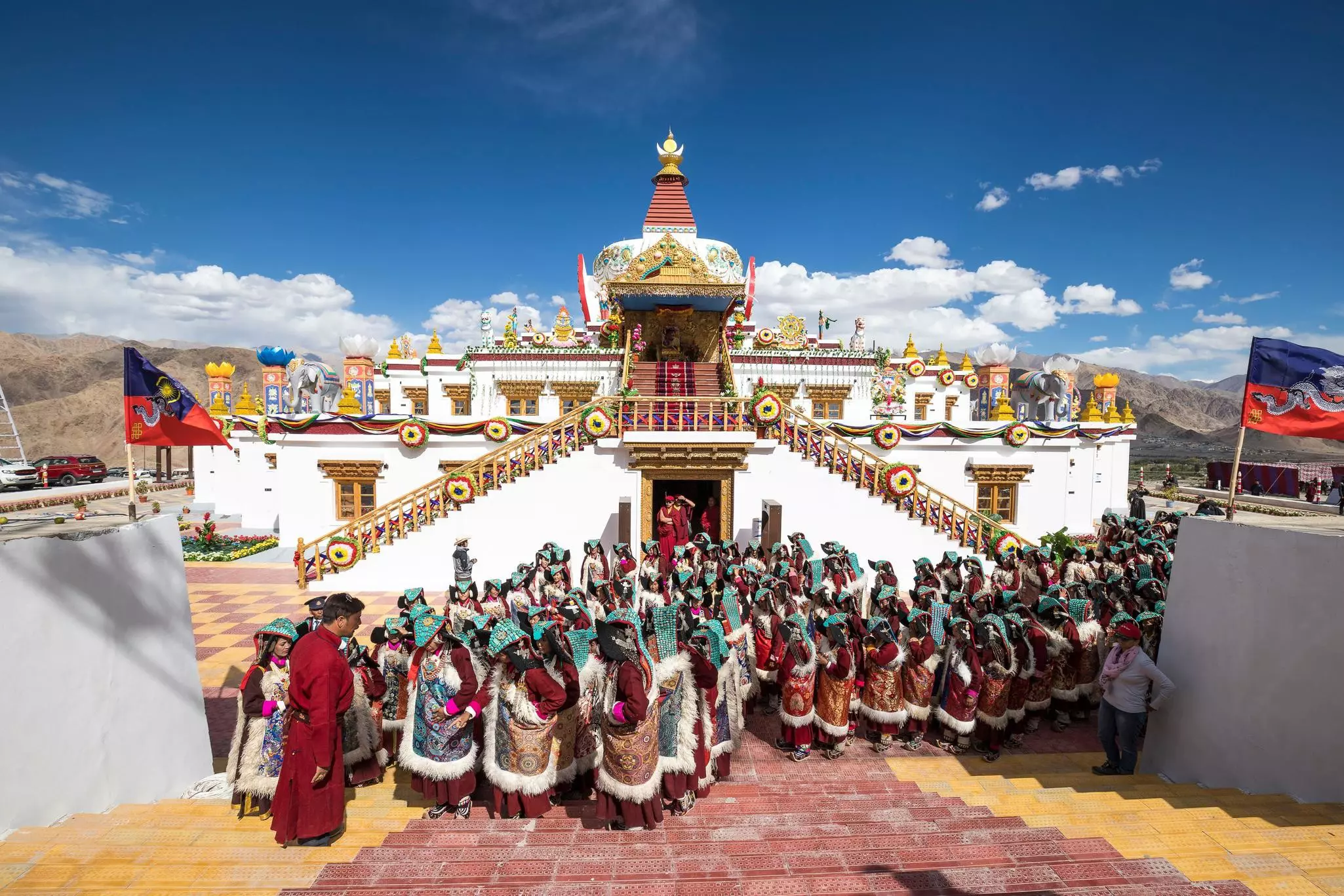
Naropa Festival in Ladakh, India. Hemis/Alamy
Writer
Lonely Planet may earn a commission from affiliate links on our site. All recommendations and reviews reflect our own independent opinions.
Visiting the Indian Himalaya offers a glimpse into a rich tapestry of wild landscapes, unique dialects, and varied ethnicities. Local festivals here are distinct for their rituals, idiosyncrasies and pagan beliefs. Celebrated in increasingly small numbers by very specific communities, these festivals offer a sensory awakening – flamboyant attire and ornaments, ancient instruments and incantations reverberating – and a deep reverence for the spiritual nature of the land.
As an adult who grew up in this region, I have a newfound appreciation for these slowly fading, little-known festivals. Today, I see them with the same wonder and awe as a first-time visitor. Here are the rarest and most remarkable festivals in the region.
5–7 days, September/October
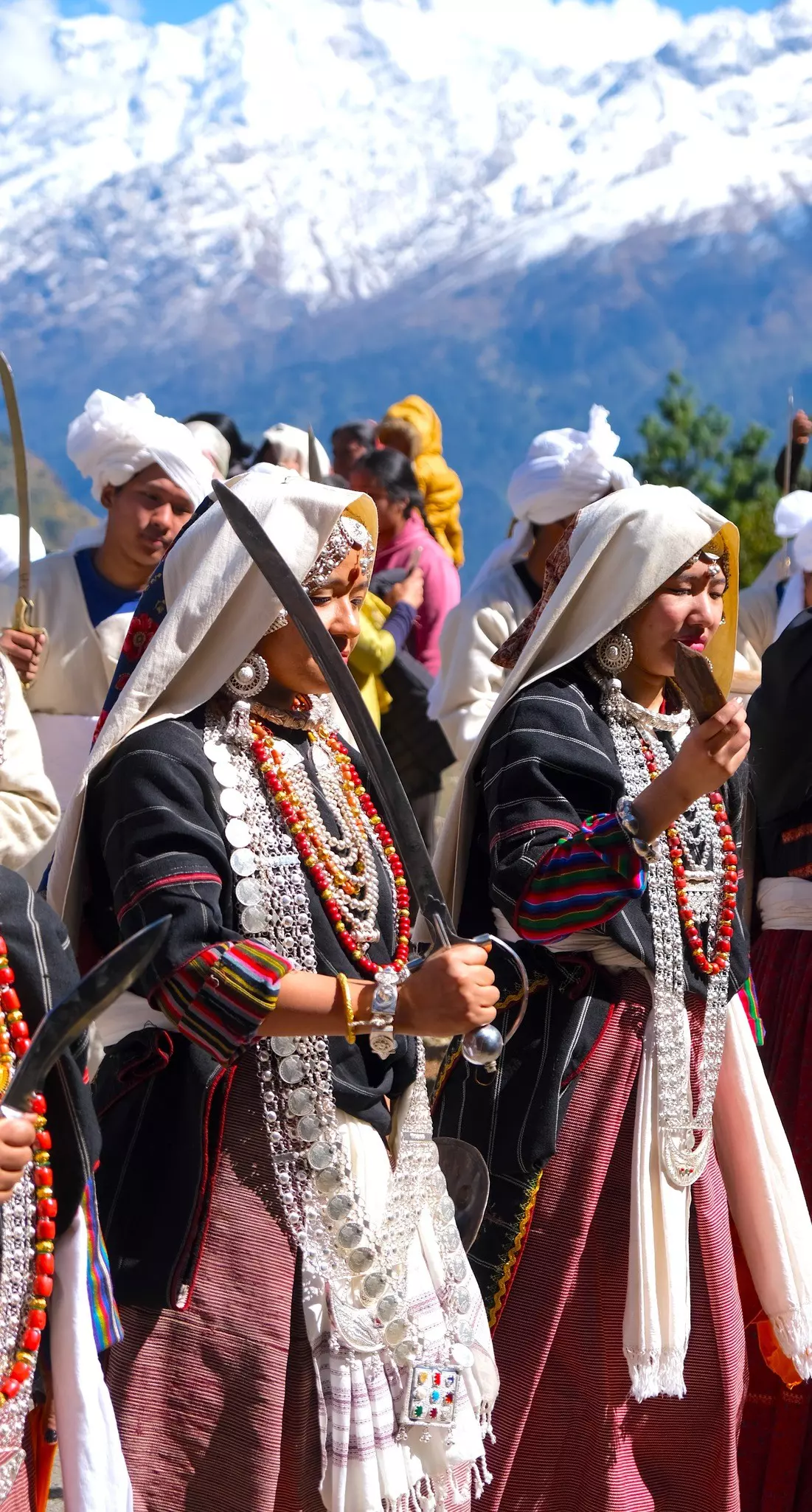
Kangdali is celebrated in the Chaundas valley by the Rung community, a Tibetan-origin community, broadly known as the Bhutiyas. The festival coincides with the flowering of kangdali (strobilanthes wallichii), a high-altitude shrub, once every 12 years (next in 2035). Women adorn themselves in silver coin necklaces and striking nose pins, and men don white turbans to reenact the defeat of Sikh military general Zorawar Singh’s unstoppable army by dancing their way into the forests. Swinging their swords gracefully, they move ahead in well-coordinated steps to symbolically destroy the shrubbery that once harbored their enemy in the late 19th century.
11–14 days, mid-April
Part theater, part celebration, the Ramman festival in the twin villages of Saloor-Dungra is dedicated to Bhumiyal Devta, a local deity. It stages the Ramayana, one of the two main Hindu epics. Masked dances, ritualistic incantations to invoke deities (the reciters supposedly possessed), processions, and staged mythological retellings are at the heart of this festival. Because of its unique storytelling, it was recognized by the UNESCO list of Intangible Cultural Heritage of Humanity in 2009.
5 days, September
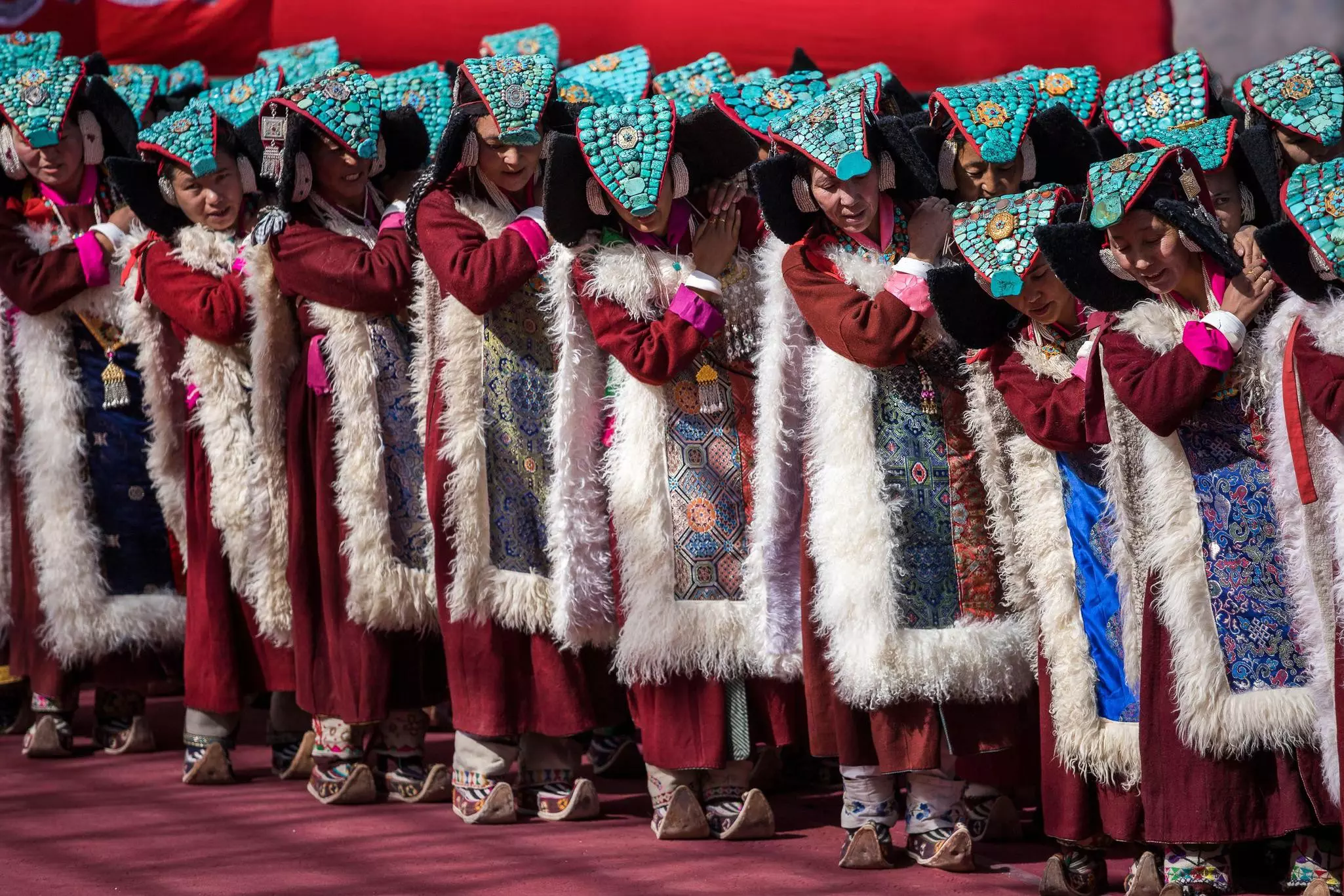
Another duodecennial Himalayan festival, Naropa commemorates the life and teachings of the Buddhist saint, Naropa, whom the festival is named after. This stately event is brimming with spiritual teachings and women dancing while delicately balancing colossal peraks, turquoise stone-studded headgear. However, the festival's biggest draw is the rare display of Naropa’s six bone relics that are believed to have been gifted to him by dakinis (female Buddhist fairies) upon his enlightenment, and the unfurling of a massive thangka or Buddhist painting. Naropa is next expected to be celebrated in 2028.
3 days, second half of September
Known as Okayand or Ukyang locally, Phulaich is a festival of flowers in the state’s Kinnaur district. It marks the blooming of the ladra (Tricholepis furcata) flower, which residents offer to their ancestors. Phulaich fosters a sense of community, with food and wine given to the needy alongside heady celebrations. The grandeur of this festival lies in religious performances and community merriment as petals shower down and onlookers join in the gentle Naati dance, a folk dance with slow-moving, synchronized steps, from parts of Himachal.
5 days, first week of April
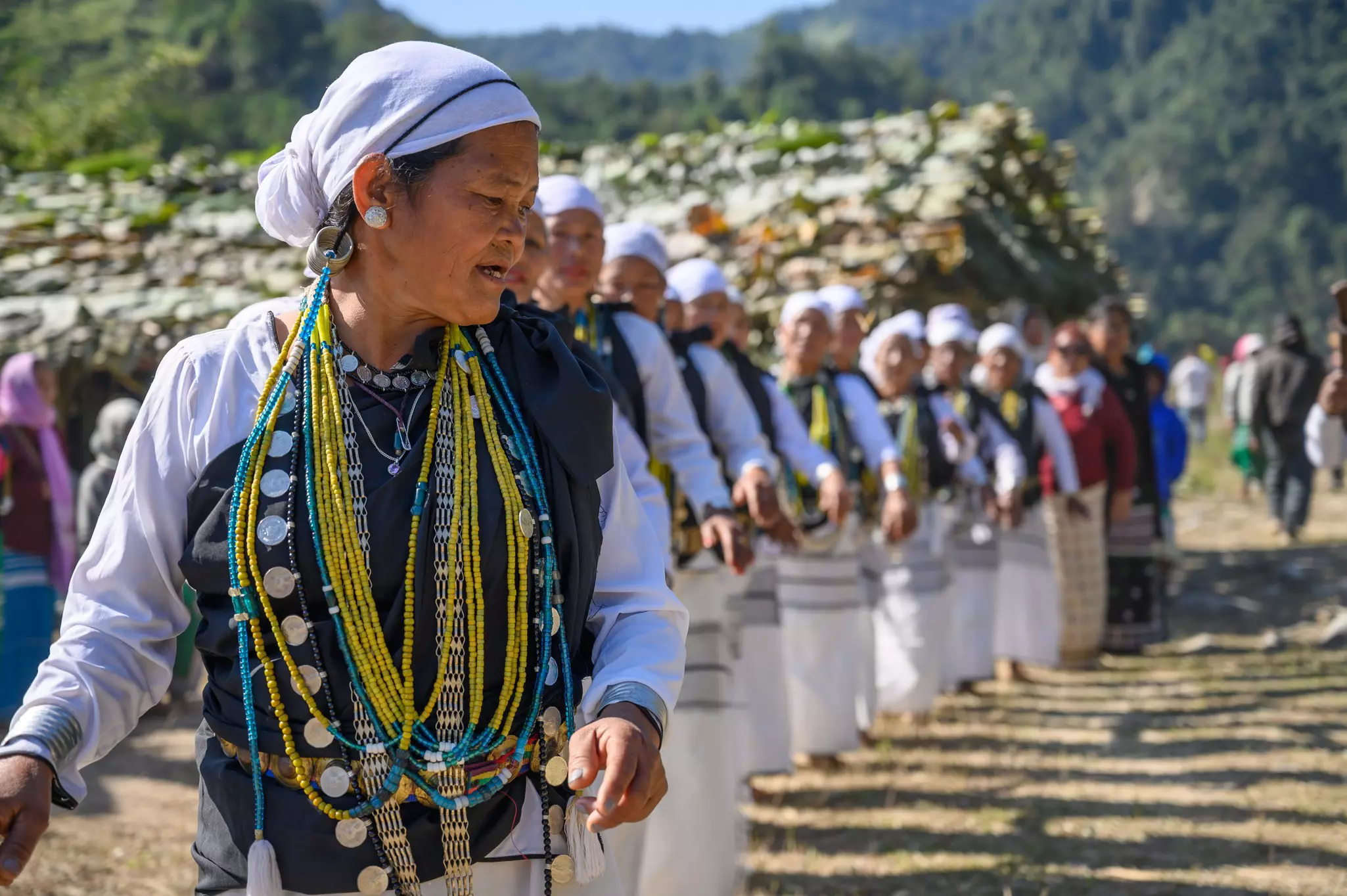
A tribute to the goddess of fertility and prosperity, Mopin Ane, this harvest festival is celebrated in the Along and Galo tribal areas of Arunachal Pradesh. A gesture of gratitude and prayer for the community’s prosperity, this spring festival includes smearing rice flour on others’ faces, with young girls performing the Popir dance, an energetic folk dance from the Galo and Adi tribes. Unlike most Himalayan festivals, Mopin is celebrated in black and white dresses, complemented with a dash of color in the form of beaded jewellery or creative hay headgear and ornaments.
4 days, February/March
Holi is celebrated across India, but Faguli, the version in the Sangla valley, is where the festival’s exuberance meets Kinnauri customs. Other than colors, the air is thick with the sound of drums and percussion, and devotional dances in this multiday celebration. Remarkable dresses made of hay, offset by pale masks and colorful hats, have the crowd’s undivided attention.
30 days, May/June
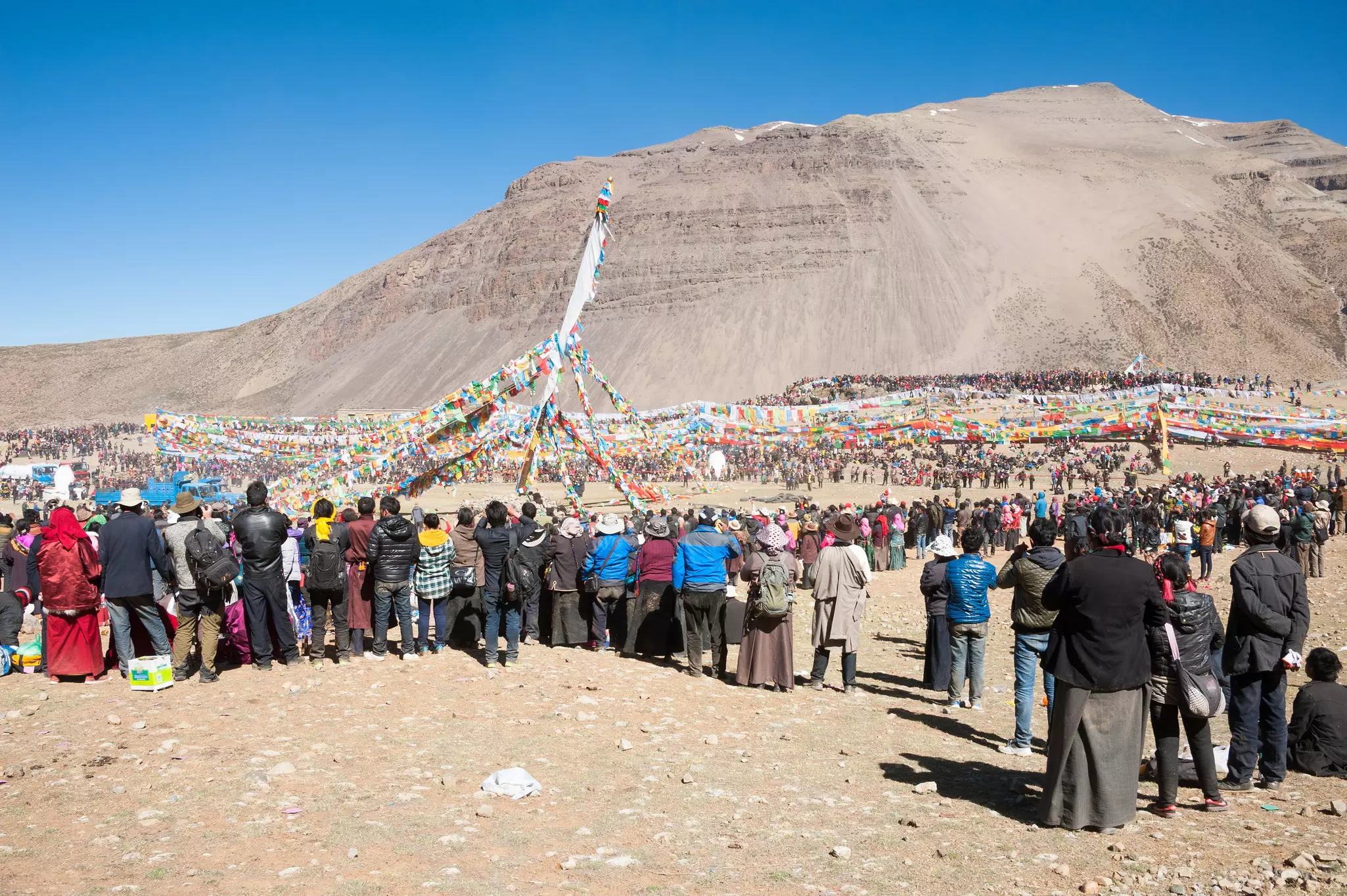
The festival of the Triple Blessed, Saga Dawa holds significance for followers of Mahayana Buddhism and pays tribute to Buddha’s birth, enlightenment and attainment of liberation (death). Processions by monks wearing multitiered hats carrying holy scriptures, punctuated by the trumpeting of dungchens (metal longhorns used in Tibetan Buddhist ceremonies), and the lighting up of monasteries with hundreds of butter lamps is a festival highlight.
14 days, third week of August
Historically a trade fair, La Darcha in the Spiti valley is today a cultural get-together. In a rare meeting of Himachali art and Tibetan culture, you’ll see performers in elaborate costumes with the hallmark geometric patterns of the former and bold primary colors of the latter. The festival is attended by a melange of both locals and tourists, which showcases Spitian dance and music, and in a tipping of the hat to its roots, handicraft and artifacts.
Book your India trip with Lonely Planet Journeys
See India how it's meant to be seen
Accommodations, activities and ground transportation all taken care of, so you can focus on the fun part. Tell us what your dream trip to India looks like, and our local experts will build it from scratch. Or start with one of our itineraries and make it your own.

Explore related stories