Sep 7, 202613 min read
Taking the Train from Delhi to Mumbai (What You Need to Know)Mar 20, 2026
10 MIN READ
Writer
Celebrating Ganesh Chaturthi, Mumbai, India. Sandycinecam/Shutterstock

Writer
Highlights
Writer Joe Bindloss maps India's best travel seasons, from beach days to Himalayan treks.
December to March is India's dry, warm peak season for temples, beaches and tiger safaris.
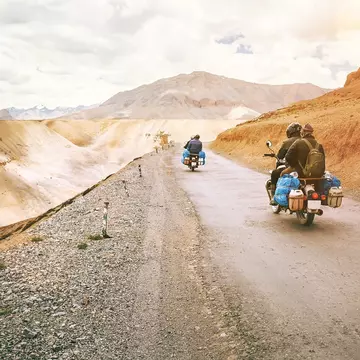
Trek Ladakh's trails June to September; bargain prices await in the rain-soaked plains.
April to June: searing plains drive visitors to hill stations like Darjeeling or foothills treks.
Lonely Planet may earn a commission from affiliate links on our site. All recommendations and reviews reflect our own independent opinions.
From the sky-high peaks of the Himalayas to the waterlogged jungles of Kerala and the dry-as-a-bone deserts of Gujarat and Rajasthan, continent-sized India covers an astonishing variety of terrain. All year long, the climate in India varies with the terrain – though there’s always something marvelous to discover, no matter the weather.
The northern-hemisphere winter from December to March is the optimum time to visit the vibrant cities, temples and forts of North India, while the rainy monsoon period from June to September is the peak season in the dry mountains of Ladakh, in the far north. South India is warm year-round, though the winter months are drier, cooler and generally far more pleasant than the sticky summer.
Even if you can only get to India at the height of the rainy season, there are plenty of good reasons to visit this remarkable nation – not least the festival calendar, which brims with unforgettable celebrations every month of the year. Here’s our guide to the best times to head to India.
Weather in India in winter: December to March sees little rain anywhere in India. In the north, cool evenings give way to pleasantly warm days; Delhi ranges from around low of 43°F (6°C) to a high of 70°F (21°C), while Mumbai is slightly warmer. Coastal areas in the south remain warm, with average highs around 90°F (32°C). In the mountainous far north, snowfall and frigid temperatures mean many roads are impassable, and travel not advised.
The peak season for tourism in India coincides with dry skies and warm but not baking temperatures in the plains – in other words, perfect traveling weather. Balmy, sunny days are ideal for exploring India’s teeming cities. In fact, most of the country is ripe for exploration in the winter months, though it can be frosty in the foothills of the Himalayas.
Even in the steamy south, humidity hovers at manageable levels and temperatures dip overnight, making it easier to sleep, though this is also the time for peak prices almost everywhere. Another hassle is the morning fog, which can disrupt air travel and other forms of transport in the northern plains; the notorious pollution in Delhi is at its worst between November and March. However, this is the best time to visit the deserts of Rajasthan, thanks to mild days and cool nights.
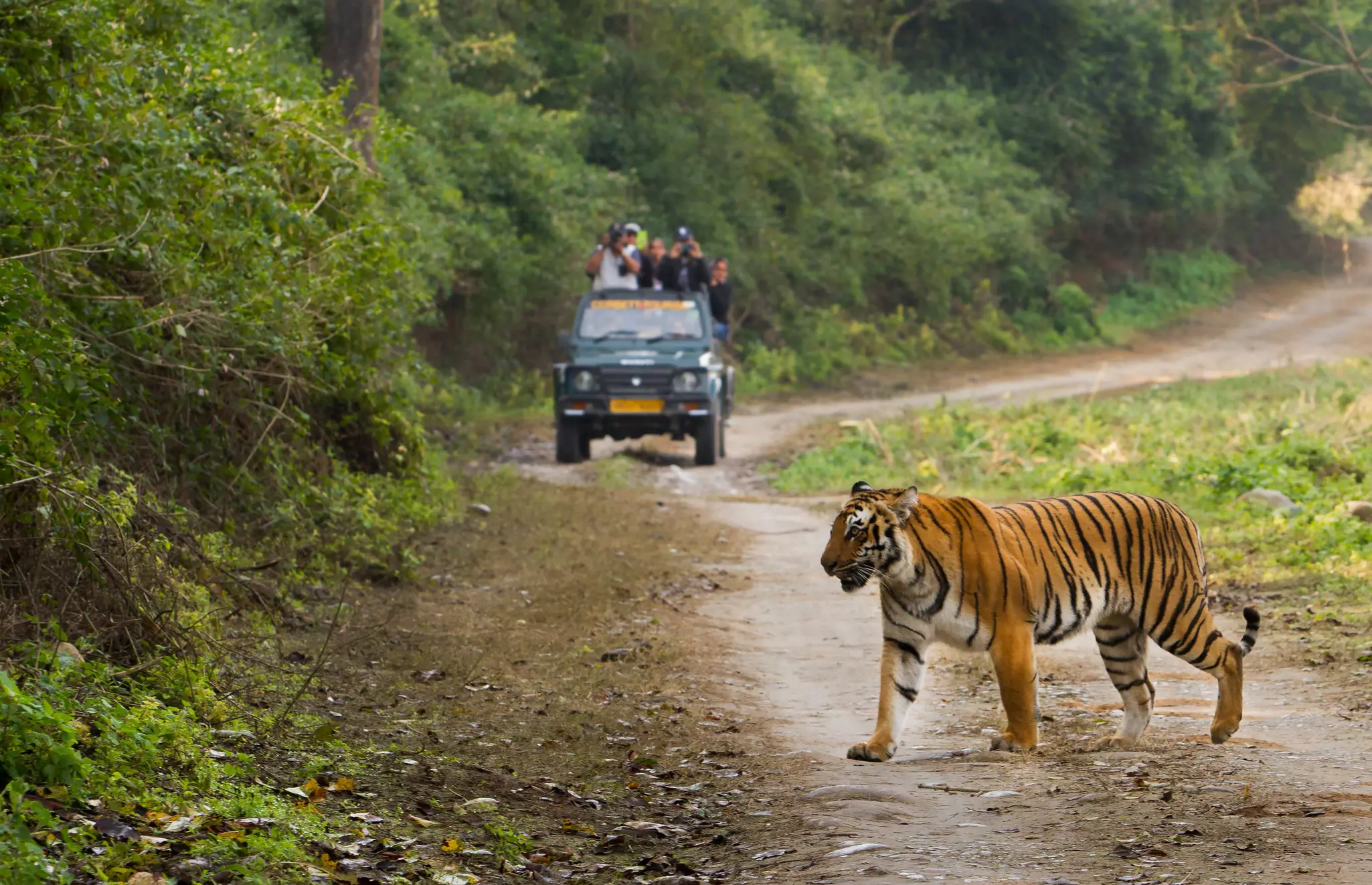
December to March is also the sweet spot for lowland adventures. National parks are drier, there’s less greenery for wildlife to hide behind, and animals are more active, and for longer, thanks to the lower temperatures. For a good chance of tiger sightings, head to Kanha, Bandhavgarh, Ranthambhore and other national parks in the central plains.
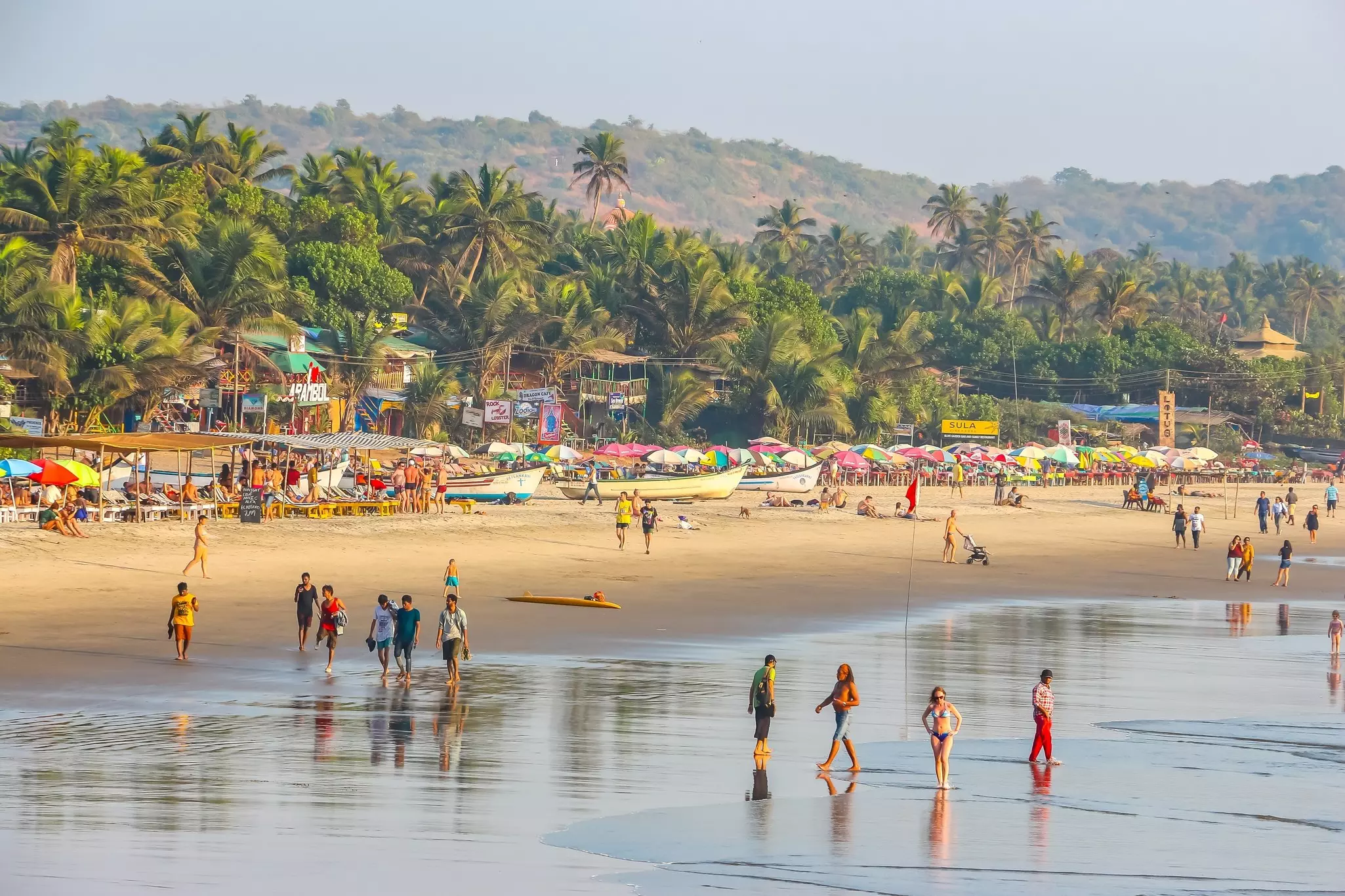
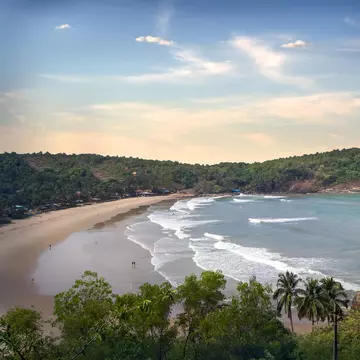
In the hills, it’s a slightly different story. While there’s an undeniable magic to seeing Shimla dusted with snow, many hotels shut their doors for the winter, and mountain trails and roads over high passes are often blocked by snow, including the main roads to Ladakh (though some hardy travelers still fly in for winter treks). A handful of hill towns in Kashmir, Himachal Pradesh and Uttarakhand stay open for skiing and other winter sports, but many Ladakh business owners shut up shop and head south for the season to Goa.
December is a big time for Hindu marriage ceremonies – look out for baraat (bridegroom’s processions) featuring a white horse, a nervous groom and an ear-splitting marching band, often accompanied by noisy fireworks. Christian communities in Goa and parts of Kerala and the Northeast States hang up decorations in the lead-up to Christmas, with Christmas Day celebrated with feasting and fireworks.
In January, all eyes are on Delhi for the pomp and circumstance of Republic Day on January 26 (don’t miss the army and police motorcycle stunt teams). The Hindu festival of Sankranti is celebrated in different ways across India, from special celebrations to honor cows in South India to mass kite-flying in Gujarat.
If you come in February, head to Jaipur for the cultured Jaipur Literature Festival, or Agra for Taj Mahotsav, a 10-day carnival of culture, cuisine and crafts featuring 400 artisans from all over India (and enough regional food to induce a curry coma). Alternatively, make for the hills and join Buddhist communities embracing Losar, the Tibetan New Year. Meanwhile, in Rajasthan crowds gather in Jaisalmer for the vividly colorful Desert Festival, complete with mustache competitions and camel races.
Other red-letter days on the calendar include the Hindu festival of Vasant Panchami in January or February, marking the arrival of spring; and the atmospheric Sufi festival of Urs in Ajmer (held in early February in 2026). In February or March, you can attend Goa’s lively carnival or honor Lord Shiva at celebrations across the country for Maha Shivaratri; Haridwar, Ujjain and Varanasi are good places to join the celebrations.
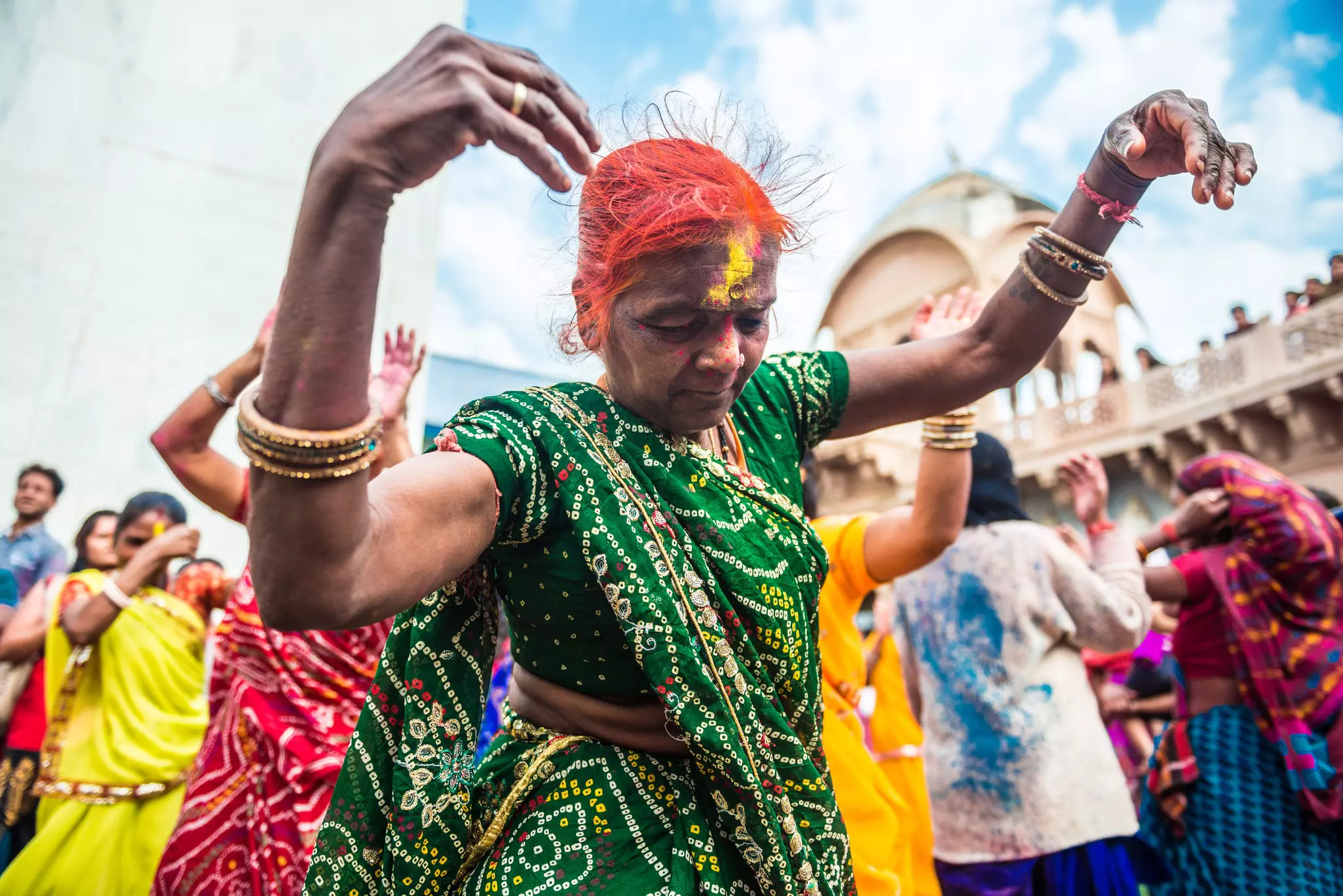
Across the country, crowds join in the joyful mayhem as mountains of rainbow-colored powder get thrown around for the festival of Holi in late February or March. If you attend, wear clothing that you won't mind discarding if it gets too stained, and consider wearing sunglasses or goggles to keep the powder out of your eyes.
Weather in India from June to November: In most of India, monsoon season arrives in June and lasts through September, with near-daily downpours, especially in the afternoons and evenings. Temperatures are warm, in the mid-80s°F (around 30°C), with high humidity – which dissipates in a lovely way after the rains stop. In the Himalayas, the weather is dry and sunny, though temperatures can dip down to the 40s°F (as low as 5°C) in the evenings.
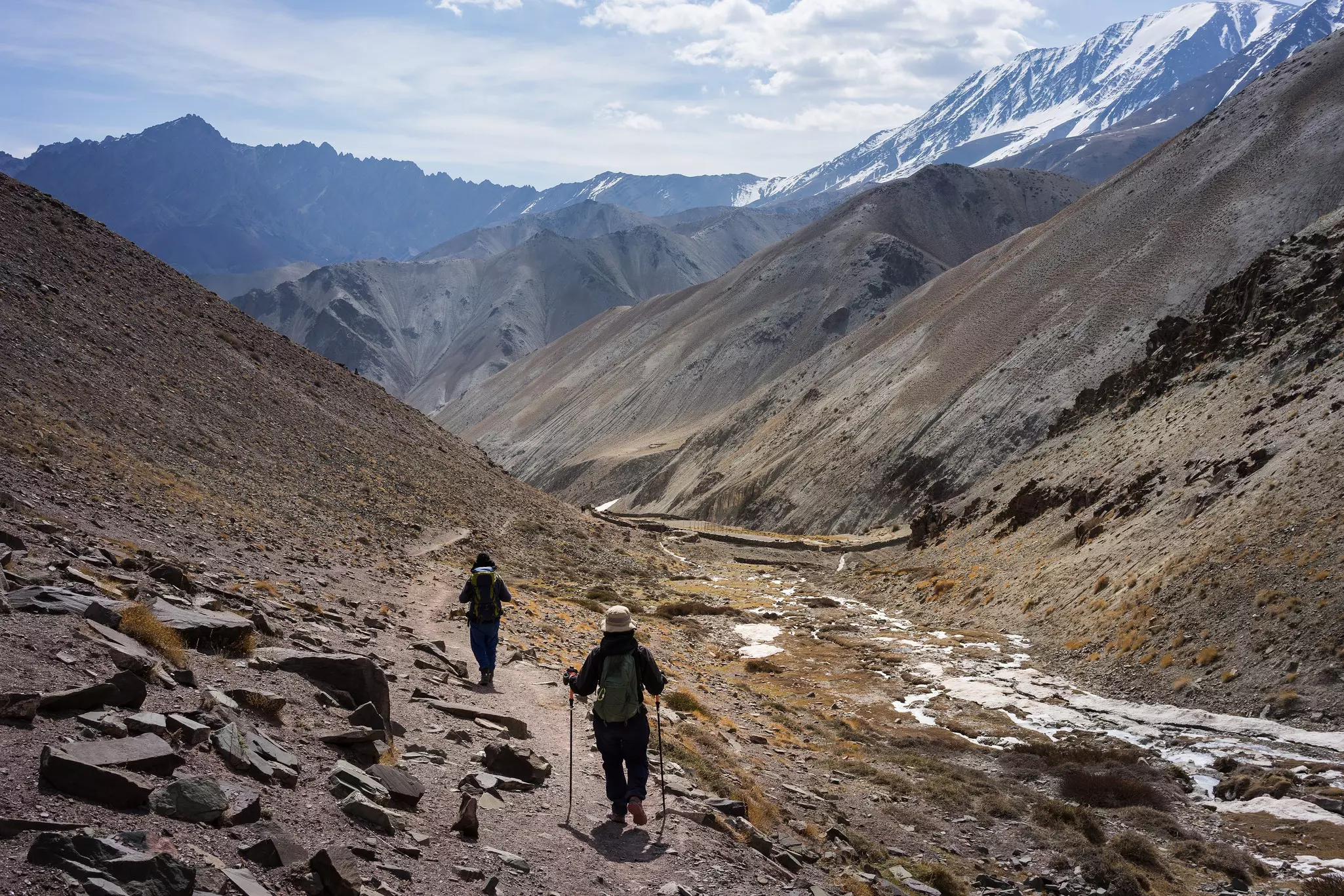
India’s shoulder season means different things depending on where you go in the country. The plains get drenched by the monsoon rains from June to September, while beach resorts in steamy Goa become ghost towns. But backpackers and trekkers flock to the mountains, filling Ladakh’s lodges, tented camps and yoga retreats.
This is the prime time for treks on India’s high-altitude trails – yet at the same time, roads and paths through the lower-lying foothills turn into torrents, national park trails close and views disappear behind swirling clouds. All this might give an impression of a country besieged by rain – but even during the stormiest periods, it doesn’t rain all day, every day. There’s still plenty to see and do, with bargain prices for accommodations and tours, to boot.
As the rains clear starting in September, tourism picks up in the plains and the foothills, though tourism in Ladakh winds down for the season, and public buses between Leh and Manali stop running. October and November are great times to visit almost everywhere else in India: prices remain below their peaks, skies are clear and the trekking season gets underway in the foothills. This is also a great month to visit desert areas such as Rajasthan, which can be surprisingly green.
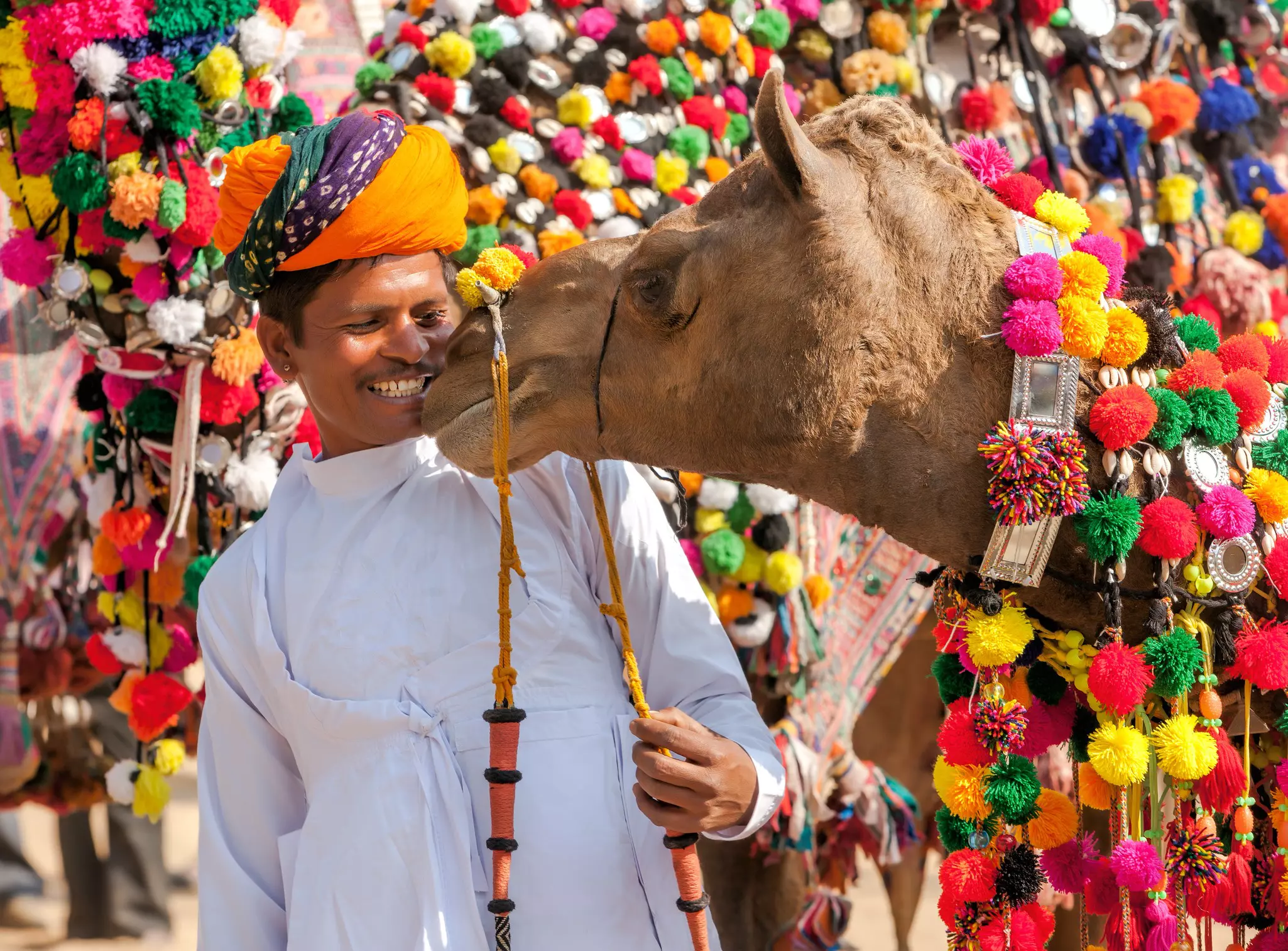
In June or July, Rath Yatra sees effigies of Lord Jagannath – Vishnu as Lord of the Universe – hauled through the streets on vast, colorful chariots, most famously in Puri in Odisha (Orissa). Buddhist festivals fill the gompas of Ladakh – Hemis Tsechu is a glorious spectacle, with costumed dances and the unfurling of a giant thangka (Buddhist painting) at Hemis Gompa.
August is jam-packed with festivals. Kerala’s exhilarating boat races take place on the second Sunday of August; patriotic flag-hoisting ceremonies and parades take place in Delhi on August 15 to celebrate India’s independence. Falling in August or September, Ganesh Chaturthi sees the ritual immersion of thousands of colorful idols of the elephant-headed god in Mumbai.
There’s more action in October and November, as Hindus honor Durga, the fearsome manifestation of the mother goddess, most famously during the festivals of Navratri and Durga Puja (celebrated enthusiastically in Kolkata and West Bengal). Many areas throw lavish celebrations for Dussehra, celebrating the victory of Hindu god Rama over demon-king Ravana and the triumph of good over evil (festivities are particularly colorful in Kullu and Mysuru).
This is also the season for Diwali (Deepavali), which brings fireworks and twinkling lights to towns and villages across India, and the Camel Fair in Pushkar, which attracts 200,000 people and 50,000 camels, horses, and cattle. Sikhs celebrate Nanak Jayanti – the birthday of Guru Nanak, founder of Sikhism – with prayers, kirtan (devotional singing) and processions, especially in Punjab and Haryana.
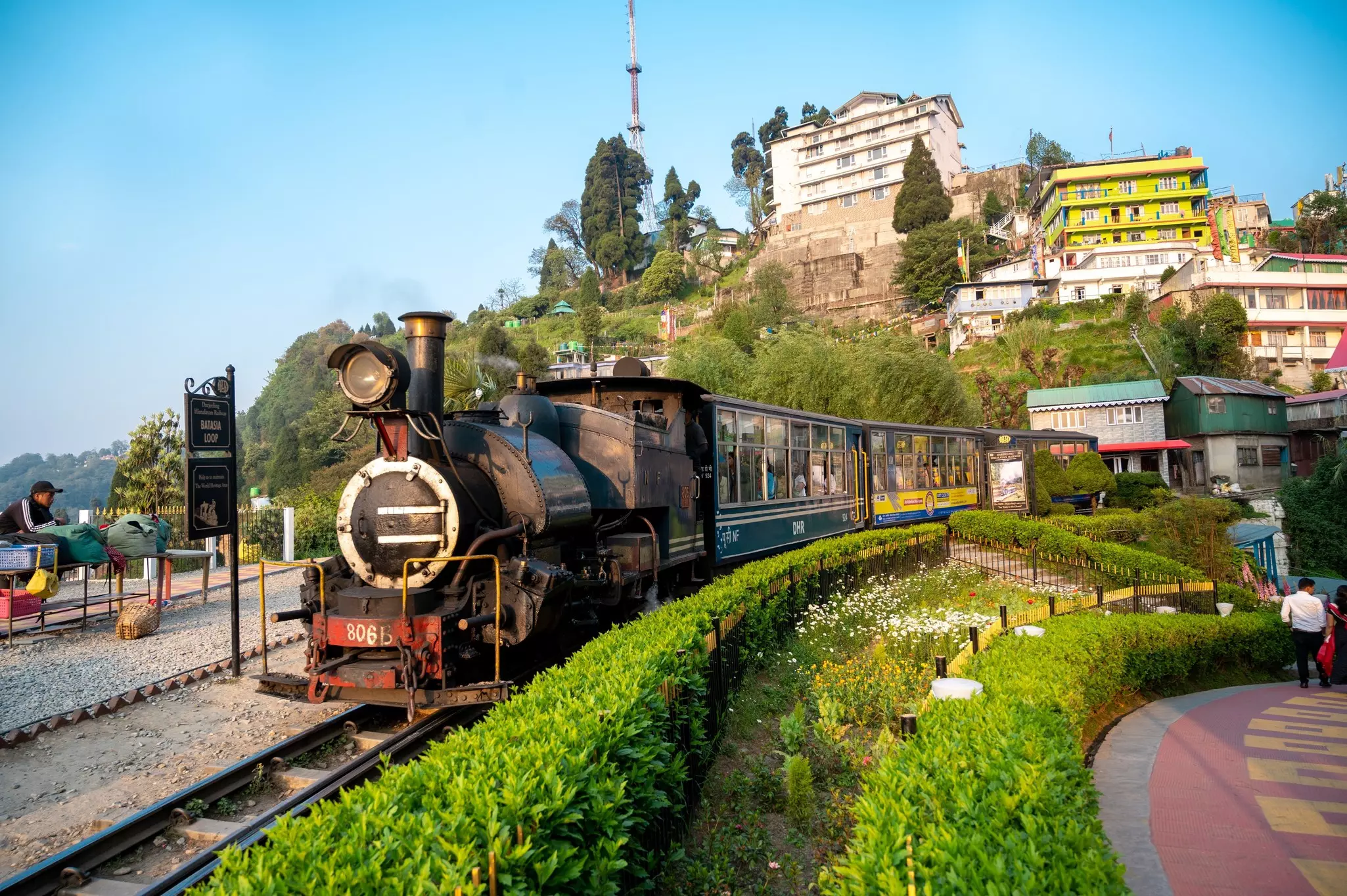
Weather in India from April to June: In these pre-monsoon months, daytime temperatures are scorching, with highs in major cities (Delhi in particular) often ticking north of 100°F (40°C). At higher altitudes, by contrast, temperatures are pleasant: in Darjeeling, the average May highs is around 73°F (23°C).
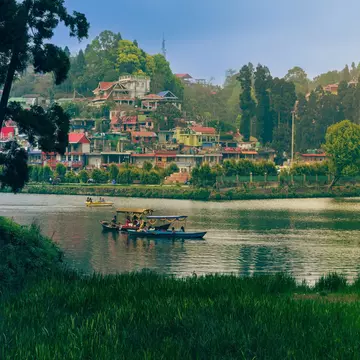
India’s low season sees temperatures soaring to occasionally unbearable levels. By May, as locals await the relief of the monsoon, the lowlands feel like an oven. Cities can be uncomfortably hot – sensible travelers head to India’s fabled hill stations (high-altitude resort towns) or stay close to water on the coast. The Northeast is wet, but it’s peak season for visiting Sikkim and highland areas of West Bengal, including Darjeeling (one of the best-known hill stations).
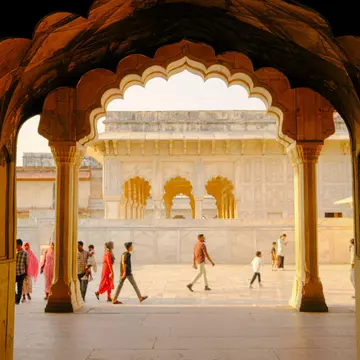
If you can handle the heat, tourists are thinner on the ground, making visits to popular sights such as Delhi’s Red Fort less hectic. This is also is a great time for treks in the cooler foothills of the Himalayas. Accommodation prices are also low, though many beachside hotels in Goa close completely between May and September. If you happen to be in Maharashtra, you’re in for a treat as tasty Alphonso mangoes come into season.
Yet the heat doesn’t halt the festival calendar. Mahavir Jayanti commemorates the birth of Jainism’s 24th and most important tirthankar (teacher and enlightened being), while Sikhs celebrate Vaisakhi (the solar new year) in the middle of April. Rama Navami is another big date, as Hindus celebrate Rama’s birth with processions and enactments of scenes from the Ramayana (one of Hinduism’s most sacred texts).
The Muslim holy month of Ramadan changes date every year – it runs from February to March in 2026 and 2027. Some Muslim-owned businesses close during the day, and people fast from sunrise to sunset. The end of the month of observances at Eid al-Fitr is marked by feasting, and Muslim women adorn their arms with mehndi (henna designs). Hyderabad is a particularly atmospheric place to join the Eid al-Fitr celebrations. The birthday of Buddha (Buddha Jayanti or Buddha Purnima) is celebrated with gusto in Bodhgaya and Tibetan Buddhist areas, usually in May.
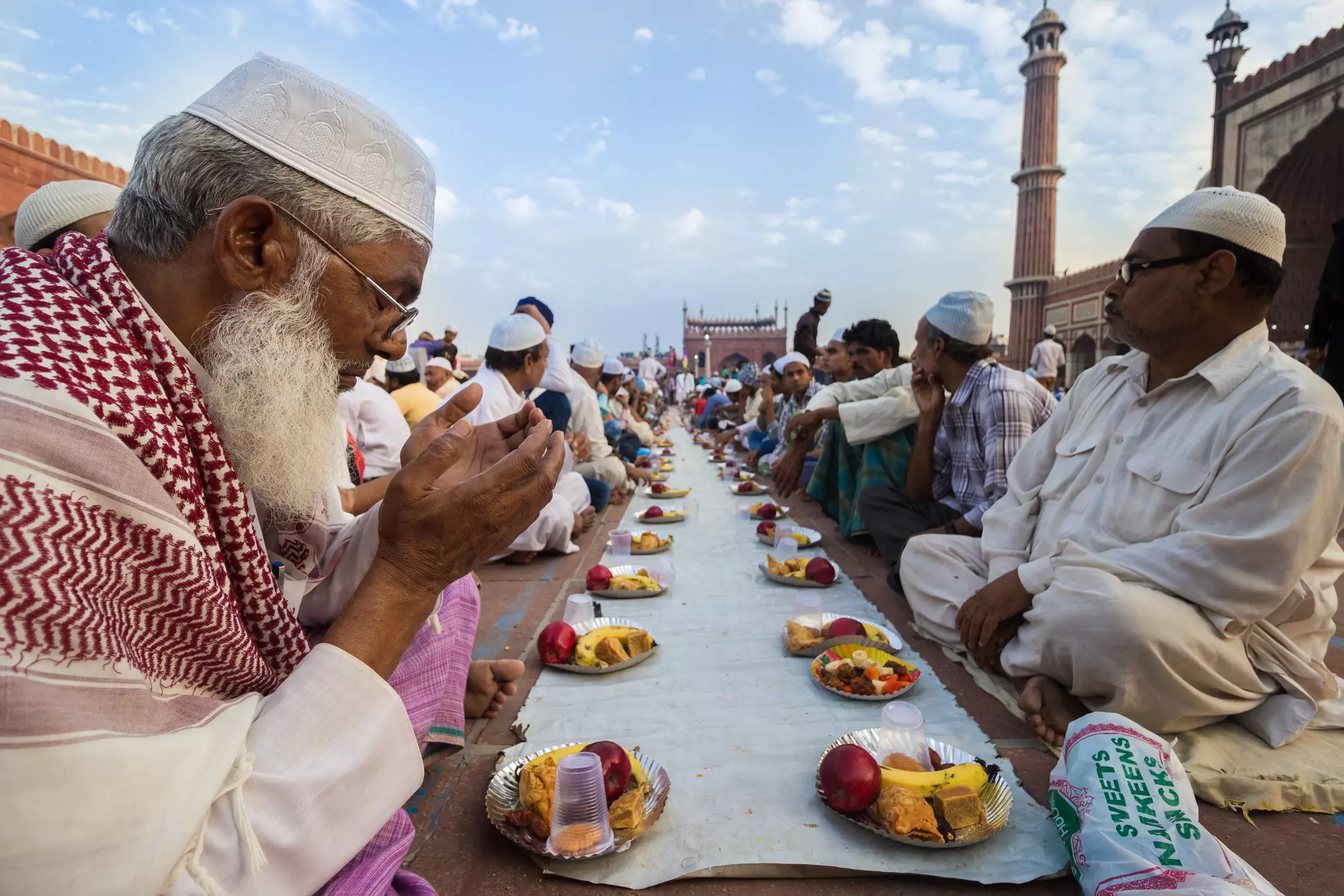
While secular festivals in India follow the Gregorian calendar, most religious festivals follow a variety of lunar calendars, which means their dates change every year. Muslim celebrations move forward by 11 days every year relative to the Gregorian calendar, while Hindu, Buddhist, and Jain festivals can fall in different months from year to year. Always check the dates of festivals before planning a trip – the Indian government has a calendar of each year’s gazetted government holidays.
Book your India trip with Lonely Planet Journeys
See India how it's meant to be seen
Planned by local experts and tailored to you, Lonely Planet Journeys handles the logistics so you can just enjoy the trip. Tell us what you want and we'll build your India itinerary from scratch, or browse our bookable trips to get inspired.

Explore related stories