Aug 23, 20268 min read
12 Best Beaches in IndiaApr 17, 2026
10 MIN READ

Writer
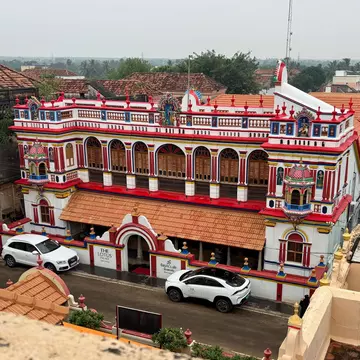
An overhead view of the Lotus Palace, Kanadukathan, Chettinad, Tamil Nadu. Nicola Williams

Writer
Lonely Planet may earn a commission from affiliate links on our site. All recommendations and reviews reflect our own independent opinions.
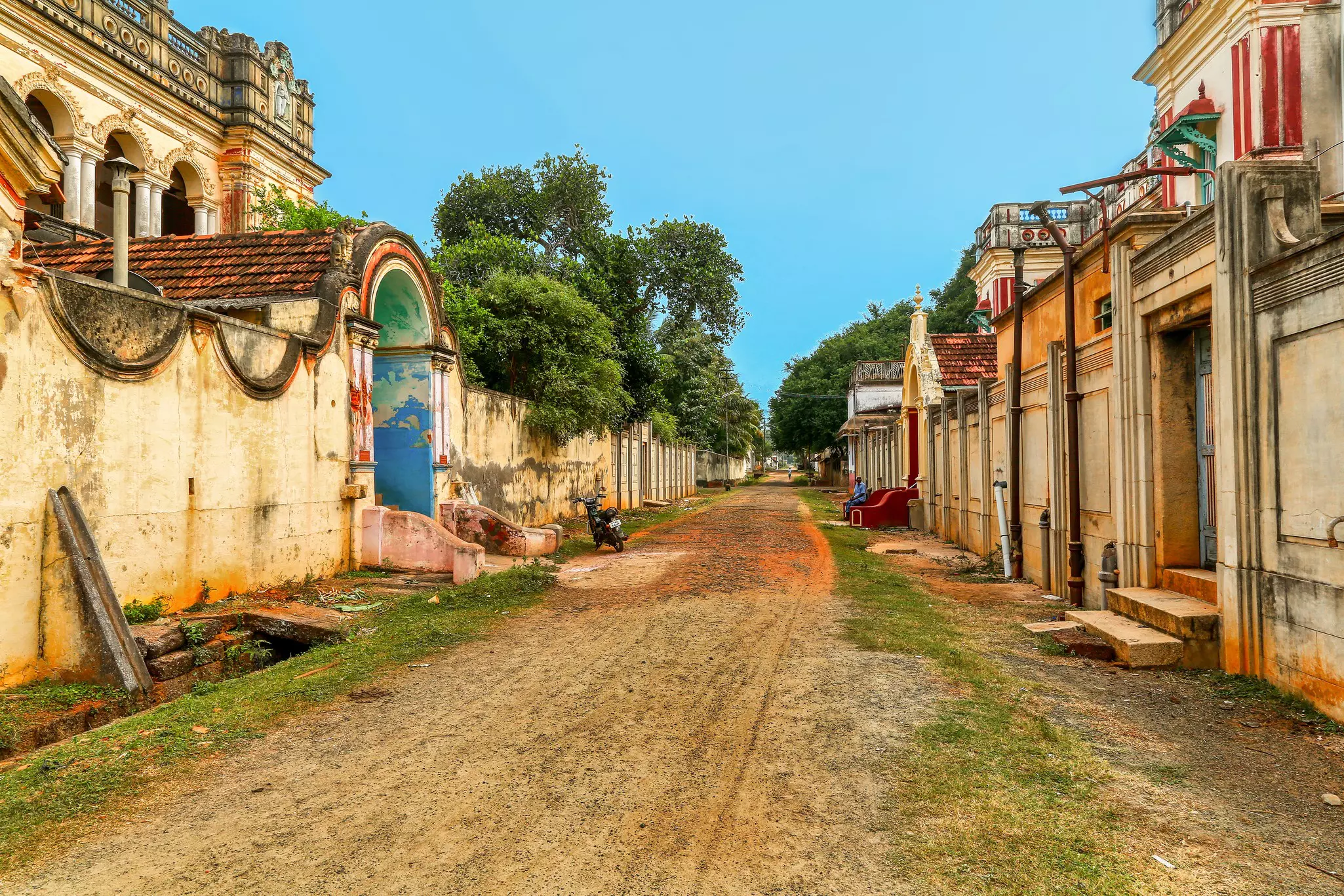
Deep in South India, a scattering of rural inland villages have dusty roads and village rhythms typical of the Indian countryside. Yet the colossal mansions in these otherwise unassuming villages make them truly stand out.
While most of these buildings lie in a state of disrepair, the stories, traditions and artisanal crafts they’ve safeguarded for 150-odd years are priceless – as a trickle of visitors seeking off-the-beaten-track cultural immersion are slowly discovering.
Welcome to the cultural region of Chettinad, which encompasses 73 Chettiar villages (diminished from 96) in a 600-sq-mile back pocket of the country’s southernmost state, Tamil Nadu, roughly between Pudukottai and Ramanathapuram. “Chettiar” today refers to both people from Chettinad and the merchant caste originating from the Nattukottai Chettiars who migrated inland after a tsunami in the 6th century CE. The community later made phenomenal fortunes trading salt, spices and gems in Southeast Asia with the British colonial regime, then in moneylending and banking – and used this wealth to build stupendous mansions.
In 2014, the Indian government launched a bid to protect 10,000 mansions built from the 1850s to 1940s as a UNESCO World Heritage Site. Yet Tamil Nadu state authorities declined to pursue the designation, fearing potential restrictions that would come with such formal status. Today, local communities are taking matters into their own hands to future-proof Chettiar tradition and architecture – and the rich arts and crafts they continue to inspire.
Aim for November to March, when the south’s blistering hot temperatures drop and more bearable temperatures of 20–24°C (68–75°F) kick in. I visited in November, catching the tail end of the rainy season (which starts in June) – which intensified Chettinad’s palette of electric-green rice fields, red dirt roads and multihued architecture. January, when rice paddies turn brown as the harvest approaches, provides less of a visual thrill.
Timing your visit with a festival gets you instant access to a myriad of cultural experiences. The Kalai Chettinad Art & Architecture Festival (April) and Chettinad Heritage & Cultural Festival (September) both usher in 4 days of song, dance, storytelling, food, fashion and local crafts at restored hotel-mansion courtyards in the villages of Kanadukathan, Karaikudi, Kadiyapatti and Kothamangalam.
Since this is a place to linger and learn, allow a week to properly explore. The immersive vibe of these villages is contagious, and you won’t want to rush. Base yourself in Kanadukathan and spend 2 days visiting its mansions, weaving workshops and heritage restaurants, and taking a cooking class. On another day, pair Koviloor Temple with lunch at The Bangala and shopping in the main town of Karaikudi. You can fill any number of days with the array of temples further afield.
With more time, turn a Chettinad micro-itinerary into a greater loop of southern India, from Chennai to the UNESCO-listed 11th- and 12th-century Chola temples, and Kerala’s wildlife-rich Western Ghats and surf-kissed south coast.
Not particularly, but transport links to Chettinad are improving all the time. International and domestic flights use Madurai and Tiruchirappalli (Trichy) airports. (The latter has a swank new passenger terminal with a spectacular wall mural depicting Srirangam’s Ratha Yatra festival, plus a replica of the candy-colored gopuram at Sri Ranganathaswamy Temple – both sights in themselves.) Count on 2 hours onward by car from either airport.
Trundling along on rails at 55km/h is a slow and evocative introduction to Tamil Nadu. Trains, including overnight sleepers from Chennai, stop at major rail hub Karaikudi and Chettinad train station, a blink-and-you’ll-miss-it stop near Kanadukathan village (a 10-minute drive away). Slower buses from Chennai serve both in around 8 hours; reserve seats on the redBus app or online.
Once you’re arrived, exploring villages on foot is the way to go. Hybrid bicycles, three-wheelers or cars with a driver (local hotels arrange all three) make light work of longer distances.
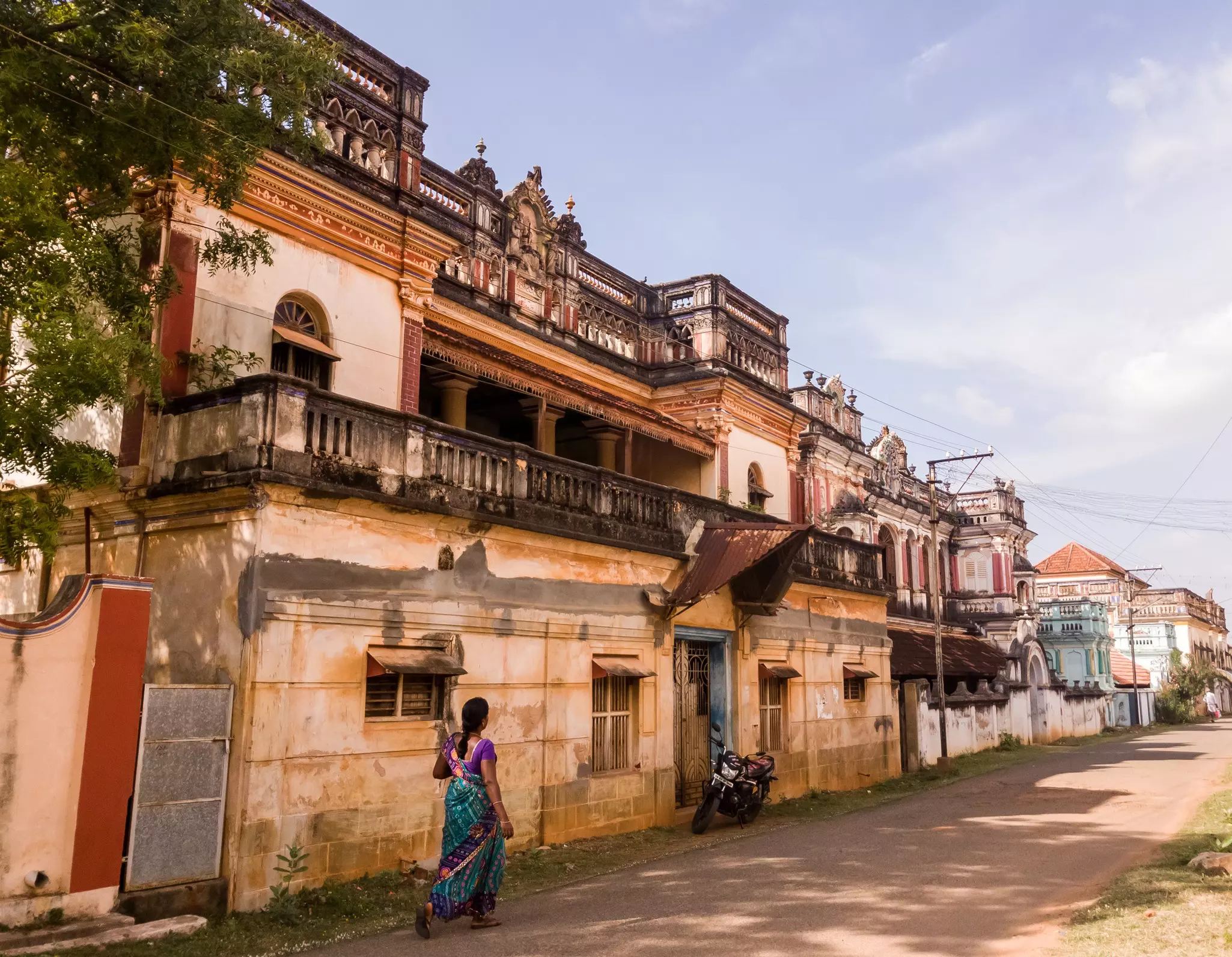
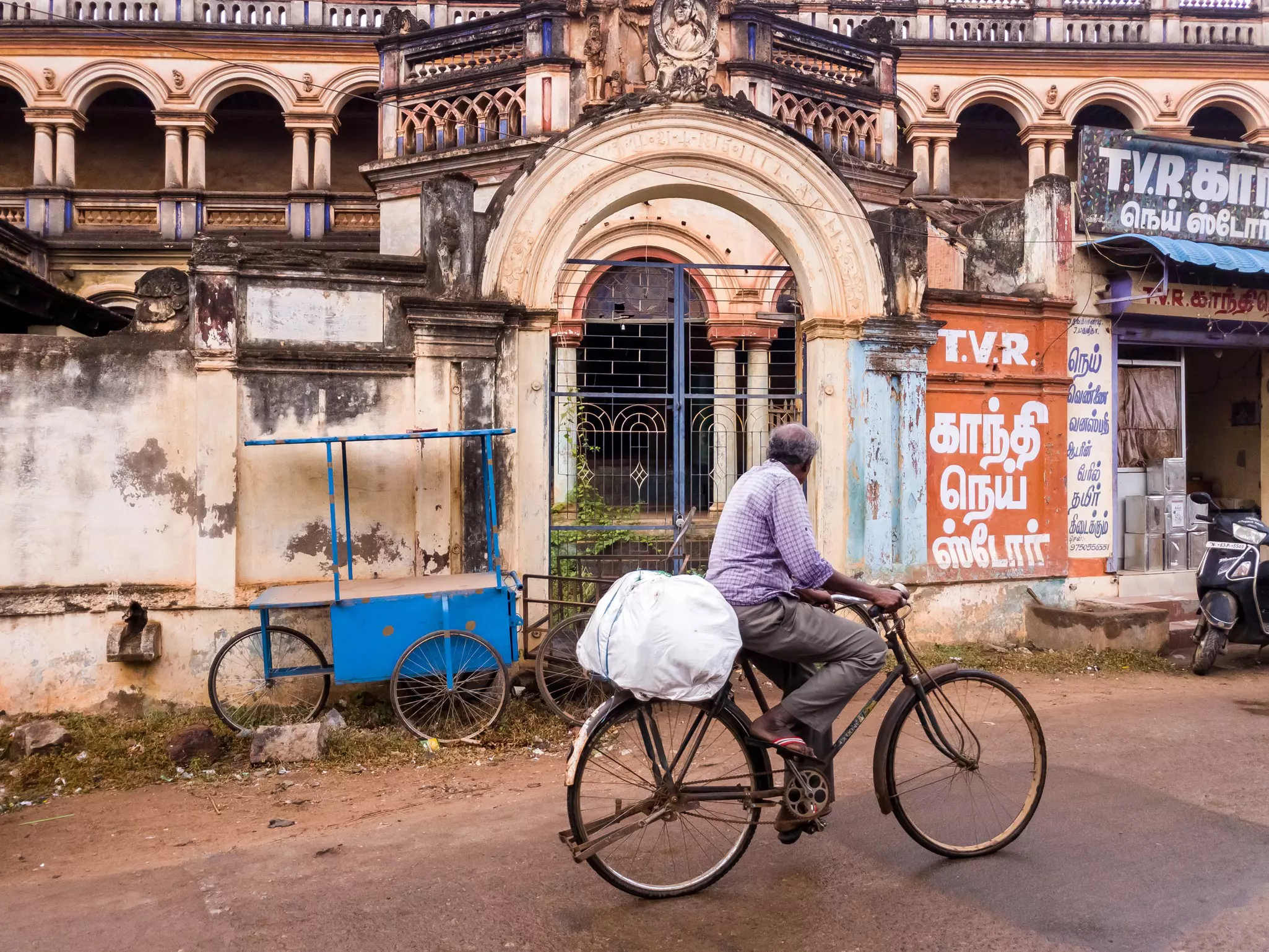
Thanks to streets arranged in a grid pattern, it’s impossible to get lost in Kanadukathan. Set out in the early morning, when monkey chatter, birdsong and the melodious call of sacred conch shells in village temples provide an atmospheric soundtrack. Incongruously large mansions mixing Tamil and European architectural styles run the length of CVCT St, which takes the initials of once-resident Chettiar families.
Five minutes away on Raja Front St is the grandest of lot: pearly-white Chettinad Palace, built in 1912 for Sir Annamalai Chettiar, a banking scion. (A small museum is set to open next door in 2026.) Beneath trees on the square in front, across from a temple water tank, the village’s resident avian astrologer tells fortunes for 200 rupees a throw: on command, the astrologer’s trained parakeet picks up one of 27 divination cards featuring Hindu gods and other religious figures with his beak, and passes it to the soothsayer to interpret.
Seek out artisans at work in ancestral workshops that have no signs. It takes woodcarver Murugan 3 days to sculpt an exquisite panel of Shiva’s divine wedding to goddess Parvati; the detail and execution are awe-inspiring. A signature Chettinad door, sculpted in Burmese teak and depicting lotus petals and chili-eating parrots, takes years of painstaking work.
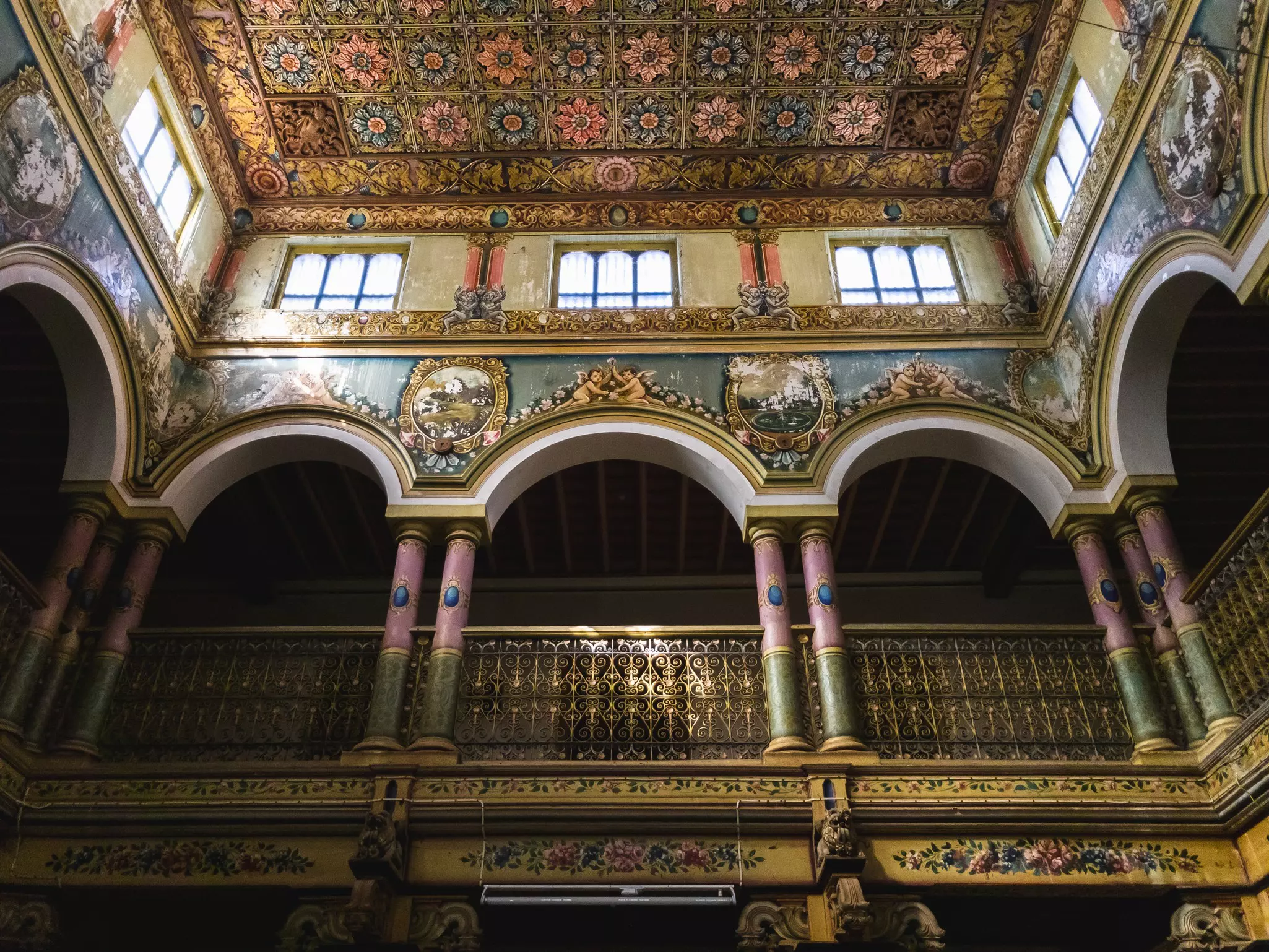
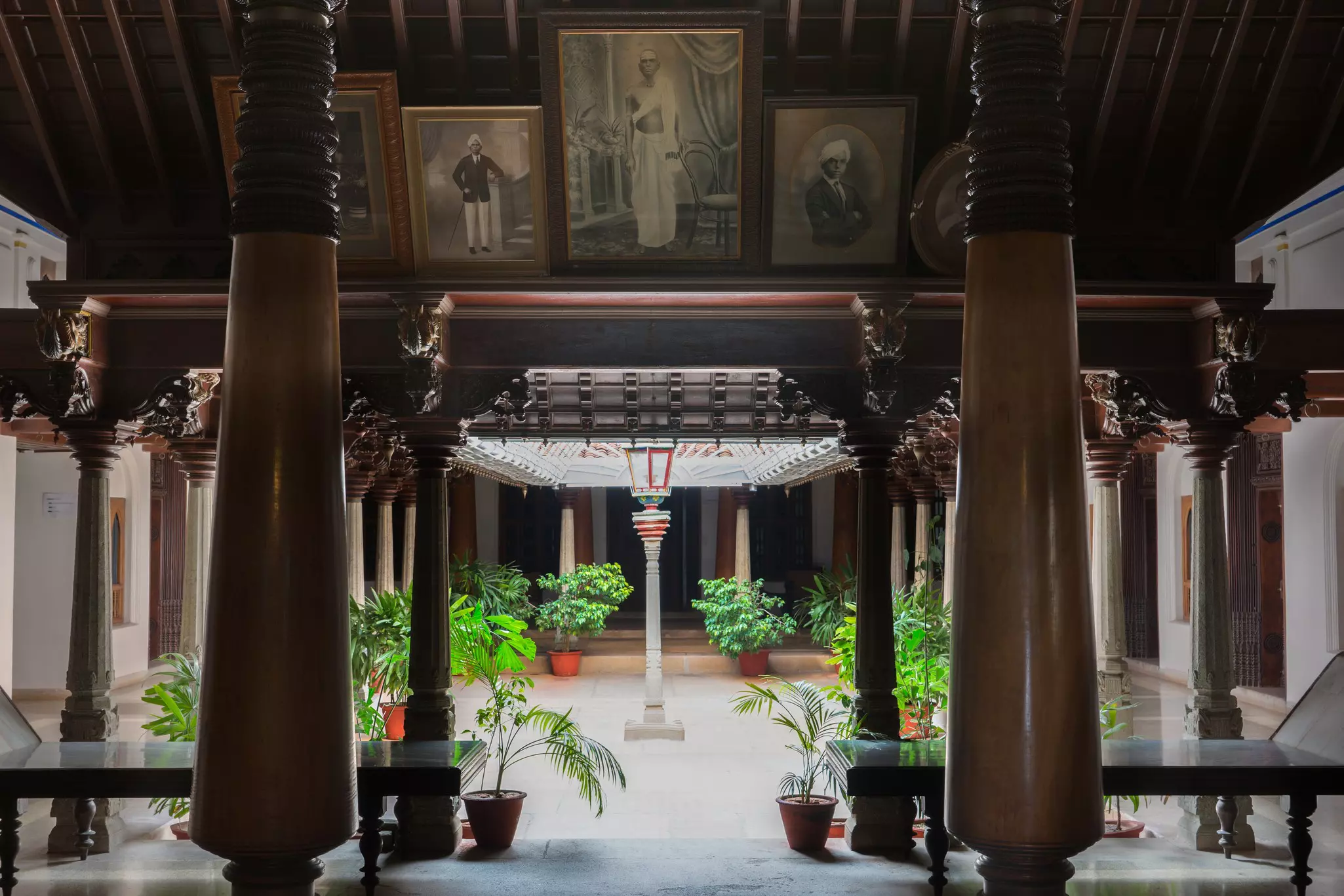
Kanadukathan is your best bet for poking around Chettinad’s mansions. Returning from abroad flush with jewels and knowledge of the latest architectural trends (including neoclassical, art deco and art nouveau), Chettiars showed no restraint. Interiors all but burst with Burmese teak, Belgian crystal chandeliers, Italian marble, English ceramics, silks, majolica and the very best handicrafts.
Today, wild monkeys squat in many of the 80-plus-room mansions designed to sleep extended families, though a handful welcome visitors. Buy a ticket from the caretaker and wander multiple rooms off the succession of traditional pillared courtyards at VVR House, AR House and Chettinadu Mansion (now a hotel with a small museum). A rope divides the entrance courtyard at CVCT–CVRM House, split between two branches of the same family (hence the name).
You can expect a traditional Chettiar welcome at a mansion hotel – and little beats a beaker of panagam (lemon juice, cardamon, ginger and water, sweetened with jaggery) on arrival, or jasmine buds strewn on your pillow. At The Bangala in Karaikudi, the visionary Meenakski Meyyappan, now in her 90s, was the first to open her ancestral home to guests, in 1999. In Kanadukathan, 5 years of meticulous restoration at the Lotus Palace have transformed a dilapidated 1775 mansion into a showcase, complete with exuberant multicolored facade. Inside, art work by temple painters and shiny white walls – plastered using egg whites and lime – emulate centuries-old decorating techniques. Visit the rooftop to view the kaleidoscopic tableau of Hindu and other eclectic statuary from above: you’ll spot Lakshmi, a British soldier and a lady in Victorian dress.
Returning home to disburse vast fortunes amassed abroad, Chettiar tycoons commissioned jewelry in unpolished 22-karat gold. At Pettagam, a Chettinad jewelry museum and boutique in Karaikudi run by jewelry designer and entrepreneur Meena Subbiah, you can admire hefty wedding necklaces dripping in rare gemstones, temple jewelry, peacock brooches, Burmese ruby pendants and other pieces both antique and modern.
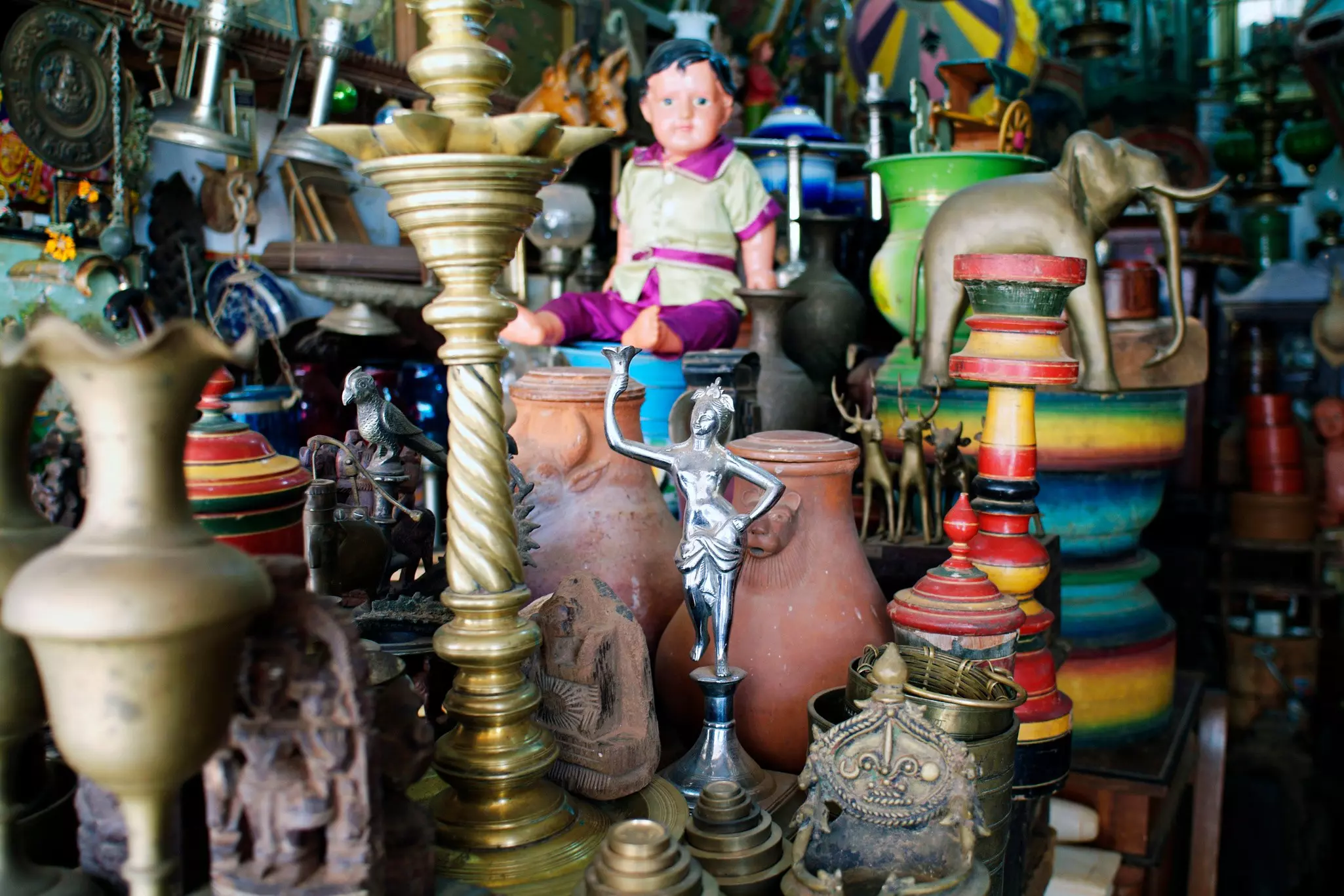
Move from glittering jewels to battered coconut scrapers, ceramic door handles, candlesticks, oil lamps, lacquered bamboo bowls, Thanjavur paintings inlaid with gold leaf and glass beads, diamond scales and other treasures at the hectic antiques market. On Muneeswaran Koil St, ask Raghavendra to show you his English “section” – rooms packed with English enamel tableware from local mansions, later sold off for much-needed cash. Fancy a double-seat teak swing once found in every courtyard? Yours for ₹16,000.
To get the proper lie of this semiarid land, revel in a 360-degree view of rice paddies and goat-specked fields atop Thirumayam Fort. Perched on a hilltop 6 miles north of Kanadukathan, the gravity-defying fortress was improbably built atop sheer rock in 1687, and safeguards two rock-cut temples dating to the 8th century. Monkeys have a ball atop what remains of the fort’s crenellated walls; a centuries-old banyan tree halfway up provides the only shade. Pay ₹300 admission at the bottom, then labor up 122 steps, past an unfathomable scattering of huge boulders, to the windswept summit.
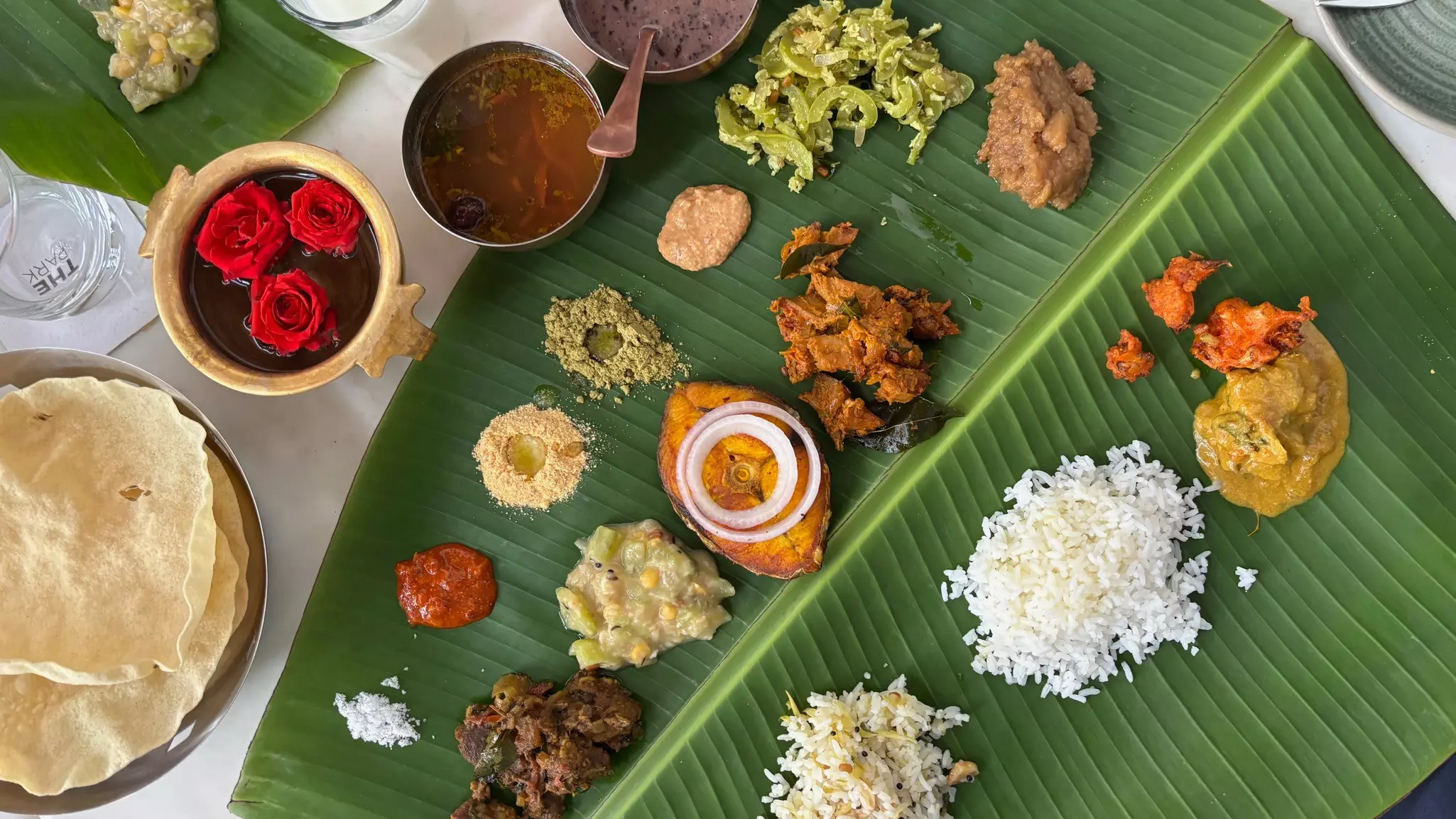
Chettinad cuisine is known across India for its vibrant flavors – a rich, lavish blend of fragrant spices rather than mere heat. No culinary ritual showcases this more than Raja Virundhu, or “Feast of Kings.” Traditionally reserved for weddings, the meal is served on a banana leaf at 86 Pillars in Kanadukathan’s Lotus Palace. Among the 21 dainty portions of pickles, chutneys, fritters and rice is spicy-dry muttonsukka, rasam (tamarind broth laced with pepper and coriander), raw-mango rice, curry-leaf powder and buttermilk.
End with a weak black coffee spiked with dried ginger and coriander seeds, and a game of pallanguzhi (a board game using cowrie shells and tamarind seeds as counters) in the upstairs Red Room, inspired by the treasured Burmese lacquer Chettiar families collected.
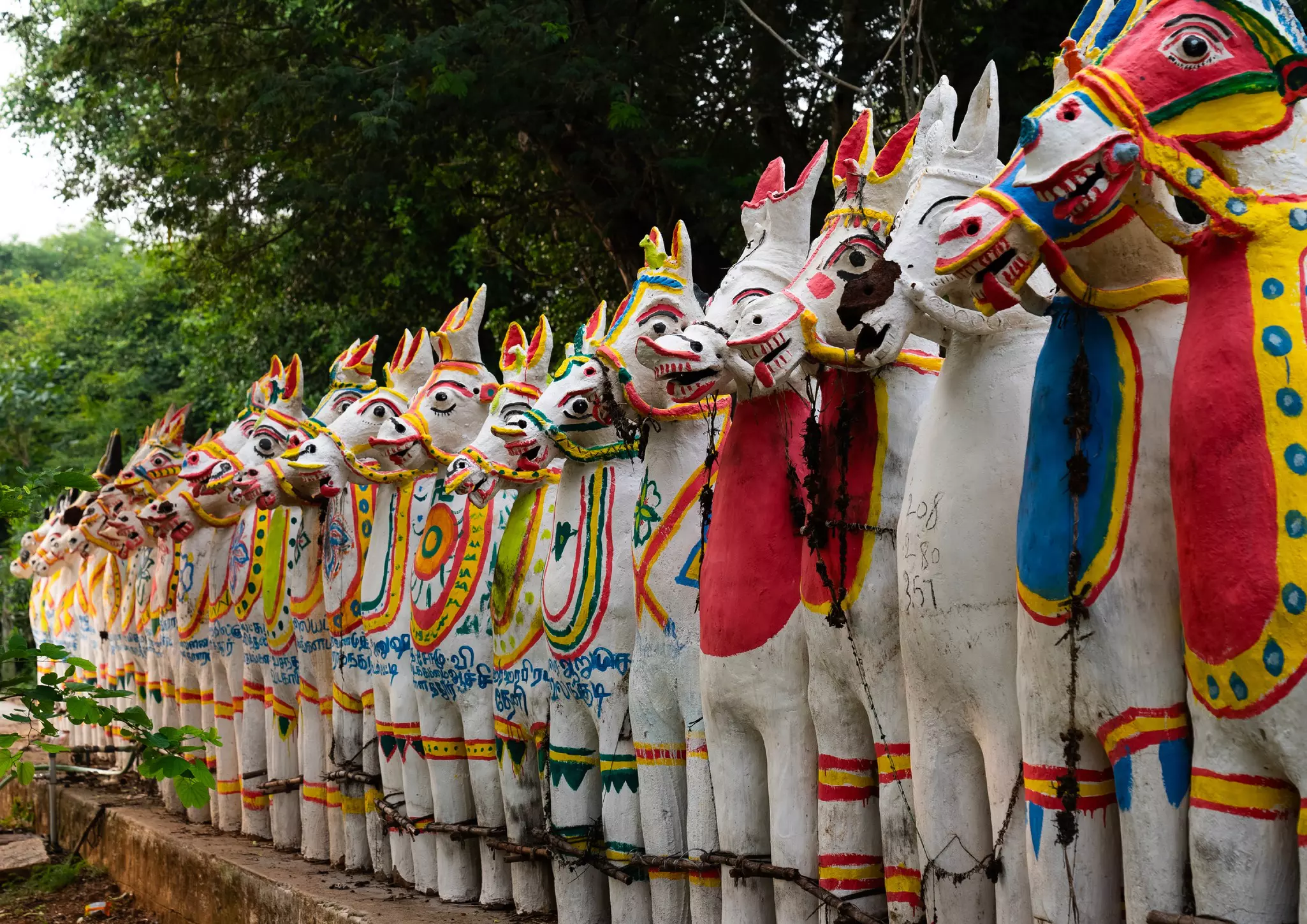
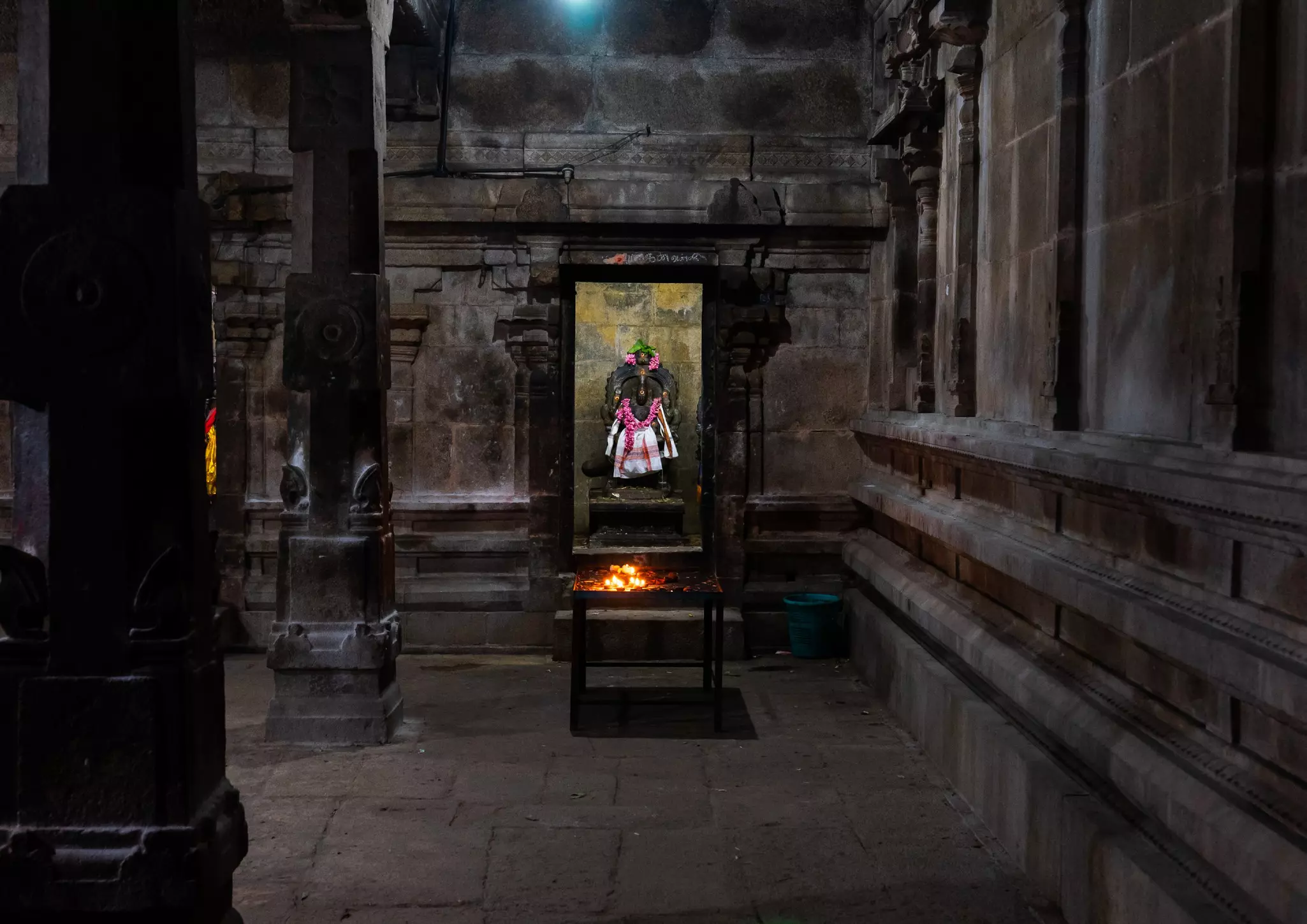
It’s easy to pay your respects to a Hindu deity in a village temple: there are more than 50 alone surrounding Kanadukathan. The highlight is the town’s Dravidian temple and its majestic pack of colorful terracotta horses, used to ward off evil by pre-Hindu god Ayannar. Set out on a half- or full-day trip in the company of local guide Kavita Ganesh (contact her on WhatsApp +91 89401 30757, or on Instagram, @chettinadguidekavitha) to see more – including Koviloor, with a sobering granite-sculpted interior and a much-photographed mandapa forming an island in its temple tank. Devotees pray to a 6ft-high bas relief of Ganesha at Pillaiyarpetti, a 7th-century rock-cut temple created by early Pandyan kings.
Chettinad’s fierce sense of intention had me hooked, for the omnipresent care and attention to detail in this little-visited region is simply bewitching. I saw it in the flamboyant, verging-on-psychedelic palette (1970s flower power, maybe?...) current architects use to brighten up mansion facades. In the grassroots kitchens elevating heirloom recipes. In the kolam (an elaborate, mandala-esque floor pattern) gracing every threshold.
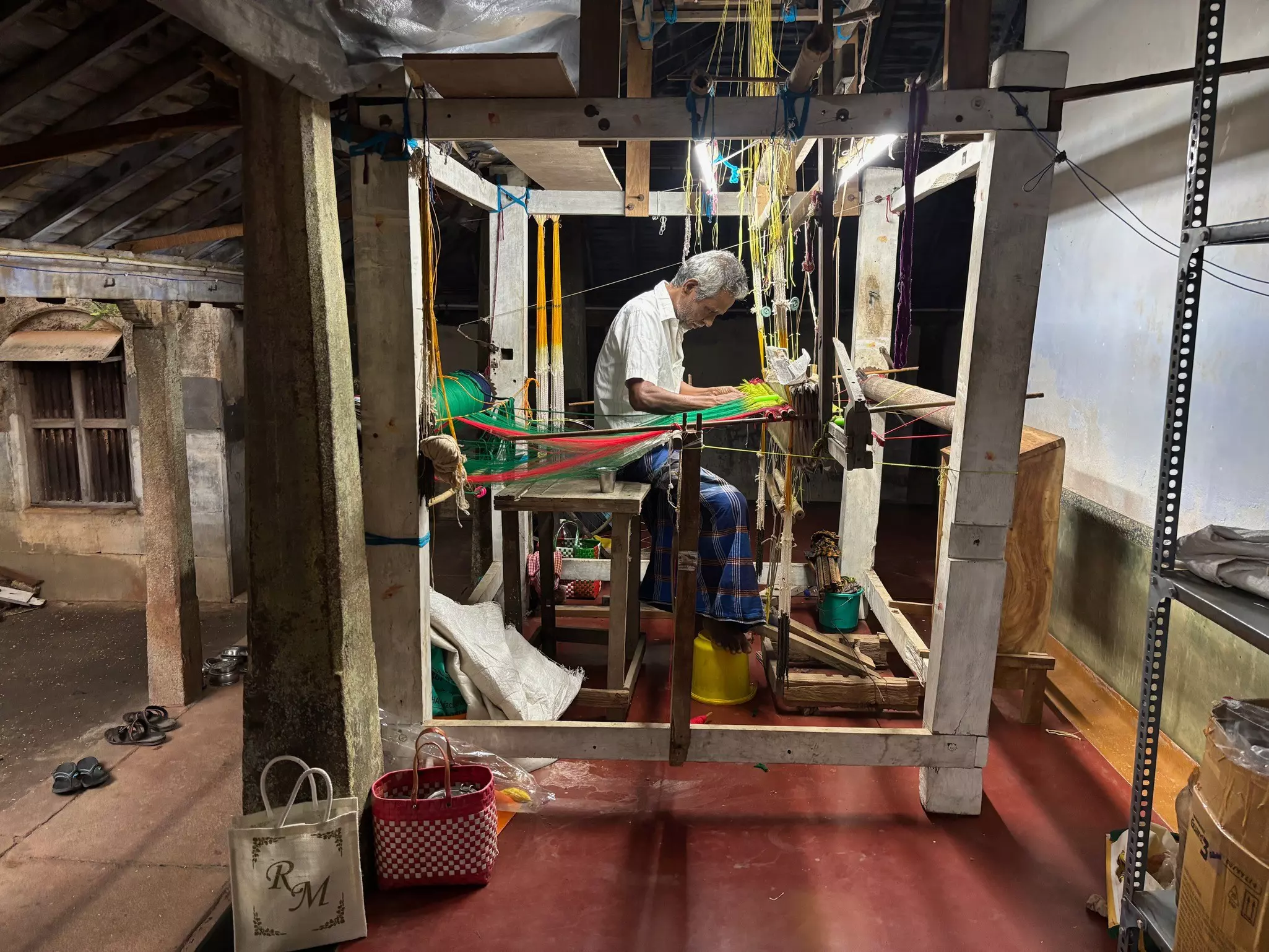
Simple as it is, I love to rock on a heavy teakwood double swing in quintessential Kanadukathan mansion the Lotus Palace, watching black fishtails swoop across the morning sky and soaking up the serenity of a traditional Chettinad courtyard where religious and life-cycle celebrations still unfold. Couple this with a stroll to village weaver Nelli to watch the region’s emblematic cotton saris come to life on a hand loom, followed by mutton curry or dumplings – two Chettinad classics – and a lunchtime chat at Vaadhyar’s House in the former teacher’s home.
Hostel dorm bed at Chettinad Packer: from ₹800
Overnight at mansion hotel: from ₹14,000
Admission to a heritage mansion: ₹100
Admission to Thirumayam Fort: ₹300
Antique painting at Karaikudi Market (after bargaining): ₹7500
Train ticket in sleeper class from Chennai to Chettinad: ₹375
Glass of panagam in village cafe: ₹95
Lunch for two at Vaadhyar’s House: ₹1200
One day of car and driver: ₹250 plus from ₹8.50 per km
Private temple guide for two people for a half-day/day: ₹2500/3500
Book your India trip with Lonely Planet Journeys
See India how it's meant to be seen
Planned by local experts and tailored to you, Lonely Planet Journeys handles the logistics so you can just enjoy the trip. Tell us what you want and we'll build your India itinerary from scratch, or browse our bookable trips to get inspired.

Explore related stories