Aug 13, 202617 min read
In search of belonging: exploring my identity in KoreaJun 2, 2026
6 MIN READ

Writer
Highlights
Writer Ann Babe picks seven top places to visit across South Korea.
Seoul electrifies with karaoke bars and cocktail lounges; head to Busan for Jagalchi's fresh catch.
Gyeongju, Andong and Gwangju trace Korean history from ancient relics to democratic uprising sites.
Head to Gangwon-do for ski slopes; Jeju-do's black-sand beaches beckon island-hoppers.
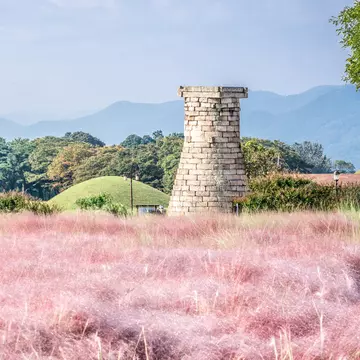
Cheomseongdae in Gyeongju, South Korea. Getty Images/iStockphoto

Writer
Highlights
Writer Ann Babe picks seven top places to visit across South Korea.
Seoul electrifies with karaoke bars and cocktail lounges; head to Busan for Jagalchi's fresh catch.
Gyeongju, Andong and Gwangju trace Korean history from ancient relics to democratic uprising sites.
Head to Gangwon-do for ski slopes; Jeju-do's black-sand beaches beckon island-hoppers.
Lonely Planet may earn a commission from affiliate links on our site. All recommendations and reviews reflect our own independent opinions.
South Korea's easily manageable size paired with its ultrareliable public transportation system makes this enticing country so very accessible. Travelers in South Korea can road trip from mountaintops to beaches or villages to megacities – and back again – in a single day.
Not that we recommend rushing your journey: South Korea more than holds its own when it comes to incredible landscapes, cultural attractions and a dazzling food and nightlife scene. You could dedicate an entire visit to any one of our seven favorite places to go in South Korea. And if you can work a few into your itinerary, you will be amply rewarded.
Best for nightlife
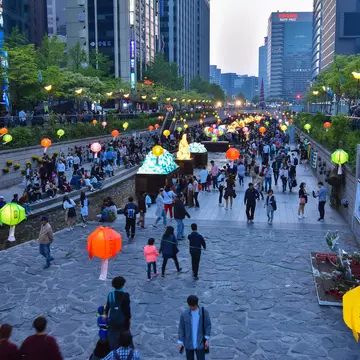
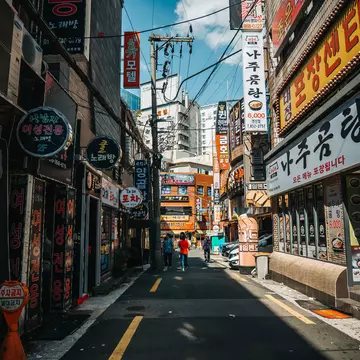
Home to half of South Korea's population, Seoul is also the most popular destination for visitors. Revelers in the electric capital can seek out low-key bars, high-end cocktail lounges and always-fun noraebang (karaoke bars) at any hour of the day or night year-round. Some of the newest trendsetting bars are in Euljiro, while many long-standing haunts are in the tried-and-true nightlife neighborhoods of Gangnam, Hongdae and Itaewon.
Planning tip: The most expensive clubs are concentrated in Gangnam, while Hongdae is a more affordable option for budget-conscious travelers. Itaewon has a reputation for drawing an international crowd.
Best for maritime culture
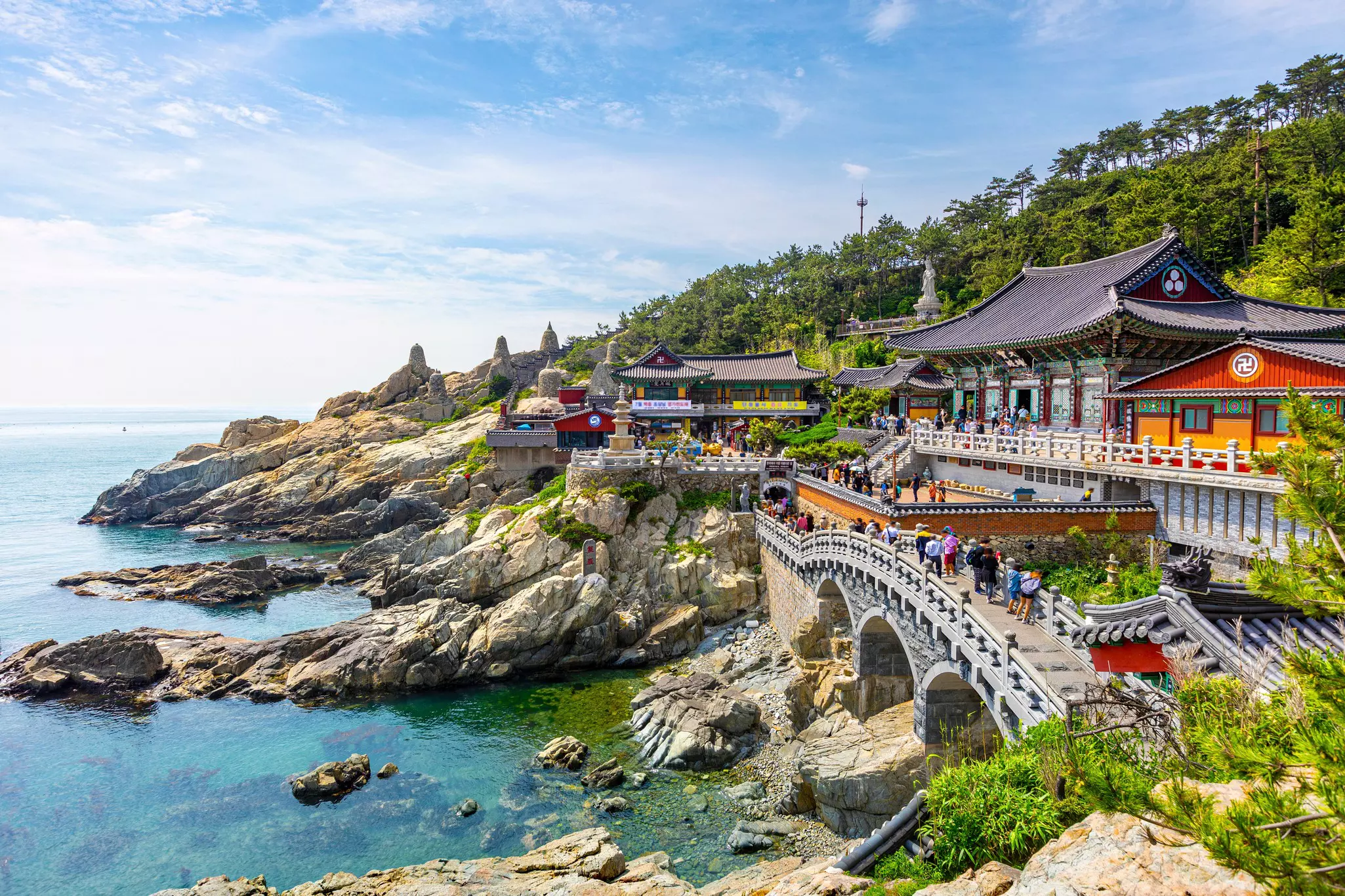
Busan, situated on the southern coast, overflows with a maritime culture as lively as it is varied. The Port of Busan sets the tone. The oldest and largest port in the country (and also the sixth-busiest in the world), it handles some 80% of South Korea's container cargo. The nearby Busan Modern History Museum tells the story of its pivotal role in South Korea's history. From there, up and down the coastline lie any number of beautiful beaches, parks, observatories and villages, plus Haedong Yonggung-sa, one of the country's only oceanside temples.
Planning tip: At Jagalchi, South Korea's largest fish market, the day's catch is arranged in stall after stall of eel, crabs, sea squirts, abalone and fish. Shoppers can select their seafood on the ground level and then take it up to one of the restaurants on the floors above, where the staff will expertly descale, deshell, gut or fillet, and then cook it for you. For other scrumptious seafood bites, look for restaurants along the beach specializing in jogae gui; this grilled shellfish is served with a variety of dipping sauces, like chogochujang (a vinegar and red pepper sauce), soy sauce with wasabi, and melted butter with onions.
Best for ancient treasures
Lonely planet’s trusted travel insurance provider
Travel with confidence. Protect your trip and your wallet.
We don’t represent World Nomads, we receive a fee from quotes using this link. This is not a recommendation to buy travel insurance.
Once the capital of the Silla kingdom, when the city was called Donggyeong (meaning "Eastern Capital"), Gyeongju, in the country's southeast, is a treasure trove of ancient relics, religious to royal. Gyeongju National Museum houses a fair number of them – including ornate jewelry, earthenware jars, prayer bells and Buddha statues – but even more artifacts lie beyond. Gyeongju is known as the country's Museum Without Walls.
See the royal tombs of Tumuli-gongwon; the oldest astrological observatory in East Asia at Cheomseongdae; the Buddhist grotto of Seokguram; the picturesque palace of Donggung; and the halls, pagodas and bridges of Bulguk-sa. Woljeonggyo, a covered wooden bridge with striking red columns, green roof beams and two end towers, might be the prettiest bridge in all of South Korea – even more so at night when it's illuminated.
Planning tip: Download the National Museum of Korea’s app to access an excellent Bluetooth-powered English guide for the Gyeongju National Museum.
Best for folk traditions
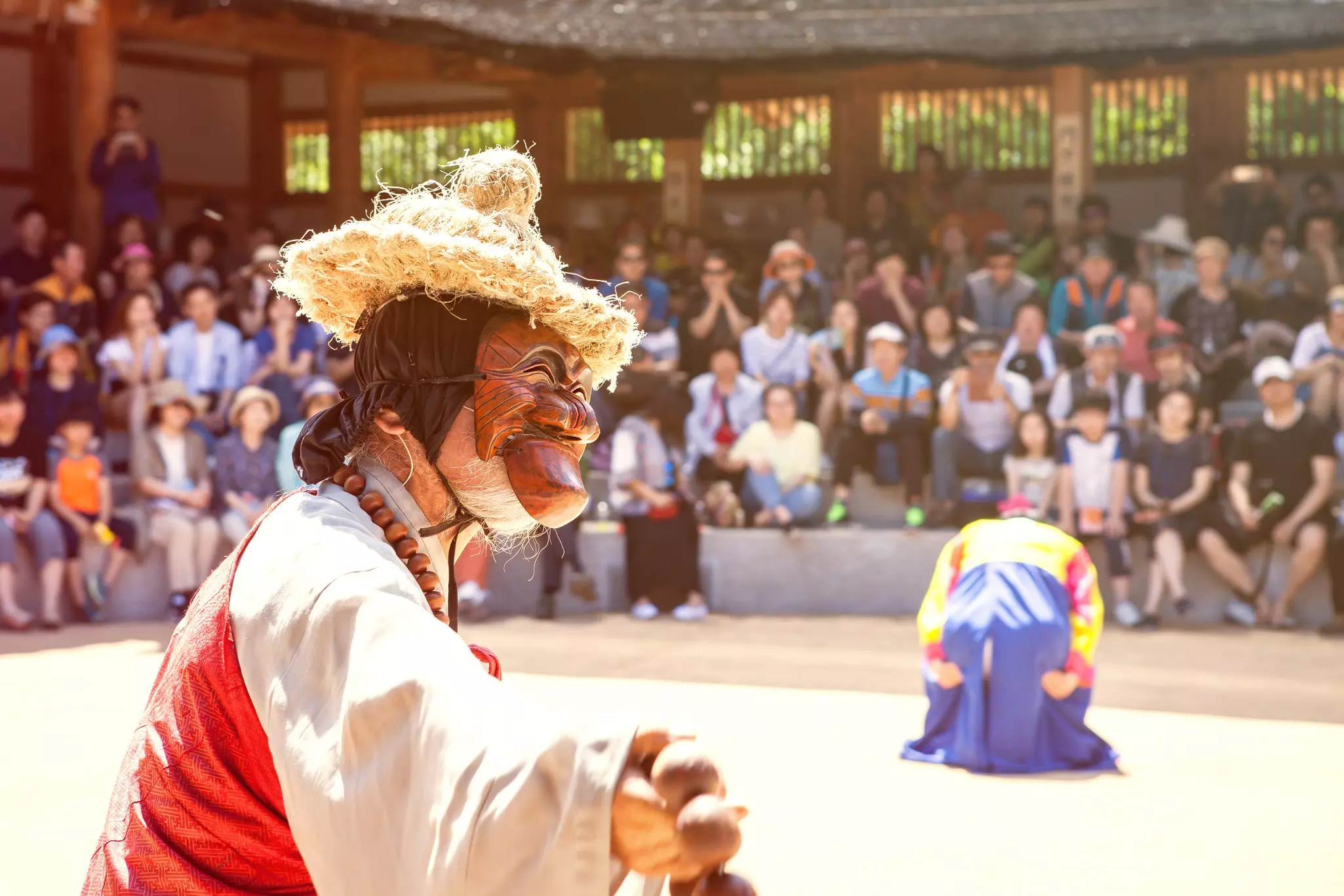
Andong, in Gyeongsangbuk-do, is referred to as the Capital of Korean Spirit and is the country's Confucian culture capital. At Andong's UNESCO-listed Hahoe Folk Village, visitors can immerse themselves in the
Joseon-era way of life. Peek inside the village's workshops and its special choga homes, distinguished by straw-thatched roofs, and even book an overnight stay in a guesthouse.
At the Hahoe Mask Museum, you can view the region's traditional wooden masks, carved into animated expressions to portray characters like aristocrats, servants and monks. Every fall at the Andong Maskdance Festival, you can see them in action in play performances. You can also tour notable Confucian academies; try the national drink, soju (a vodka), at the Soju Museum or a local restaurant; and sample Andong's signature soy-braised chicken dish, jjimdak.
Planning tip: Besides being the most famous folk village in South Korea, Hahoe is a real community, with many private residences that are off-limits. Only visit the ones that the visitors center lists. And keep track of your entrance ticket – you’ll be asked to present it every time you take the shuttle bus.
Best for winter sports
About 100km from Seoul, Gangwon-do is home to the best ski resorts in South Korea (and was a site for the 2018 Winter Olympics). For skiing and snowboarding, head to top-rated YongPyong, the country's oldest and largest ski resort, or High1, featuring a casino and revolving restaurant. Other popular options are Phoenix Park, Vivaldi Park and Alpensia.
Planning tip: The frosty fun doesn't stop on the slopes. Gangwon-do hosts several winter festivals, including the Hwacheon Sancheoneo Ice Festival, where participants can try ice fishing, curling and sledding, and the Taebaeksan Snow Festival, which puts on enormous ice sculpture and ice fountain displays.
Best for beaches and waterfalls
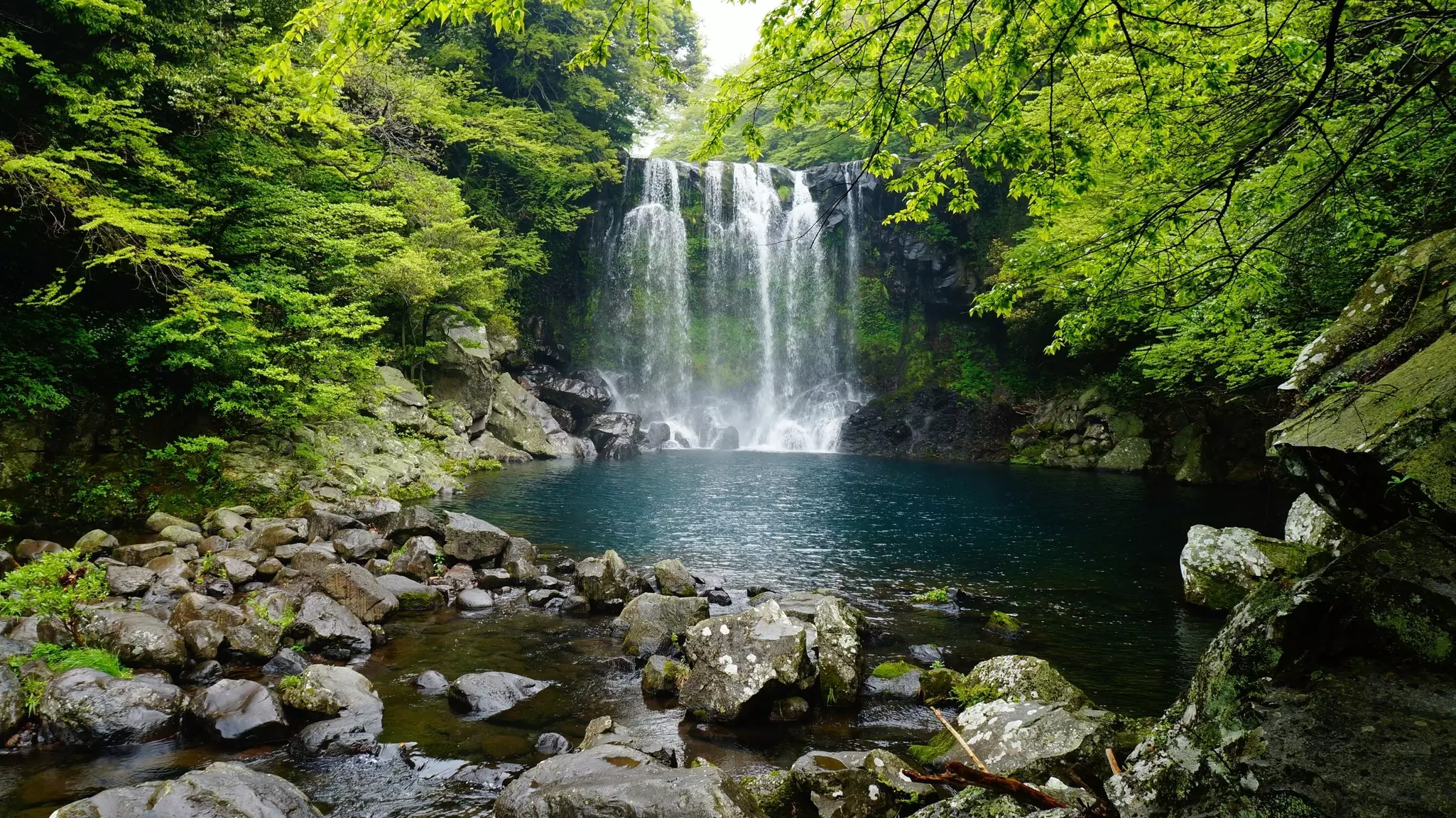
South of the Korean mainland in the Yellow Sea, Jeju-do is blessed with a balmy subtropical climate. The
island is in such high demand that the air route between Seoul and Jeju-si is the busiest in the world. Mainlanders flock here for a bit of R & R, and one glimpse of the glittering beaches (with either white or black sand), crystal clear waters and volcanic topography of calderas, cones and tuffs will demonstrate why.
Planning tip: Jeju-do has plenty more to do than lounging oceanside with a book and a cocktail. Adventure seekers can climb the country's tallest mountain, Hallasan, at 1947m; surf at Woljeongri or Jungmun; snorkel and scuba dive at Munseom Island; spelunk in the Geomunoreum lava tube system; chase waterfalls at Jeongbang or Cheonjiyeon; or go rafting in a traditional tewoo boat at the Soesokkak Estuary.
Best for contemporary history
Regarded as the birthplace of Korean democracy, Gwangju, in the southwestern part of the country, was the site of the May 18 Democratic Uprising of 1980, a 10-day armed resistance against Chun Doo-hwan's authoritarian military regime. After the repression of some 600 university student protesters, the people of Gwangju joined in the rebellion, resulting in their massacre and torture. Despite the movement's suppression, it's seen as a turning point in South Korea's struggle for democracy.
To better understand this pivotal event in the country's history, go to the May 18th Memorial Park and National Cemetery. You can also take a walk down Chungjang-ro, now a shopping and entertainment street that was once the epicenter of the uprising.
Planning tip: Base yourself around Yangmin-Dong or the Asia Culture Center to be close to most of the city's attractions and Mudeungsan UNESCO Global Geopark.
Book your South Korea trip with Lonely Planet Journeys
See South Korea how it's meant to be seen
Planned by local experts and tailored to you, Lonely Planet Journeys handles the logistics so you can just enjoy the trip. Tell us what you want and we'll build your South Korea itinerary from scratch, or browse our bookable trips to get inspired.


Explore related stories