Apr 29, 20269 min read
A Guide to Tamil Nadu, IndiaApr 29, 2026
9 MIN READ

Writer
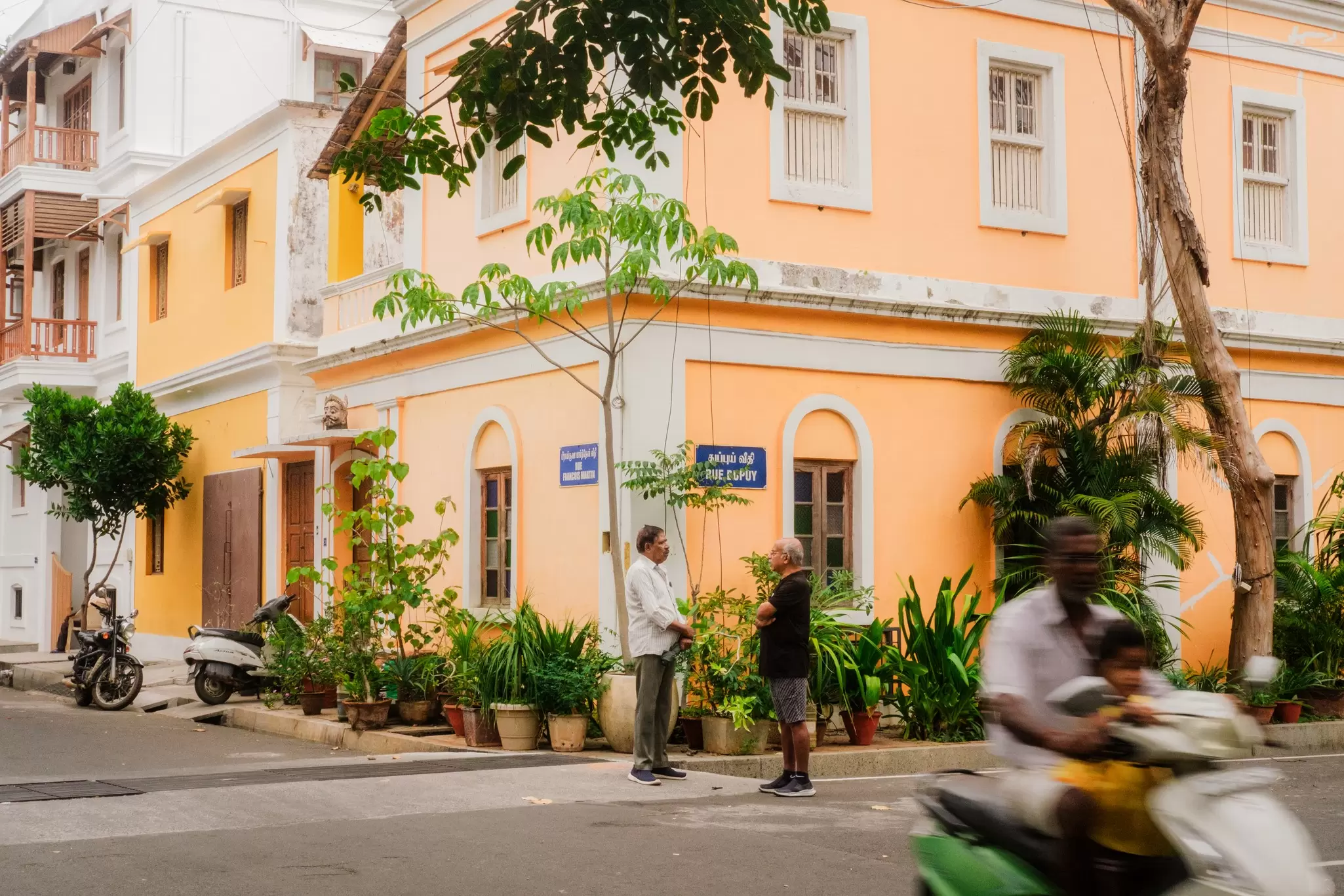
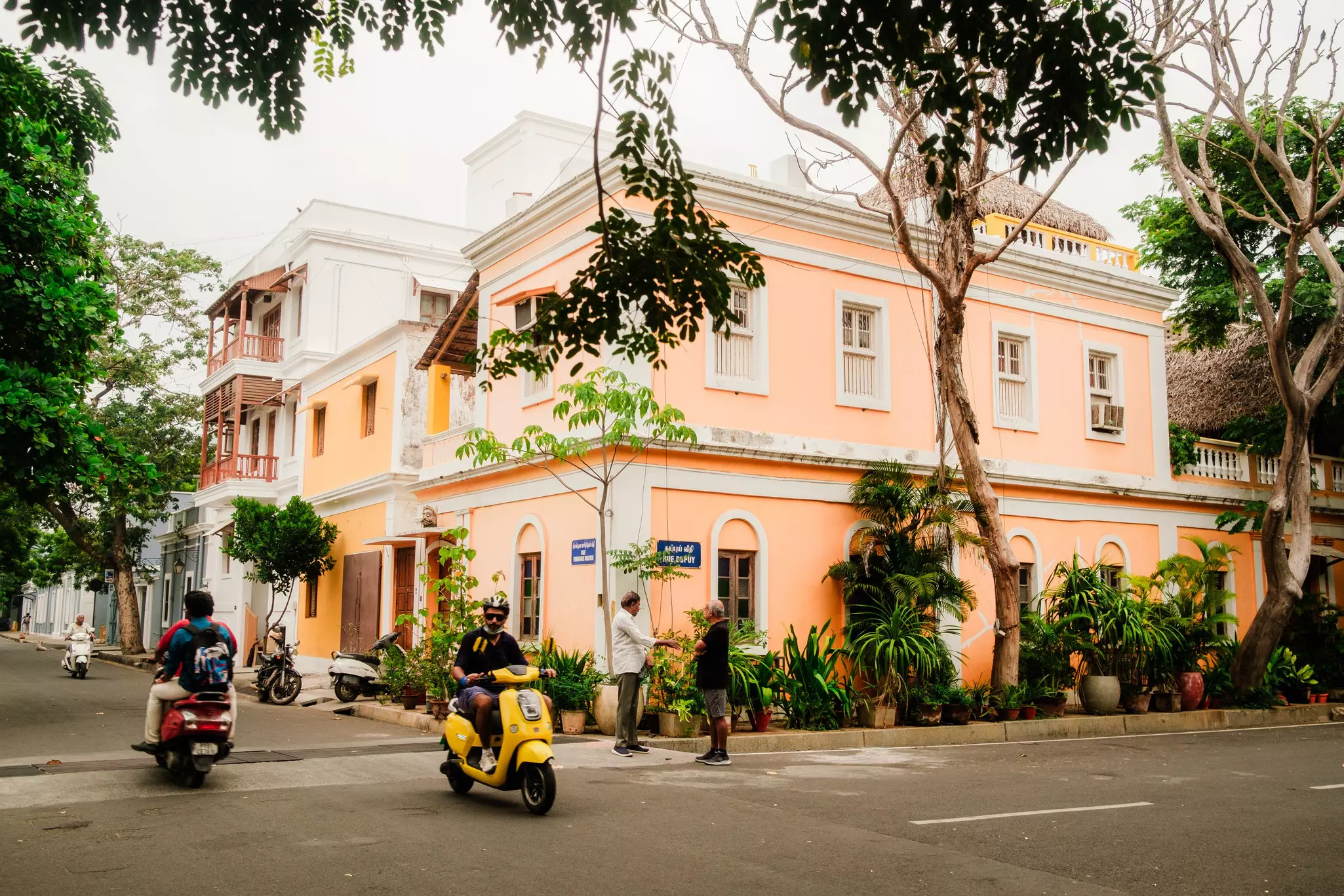
The French Quarter in Puducherry. Gabriela Bhaskar for Lonely Planet
Writer
Highlights
Writer Sneha Thomas's Tamil Nadu guide covers temples, coastlines, hill stations and logistics.
November to March brings the best weather; January's Pongal fills the air with kolam art.
Madurai's Meenakshi Temple and Chettinad's heritage mansions reward the journey south from Chennai.
Fly into Chennai, then take trains between cities and rideshare apps to navigate busy streets.
Lonely Planet may earn a commission from affiliate links on our site. All recommendations and reviews reflect our own independent opinions.
The huge, diverse and culturally abundant state of Tamil Nadu has seen it all: the grandeur of the Pallavas, the might of the Cholas, the vision of the Pandyas and the rule of the British – not to mention the restless pulse of modern India.
In the “Land of Temples,” history isn’t just tucked behind museum glass – it’s carved into stone and etched onto walls. Tech and business parks sprawl alongside Chennai’s old neighborhoods. Chola-era monuments whisper of forgotten dynasties, while colonial mansions in hill-station towns buzz with tales of empire. In Tamil Nadu, the past and present are deeply intertwined – and their interplay keeps things barreling forward.
Here’s everything first-time visitors need to know about Tamil Nadu.
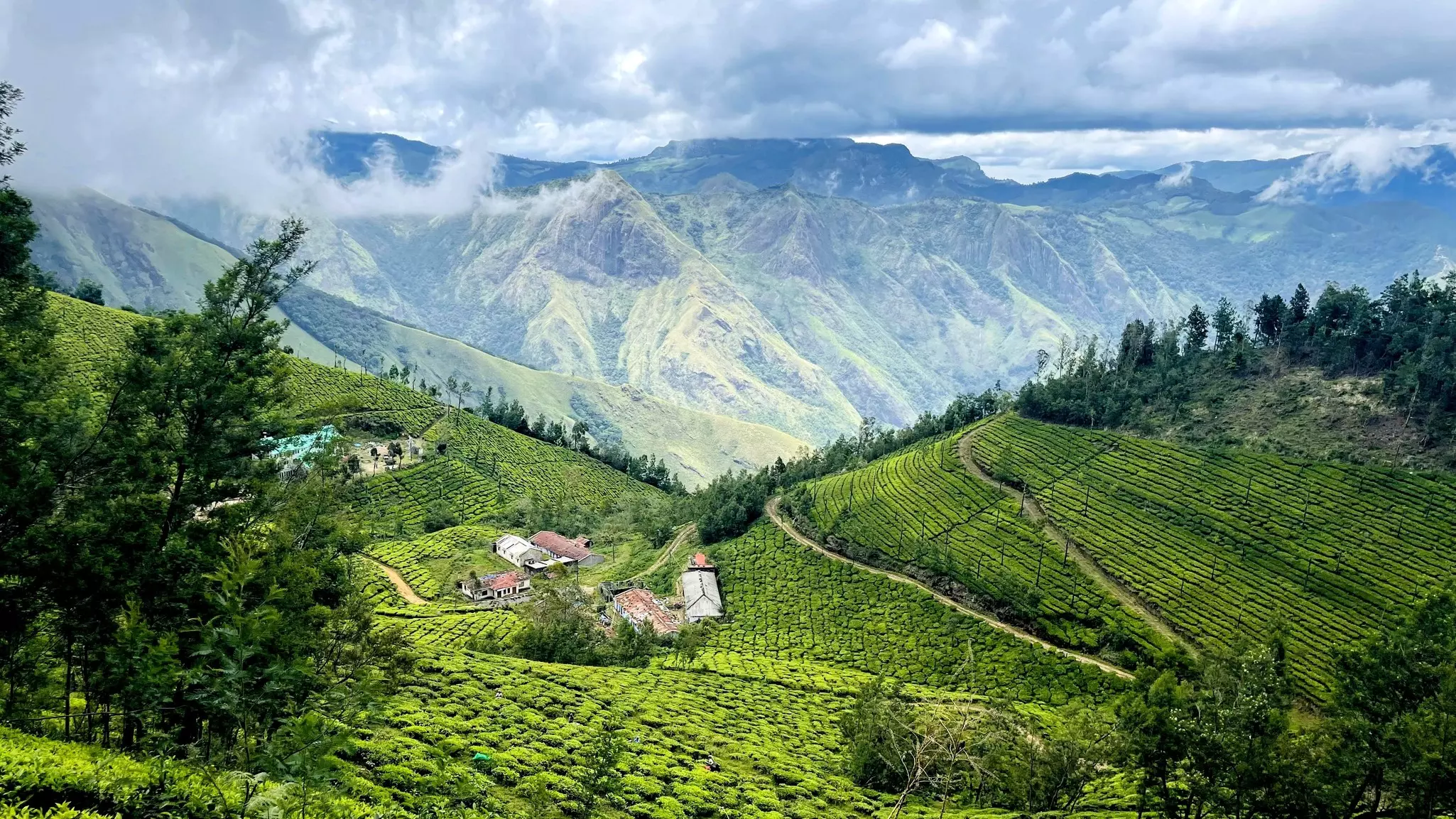
For many, Tamil Nadu means heat. But the time of year makes all the difference. From November to March, the weather is at its best, and you can explore this tropical destination without feeling like you’re in a sauna. The temperatures in hill stations range from 10°C to 15°C (50–59°F), apt for steaming cups of tea.
If lush landscapes and roaring waterfalls are the goal, July to September delivers – but with risks. Heavy rains can flood cities like Chennai, and hill stations are prone to landslides. For those drawn to festivals, January’s Pongal (harvest festival) fills the air with kolam art (elaborate designs of colored chalk) and the aroma of sweet rice, while April’s Chithirai Festival turns Madurai into a place of grand processions and temple rituals.
One week is enough to cover the state’s core experiences – but stay for 2 weeks to let things truly sink in. Start in Chennai, with its Tamil traditions, colonial architecture and Marina Beach action, and use the city as a base for a day trip to the shore temples of Mamallapuram (Mahabalipuram). Then continue south to Puducherry (Pondicherry), a coastal enclave that was once a French colony, and visit the experimental community of Auroville. For a quieter alternative, opt for Tharangambadi (Tranquebar), another colonial coastal town with Danish roots and sea-swept fort walls.
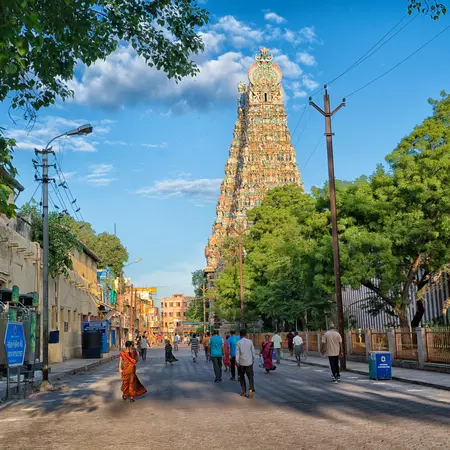
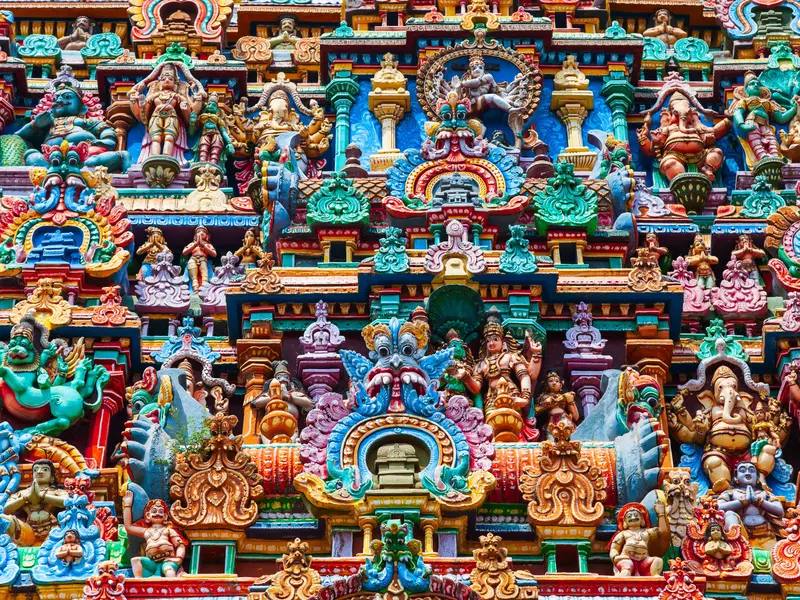
Architecture enthusiasts should head south to Madurai's Meenakshi Temple, a spectacle of color, sculptural art and traditional rituals. Or visit Thanjavur, where the Brihadeeshwara Temple and grand palaces echo the legacy of Chola kings. Dedicate a day to Chettinad, staying in a heritage mansion to experience Chettiar hospitality. Then continue to Rameswaram and Dhanushkodi, where India reaches to Sri Lanka across Adam’s Bridge. Another option is Kanyakumari, at India’s southernmost tip, where three seas converge beneath a golden sunset. Wrap up the journey with a retreat to the cool hill stations of Ooty or Kodaikanal.
Yes. You can fly in to Tamil Nadu, take a train, hit the road or hop on a rickshaw: whatever suits your pace and budget. The state has international airports in Coimbatore, Madurai, Trichy and Chennai. Chennai is best connected, with direct flights from Dubai, Singapore, Bangkok, London and Frankfurt, making it the easiest entry point for international travelers. Domestic flights link all major cities in the country with those in Tamil Nadu.
For an affordable way to hop between cities, take the train. Chennai, Madurai, Coimbatore and Trichy are major railway hubs with well-connected routes across India. Overnight sleeper trains are budget-friendly(and a terrific cultural experience), while AC coaches and Vande Bharat trains make for comfortable daytime journeys.
If long drives and impromptu temple detours sound appealing, Tamil Nadu offers the possibility of self-driving rental cars for confident drivers (the state has some of the best roads in the country). But if city traffic, winding hill roads and the occasional cow crossing aren’t your thing, hiring a car with a driver is a stress-free if costly alternative. Government and private buses connect cities and neighboring states, offering AC, non-AC and sleeper options to suit every budget.
In cities, rickshaws and local buses are the go-to, though count on crowded and chaotic streets at peak times. While bus routes are marked, signs are primarily in Tamil, and most drivers speak little to no English. Asking the conductor for your stop usually helps in getting on the right bus or reaching the correct drop-off point. For further conversations, rely on Google Translate.
Another hassle-free alternative is using rideshare apps like Ola and Uber that allow navigation in English. These services are also useful if bargaining with rickshaw drivers doesn’t appeal. Cities like Chennai have metro rail and suburban trains, both of which offer English signage and are an easier option for commuters to dodge traffic.
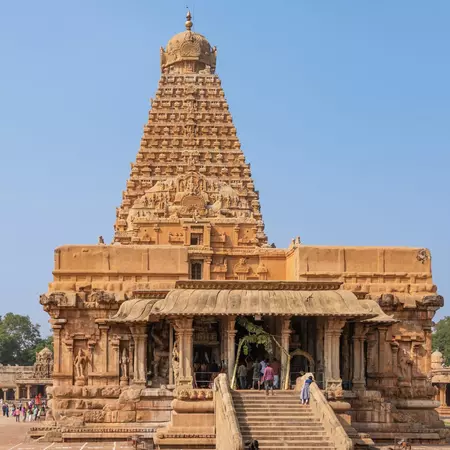
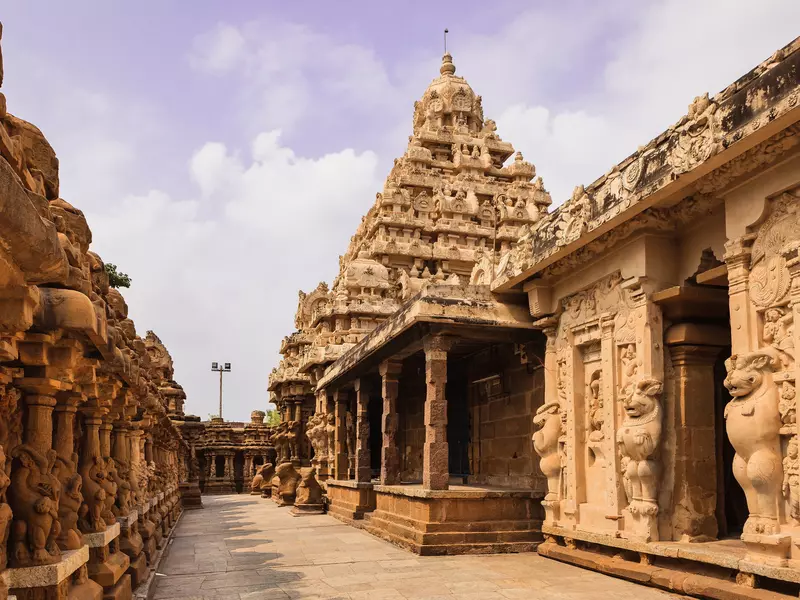
Its impossible to for any visitor to skip Tamil Nadu’s rich history and heritage. Still, shuttling between monuments without knowing the stories behind them can feel running down a checklist of ancient sites. To decode the past beyond textbook dates, consider a full-day or multiday heritage trail with the historian S Jayakumar of Courtyard Tours. Jayakumar will explain the differences between the Pallavas, Pandyas and Cholas, long-reigning dynasties that left behind architectural masterpieces in towns like Kanchipuram and Thanjavur (Tanjore). The tour will also trace the evolution of rock-cut architecture, as you learn stories of empires rising and falling, stand before towering monolithic statues, and decipher inscriptions that reveal the economic, cultural and social fabric of bygone eras.
No Google Maps. No vehicles. No roads. The only way to reach Vellagavi village in Kodaikanal is by following worn foot trails through the forests of the Western Ghats with a guide. The 8km trek (round trip) is no easy feat – but for those drawn to adventure, the journey through this rugged terrain is well worth taking.
What truly sets Vellagavi apart is its centuries-old no-footwear policy, a practice the villagers have followed for generations, believing that the entire hamlet, over 300 years old, is sacred land. The village remains a sight to behold, with neatly aligned houses, small temples and a primary school where time seems to move a little slower. For those drawn to trekking, Tamil Nadu has 39 other government-approved trekking routes, along which you can experience the state’s diverse natural landscapes with a guide from a local community.
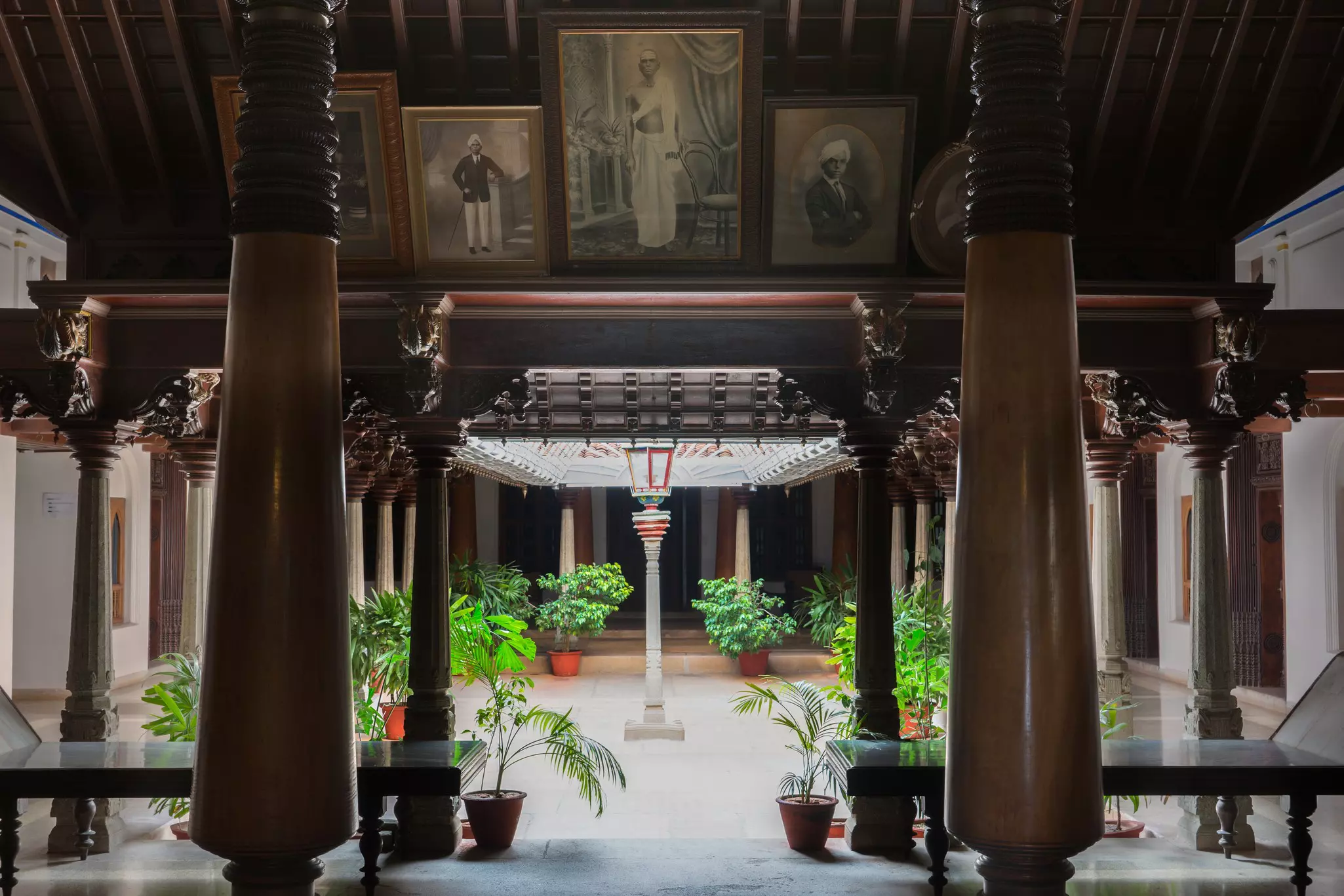
Once the home of the wealthy Chettiar merchant clans, Chettinad is a cluster of 73 villages dotted with heritage mansions whose grandeur refuses to fade. For a heritage walk, Kanadukathan village is the best place to start, its lanes lined with mansions built between the 1850s and 1950s. A mansion-hopping tour wouldn’t be complete without stops at Athangudi Palace, VVR House, CVRM Heritage House and Lakshmi House, all of which open their doors to visitors.
To experience the warmth of Chettinad hospitality, stay in a converted heritage mansion or savor a spice-laden Chettinad feast at the Bangala or Visalam (reserve ahead). To experience Chettinad’s artistry firsthand, visit the Athangudi tile factory and Chettinad handloom sari-weaving centers. The Chettinad Heritage and Cultural Festival, a community-led event held in September, is a must for those looking to experience this cultural region at its best.
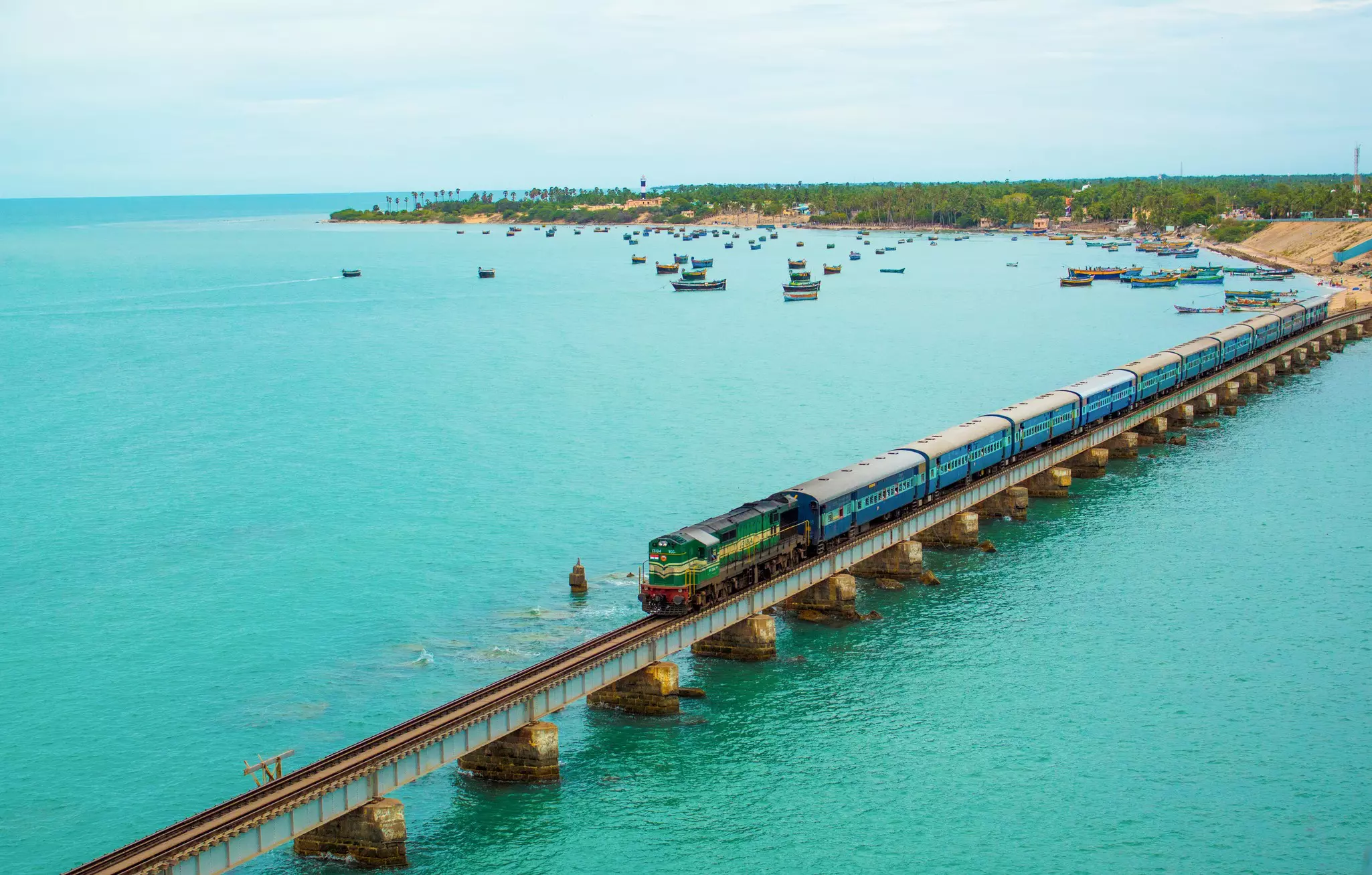
Rameswaram on Pamban Island is mostly known as a Hindu pilgrimage site, with the Ramanathaswamy Temple an important shrine steeped in the legends of the Ramayana. Yet beyond the sanctuary lies a coastal paradise with some India’s most stunning beaches. Start your journey with an unforgettable train ride across the Bay of Bengal through the engineering marvel of Pamban Bridge. Just beyond lies a stretch of the Gulf of Mannar Marine National Park, South Asia’s first marine biosphere reserve, a world of thriving coral reefs and marine life. While public access is restricted, Rameswaram Tourism’s ecotourism initiative takes visitors to Kurusadai Island on a glass-bottom boat and offers diving, snorkeling and windsurfing outside its protected boundaries.
A short drive away, the ghost town of Dhanushkodi – abandoned after a devastating cyclone – sits at the dramatic meeting point of the Bay of Bengal and the Indian Ocean, India’s maritime boundary with Sri Lanka.
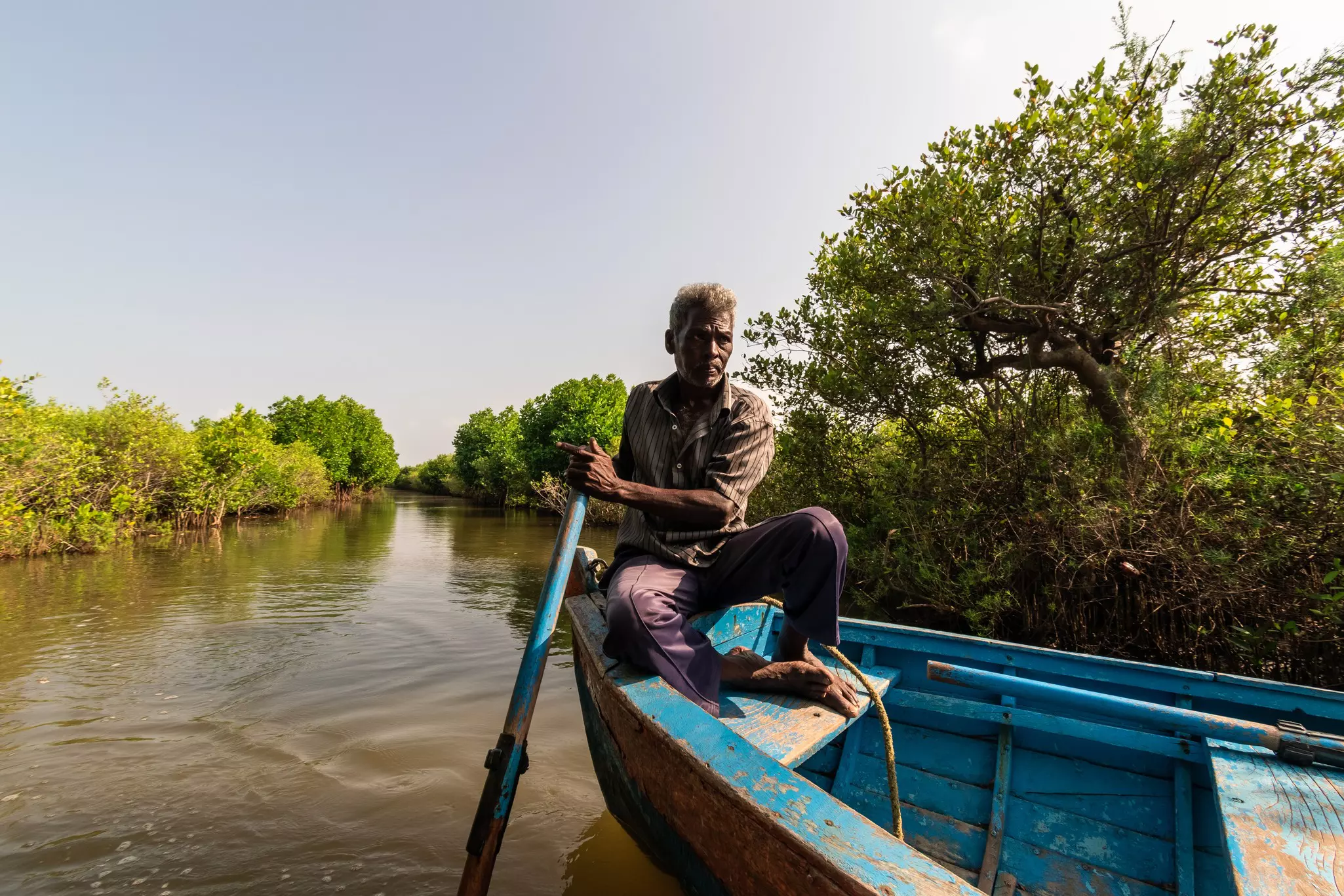
For a window into South India’s heritage, DakshinaChitra Museum brings traditional architecture, crafts and performing arts together into an immersive cultural experience. Then there’s Kolukkumalai Tea Estate, the highest in the world, and its spectacular sunrises. Meanwhile, Auroville is a living experiment in sustainability, community living and spirituality, shaping an alternative way of life. And nothing quite compares to a boat ride through Pichavaram’s silent, maze-like mangrove forests.
Whether you’re a backpacker counting every rupee or a traveler who prefers comfort over cost-cutting, Tamil Nadu won’t torch your wallet. The only word of caution for budget travelers is that cleanliness can be a hit or miss, so be mindful when choosing eateries – especially in Chennai, foodie heaven – and read reviews when booking budget stays.
When it comes to payments, cash and digital Unified Payments Interface (UPI) transactions like Google Pay, Paytm and PhonePe rule the streets – but are largely unavailable to foreign travelers. ATMs are easy to find in cities and towns, and most places accept physical credit or debit cards, though international cards don’t work everywhere. If heading to rural Tamil Nadu, carry some Indian rupees on you.
Single bed in hostel: 500 rupees–₹1500
Premium room for two: ₹10,000–20,000
Car rental: ₹14/km + ₹300 per day driver allowance to ₹17/km + ₹500 per day driver allowance
Metro in Chennai: ₹10–50
Vegetarian meal at a modest restaurant: ₹60–100
Fine dining for two: ₹1000–3000
Tamil Nadu’s tropical, humid climate calls for light, breathable fabrics like cotton and linen. A scarf or hat helps shield against the sun.
In temples, women should cover their shoulders and knees as a sign of respect, and men sometimes are expected to remove their shirts before entering.
Compared to other Indian states, Tamil Nadu is generally a safe destination for tourists, including for solo and female travelers. The locals are friendly and welcoming – so much so that strangers might ask for selfies. (This is usually harmless, but declining politely is always an option.)
That said, staying cautious, being aware of your surroundings, and trusting your instincts go a long way. Whether in big cities or rural villages, avoid deserted areas at night. When arriving at a new destination, plan to be there before midnight unless a taxi has been pre-arranged by your accommodations. For late-night travel in the city, rideshare apps or public transportation buses are safer alternatives to autos or private taxis.
Women travelers can dial Tamil Nadu’s 24-hour helpline number 181 in case of a safety emergency. Carrying pepper spray (available in most Chennai pharmacies) or a personal safety alarm can provide extra peace of mind.
Book your India trip with Lonely Planet Journeys
See India how it's meant to be seen
Accommodations, activities and ground transportation all taken care of, so you can focus on the fun part. Tell us what your dream trip to India looks like, and our local experts will build it from scratch. Or start with one of our itineraries and make it your own.

Explore related stories