Sep 24, 202610 min read
A Book Lover’s Guide to IndiaDec 19, 2025
7 MIN READ

Writer
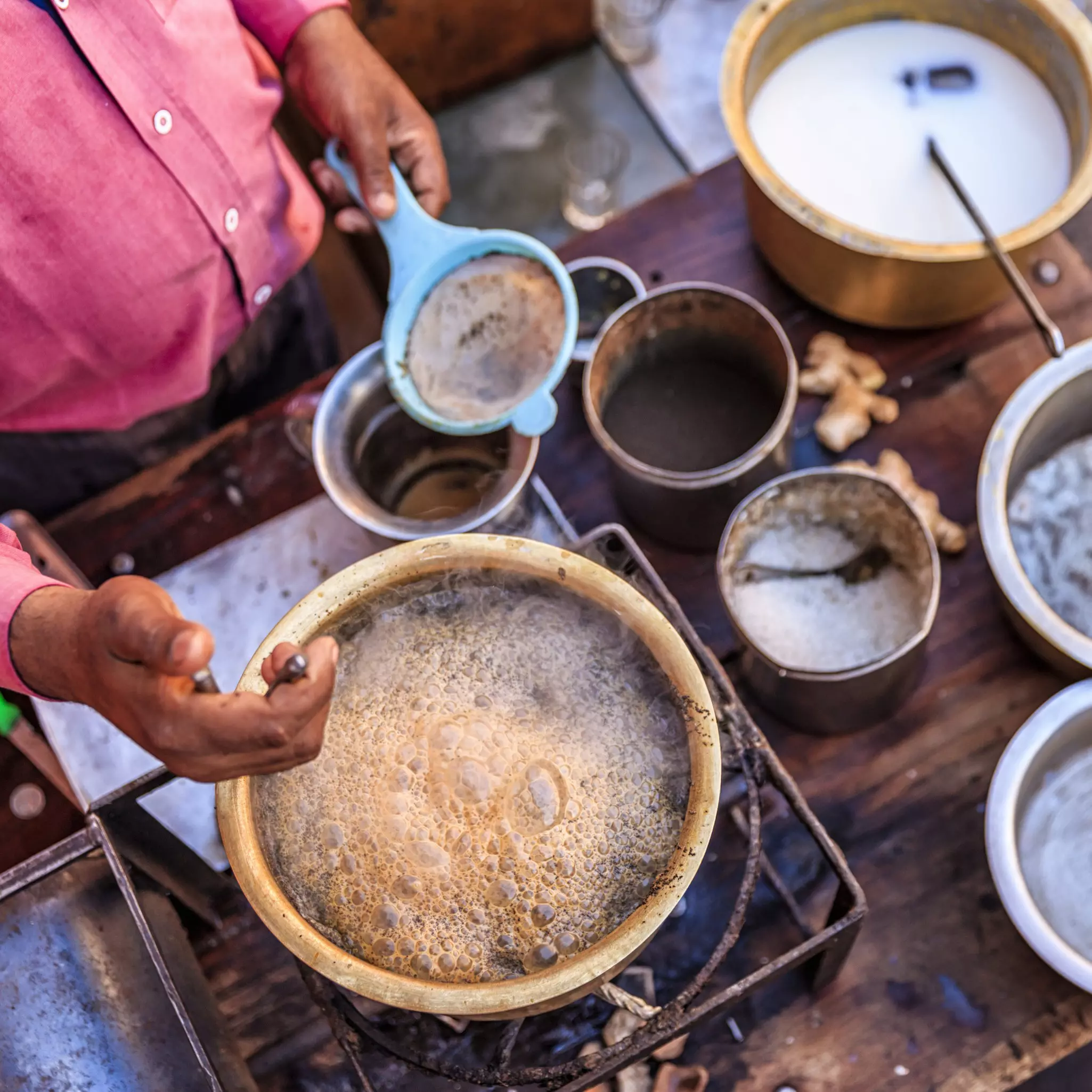
Preparing tandoori chai in Kolkata, India. ABIR ROY BARMAN/Shutterstock

Writer
Lonely Planet may earn a commission from affiliate links on our site. All recommendations and reviews reflect our own independent opinions.
Tea is a quotidian necessity in most of India. Depending on where you are, chai, cha, chaha, choi or sah (all of which just mean tea in various Indian languages) is a crucial part of an Indian breakfast, and is equally often drunk in the evening as well. Although there aren't elaborate tea ceremonies, each state and community has its own style of tea and accompanying snacks. In fact, cha (and coffee) became the locus around which the "adda" was built, a Bengali cultural institution that is very loosely translated as a "hangout."
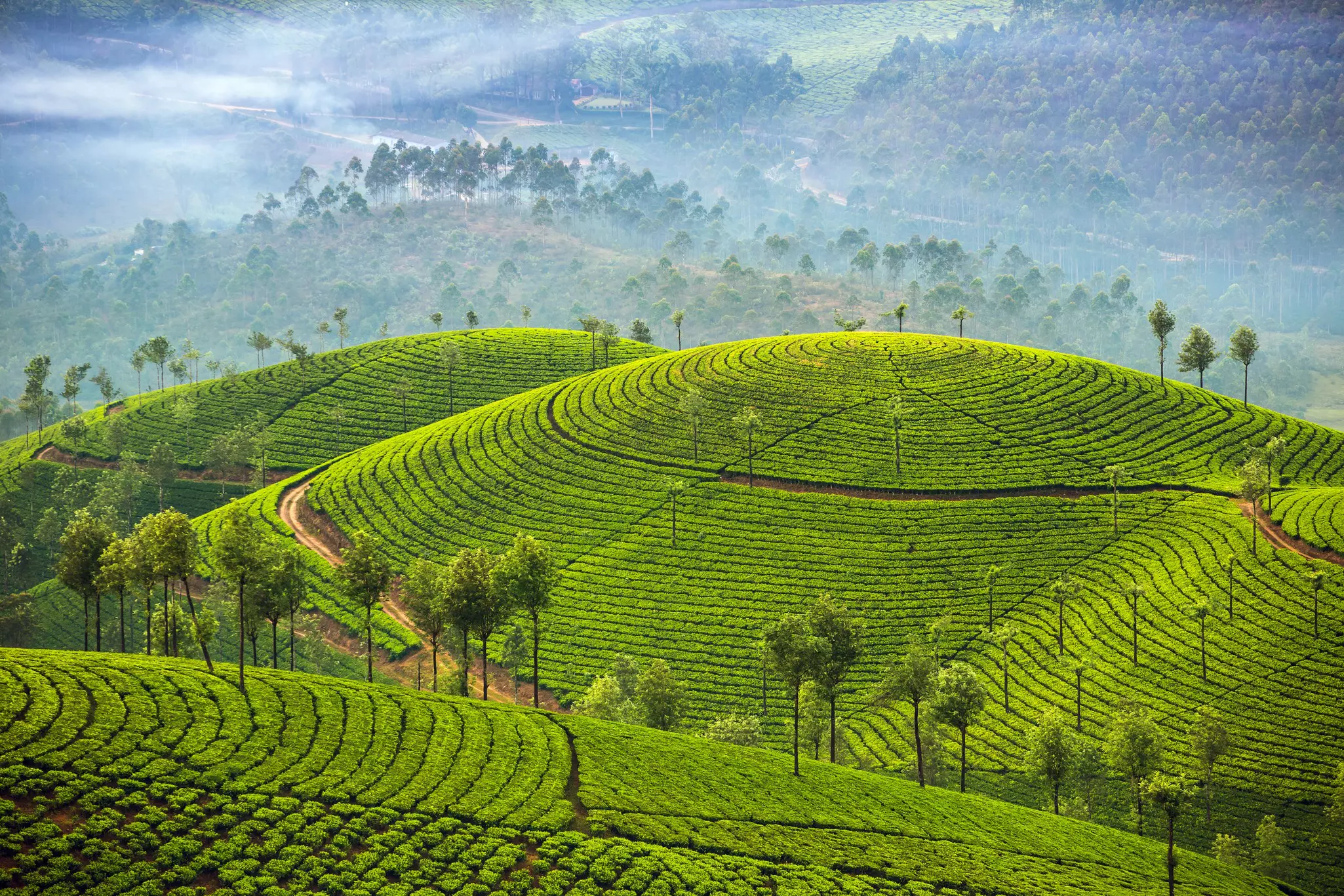
Strong black teas are most favored, but Indian tea gardens also grow green and white teas – India is, after all, the world’s second largest tea producer behind China. Amongst the most famous are delicate teas from the colonial-era Darjeeling and Assam tea gardens, but there are a wealth of other tea estates in the southern and eastern parts of India.
Although tea was indigenous to parts of India such as Assam, it was colonization that forced it upon India not even a 100 years ago. In fact, it was the British who were addicted to the stuff for centuries. Contrarily, most Indians actively boycotted it for decades as an offensive foreign drink and eschewed it because of oppressive British exploitation of indentured tea workers who largely came from marginalized sections of Indian society.
This all changed during the Great Depression when, faced with piles of unsold stock in Britain, the colonizers looked to India, pressuring factory owners to give their employees tea breaks and forcing it upon an unwilling populace. This eventually worked. Tea began as a delicate colonial drink, but was then transformed by flavor-loving Indians into a spice-soused, sweet, milky drink.
Here is an abbreviated list of the wealth of Indian teas.
Masala chai: A favorite across Northern, Central and Western India, masala chai is strong, sugary milky tea boiled with all or some of the following spices: ginger, cardamom, cinnamon, nutmeg, mace, peppercorn and clove.
Saaya: The Tamil Muslim community’s saaya is a twist on a classic – ginger tea brightened with the addition of nannari syrup (sarsaparilla).
Lebu cha: A Bengali street treat, this is black tea accented with lime or lemon (lebu is lemon in Bengali), jaljeera, black salt, together with plenty of sugar to lull the spice and sour.
Butter tea/po cha/gurgur cha: In the arsenal of Indian teas, this one is perhaps the most lush. Made with butter (yak or cow) and milk, this is a savory tea available in Sikkim and Ladakh.
Irani chai: Traditionally brewed in a samovar, this is strong black tea, served with whole mint leaves and drunk with cubed sugar.
Qahwa: Brewed in a samovar, Kashmir’s qahwa is a green tea, accented with saffron and cardamom, gently sugared, and served with a sprinkle of flaked almonds, made for special occasions. Milk is optional.
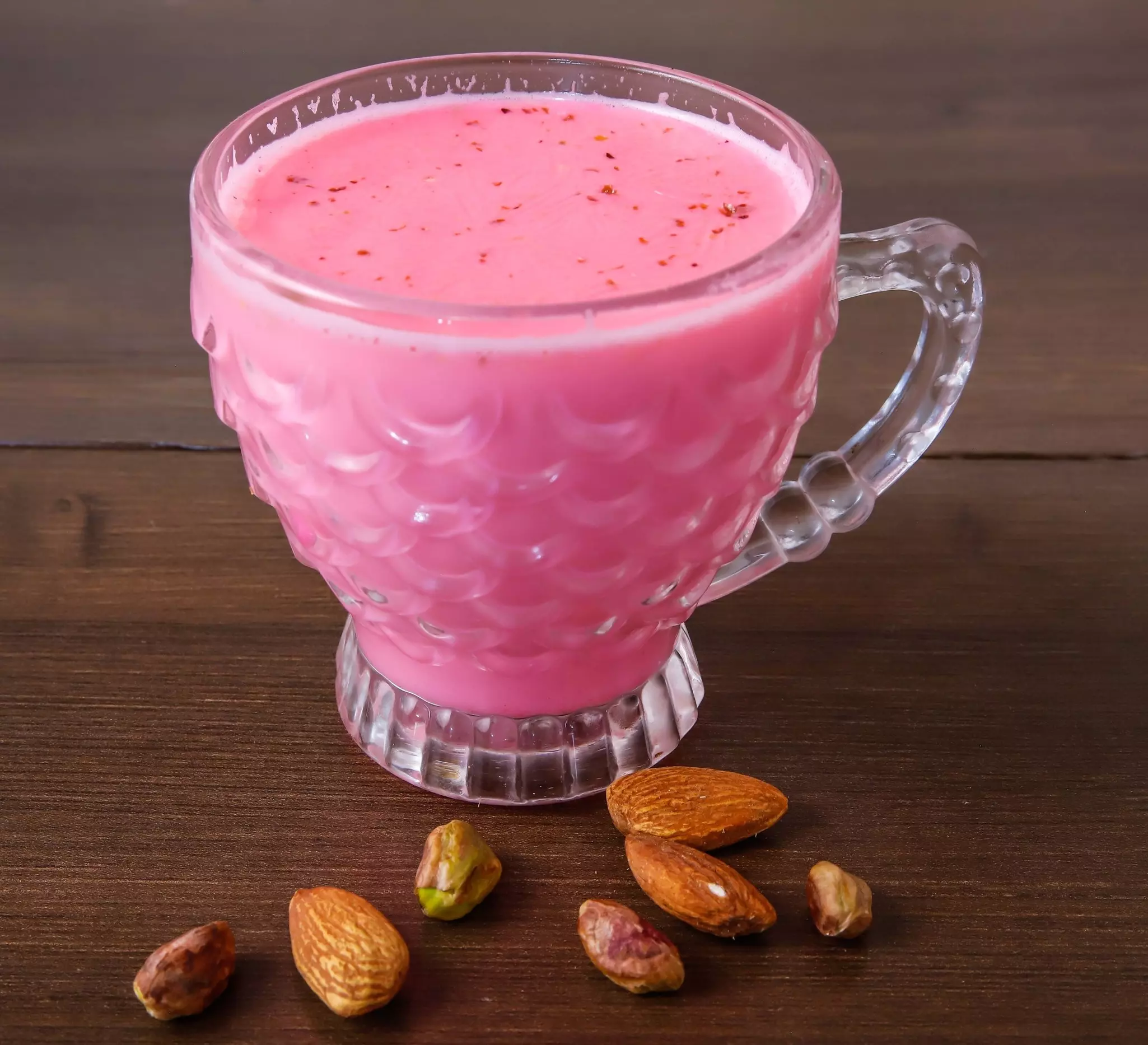
Nun chai: Nun chai is not sweet at all; instead, it is salted and stained pink in color thanks to the addition of baking soda, and always eaten with tschot (Kashmiri bread). Nun chai is moored to the legend of the 14th-century Persian Sufi saint, Mir Syed Ali Hamdani, who is said to have introduced it to the state.
Suleimani chai: Believed to have been carried to Kerala by Arab traders centuries ago, this is black tea sluiced with spices such as cloves, cardamom, cinnamon, and drunk with sugar and lime.
Parsi choi: The milky tea of this tiny community comes steeped in fresh lemongrass, mint leaves and sometimes spearmint.
Ronga sah: A staple in Assam and across the North East, this red tea (essentially black tea brewed without milk) is strong and bracing, and sometimes flavored with ginger and cardamom.
Nagori cha: The Nagori dairy farming community of Rajasthan (largely Sunni Muslims) has become the backbone of Mumbai’s milk trade – no wonder there are so many Nagori tea stalls around the city, made with fresh thick unpasteurized milk that comes directly from their dairy farms.
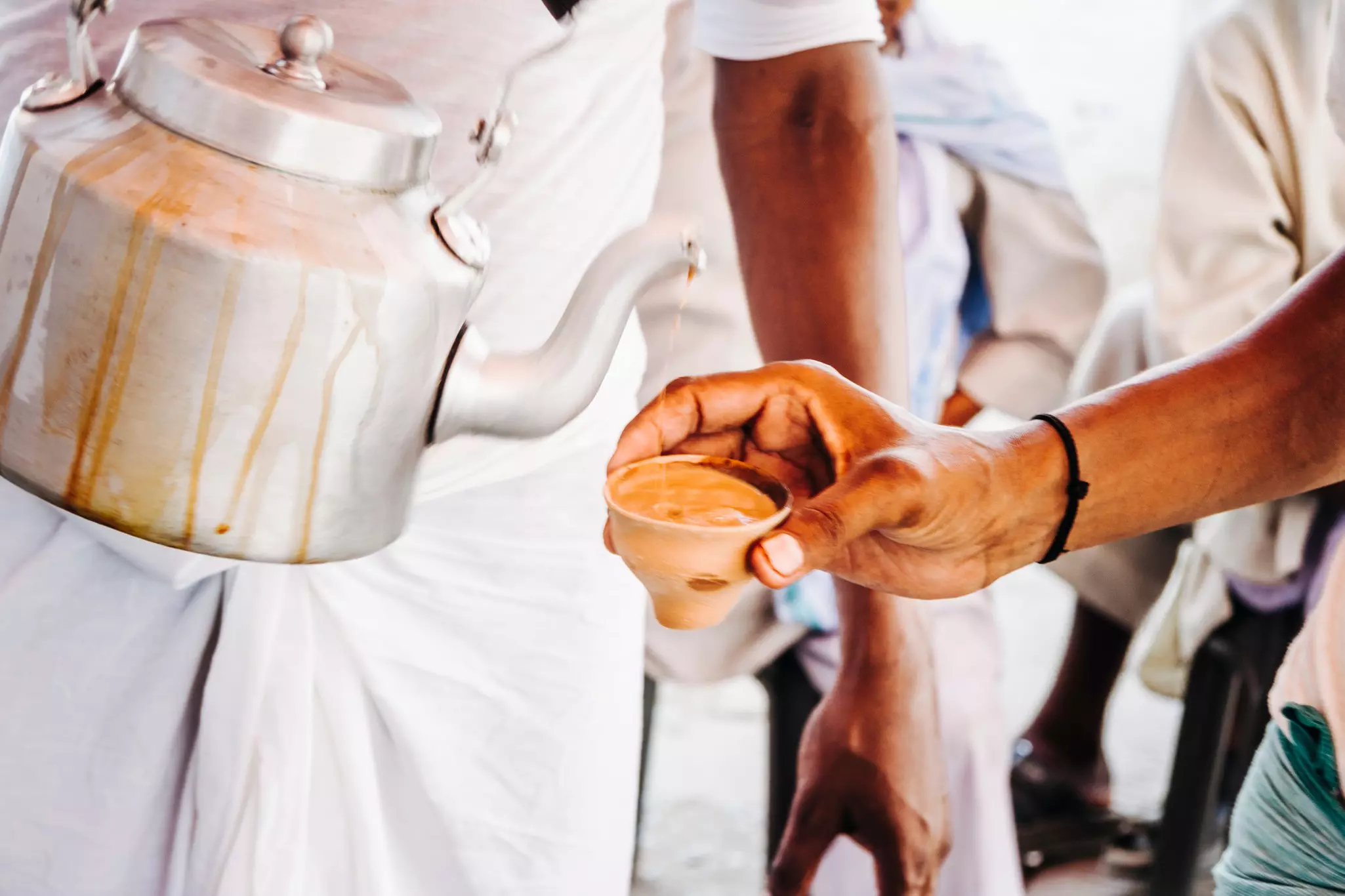
Outside of Indian homes, much of India’s tea is drunk at roadside cafes and is a working-class staple; a small stall will often serve you the best chai. In Shillong for example, the Ïew Duh market has tea shops selling piping hot cups of sha (tea), but also an array of jingbam khasi (tea-time snacks).
Irani cafes: Order the milky chai, along with biscuits or bun maska (soft white bread and butter), then dunk them into the chai and enjoy! These historic cafes, largely found in Mumbai, Pune and Hyderabad, burgeoned in the colonial era but are now dying out.
Chaayos: A gentrified tea chain with outlets available across India.
Taj Mahal Tea House: This charming Mumbai restaurant offers a variety of teas and edible accompaniments such as Earl Grey Pannacotta.
Chai Jaai: A restaurant with a blend of Kashmir and Cotswolds-styled decor in Srinagar, serving traditional Kashmiri chais as well as twists on a classic – nun chai latte, anyone?
Buckwheat Restaurant: Serves excellent food largely made with buckwheat which is indigenous to Leh, but also hot butter tea.
Flury’s: A nearly-century old Kolkata cafe famous for its pastries, now also in Mumbai.
English afternoon tea: Claridges in Delhi and the Sea Lounge at the Taj Mahal Palace hotel in Mumbai are both excellent places for an expensive English afternoon tea service.
Sancha: This tea boutique in Mumbai, Delhi, Bengaluru and Chennai is perfect for gifts.
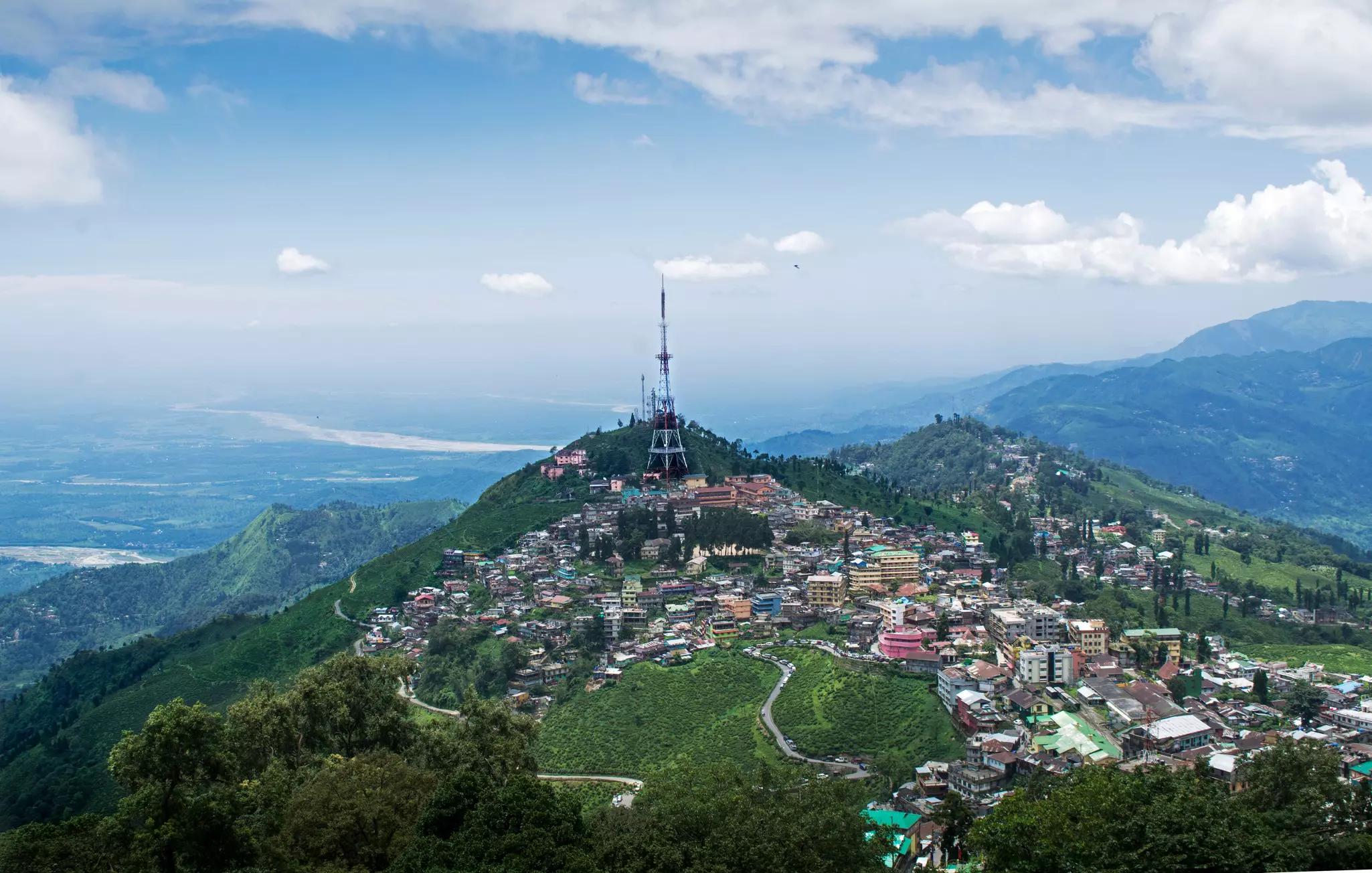
There are dozens of excellent tea estate homestays and bungalows across India, but the Makaibari Tea Estate in Darjeeling was the first to open a tea factory in India in 1859. It was never owned by the British, a rarity in itself. Makaibari offers homestays (with three meals a day), with profits going directly to the local host families. For tea enthusiasts, the ideal time to visit is usually in spring, for a taste of the first flush (picking) of the tea, or during the summer solstice for Makaibari’s special solstice-picked teas; you can sign up for a tea tasting, tea plucking and tea manufacturing experiences.
Down south, in bucolic Coonoor, Tea Nest also offers tea tastings and tea garden walks; visitors can stay in its cozy stone bungalow.
Wherever you go, do remember to book at least 3 months in advance, and bring comfortable shoes. Tea gardens are always in hilly terrain and may be difficult to access for any guests with mobility challenges. Depending on the time of year, you should keep warm clothes with you – temperatures can dip in the mornings and evenings.
You can also visit tea museums in Munnar and Ooty – there’s no prebooking required, and you can ask a knowledgeable member of staff to give you a tour.
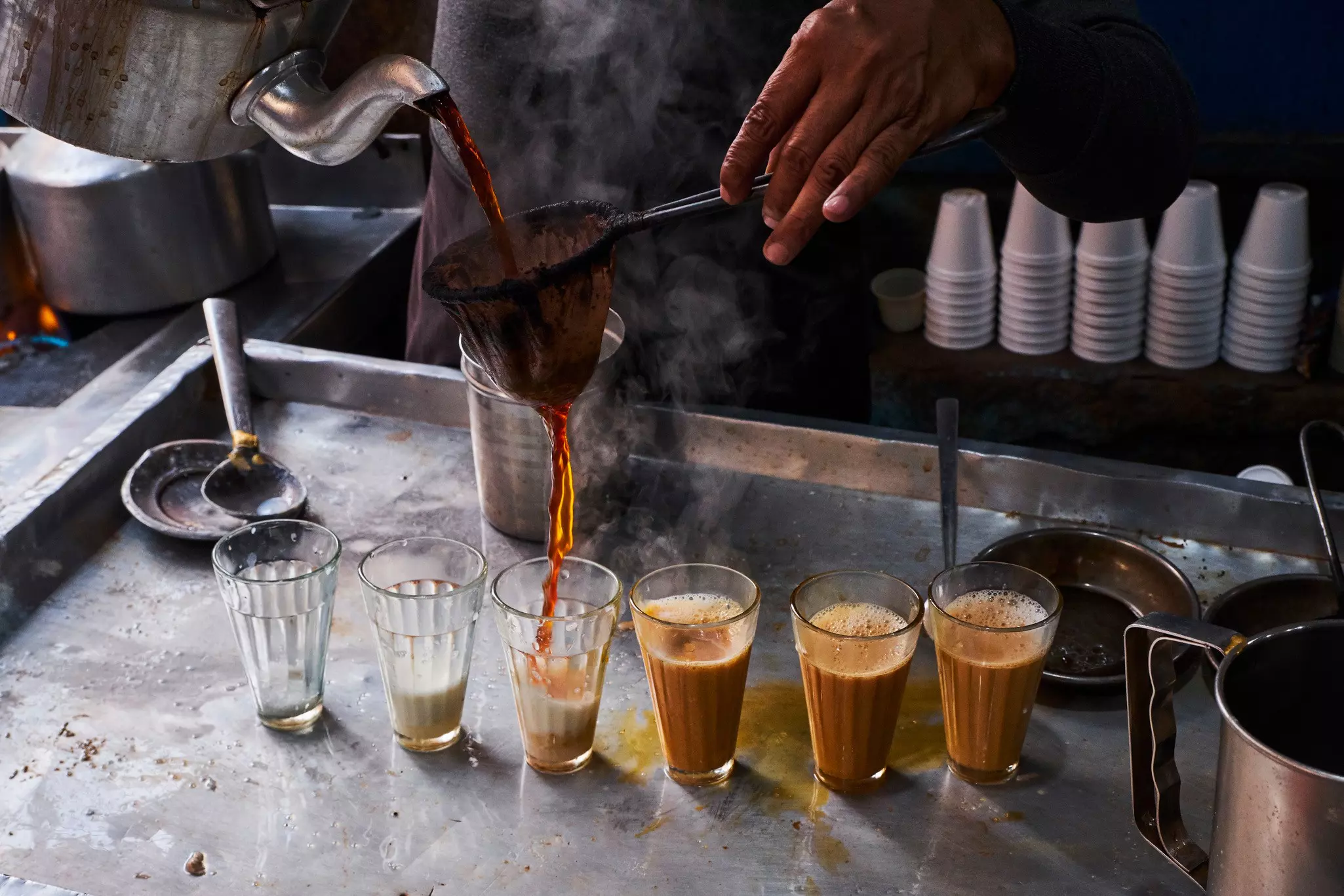
Cutting chai: Mumbai street-speak for a half portion of strong milky chai in a small glass, served by street vendors.
Kulhad: Biodegradable clay cups without handles, meant to be thrown after one use.
Tandoori chai: Invented in Pune by Amol Rajdeo, owner of the tea shop Chai La, tandoori chai involves heating the empty kulhad in a tandoor-like device, then pouring piping-hot tea into it for a hint of smokiness.
Kadak chai: Strong black tea with milk and spices.
CTC: Invented in colonial-era Assam, CTC stands for crush-tear-curl, a method by which tea companies grind tea leaves into small particles, thus strengthening their flavor while reducing costs. This process is what creates black or red tea.
Dust teas: A finer version of CTC teas.
First flush: The most sought after, this is tea made from the very first harvest in early spring. Dorje Teas sells excellent first flush black tea from Darjeeling.
Book your India trip with Lonely Planet Journeys
See India how it's meant to be seen
Planned by local experts and tailored to you, Lonely Planet Journeys handles the logistics so you can just enjoy the trip. Tell us what you want and we'll build your India itinerary from scratch, or browse our bookable trips to get inspired.

Explore related stories