Sep 7, 202613 min read
Taking the Train from Delhi to Mumbai (What You Need to Know)Apr 27, 2020
3 MIN READ

Writer
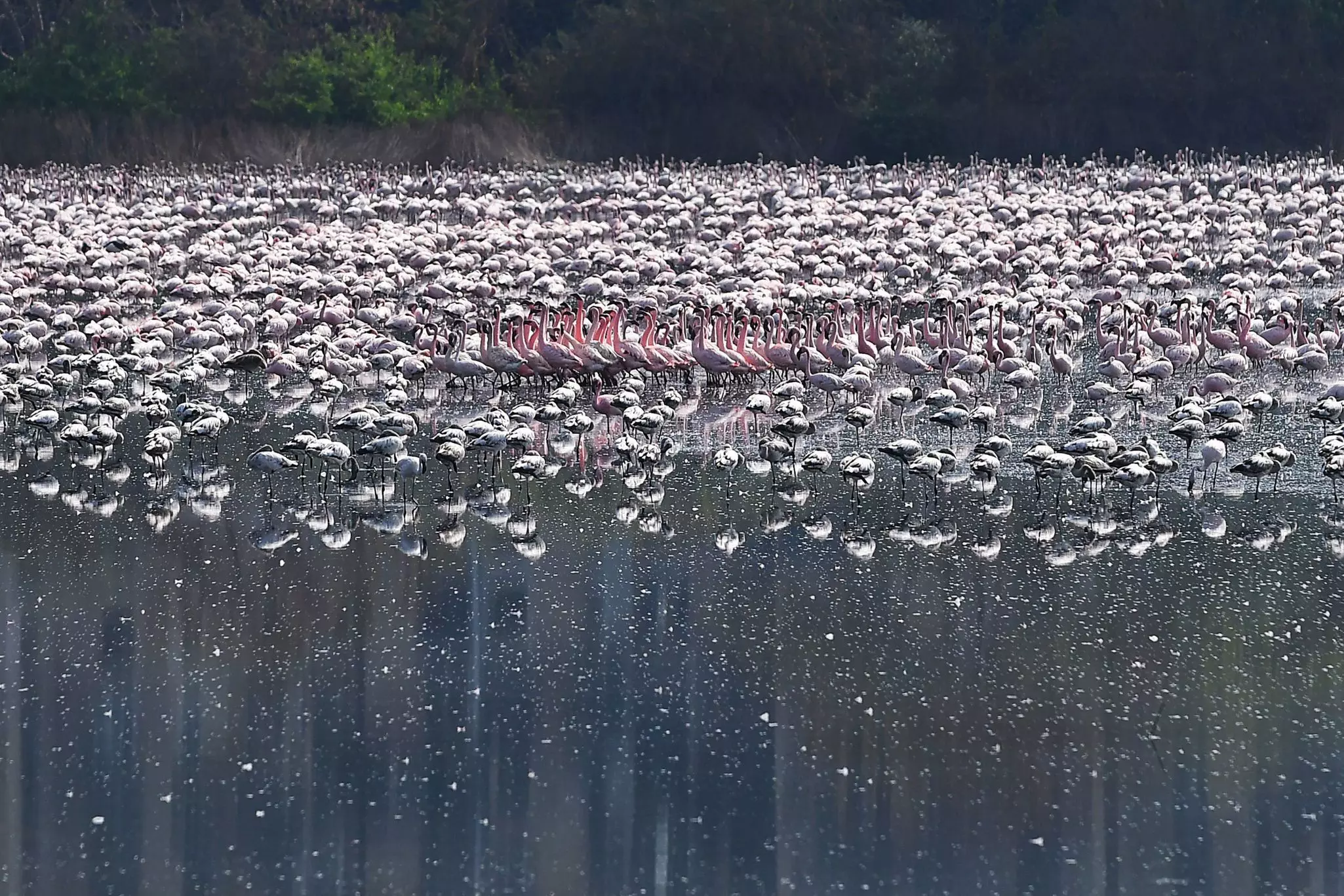
Record number of flamingos have migrated to Mumbai this year ©Pratik Chorge/Hindustan Times/Getty Images

Writer
Lonely Planet may earn a commission from affiliate links on our site. All recommendations and reviews reflect our own independent opinions.
Hundreds of thousands of flamingos are painting India pink as they take over a creek in Navi Mumbai during lockdown.
Since the 1980s, a large number of pink flamingos have migrated to Mumbai between the months of October and March for feeding. Visitors are made up of the greater flamingo (the taller and most widespread species) and the near-threatened lesser flamingo (shorter, and more pink in colour). This year, however, the population seems to have increased. Residents say they have witnessed a higher number of flamingos hanging out on the mudflats of Thane Creek and footage shared on social media reportedly shows hundreds of thousands of birds bobbing on the murky green waters in April, and lighting up the lakes at night.
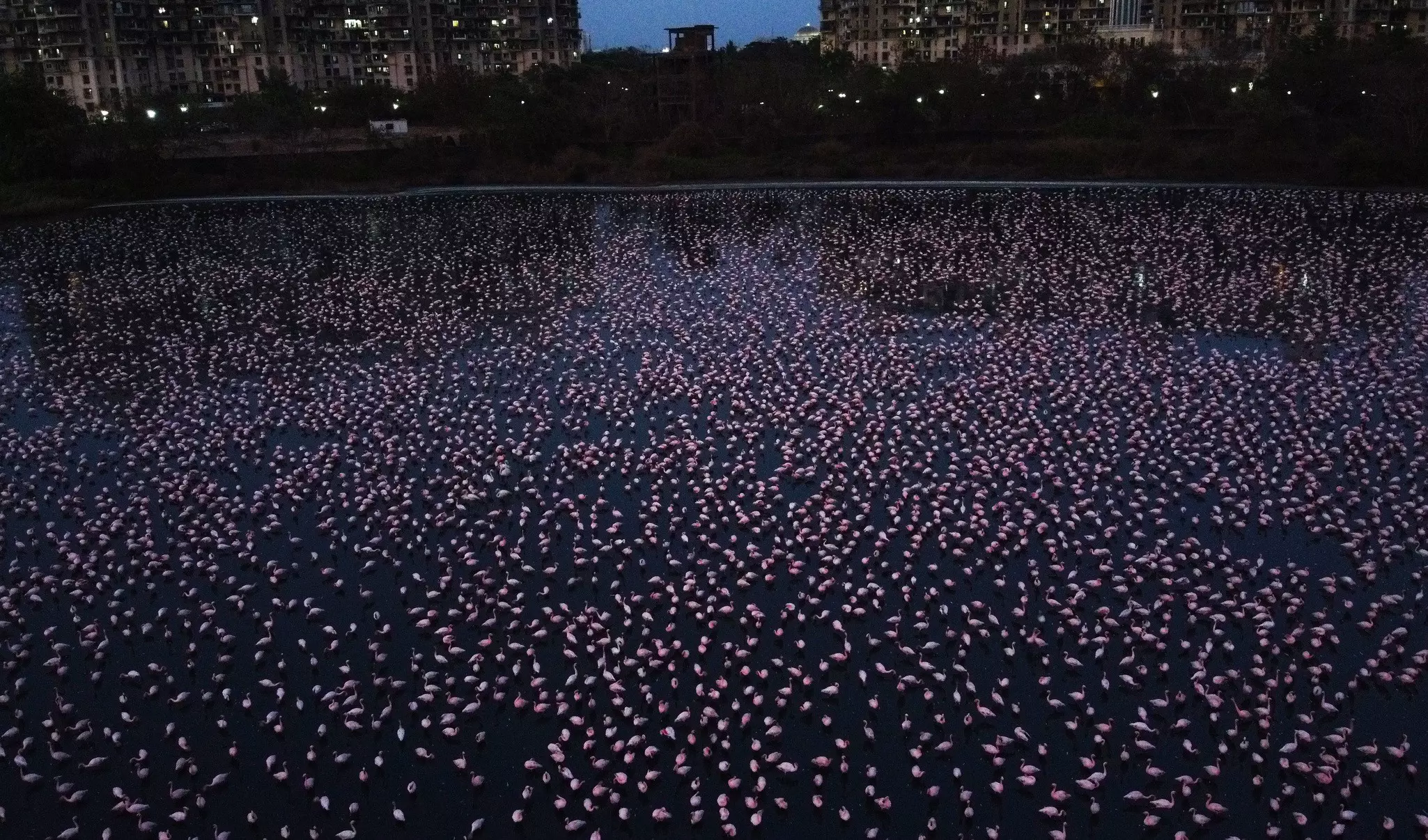
The Bombay Natural History Society (BNHS) estimates that 150, 000 flamingos made the migratory journey to Mumbai this year, an increase of 25% compared to last year. Environmentalists don't have a definitive reason for the spike in numbers but speculate that reduced human activity could have led to more favourable conditions for foraging, with the city under lockdown since 25 March.
Speaking to the Hindustan Times, Deepak Apte, director of BNHS, said areas near Thane Creek and the Talawe wetlands usually see a lot of construction work, fishing activities and movement of people but "the lockdown is giving these birds peace for roosting, no disturbance in their attempt to obtain food, and overall encouraging habitat,” he explained.
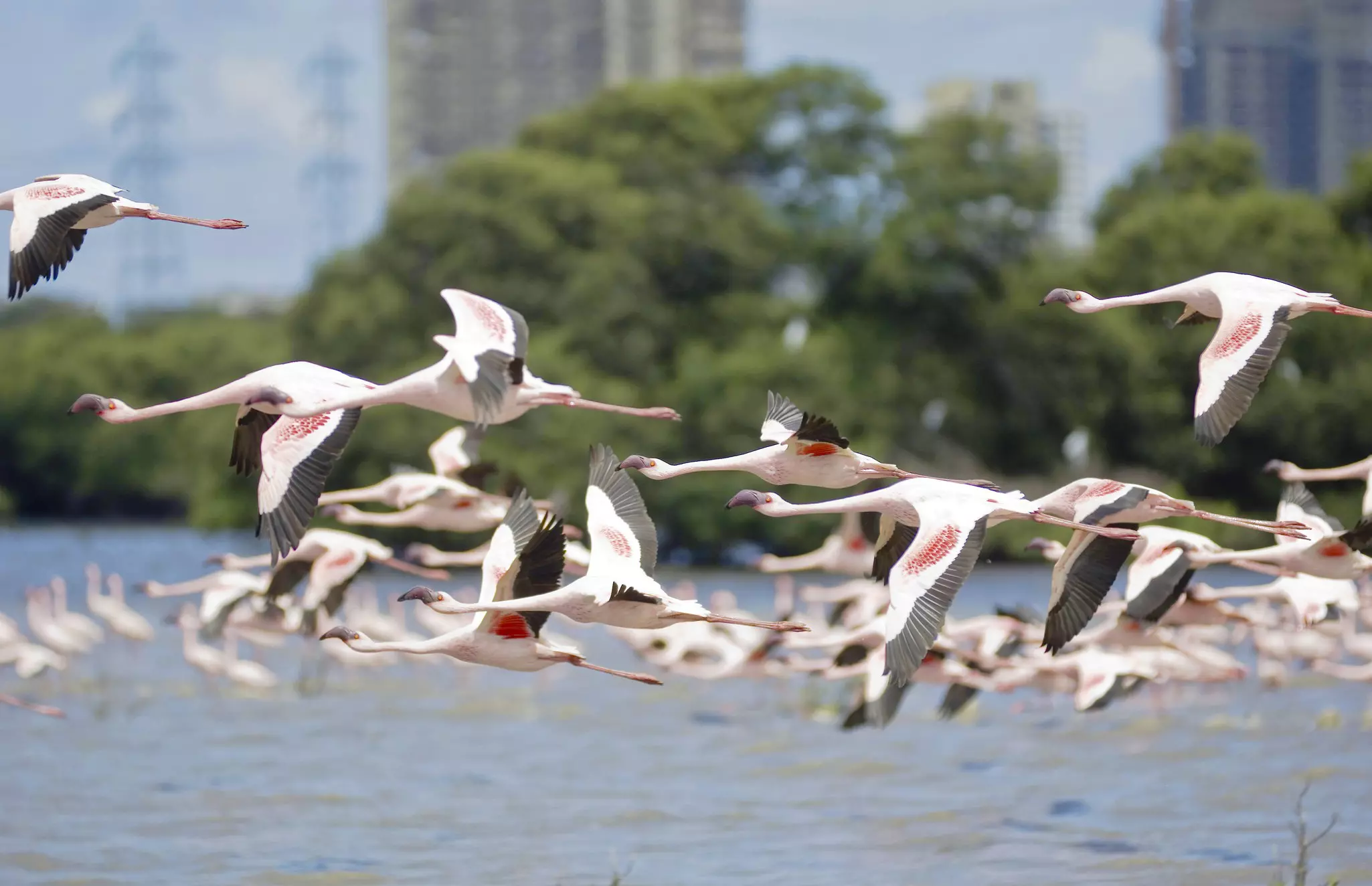
Additionally, wetland destruction along Mumbai's seaboard is pushing flamingos away from their preferred widespread locations and into smaller pockets like in Navi Mumbai. The Uran wetlands, once home to a flock of flamingos, was recently reclaimed for construction of an airport. And conservationists are worried that further development could displace the population.
Last year, authorities granted permission for India's first bullet train to pass through Thane Creek's protected flamingo sanctuary, according to the Guardian, while the construction of the 22km Mumbai Trans Harbour Link sea bridge has destroyed much of Navi Mumbai's bird-friendly mangroves and mudflats and could eventually drive flamingos out.
Every year the birds arrive in Mumbai from Kutch in Gujarat and Sambhar Lake in Rajasthan, in northwest India. Smaller numbers are believed to fly in from Pakistan, Afghanistan, Iran and Israel, and even as far away as France, according to BNHS. In May 2018, the wildlife research organisation launched a ten-year wading bird study in Mumbai, to assess the trends in abundance of birds in recent years, and to better understand India’s rich and varied biodiversity.
You might also like:
Book your India trip with Lonely Planet Journeys
See India how it's meant to be seen
Planned by local experts and tailored to you, Lonely Planet Journeys handles the logistics so you can just enjoy the trip. Tell us what you want and we'll build your India itinerary from scratch, or browse our bookable trips to get inspired.


Explore related stories