Sep 24, 202610 min read
A Book Lover’s Guide to IndiaFeb 13, 2021
3 MIN READ
Writer
Paths and Trails at coffee garden of Coorg,Karnataka,India ©Sadananda Saikia/Shutterstock

Writer
Lonely Planet may earn a commission from affiliate links on our site. All recommendations and reviews reflect our own independent opinions.
Tucked away in the serene foothills of Karnataka is Kodagu, erstwhile Coorg, a region popular for its coffee plantations. Dominated by the Kodava community, it is a land that supports a plethora of diverse produce, traditional practices and ancient food traditions. Chef Radhika Khandelwal takes us through her journey of experiencing the region and its cuisine and what she has learnt from it.
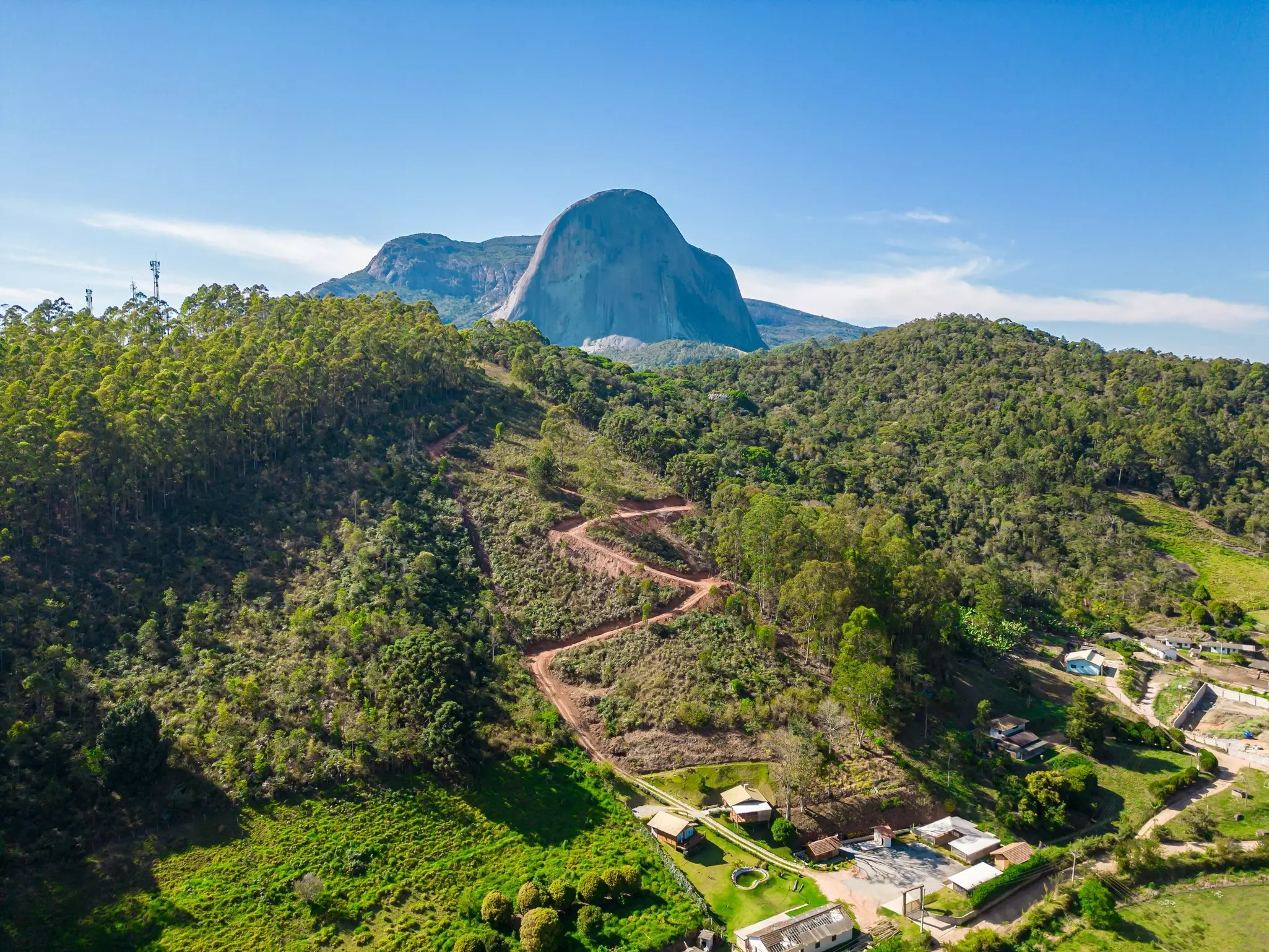
The fertile land ensures an abundance of spices, coffee, paddy, coconut and nuchi kummu or wild mushrooms, all of which are an intrinsic part of Coorgi cuisine. The Kodavas form a minority community and yet play a major role in shaping the Coorg’s culinary landscape. While there is little documentation of the clan and its history, local folklore and oral history of the region indicate that the Kodavas have strong Pagan beliefs and are worshipers of the feminine spirit. To mark the land’s fertility and to celebrate the harvest season, this agro-centric community has a unique tradition where a cucumber, eggplant, or coconut grown in one’s own farm is wrapped in silk and adorned with jewellery and flowers and worshiped as the goddess of bounty and abundance.
A visit to Coorg unveils a world of flavours and ingredients that are not very common particularly in India. For instance while there is certain reluctance in the consumption of pork in most parts of the country, Kodagu relishes its Pandi Curry. It is a dish that has stemmed from the practice of hunting wild boars, now replaced by commercially available pork. The Kodavas worship forest deities like Botekara Aiyappa, the God of Hunt, and therefore hunting activities are bound by a set of rules and regulations. It is also the only region where hunting is still permitted.
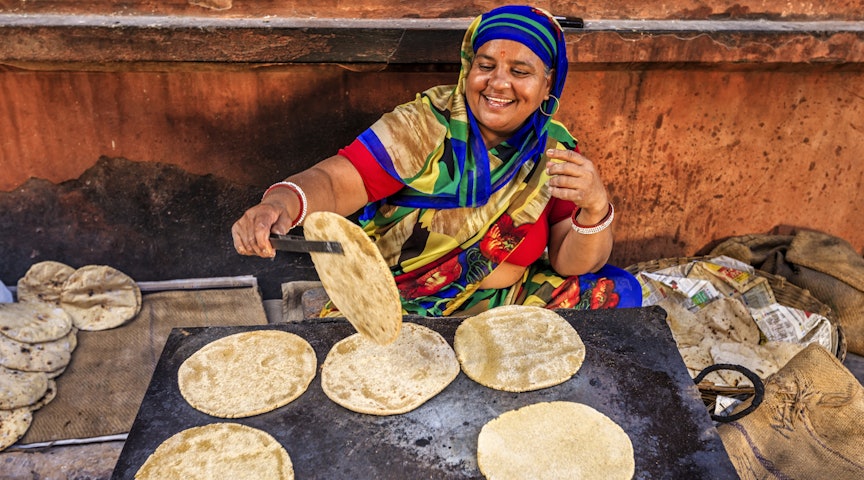
Another example is the Kummu Curry where mushrooms are the heroes. Even though most recipes may bombard you with substitute mushrooms, the traditional recipe uses Nuchi Kummu, a mushroom that grows only in Coorg’s coffee estates and forests during monsoons. Foraging and gathering practices of the Kodavas can perhaps be credited for the discovery and use of these unique mushrooms. While you’re savouring the delicious curries, the humble companions Akki Rotis may also come your way. Surprisingly similar in appearance to the chapatis common in North India, Akki Rotis are in fact made with rice flour and leftover cooked rice! Thanks to the wide cultivation of paddy, there is a large consumption of rice in Coorg. Apart from the Akki roti are several other preparations like Kadambuttu, Puttu and Neer Dosa that are in fact made with rice.
As you travel in and around Coorg, you become familiar with the sustainable food system of this beautiful town. At every 15 kilometers, along with the breathtaking scenery, the crop and produce grown also change. The changing flavor profile is hard to miss—notice how your pork curry gets most of its depth from kachampulli (local vinegar made with fermented Gummi Gutta) and perhaps even the fiery bird’s eye chilies called Kanthari; but as you go beyond Madikeri, the sukkas and ghee roasts have a lingering aroma of coconut and a bunch of spices. Spice plantations are a must visit during the trip. You wouldn’t want to miss the opportunity of getting your hands on fresh peppercorns, cardamoms and muggu cloves. While you’re at it, give the touristy shops a miss and go for local stores selling spice blends and kachampulli. These stores are flag bearers of the Kodava traditions of preservations ready to tempt you with a fine collection of podis, locally grown and pickled jackfruit, bamboo, plantain, kummu etc.
A trip to Kodagu is an experience worth a lifetime. The spectacular beauty, the endless stretch of coffee plantations all over the town and the diverse flavours make it a memorable vacation. Moreover, how often does it happen that you go on a vacation to unwind and come back with gourmet lessons?
You may also like:
The Lodge at Wah - where sustainability is a way of life
Khonoma – a green village that can inspire the world
Book your India trip with Lonely Planet Journeys
See India how it's meant to be seen
Planned by local experts and tailored to you, Lonely Planet Journeys handles the logistics so you can just enjoy the trip. Tell us what you want and we'll build your India itinerary from scratch, or browse our bookable trips to get inspired.

Explore related stories