Sep 24, 202610 min read
A Book Lover’s Guide to IndiaFeb 5, 2021
4 MIN READ

Writer
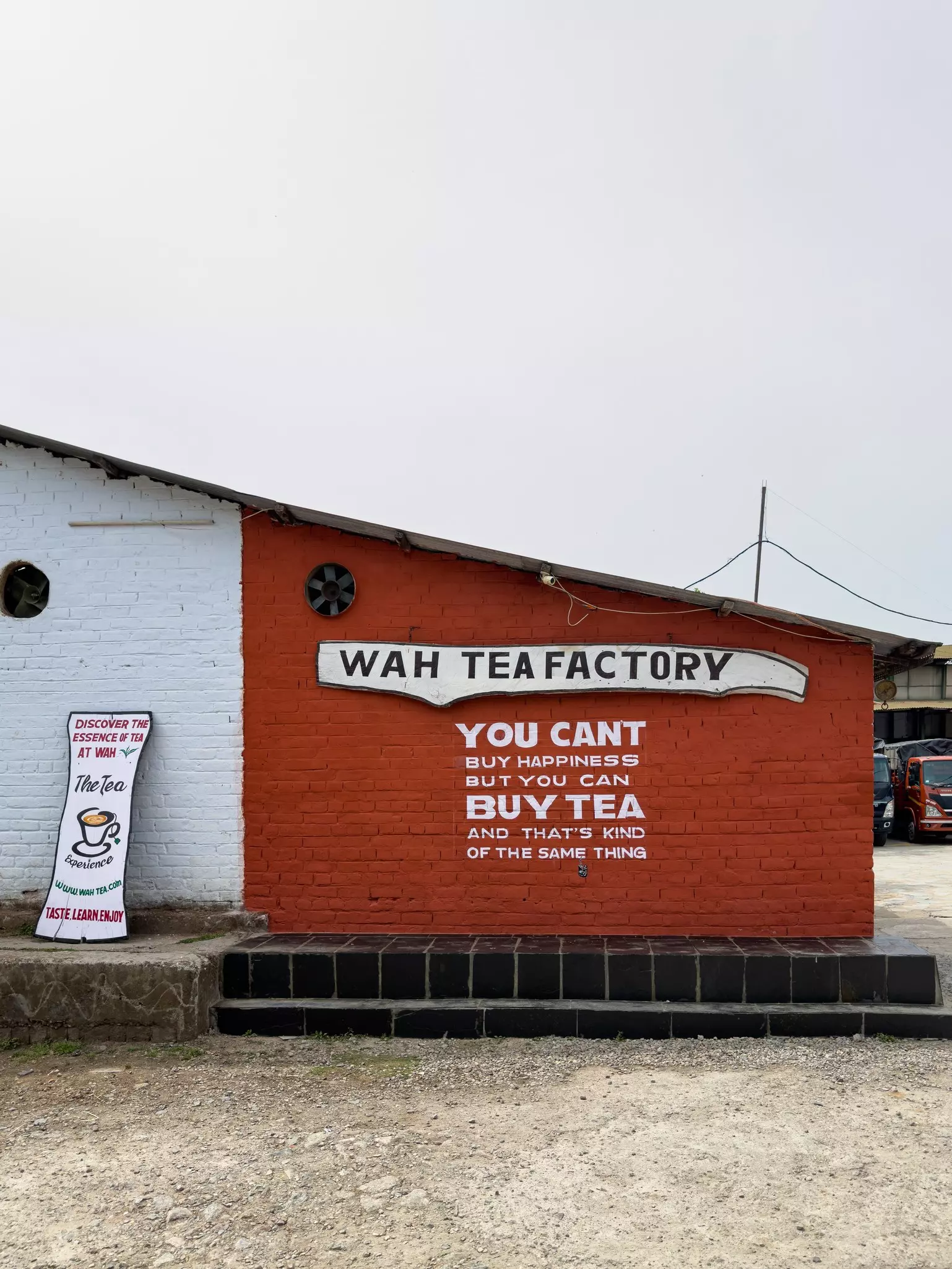
Sign for Wah Lodge tea estate. Himachal Pradesh, India. ©Wah Lodge
Writer
Lonely Planet may earn a commission from affiliate links on our site. All recommendations and reviews reflect our own independent opinions.
“Did you know that a lady bird is a farmer’s best friend?” Bent over the ground, Deepak Prakash asks the rhetorical question as he lists the bug’s virtues. He then picks perfectly round, brown seeds and places them on my outstretched palm. “The seeds are the most amazing part of tea, and I bet you didn’t know that either,”he chuckles. There is a lot that I am learning in my stay at the Lodge at Wah – a lesson in sustainable living, and the lady bird that indicates a healthy ecosystem, are just the start.
First established by the British in the rolling hills of Palampur in 1857 and later taken over by Sir Sikander Hayat Khan, the son of the Nawab of Wah in Pakistan, the Wah Tea Estate gets its name from Khan’s birthplace. The estate changed hands again in 1953 and came to the renowned ‘Chaiwala’ family, with whom it remains till date, Deepak Prakash being the third generation owner. While tea forms the backbone of the Lodge at Wah, the story of its transition into a sustainable space stands out. Spearheaded by Prakash, who started with selling off a major part of his tea business in Kolkata and relocating with his family to Himachal Pradesh. Here he started afresh by weaving his life in the mountains around the principles of sustainable living. This also trickled into his dream home, known to guests today as the Lodge at Wah.
The first thing that strikes me in this cozy six-room property is its beautiful architecture. It brings together the use of traditional materials like mud and wood in an aesthetic marriage with modern facilities. The cottages are built in traditional style and crowned by the classic, stone-tiled Himachali roof. Most of the wood used has been upcycled from an old Palampur courthouse— the little balcony above the dining area is in fact the witness box. While the guest rooms check all eco-friendly boxes— linen replaced every three days, water in copper and glass bottles, and bathroom amenities in ceramic dispensers, it is really the behind-the scenes effort that is noteworthy.
All of the housekeeping and cleaning material is made in house with bio-enzymes at the lodge. Some of them like repellents and balms are also available for sale for the guests. The food, when packed for picnics and for takeaways, is packed in beeswax paper, also made in-house. While Mrs. Prakash oversees all this along with supervising the food here, their son Surya, whose knowledge of tea belies his youth, and his dynamic wife Upasana, handle the hospitality part of this sustainable living project. Learning by their parents’ example, they have fitted in splendidly, far removed from their urban lives from five years ago. “We truly believe in living this life,” says Mr. Deepak, who even gets his clothes washed with soapnut.
My days begin with lentil waffles and jaggery infused apple crumbles, and end with the lavish Kangri dham, slow cooked over fire and served in a traditional brass thali. The quest to eat right began early at the lodge, inspired by Mr. Deepak’s ageing mother who also first convinced him about the miracle of tea seed oil. With inputs from friends, recipes shared by guests, and a local team, they have since put together a menu that bridges the gap between health and taste. Besides the tea, the lodge grows a lot of their food in-house all which is pesticide-free.
A walk around the estate after a tea tasting tour with Surya showcases current and future sustainability projects. Citronella has been planted to make repellent, camphor purifies the air, aquaponics breed fish and irrigate polyhouses, a seed bank is ready for the future. The family has taken many other such steps to create a sustainable life.
On my last evening, I head out with Upasana for a sunset walk. In the midst of a sea of plantation bushes, she pours me a cup of the golden brew that catches the last of the dying light. As the vapour escapes the glass, the clouds leave the sky to reveal snow-capped peaks smudged with shades of the sinking sun. It is only fitting that the mountains reveal themselves just before the day I am to leave. All the green life I have been privy to at the Lodge, though, has been a far greater gift.
You may also like:
February: the month of celebrating sustainability
Here’s why Africa tops being a wildlife conservation destination
Book your India trip with Lonely Planet Journeys
See India how it's meant to be seen
Planned by local experts and tailored to you, Lonely Planet Journeys handles the logistics so you can just enjoy the trip. Tell us what you want and we'll build your India itinerary from scratch, or browse our bookable trips to get inspired.

Explore related stories