Aug 25, 20269 min read
The 15 Best Things to Do in Porto, PortugalApr 28, 2026
5 MIN READ

Writer
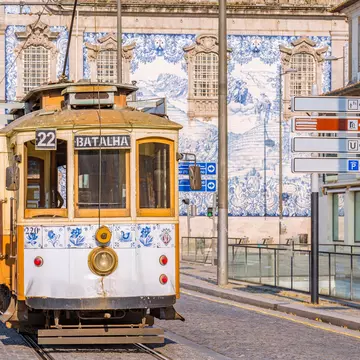
Tram 22 passing the Igreja do Carmo in Porto, Portugal. iacomino Frimages/Shutterstock

Writer
Highlights
Writer Regis St Louis maps Porto's metro, trams, funicular and late-night options.
Six color-coded metro lines reach the airport, Ribeira and Vila Nova de Gaia.
Nostalgic tram 1 trundles the waterfront for €6; the funicular offers lofty bridge views.
An Andante card covers metro and buses; use taxis or Bolt after 1am.
Lonely Planet may earn a commission from affiliate links on our site. All recommendations and reviews reflect our own independent opinions.
Hills, bridges and the glittering expanse of the Douro River make Porto a famously scenic place – and one that can be challenging to get around.
Porto’s compact city center is ideal for walking, particularly in the narrow lanes of the Ribeira, where transportation options are lacking. To reach the far-flung corners of the city's neighborhoods, there is an excellent public transportation network, from a speedy metro system to old-fashioned trams, along with buses and even a funicular thrown in for good measure. While quite efficient, the system can have its snags, so give yourself ample time to get where you’re going.
Here’s what you need to know to navigate your way to and from Porto's top sights.
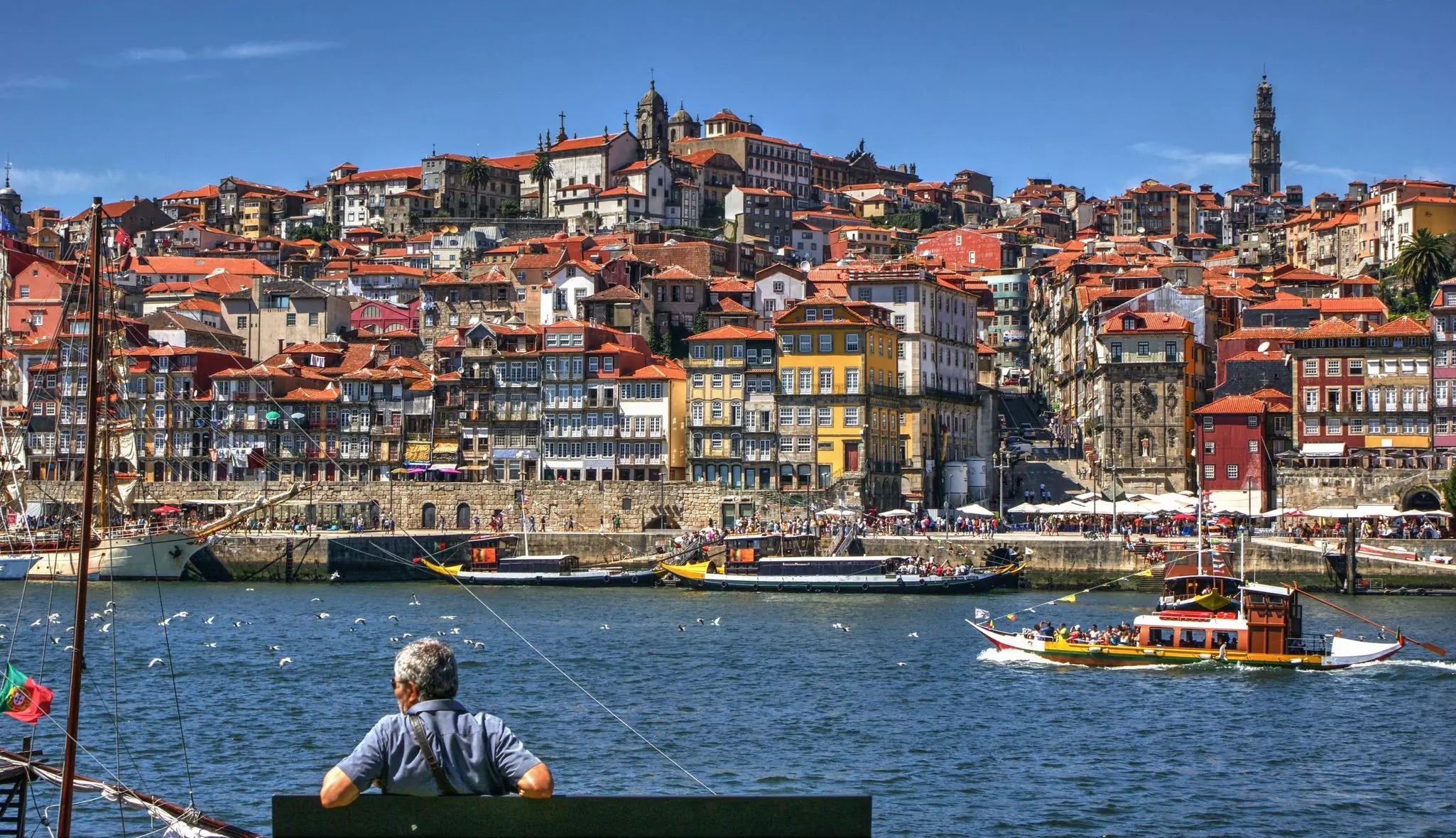
From the medieval alleys of the Ribeira district, you can hop on the metro and head to the Casa da Música, Rem Koolhaas’ cutting-edge 2005 showpiece. Porto’s six lettered and color-coded metro lines offer many ways to cross centuries while exploring diverse corners of the city.
Familiarize yourself with the most useful lines. Line E (purple) travels from the airport to the city center. Line D (yellow) has the nearest stop to the Ribeira (São Bento station) and travels over the Dom Luís I bridge to Vila Nova de Gaia. Line B (red) is Porto’s longest line, running from Estadio do Dragão (home to FC Porto) north to villagelike settlements near the seaside. And a new pink line, running through Porto’s historic center, is expected to be operational in 2027. Trains operate from 6am to 1am daily, and transit cards work across the metro and buses.
Porto’s extensive bus network can take you just about anywhere you want to go. You’ll also get to enjoy views of the city – its architecture and plazas, as well as its long-legged dogs and their minders – that you won’t see on the metro. Many lines are particularly handy for sightseeing, including 207, which takes you to the fabulous art complex Fundação de Serralves, with stops along the way near the Soares dos Reis Museum, the Palácio de Cristal gardens and the natural history museum.
Porto’s cheerfully painted tram 1 trundles along the waterfront. This photogenic and quite slow star of Porto’s transportation network has been carrying passengers (as well as fish, coal and other goods) since the 1870s, when it was initially pulled by mules. Though now electrified, the tram moves only marginally faster than back then, providing a fascinating window into the past. The interiors are kitted out with vintage wood paneling and oversized windows you can open high to maximize those breezy views.
Tram 1 runs between Ribeira and Passeio Alegre, which is about a 10-minute walk from the beaches of the Foz do Douro. Purchase tickets (€6 one-way) directly from the driver.
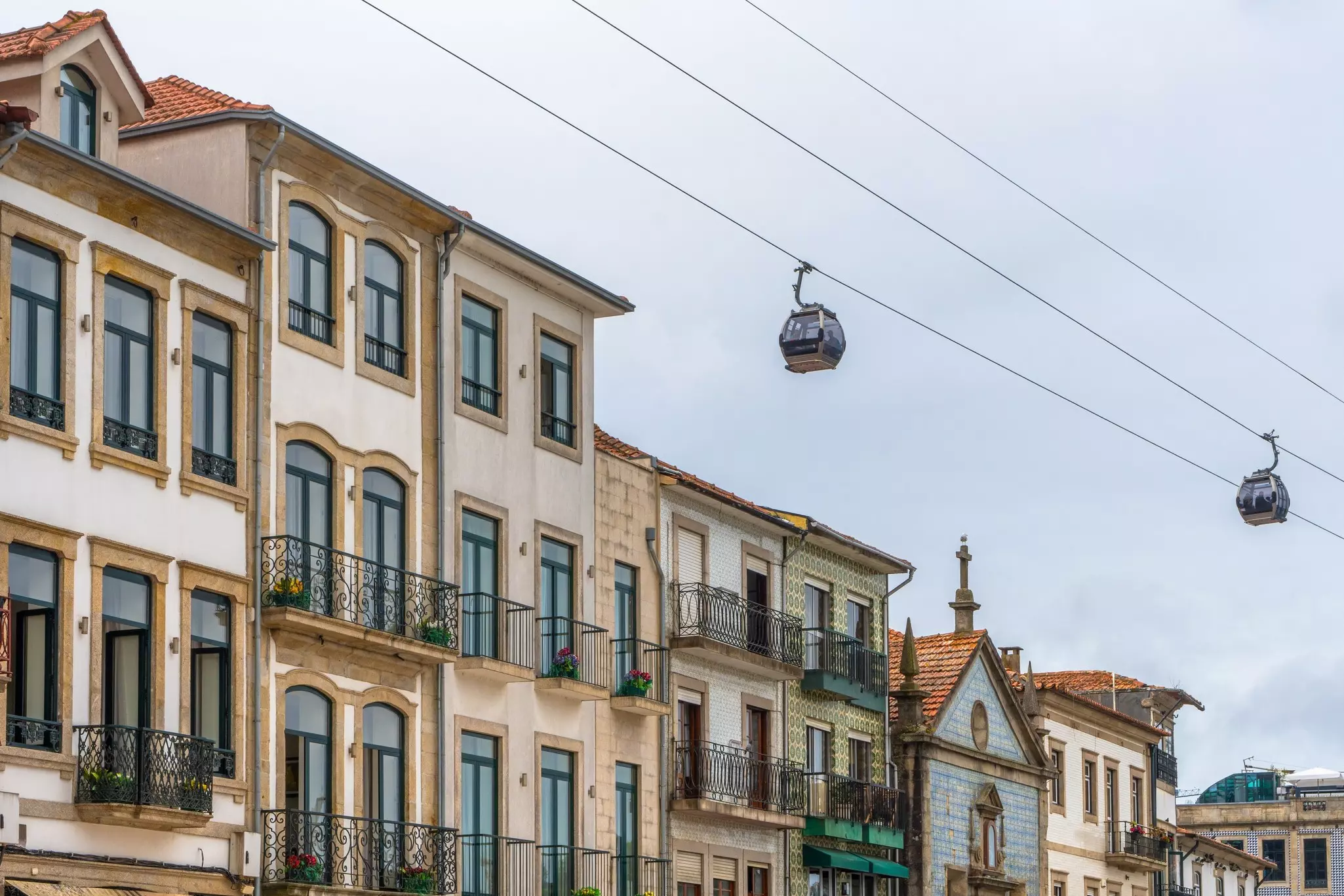
On a mere 5-minute ride, the Teleférico de Gaia delivers sweeping views over the Douro and the red roofs of Porto’s fabled wine-making factories. Traveling the short distance between the Vila Nova de Gaia waterfront and the southern end of the Dom Luís I bridge, the aerial cable car makes a good add-on to a day of tasting at the wine lodges facing the Ribeira. The upper station is just a few steps from the above-ground Jardim do Morro metro station. The one-way fare is €7; the teleférico runs from 10am to 8pm during the warmer months, with service ending an hour or two earlier from late September to late April.
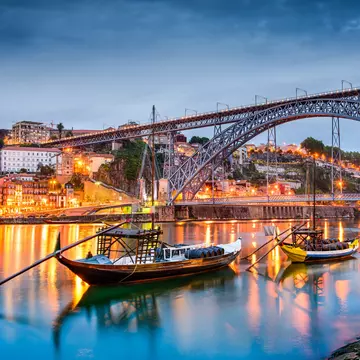
Hilly Porto has but one inclined rail line. In just 3 minutes, the Funicular dos Guindais whisks you from a riverside street at the base of the Ponte Dom Luís I up to Batalha-Guindais station near the Igreja de Santa Clara, 281m above. The 25-passenger funicular provides excellent views over Porto’s steel bridge (designed by a student of Gustave Eiffel) as well as Vila Nova de Gaia’s wine lodges across the river.
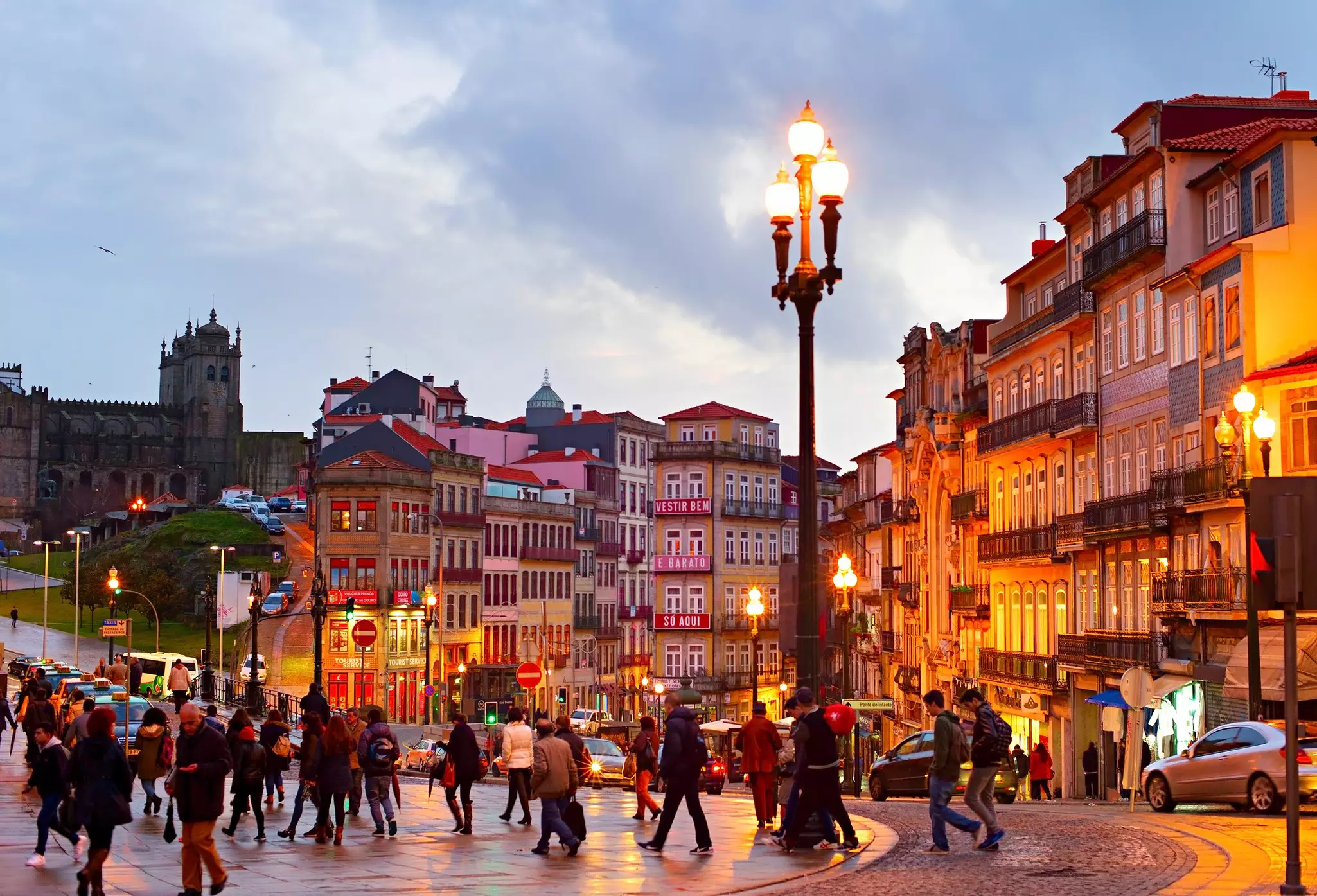
Taxi stations crop up throughout Porto’s historic center, and rideshare services like Uber and Bolt operate too. These are handy for late-night trips when public transportation is limited, though there is a 20% surcharge at night.
You can access Porto’s integrated bus and metro network with ease by purchasing an Andante card, which comes in various forms. If you’re planning just a few trips while you’re in town, buy an Andante Blue card and load it with credit. The Andante Tour card is a better option if you plan to do a lot of traveling on the network over a short period of time: a 24-hour card costs €7.75 and a 3-day (72-hour) card is €16.55.
You can purchase cards at tourist information offices in the airport and in town, as well as at various metro stations. The tram and funicular are not covered by the Andante cards.
Travelers with mobility issues will find Porto much more user-friendly than Lisbon. Nearly all of the metro stations are fully accessible, with ramps, elevators and dedicated spaces for wheelchair users on metro trains.
The majority of buses in Porto are also fully accessible, with ramped access, low-level floors and a dedicated space for one wheelchair user.
The historic tram lines are not wheelchair-accessible.
Explore related stories