Sep 20, 20266 min read
A Guide to Diving in Greece: Everything you Need to KnowSep 20, 2026
6 MIN READ

Writer
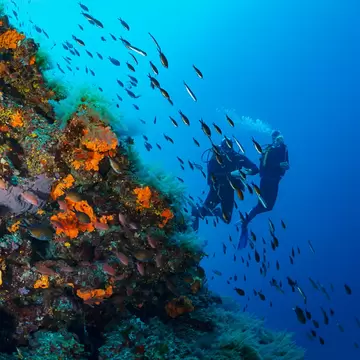
Diving near a wall of coral in Greece. ultramarinfoto/Getty Images

Writer
Lonely Planet may earn a commission from affiliate links on our site. All recommendations and reviews reflect our own independent opinions.
When it comes to scuba destinations, Greece doesn't tend to be top of mind. However, its mainland coastlines and islands offer plenty of opportunities for shoreside, wall, cavern and reef dives.
Calm seas, minimal currents and insignificant tides make the Mediterranean nation an appealing choice for first-timers. Advanced divers can choose from a range of challenging cave and wreck dives.
What really sets the country apart, however, is its ancient underwater sites that, up until recently, were off-limits to divers. However, authorities recognizing the importance of diving tourism have invested serious effort in recent years to ensure archaic shipwrecks and artefact-filled locations are more easily accessible.
Plan your diving adventure at Greece's best sites with this guide.
May to October is the ideal period to plan a diving trip to Greece, while the hot, dry summer months of June through August draw the majority of visitors. The days are sunny and sea temperatures range from 22–26°C (72–79°F). Underwater visibility is also optimal during these months, sometimes reaching up to 30m. In winter, sea temperatures drop to between 15–18°C (59–64°F), which is still very pleasant.
If you're bringing your own wetsuit, choose a 3/5mm for the summer and a 5/7mm in winter.
Waters are calm and crystal clear and dive centers, many with decades of experience, are plentiful, accommodating and family-friendly. Greece is the perfect destination for newbies to familiarize themselves with diving, regardless of age, allowing them to grow skills and confidence in safe conditions.
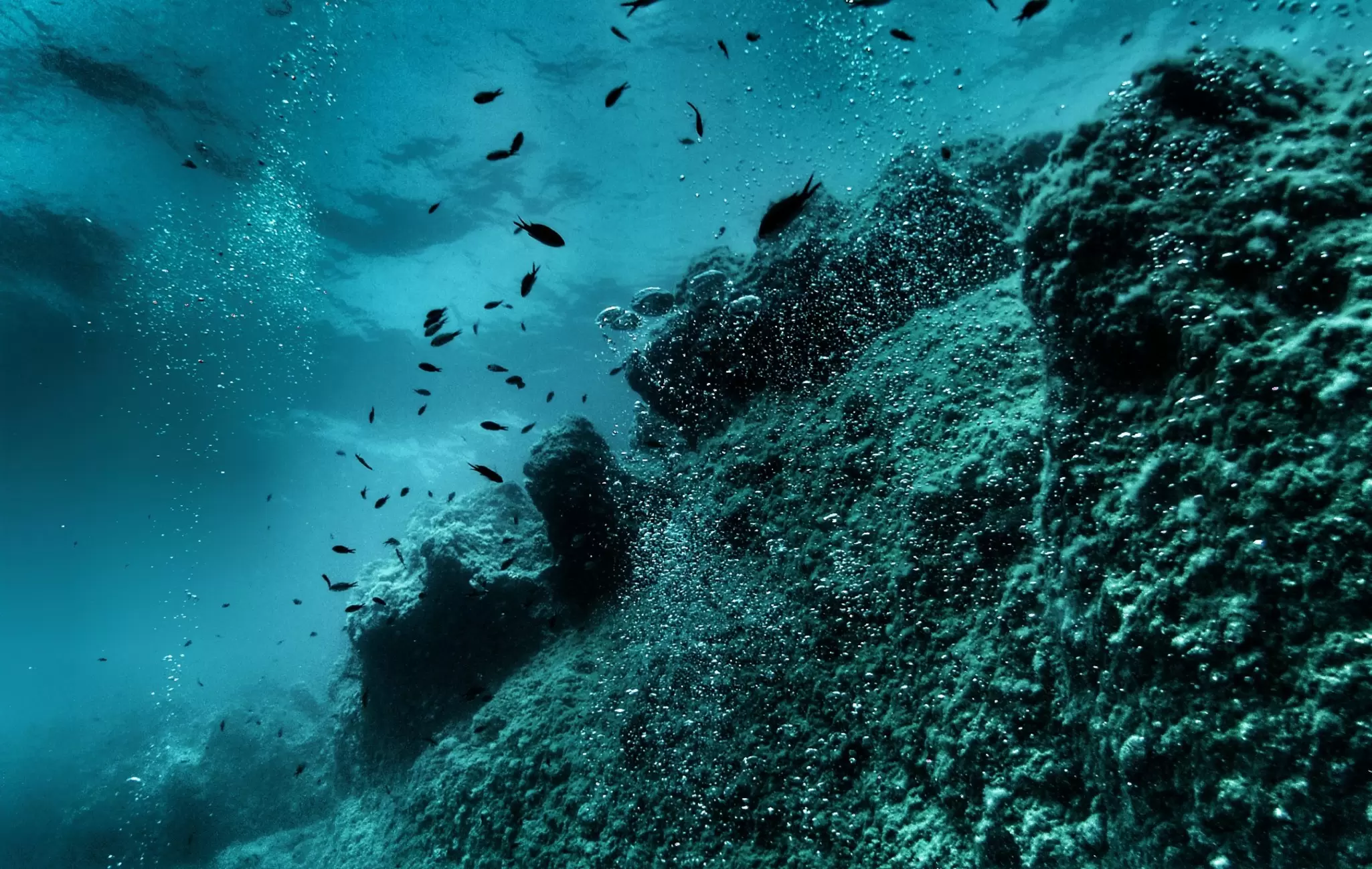
Entry points are shallow in many dive locations, usually from the beach. You don't need to be an advanced diver to encounter impressive underwater life and unique geological formations.
Dive groups are usually small, making practical lessons easy to follow and the overall experience more personalized and intimate.
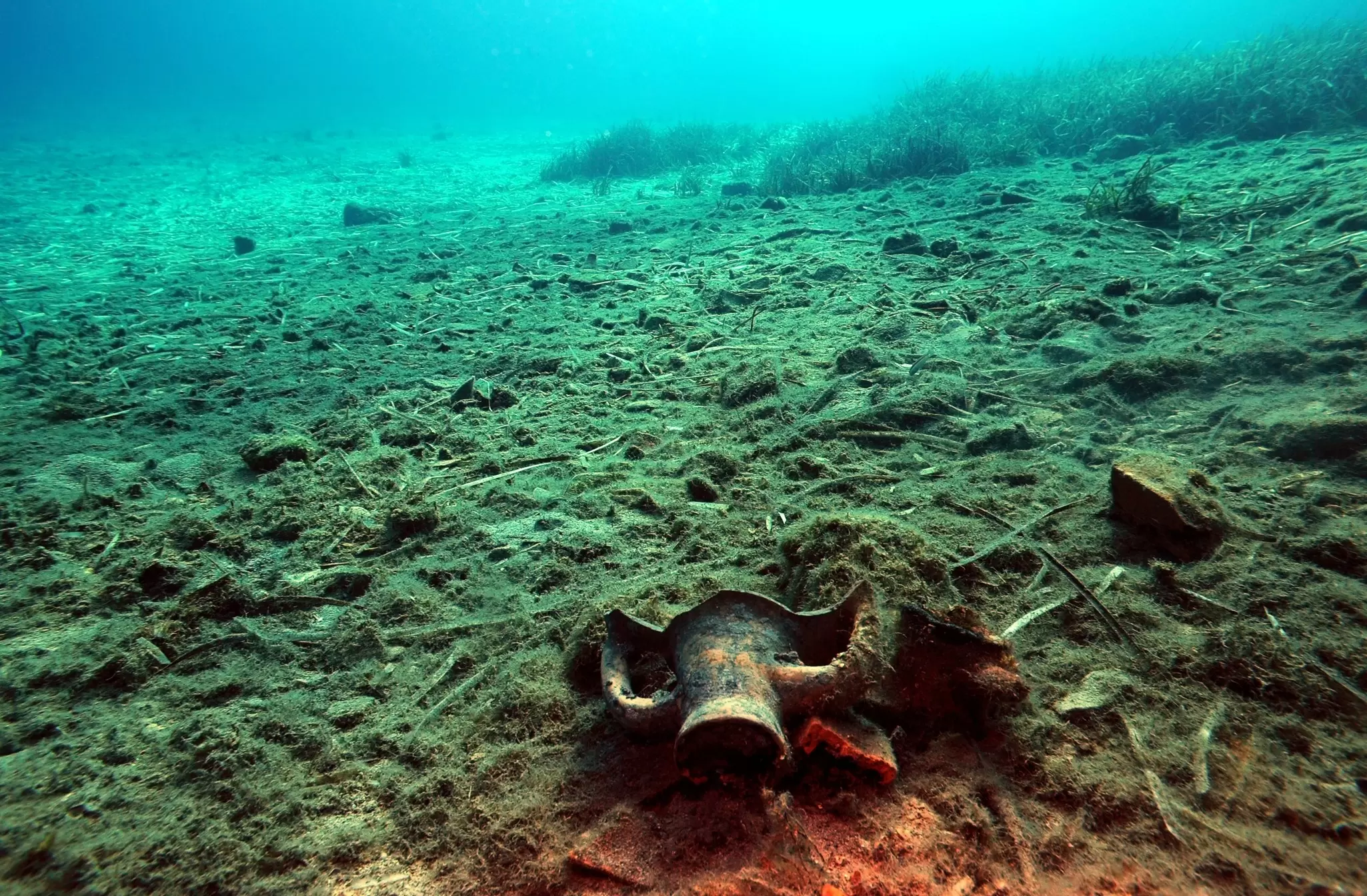
Among the country's most intriguing sites is the ancient Peristera shipwreck off Alonissos island, within the National Marine Park of Alonissos Northern Sporades, a refuge for monk seals and dolphins. Believed to be a large Athenian barge, it's thought to have sunk toward the end of the 5th century BCE and is situated at a depth of around 30m. Divers can pore over an estimated 4000 amphorae, host to sea sponges and fish. Alonissos' Blue Cave – rich in nudibranchs, scorpionfish and groupers – is worth a visit, while advanced divers should see the Gorgonian Garden, which abounds in red and yellow gorgonians.
In the Peloponnese, off heart-shaped Sapienza islet, divers can view the Sarcophagi Wreck, where a Roman-era vessel sank carrying a cargo of enormous stone sarcophagi as it plied this ancient maritime route.
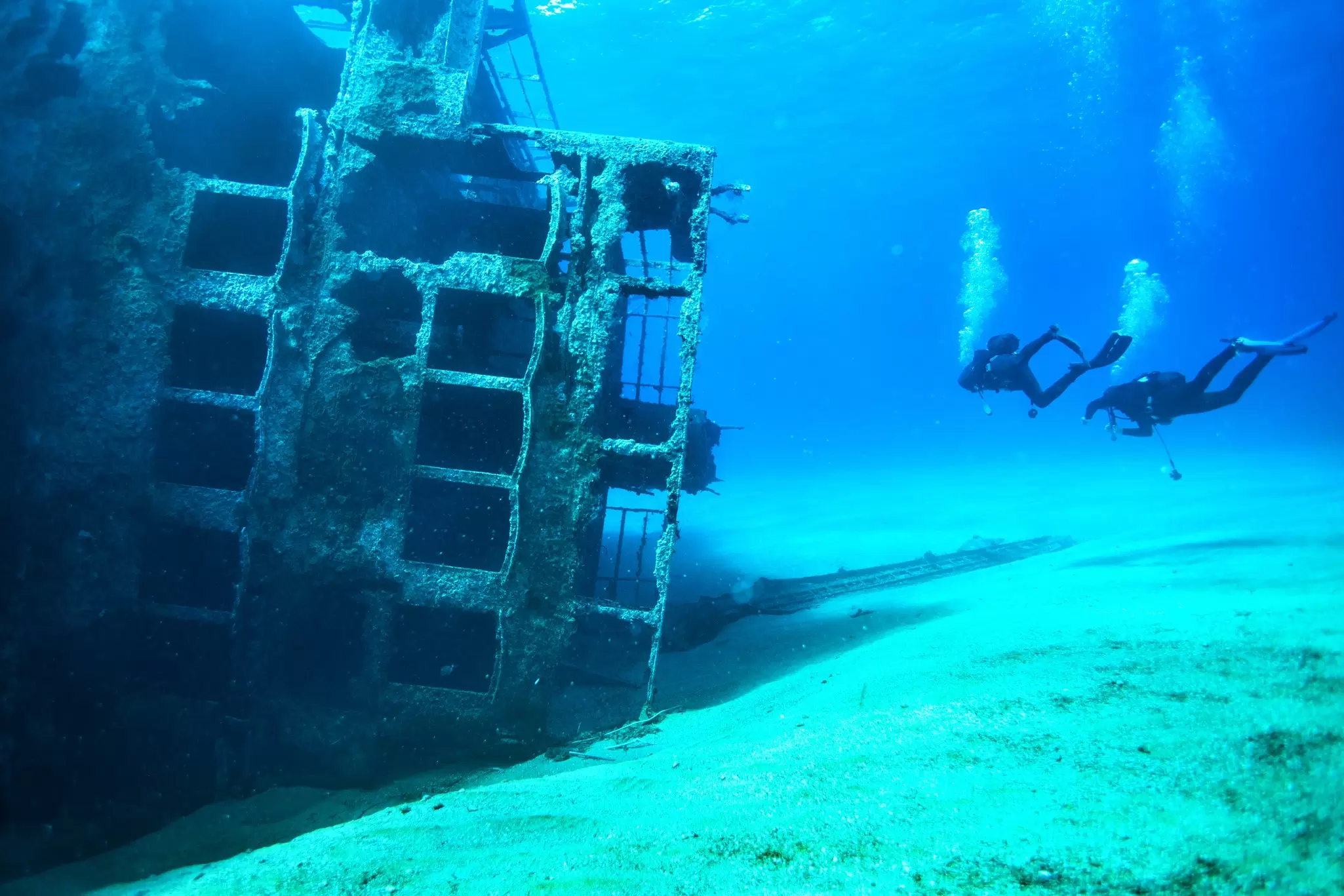
Advanced divers shouldn't miss wreck diving on the Cycladic isle of Kea. The Patris, a steamship that sank in 1868, lies in two parts at depths of 28m and 54m, while the ocean liner Burdigala, built in 1897 and sank in 1916, sits upright on the seafloor. But the biggest star is the HMHS Britannic, sister ship to the Titanic, which met its fate in 1916.
Well-suited to novices, verdant Thasos has more than 40 dive sites where divers can observe crayfish, eels and red mullet.
Meanwhile, there are plans for two new underwater archaeological parks near Ikaria in the Northeastern Aegean, best-known as a Blue Zone island. There, over 60 Roman and Byzantine vessels have been found.
Near Athens, Spiros Kartelias Dive Center runs courses such as Open Water Diver and PADI Freediver in the craggy Limanakia area on the city's southern coast and beyond.
Kea Divers, a five-star PADI outfit on Kea, has years of experience and leads technical dives to the island's historical shipwrecks.
Head to Messinia, in the Peloponnese, to dive with Scuba Turtles in the cerulean waters of Navarino Bay.
Dive in Milos offers dives in Milos that include the Africa, which sank in 2004 near moonscape-like Sarakiniko.
Alonissos Triton Dive Center has proudly led dives to the Peristera shipwreck off Alonissos since it was opened to the public in 2020.
On Corfu, Achilleon Dive Center operates dive experiences to caves, reefs studded with soft coral close to the shore, and dramatic drop-offs.
Navy's Waterworld Dive Center on Santorini will take you to see the island's two submerged volcanoes and lava caverns.
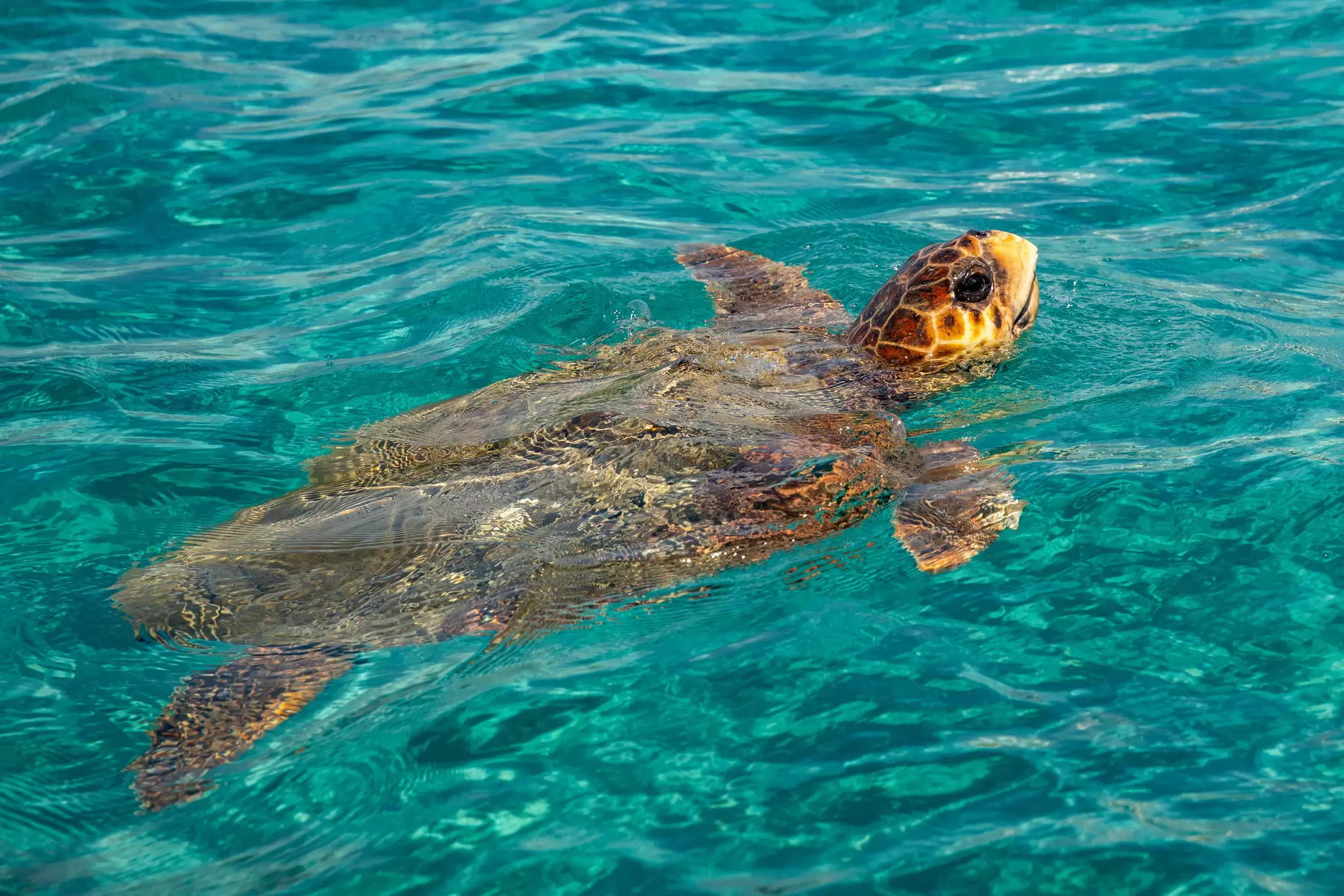
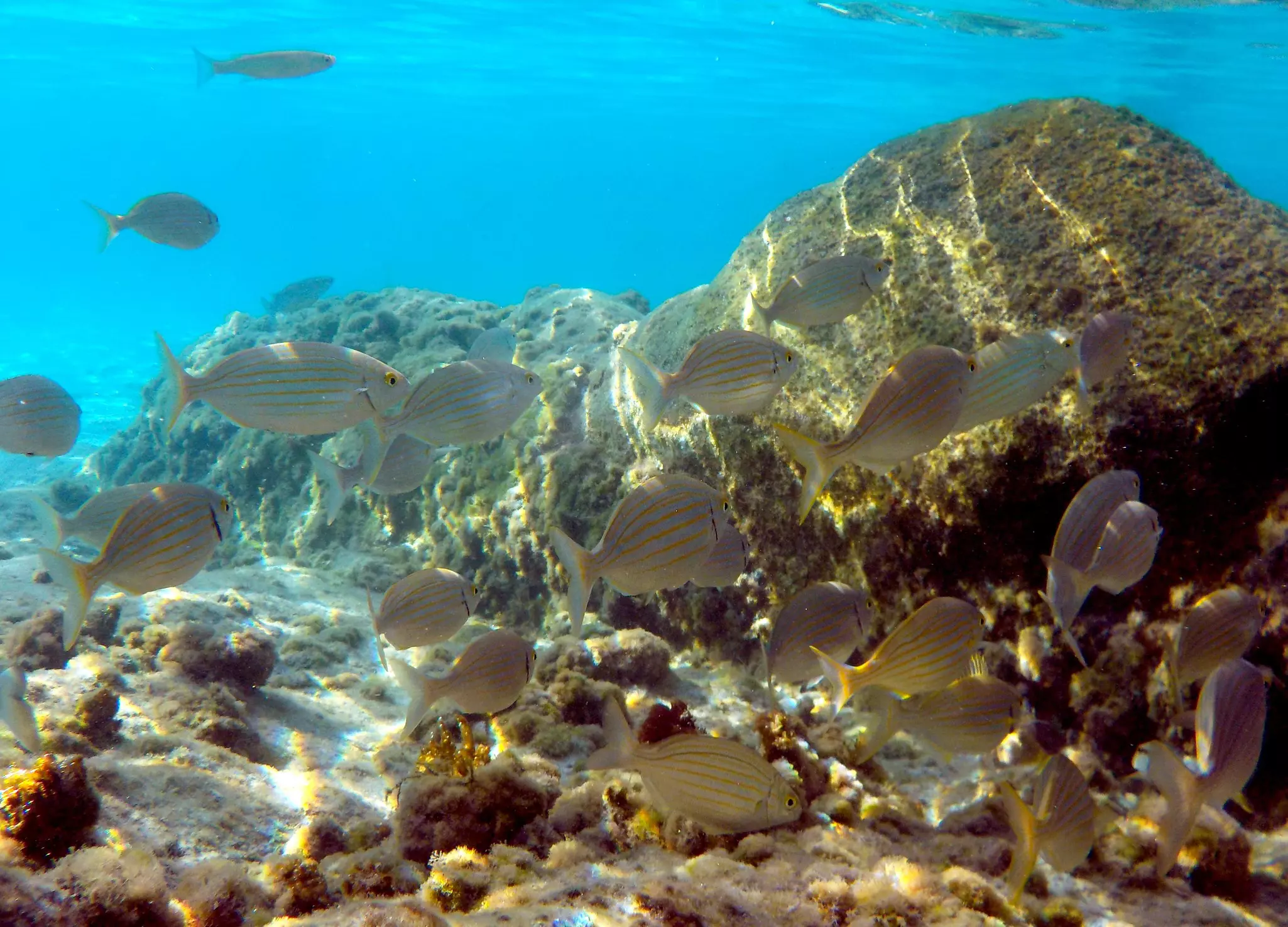
There is a surprising variety of marine life, including octopus, moray eel, grouper, Mediterranean parrotfish, starfish, flounder, cuttlefish, seahorses, seabream, shrimp, barracuda and damselfish. If you're especially lucky, you might spot a shy Mediterranean monk seal, loggerhead turtle or dolphins. There are also sea sponges, corals and sea anemones.
More than 30 shark species inhabit Greek waters, including shortfin mako, small-spotted cat shark, common smooth-hound and blue shark, but sightings are rare. Unfortunately, some end up as bycatch.
Deep-wall cave systems and steep drop-offs count among the underwater highlights in the Cyclades islands, particularly off Paros, Antiparos, Kythnos and Folegandros.
On the Ionian island of Corfu, vibrant reefs, challenging caves and large schools of fish draw repeat visitors.
One of Crete's highlights is Elephant Cave, off Hania. Stalactites and stalagmites dating back millions of years adorn the cave, where fossilized bones of ancient elephants can be seen.
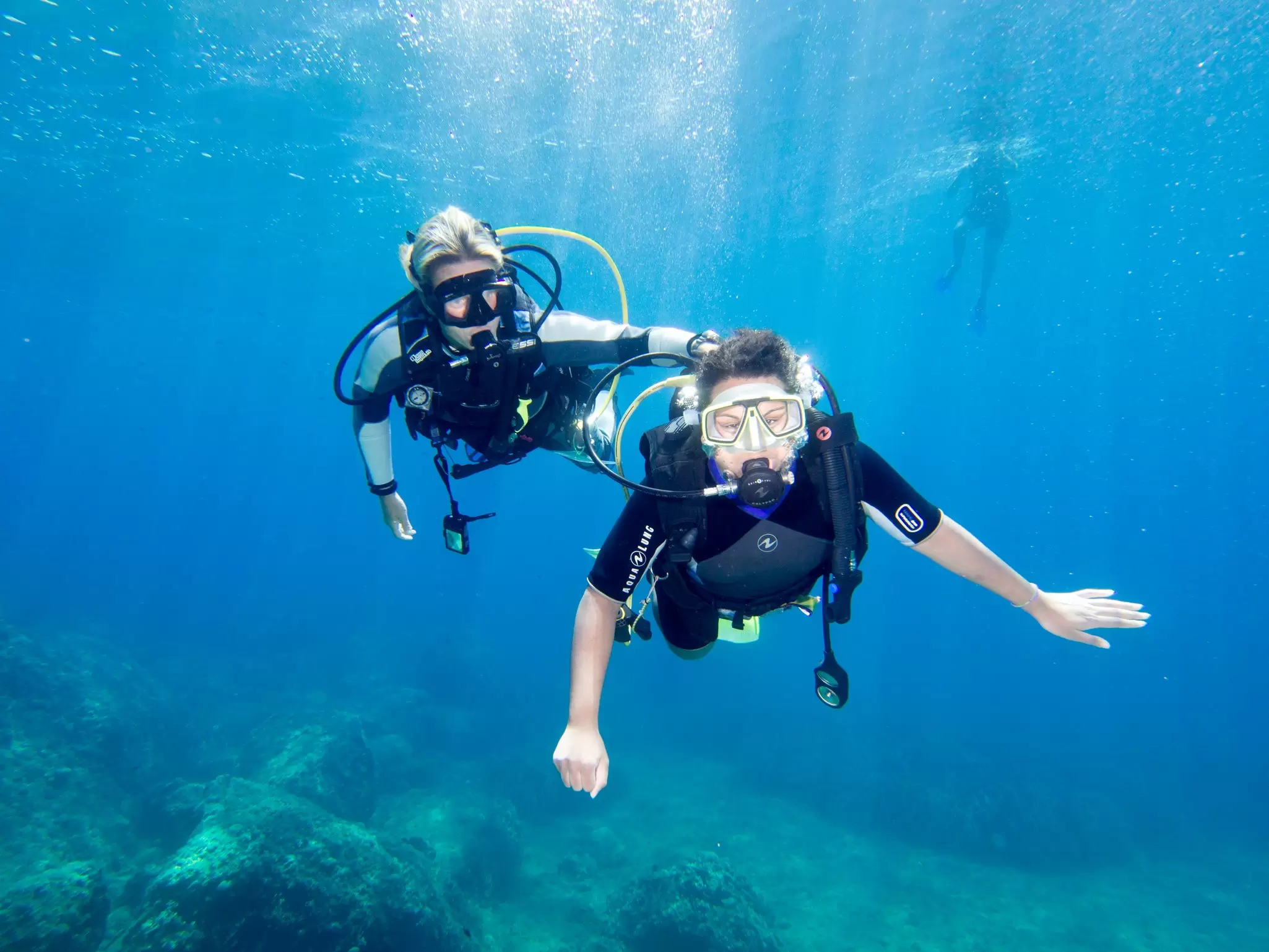
Greece is a welcoming destination for new divers. Most dive centers offer shore diving in shallow, controlled conditions in no more than 10m to 12m. As you develop your confidence underwater, build on your skills through a range of courses.
Ideal locations for beginners include Athens, Zakynthos, Crete and Santorini.
There are numerous PADI-accredited dive centers throughout the country.
Like anywhere else in the world, look but don't touch. That not only means sea life, including seals and turtles, but also undersea artefacts. Greece has tough penalties, including fines and even jail time, for anyone who attempts to pocket an ancient memento, no matter how small and insignificant it might seem.
Diving at archeological sites requires a certified guide or operator to join you – exploring them independently is strictly forbidden.
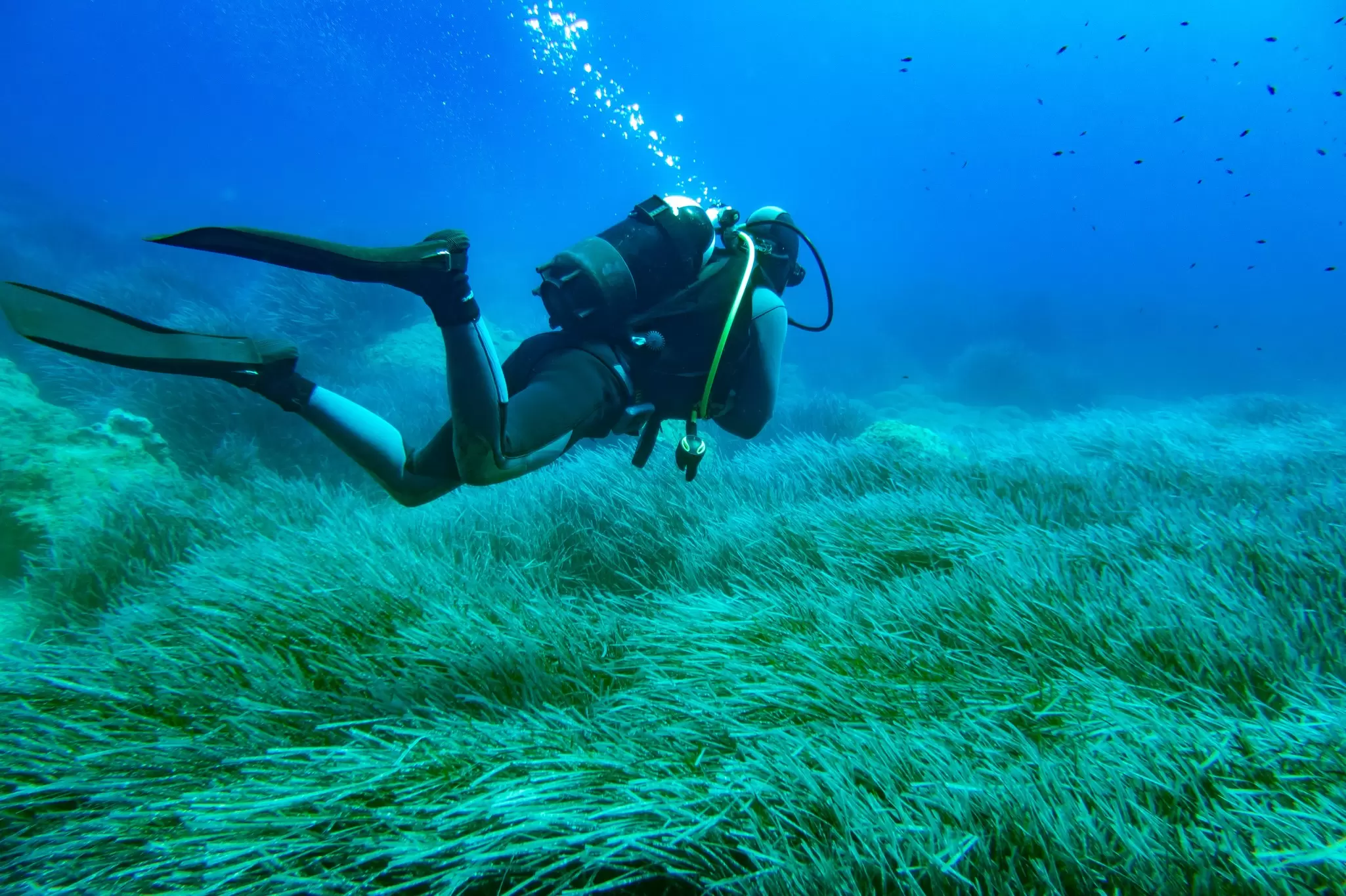
Take care not to step on delicate seagrass known as Posidonia oceanica, an endemic Mediterranean species. The legally protected undersea flowering plant hosts fish and other marine species and acts as a carbon sink. Dive2gether, in Crete's Rethymno, leads divers on citizen science-focused dives to Souda to plant seagrass fragments.
Keep an eye out for lionfish (Pterois miles), a highly invasive species native to the Indo-Pacific. Believed to have entered the Mediterranean via the Suez Canal in 2012, lionfish breed rapidly in warming seas and prey on fish and crustaceans. Venomous spines can deliver painful injuries, but lionfish are more likely to avoid you.
On Samos, in the Northeastern Aegean, Samos Sub offers an invasive lionfish tracker specialty course aimed at arming divers with skills to track this serious threat to biodiversity.
Abandoned fishing gear, also known as ghost nets, is another major environmental issue affecting Greek seas. Organizations like Aegean Rebreath regularly run missions with volunteer divers to retrieve nets that trap marine life and gradually disintegrate into microplastics.
Book your Greece trip with Lonely Planet Journeys
See Greece how it's meant to be seen
Planned by local experts and tailored to you, Lonely Planet Journeys handles the logistics so you can just enjoy the trip. Tell us what you want and we'll build your Greece itinerary from scratch, or browse our bookable trips to get inspired.


Explore related stories