Sep 20, 20266 min read
A Guide to Diving in Greece: Everything you Need to KnowJun 18, 2026
7 MIN READ

Writer
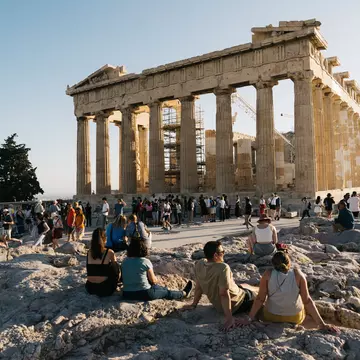
The Acropolis, Athens. Marco Argüello for Lonely Planet

Writer
Highlights
Contributor Kate Armstrong shares Greece budget tips on timing, transport, food and stays.
Come in November–March when accommodation rates and site entries can halve across Greece.
For cheap eats, grab souvlaki or tiropita from street spots and dine where locals eat.
In Athens, the €20 three-day tourist ticket covers unlimited metro rides and airport transfers.
Lonely Planet may earn a commission from affiliate links on our site. All recommendations and reviews reflect our own independent opinions.
Greece is a great country to visit, even if you're on a budget. Sure, there’s the odd A-lister island, such as Santorini and Mykonos, where you have to wonder if an ouzo glass or a bed comes with diamonds. But there are ways of experiencing Greece – including the mainland regions of the Peloponnese, Central and Northern Greece, along with a number of islands – that won’t break your bank. The obvious exception to this is during the summer season, between July and September, when beach regions are swarmed with sun-seeking visitors and you'll be hard pressed to bag a bargain.
Here are some tips to make your money go further so you can visit Greece on a budget.
Hostel room: €25-65
Family-run hotel per couple: from €95
Public bus ticket: from €1.50
One-day metro pass in Athens with unlimited rides: around €4-5
Beach chair/lounger: €5-12
Taverna dinner for two: from €30-40
Cafe latte: €4
Greek coffee: €1
Moussaka (main): €10-15
Spanikopita (spinach pie from a bakery): €2-3
Look around for airline deals on aggregator websites like Skyskanner – flights tend to be reduced in April and May, September and October, and midweek. Visit Greece, the country’s official government website, lists all international airports, some of which are located on islands.
If you’re flying to an island, determine whether it's more affordable to go via Athens or directly to your destination. Finally, look into alternative transport modes, including train and ferry options (for example, from Italy), as these may also be more economical than flying.
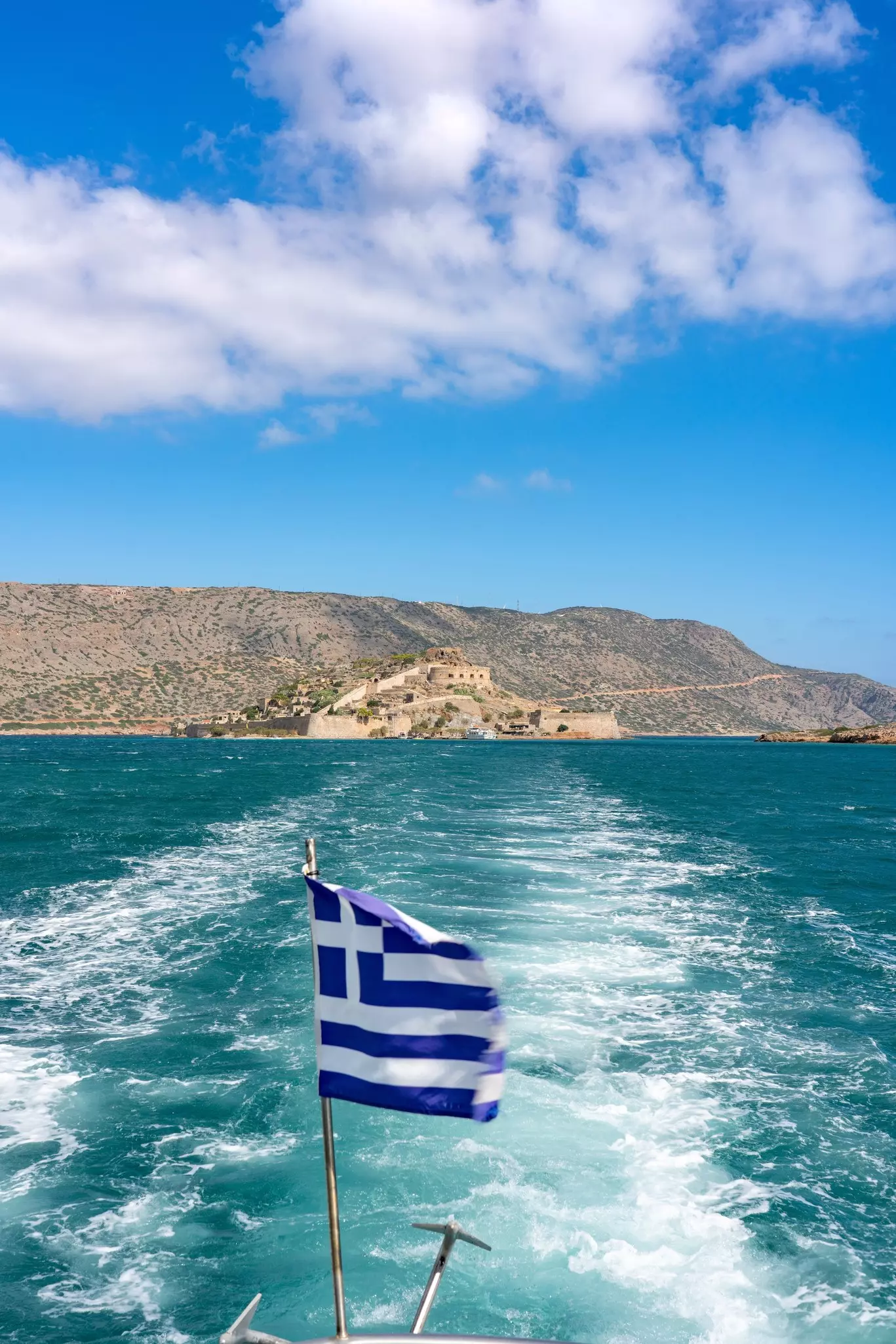
Travelers from outside Europe, the UK, and Turkey can buy a regular Eurail pass that includes some international and Greek domestic ferry lines. Europeans can buy an Interrail pass that has the same conditions. If Greece is your only destination, research the benefits of a Eurail Greece Pass or a Eurail Greek Islands Pass that includes a trip allowance (including the Superfast ferry between Italy and Greece) and a 30% discount on certain Greek ferries for additional trips beyond those included. For comparative rates, check ferry websites such as Ferryhopper that sell tickets for all routes.
Greek winter (November to March) is “low” or “off” season, and rates for accommodation and site entrances can halve. While many islands “shut down for winter", much of mainland Greece, and the larger islands of Crete, Rhodes and Kos operate year-round, thanks to their active permanent population. You’ll not be plagued by crowds, and you can enjoy a much more relaxed local lifestyle, albeit in cooler climes. Car hire costs are lower then, too.

To get to your destination, hop aboard a regular (read: slow, but atmospheric) ferry service and not the fast-speed option, where prices are significantly higher. On that note, island hopping can be expensive (with tickets, transport to hotels, and hotel taxes). Consider settling in one place for a while; this is an economical way to travel. Plus it allows you to delve deep into a location, getting into the local groove and enhancing interactions.
For the cheapest digs, Athens and Thessaloniki, and islands such as Crete, Corfu, Zakynthos and Rhodes, have the highest hostel concentration. But also consider staying in older-style, family-run guest houses, many of which throw in breakfast (Hotel Afendoulis in Kos and Hotel Marianna in Nafplio are fine examples). Owners of these spotless options are often more invested in their guests’ enjoyment.
In large cities, steer clear of hotels located in the heart of tourist areas. For example, in Athens, opt for a neighborhood like Pangrati instead of traveler-magnet Plaka.
Likewise, in Rhodes, stay in the “new town” as opposed to Old Town Rhodes, however gorgeous this walled section is. The new town is a 15-minute walk from Old Town, meaning you can still enjoy the surroundings of the historic center’s Knights Templar, while spending your sleep (and not dollars) in modern and clean digs.
Greece’s vast KTEL network of buses runs on the mainland and some islands. Examples include Athens to Nafplio (under €15) and Athens to Delphi (less than €20).
In big cities, the metro costs significantly less than taxis or ride-shares. In Athens and Thessaloniki, a single ride on the metro is under €3 and a 24-hour pass will set you back less than €10.
Planning tip: In Athens, a 3-day (72 hours) tourist ticket includes one round trip to/from Athens International Airport plus unlimited travel (€20). You can buy this at the airport or from bus and metro ticket kiosks at Omonia, Syntagma, Thissio, Monastiraki, Acropolis and Piraeus stations.

Follow the adage and eat like a local and where a local eats. For sit-down meals, head to the neighborhoods or streets that are not in tourist-oriented areas. This may be a mere street or two away from the tourist strip (these are often close to water or main plazas), or it may be in neighborhoods. And, of course, just ask the residents where to go. A good example may be tsipouradika bars, where a shot glass is accompanied by a plate of nibbles (though this may come at another price – a throbbing head!).
Some, but not all, tavernas serve a free dessert treat that may be fruit slices, revani (a semolina cake) or kormos (also known as mosaiko), a chocolate and graham cracker slice.
Greece is blessed with some delicious street foods and snacks, including the well-known pita gyro and souvlaki (€3 to €5) that you can buy from hole-in-the-wall locales. Greek bakeries are a must for fresh breads and generous pastry – or dough-based treats, especially if breakfast is not included in your hotel price. Some of the most satisfying items – that will set you back a mere €1.50 to €2 – include tiropita (a cheese pie) and spanakopita (spinach and cheese pie).
Also, look out for peinirli (boat-shaped pizzas) and portokalopita (orange syrup cake). Costing between €2 and €4, these carb-loaded snacks are perfect fodder for scaling the Acropolis. Regional treats include Thessaloniki’s koulouri, a round ring of bread, (like a thin bagel) that goes for a mere €1. While here (and in Crete), don’t miss a bougatsa, a filling, custard-stuffed pastry (€2-4).
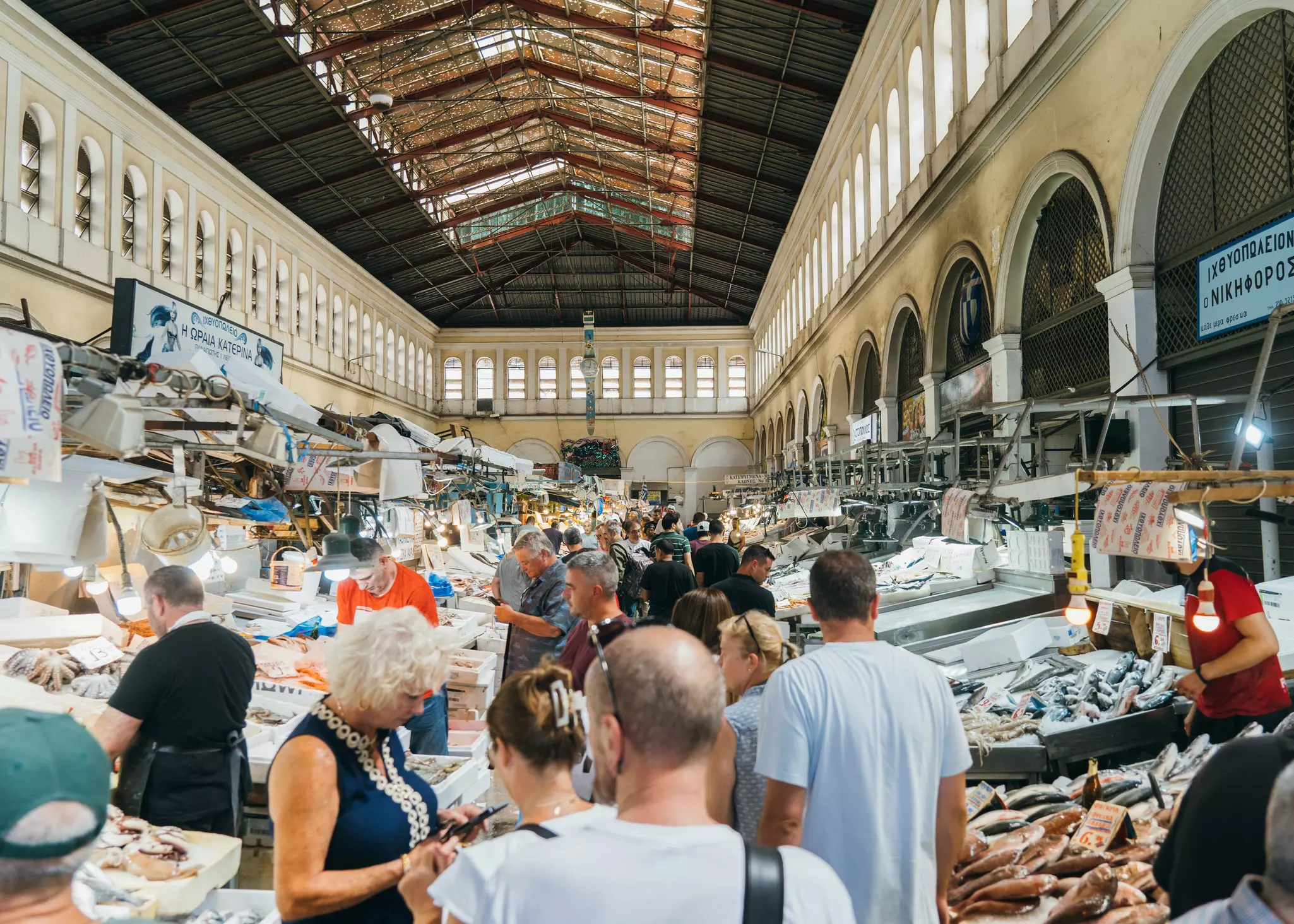
For DIY cooking, produce from local markets is fabulous, as are Greek supermarkets that sell cheap, convenient and filling snacks such as pasteli (sesame and honey bars).
Bring a high-quality water filter and reusable water bottle. The amount of plastic consumed here is overwhelming; many (but not all) islands do have potable water, but bottles are offered out of habit.
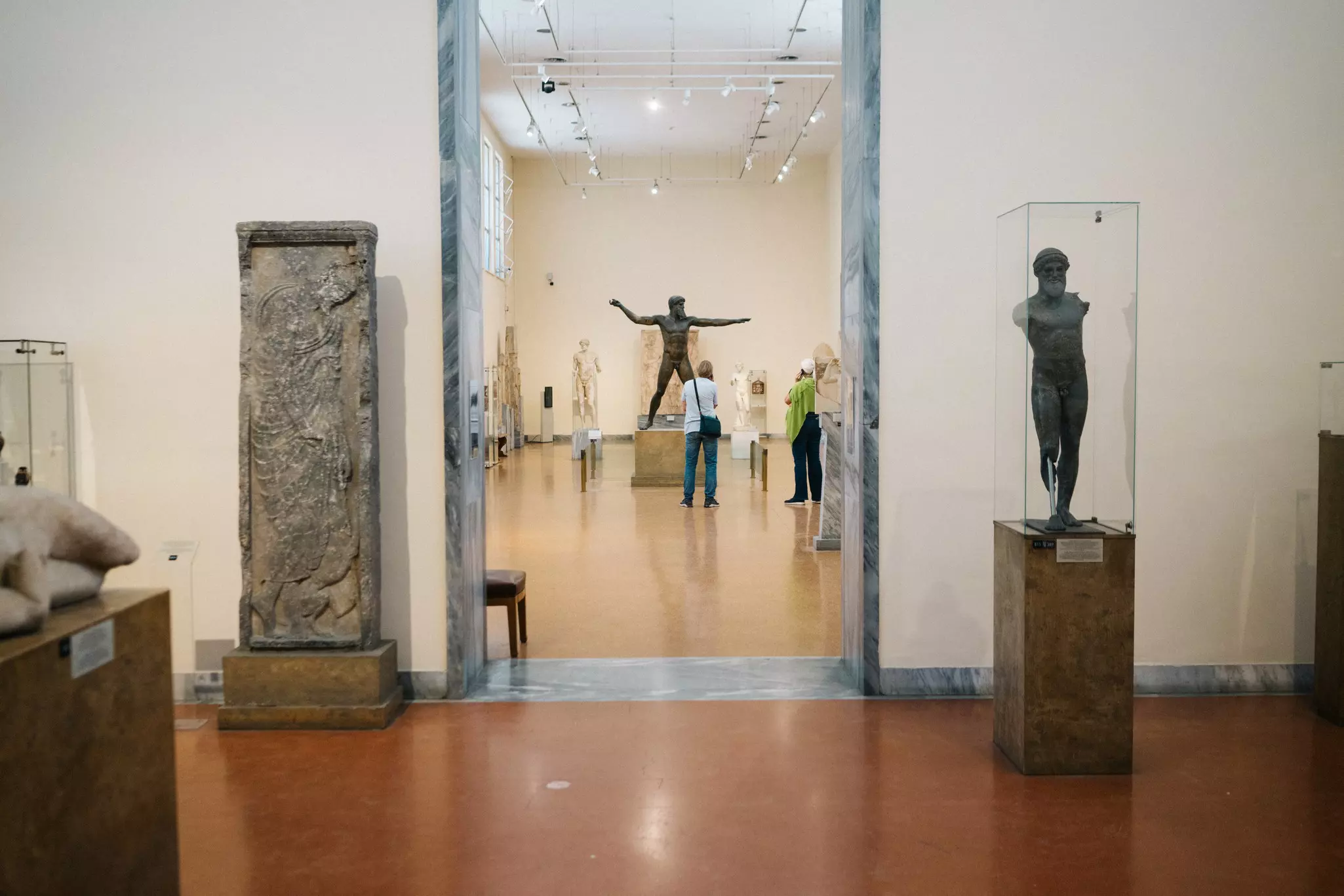
Some islands have combination museum passes that include a number of sites. An example is the Kalavryta City Pass that also allows access to the Cave of the Lakes and the Odontotos Railway in Kalavryta, in the Peloponnese. Ask about options at any museum as such arrangements come and go.
Travelers over 65 and European Union (EU) students are heavily discounted; this rarely applies to students from other countries.
Free entry days such as the first and third Sunday of the month – see the Ministry of Culture website. (But compared with some other European countries, prices of Greece’s regular museums and sites are reasonable, given their high quality.)
Depending on how you need to use your mobile/cell phone, a local pre-paid SIM card with Greece’s major networks (Cosmote, Vodafone, Nova) is usually a lot cheaper than data roaming, eSIMs or international phone plans.
Finally, while it’s great to save a penny here and there, safety and health must come first. Always take out travel insurance – it's worth skimping on. While on that note, filoxenia (hospitality) is ingrained in Greek DNA. Although budget travel might be your objective, please remember that most Greek people are very proud and work extremely hard to ensure visitors enjoy their country and get the most out of their trip; withholding tips (even rounding up, as many Greeks do, shows appreciation) or bargaining anyone out of their livelihood is not the way to save money while traveling in Greece.
Book your Greece trip with Lonely Planet Journeys
See Greece how it's meant to be seen
Planned by local experts and tailored to you, Lonely Planet Journeys handles the logistics so you can just enjoy the trip. Tell us what you want and we'll build your Greece itinerary from scratch, or browse our bookable trips to get inspired.

Explore related stories