Dec 18, 20257 min read
The 8 Best Things to Do in Milos, GreeceDec 18, 2025
7 MIN READ

Writer
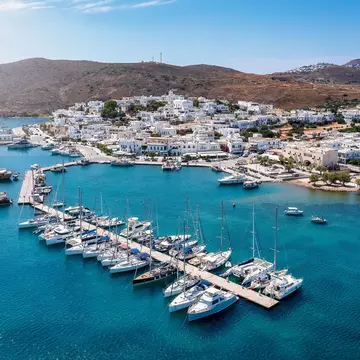
An aerial view of the port town of Adamas, Milos. Sven Hansche/Shutterstock

Writer
Lonely Planet may earn a commission from affiliate links on our site. All recommendations and reviews reflect our own independent opinions.
The volcanic island of Milos, in the Greek Cyclades, arches around a central caldera and is ringed with dramatic coastal landscapes of colorful and surreal rock formations. The island’s most celebrated export, the Venus de Milo, may be far away in the Louvre, but dozens of beaches (the most of any Cycladic island) and a series of picturesque villages contribute to its current compelling attractions.
Milos may be small, but where you stay will determine the character of your trip. Adamas is a score of tavernas, bars and appealing shops. Dozens of yachts dock here in summer, making it the place for the island's somewhat sedate nightlife. It's also ideal for early ferry departures. Plaka offers village life and grand views, while Pollonia and other beach towns offer easy access to beaches.
Whether you're here to soak up some sun, view ancient ruins or immerse yourself in the local lifestyle, here are the best things to do on the island of Milos.
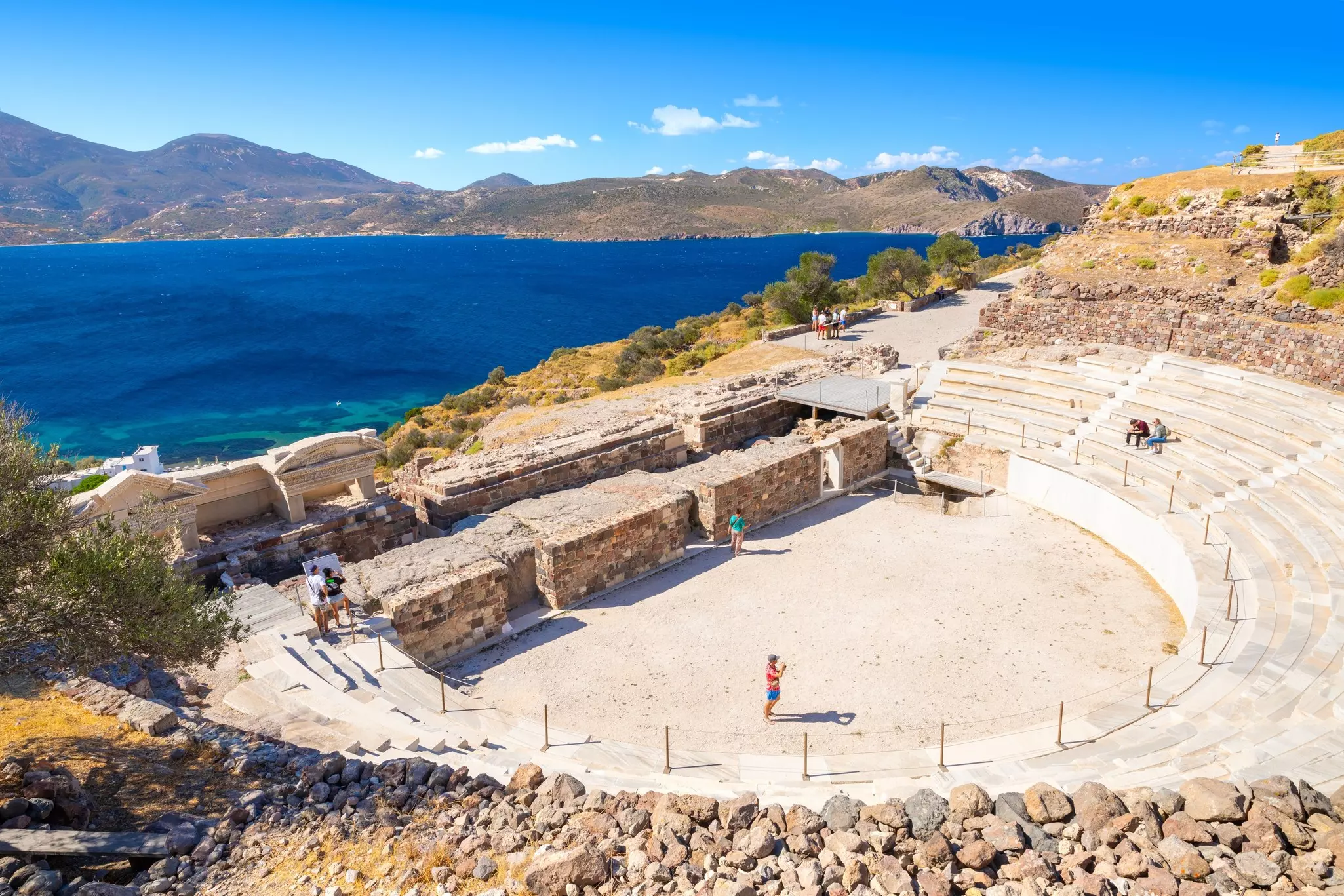
Clinging to a lonely patch of hillside amidst olive trees, a large Roman-era theater entertained the citizens of Ancient Melos from the 1st to the 4th century CE. It was rediscovered in 1735, but only around a tenth of the original structure has been uncovered and partially restored, including part of the richly carved marble facade of the stage that once faced an audience of up to 8000 people.
The path to the theater is well signposted. The flattened oval area beside the road was the site of an ancient stadium. To the right of the path, look out for an information board marking the site near where, in 1820, a farmer discovered an exquisite 2m-high armless Parian marble statue of Aphrodite (c 120 BCE), still standing in her own niche.
The marble statue dubbed the Venus de Milo was found on the island in 1820 by a farmer while working in his field.
After viewing the ruins, head uphill to the Archaeological Museum of Melos where a small but well-curated museum includes some riveting exhibits. See the large clay pithos, which was used for the burial of a child. The little colored stones found with the child's bones are thought to have been their treasured belongings.
Local tip: Venus de Milo is currently on display in the Louvre in Paris, but there’s a replica in the museum here.
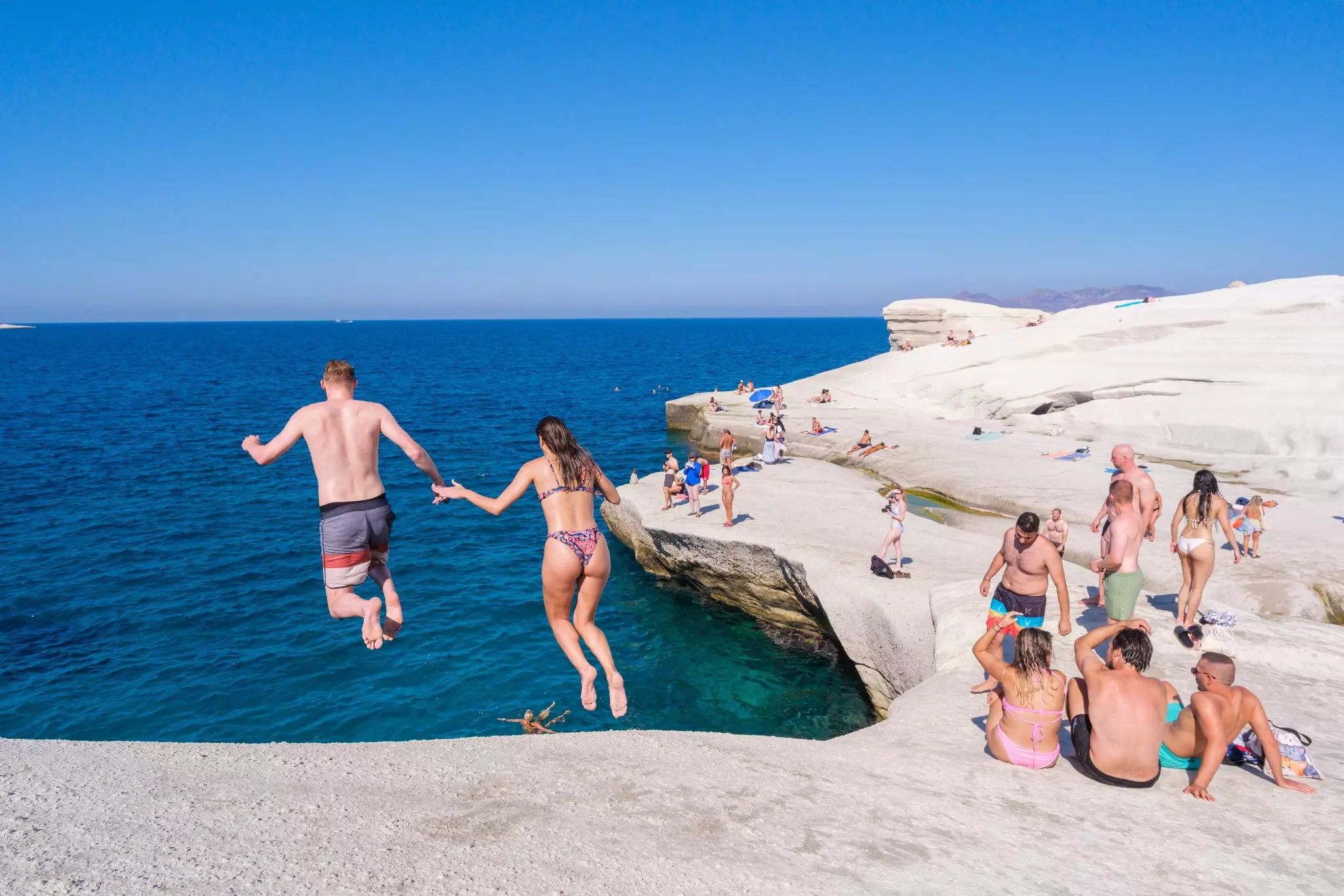
Milos and its offshore islets have more than 70 splendid beaches garnished in different-colored sands and stone. You'll need to rent a vehicle to visit most of them, and a 4WD or ATV is required to reach those on the rugged west coast.
In the case of the many spectacular remote beaches, getting a tour boat is the only way to reach them. While heading there, you will witness the impressive coastlines, bizarre rock formations and beaches. Kleftiko in Milos’ southwest, with its striking rock arches and caves, is a prime destination along with other nearby isolated beaches. Trips often include stops for snorkeling.
Boat tour vendors line Adamas’ waterfront touting different cruises; check out Milos Travel on the waterfront for a reliable local agency. There are large and small boats, private charters, speedboats, wooden-hulled boats, catamarans and sailboats.
Planning tip: You can also paddle yourself to the remote delights on a tour led by Sea Kayak Milos. A different route is chosen each day depending on the weather. Participants paddle for about 3 hours, with another 2 hours of swimming, snorkeling and lazing.
Greece’s only Christian catacombs, on the slopes below Trypiti, date from the 1st century and were the burial site for some of the earliest believers. Over 2000 people were interred within the 183m network of tunnels, which range from 1m to 5m in width and 1.6m to 2.5m in height – though you cannot actually enter the catacombs.
Planning tip: Entry is via a 15-minute guided tour to lit alcoves within two main chambers, explaining the workings of the ancient cemetery.
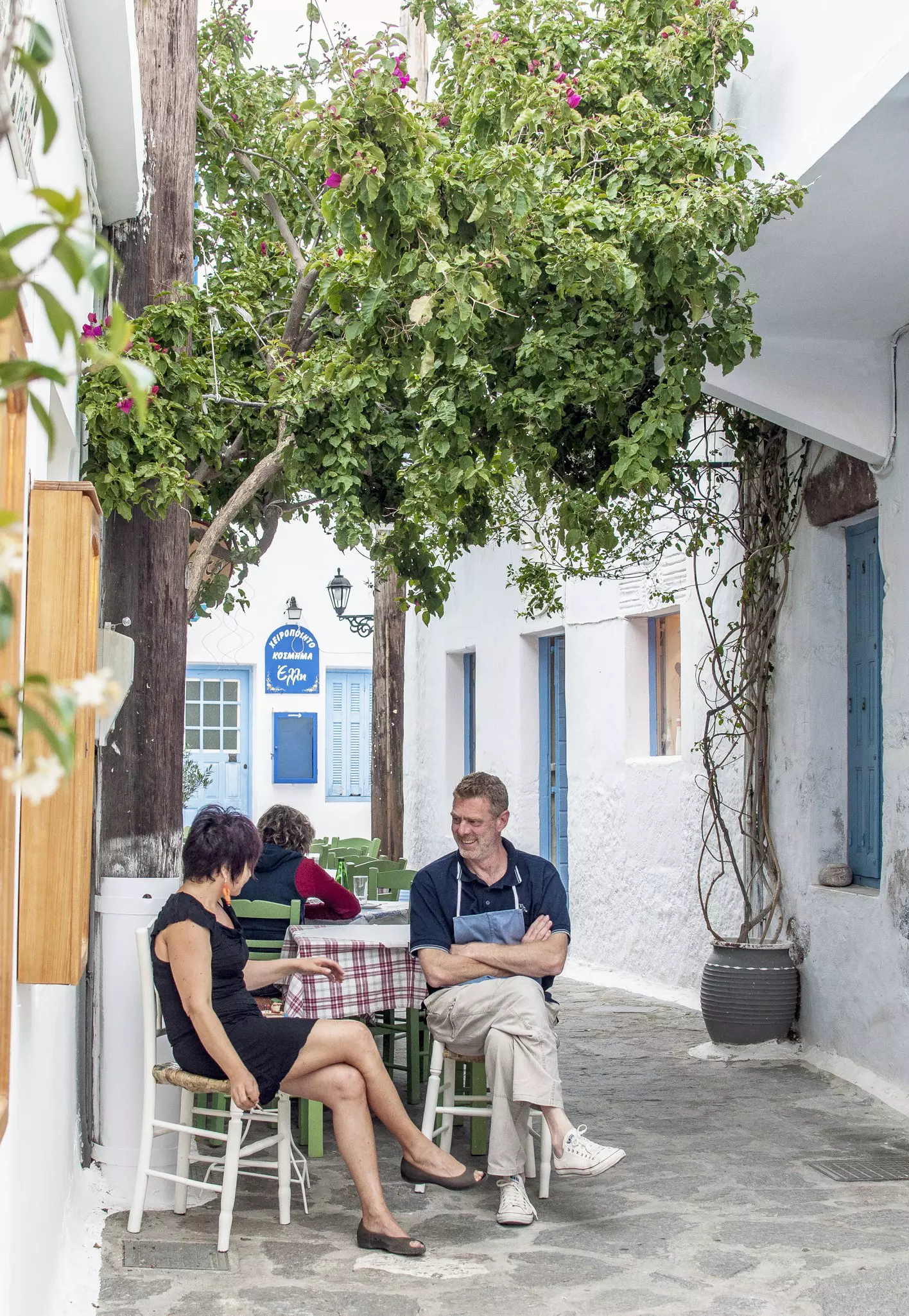
To see how the locals live, head to the cluster of three nearly conjoined towns on a hilltop: Plaka, Trypiti and Triovasalos. The bulk of Milos' population lives here, and a half-day walking around the towns will give you some insight into what life is like on the island year-round. You’ll need your own wheels to reach these.
Charming Plaka embodies the Cycladic ideal, its white houses and labyrinthine lanes perched along the edge of an escarpment. Follow the signs that mark the path climbing to Plaka's hilltop kastro (fort), built by the Venetians on the ancient acropolis. Little of the structure remains, but the views from the top stretch right over the island.
On the way up, call into the old church of Panagia Thalassitra to admire its lovely gilded iconostasis. Down in the village, the church courtyard of Panagia Korfiatissa church (built in 1840) offers spectacular views west over the water and can get packed with sunset lovers who gather here to witness the end of the day. Traditional costumes, woven goods and household artifacts can be seen at the cute little Milos Folk & History Museum in a series of traditionally furnished rooms, right by the main church courtyard.
Trypiti is a pleasant village with a backdrop of churches and windmills, and it is a pleasant place for a stroll and a coffee, as well as watching life unfold. Triovasalos is the workaday part of the troika, with everyday shops and ordinary goings-on. There isn't a huge appeal for visitors here, except to see parts of Milos that are beyond the tourist front.
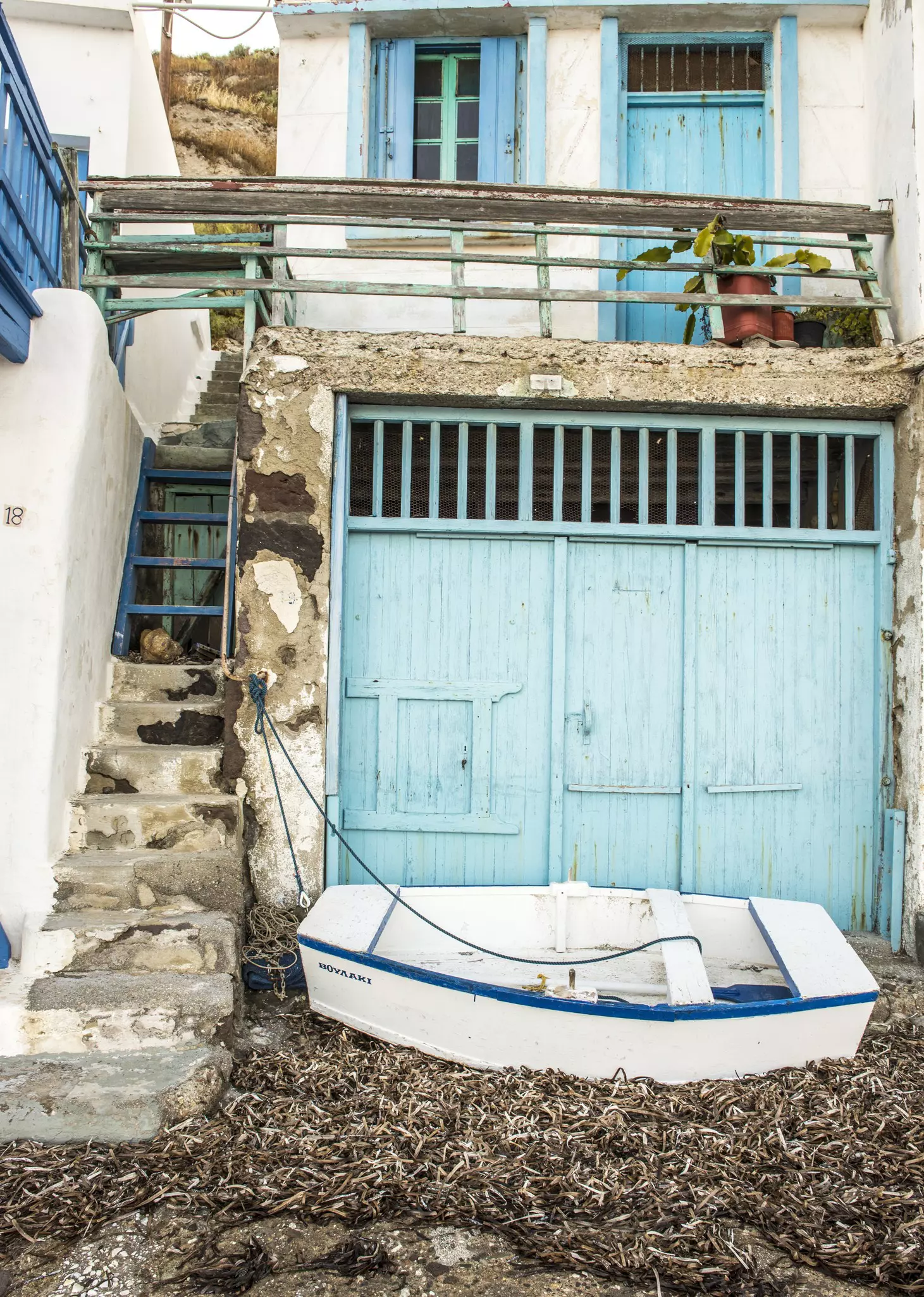
Clinging to the beachfront cliff face, on the road below Trypiti is the tiny, photogenic fishing village of Klima, where you can see the best example of Milos’ syrmata (traditional fishers' huts).
The downstairs of the huts has brightly painted doors, and is used for rough-weather boat storage, while the upstairs is used for family life. The homes, most still in use today as holiday rentals, are incorporated into the rocks.
Planning tip: There are also cafes here with water views.
The Milos Mining Museum in Adamas looks at the island's less glamorous yet seriously significant past – the exploitation of its mineral wealth – detailing thousands of years of Milos’ mining history. It starts with the quarrying of obsidian on the island in 7000 BCE and shows the rich geology of the island, paying special tribute to the miners themselves. Mining was a major contributor to the island's economic and cultural prosperity. The museum is located on the waterfront, about 650m east of the center.
Detour: Ask here (or look on the website) about the Miloterranean Geo Experience, a series of seven maps that outline great half-day "geo walks" through Milos. The maps highlight the island’s geology and volcanic origin, mining history and natural environment.
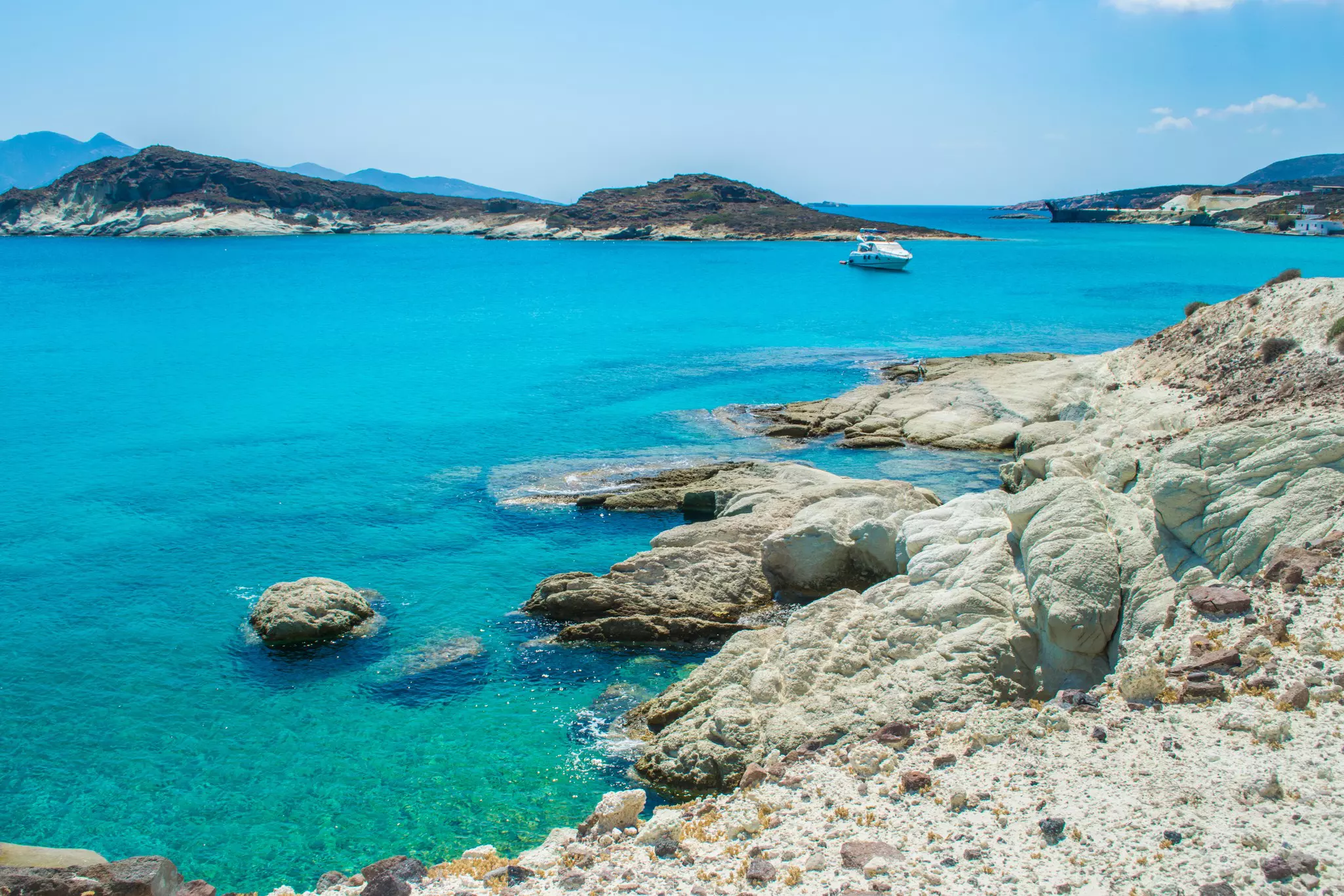
Perched off the northeast tip of Milos, little Kimolos is beautifully serene. Few visitors take the opportunity to explore its tiny old town, sparkling bays and picturesque syrmata.
An easy day trip from Milos, the boat docks at Psathi, where there's a gravelly beach and a smattering of cafes and tavernas. The pretty old capital, Hora, is about 800m up the hill. At the center of its network of atmospheric little lanes is the kastro, a crumbling square-shaped castle dating from the 14th to 16th centuries. See the tiny whitewashed Church of the Nativity, built in 1592. For a hike, ascend the challenging 358m-high cliff on which sits the Venetian fortress of Paleokastro.
Planning tip: It’s an easy day trip from Milos, but consider taking a car, bike or scooter on the ferry to make getting around easier.
This article was adapted from Lonely Planet’s Greece guidebook, published in May 2025.
Explore related stories