Oct 4, 20268 min read
10 Best Things to Do in New ZealandMay 19, 2026
17 MIN READ
Writer
Sunseekers on Praia de Cortegaça beach in Portugal. Jack Pearce for Lonely Planet

Writer
Lonely Planet may earn a commission from affiliate links on our site. All recommendations and reviews reflect our own independent opinions.
I am just about at the age where I can start telling people, “It used to be so much better to travel, back when I was a kid.” If I wanted to really lean into it, I could reminisce about all the places I've visited, for all sorts of inadvisable reasons, and how I did it when we could still, effectively, get lost.
I spend a lot of my day thinking about how much tourism has changed, how profoundly industrialized travel has become and how even our best efforts to truly know a place are often interrupted by long lines, high prices and unmet expectations.
I’ve been writing about overtourism for years, and I've watched it progressively erode the foundations of cities and towns I love. I could tell you stories of tourism changing destinations for the worse, and I could finish those stories with the regretful observation that “we just don’t travel like we used to.”
But this isn't about dwelling on past mistakes, because now, more than ever, travel is pregnant with possibility and the potential for our choices to mean something. Overtourism has become rampant, and the inequalities it has created have irreversibly transformed communities around the world, but travel – done right – can still be a positive force.
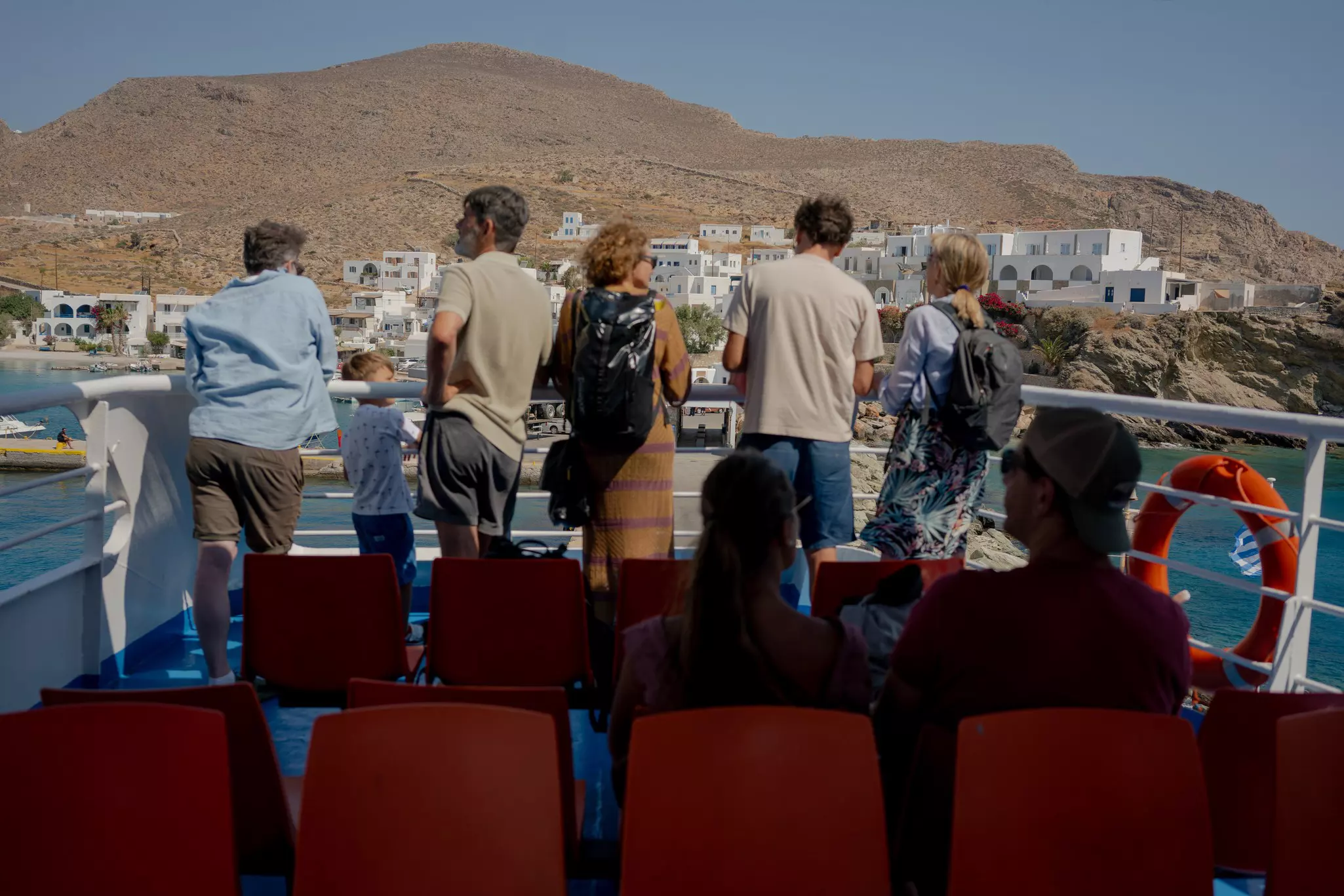
Let’s be clear: overtourism is not the same as overcrowding, and it is not tourists or residents who are the prime movers of this phenomenon. Overtourism is a failure of states and governments in three areas:
To adequately provide resources and meet the basic needs of both visitors and residents in a given destination in an equitable manner
To mitigate against predatory economic speculation that damages the quality of life in that place
To protect the intangible cultural assets that give destinations value.
It is crucial that we all understand how intentional overtourism is on a global scale, and how much our desire to visit the world is monetized and instrumentalized by a vast and profit-motivated travel industry, which often operates without rules or regulations.
If this situation sounds serious, it is. If it sounds like the very opposite of what you think your travel experiences could or should be, it is.Among the many myths we need to dispel is the belief that there is such a thing as carefree travel.It simply doesn’t exist, and wherever our feet land, they make an impact.
But on the flip side, we have access to more tools than ever before, not only to inform ourselves about the places we want to go, but to connect in a way that will actually get us far closer to the kind of travel we really want to experience. Because while the tourism industrial complex works hard, and lots of places are suffering as a result, we can work harder.
Here are some of the key things to think about to combat overtourism (and win).
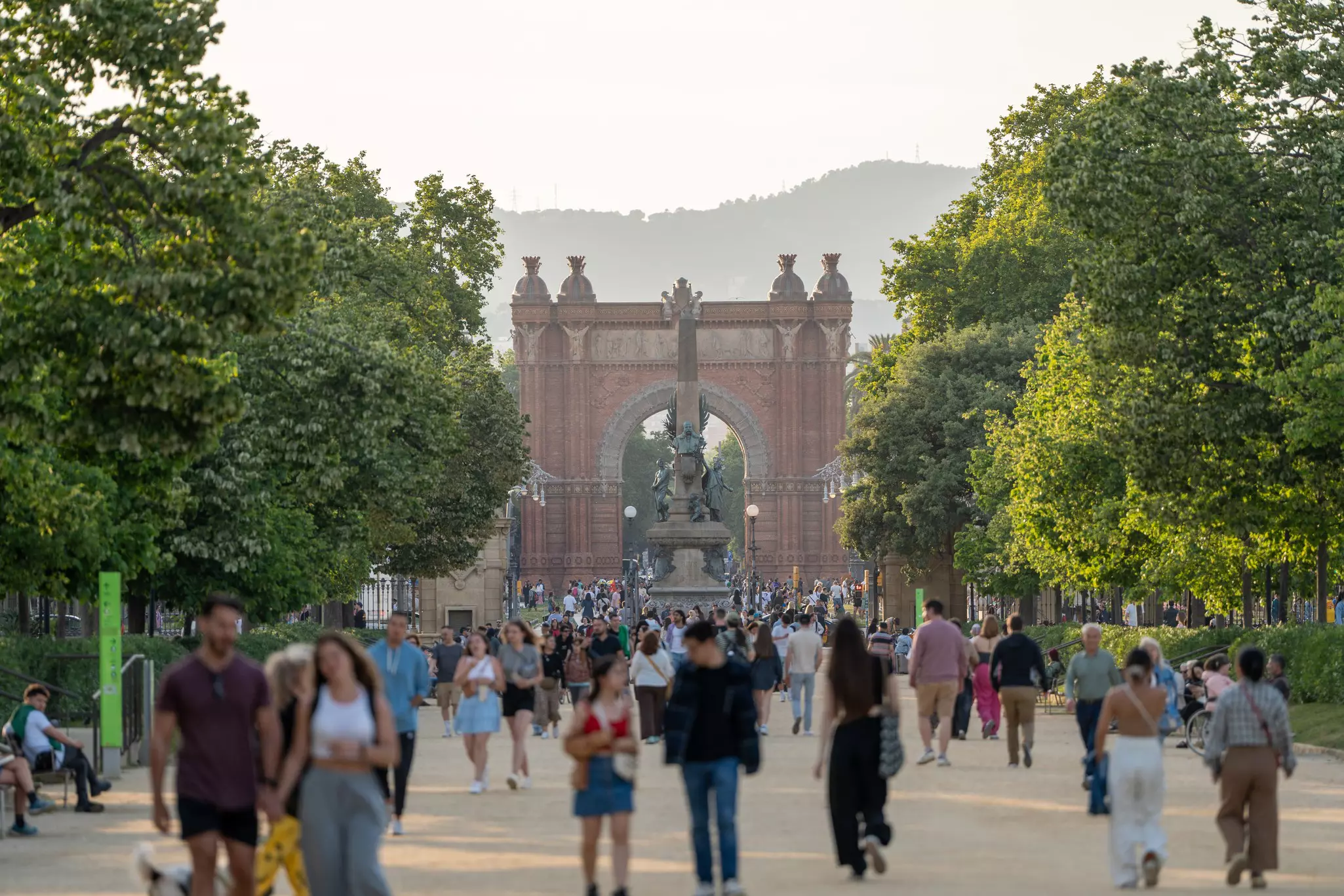
For all the planning (or not planning) that travel involves, nothing is more fundamental to the act of travel than asking ourselves this question. The why of travel should be the start and end of the sentence, the modus operandi of our forays into the world.
Why do we want to go to that particular place?What is it that makes us want to go there? Many of us don’t actually ask ourselves this question, and as a result, we narrow down our universe of travel possibilities to the places we’ve come to immediately identify as holiday destinations.
While social media has made this more visible, the reflex to go without asking why is far older. So when you’re in the very first stages of planning a trip, ask yourself whythat place? Why that sight? Why at that time of year? These are not just practical questions; they require us to reflect more on what we hope to get from a trip and, ultimately, what we’re willing to give.
A lot of the mechanisms that cause overtourism are activated by the delicate balancing act between curiosity and the desire for certainty and comfort that lives inside all of us. This primal paradox is a key contributor to the presence of familiar global chains in overtouristed destinations, and the long lines outside places that have become popular with tourists.
While our dopamine centers look at a long line of people waiting for a sandwich and say, “I don’t want to miss out on that,” the deeper lizard parts of our brain are saying: “Hey, look at all those people not being poisoned! I’ll join them.” Human beings are social animals, after all, and nothing reassures us like seeing others enjoy the things we think we might enjoy.
This has become more obvious in an age of near-total social media penetration, but it predates the age of the social feed by centuries. More than 200 years ago, early guidebook writers like Marina Starke encouraged steamship travelers to pack their own spoons, and Thomas Cook created packaged voyages that allowed tourists to avoid all foreign influence in the course of their foreign travels.
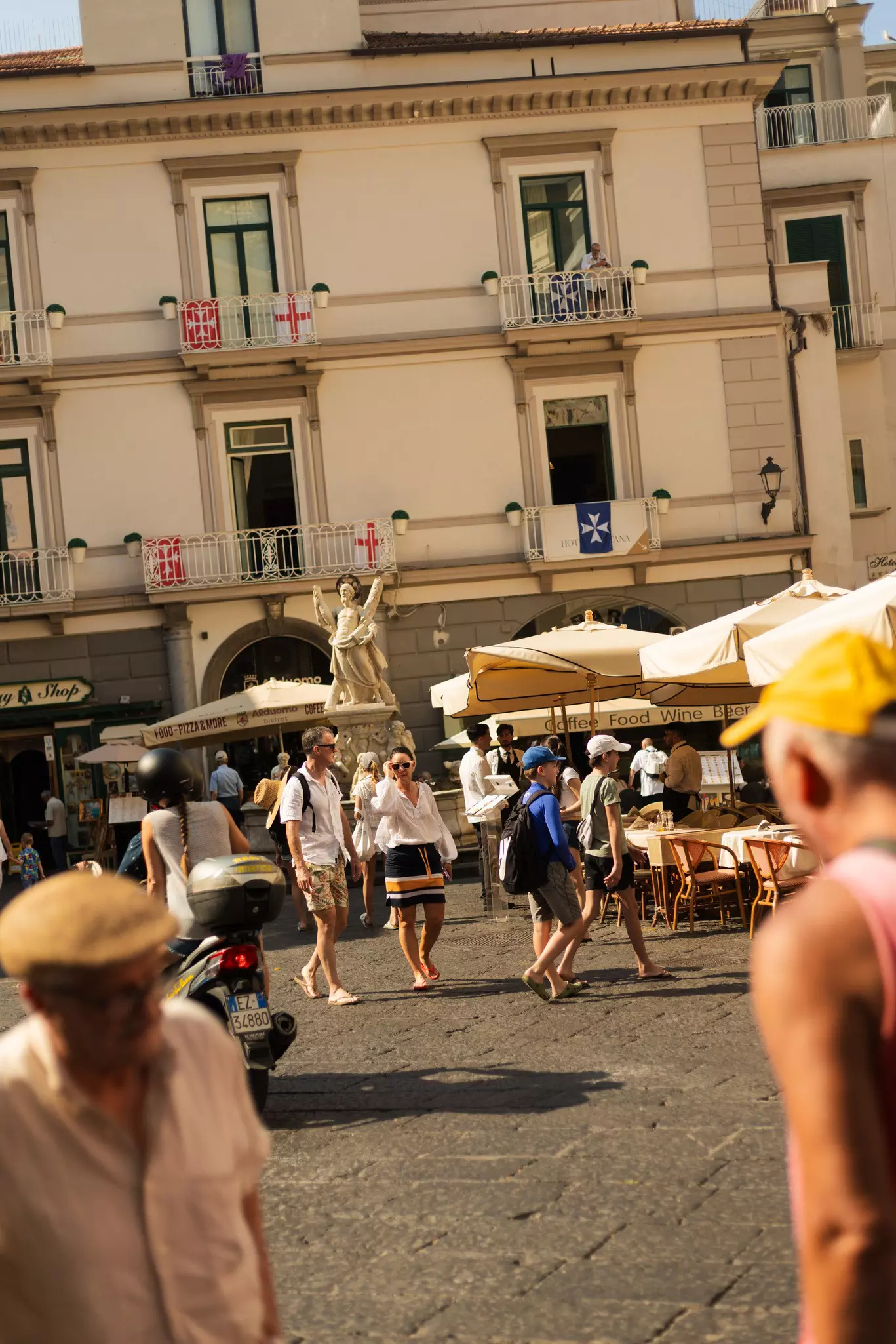
It's also important to acknowledge that travel isuncomfortable and always has been. It’s hot, it’s messy, and sometimes it’s scary. We use phrases like “comfort zone” to sell gym memberships, but we forget that it’s a real thing, something our brains have spent a long time building and would very much like to keep intact.
The well-worn paths that get carved through overtouristed destinations become safe spaces for us to travel through, because even though they’re crowded and frustratingly superficial, there is something familiar that keeps us tied to them.
This is entirely natural, but traveling with a conscious desire to avoid contributing to overtourism means confronting this part of ourselves (and of others) with understanding rather than judgment, and building a trip where wecontrol the seesaw between what we’re curious about and where we feel secure.
This might mean choosing a destination that isn’t “the next big thing” or picking a place where you’ll need to adapt your behavior to the local environment and culture, rather than expecting the reverse to happen.
It might mean having to go without your morning coffee, or eating later in the evening, or covering your shoulders in a church or your hair when visiting a mosque. By adapting to things that we find uncomfortable or unfamiliar, we can learn and grow.
Remember that the things that make you feel comfortable at home might not always apply once you’re out in the world, which is what makes it simultaneously thrilling and also a little frightening. Lean into the first while acknowledging the second, and you’ll find yourself expanding your comfort zone without losing your curiosity.

The holiday rental market has transformed global housing, and the consequences are profound. The pursuit of the tourist dollar has pushed housing prices far beyond what many residents can pay, which hollows out some of our most beloved destinations and creates deep resentment between those who come from a place and those who come to it.
The recent anti-tourism protests seen in Barcelona, Amsterdam and Venice are largely focused on housing shortages. If you’ve seen “tourists go home” graffiti scrawled somewhere around the world, it's probably because tourism has swallowed all the homes that local students, families and workers could (and should) occupy. And in their shoes, you might feel the same.
Where you sleep is one of the most complex and consequential choices you’ll make in your holiday planning, and the fact is that there isn’t a quick fix or blanket solution to this problem. But there is a lot that we can do to inform ourselves and make decisions that will turn the tide, even if the impact isn’t immediately apparent.
Stay in hotels or guesthouses as much as you can, and contact them directly, rather than booking through websites and consolidators. This benefits you both – booking engines and online travel agencies take high fees from hotels, and establishing a relationship with your hotel is a great way to feel welcome in your destination before you get there. Owners may also be willing to offer a discount for a longer stay, or a cheaper room at quiet times.
Support small or mid-sized, family-run hotels and guesthouses when you can, especially as many risk going extinct with the rise of the short-term rental market. You may think that staying in a hotel deprives you of the “authentic experience” of “living like a local,” but there’s nothing authentic about people being unable to live in the places they’re from. If we don’t advocate for locals, there won’t be many locals left to live like.
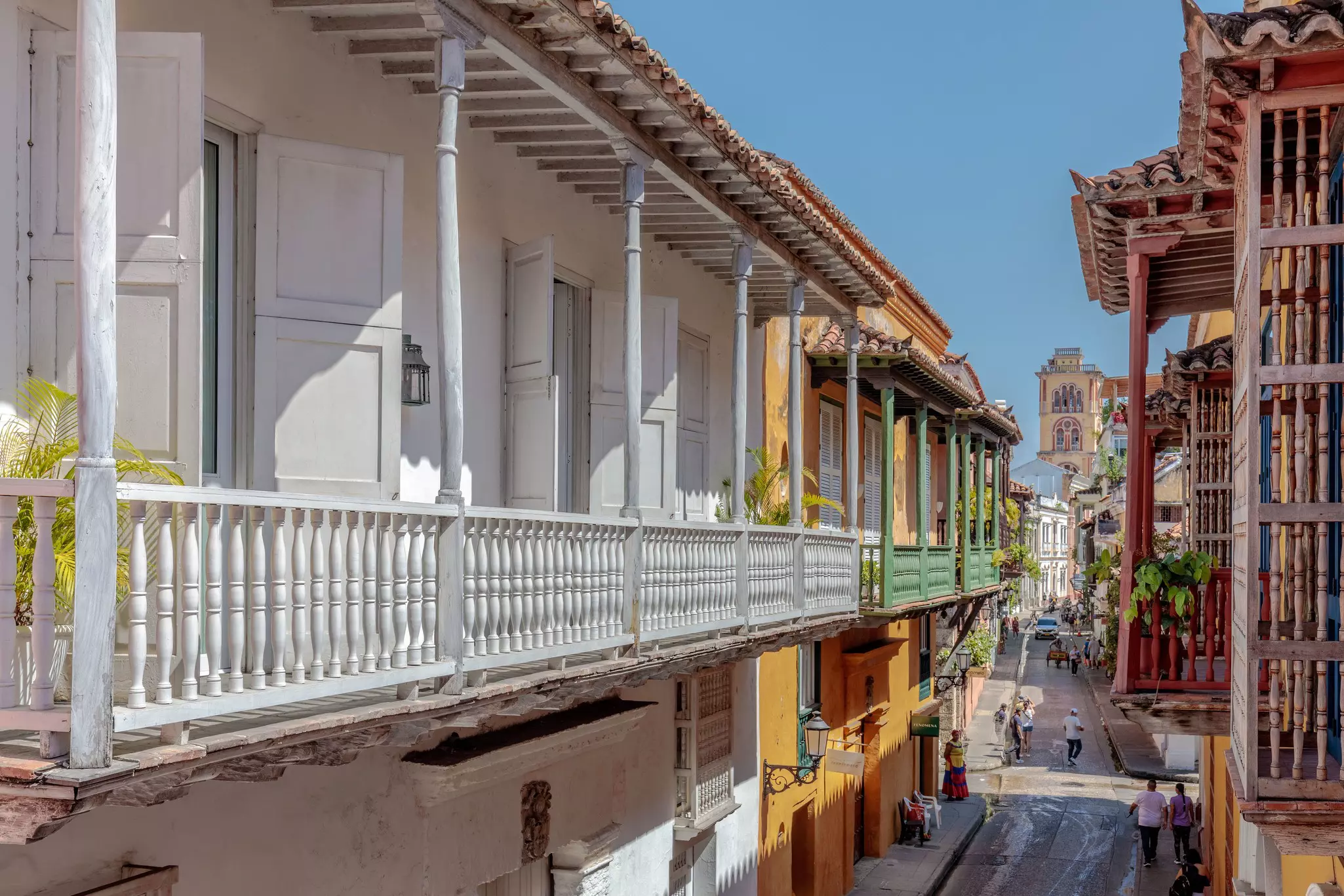
It's unrealistic to think that we won’t ever stay in short-term rentals. The global market is flooded with them, and sometimes they're the only thing available in a given place, or the only affordable choice. In addition, families or groups with children or neurodivergent members may really need that kitchen, living room or extra quiet space.
And that’s ok. If you do opt for a short-term rental, organizations like Inside Airbnb are invaluable tools for understanding the “sharing economy” and for explaining in clear language how the short-term rental market affects destinations. Not every destination is flooded with holiday lets, but some certainly are.
You may even find yourself looking up stats for your home city or town, and the results can be eye-opening. Look for rentals managed by individuals rather than businesses, as these are less likely to be owned by people hoping to turn a profit from renting multiple properties.
When I wrote about the importance of spatial awareness in Venice, I almost felt like I was stating the obvious and would get glaring reactions from anyone who read it. Instead, I've received frequent and appreciative comments I get from readers, friends and residents, stretching far beyond one city or country.
When we are somewhere unfamiliar, we become simultaneously vigilant and unaware. We’re often so worried about losing our way that we fail to realize we’ve been standing in the same spot for 5 minutes, blocking the road or path for others. In a very crowded place, the impact we have on others can be even more heightened.
Managing the flow of people, whether in towns, cities or on tiny trails on the top of cliffs, is a major challenge in any well-touristed destination. In places with enormous crowds, it is a far larger problem than our individual behavior, and it's something local authorities and administrators give great thought to. But we also have a part to play as individuals.
Being aware of the space you are in, your place in it and those around you is a practice that pays dividends for your own experience and theirs. It may just lead you to more interesting, less noticed places, where the chance encounters you came for are still entirely possible.
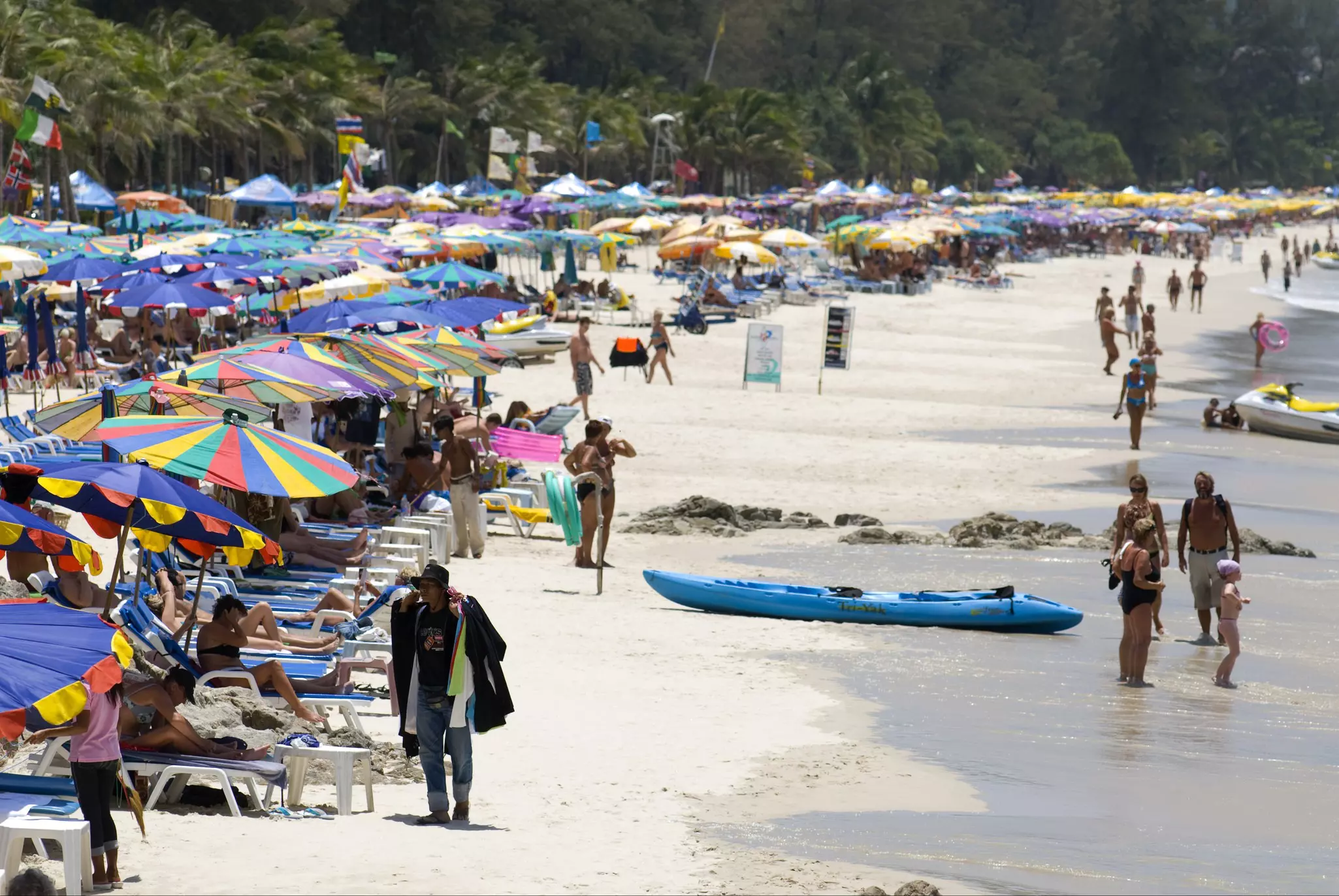
One of the reasons global tourism has mushroomed bigger than a nuclear cloud is the simple truth that tourism experts like Carmen Bizzarri have pointed out: tourists don’t vote, but we do spend. And we spend big: Elizabeth Becker wrote in her brilliant book Overbooked that tourism would be the third-largest economy in the world if it were a country (and that was in 2013 – it's surely even bigger now).
Our purchasing power is the single most important tool we have to help support local economies and the livelihoods of local people. The more we make informed purchases that we know will go into the pockets of the right people, the more this becomes a superpower.
In some cases, it takes very little effort. Instead of buying that mass-produced souvenir, look for small-business owners and artisans who are continuing traditions or carving out their own identity through the things they create.
In other cases, identifying how to spend responsibly can be harder. Mass tourism is linked to organized crime in some countries around the world, and people engaged in activities as innocuous as selling flowers on the street are often victims of these networks, beyond more obviously exploitative practices.
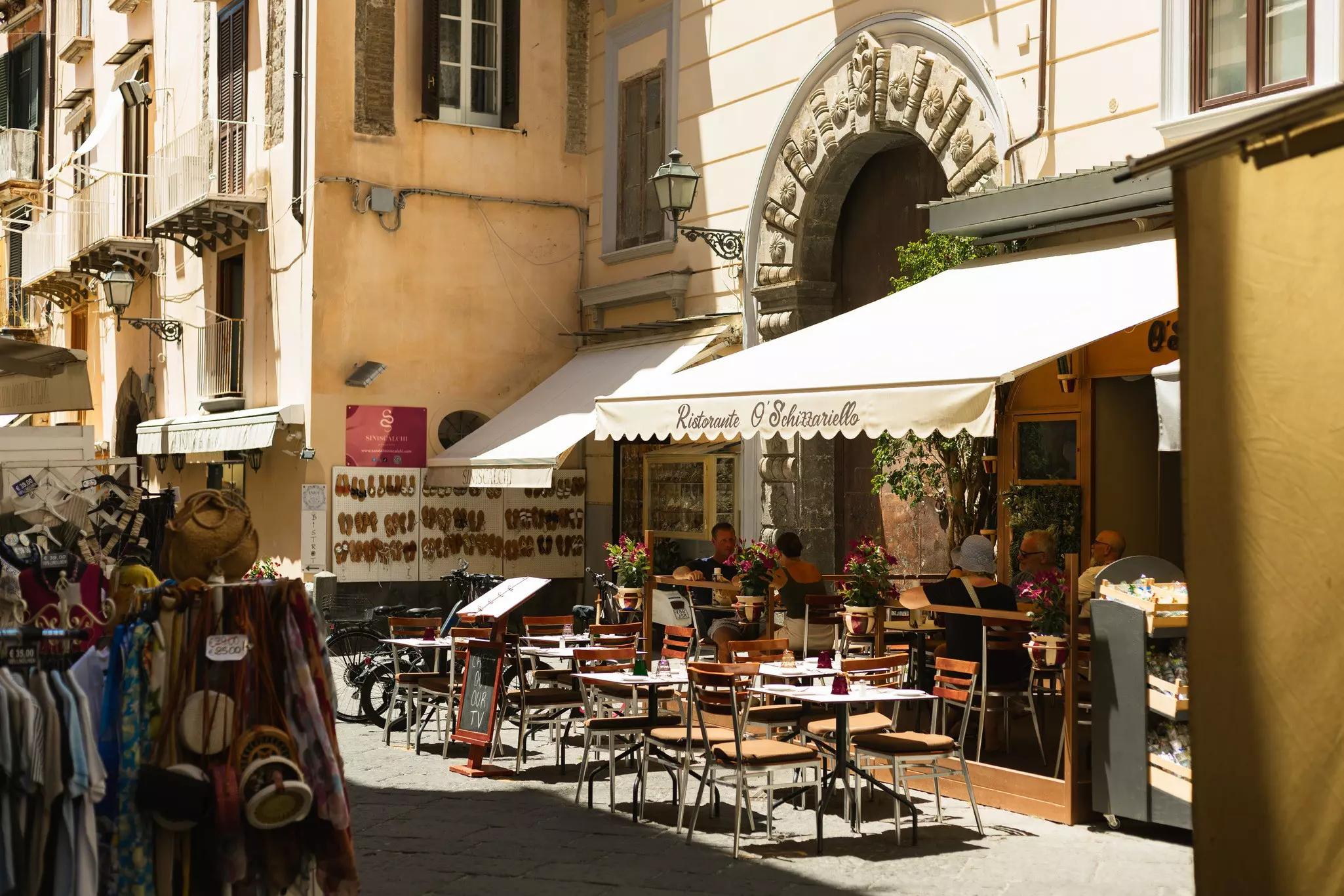
While it isn’t pleasant to think about, we no longer have the luxury of picking and choosing what parts of the global economy we want to hear about, especially when we travel. Listen to the End of Tourism podcast, and it may challenge some of your comfortable assumptions.
Organizations that set out to inform travelers, like Italy's Addio Pizzo, are vital. By identifying shops, bars and restaurants that do not pay protection money, or pizzo, to the Sicilian mafia, Addio Pizzo allows tourists to stand with people who might otherwise be disadvantaged by taking an ethical stance.
Reaching out to tour guides directly rather than going through large booking engines helps keep prices fair and directs revenue into the bank accounts of local people, helping visitors develop an equitable exchange of value with the destination.
Find family-run businesses, community-run cultural organizations and artist-run collectives wherever you go, and invest in them. There is almost no better way to starve overtourism than by channeling your money to those people fighting against the tide.
So how do you go about finding all of those independent artists, chefs and guides? Well, in this regard, our old frenemy social mediais far more useful than we give it credit for. Used properly, it can be an incredible tool for creating the trip we really want.
First, look for content creators who are traveling with purpose, those who engage with the question of why we want to travel, not just what we want to see or do or eat. News stories revealing the reality behind the myth peddled by aspirational influencers in destinations such as Dubai are raising awareness, making it easier to sift through those who travel to be seen and find those who travel to see.
Women like Beck Delude challenge the notion that only those with supermodel bodies should be allowed to travel, and she also shares practical, real information about her experiences. Artist and author LaNia is the embodiment of the joy of travel – just try not to smile when the sun hits her face.
Other creators, like Waleed Maoed, are on solo journeys around the world to places we might not otherwise think of, but his openness, honesty and kindness may convince you to get out there. Dean and his cat Nala have cycled almost the whole world, and if they can do it without becoming cynical, so can we!
Social media isn’t just about influencers; many people using Instagram, Twitter and TikTok for their own pleasure provide great recommendations that can help you find genuinely rewarding places and connect with the real people you’ll meet during your travels.
Of course, with so much content out there, it’s easy to get overwhelmed with lists of the top places to eat, swim, drink or shop, and then to feel the pull of fear of missing out, and be lured into a line for a sandwich you’re not even sure you want.
It helps to remind yourself why you want to be here, and what you really want from your experience. And don’t forget to put the phone away once you get to your destination (at least sometimes). You’re here, now, and you’ve got some traveling to do!
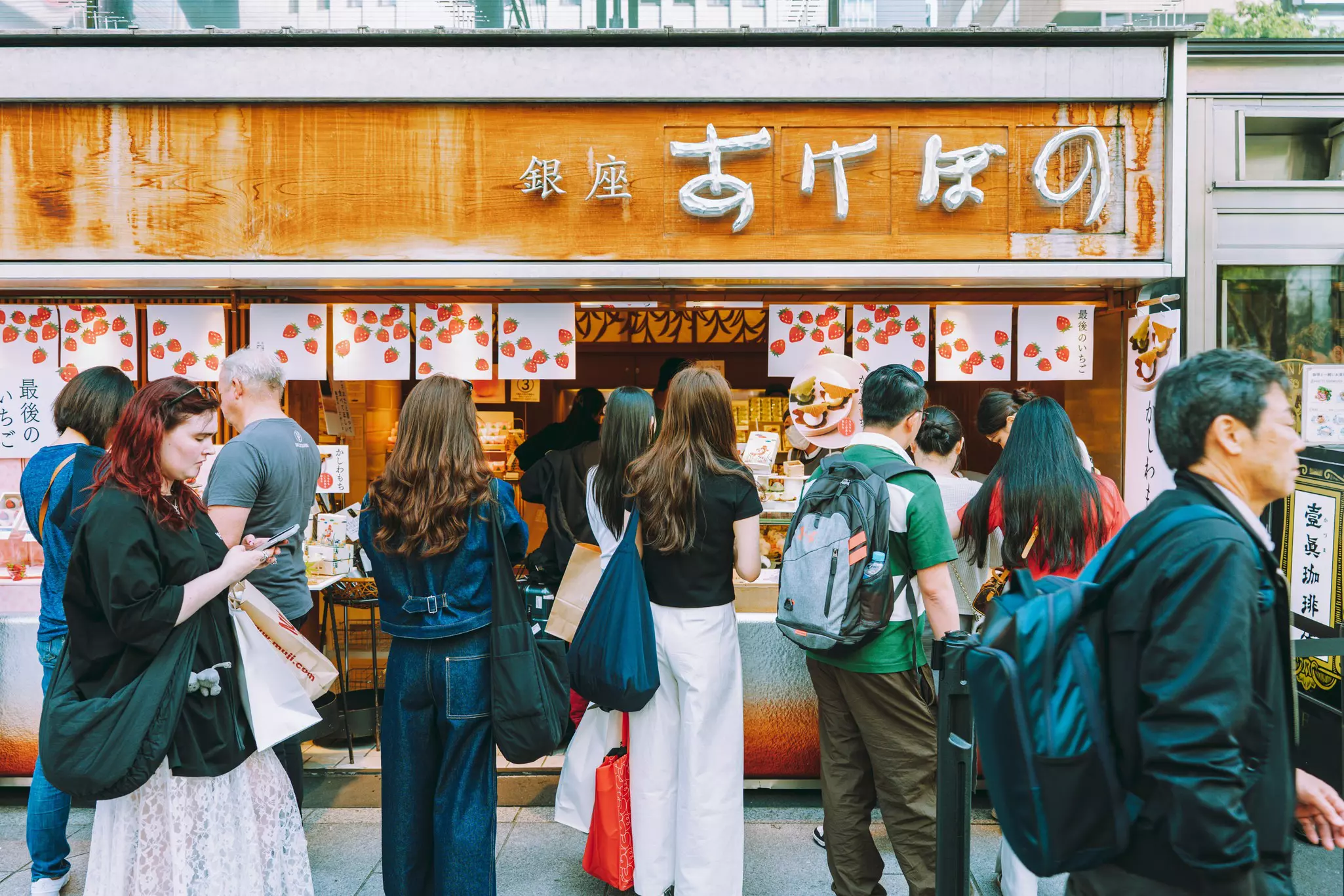
On your last trip, how often did you speak to someone that you weren’t paying for goods or a service? Someone who wasn’t there to take your order, check you in, guide you somewhere, or sell you souvenirs?
It’s very common to establish relationships with people in these positions, particularly if we see them multiple times throughout our travels. And yes, the person who makes our coffee every morning at the bar in Milan, the guide who shows you less-trafficked parts of Tokyo, and the artist making sketches in Tulum might become the best part of the trip.
But don’t forget, we meet them in a context where they have to be nice, don’t we? Sure, we might become friends with them, and we may even come back every year because of a warm connection with a wonderful driver or favorite chef, but that relationship isn’t on an equal footing. It may not seem like a big deal, and you definitely don’t do it on purpose, but if you only meet people in the context of them providing you a service, the playing field isn’t level.
Again, social media can be a helpful tool here, as can all of those people I mentioned above. Start looking for interesting exhibits, concerts, readings or classes that don’t depend on buying something (even when you have to pay for them) but instead offer an experiential entry into a place.
Go to Scotland's Edinburgh Fringe, find the smaller shows, and see what happens when you talk to someone in the crowd. Join a burlesque class in Naples or a tango session in Buenos Aires and ask for dining and drinking recommendations from your dance partners (then see if they’ll join you).
It's the honest human interactions that make a trip, not just the things we see and do. Instead of asking your hotel concierge, “Where do locals eat?” or “Where do you go on your day off?” ask them, “Where can I meet people who do (this thing I love to do)?”
Remember, people working in the tourism industry don’t owe us their spaces, and they don’t need to be our surrogate friends. Instead, we need to have the courage to speak to ordinary people we don’t know, to ask questions and to put ourselves into our destination.
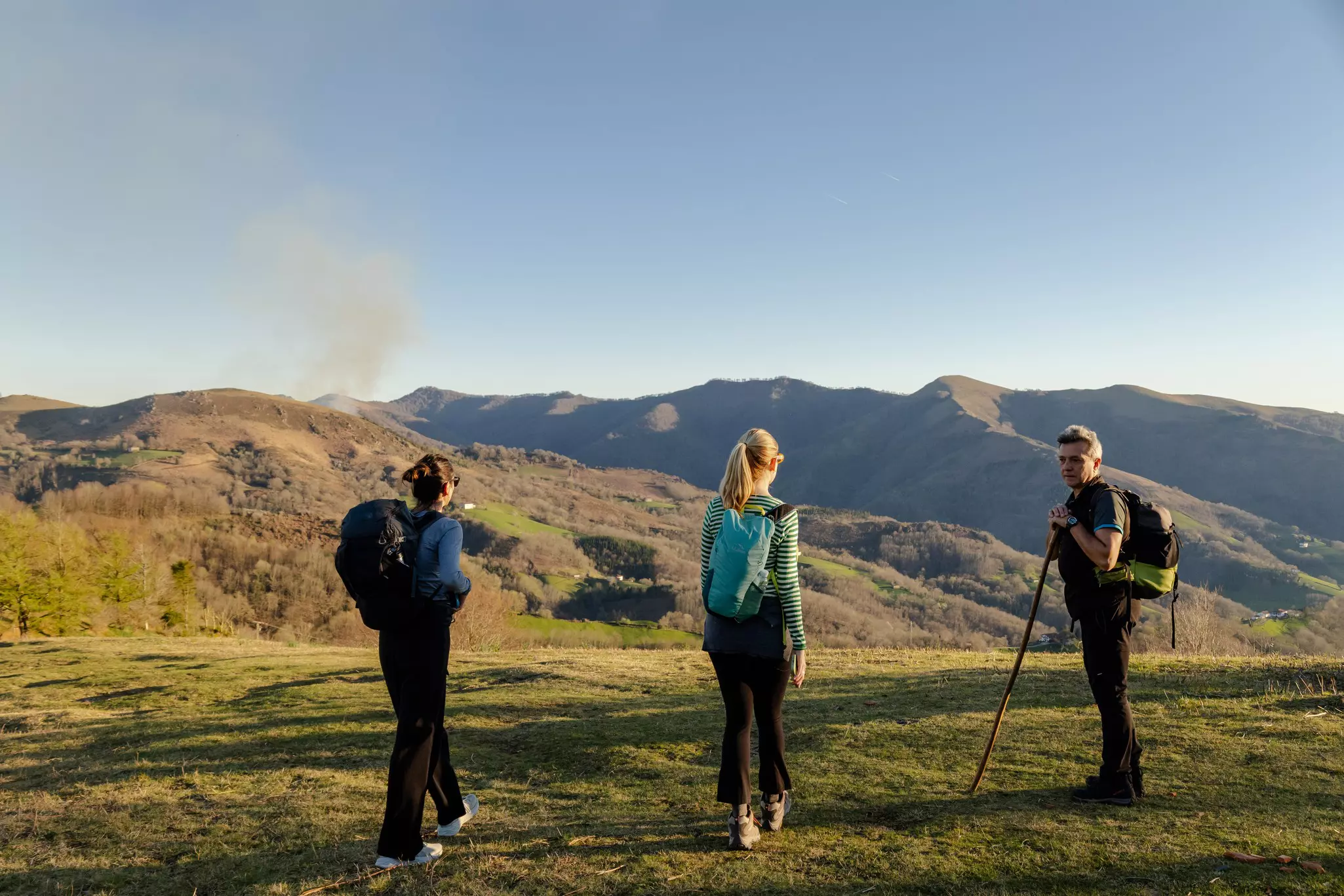
One of my favorite quotes is from a Brazilian educator named Paulo Freire, who wrote:
“Through dialogue [...] teacher is no longer merely the-one-who-teaches, but one who is himself taught in dialogue with the students, who in turn, while being taught also teach. They become jointly responsible for a process in which all grow.”
The same can be said for tourism: while you may be a tourist today, tomorrow you’re a resident on someone else's trip, and each of these roles is just as important as the other.
Overtourism is predicated on the notion that tourists and residents are opposed to each other, but the real problem is that a destination that both groups should be able to enjoy is being steadily transformed into a commodity for someone else’s profit. Making enemies of tourists instead of the commercial machine that is consuming tourism will get us no closer to saving destinations.
I know most of us don’t like the word "tourist" –we prefer to call ourselves "travelers" because it makes us feel more genuine. But that’s not really fair, is it? Why does tourist have to be a bad word? After all, a travelercan be anyone, from a businessperson to a pilgrim, and other groups of people who move from place to place get to keep their categories.
Tourism is a beautiful concept, albeit one that has been maligned and manipulated, and we shouldn’t feel ashamed of it. The magnificent paradox that beckons us out into the world against our better judgment, luring us away from our homes toward a horizon full of possibility, powered purely by the joy of seeing other places, deserves to be celebrated.
It deserves to be named. And all of us, whether we are tourists today or residents tomorrow, deserve to partake in it. Because ultimately, overtourism doesn’t just hurt destinations; it hurts our ability to see each other, to find each other and to meet each other. In this context, allying ourselves with destinations and the people who live in them is a radical act, an act of love, and one with transformative power. Let’s get to work.
Explore related stories