May 19, 20269 min read
14 Best Things to Do in OsakaMay 19, 2026
9 MIN READ

Writer
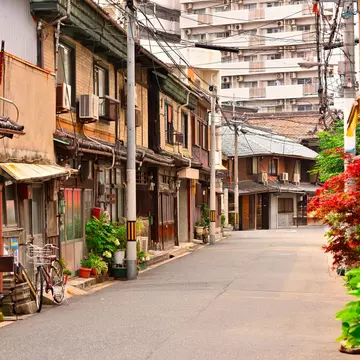
A street in the Nakazakicho neighborhood in Osaka. Jenny Arle/Shutterstock

Writer
Highlights
Writer Yuko Tamura rounds up 14 Osaka essentials, from temples to summer fireworks.
Climb Osaka Castle's observation deck, then cruise the neon-lit canals of Dōtombori after dark.
Try takoyaki at Aizuya, Japan's original octopus-ball shop, or savory okonomiyaki at Chibo.
Temple lovers should visit Shitennō-ji; gamers can ride Mine Cart Madness at Super Nintendo World.
Lonely Planet may earn a commission from affiliate links on our site. All recommendations and reviews reflect our own independent opinions.
Osaka is Japan’s western business hub and also a massive cultural theme park filled with heritage treasures and exciting attractions. This buzzy city has a little more edge than the nation's other urban centers, and proudly shakes off the veil of conservatism that's often associated with Japan's social scene.
During your trip, you may want to trace local history by visiting the Tower of the Sun, the 1970 Expo’s icon, or say hello to Super Mario and Hello Kitty at Universal Studios Japan. Whether you're traveling as a family or enjoying a solo break, here are some of the best things to do in Osaka.
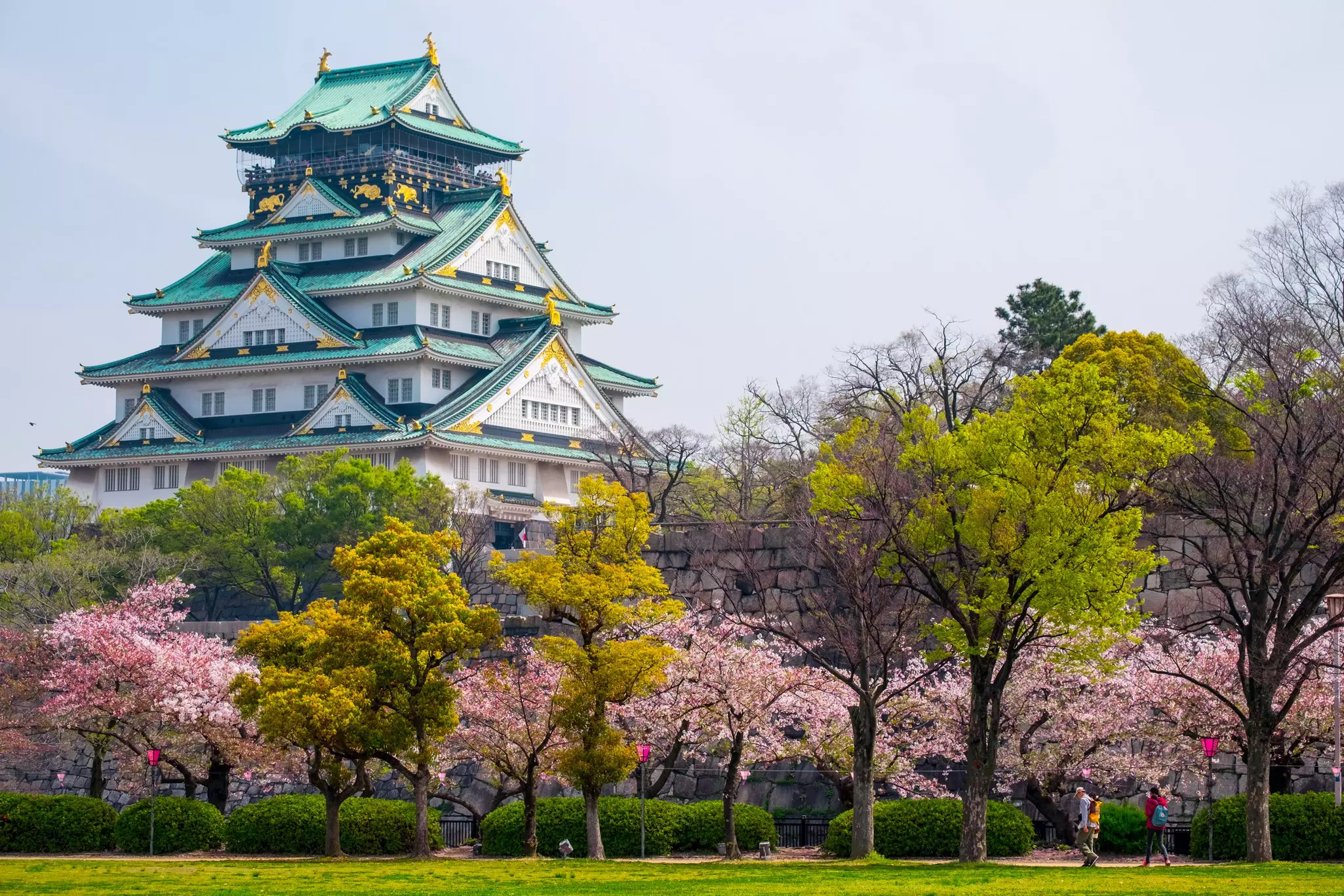
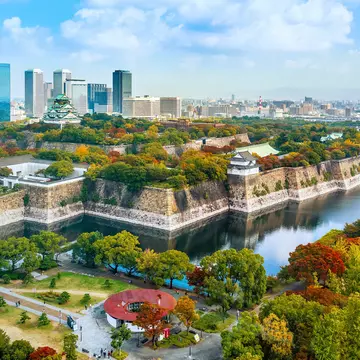
The magnificent Osaka-jō and Osaka Castle Park are absolute must-sees. The park boasts 13 important cultural properties and 3000 cherry blossom trees, beautifully illuminated at night in spring and fall.
Go to the castle's observation deck for views of the whole cityscape, along with an up-close look at the castle’s golden fish-shaped ornaments. Try on a samurai helmet, and don't miss a visit to the newly opened Toyotomi Stone Wall Museum, where you can descend underground and see unearthed stone walls that date back to 1583.
Planning tip: Get e-tickets before your visit and skip the line at the entrance. On busy days, the waiting time may exceed half an hour.

Dōtombori is the canalside heart of Osaka, equivalent to the Shibuya Crossing in Tokyo. At busy Ebisu-bashi, you’ll see people taking photos in front of the famous Glico running man neon sign. You can enjoy the vibrant atmosphere from the sky and the river, too. Ebisu Tower Ferris Wheel is located atop the discount shop Don Quijote, and the Tombori River Cruise sails under nine bridges in 20 minutes, departing on the hour and half hour from 11am to 9pm.
Planning tip: After dark is the best time to visit the colorfully lit district of Dōtombori. Try fruit candy skewers at Strawberry Mania and Kudamono Kodawariya, and local izakaya (Japanese pub-eateries) such as Kaisen Monogatari and Makoya Namba.
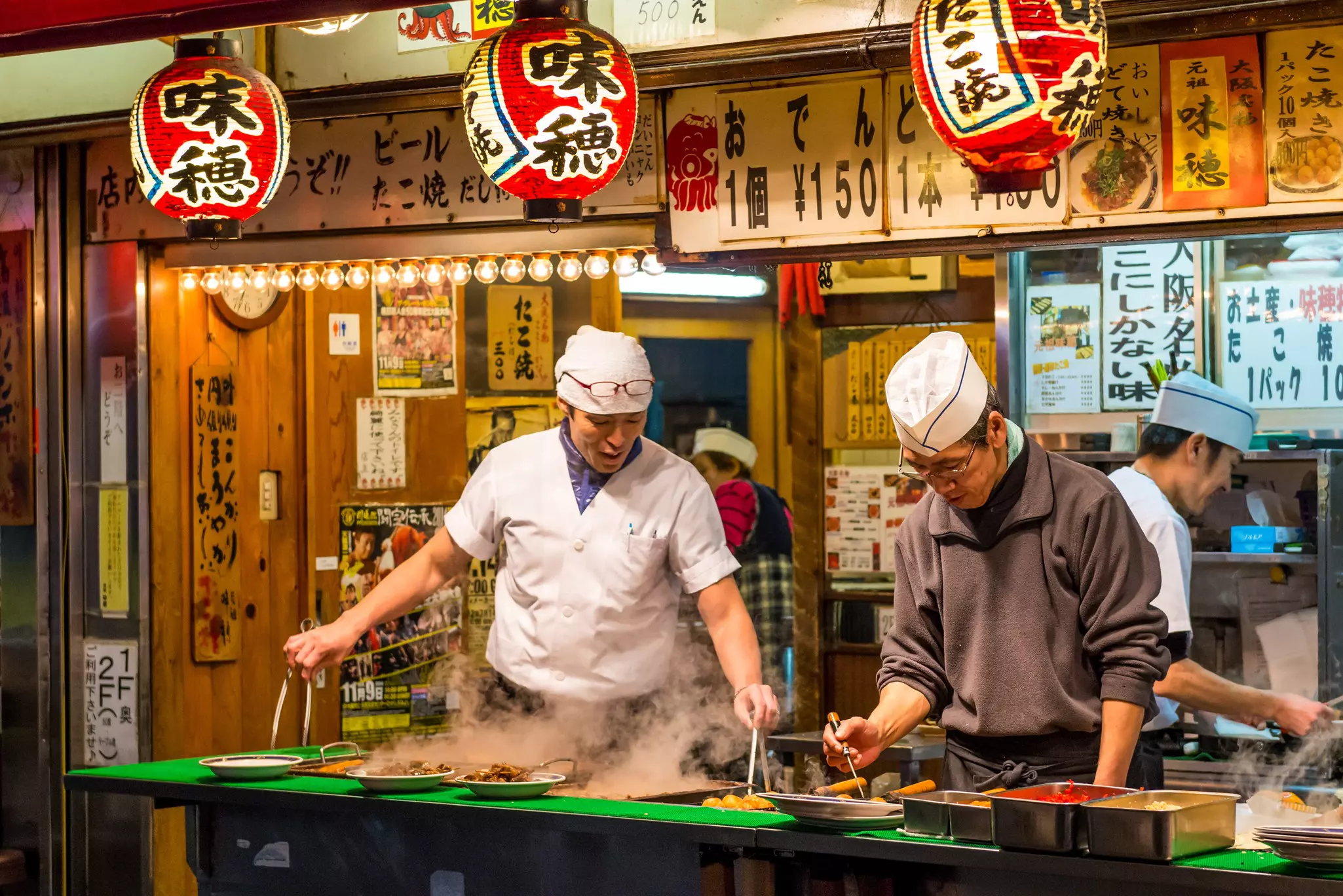
Every visitor should try Osaka’s famous batter-based bites: tako-yaki, fried balls with diced octopus, and okonomiyaki, Japanese-style savory pancakes typically made with shredded cabbage and pork or seafood.
Many tako-yaki shops have won the Michelin Bib Gourmand, but Aizuya was the first shop to serve tako-yaki in Japan. Both Aizuya and another Michelin winner, Wanaka, have numerous locations. For okonomiyaki, chains like Chibo and Fugetsu are safe bets.
Local tip: Most okonomiyaki restaurants offer other local staples like grilled yaki-soba noodles and stewed beef tendon. Also, if you find Hyōgo-style tako-yaki called Akashi-yaki, don’t miss the umami-rich, broth-dipped octopus rolls.
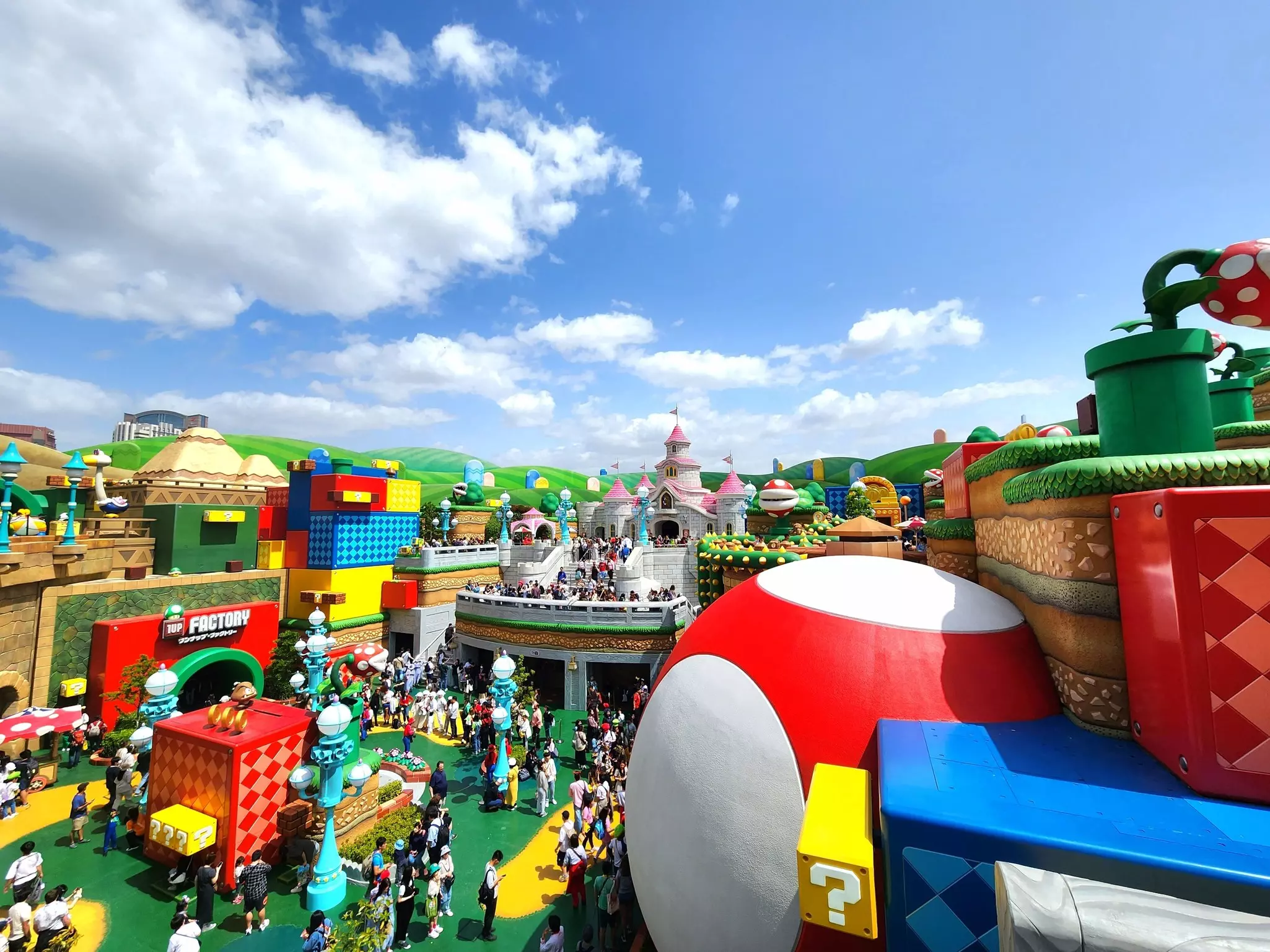
You don't need to be traveling with kids to enjoy Universal Studios Japan, where visitors have the chance to knock out all the mushrooms on Mario Kart. With the long-awaited Donkey Kong Country area finally open in Super Nintendo World, the latest hit is a thrilling ride through Mine Cart Madness. When you need a more sedate pace and perhaps a dose of cuteness, meet and greet Hello Kitty at Hello Kitty’s Photo Shop.
Planning tip: To enter the Super Nintendo World area, you need either a timed-entry ticket or a standby entry ticket. To avoid this, book the Universal Express Pass, which guarantees entrance to both Super Nintendo World and the Wizarding World of Harry Potter.
Visit historic Sumiyoshi Taisha, where you can make a wish, check your luck with omikuji (paper fortunes), and purchase protective talismans. This is the head shrine of over 2300 Shintō Sumiyoshi sect shrines across Japan.
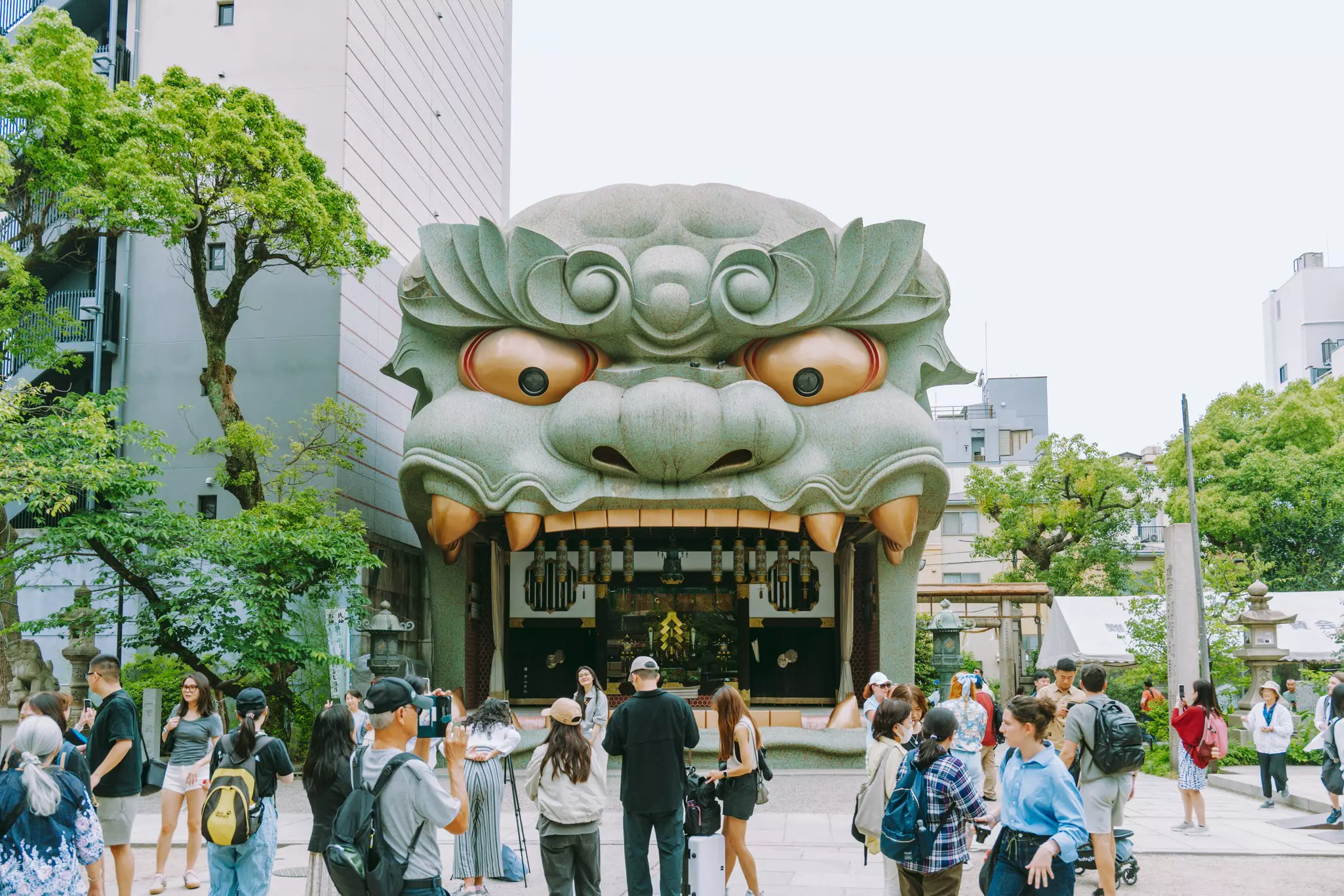
Another popular spot, Namba Yasaka Shrine, is famous for the eye-catching, gigantic lion head-shaped stage. The lion is believed to chase away evil spirits, and its big, open mouth attracts good luck and victory.
Detour: It’s only a 7-minute walk from Namba Yasaka Shrine to 551 Horai’s flagship store, Osaka’s most popular steamed pork bun shop. The location also has a restaurant floor, so try a bun fresh out of the steamer.
Abeno Harukas, western Japan’s highest landmark, holds many attractions such as the Abeno Harukas Art Museum and Kintetsu department store, but the highlight is the observation deck on the 58th to 60th floors. For those who want to truly test their head for heights, go out to the edge of the skyscraper with Edge the Harukas, open from March to June.
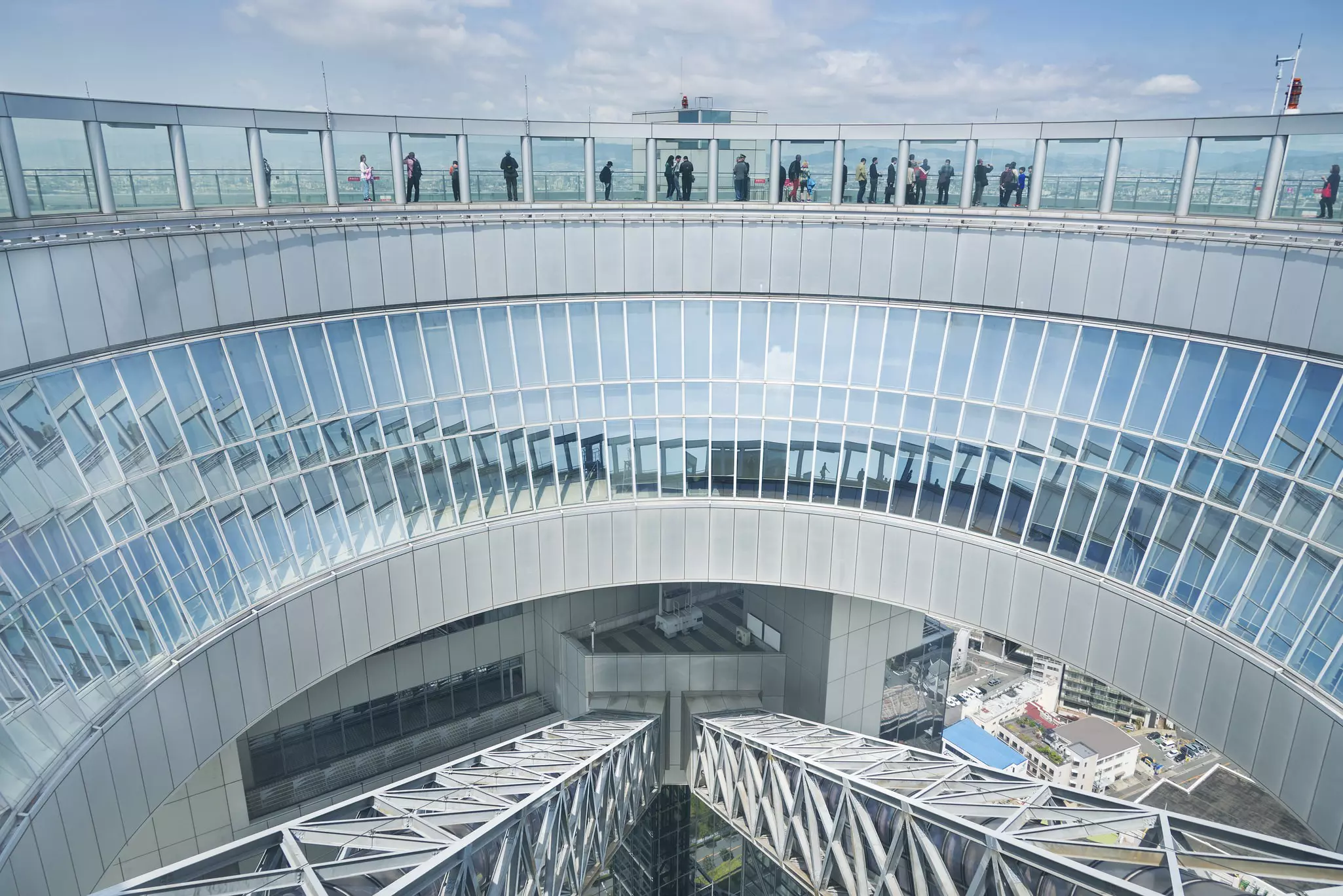
Another popular observatory is Umeda Sky Building’s doughnut-shaped open-air lookouts on the 39th and 40th floors. Though not as tall as Abeno Harukas, the unique architecture that holds the two buildings together with an aerial garden observatory is worth a look; its glass-walled escalators are not for the faint-hearted.
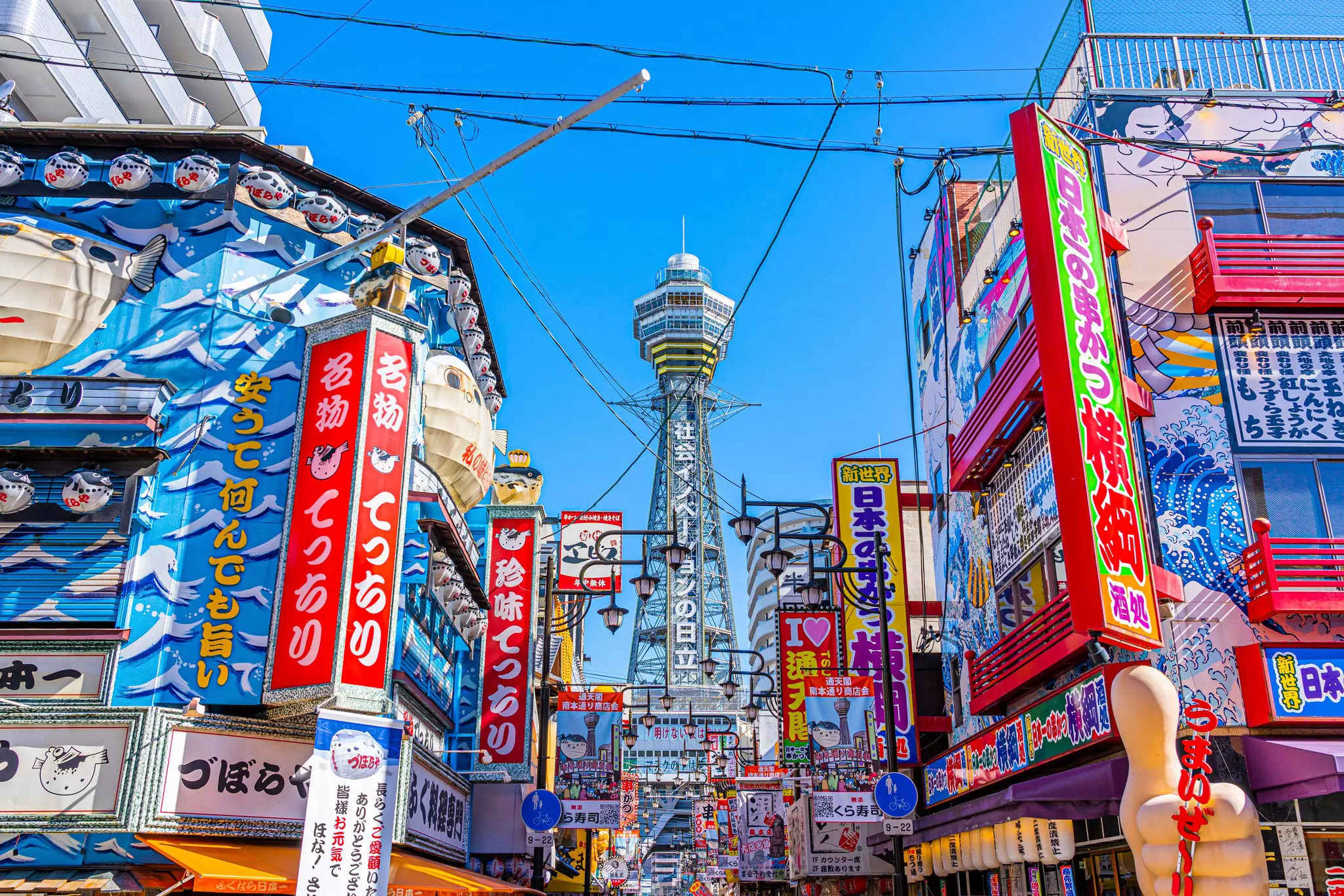
The Eiffel Tower-inspired Tsūten-kaku building holds a special place in locals’ hearts, particularly for the modern-art-esque golden goblin-like statue called Billiken inside the tower – Osakans rub its feet for good luck. At the foot of the tower, traditional diners, such as Kushikatsu Daruma, serve quintessential deep-fried skewers called kushikatsu, ranging from the staple beef to the local favorite, red pickled ginger.
Detour: Just a 6-minute walk from Tsūten-kaku Tower is an old-fashioned street called Janjan-Yokocho, also known as Nanyo-dōri Shopping Street. The narrow alleyway is packed with bars, sushi and udon noodle shops, perfect for further snacking.
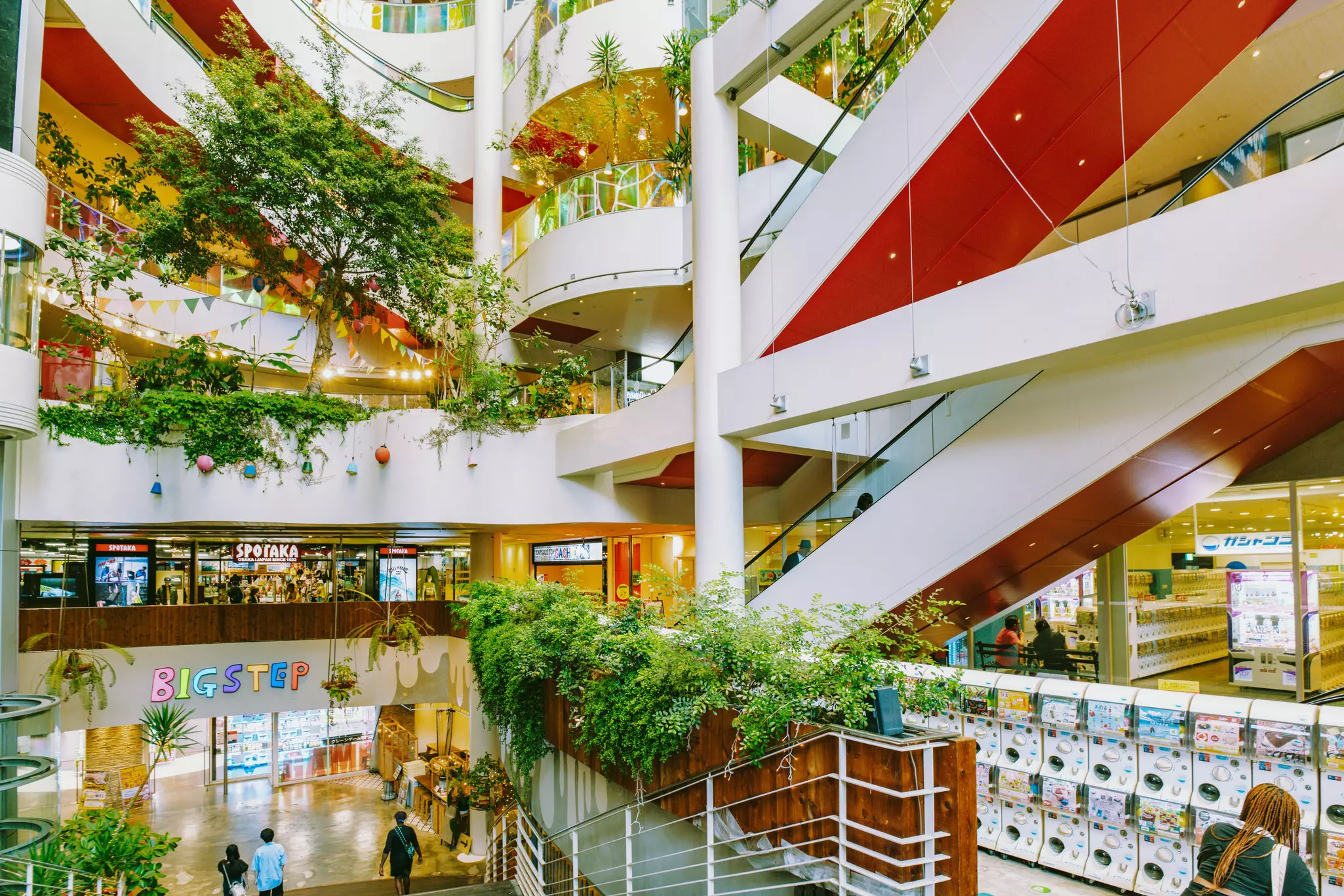
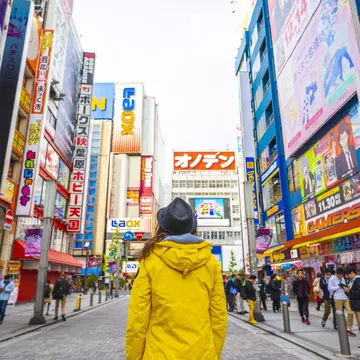
In Osaka, while Hello Kitty-filled Sanrio shops dot the city, Nipponbashi Otaku Road welcomes anime (Japanese animation) fans seeking figures and small collectibles. Fashion lovers typically head to Amerika-mura, where vintage clothes shops, like Kindal and Pigsty, curate imported fashion and influence street culture.
If you want something more practical, head to the kitchenware paradise Sennichimae Doguyasuji Shopping Street. You can even make a sushi keychain or tako-yaki magnet at shops like Design Pocket Osaka.
Detour: Explore the longest shopping street in Japan: Tenjinbashi-suji Shopping Street runs for 2.6km with circa 600 shops that sell everything from clothes to specialist chefs' knives to souvenirs; Nakamuraya’s croquettes make the perfect snack when you need to refuel.
As the hub of Japan’s comedy scene, Namba Grand Kagetsu showcases the best comedians of all generations. The live, sitcom-style comedy is funny even if you don’t understand the language, but if you want to make sure you follow the punchlines, check out Yoshimoto’s English Comedy Night shows or English-language routines at Osaka Comedy Club.
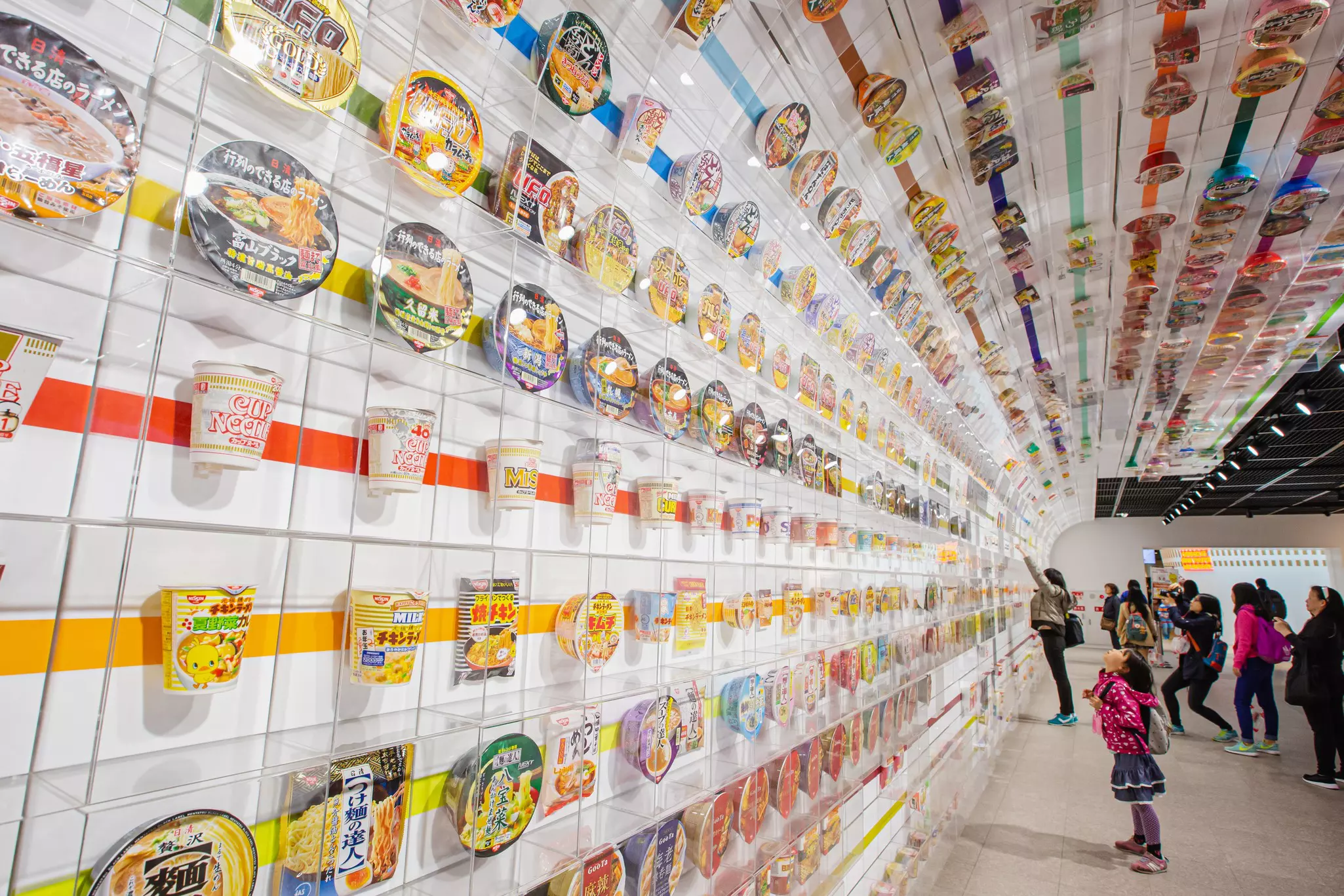
Momofuku Andō invented the world’s first instant noodles in Osaka back in 1958. At the Cup Noodles Museum in Ikeda City, trace the history of beloved Nissin brand noodles and Andō’s personal history. The original noodle-making workshop is popular, as is the souvenir shop where you can buy chick character Hiyoko-chan items and Nissin-themed stationery.
Planning tip: While the “My CUPNOODLES Factory” workshop is easy to book on the spot, the “Chicken Ramen Factory” is often fully booked a month before. Secure your spot as soon as your visit is scheduled.
Founded in 593, Shitennō-ji is one of the oldest temples in Japan. The grandiose view of the five-storied vermilion pagoda and the main building is breathtaking, and the temple holds events throughout the year, including two zazen (seated meditation emphasised in the Sōtō school of Zen Buddhism) sessions open to the public every month.
Planning tip: For a more in-depth zen meditation experience, stay at a shukubō-style (temple lodgings) inn like Waqoo Shitaderamachi, which offers zazen meditation and shakyo writing sessions regularly.
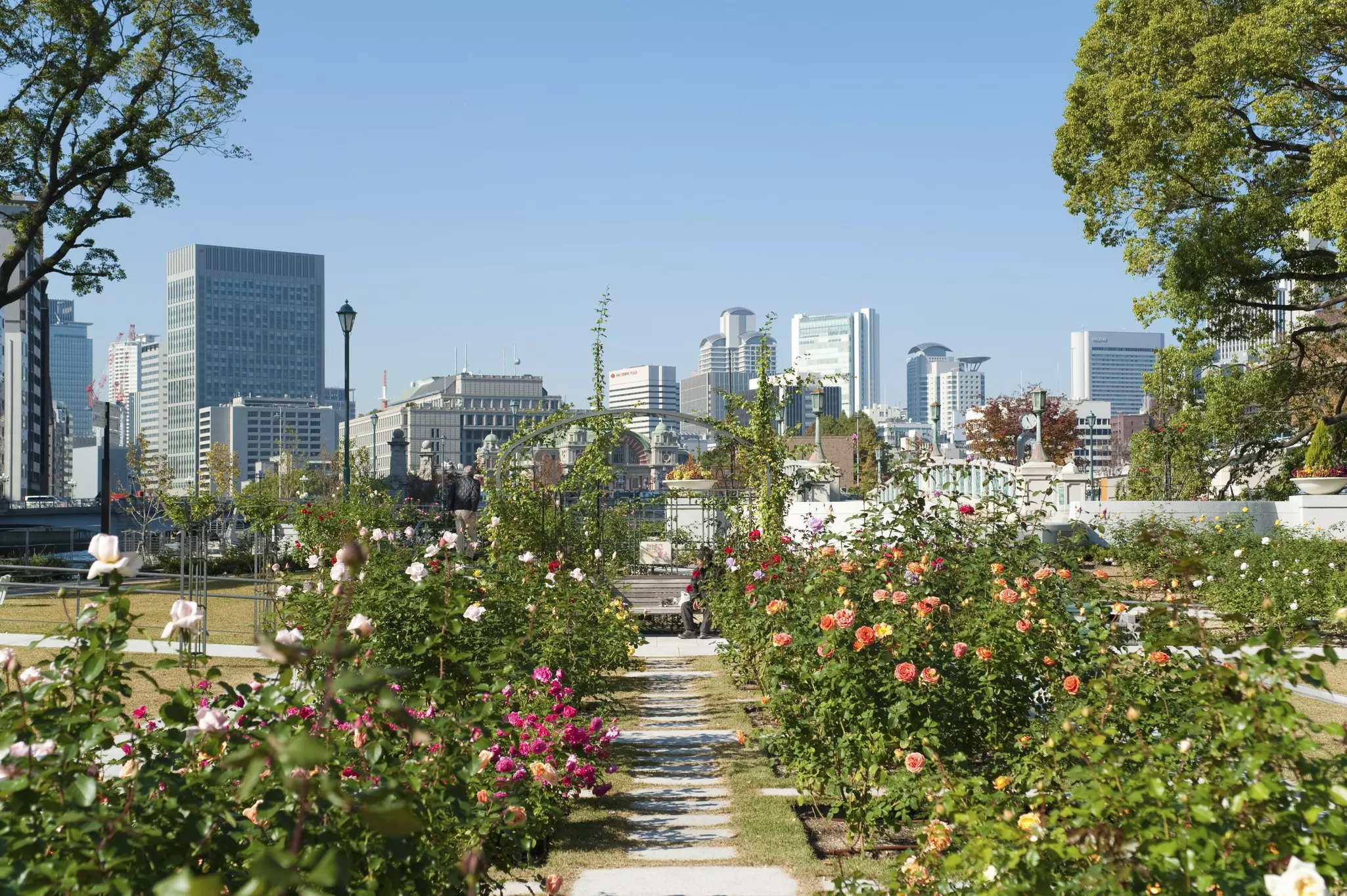
If you want a dose of art and culture, head to Nakanoshima, the island with the two most important museums in Osaka: the National Museum of Art and the Nakanoshima Museum of Art. Red-brick, neo-Renaissance-style Osaka City Central Public Hall has been a local icon since 1918, and neighboring Naka-no-shima-kōen has 3700 rose bushes. The area is also known for hip riverside cafes. Go to popular places like Kitahama Retro for fruit-laden cakes and smoked salmon sandwiches, and &Island for roast beef rice bowls and tropical fruit parfaits.
Detour: The master of tea, Sen no Rikyū, was born in Osaka. To experience an authentic tea ceremony, head to Sakai Plaza of Rikyu and Akiko, and Tea House Shin-an.
A 30-minute train ride from Osaka Station, followed by a 45-minute hike (or a 20-minute taxi ride), takes you to a 33m-high Minoo Falls, a year-round tourist’s favorite for its ever-changing mountain scenery.
Detour: Known for the display of countless red daruma dolls, Katsuoji Temple is particularly photogenic in the fall. Take a bus or a taxi from Minō Falls unless you’re up for a 3-hour hike.
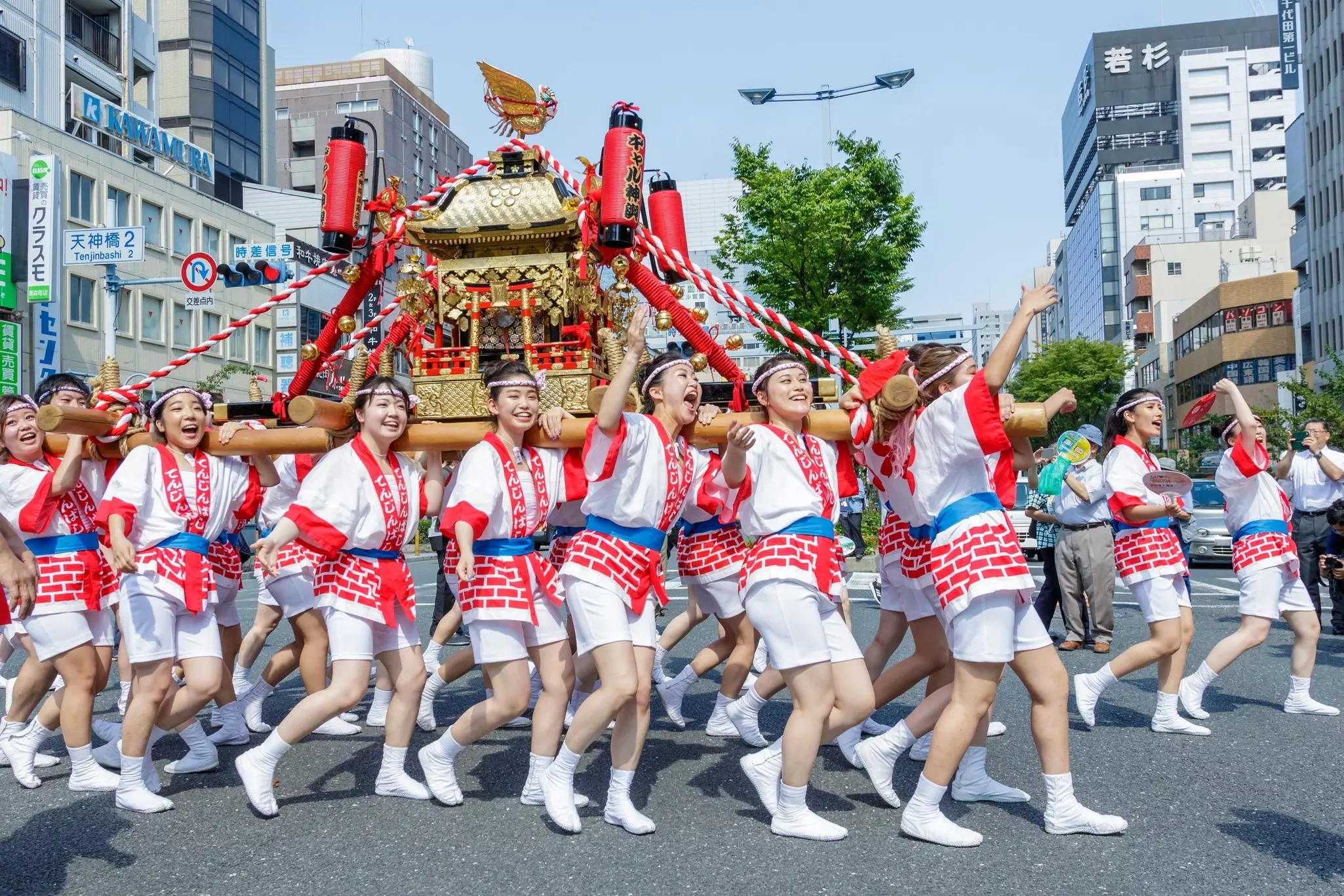
A summer visit to Osaka wouldn’t be complete without festivals and fireworks. Aizen Festival kicks off summer from June 30 to July 2 every year, featuring summer kimono-dressed women on palanquins.
The festive season continues with the Tenjin Festival, which is held from the end of June to July 25, with a fireworks display on the last day. On July 25, 100 decorated boats sail down the Okawa River, and 5000 fireworks light up the sky. Sumiyoshi Festival comes at the end of July with a golden float carried over the Yamato River.
Local tip: Though pickpocketing isn’t common, make sure to keep your belongings safe in large crowds. Also, keep cash handy as food stalls often accept only cash or specific payment apps like PayPay.
Explore related stories