May 19, 202610 min read
A Guide to the Yaeyama Islands, JapanMay 19, 2026
10 MIN READ

Writer
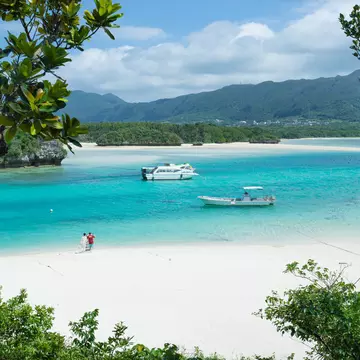
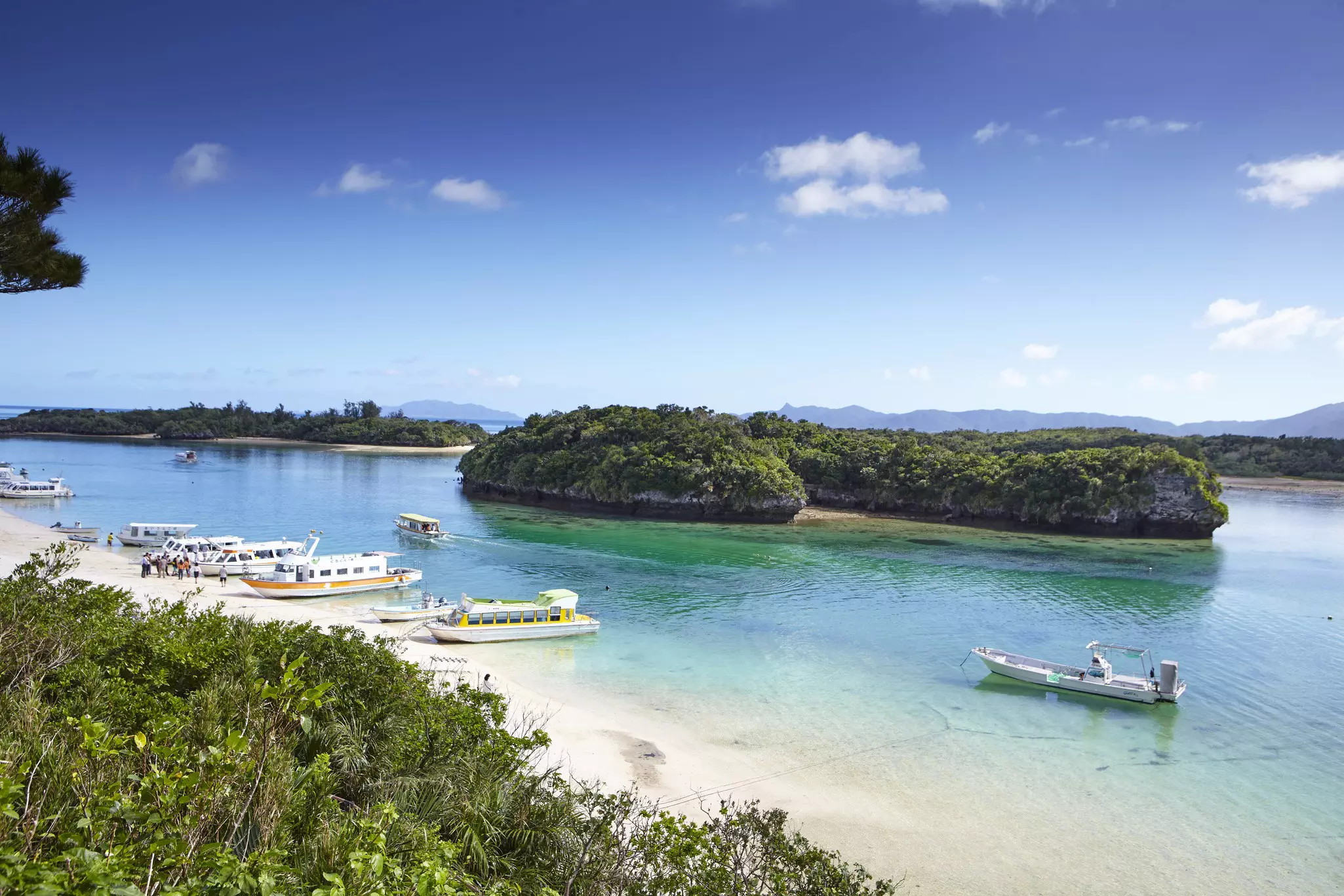
The lagoon of Ishigaki-jima, Japan Sam Spicer/Shutterstock

Writer
Lonely Planet may earn a commission from affiliate links on our site. All recommendations and reviews reflect our own independent opinions.
Welcome to the Yaeyama Islands, a fascinating group of 23 islands – 12 inhabited – at the southwestern end of the Ryūkyū (Okinawan) arc in Japan. They are closer to Taiwan than Okinawa’s main island, about 400km away, and around 1000km from Kyūshū's main island. Part of the group, Yonaguni-jima, Japan’s westernmost inhabited island, sits only 110km east of Taiwan.
The Yaeyama group, mostly scattered around the Sekisei Lagoon – one of the largest coral reefs in Asia – is a popular destination for Japanese vacationers for its tropical islands with sandy beaches, mangroves and lush rainforest. The region is not often visited by overseas tourists, but with international flights coming in from Hong Kong, Taiwan and Korea to Painushima International Airport on Ishigaki-jima, the main island, it makes an intriguing entry and/or exit point for visitors to Japan.
Here's what you need to know to plan your visit to Ishigaki-jima and the rest of the Yaeyama Islands.
At around 24°N in latitude, the islands are just north of the Tropic of Cancer, giving them a tropical climate. They are warm and humid year-round, with January (winter) average daily highs of 21°C (70°F), overnight lows of 17°C (63°F) and water temperatures of 22°C (72°F). Things heat up in summer, with July having average highs of 32°C (90°F), lows of 28°C (82°F) and water temperatures of 29°C (84°F).
Any time is a good time to go to the Yaeyamas, but the islands can be crowded with Japanese visitors in Golden Week (late April and early May) and in the school summer vacation period (July and August). It's worth noting that typhoon season, as with the rest of Japan, runs from June to October. It’s the luck of the draw, but if a typhoon hits or passes close to the islands, flights and ferries can be canceled.
For those after a break and some fun in the sun at a beach resort, allow a stay of 3 or 4 days. Places such as Fusaki Beach Resort Hotel & Villas on Ishigaki-jima offer top rooms, restaurants and pools, along with plenty of activities to keep guests busy. It’s possible to stay at a resort on Ishigaki-jima and visit outer islands on day trips.
Adventurers could easily spend a couple of weeks in the Yaeyamas, taking ferries to and staying on various islands around the Sekisei Lagoon, or heading further afield such as to Hateruma-jima or west to Yonaguni-jima.
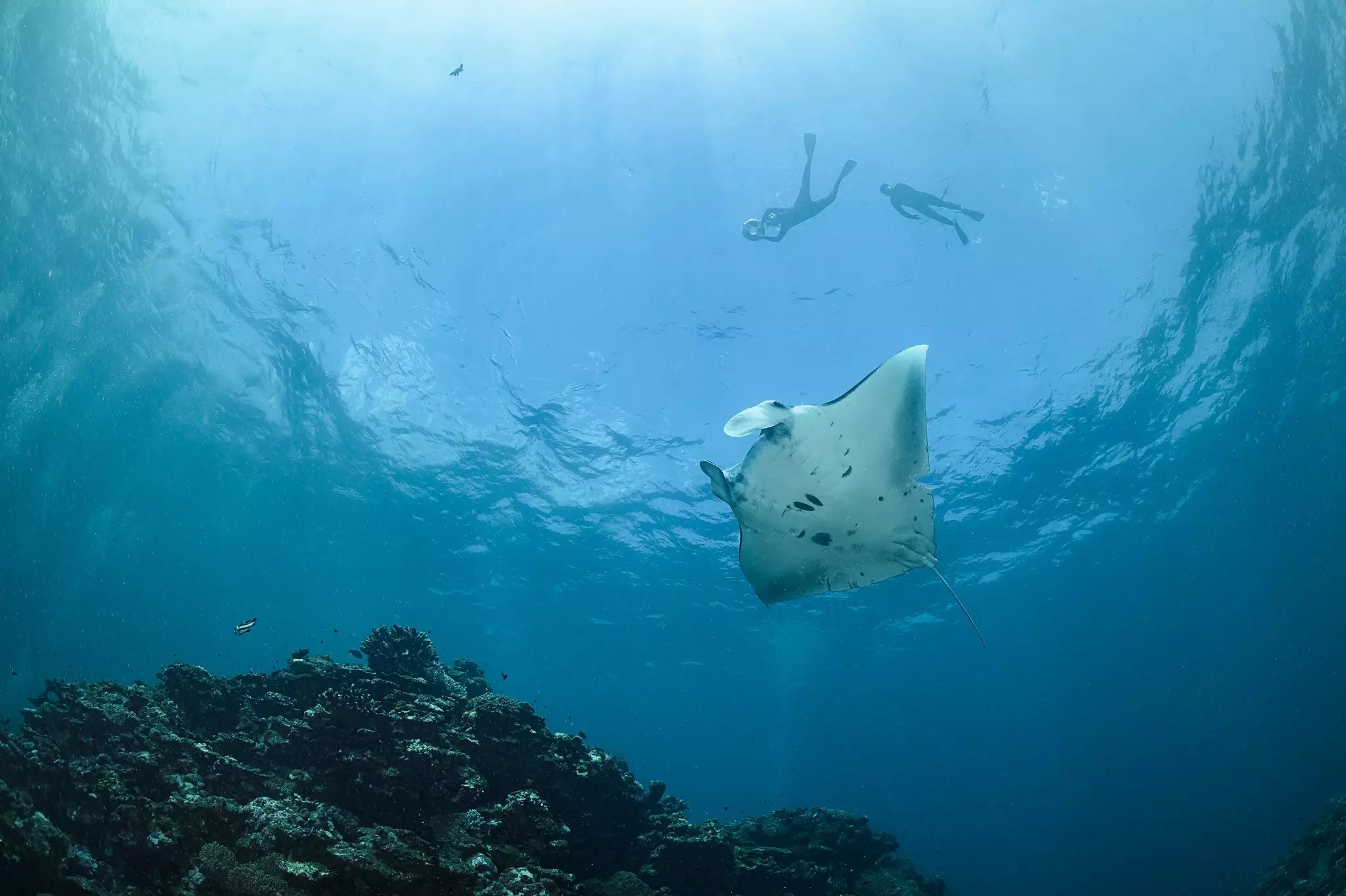
Some visitors turn up with specific activities in mind, planning the length of their stay accordingly. Divers are drawn to the manta rays and sea turtles. In particular, the channel between Iriomote and Kohama islands, known as Manta Way, is renowned for sightings, especially between April and June.
Unless arriving by cruise ship, most visitors to the Yaeyama Islands come by plane. There is one ferry connection between Taiwan and Ishigaki, launched in May 2026.
Painushima International Airport opened in 2013 and is a modern, efficient airport 12km to the northeast of the ferry port in Ishigaki City. It has direct flights to Japan’s main cities, other Okinawan destinations and direct international flights (some seasonal) with Hong Kong, Taiwan and Korea. Buses and taxis run from the airport into the city.
Two companies, Yaeyama Kankō Ferry and Anei Kankō operate ferries from Ishigaki Port Ferry Terminal in Ishigaki City. Both companies run out to islands around the Sekisei Lagoon such as Taketomi-jima, Iriomote-jima (two ports), Kohama-jima, Kuroshima and further afield to Hateruma-jima (which involves passage over open water; think bigger waves!). Schedules and prices are similar, with regular departures to popular destinations such as Taketomi-jima and Iriomote-jima, fewer to the less-visited islands.
Yonaguni-jima is much further west, with ferry links twice per week (4 hours) and daily flights from Ishigaki-jima.
Rental cars abound on the bigger islands such Ishigaki, Iriomote and Yonaguni, while renting a bicycle (including e-bikes) is the way to go on Taketomi-jima, Kohama-jima, Kuroshima and Hateruma-jima. Public buses operate on Ishigaki, Iriomote and Yonaguni islands, but with limited departures.
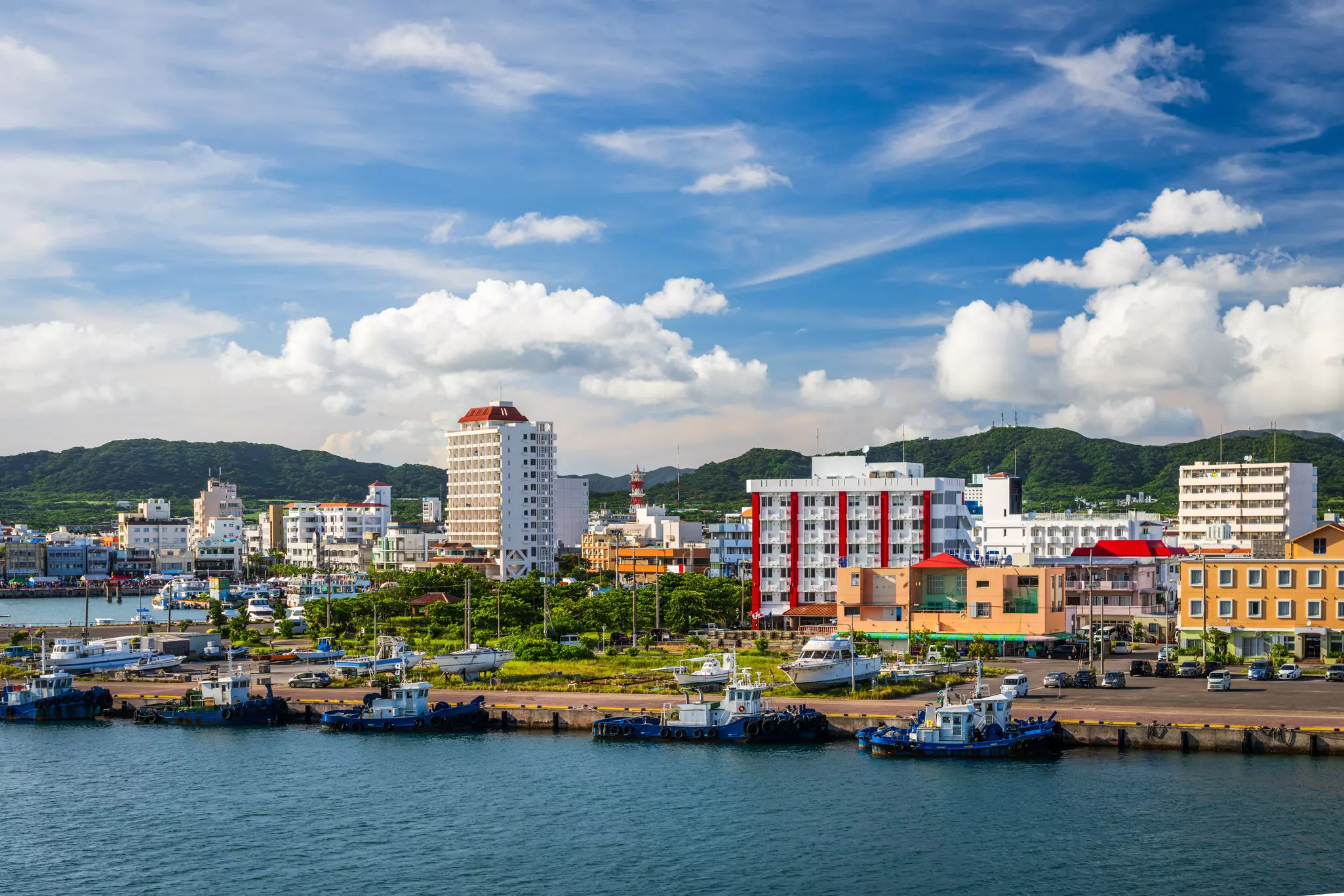
With a population of around 50,000, most of whom live in the city, Ishigaki-jima is the hub of the islands. While public buses head out and around the island, departures are few and far between, other than to the airport. A rental car is a great option here.
Taking a clockwise trip around the island, there are a number of excellent places to stop. Kabira-wan is famous for its white beach, turquoise waters, lush islands and glass-bottomed boat tours (¥1700 per person; 30 minutes). You might see sea turtles and a kaleidoscope of colorful fish, but be aware, Kabira-wan is popular with tour groups and if a cruise ship is in Ishigaki port, boat trips may be booked out in advance. Divers also head to Kabira-wan to see manta rays.
Further up the coast, Yonehara Beach is a hot spot for beach goers, while near the neck of the island, Kitchen Ibaruma is a great place for lunch. Don’t miss the views from Ishigaki’s northern tip, Hirakubozaki, or similarly impressive vistas on the way back down the eastern coast at Tamatorizaki Observation Platform.
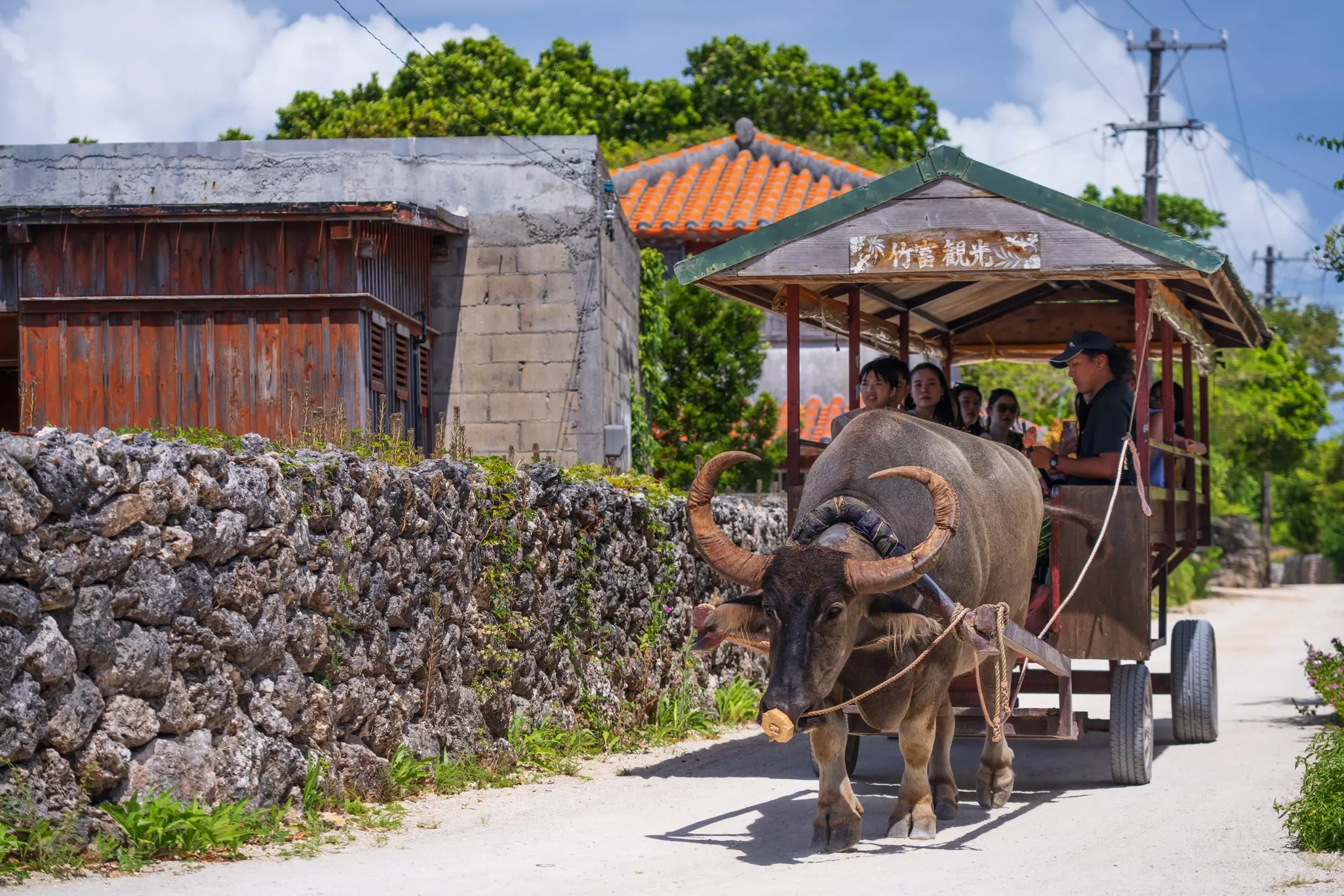
Only 15 minutes by ferry from Ishigaki port, Taketomi-jima is a bit like a living Yaeyama cultural museum, with a village of red-roofed houses, stacked limestone walls along the streets and splashes of color in the form of bright bougainvillea, hibiscus and fuchsia. Roofs are topped with a pair of shiisā (lion-dog statues) for protection. The best way to view the village and the small island’s few attractive beaches is by bike; both regular and e-bikes are available from the operators who meet each ferry, or by walking a few hundred meters up to Minemoto Rental Cycle, next to Taketomi Yugafu-kan, the island’s attractive visitor center. There are a number of small cafes and restaurants in the village.
Taketomi is a must-visit for Japanese tourists and the classic activity is to see the sights on a water buffalo-drawn cart. The trip is good fun, accompanied by live sanshin music (a three-stringed instrument considered the soul of Okinawan music), with the water buffalo sporting a flower behind one ear.
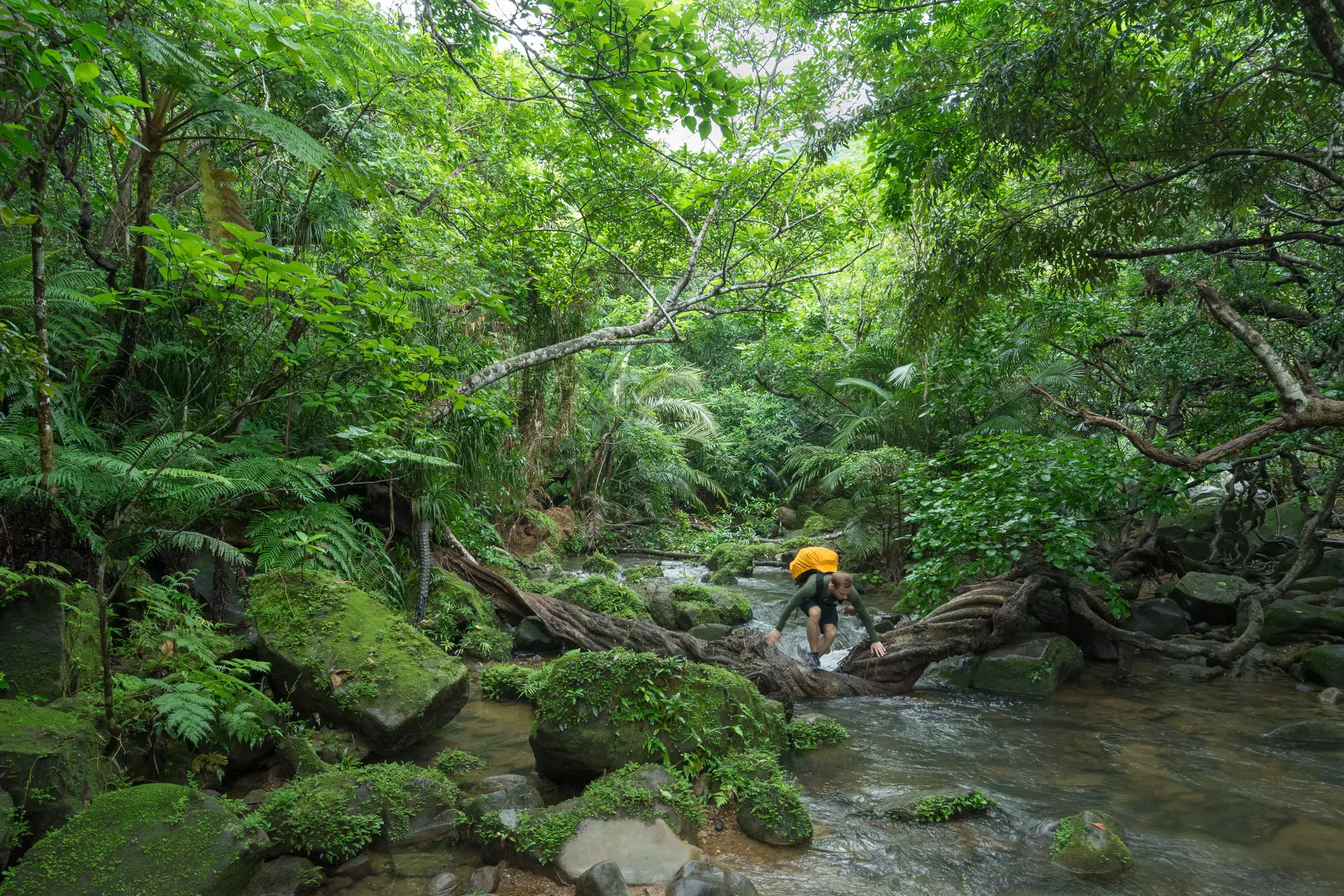
Iriomote-jima is thought of as the last frontier in Japan, with 90% of this large, mountainous island covered in jungle. Alluringly untamed, the island became part of a World Heritage-listed Natural Site in 2021 and is renowned for its Iriomote yamaneko, a small wildcat that was officially registered as a new species in 1967.
The island – a 45-minute ferry ride from Ishigaki-jima – has two ports serving its population of only 2400, Ōhara in the south and Uehara in the north. Hire a car from Yamaneko Rent a Car, which has outlets at both ports and includes fuel in the rates. The Iriomote Wildlife Conservation Centre is a must. Nearby, a water buffalo-drawn cart ride through shallow waters to Yubu-jima is popular with Japanese day trippers. An Urauchi River Jungle Cruise includes hiking options, while tours operate taking visitors kayaking, SUPing and to the top of Pinaisara Falls. If you enjoy outdoor adventures, allow a few days on this large island.
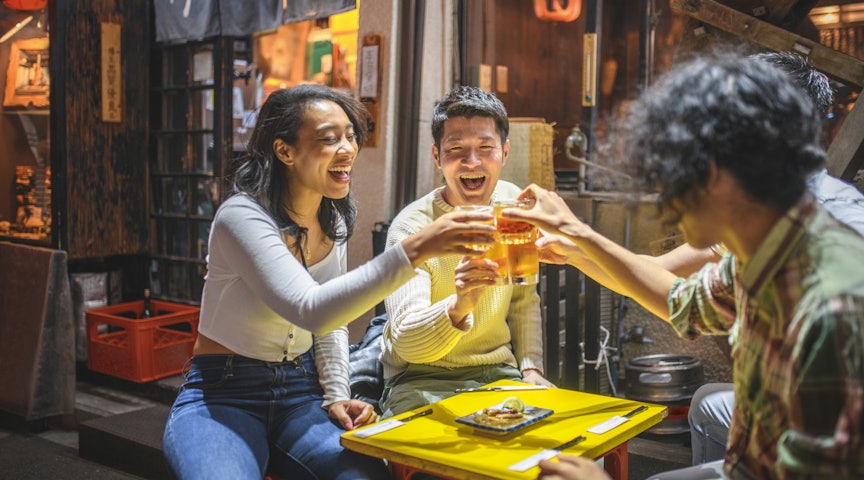
With a relatively small central city, Ishigaki is a lively place. There’s plenty going on within a few blocks of the ferry terminal, with lots of hotels, restaurants, bars and nightclubs. Locally owned Miyahira Hotel, opposite the ferry terminal, is a good place to be based for those planning island excursions. There are a couple of bustling covered arcades a few blocks inland, housing the city public market, eclectic galleries, stores and souvenir shops. San Drip Garage is a top spot to while away a few hours with great local food and cold beer. Colorful kariyushi, the Okinawan equivalent of aloha wear, is everywhere; pick up a kariyushi shirt or dress in town. Don’t expect to see any suits down here in the Yaeyamas; rubber shoes are the norm.
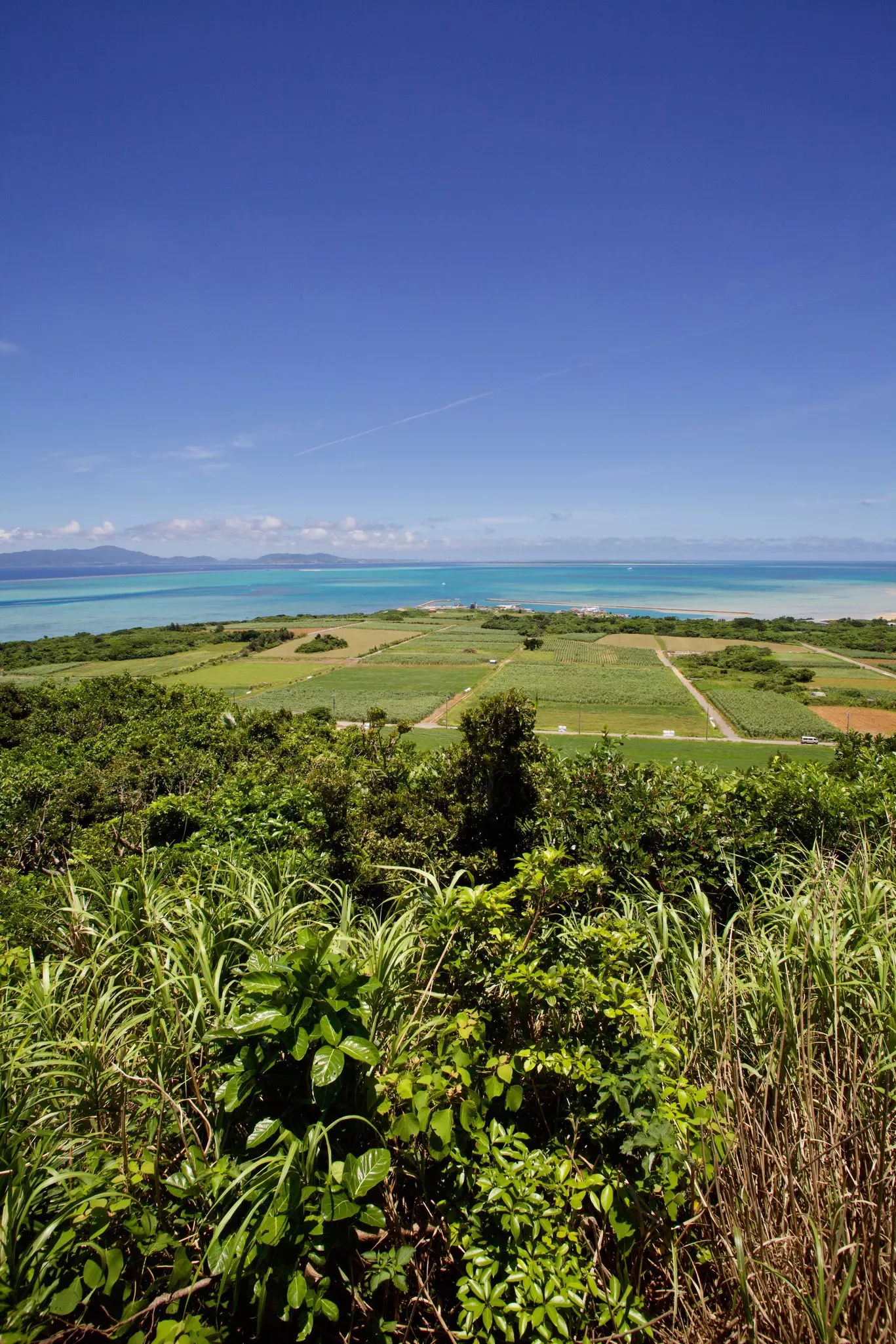
A 30-minute ferry ride from Ishigaki port, Kohama-jima is a hilly island, where those who hire an e-bike for ¥550 per hour from one of the rental outlets opposite the ferry terminal tend to congratulate themselves for making that decision. The island is known for its sugar cane and became famous throughout Japan in the early 2000s as a filming location for television drama series Churasan, which introduced small-island Okinawan culture to Japan.
Make sure to stop at Ufudaki Observation Deck, the island’s 100m high point, reached by climbing 290 steps from its bike park. There are spectacular 360-degree views of the Sekisei Lagoon and its islands. Manta Way, a passage of deep blue known for manta ray sightings, separates Iriomote-jima from Kohama’s western tip; divers head out from the small port here. Nearby, Sakurai Coffee & Island Coffee Roastery is a tiny cafe run by alternative lifestyler and coffee lover, Sakurai-san, originally from Tokyo – don’t miss it. Back at the main ferry port, enjoy a cold Orion beer and hamburger at Bob’s Café while waiting for the ferry.
This is one for roving explorers. On the western coast of Iriomote-jima, inaccessible by road, is Ida-no-hama, one of Japan’s most beautiful beaches, a stretch of pristine sand and exceptionally clear water. Few know of this private paradise and fewer get this far. From Shirahama Port, at the end of the road on the northern side of Iriomote island, Funauki Kaiun runs a small ferry five times a day in each direction (10 minutes) to the remote, tiny village of Funauki (population: 50). From there, it's a 10-minute walk across the peninsula to Ida-no-hama. Visitors can stay in Funauki in one of the small minshuku (guesthouses) or turn up on a day trip.
The Yaeyamas are not an expensive destination, unless staying in a resort or taking guided tours. The islands are a paradise for do-it-yourself independent travelers.
While hotels and larger stores, especially on Ishigaki-jima, will accept credit cards, smaller places, including restaurants and bars, will only accept cash. Don’t leave Ishigaki-jima for the outer islands unprepared without cash in your pocket.
A night at an Ishigaki City hotel: from ¥10,000
Bus ride from/to the airport: ¥550
Bowl of Yaeyama soba: from ¥800
Orion draft beer: from ¥600
Cheap rental car for a day: from ¥7000
Ferry (return) to Taketomi-jima: ¥1800
Soft-serve ice cream: ¥500
Coral bleaching in the Sekisei Lagoon is considered a major problem, blamed mainly on global warming causing high sea-surface temperatures. Visitors can do their part and are encouraged to use coral-friendly and reef-safe sunscreens.
On Iriomote-jima, speed limits may be slow – 30km/h (19mph) in village areas, 40km/h (25mph) on the open road – but they are designed to protect the Iriomote yamaneko (wildcat), which has speeding cars as its biggest adversary.
In keeping with the "become one with nature" attitude in the islands, the Yaeyamas are an International Dark Sky Park, renowned as a spectacular stargazing destination.
Book your Japan trip with Lonely Planet Journeys
See Japan how it's meant to be seen
Planned by local experts and tailored to you, Lonely Planet Journeys handles the logistics so you can just enjoy the trip. Tell us what you want and we'll build your Japan itinerary from scratch, or browse our bookable trips to get inspired.

Explore related stories