Jul 29, 202610 min read
How to Explore Japan on a Budget Mar 27, 2026
10 MIN READ

Writer
Highlights
Editors pick 11 May 2026 destinations from Caribbean surf to Botswana safari.
Head to Barbados for consistent surf and shoulder-season prices on its Atlantic coast.
Thessaloniki's rooftop bars open for May; Uzbekistan's Silk Road cities bloom in mild warmth.
Watch synchronous fireflies in the Great Smoky Mountains or see elephant herds at Botswana's Chobe.
A sailboat at sunset in Caye Caulker, Belize. ofri kiperman/Shutterstock

Writer
Highlights
Editors pick 11 May 2026 destinations from Caribbean surf to Botswana safari.
Head to Barbados for consistent surf and shoulder-season prices on its Atlantic coast.
Thessaloniki's rooftop bars open for May; Uzbekistan's Silk Road cities bloom in mild warmth.
Watch synchronous fireflies in the Great Smoky Mountains or see elephant herds at Botswana's Chobe.
Lonely Planet may earn a commission from affiliate links on our site. All recommendations and reviews reflect our own independent opinions.
A time of shoulder-season prices and decent weather in many parts of the world, May is a terrific month for travelers. So whether you’re seeking wildlife encounters, cultural happenings or a destination that won’t break the bank, there’ll be something in this month’s round-up sure to stir your wanderlust.
Here are the best places to go in May for travelers of all stripes.
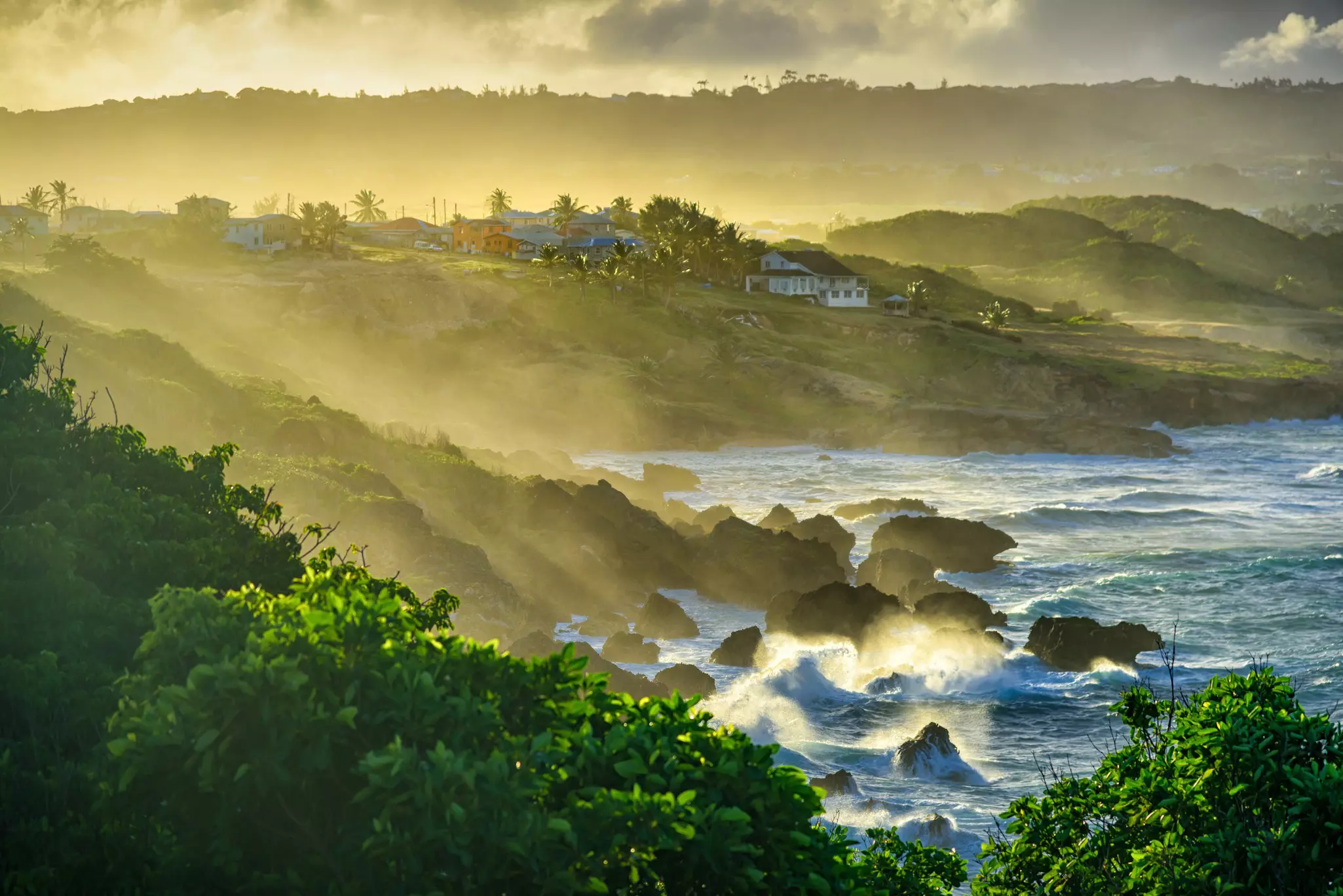
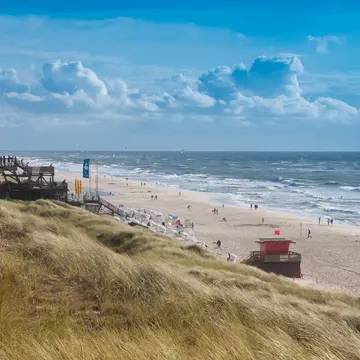
Best for surfing
Barbados is a grade-A tropical paradise, prime for lazing on beaches, soaking up sun and enjoying the sea breeze. But it’s also one of the best islands in the Caribbean for surfing, especially on its Atlantic-facing south and east coasts. Conditions are usually good and consistent from November through to June. The advantage of May is that, while there’s usually be a little more rain than in the preceding months, it’s still super sunny – with lower prices, too.
Top spots for catching waves include Freights Bay (good for beginners), South Point and Soup Bowl, a world-class wave near laid-back Bathsheba that has hosted international competitions. Brandons, a glorious beach near the capital Bridgetown, is also popular. If you need a break from the beach, you can check out the childhood home of Barbados-born superstar Rihanna, as well as other great places to visit.
Planning tip: To access multiple surf beaches, rent a car. The small east coast fishing community of Bathsheba is more rum bars and local guesthouses than glitzy resorts, and provides a relaxed base.
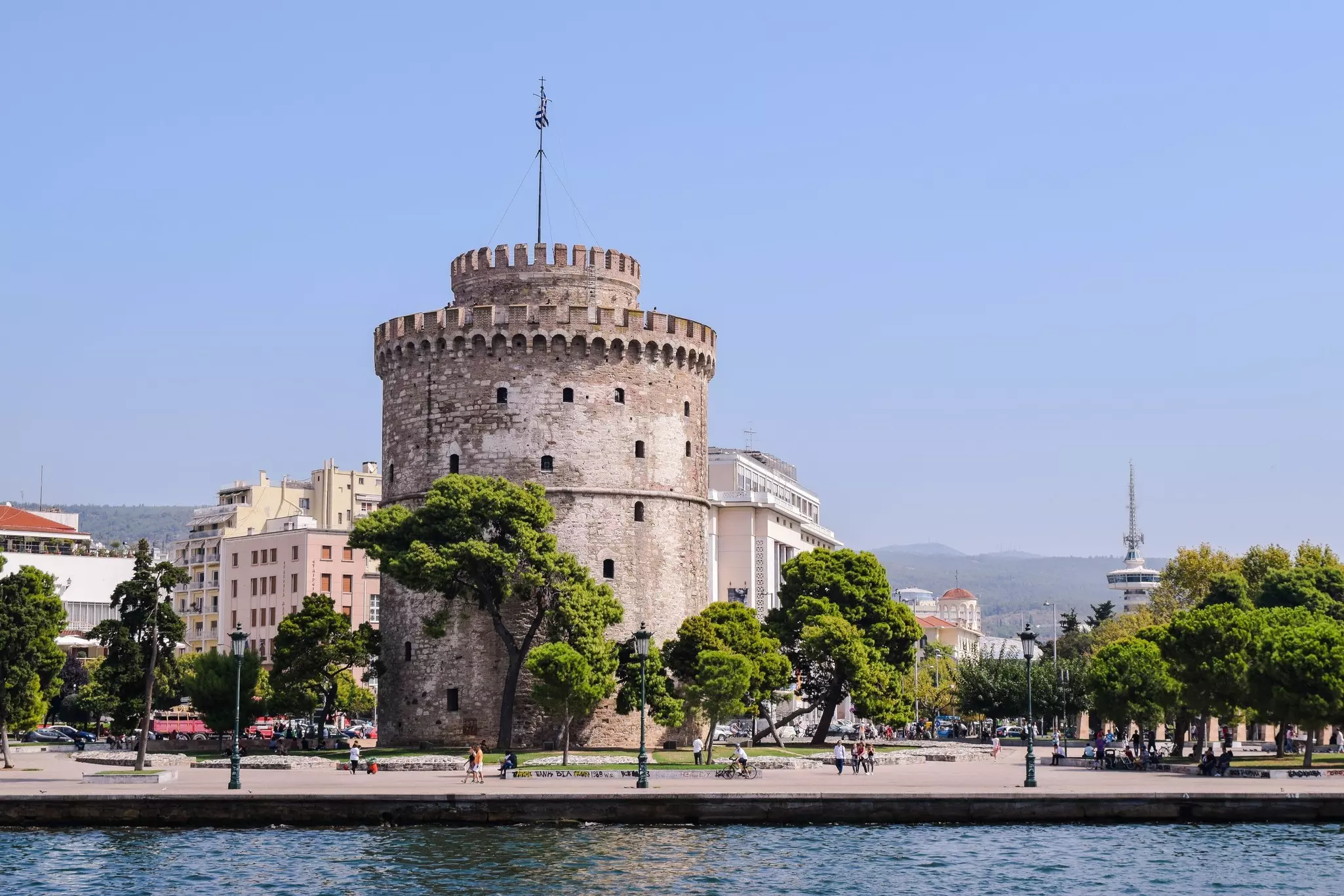
Best for a European city break
Founded in 315 BCE, Thessaloniki, Greece’s second city, nonetheless feels young at heart. In May, city life moves outside as locals – including a huge population of students – start hanging out in Navarinou Square, sipping strong coffee and tsipouro (grape brandy) at pavement cafes, and filling rooftop bars as they begin to open for the season. With average highs of 24°C (75°F), it’s even warm enough to pop over to the beach: Blue Flag Epanomi is only 25km south, and the famed turquoise waters of the Halkidiki Peninsula are a two- to three-hour bus journey away.
After the beach, take a dip into Thessaloniki’s neighborhoods. Egnatia, built on a Roman road, is the main thoroughfare; around it stand Roman monuzments (including the ruined palace and Arch of Galerius), interesting churches and stalls selling koulouri (pretzel-like sesame rings). The waterfront, home to the city’s iconic White Tower, is a wonderful place to stroll or cycle. It ends at the port (home to the Macedonian Museum of Contemporary Art) and Ladadika, the former bazaar district, now packed with restaurants and late-night action. Ano Poli is the Upper Town, a messy, atmospheric tumble of old Ottoman alleys.
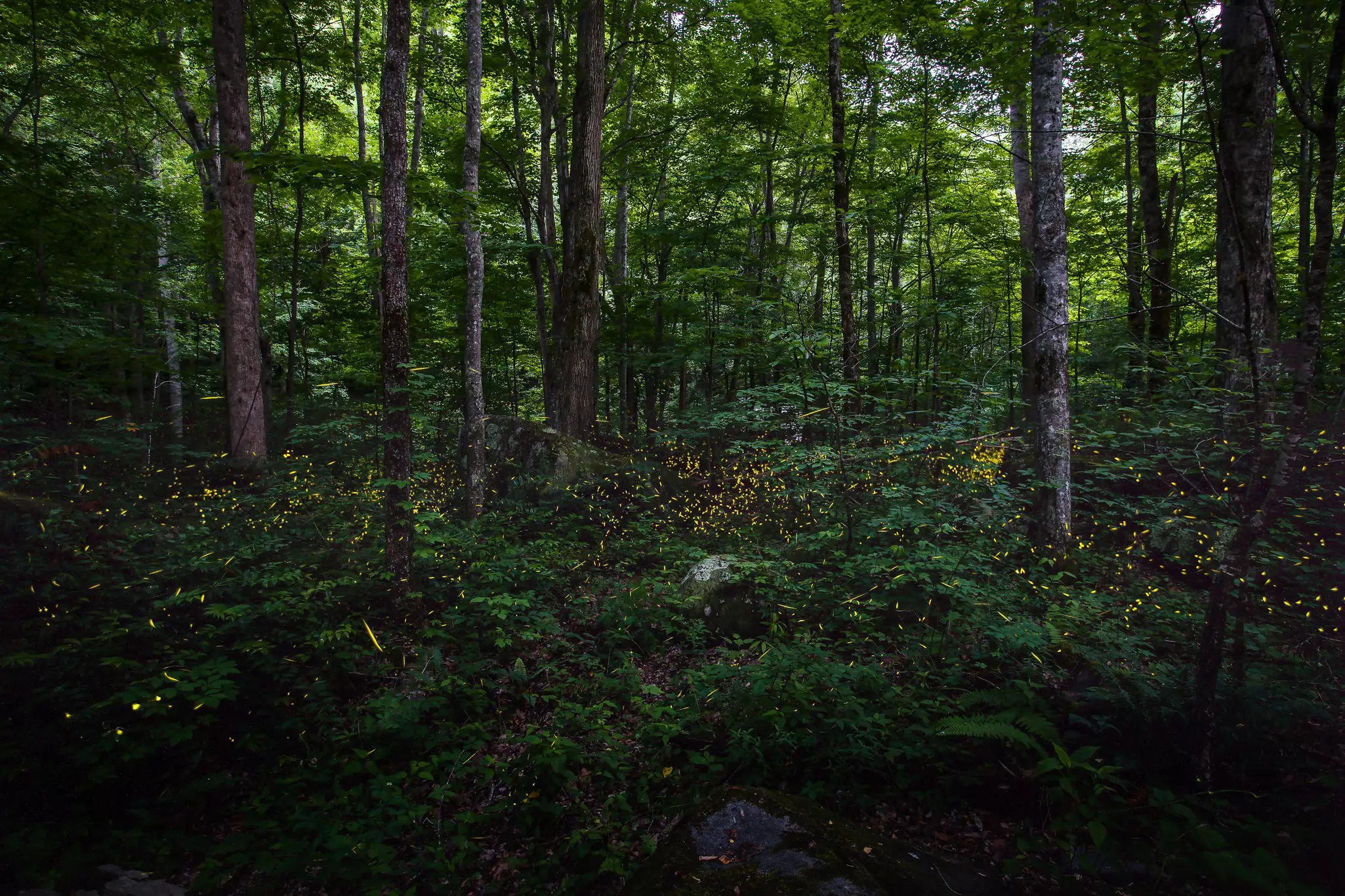
Best for fireflies
The Smokies are on fire this month. (Not literally, thank goodness.) This spectacular subrange of the Appalachian chain, on the border of North Carolina and Tennessee, is home to huge numbers of Photinus carolinus (synchronous fireflies) – and May to June is typically when they put on their magical en-masse mating display: a forest full of males flashing in unison.
This natural wonder is the icing on the cake of a springtime road trip through the mountains, as the USA’s most popular national park is mercifully quieter at this time of year. Take scenic drives via its misty ridges, hike wildflower-flush trails, look out for the diverse wildlife – from groundhogs and chipmunks to salamanders and black bears – and soak up the strong Southern Appalachian culture: log cabins, mills and churches built by early settlers have been preserved in and near the park.
Planning tip: Due to high demand, seeing the fireflies at the national park’s Elkmont viewing area is managed by a lottery process. The ballot usually opens in late April.
Best for iceberg-watching
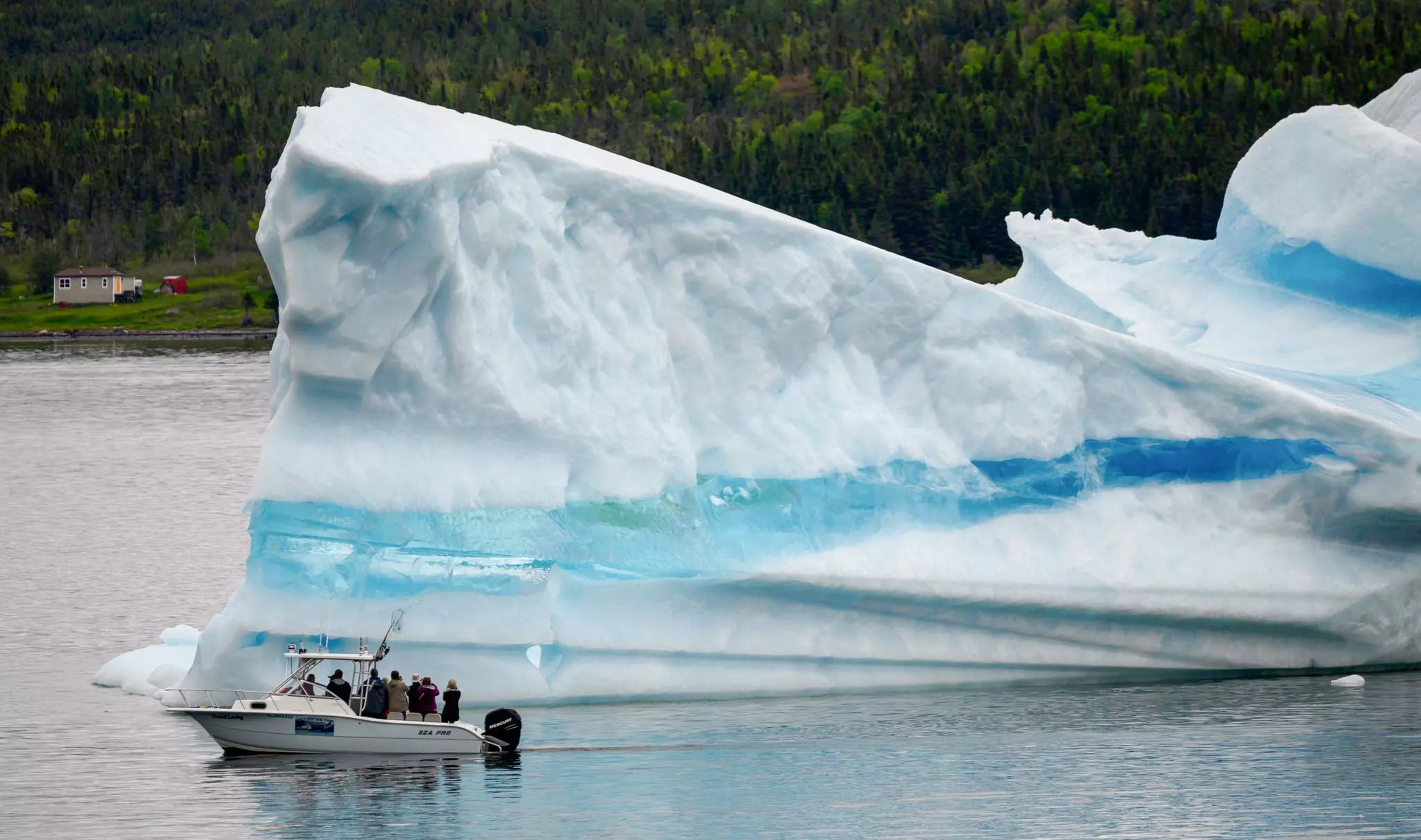
They call the waters off Newfoundland and Labrador “Iceberg Alley.” And in spring, the thoroughfare gets crowded indeed, as great hunks of Arctic ice – mostly cast-offs from the glaciers of western Greenland – float down the Atlantic coast past Canada’s easternmost province. They usually arrive in April and May, peaking from mid-May to June. You can stand onshore and watch these white titans drift by, or board a boat for a closer look; good spots include St Anthony, Twillingate, Bonavista and St John’s/Cape Spear. Seabirds also start to show up in May, while by the end of the month, the first whales appear.
Best for a train journey
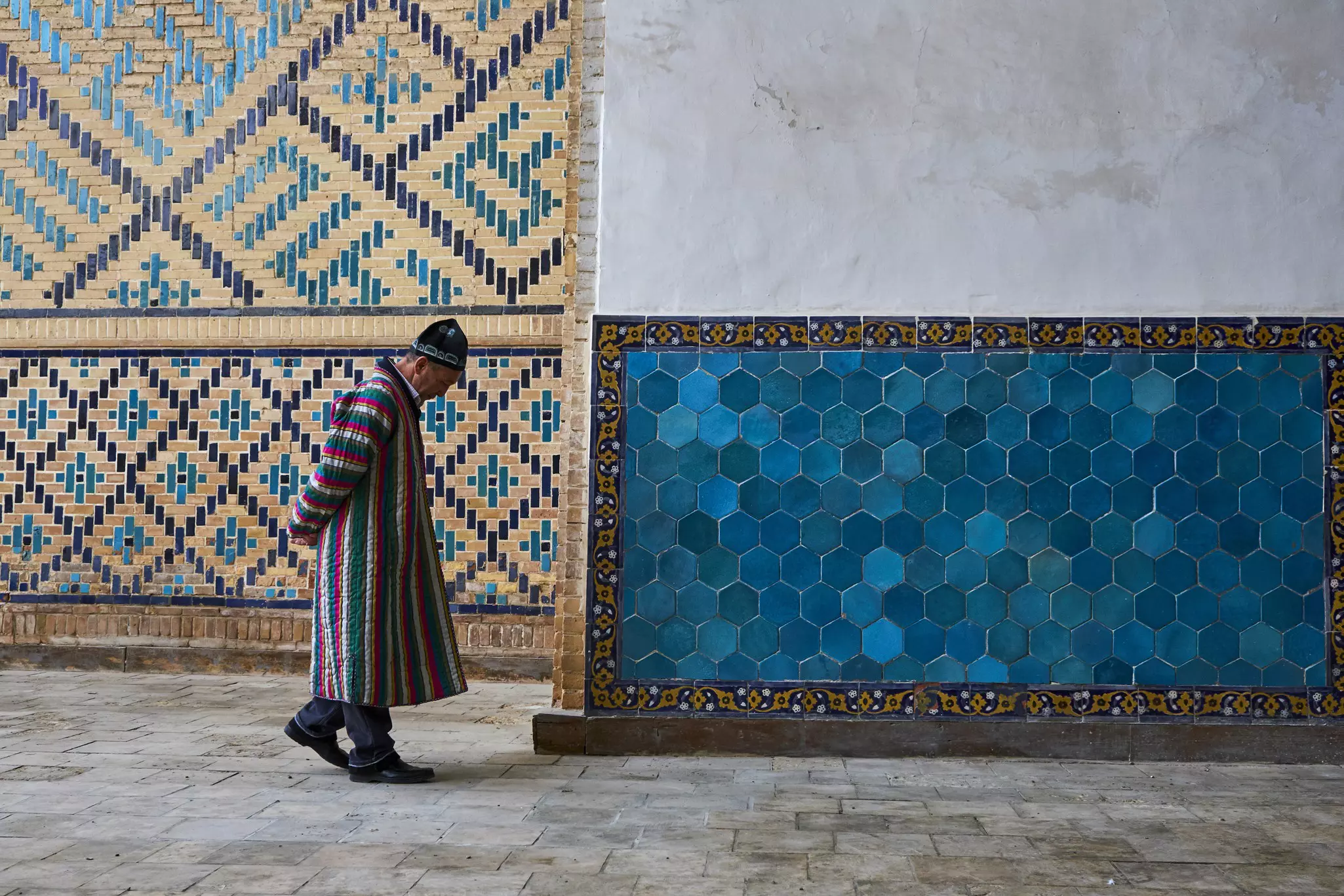
Caravansaries. The Silk Road. Spices. There’s something undeniably romantic about travel in Uzbekistan, which has been the cultural heart of Central Asia for millennia. This is especially true of a trio of historic cities, Samarkand, Bukhara and Khiva, which glitter with mosaic-tiled mausoleums, mosques and medressas (religious schools) that seem to have changed little over the centuries. It’s easier than ever to travel between cities in Uzbekistan, with high-speed trains that make getting around a breeze. May is the perfect month to visit: temperatures in the mid-20s°C (mid-70s°F) make for comfortable sightseeing, while tulips and apricot blossoms enliven the landscapes.
Best for exploring on the water
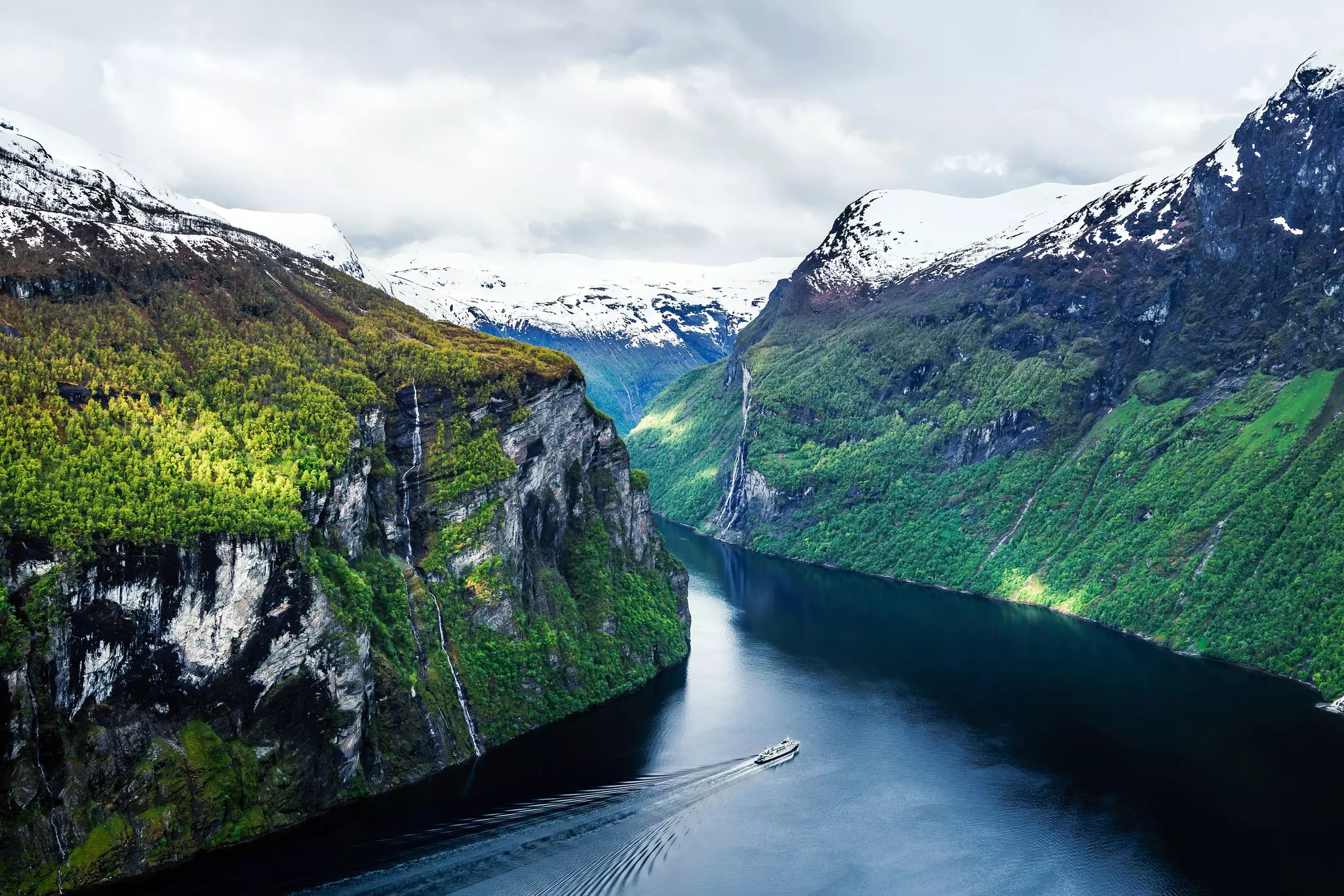
Hurtigruten ferries ply Norway’s 2400km west coast year-round, from southerly Bergen to Arctic Kirkenes. They are a lifeline for people living along this wild, fjord-serrated seaboard – so they always depart, no matter the weather. That said, May to June is a good time to visit this ruggedly beautiful region, with generally mild weather and extraordinarily long days. Indeed, by mid-May, the sun doesn’t set at all in far-north Tromsø, which means you can watch the jaw-dropping scenery glide by all night long.
Better weather and more light make it easier to hop off for activities, too. There are 34 ports of call: disembark to fish in the Lofoten Islands, meet Sami people at the North Cape or hike near Geirangerfjord. Note that May is a month of festivals in pretty Bergen, so allot extra time here before you sail.
Planning tip: It’s not impossible to visit this expensive country on a budget, with the help of our travel experts.
Best for marine life and ancient ruins
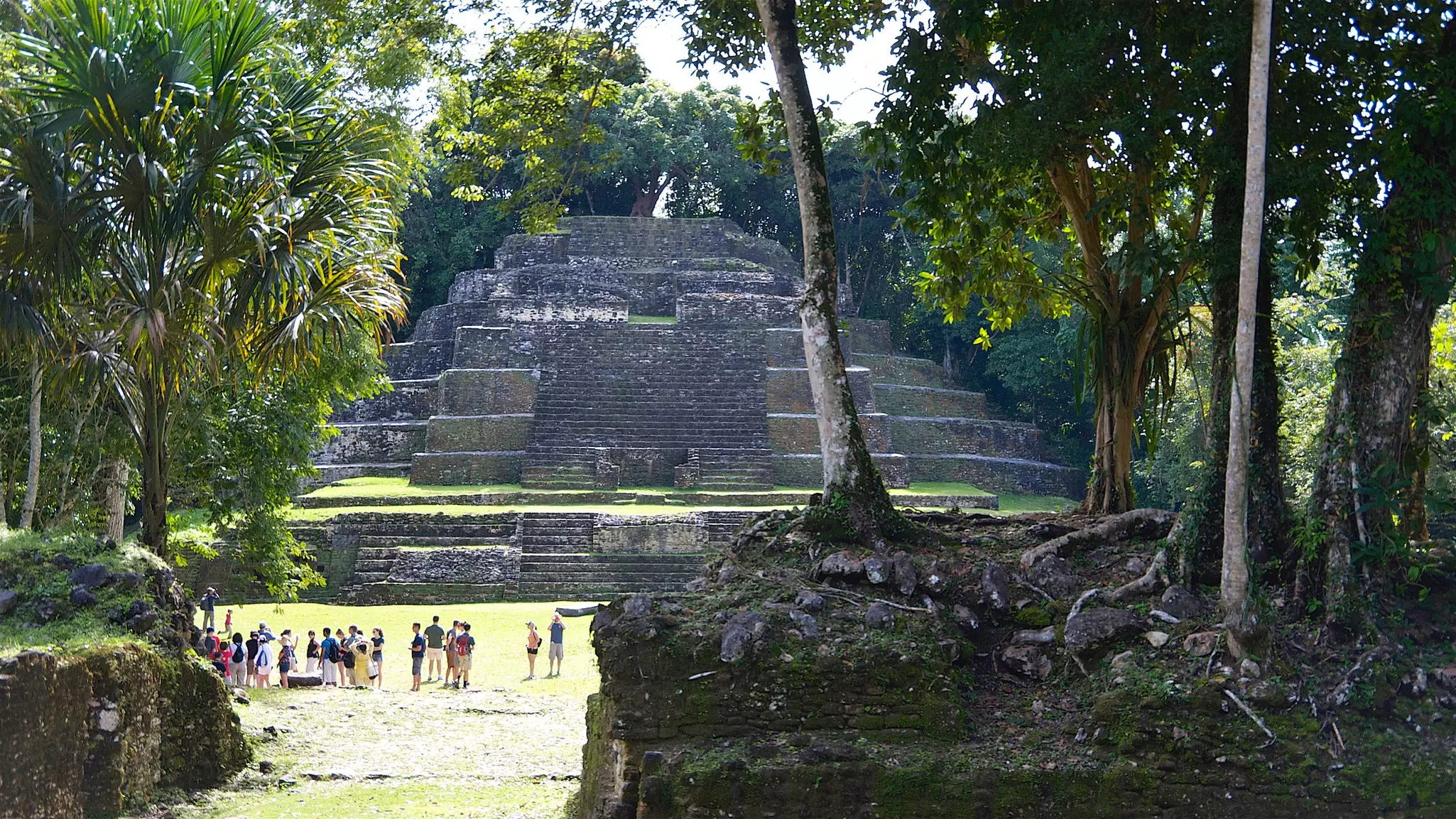
Diminutive Belize packs a big punch. Only about 180 miles long, it’s a cinch to hop between its ancient Maya ruins and living Maya communities; wildlife-rich tropical forests; and the cays and atolls of the world’s second-longest barrier reef, with their gorgeous beaches and fabulous snorkeling. You can see a lot of the country on a road trip with ease.
May’s a sweet spot for weather and wildlife. When the sun shines, whale sharks cruise near Gladden Spit, and nesting green, hawksbill and loggerhead turtles lumber onto beaches on Glover’s Reef and Ambergris Caye. In the north, explore relatively little-visited temples at jungle-set sites such as Xunantunich and Lamanai. Today, the descendants of the ancient Maya who built these monuments live in villages around Toledo, where they welcome visitors to immersive homestays.
Planning tip: From Belize City, head west to explore Maya sites such as Lamanai and Xunantunich, veer south to spot wildlife in Cockscomb Basin Forest Reserve and meet the modern Maya around Toledo, then snorkel, dive and chill on Glover’s Reef and Ambergris Caye.
Best for wildflowers
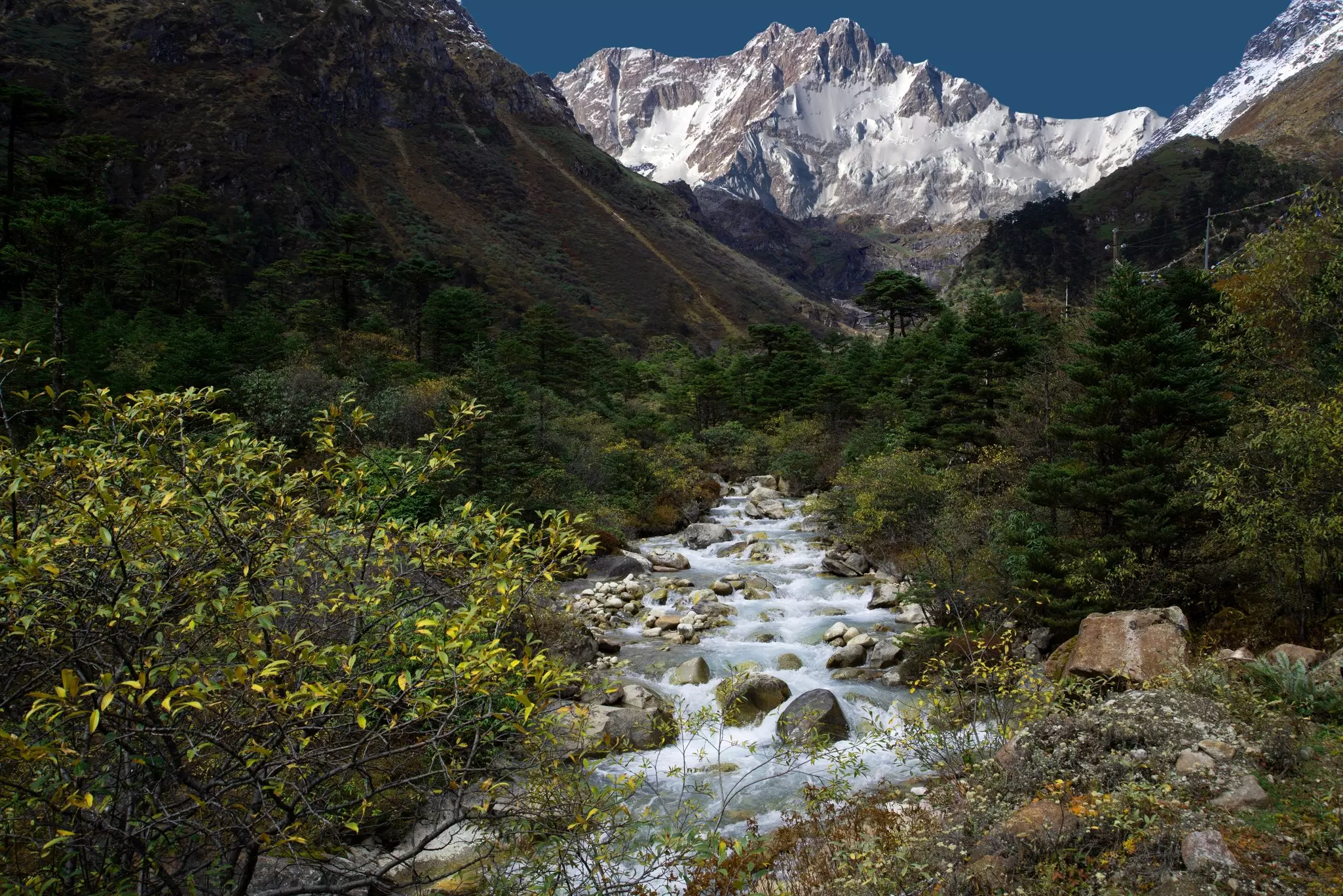
Sikkim is truly a land apart. Formerly an independent kingdom, this sparsely populated Himalayan region has been a state of India only since 1975. Even today, its jagged peaks, Tibetan-style Buddhist monasteries and Bhutia, Lepcha and Nepali villages seem distinct from neighboring areas.
May is a wonderful time to enjoy floral fireworks displays: perhaps 4000 species of flowering plants have been recorded here, including around 40 rhododendrons and hundreds of orchids that bedeck the forested hillsides and valleys east of Kanchenjunga (at 8586m, the planet’s third-highest mountain). Following in the footsteps of renowned 19th-century botanist-adventurer Sir Joseph Dalton Hooker, venture to the remote settlements of Lachung and Lachen, delving into the lush Yumthang Valley and visiting the Shingba Rhododendron Sanctuary along the way.
Planning tip: Bagdogra Airport, a little south of Darjeeling, is the gateway for Sikkim.
Best for food
There isn’t really a bad time to visit Spain’s Costa Cálida (the “Warm Coast”) in the region of Murcia. But balmy, sunny May, with average highs of around 25°C (77°F), is a great time to get a real flavor of the place before summer crowds descend. And those flavors are exceptional: surrounded by hills, vineyards, olive groves, fertile gardens and rich seas, the region is renowned for its quality meats, fruit, vegetables and fish. Regional specialities to look out for include caldero del mar menor, a cauldron-cooked rice stew traditionally made by fishermen from catch too small to sell; and paparajotes, battered and fried lemon leaves. Tapas trails can be followed in both the capital city of Murcia and the historic port of Cartagena.
Planning tip: Spend a week grazing around Murcia and Cartagena, hiking and biking the forest trails in Sierra Espuña Regional Park, and relaxing on the Costa Cálida’s long, sandy beaches.

Best for island life
Bali in May? Delicious. Dry, hot and sunny days, peak season crowds yet to descend and – as always – a relaxed vibe. Nowhere is the latter more true than in Ubud, the artsy, hippie highlands town with a good mix of galleries and museums, ancient temples and thriving food scene. Ubud, which is surrounded by lush forests, paddy fields and leafy plantations, has several world-class restaurants and fancy cocktail lounges as well as low-key food stalls and cafes serving Balinese specialties – gado gado salad, satay, injin porridge, babi guling (suckling pig) and more. If you’re inspired, Ubud is also a great place to take a cooking class.
Best for wildlife
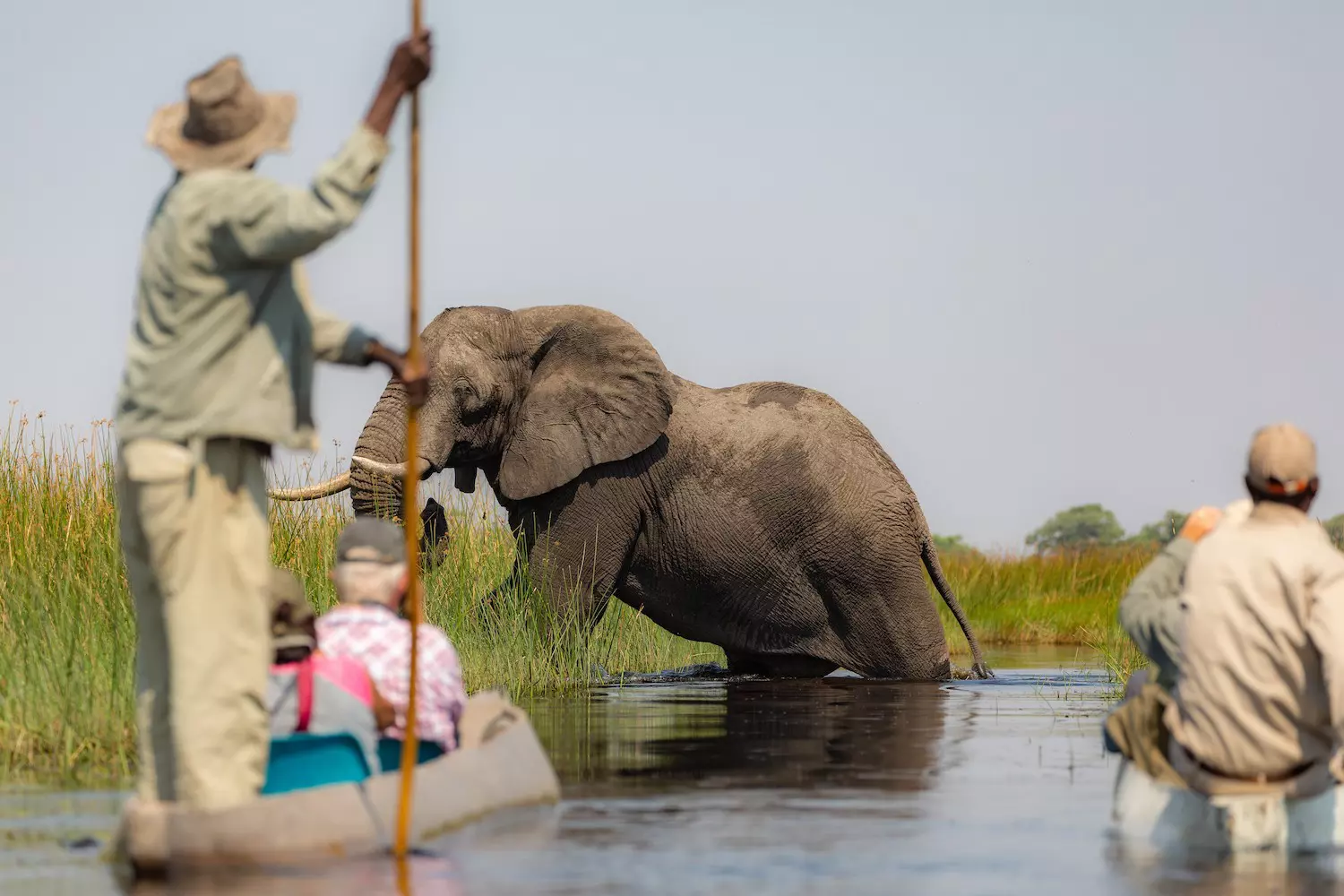
May means all change in northern Botswana. It’s the start of the dry, cool season, when the landscape is still verdant from the previous months’ rains but the skies are increasingly cloud-free. Also, the wildlife – looking fit and healthy, thanks to all that water – gradually becomes more active as temperatures drop. Prices and tourist numbers are lower than the coming peak months, too, adding extra attraction to mokoro (traditional canoe) trips along the fingery tributaries of the Okavango Delta and game drives in Chobe National Park, where wildlife, including huge herds of elephants, is starting to gather at the riverbanks.
Planning tip: Chobe and the Okavango make for a good combination. Allow at least 10 days to make the most of both, taking boat, canoe and 4WD safaris; learning to fish; and visiting local villages. Consider staying on a private concession in the Okavango, where more activities (including night drives and walking safaris) will be permitted.
Explore related stories