Sep 11, 20267 min read
All You Need to Know About Train Travel in VietnamAug 19, 2020
7 MIN READ
Writer
Travel photography gives an insight into the world at large in all its diversity, adding something new to our

Writer
Lonely Planet may earn a commission from affiliate links on our site. All recommendations and reviews reflect our own independent opinions.
Great photos don’t just happen in the split second it takes to release the shutter. They are hand-crafted moments in time created by photographers who can see, select, and organise the elements before them into a visually cohesive and unique composition, and then translate that vision onto the sensor.

To achieve this, no matter what camera you’re using or what subject you’re photographing, you need to work through a series of decisions regarding exposure, composition, light, and how to handle movement. You can also broaden your take on the specific subjects you’ll encounter by seeking out iconic images, making the most of the time you have, and looking for opportunities to tell stories through pictures.
This is important but it is one thing taking technically good images; it’s quite another to take consistently creative images. This is mostly because the elements that go into the creative side of image-making defy automation, and they always will. The reality is that good pictures can be taken on any camera on any media. Many memorable images have been taken over the last hundred-and-eighty years using the equipment of the day. Even at famous tourist spots where there’s a certain place to stand to take ‘the’ photo, the variation in the quality of images produced is amazing. Great pictures are the result of matching an interesting subject with the best light, a pleasing placement of the elements and exposing the sensor to just the right amount of light using ISO, shutter speed and aperture settings that translate the way you see the scene – and retain all the detail and depth of colour – onto the sensor.it is how the photographer handles this combination of technical and creative skills at a particular moment in time that produces unique images and allows individuality to shine through.

You don’t need a camera in your hand to ‘see’ images. There’s a common concept in photography called previsualisation. Essentially it means creating a photo in your mind’s eye and then setting out to capture it. You can do this from anywhere. Images can be previsualised at home, maybe inspired by a television program or movie, from seeing published photographs or from your memories of a place. The inspiration doesn’t have to be visual. A travel writer may describe the scene from a café balcony which could inspire you to search it out. More commonly, previsualisation kicks in at the destination. You might come across a great location but the light is coming from the wrong direction, or you know it will look much better without the crowd of people, or there are no people when there should be. You may figure out that if you climb a particular hill, at a particular time of day, then the view over the city or landscape will be what you’re after. Previsualisation is just as much about spontaneity as it is about planning. Whenever you raise the camera to your eye, you’ve already previsualised a photograph and if the scene remains static you’ll get the shot. Previsualisation is a crucial tool in achieving a high percentage of good pictures in the limited time that is typical of a travel itinerary.
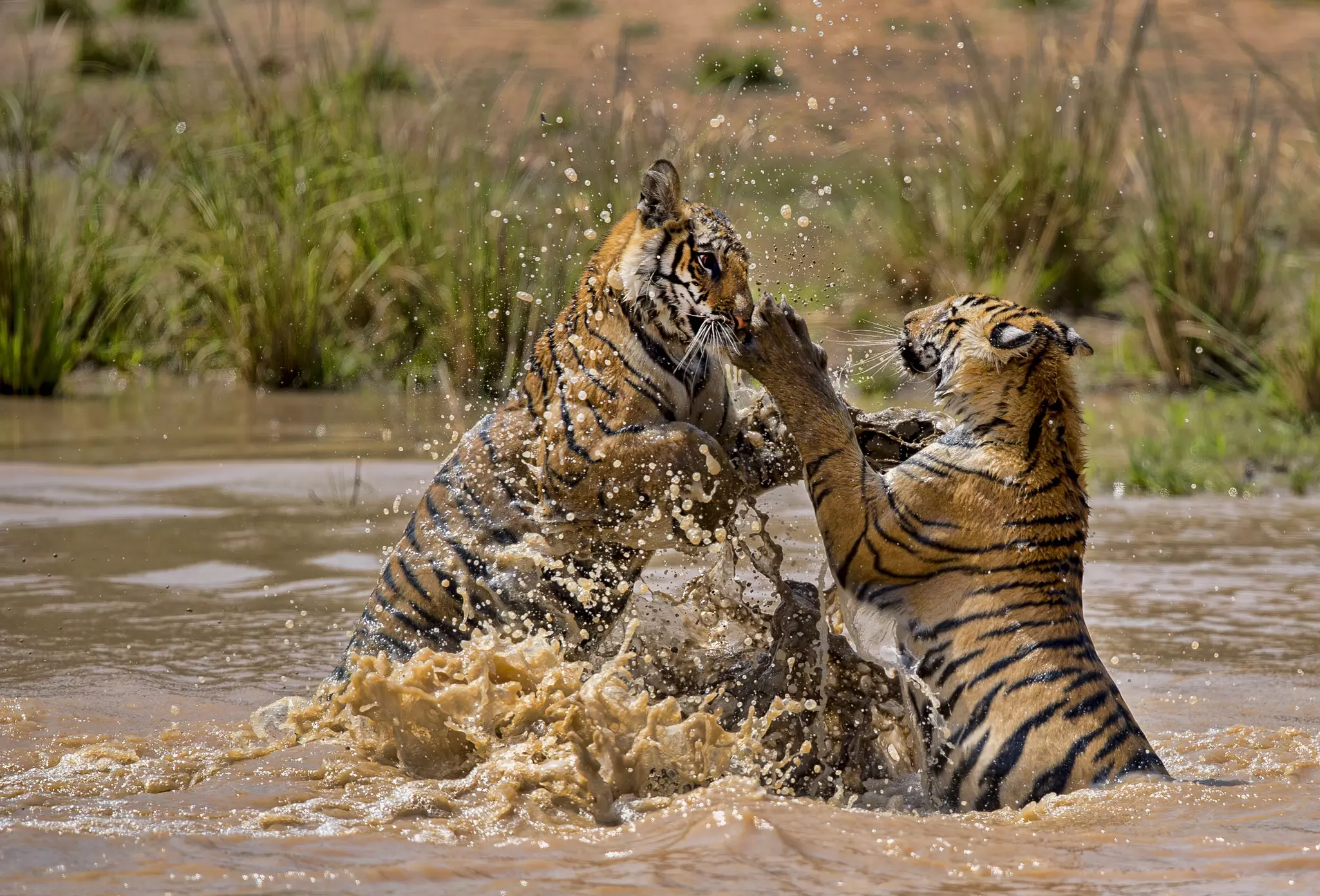
So much time creating good pictures is spent not actually taking pictures but incessantly looking, either on the move or standing around; watching, waiting. If you’re out and about you create the opportunity to come across fleeting moments, to add to your knowledge of the place and build your list of potential images through previsualisation. You will not get those ‘lucky’ pictures from your hotel room or bar stool. Once you’ve got the image in mind you need to commit, whether it’s a matter of seconds for an action to occur, a couple of hours for the weather to change, or revisiting a location at the best time of day. Commitment to the image is a key professional trait; it keeps photographers out there way beyond the time needed to simply visit a place or individual site.
One of the great challenges for the travel photographer is to capture images that in a single frame encapsulate a distinguishing feature of the country they’re visiting. Every country has natural landforms, buildings, and monuments on its ‘must-see’ list. The Pyramids, Machu Picchu, Angkor Wat, Eiffel Tower, The Taj Mahal – images of places that are already deeply etched in our mind’s eye well before we stand before them ourselves. These places are photographed millions of times a year by visitors from all over the globe and feature in books, magazines, websites, etc. Famous places always deserve more than one visit. On your first visit, you’ll probably be inclined to blaze away at the subject from all angles. A second visit can be approached more calmly and deliberately. A review of published material such as postcards and souvenir books after your first visit will make a lot more sense. You’ll know where things are and where the light will be and what time you need to be there. New and interesting pictures are possible; you’ll just have to work a bit harder to acquire them. Set yourself the triple task of taking a classic view of the subject that is as good as or better than the published images, then look for a different view from those you’ve seen before, and, finally, get close and fill the frame with a detail view to create an abstract, but a recognisable, image. Beyond the famous sights, you can achieve a similar outcome by focusing on other unique elements of a country’s culture and environment: traditional dress, foods, festivals, sports, souvenirs, art and craft, and wildlife – all present opportunities for capturing iconic images.

You’ve bought the gear, learned how to use it, have developed an understanding of exposure, light, and composition, travelled halfway around the world, got up before dawn, walked for 3km in the dark and the subject you’ve come to photograph is glowing in the warm light of a brilliant sunrise. You really should maximise the moment by getting as many and as varied shots as possible while the light is at its best. Depending on the day you’ll have anywhere from 10 seconds to 15 minutes of really fantastic light so to make the most out of it you need a plan.it is more difficult if you’re viewing the scene for the first time but with practice, you’ll start doing the basics instinctively. At its simplest, you can maximise the moment by shooting a series of images of the same subject without changing camera position but by shooting at a variety of focal lengths, both vertically and horizontally. More complex is doing the above but from several predetermined camera positions. This can lead to some frantic activity – especially if it involves driving a car between shots – that gets your heart pounding and, in public places, gets heads turning.no matter what happens you need to balance the time you commit to getting the best shot from each location with the need to move to your next camera position. The challenge is to know when you’ve got ‘the’ photograph, so you can move on; procrastinate and you’ll end up with one shot, not two, three, or more.
A variation on ‘maximising the moment’ is to tell a story through a series of clearly connected images. Each image should be strong in its own right and worthy of individual attention but when viewed in the sequence they build on each other to reveal a story. If the subject involves people engaged in some form of activity, you’ll often have the opportunity to apply every compositional tool and people-photography technique you can remember to use in the time you’ve got. With any subject, work through the classic, different, and detail-view strategy as well as the techniques employed to maximise the moment. However, it’s much better to have choices than to miss a key link in the visual narrative, which you may not discover until you’re putting the story together.
This article has been compiled from the fifth edition of Lonely Planet’s best-selling Travel Photography, by Internationally renowned travel photographer Richard I’Anson who shows you how to avoid common photography mistakes and to develop your compositional and technical skills as a photographer.
You might also like: The medieval art and architectural wonders of Orchha The best places to go glamping in India How Chinese cuisine supported these three women across borders
Explore related stories