Dec 1, 20201 min read
Less Human Intervention Leads to Spotting of Rare Migratory Birds in OdishaJul 28, 2020
3 MIN READ
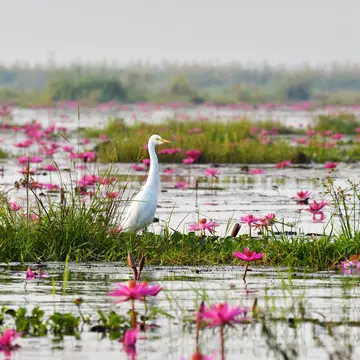
In winter, thousands of migratory birds flock to the sanctuary on Nalabana Island, Chilika Lake ©BeautifulPicture/Shutterstock.com

Lonely Planet may earn a commission from affiliate links on our site. All recommendations and reviews reflect our own independent opinions.
Asia’s largest brackish lagoon offers seaside getaways along with one of India’s prettiest coasts. The shallow lake is separated from the Bay of Bengal by a 60km-long sand bar called Rajhansa. Go on a boat excursion on Chilika Lake for sightings of migratory birds and, if you're lucky, dolphins; time your visit right and you may even get to see endangered Olive Ridley turtles nesting and hatching.
This small village, on a headland jutting south-westwards into the lake, is the starting point for most boat trips. The OTDC (Odisha Tourism Development Corporation) branch here hires out boats and runs tours. These cruise towards the new sea mouth for a paddle in the sea and some dolphin- and bird-spotting en route. The Chilika Visitor Centre has an exhibition on the lake, its wildlife, and its human inhabitants. An upstairs observatory is equipped with a telescope and bird identification charts. Daily ferries (every 30 minutes) ply between Satapada and the Janhikuda jetty just to the west, from where vehicles can head to the north side of the lake.
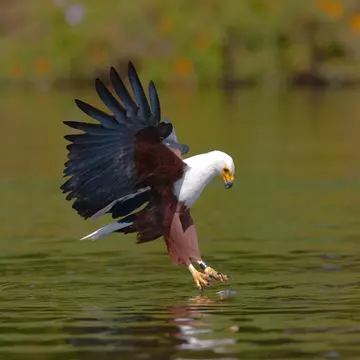
Migratory birds – including grey-legged geese, herons, cranes, and pink flamingos – flock to Chilika Lake in winter (from November to mid-January) from as far away as Siberia and Iran and concentrate in a 3-sq-km area within the bird sanctuary on Nalabana Island. The island is best visited early morning and late afternoon. Kalijai Island has a temple popular with Hindu pilgrims. Barkul, on the northern shore of Chilika, is the take-off point for boats to Nalabana and Kalijai islands. OTDC tours to Kalijai and Nalabana. Taking in both sights takes about three hours. It’s faster and costlier by speedboat. You can also get out on the lake in a paddleboat.
The small town of Rambha, a pleasant little backwater about 30 minutes by road from Barkul, is the nearest place to stay for seeing endangered Olive Ridley turtles. The best spot for sightings is on the northern side of Rushikulya River, near the villages of Purunabandh and Gokharkuda, 20km from Rambha. During nesting and hatching (from January to February), the activity takes place throughout the night: don’t use lights as the turtles can get distracted. Ask staff at the OTDC Panthanivas Rambha what conditions are like. One-hour speedboat or motorboat tours of the lake are also available by the hour from Rambha.
One of the smallest of sea turtles, endangered Olive Ridleys, swim up from waters beyond Sri Lanka to mate and lay eggs on Odisha’s beaches from January to February. Besides the Rushikulya River mouth near Rambha, the main nesting sites are Gahirmatha at Bhitarkanika and the Devi river mouth near Konark.in January and February the turtles congregate near nesting beaches and if conditions are right, come ashore. If conditions aren’t right, they reabsorb their eggs and leave. Hatchlings emerge 50 to 55 days later and are guided to the sea by the luminescence of the ocean and stars. It's best to visit the beach at dawn when lights are not needed.
Editor's note: Please check the latest travel restrictions before planning any trip and always follow government advice.
You might also like: Discover the tranquil hills of Kerala’s Munnar Barentsburg - The northernmost inhabited island of the world
Explore related stories