Sep 10, 202621 min read
Where to Stay in Paris by NeighborhoodAug 6, 2026
10 MIN READ

Writer
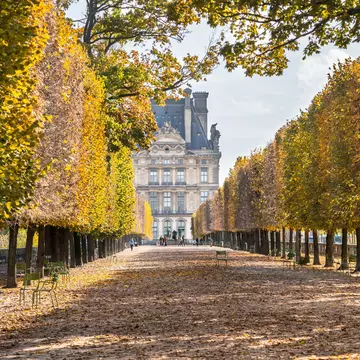
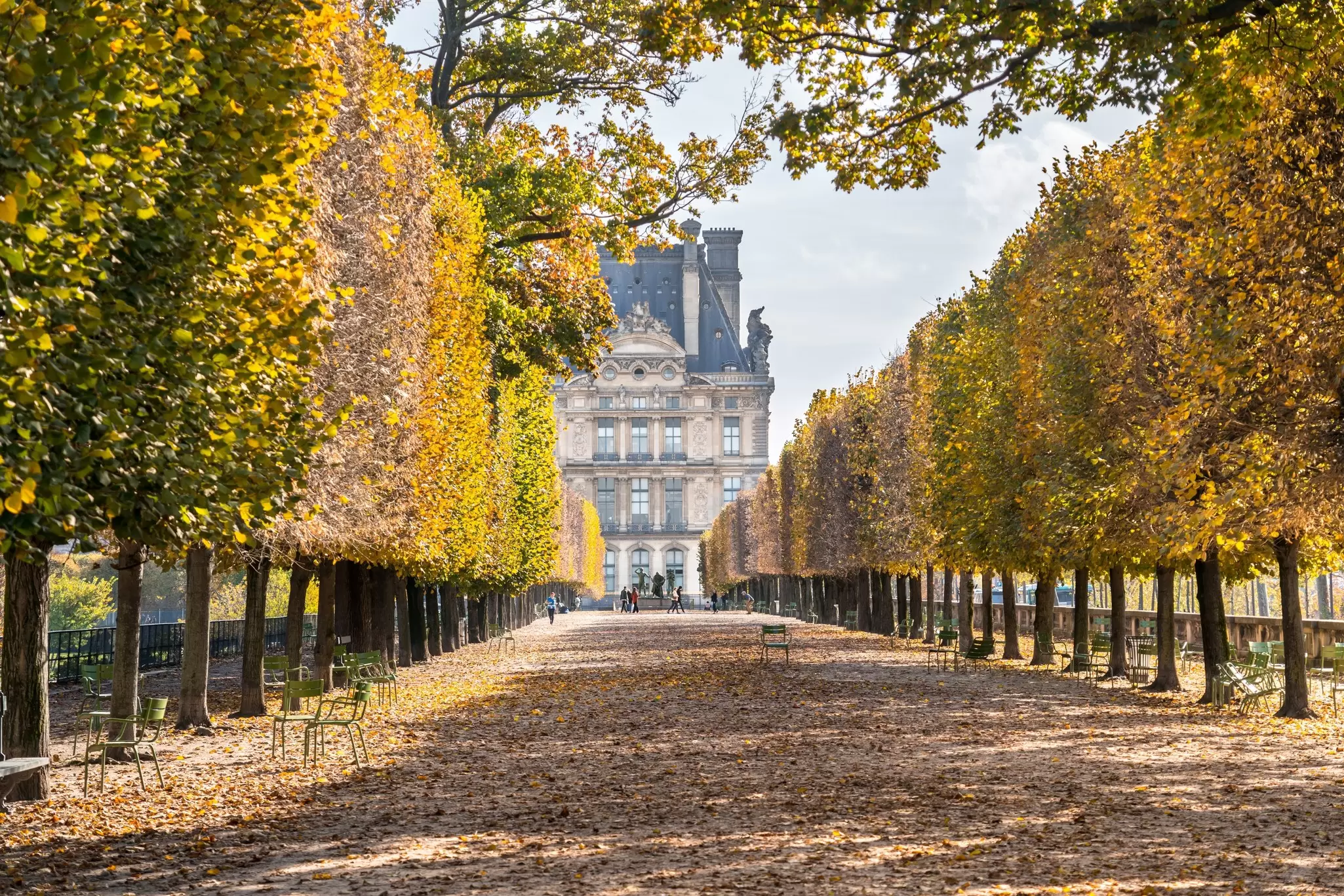
Jardin des Tuileries by the Louvre in autumn. D.Bond/Shutterstock
Writer
Highlights
Writer Anna Richards picks 12 Paris museums, from Impressionism to an underground ossuary.
Head to the Louvre, the world's biggest museum, then the Musée d'Orsay for Monet and Renoir.
Les Catacombes' macabre tunnels contrast with baroque Versailles and its Hall of Mirrors.
Try the Atelier des Lumières for immersive art, or Musée Rodin's manicured sculpture garden.
Lonely Planet may earn a commission from affiliate links on our site. All recommendations and reviews reflect our own independent opinions.
People often describe Paris as the "City of Love" or the "City of Light," but, with its A-list museums, it could just as easily be the "City of Museums." From the world’s most visited museum – the Louvre, with 8.7 million visitors annually – to a giant underground ossuary, the museums in Paris are, quite simply, legendary.
If you're planning a museum-focused trip, always check opening times. Most Parisian museums close on either Monday or Tuesday, and larger museums generally open late one night a week. Major museums typically charge an entrance fee, but if you’re under 26 years old and an EU citizen, museum entry is usually free (buy your ticket on arrival rather than prebooking).
If you are not eligible for free entry, you can always plan a trip around Nuit Européenne des Musées (European Night of the Museums), when museums open for free for everyone, and until late.
Here's a guide to Paris' very best museums for fans of art, culture and history.
Best for Impressionist art
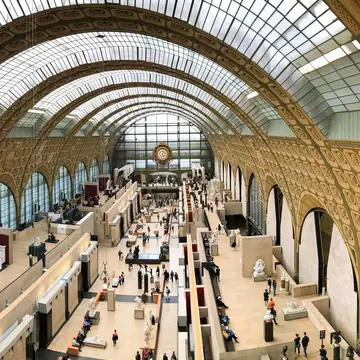
The building housing the Musée d’Orsay is spectacular – a 19th-century railway station, devoid of platforms but full of marble and art. The building looks immense, but the Gare d’Orsay was closed because the platforms were too short for modern trains.
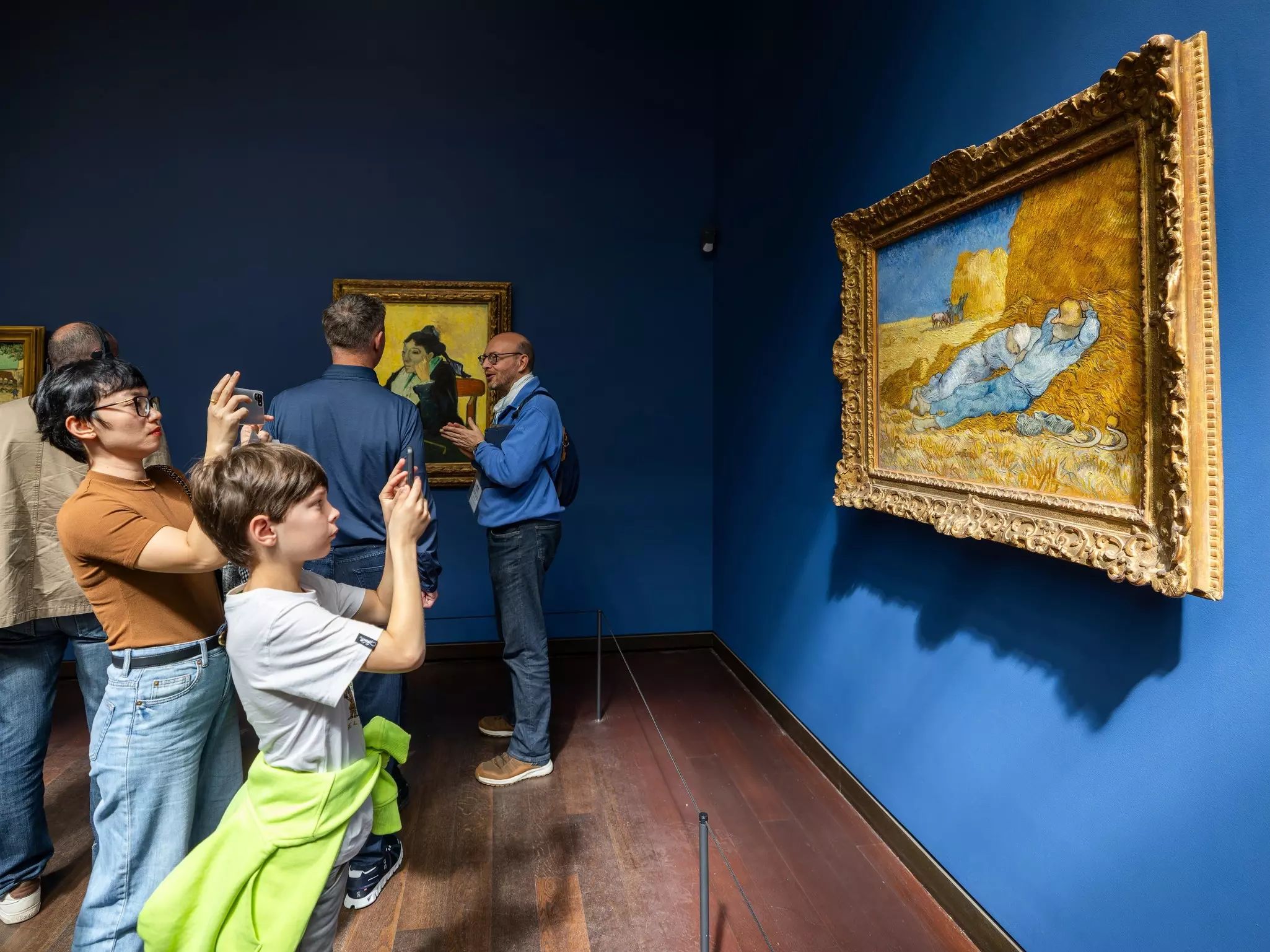
Most of the works in the Musée d’Orsay date from the mid-19th century to the mid-20th century, including paintings by Vincent van Gogh, Picasso and Gauguin. The museum is most famous for its Impressionist collection, with hundreds of paintings by greats such as Monet, Degas and Renoir.
Don’t miss the window in the enormous clock on the 5th floor. From here, the whole of Paris is laid out before you, and you can even see the Sacré-Cœur on the skyline.
Make it happen: The museum is closed on Monday; on other days, it’s open from 9:30am to 6pm. The galleries are open late on Thursday evenings until 9:45pm. Book tickets in advance.
Best for variety
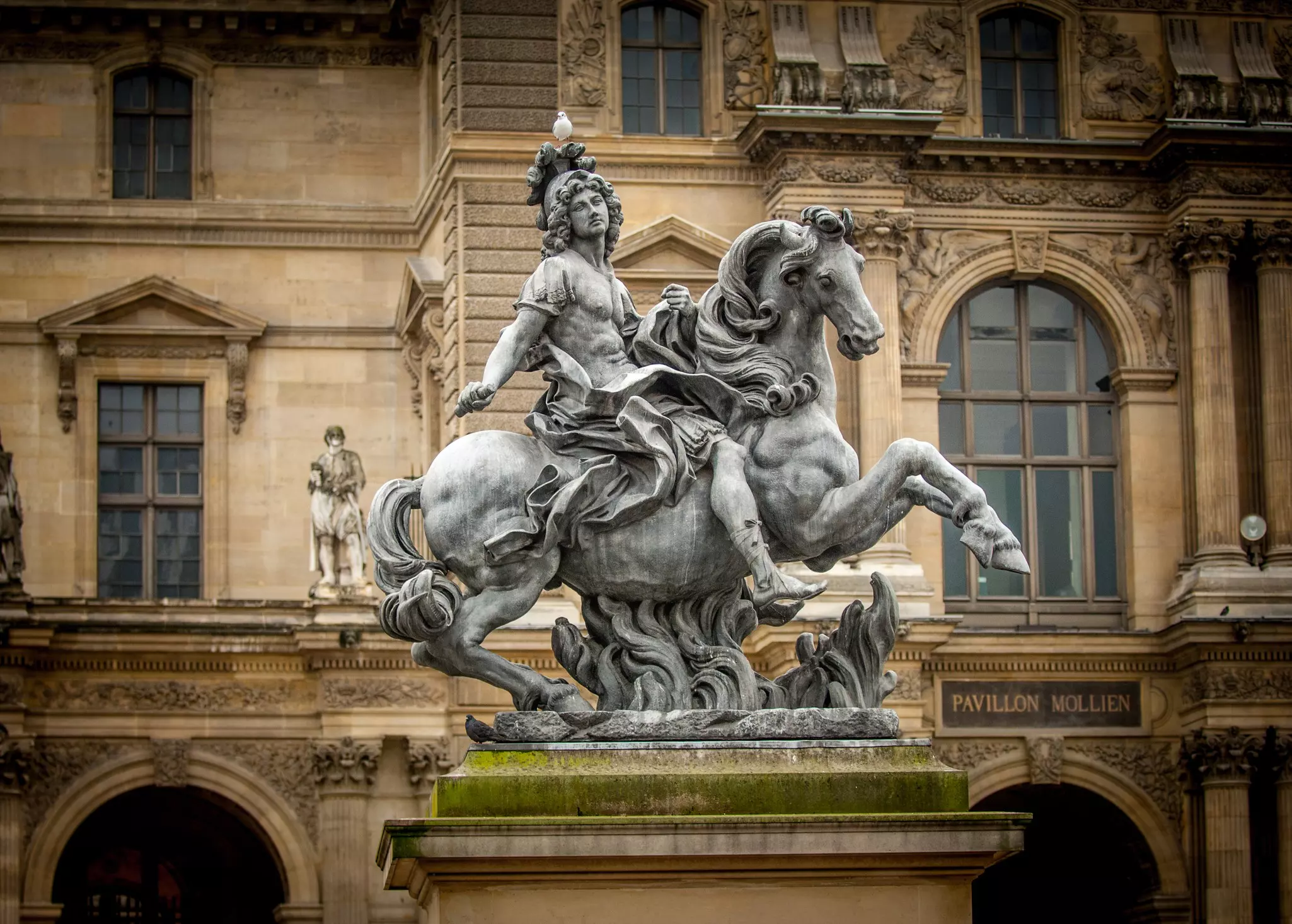
The Musée du Louvre is the biggest museum in the world, with more than 380,000 objects and artifacts and 35,000 works of art. Even if you were to just glance at each exhibit, it would take more than a week to fully explore.
There are three wings to investigate. The Richelieu (north) wing is where you’ll find art from ancient civilizations, including Mesopotamian and Egyptian art, as well as sculptures. The Denon (west) wing is smaller and specializes in mostly non-European art.
Sully, the east wing, is the oldest part of the building, with French art from the 15th century to the 19th century, as well as Greek, Etruscan and Roman antiquities. If you're looking for the Mona Lisa, head to the Salle des États, on Level 1 of the Denon wing; from behind the crowds that assemble here, she often looks little bigger than a postage stamp!
Make it happen: Open from 9am to 6pm daily, except Tuesday. Late openings (until 9pm) are on Wednesday and Friday. Book tickets online.
Best for scaring yourself silly
This spooky underground museum is a giant ossuary, holding the bones and skulls of millions of Parisians. By the late 18th century, the city's graveyards were so full that the dead had to be relocated, meaning that most of the bones here are unidentified.
While fantastically macabre, the section open to the public is, relatively speaking, minuscule. Beyond the open passageways, some 1.5km of tunnels create a labyrinth that extends for over 800 hectares under the city. Book your visit with or without an audioguide.
Make it happen: Open for one-hour visits from 9:45am to 8:30pm from Tuesday to Sunday. Advance bookings are recommended (possible up to one week ahead).
Best for abstract art
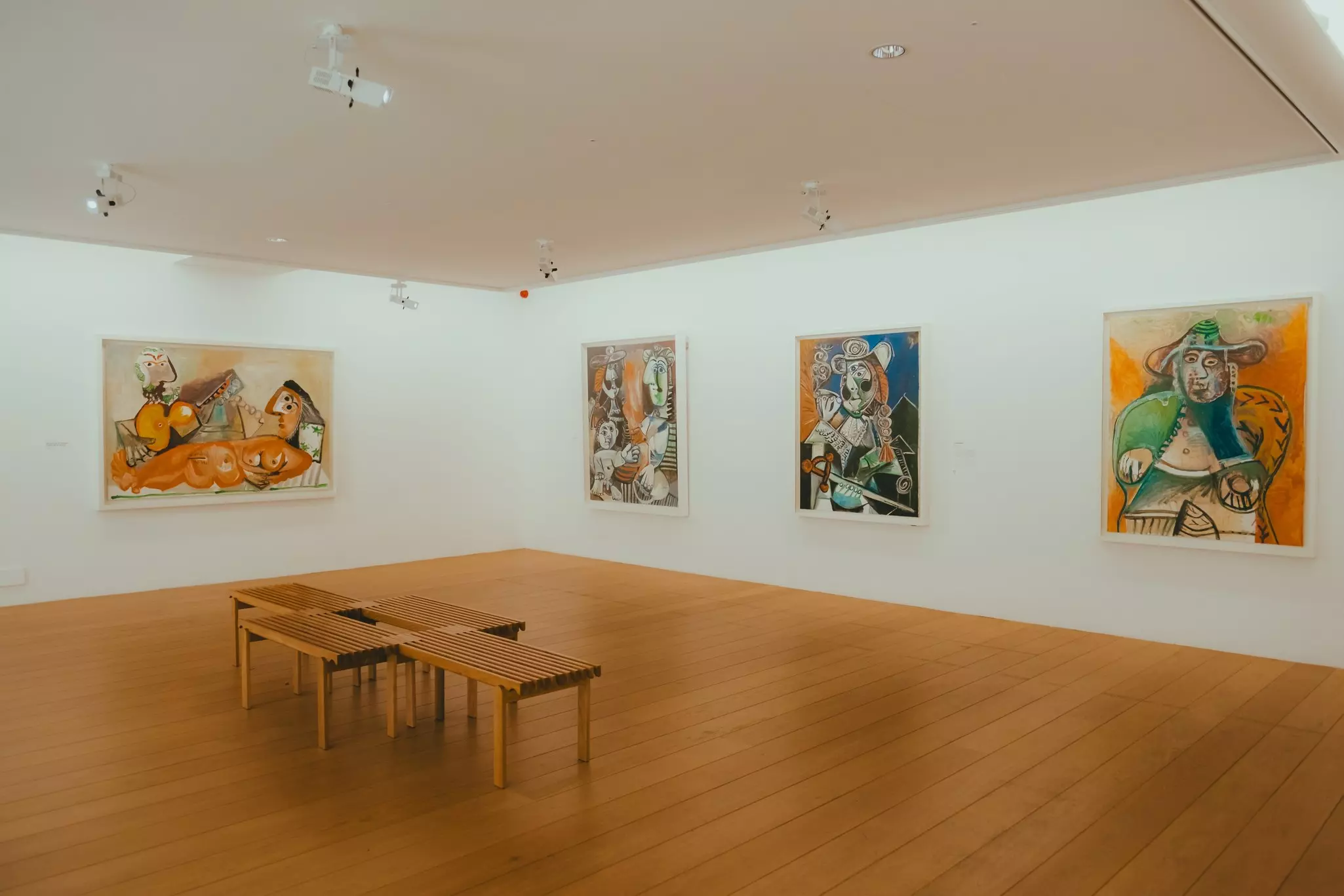
Picasso’s wacky, abstract works – and the 17th-century hôtel particulier that houses the Musée National Picasso collection – create a delightful mishmash. Picasso is considered a painter first and foremost, but alongside almost 300 paintings, you can view hundreds of sculptures, engravings and sketches by the great Cubist.
Particularly interesting is the section of the museum dedicated to Picasso's letters and correspondence, giving insights into the artist's personal life. The museum hosts 5000 works in total, and there are usually at least two temporary exhibitions featuring other artists.
Make it happen: Open from 9:30am to 6pm from Tuesday to Sunday. Outside of school holidays and summer weekends, advance booking is not generally required, but tickets can be purchased online.
Best for cutting-edge exhibitions
Built for the 1937 International Exposition, the western wing of the Palais de Tokyo has no permanent collection but instead hosts cutting-edge contemporary art exhibitions in its industrial concrete-and-steel space. Exhibitions are backed up by a fantastic art bookshop and standout dining options such as Bambini, overlooking a reflecting pool with Eiffel Tower views.
The east wing contains the free-to-visit Musée d’Art Moderne de la Ville de Paris, with an impressive modern art collection spanning the 20th and 21st centuries — including works by Modigliani, Matisse, and Chagall. Look out for spectacular large-scale installations by Dufy and Matisse, as well as ticketed temporary exhibitions. The peaceful setting contrasts sharply with Paris’s more crowded museums.
Make it happen: Open from noon to 10pm from Wednesday to Monday (late opening till midnight on Thursday). Book tickets online.
Best for sheer opulence
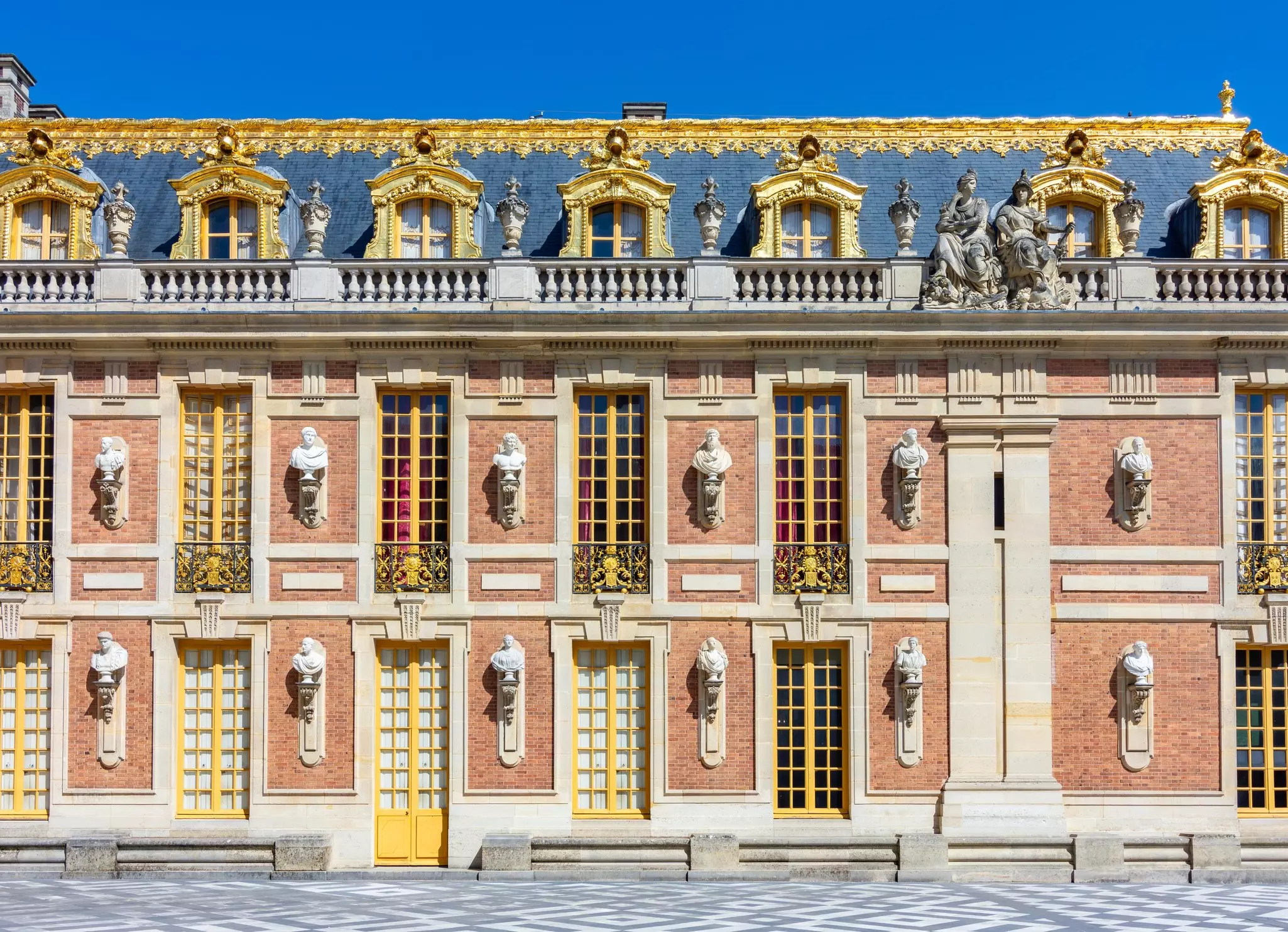
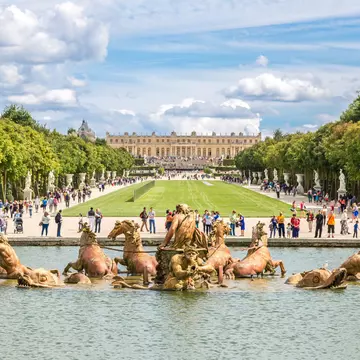
The former home of the French monarchy, the Château de Versailles is so excessively decadent that it feels like the wedding cake of all royal residences. Originally constructed as a hunting lodge for Louis XIII, it was transformed into the baroque château you see today by Louis XIV. The last of the royals to live here were Louis XVI and Marie-Antoinette, before both were guillotined at Place de la Concorde in 1793 during the French Revolution.
Of the 2300 rooms that comprise this vast palace, the Galerie des Glaces (Hall of Mirrors) is the most famous – a grand ballroom adorned with 357 mirrors on one side and the same number of windows on the other. Covering 800 hectares, the surrounding gardens and parks are no less spectacular than the château.
Pair your visit with a trip to La Grande Ecurie, the former royal stables. Opposite the château, this beautiful, vaulted building is filled with historic horse-drawn carriages. The stables are only open on weekend afternoons.
Make it happen: Open 9am to 5:30pm from Wednesday to Monday (until 6:30pm from April to October). There’s a charge to view the palace (book online before visiting) but the grounds are free to explore.
Best for nature fans
Practically every animal species you could imagine is on display in taxidermied form at the Muséum National d’Histoire Naturelle, from scorpions to life-sized giraffes and elephants. There’s also an entire building filled with dinosaur skeletons and replicas, a paleontology section, and a pavilion full of rocks, including crystals and hunks of meteorite. The museum sits at the heart of the 2.5-hectare Jardin des Plantes in Paris' Latin Quarter.
Make it happen: Open Wednesday to Monday from 10am to 6pm. Tickets are available for purchase in advance.
Best for history buffs
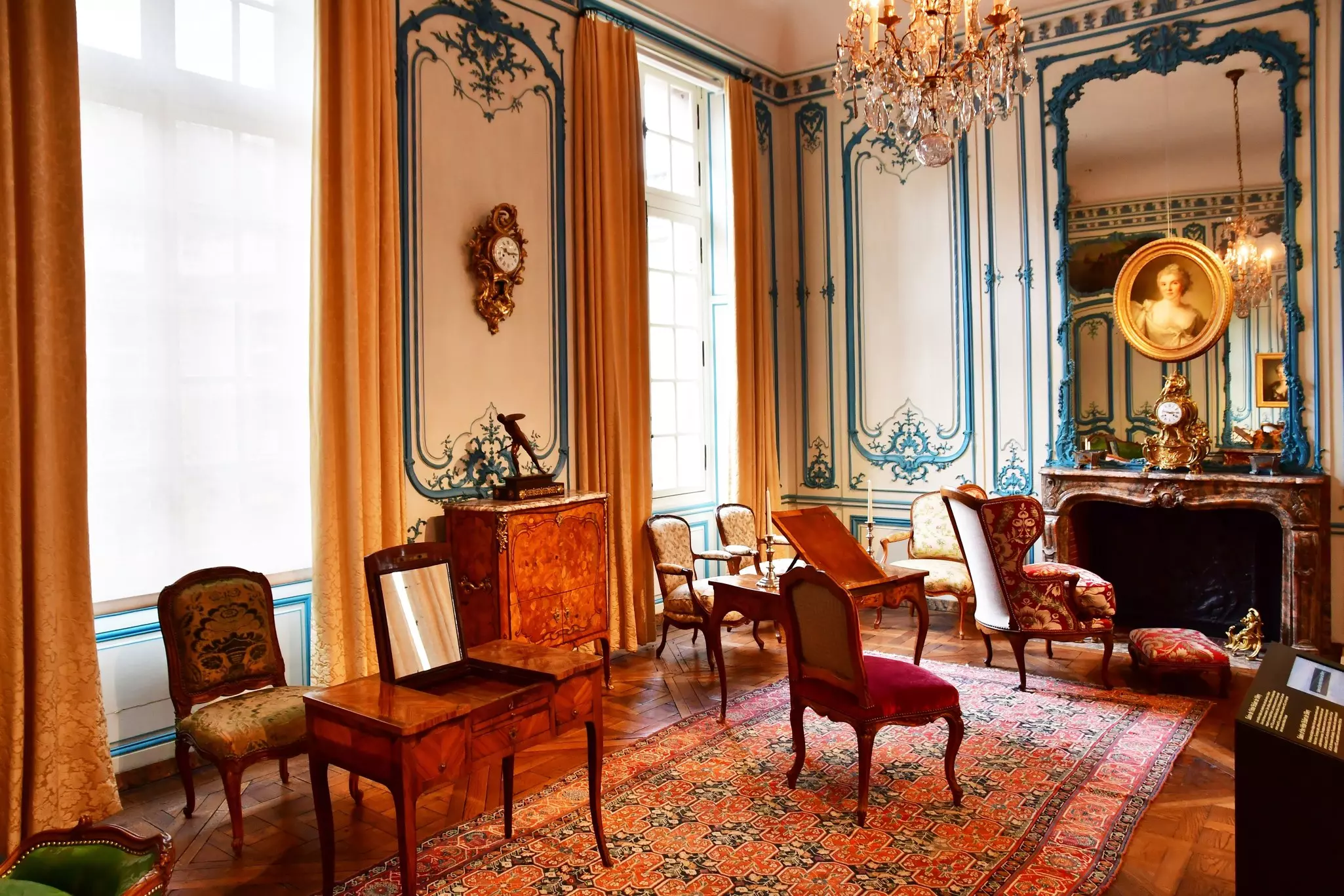
It’s only fitting that Paris’ oldest museum also provides the most comprehensive overview of the country’s history. The collection at the Musée Carnavalet spans everything from Roman artifacts (including sarcophagi and ancient statues) to documents from the Enlightenment and the French Revolution.
Particular highlights include the original Declaration of the Rights of Man and of the Citizen from 1789, gifted to the museum by former president Georges Clemenceau, an original gargoyle from the Cathédrale Notre Dame de Paris and a reproduction of Marcel Proust’s bedroom. The elaborately painted 17th-century Le Brun ceiling is especially spectacular.
Make it happen: The Musée Carnavalet is part of a rare breed, being one of the only museums in the city to be completely free of charge (except for temporary exhibitions). It’s open from 10am to 6pm from Tuesday to Sunday.
Best for making art accessible
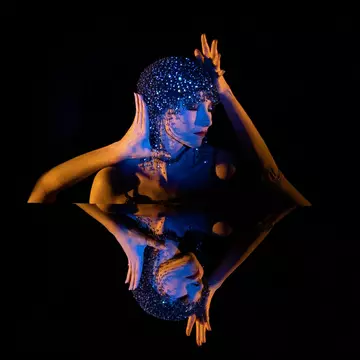
This digital art gallery in an old iron foundry gives a different perspective on classic art, by projecting works onto all four walls, the floor and the ceiling, as part of an immersive sound and light show. Exhibitions generally last several months, and while they often focus on one artist (such as Vincent van Gogh or Picasso), they also follow themes like the moon landings or the pharaohs.
Make it happen: Opening days and hours vary depending on the exhibition. There are often multiple shows running in parallel, with different days of the week dedicated to different exhibitions. Check the schedule in advance.
Best for sculpture
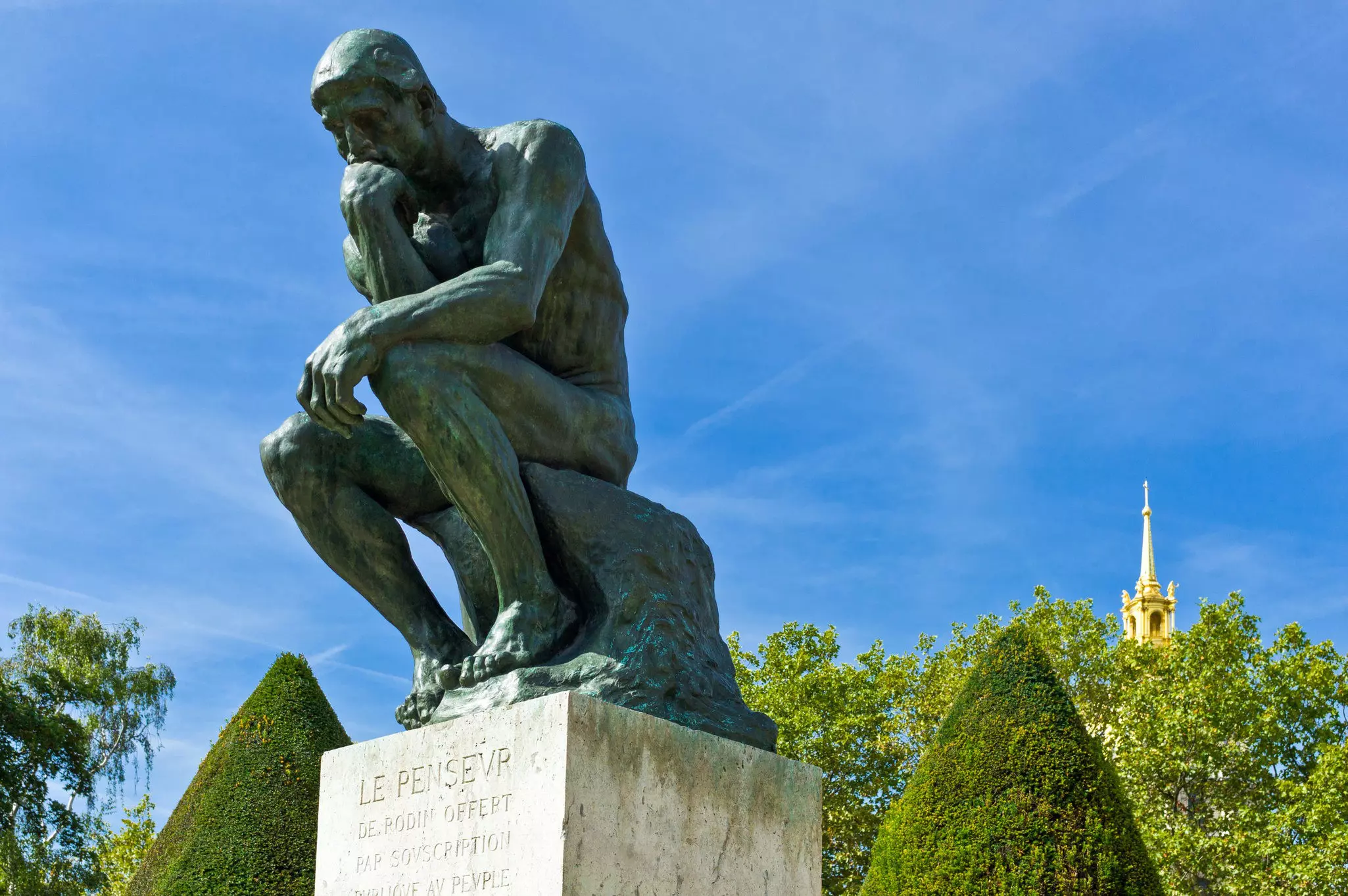
Although Auguste Rodin is largely remembered for his sculptures, he was also a painter, sketcher and engraver, and he donated his entire collection to the French state in 1908, with many works displayed at the Musée Rodin.
By far the highlight is the 3-hectare garden – the lawns and shrubbery are manicured to a seemingly impossible level, and punctuated by gleaming sculptures throughout. The rest of the collection is displayed inside a handsome, 18th-century mansion, and it includes works by other artists, including Vincent van Gogh and Monet.
Make it happen: Open from 10am to 6:30pm, from Tuesday to Sunday. The museum is free to access on the first Sunday of the month from October to March. Book tickets online.
Best for science and technology
Begin your journey at the Arts et Métiers metro station, where copper plaques celebrating the conservatory’s bicentenary create a steampunk vibe. From here, you'll emerge into the remarkable Musée des Arts et Métiers, housed in a former royal priory on the edge of Le Marais. Inside, past and future converge in an immersive collection that spans scientific instruments, mechanical devices, vehicles and communication equipment.
Highlights include Blaise Pascal’s Pascaline calculator, Bartholdi’s original Statue of Liberty model, one of the earliest military aviation studies, and a reconstruction of chemist Antoine Lavoisier’s laboratory. Regular workshops for children explore the spirit of invention and offer insights into how human ingenuity has shaped — and continues to shape — technological progress.
Make it happen: Open from 10am to 6pm from Tuesday to Sunday (from 10am to 9pm on Friday). Book tickets ahead online.
Best for architecture
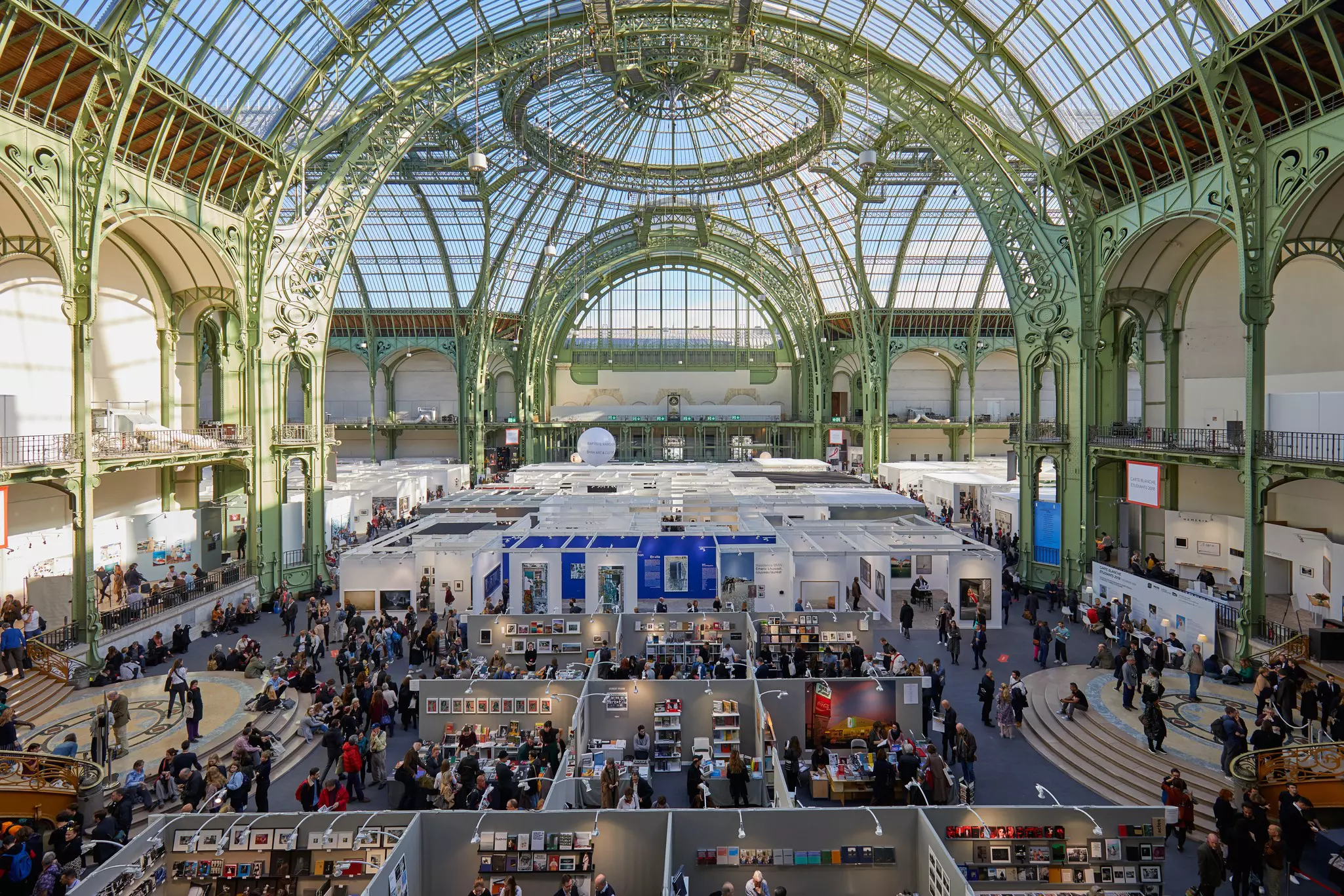
Looming like a giant greenhouse on the banks of the River Seine, the Grand Palais was originally built for the World’s Fair in 1900, and its main hall, known as the Nave, is often used for events such as runway fashion shows. The Grand Palais also hosted Paralympic fencing and taekwondo bouts during the 2024 Paris Olympics. All of the exhibitions held here are temporary, with several generally running in parallel – check the website ahead to see what is on.
Make it happen: The museum is open from Tuesday to Sunday from 9:30am to 8pm (till 10:30pm on Friday). Entry fees vary according to the exhibition.
To start planning your trip, download the Lonely Planet app or check out our France guidebooks for local tips, maps and more.
Explore related stories