Sep 10, 202621 min read
Where to Stay in Paris by NeighborhoodFeb 4, 2026
9 MIN READ

Writer
Leave your own dining customs at the door in Paris. Amir Hamja for Lonely Planet

Writer
Highlights
Paris-based writer Vivian Song maps 30 dos and don'ts on metro, sights and dining.
Remove your backpack on the metro and give up fold-out strapontins in rush hour.
Buy Eiffel Tower and Musée d'Orsay tickets online to skip queues; dress modestly for Notre-Dame.
Book restaurants weeks ahead, ask for une carafe d'eau (tap water) and tip 5–10%.
Lonely Planet may earn a commission from affiliate links on our site. All recommendations and reviews reflect our own independent opinions.
Parisians are big on decorum and etiquette, abiding by an unspoken code of conduct. One of the most important rules is to always greet shopkeepers with a quick bonjour (hello) upon opening the door, as a basic courtesy. If you’ve ever found yourself getting major side-eye on the Paris metro, it could have been because you failed to relinquish your fold-out seat during rush hour, forcing other riders to push up against each other at awkward angles. Or because you put your feet up on the seat in front of you, a clear sign of impoliteness.
If you want to endear yourself to Parisians – or at a minimum avoid being tagged as just another tourist behaving badly – there are a few tips you should know. Even the most well-intentioned tourist can run afoul of local customs in one of the most-visited cities in the world, so here are some dos and don'ts while visiting the French capital.
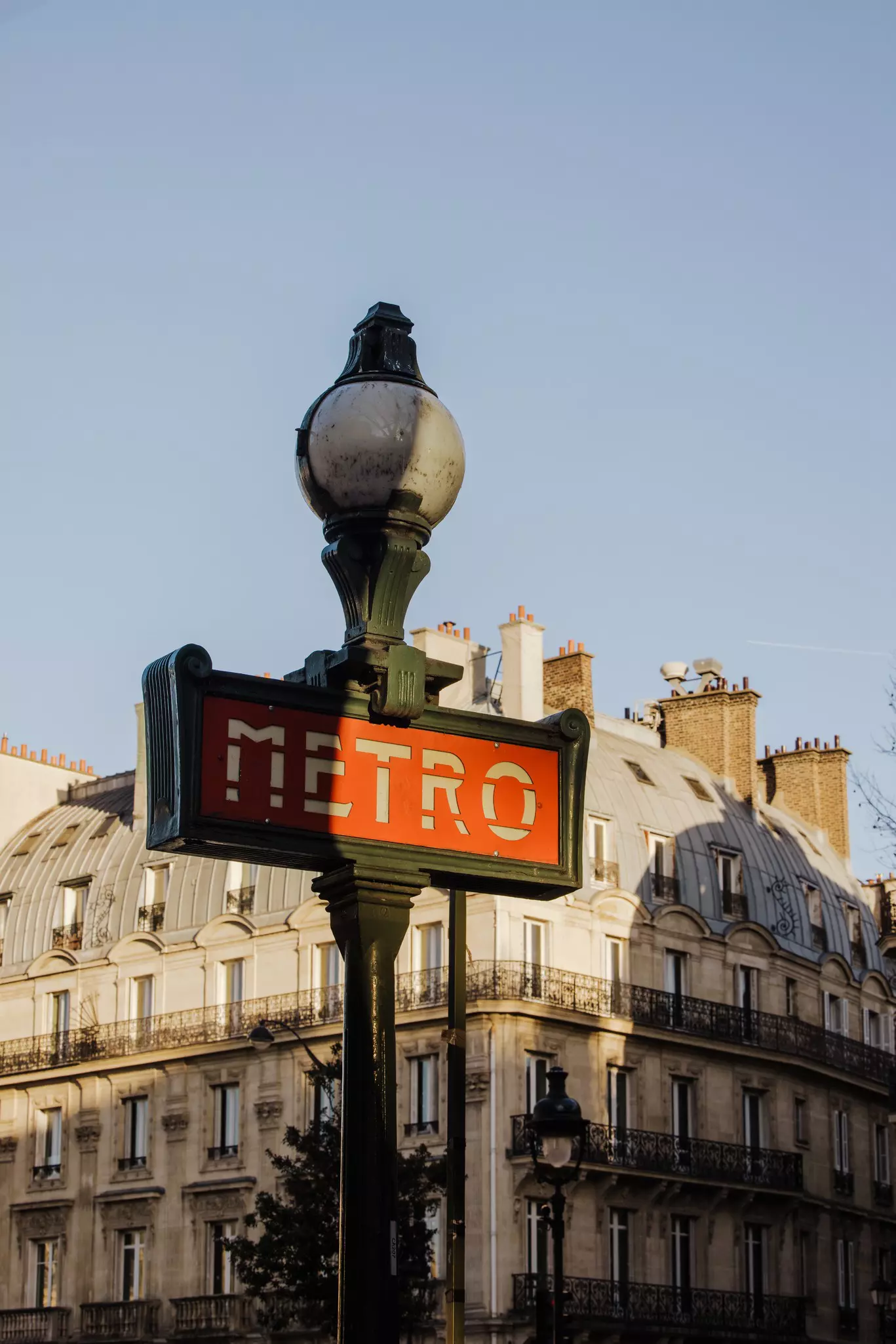
1. Do keep to the side. Let other passengers get off the metro or train before you board. While this may seem like elementary information for those who regularly use public transportation back home, it bears repeating for those who lead car-centric lifestyles. If you see locals muscle their way through before others have disembarked, resist the urge to do the same. You won’t get on any faster, and all you’ll do is create a human logjam that will delay the train’s departure and mark you as just another annoying tourist.
2. Don't open doors until the train has come to a full stop. Not all Paris metro trains are automatic. Older cars require you to either push a button or lift a latch to open the doors. But it’s dangerous to open the doors prematurely. If there’s no button or latch, the doors will open automatically.
3. Don't remain seated during rush hour. If you do, you may get an earful. This only applies if you choose to sit on the fold-out chairs called strapontins, which come with the tacit agreement that once the metro car becomes full, you’ll relinquish the seat and get on your feet so more people can board the train.
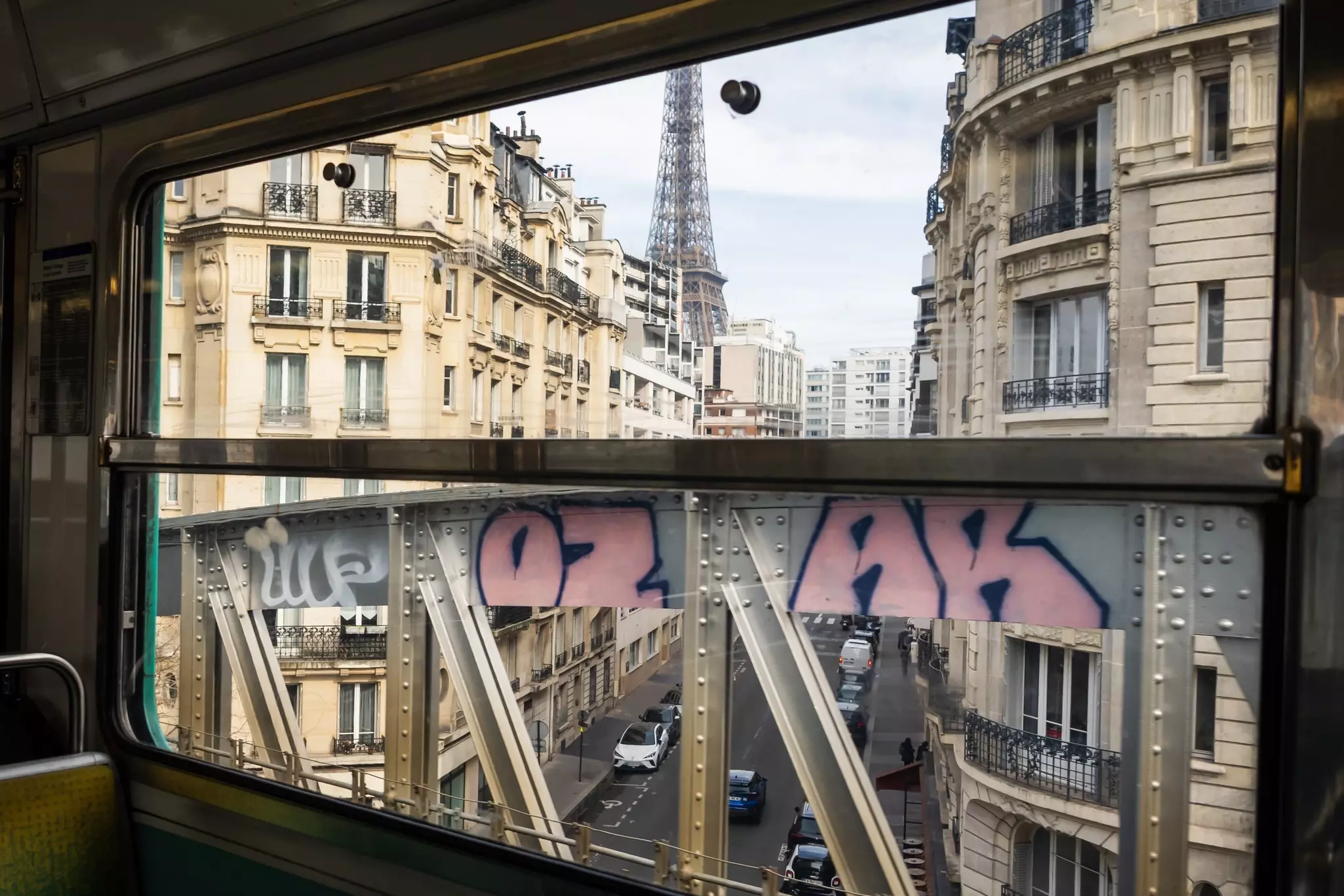
4. Do take off your backpack. When boarding a full metro or train, please take off your bag and carry it by your side. Your spatial awareness from the back is zilch, and more often than not, particularly during rush hour, you are likely hitting people full in the face with every small move. Inconsiderate backpackers are among the metro’s most annoying riders.
5. Don't use a speakerphone on public transportation. Though it should go without saying, no one wants to hear your entire conversation. Also, refrain from speaking on the phone too loudly aboard any public transportation. Listen to music or podcasts through headsets.
6. Don’t put your feet up on the seat. It’s not just frowned upon; on the Paris metro, it’s considered boorish behavior that is punishable by a €60 fine.
7. Don’t follow the crowd blindly. If you don’t pay attention and are caught entering an unauthorized one-way tunnel or entryway, you may have to cough up €25 in fines.
8. Do signal your request for a bus stop. As a courtesy to the driver, signal before you are pulling up to your destination.
9. Do pack accordingly. If you’re traveling on France’s high-speed trains, you’re expected to be able to carry all your bags yourself in one single trip. The limit is two bags or suitcases that measure a maximum of 70 x 90 x 50cm, along with one handbag. Bags must also carry ID tags.
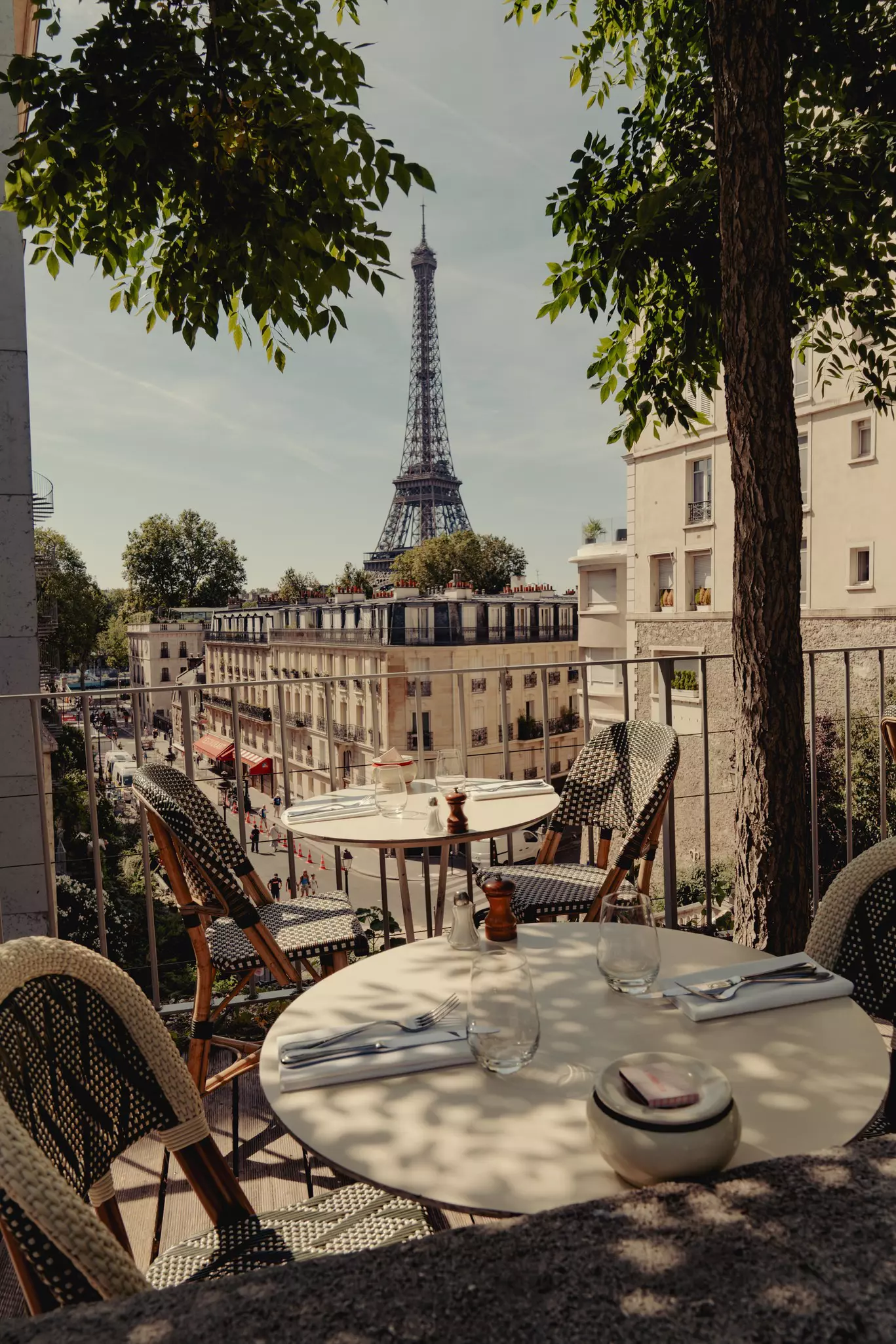
10. Do book ahead. Buy tickets online ahead of your visit. While some attractions like the Musée d’Orsay and Eiffel Tower still sell tickets on-site, you risk long lines, long wait times and sold-out dates as e-ticket holders are given priority. Likewise, be sure to honor the time slot for your visit, or you could be denied entry.
11. Don’t forget to bring your ID. If you purchased discounted tickets as a student or older adult, you may be asked to provide proof of age.
12. Do be mindful of your attire. If your itinerary involves visiting a place of worship, such as the Cathédrale Notre-Dame de Paris or the Grand Mosqée de Paris, you'll want to refrain from wearing shirts with expletives or sleeveless tops, and be prepared to remove your hat before entering the premises.
13. Do take advantage of accessibility services. Some galleries and museums, including the Musée d’Orsay, Musée de l’Armée and Musée National de la Marine, will loan wheelchairs, folding chairs and walking sticks for free. This service is particularly useful for people with mobility issues.
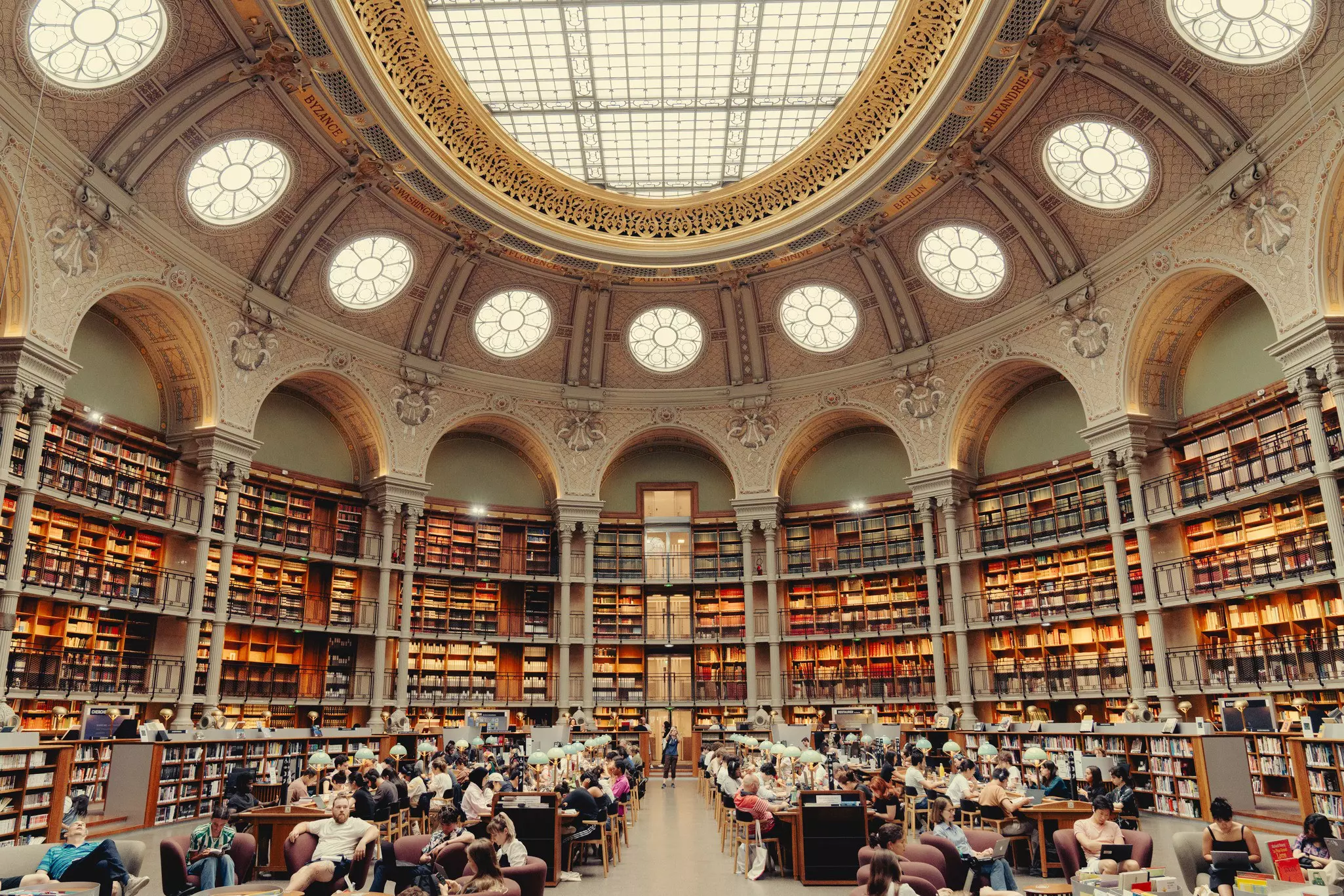
14. Do prepare to have your bags searched. Security rules are similar at many of Paris' top monuments and tourist attractions. Knives, scissors, highly flammable items like aerosol cans and excessive amounts of food and drink are forbidden. Suffice to say, it is also forbidden to eat and drink in exhibit spaces.
15. Do lower your voice. Some of us are cluelessly unaware of just how much our voices carry in a country like France, where the volume of conversation is generally much softer. Several monuments and museums even remind visitors on their websites to avoid loud conversations. Don’t embarrass yourself and your entourage by having to be shushed.
16. Do be respectful when taking photos. Refrain from taking too much time at popular artworks and blocking the flow of visitor traffic. Flash photography is generally banned at museums and galleries. Likewise, selfie sticks and full-sized tripods are also banned at most major attractions.
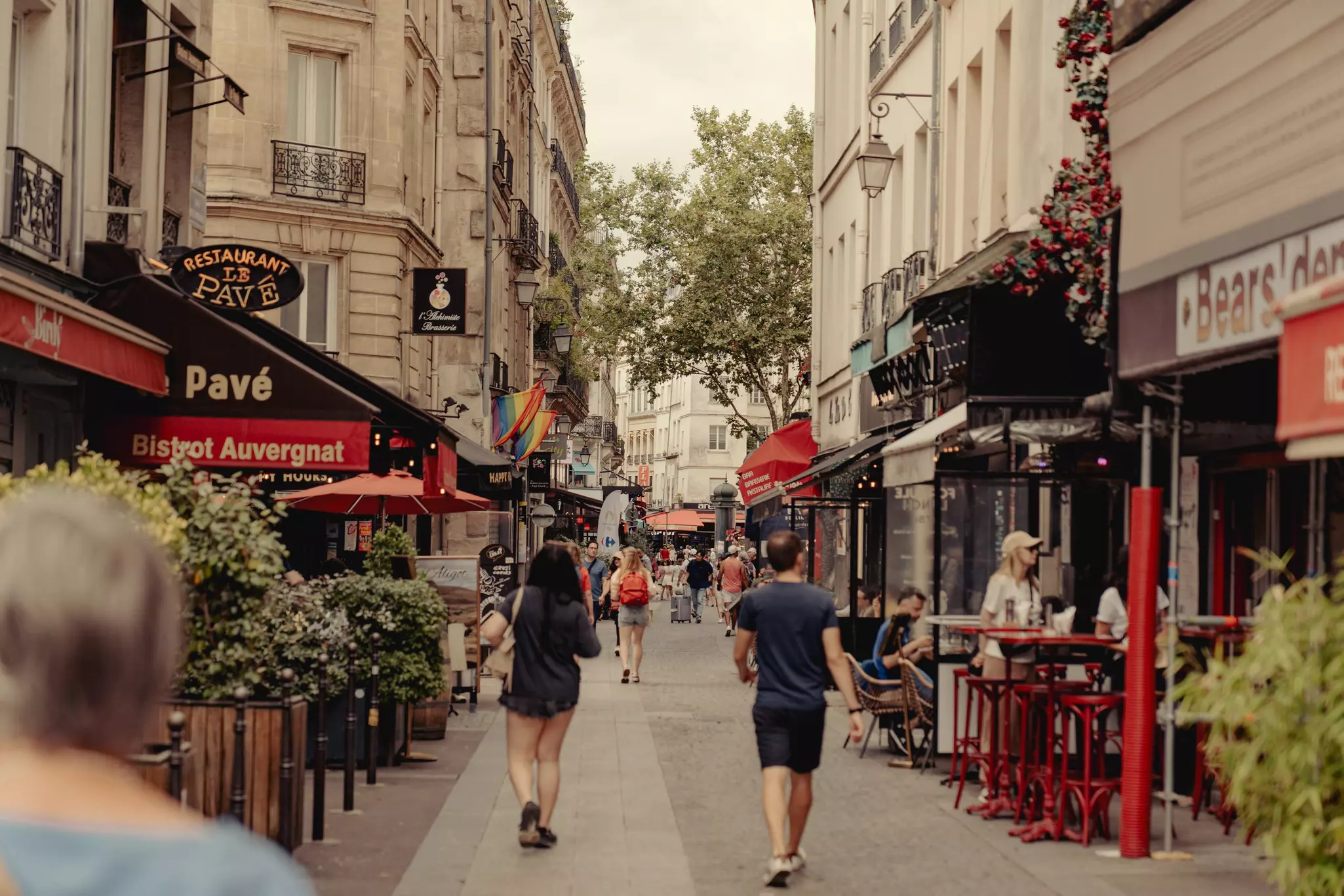
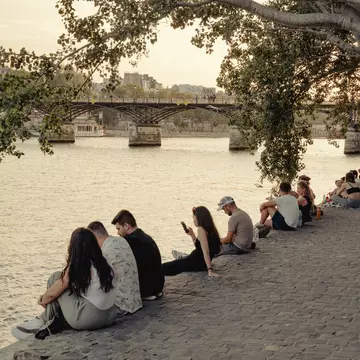
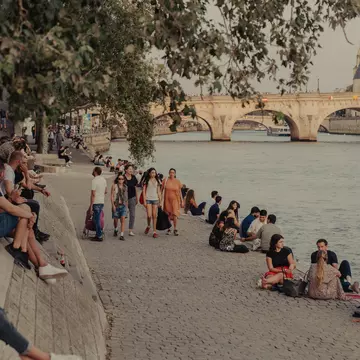
17. Do take cues from fellow picnickers. Technically, alcohol is forbidden in the city’s parks, gardens and public spaces. But authorities have been known to turn a blind eye. It’s common to see bottles of wine and beer shared among picnickers parked along the Canal St-Martin or on the banks of the Seine. That said, comply cooperatively if you’re asked to put it away. What authorities won’t tolerate, however, is disruptive displays of public drunkenness, which is forbidden.
18. Do be aware of nonsmoking laws. France has enacted a strict no-smoking law that bans lighting up in all public spaces across the country. That includes public parks, gardens, beaches, bus shelters and covered passenger waiting areas, anywhere near schools (including waiting and reception rooms), and open spaces and surrounding areas in and around libraries, swimming pools, stadiums and sports facilities.
19. Do pick up after yourself. It’s common in summer to find outdoor garbage bins overflowing with trash, particularly in areas that are popular with picnickers, such as the Parc du Champ de Mars at the foot of the Eiffel Tower or the banks of the Seine. But leaving your trash on the ground attracts rodents and is an insult to garbage collectors. Take any excess garbage home with you and dispose of it accordingly. Otherwise, you risk a fine of up to €135.
20. Don’t fasten locks to bridges. They pose a danger to the structural integrity of historic bridges and landmarks, and are tantamount to vandalism.
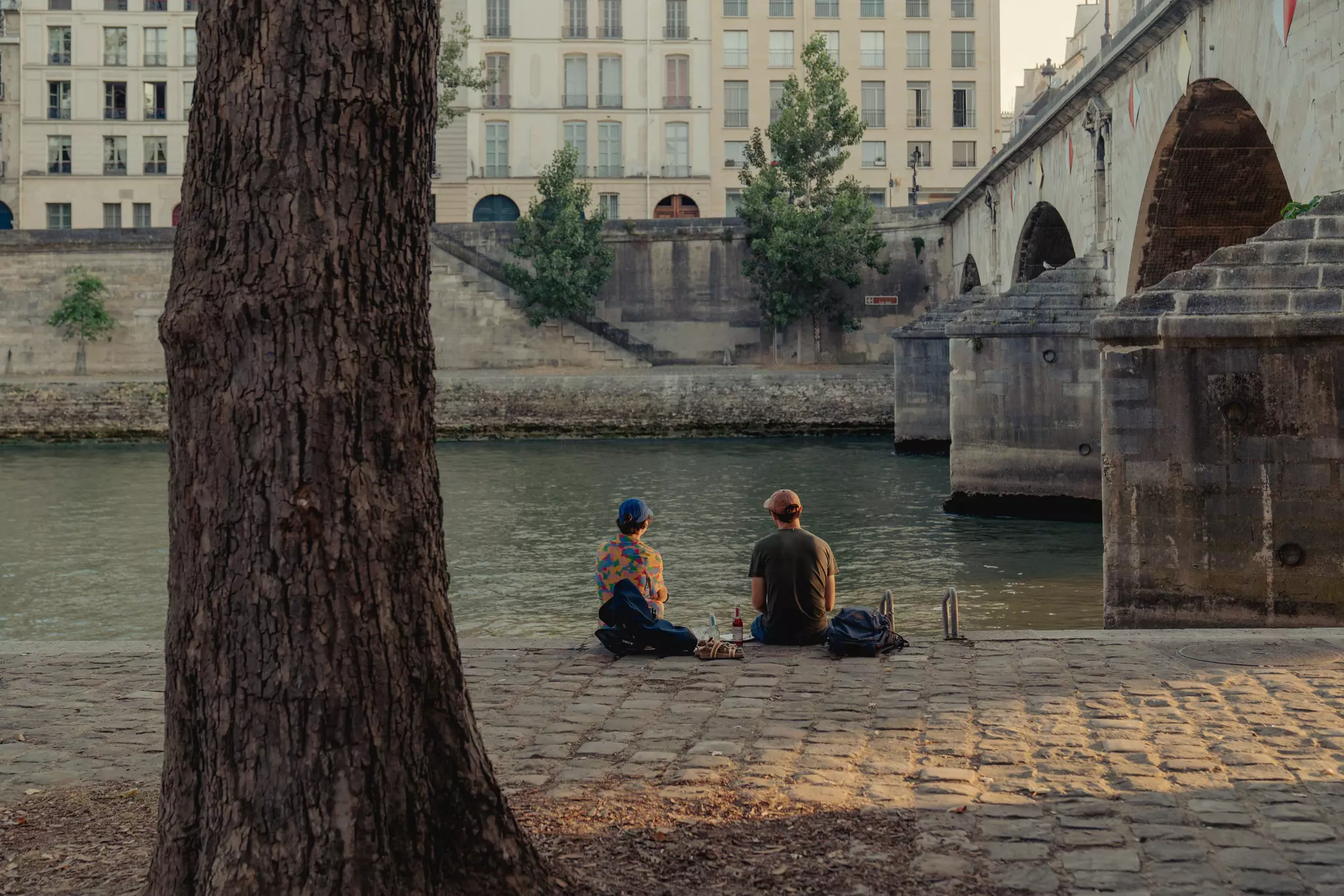
21. Do ask permission before you take someone’s photo. France has strict privacy laws. If you take images of clearly identifiable people, you are required to get their written consent. This is especially true if you intend to post the photos on social media. If the subjects are blurry and not identifiable, you’re in the clear. As a general rule, make a habit of asking the charming boulangerie owner or flea market vendor if you can take their photo before snapping away. More often than not, they will be pleased that you had the courtesy to ask, as so many others do not.
22. Don’t fly a drone. They are strictly forbidden over Paris' skies without proper authorization from the Paris police. Failure to do so runs a €75,000 fine and a one-year prison sentence.
23. Do give pedestrians priority. Pedestrians generally have the right of way. Bikes and e-scooters are banned from traveling on sidewalks. Offenders risk €135 fines.
24. Don’t talk on the phone while riding a bike. It’s punishable by a fine of €135, and that includes wearing headphones or wireless earbuds too.
25. Do wear a helmet. Helmets aren’t legally mandatory for adult cyclists, but they are for kids under age 12. That said, it’s highly recommended for everyone.
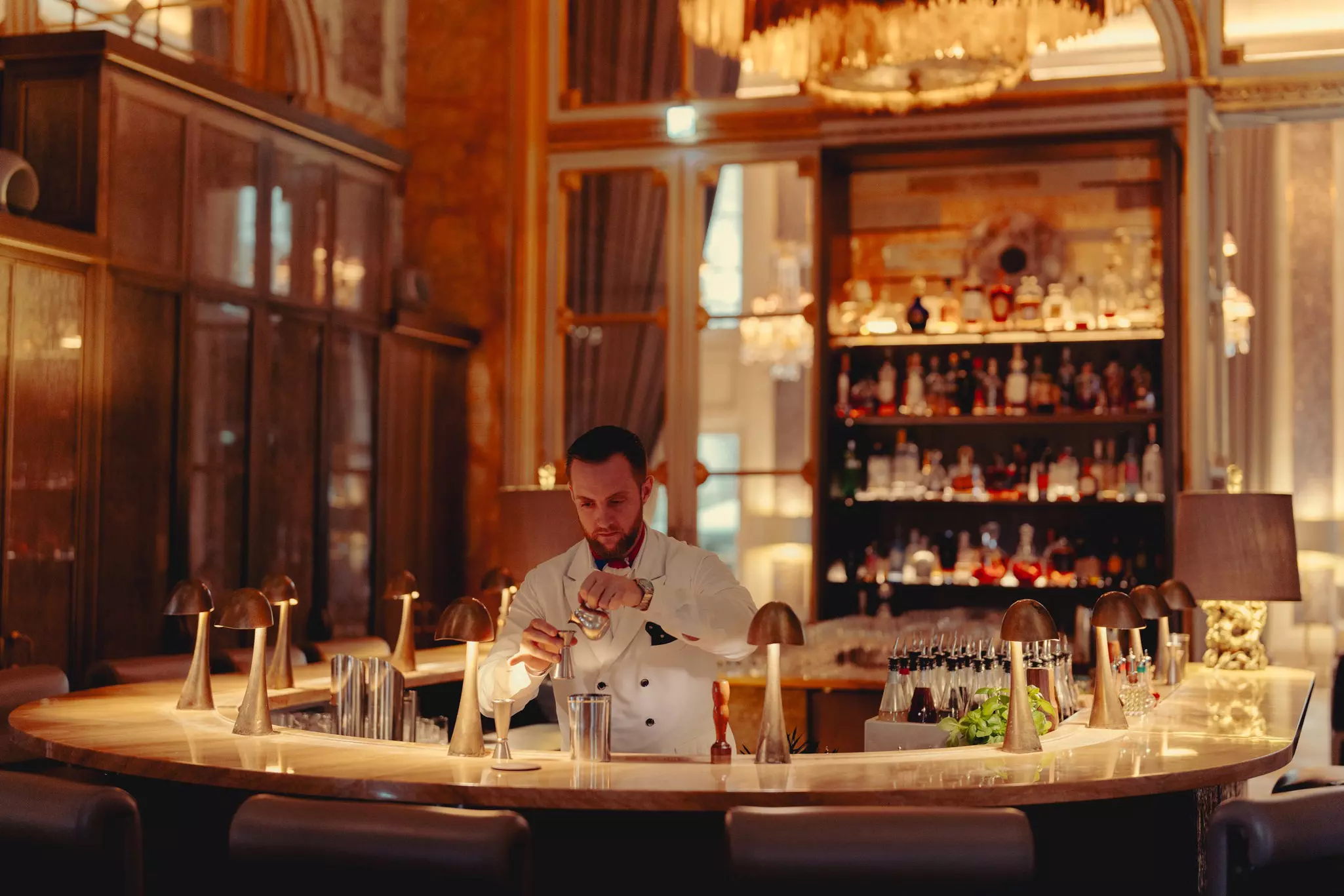
26. Do book ahead at dining hot spots. Try to reserve a table at trendy restaurants months or at least a few weeks in advance. And don’t flake out on reservations. Cancel if you must, but don’t be a no-show.
27. Don't expect substitutions. At mid- to high-end restaurants in Paris, French diners understand that dishes are carefully developed by expert chefs and that trying to rewrite recipes can be seen as an insult. If, however, you have allergies or dietary restrictions, let the restaurant know well in advance so that they can prepare ahead of time.
28. Do keep in mind typical dining hours. In general, lunch is 12pm–2:30pm, while dinner starts after 7pm. If you need a midafternoon meal, look for cafes and restaurants with signs that read “service continu,” which means the kitchen is open all day. Also, remember that many restaurants close up shop for a whole month in summer, generally in July or August. Some of the top-rated restaurants in the city also close the entire weekend among chefs who prioritize work-life balance.
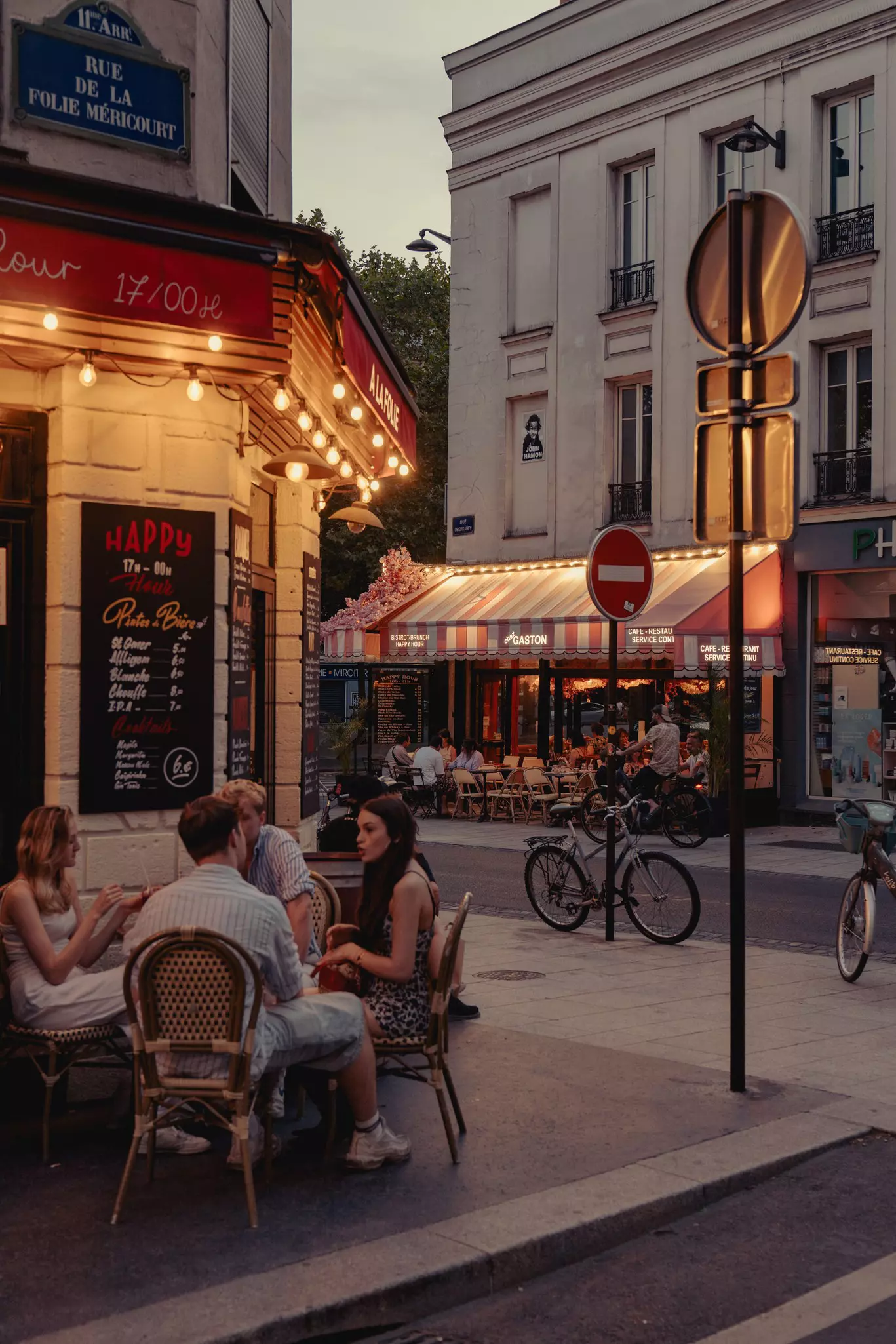
29. Don’t feel compelled to buy bottled water. Servers may try to upsell you bottled or fizzy water. If you just want tap water, ask for une carafe d’eau (pronounced "oun karaf doe"), which is free. Also, bear in mind that the complimentary bread in France doesn’t come with butter, as it’s meant to mop up the sauce on your plate, a practice called saucer. And while once a request for le doggy bag would have elicited chortles of mockery and disdain from your Paris server, it is now acceptable to ask the restaurant to wrap up any uneaten leftovers. Know, however, that they do have the right to make you pay a modest sum for a takeout container.
30. Do tip if you had a particularly wonderful experience. Though a 15% service charge is already added to your bill, it’s become increasingly common, even among the French, to leave a 5–10% tip.
Explore related stories