A guide to Assam in India
Jan 15, 2026
9 MIN READ

Writer
A male greater one-horned rhino at Kaziranga National Park. Som Moulick/Shutterstock

Writer
Lonely Planet may earn a commission from affiliate links on our site. All recommendations and reviews reflect our own independent opinions.
You’ve likely heard of Assam as a tea-lovers' haven, or as the home of the revered Kamakhya Temple and the world's largest population of one-horned Indian rhinos. But beyond these highlights, there’s so much more to see and do for travelers seeking an immersive experience in India's remote Northeast.
Picture yourself exploring lesser-known temple towns such as Hajo, unraveling the stories of the centuries-old Ahom dynasty in Sivasagar, or gazing on the misty cascades of Panimur Waterfall – often called the Niagara Falls of the Northeast.
Assam is a treasure trove of under-explored gems, waiting to be discovered. Here's what you need to know if you're visiting for the first time.
When should I go to Assam?
The best time to visit Assam is from October to May, though the experience changes dramatically with the seasons. In April, the state celebrates Rongali Bihu, the Assamese New Year, welcoming the mild temperatures of spring with music and dance.
In January, Bhogali Bihu, Assam’s harvest festival, takes center stage. If you’re looking for a tour infused with local flavors, this is an ideal time to feast on regional delicacies such as pitha (rice cakes), doi-chira (yogurt with flattened rice and a hint of jaggery), masor tenga (sour fish curry), khar (fermented banana stem curry) and more.
If you’d prefer to skip the festive crowds, the shoulder seasons of late September and early May are great for sightseeing. While early May can start to feel warm, late September brings milder temperatures, occasional drizzle, and fewer tourists – it's an ideal time to explore at your own pace.
The monsoon months (June to August) transform the landscape into a lush, green wonderland. However, the river Brahmaputra is affected by flooding in some areas, which can make travel unpredictable and some locations less accessible. Still, if you can look past the rains, this is when Assam feels at its most raw and wild, with the sweet scent of petrichor lingering in the air.
How much time should I spend in Assam?
One week is a useful amount of time to explore the highlights of Assam, but if you're short on time, a weekend escape can still offer a charming introduction. Base yourself in the state’s largest city, Guwahati, and you’ll have just enough time to check out some of the most frequently visited tourist spots and feast on Assamese thalis (plate meals) to broaden the experience.
Is it easy to get in and around Assam?
Assam is well-connected to other parts of India. Lokpriya Gopinath Bordoloi International Airport in Guwahati is the main gateway, with regular flights from major Indian cities such as Delhi, Mumbai, Bengaluru and Kolkata, along with international routes from Bangkok, Singapore and Paro in Bhutan. From the airport, it takes about 45 minutes to reach the city center by taxi (or using rideshare apps).
Assam is also well-served by rail, with major stations in Guwahati, Dibrugarh, Tezpur and Silchar. But some aspects of a visit here require careful planning, such as arranging pre-booked cabs through rental agencies to travel between towns, national parks and ferry jetties along the Brahmaputra.
To reach more remote destinations such as Haflong and Majuli Island, or national parks such as Kaziranga or Manas, consider hiring a car and driver, or join a group tour. There are many reliable local operators, including Koyeli Travels and Red River.
Walking within towns is manageable, though not all areas are pedestrian-friendly. Guwahati and other larger cities have local city buses, autorickshaws and cabs. However, accessibility is limited for travelers with mobility needs.
Top things to do in Assam
While transport links can sometimes be complicated, there's loads to see and do in Assam.
Experience river life on Majuli Island
Once considered to be the world’s largest river island, Majuli is a microcosm of Assamese culture, where centuries-old satras (monasteries) continue to nurture a vibrant sense of creativity, spirituality and community. Founded by the 15th-century saint and reformer Srimanta Sankardev, these cultural hubs host monks who perform borgeet (devotional songs) and bhaona (ritual dance-dramas), and craft traditional masks for mythological theater.
Auniati, Kamalabari and Garamur are among the most visited satras on the island. For a truly immersive experience, stay in a traditional stilt house such as Ménam Homestay and tuck into a hearty Mising-style thali. Get to Majuli by ferry from Nimati Ghat near Jorhat.
Learn about mythological tales in Hajo
Just an hour away from Guwahati, Hajo is dotted with Hindu temples, Muslim shrines and Buddhist relics. The most prominent site here is the Hayagriva Madhava Temple, dedicated to the Hindu god Vishnu. Some Buddhist pilgrims believe the temple is linked to an incarnation of the Buddha.
The Hayagriva Madhava Temple overlooks a serene lake — a sacred water body where pilgrims feed resident turtles and fish, believing their blessings carry prayers across the realms. Take a short walk from here to Poa Mecca, a Muslim shrine with Persian inscriptions from the 17th century; visiting is said to offer a quarter of the spiritual merit of the pilgrimage to Mecca.
Wander historical trails in Sivasagar
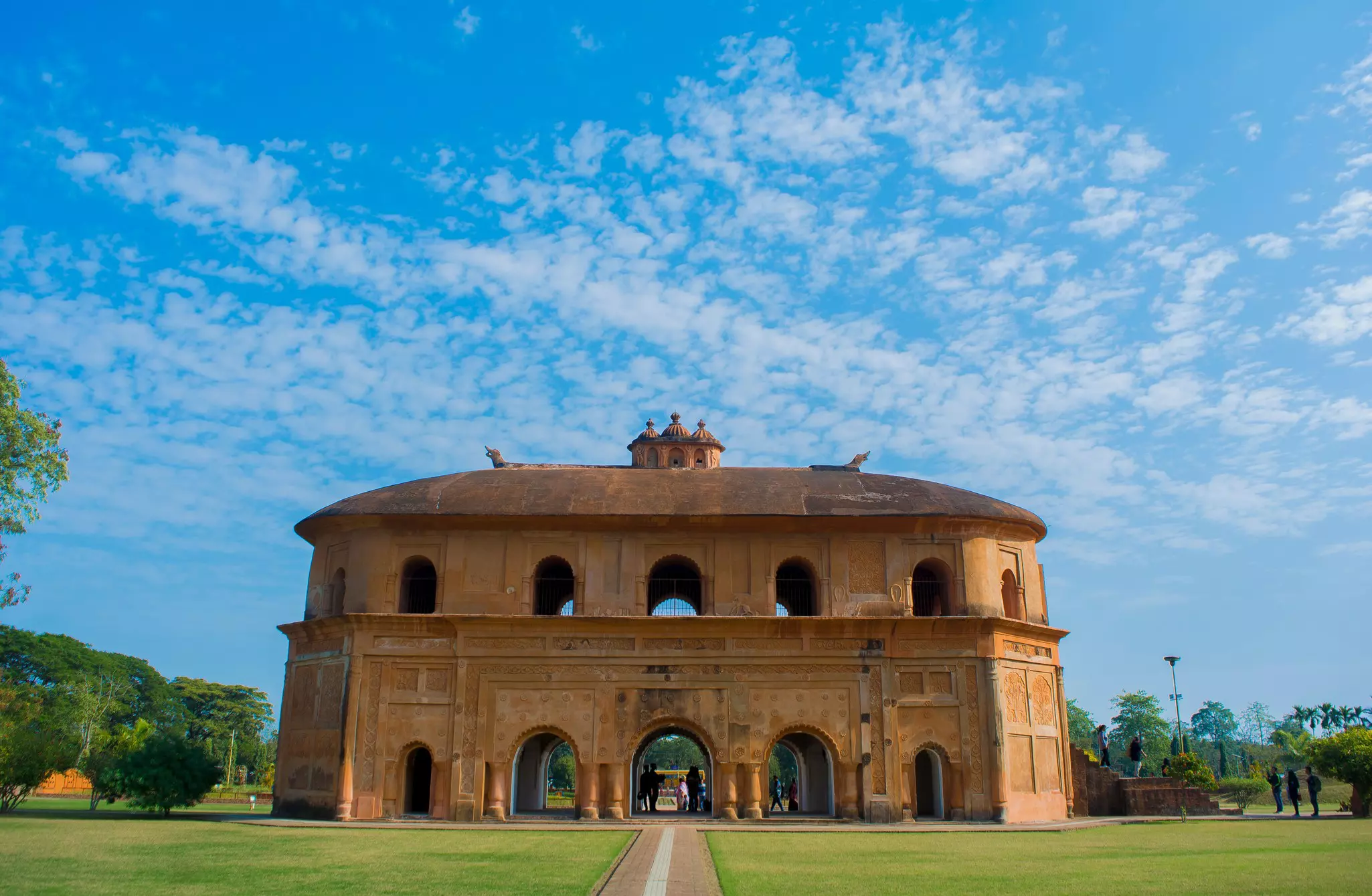
Once the seat of power for the Ahom kingdom, Sivasagar remains the best place to learn about the fascinating history of this important dynasty. Start at the Rang Ghar, believed to be Asia’s oldest surviving sports pavilion – its name means "House of Entertainment."
Wander through the layered chambers and secret tunnels of Talatal Ghar, a seven-storied palace with four stories above the ground and three stories underground. From Sivasagar, head to Assam’s newest UNESCO World Heritage Site, the Charaideo Moidams, preserving the ancient burial mounds of the Ahom dynasty.
Cruise along the river Brahmaputra
A river cruise along the Brahmaputra – the only river in India to be traditionally regarded as male – is slow travel at its finest. A river cruise offers an immersive way to uncover Assam’s off-the-radar sights, from remote tribal villages to centuries-old spiritual sites. Operator Assam Bengal Navigation offers cruises on comfortable river boats with heritage-style cabins and Assamese cuisine served on deck.
Trek to wild frontiers
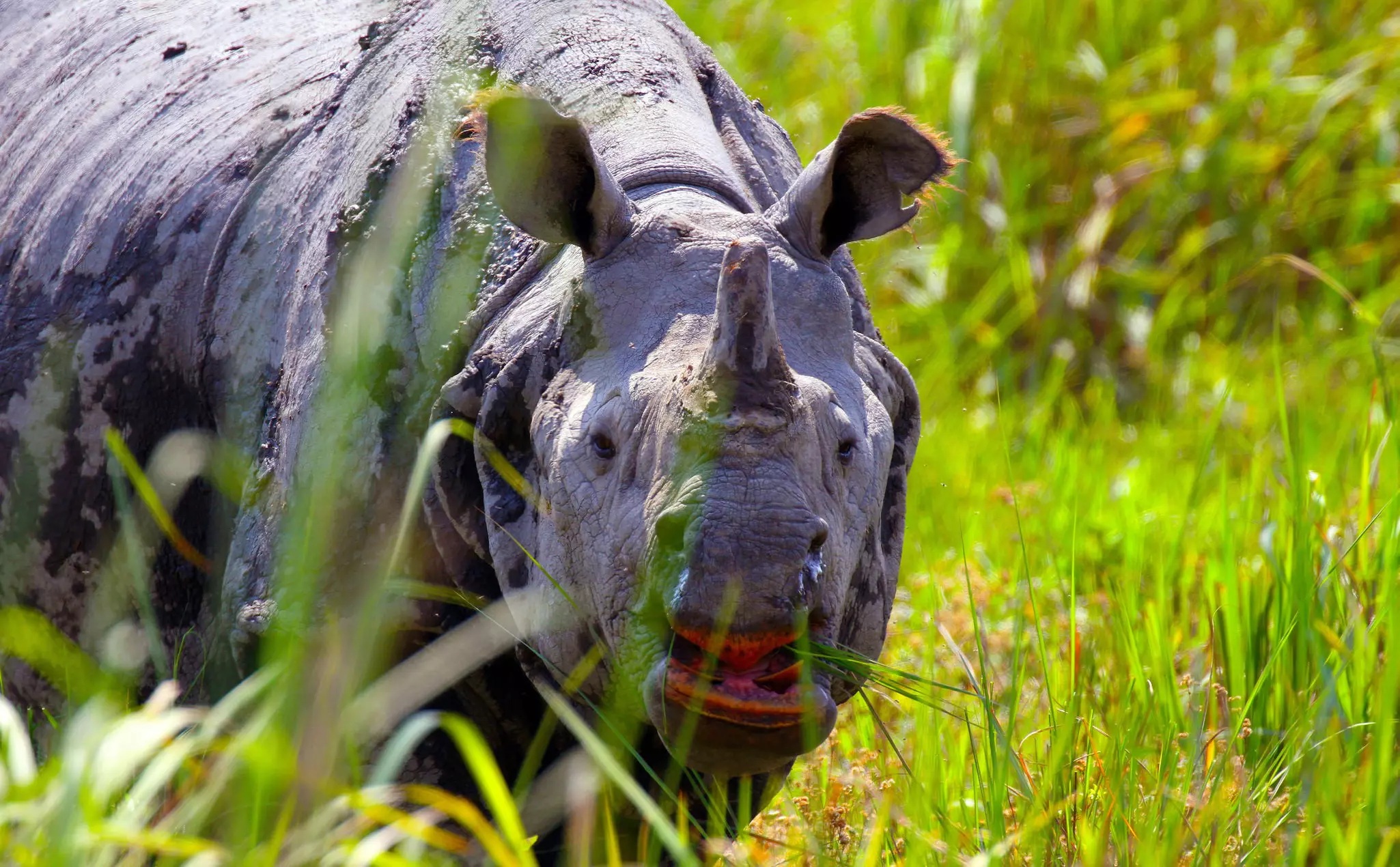
While Kaziranga National Park remains the most visited reserve in the state, thanks to its large population of one-horned Indian rhinos, Assam has other enchanting wilderness escapes to explore. Consider a trip to Dehing Patkai National Park, India’s last remaining lowland tropical rainforest – covered by a dense evergreen canopy, it's a paradise for owl enthusiasts.
Dibru-Saikhowa National Park is another wild wonder, on the floodplains of the Brahmaputra and Lohit rivers; it’s home to river dolphins, rare white-winged wood ducks and even a population of wild horses. Then there’s Assam’s newest reserve, Sikhna Jwhwlao National Park, a little-known biodiversity haven, where visitors can spot the endangered golden langur.
Closer to the border with Arunachal Pradesh lies Nameri National Park, a serene, less-seen gem. Perfect for forest walking, it's one of the last strongholds of the endangered white-winged wood duck. For a tranquil stay nearby, check into Wild Mahseer, a charming colonial-era estate nestled amid tea gardens; the owners can arrange nature walks and park excursions.
Visit Assam’s only hill station, Haflong
Often overlooked on Assam itineraries, Haflong is a delightful getaway. This is Assam’s only hill station, and it's surrounded by rolling blue ridges, glistening lakes, forest trails and mist-draped villages. Located in the center, serene Haflong Lake is an ideal spot for a quiet morning stroll or a lazy evening boat ride.
Around 4 hours from Haflong by road, the dramatic Panimur Waterfalls tumble over rocky outcrops in a thundering display. Head to Maibang, the ancient capital of the Dimasa Kingdom, to see monolithic stone carvings from the 12th century.
From Guwahati, the most scenic way to reach Haflong is by train in a Vistadome carriage with large panel windows and a glass ceiling. The trip offers panoramic views of the sloping hills and endless green valleys, transporting you to the hills in under 6 hours.
My favorite thing to do in Assam
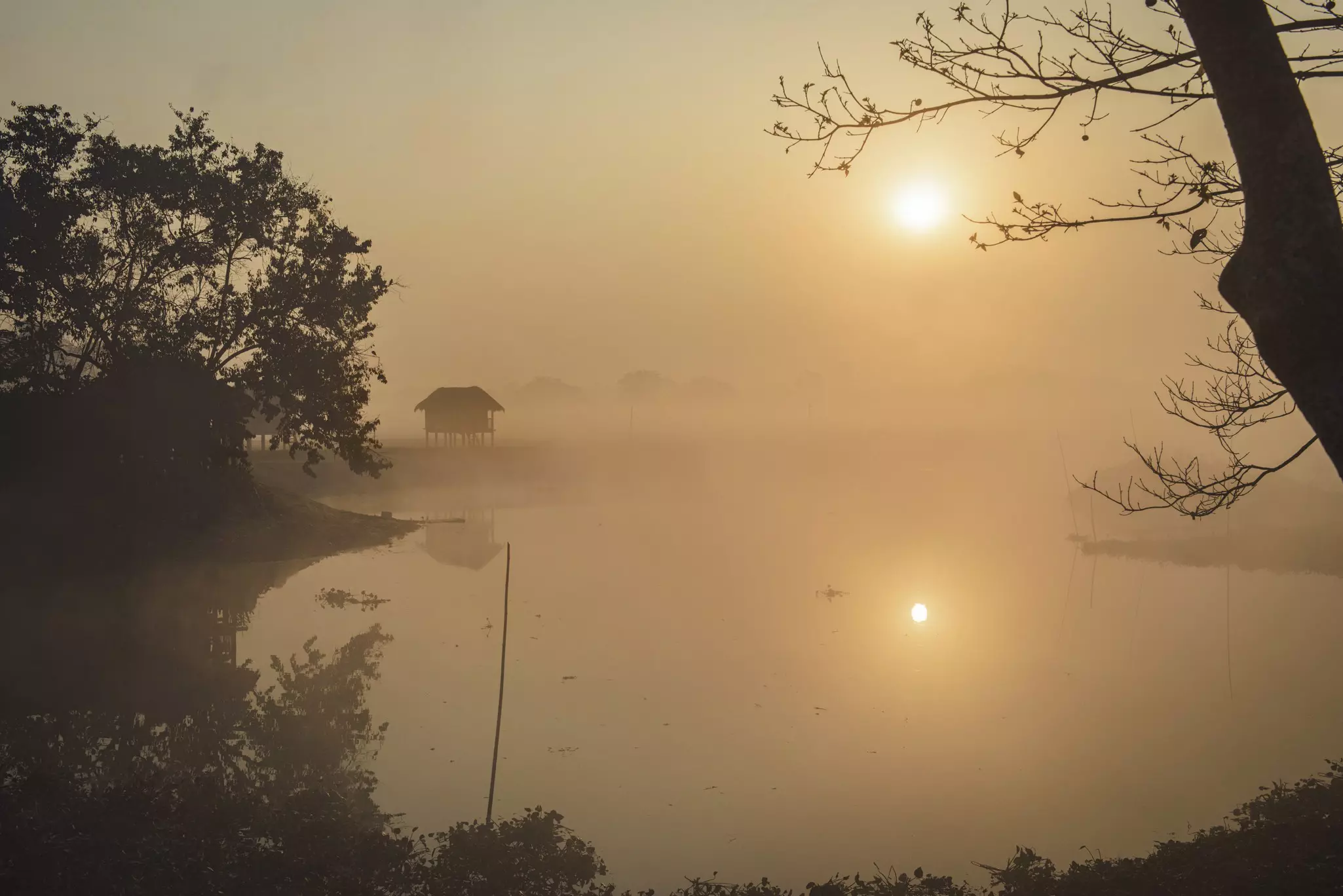
I grew up in Guwahati, and over the years, my hometown has evolved in ways I never would have imagined. There are now lots of boutique stays, stylish cafes and new-age restaurants, drawing a big influx of tourists. Yet, despite the urban buzz, I’d still choose the serenity of seeing the sunset at Deepor Beel, a wetland and freshwater lake. As fishermen cast their nets and birds call out on their flight home, the wetland becomes a quiet sanctuary.
How much money do I need for Assam?
Assam remains one of India’s best-value destinations, with options for every pocket. Although credit cards are widely accepted in Guwahati, most transactions are still cash-driven in smaller towns and rural areas, so carry Indian rupees at all times.
Basic hotel rooms and Airbnb stays: ₹1200–2500 per night
Upscale colonial bungalow stays: ₹5000–10,000 per night
Intercity train rides: ₹500–2500
Downtown taxi rides: from ₹150
Autorickshaw rides: ₹50–150
Entry fee to tourist sites: from ₹300
Traditional Assamese thali at a local restaurant: ₹300–500
A bottle of Indian beer: ₹300
Is it safe to travel to Assam?
Although the state faced its share of unrest during the late 1990s and early 2000s, peace has since prevailed, with tourism seeing a steady boost. Assam has seen little impact from the political problems in nearby Manipur.
For bigger towns such as Guwahati, Dibrugarh or Tezpur, it’s generally safe and easy to navigate on your own. However, when visiting remote corners and rural villages, it’s still best to travel with a local guide or regional tour organizer who knows the terrain well, even if you're a seasoned solo traveler.
Be aware that Assam isn’t a late-night destination; most places here wind down early, though the center of Guwahati still has some buzz until around midnight. Women travelers should dress modestly, particularly in remote or conservative areas, and avoid isolated places after dark, especially when traveling solo.
What should I buy in Assam?
Be sure to take home a mekhla chador, the traditional two-piece garment of Assam (it's equal parts heritage and elegance). For the finest quality, head to Sualkuchi, the self-styled "Silk Village" of Assam, where these graceful ensembles are handwoven using age-old techniques. The finest mekhla chadors are crafted from Muga silk, exclusive to Assam and known for its natural golden sheen.
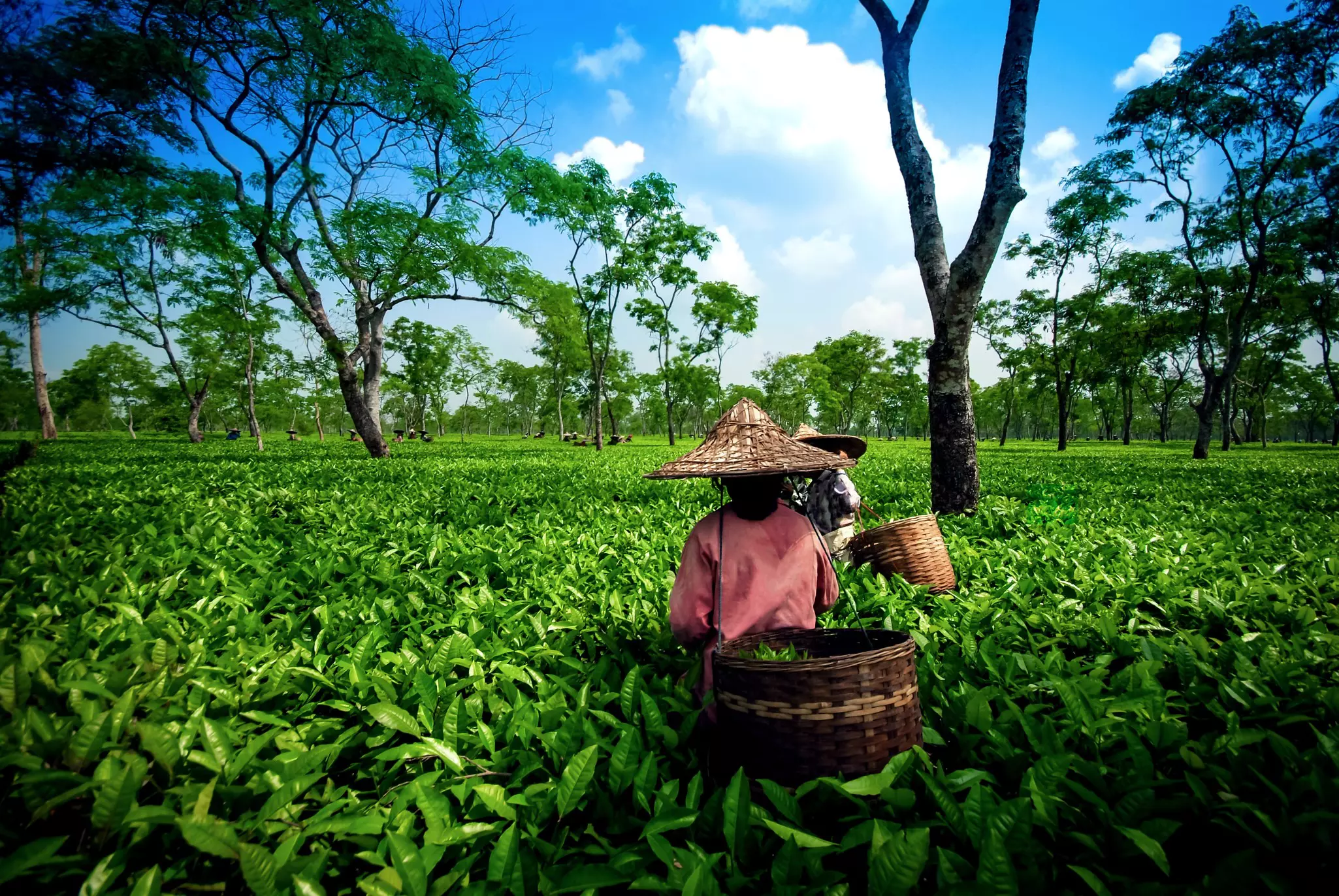
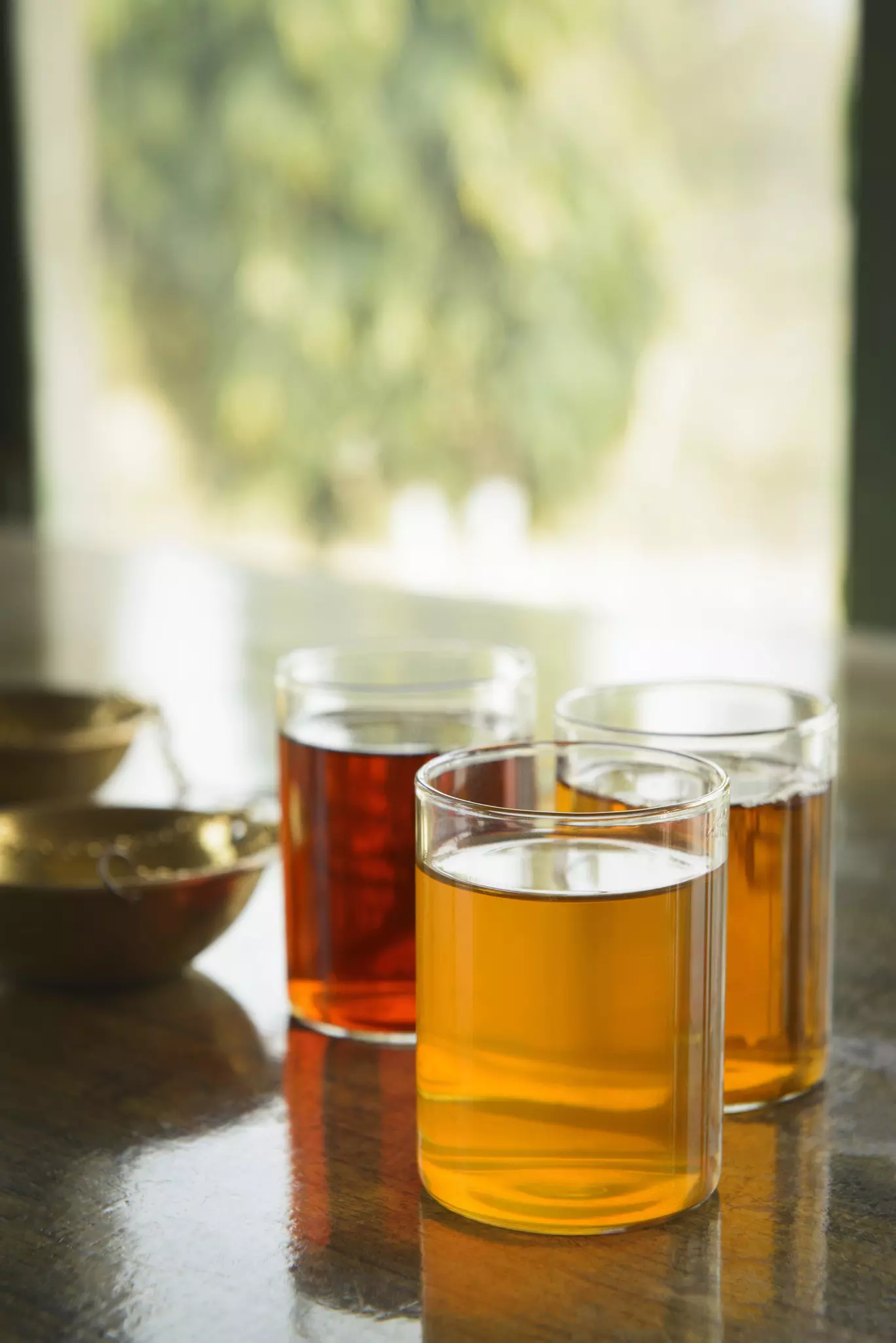
Don’t leave without trying (and buying) our aromatic and full-bodied tea – it’s the very soul of the state. While you’ll find plenty of commercial options packaged for sale across India, it’s best to buy directly from tea estates, or to choose brands such as Tea Amo and Woolah Tea, which work closely with local farmers to ensure fair trade.