Feb 20, 20266 min read
The Best Time to Visit BhutanFeb 27, 2026
10 MIN READ
Writer
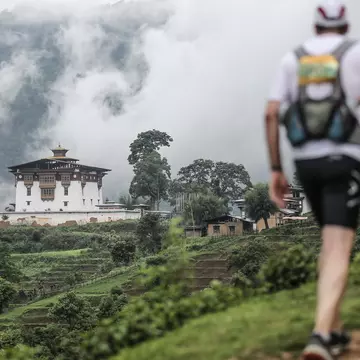
A view over forests and the traditional-style Pemako Thimphu hotel in Thimphu, Bhutan. Pemako Thimphu

Writer
Lonely Planet may earn a commission from affiliate links on our site. All recommendations and reviews reflect our own independent opinions.
Nestled between China and India in the Himalayas, the tiny nation of Bhutan is known for prioritizing Gross National Happiness over Gross Domestic Product; the concept is even embedded in its constitution. Bhutan's dedication to sustainable development, cultural preservation and environmental conservation makes it a destination quite unlike any other.
Following a “High Value, Low Impact” tourism model that prizes sustainable travel over mass tourism means the country remains high on the bucket list for been-there, done-that travelers seeking pristine nature and untrodden paths.
However, a trip to the world’s only carbon-negative country (over 70% of the land is forested) doesn’t come cheap, with a complex visa and tourist tax system. Most visitors must pay a daily US$100 Sustainability Fee, making shorter, well-planned trips an appealing option.
Here’s a four-day itinerary centered on the nation's capital, Thimphu, that blends relaxation with exploration, highlighting the things that make Bhutan such a unique destination.
Getting to Bhutan: There’s only one international airport in Bhutan – Paro International Airport, in the town of Paro. You’ll likely transit through a third country such as India or Thailand, and you may need to change airlines, so double-check whether you need a transit visa and whether your luggage will be checked through. On the way to Bhutan, book a window seat on the left side of the plane for the best views over a sea of mountains as you approach Paro, including Mt Everest – known as Sagarmatha or Chomolungma to the people of the Himalayas.
How to get from the airport: Your best options for the 50km ride to Thimphu is a taxi or a shuttle arranged through your hotel or travel agency; the trip takes 1 hour and 30 minutes. Thimphu-based guide extraordinaire Bab Chencho (WhatsApp +975 77674671) can also handle all your logistics.
Getting around town: The center of Thimphu is quite walkable, although be prepared for some hilly terrain if you want to visit the Buddhist sites on the slopes of the valley. Taxis are your friend for reaching outlying areas. You’ll need a car and driver for a side trip to the Punakha Valley.
Where to stay: The elegant Pemako Thimphu feels like staying in a medieval fortress, with its hand-drawn murals and gorgeous traditional architecture styled like a traditional dzong (fortified monastery). Its prime location allows easy access to the most walkable part of the city, with a busy handicraft market and Thimphu's main street just outside its gates. In the Punakha Valley, the ultra-luxe Pemako Punakha on the banks of the Mo Chhu River is modeled after a remote Himalayan sanctuary. Its dreamy tented villas are decked out with a rustic-chic aesthetic, complete with a private heated pool and Bill Bensley-designed elements such as copper tubs and sumptuous fabrics.
What to pack: The weather and temperature can vary depending on the elevation and time of the year, so it’s best to pack layers, along with easily removable shoes for temple visits and hiking gear if you plan on doing some walks.
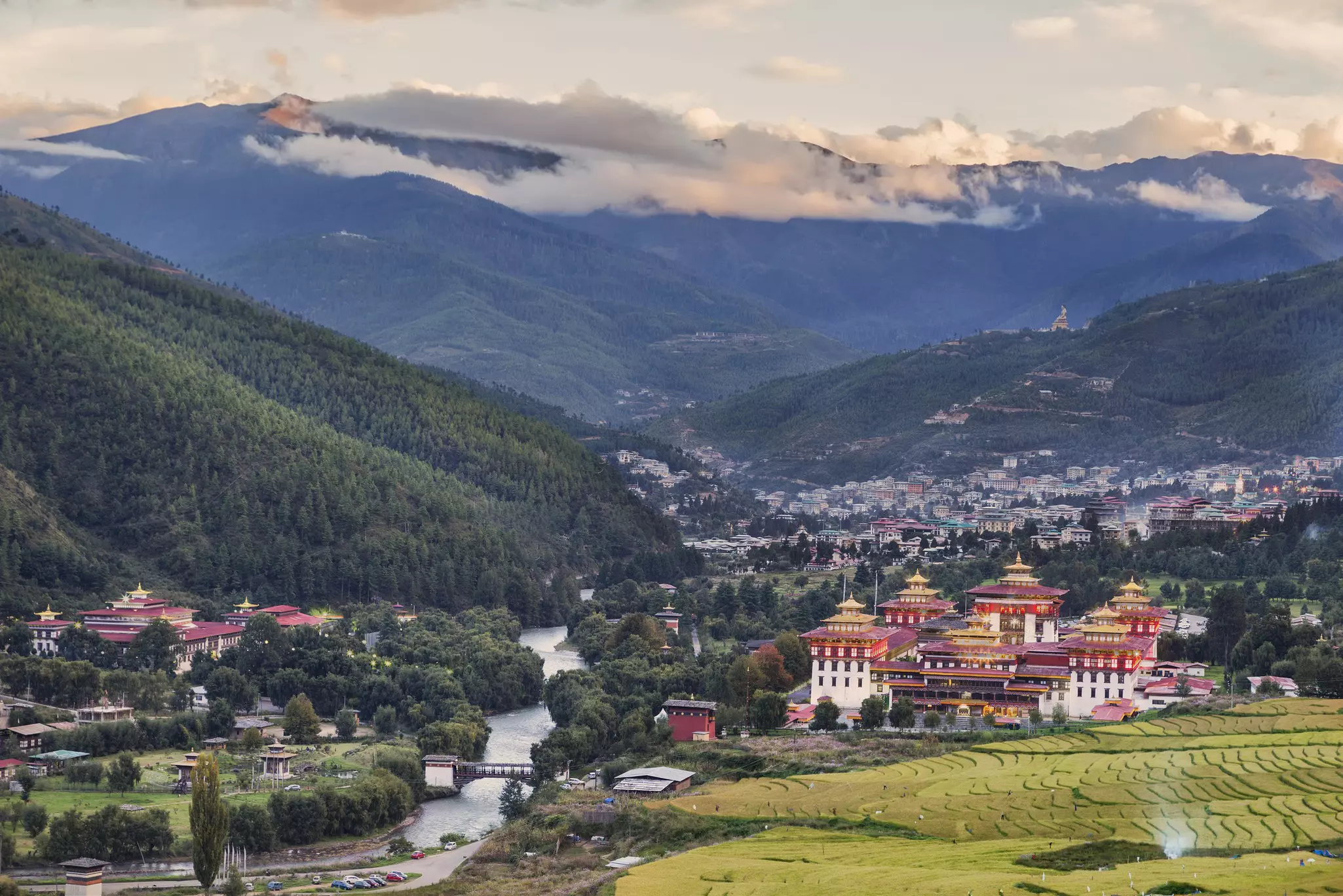
Start with a day in Bhutan's small but fascinating capital city.
Get the lay of the land with a visit to the 51m-tall Dordenma Buddha statue (also known as “Buddha Point”) at the southeast end of the Thimphu Valley. This epic bronze and steel statue is set on a tall base that houses 125,000 smaller Buddha statues and a large meditation hall. It’s a serene setting for an introduction to Bhutan’s unique blend of Vajrayana Buddhism and belief in local deities and spirits, which influences almost every facet of life in the country. Buddha Point also commands amazing views of the Thimphu Valley, surrounded by hills and forests.
Tip: If you have a bit more time, you can approach the statue via a pleasant, hour-long walk through fragrant pine forests from the Changangkha Lhakhang temple, one of Thimphu's most important Buddhist shrines.
Bhutanese beliefs are a mix of faith, myth and legend. At the Motithang Takin Preserve, one of these myths is made real in the form of the takin, Bhutan’s national animal. This unusual ungulate looks to have a goat’s head attached to a cow’s body.
Legend has it that the 15th-century Lama Drukpa Kunley was asked to perform a miracle to prove his supernatural powers. After feasting on a whole cow and a whole goat, he combined the bones to create the magical-looking takin. The 8.4-hectare reserve is beautifully forested, with elevated walkways making it easy to view takin, sambar deer and barking deer.
On the way back to town, stop by the Centenary Farmers Market and wander around nearly 400 stalls for an overview of Bhutan’s bounty, including red rice, mountain herbs, smoked yak meat and cheese.
Planning tip: Tea and handmade soaps make good gifts, and they’re better-priced here than in Thimphu's souvenir shops.
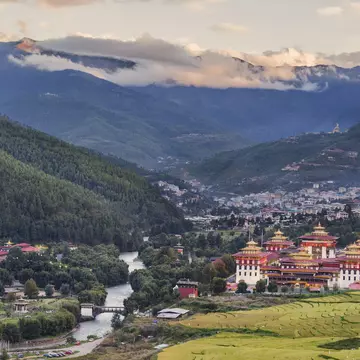
Aim to arrive at the fortress-monastery of Trashi Chho Dzong at 5pm, just as the government officials leave for the day. Thimphu’s most impressive building is home to both government offices and monastic quarters, illustrating Bhutan’s distinct blend of the secular and spiritual. Take in the whitewashed perimeter walls, vivid murals, dramatic architecture and peaceful courtyards and gardens.
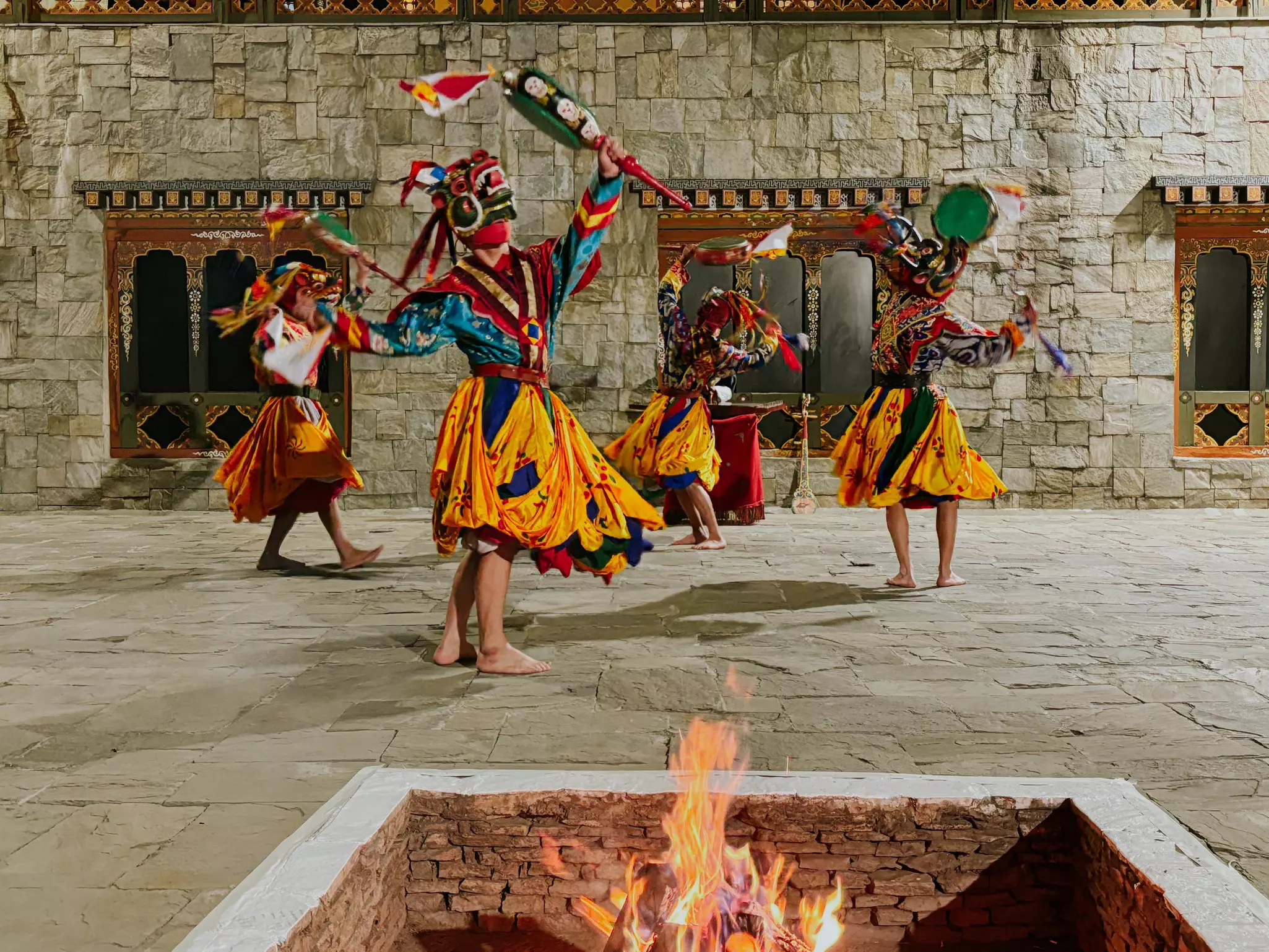
Now that you’ve seen Bhutanese products at the market, it’s time to taste them at their finest at Chig Ja Gye, the restaurant at the Pemako Thimphu hotel. Carved, gilded panels, dark wood and sumptuous seating sets the stage for feasting like a king on classic, gorgeously presented Bhutanese dishes such as ema datse (green chilies simmered in soft local cheese – two ingredients known to provide warmth and energy) and jasha maroo (spicy chicken stew).
If you’re into nightlife, then Thimphu is your best bet to kick back. Drunken Yeti and The Grey Area are good places to experience a more secular side of Bhutan, and sample a bottle of local Red Panda beer.
Planning tip: If staying at the Pemako Thimphu, time your dinner to catch the excellent traditional dancing and singing performance in the courtyard.
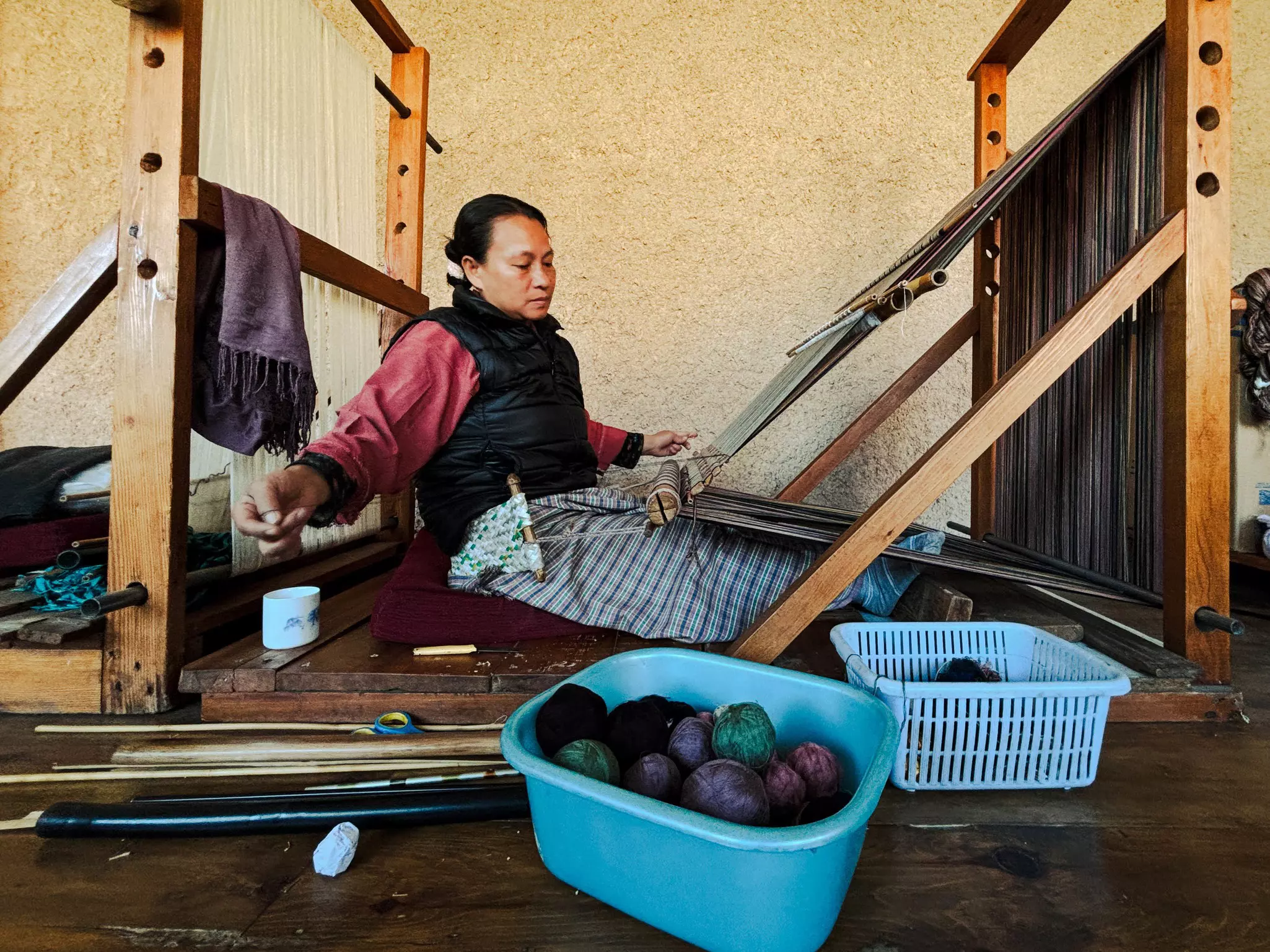
On day two, visit sights that offer insights into Bhutan's traditions and crafts.
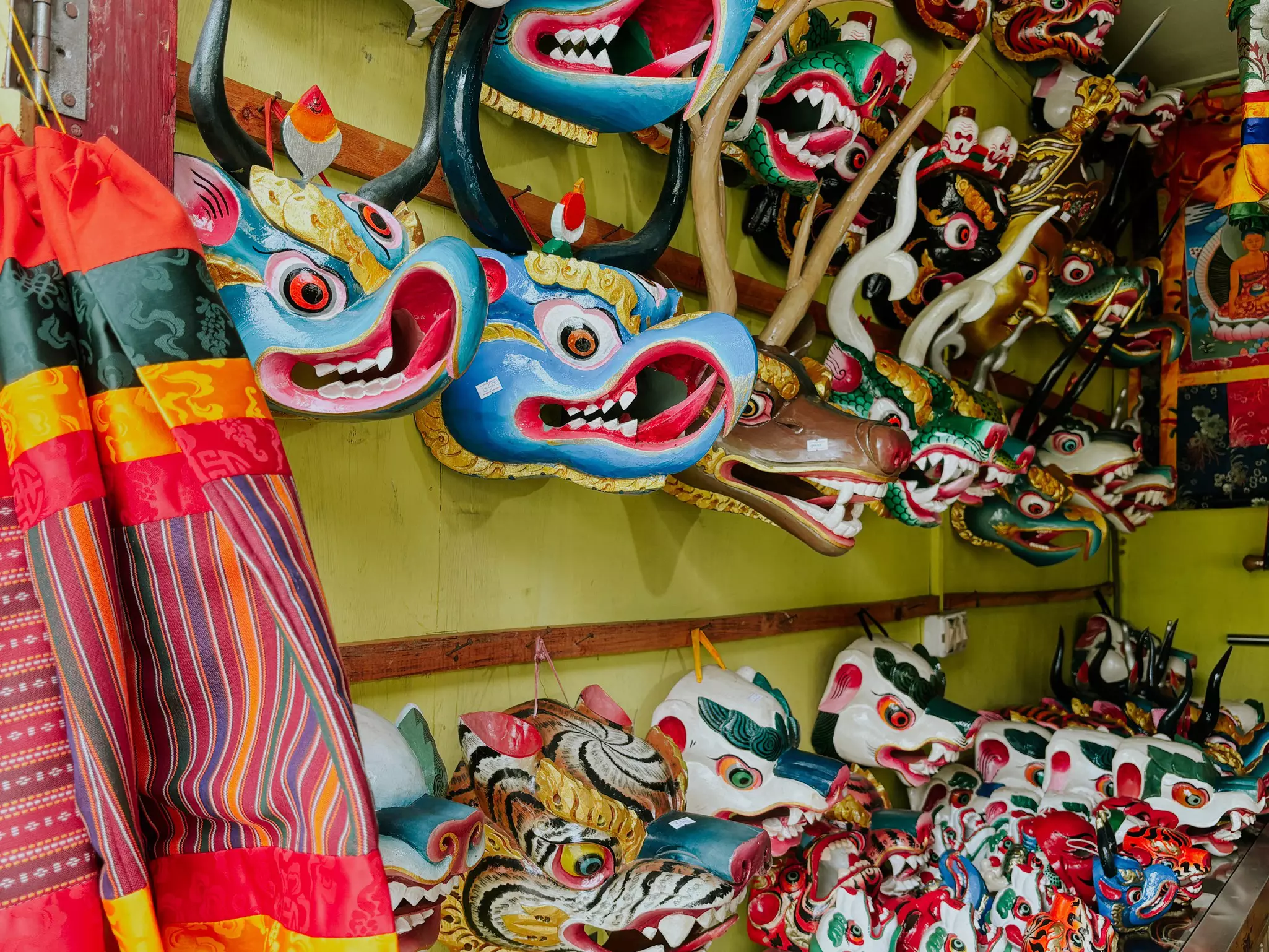
It’s hard not to notice beautiful artwork everywhere in Bhutan, from the ornately painted window frames that adorn practically every home to the intricate thangka scroll paintings found in monasteries. Spend the day delving into Bhutan’s arts and crafts scene, starting with a visit to the National Institute for Zorig Chusum.
Here, students learn Bhutan's 13 traditional arts and crafts. Quietly wander the classrooms and watch students, brows furrowed in concentration, applying themselves to woodworking, metalsmithing, embroidery and more, much of it celebrating the nation's rich traditions of religious iconography.
To see experienced artisans in action, witness paper being made the old-fashioned way at the Jungshi Handmade Paper Factory, from boiling the bark to layering and drying the sheets of paper. At the Gagyel Lhundrup Weaving Centre, artisans weave impossibly complex textiles on traditional looms, some of them taking more than a year to complete and costing thousands of dollars.
Planning tip: Support local artisans by purchasing something to bring home; all three of these places have small shops. Prices at the school are especially reasonable.
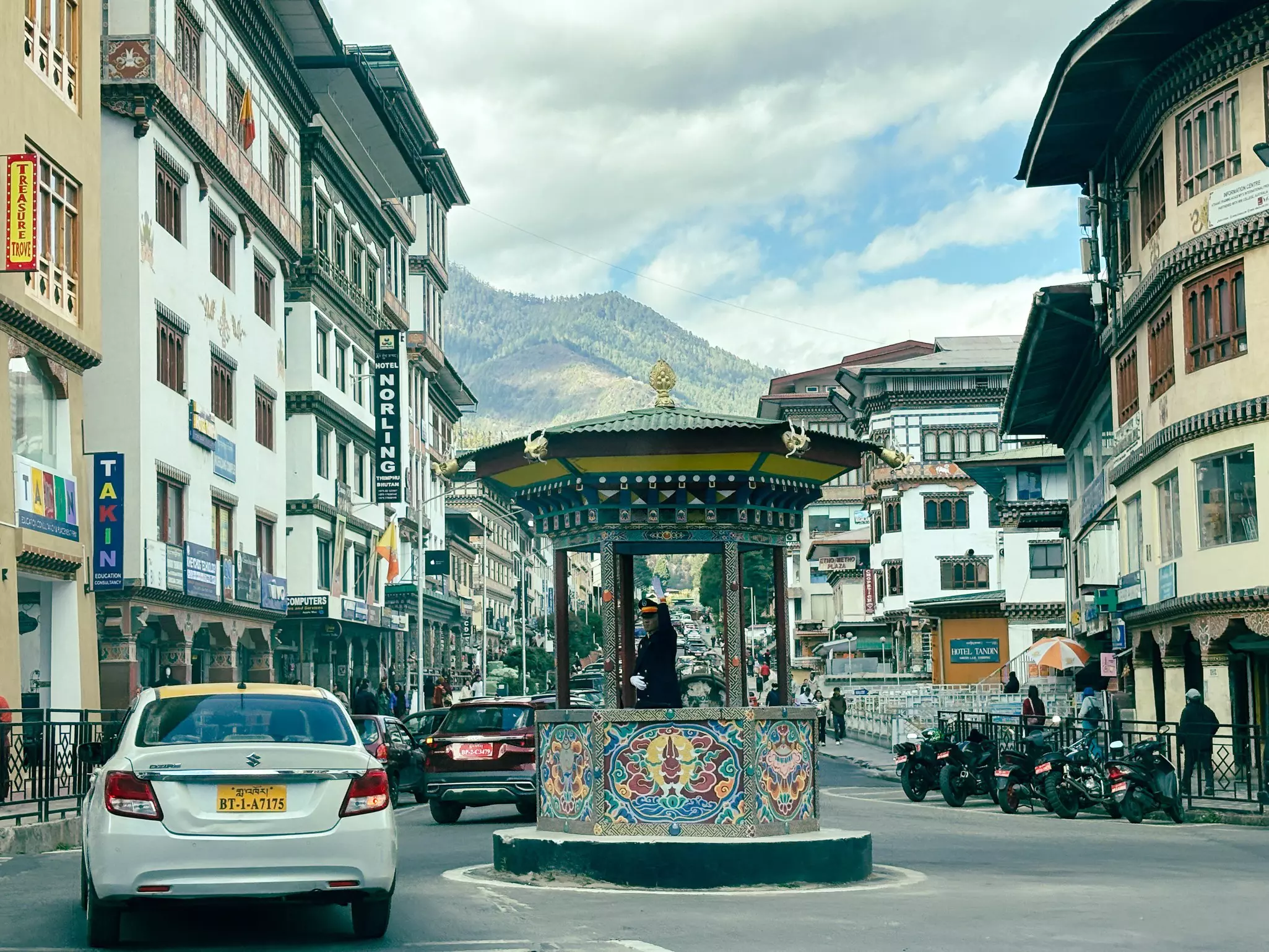
Spend some time walking along Norzin Lam, Thimphu’s main street, anchored by Clocktower Square to the south and the Bhutan Textile Museum to the north. Notice how quiet the city is, with hardly any horns honking, despite there being no traffic lights. Stop for a photo at the traffic circle, where a gloved policeman gracefully directs traffic from a painted gazebo.
At just over a kilometer long, Norzin Lam makes for a pleasant walk. You can check out cafes, souvenir shops, restaurants and a handicraft market with around 80 stalls, selling everything from embroidered boots to yak-hair carpets.
Planning tip: For other unique souvenirs, visit Drukpro Bhutan for high-end T-shirts, scarves and carpets designed by Bhutanese artists, and ChoeGo for products made by youths trained through the national De-suung Skilling Program. The double-walled water bottles are an absolute steal.
In the late afternoon, make your way 70km northeast to the stunning Punakha Valley, one of the most fascinating places in Bhutan. En route, stop by one of the small farmers' markets to pick up a string of chhurpi (a hard cheese made from yak’s milk) to snack on along the way, before arriving for dinner at the town of Punakha, home to one of the country's most celebrated dzongs.
Planning tip: If you buy some chhurpi, leave it to dissolve slowly in your mouth rather than trying to bite through it. You have been warned!
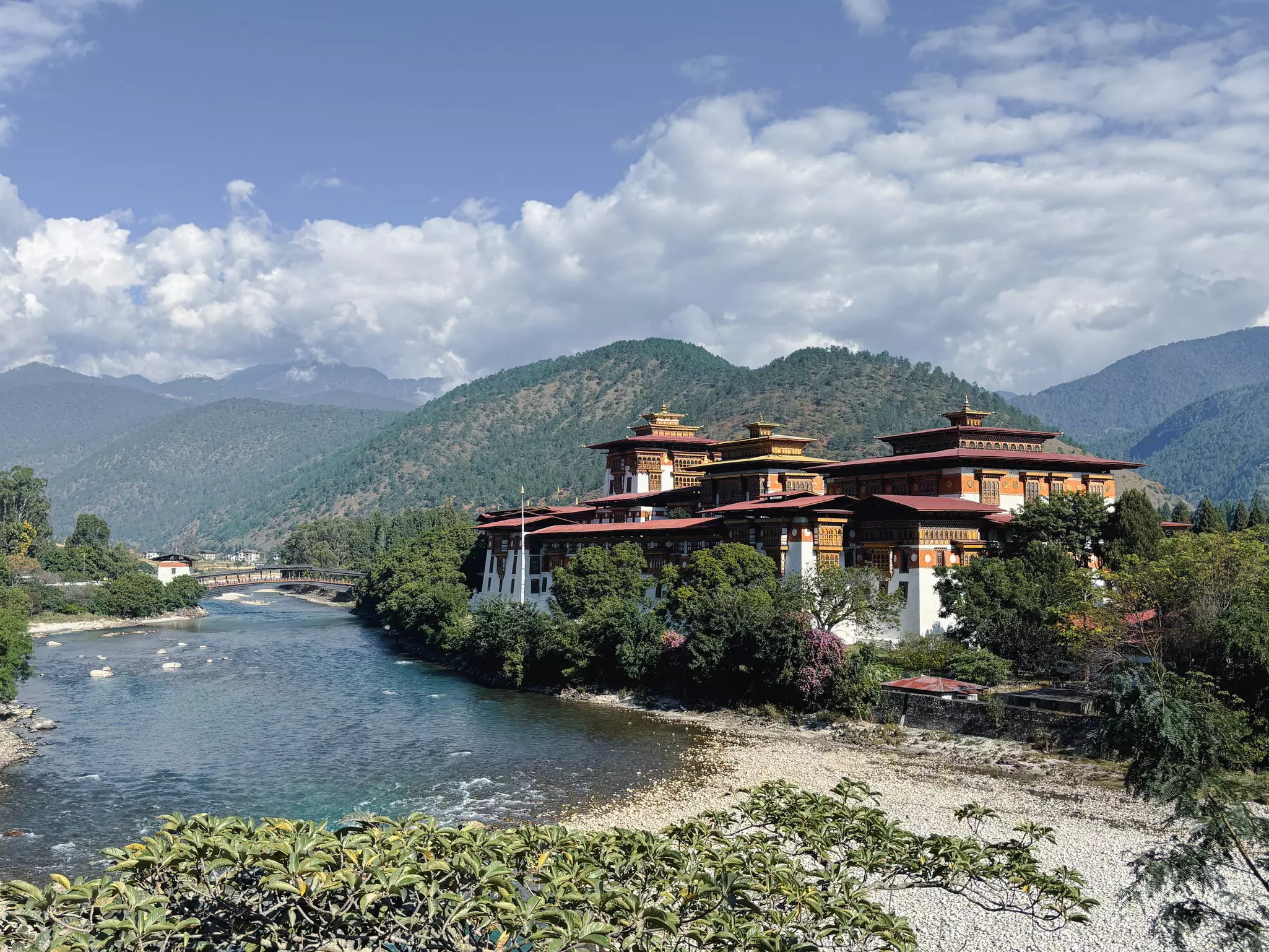
Use day three to explore the historic sights of Punakha.
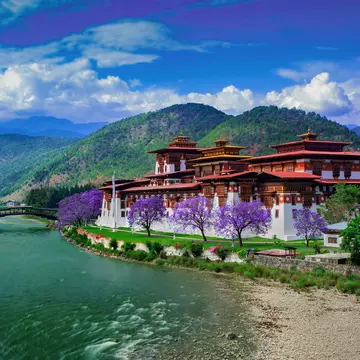
Set in a fertile valley where the Pho Chhu (Father) and Mo Chhu (Mother) rivers meet, Punakha was the capital of Bhutan from 1673 to 1955. Spend the morning visiting the Punakha Dzong (also known as the Palace of Great Happiness), perhaps the country’s most beautiful building.
As you cross the cantilevered wooden bridge to enter the dzong, look down into the cold, clear waters of the Mo Chhu and spot schools of trout swimming about. Wander the courtyards and marvel at the fort's grand whitewashed architecture, elaborately painted wooden details and exceptional murals depicting the life of Buddha.
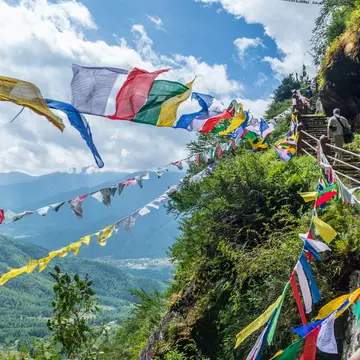
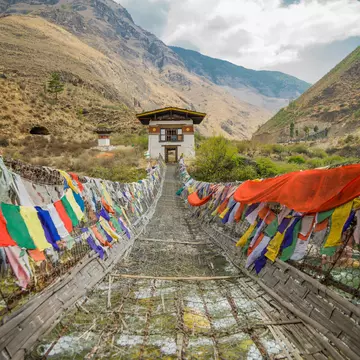
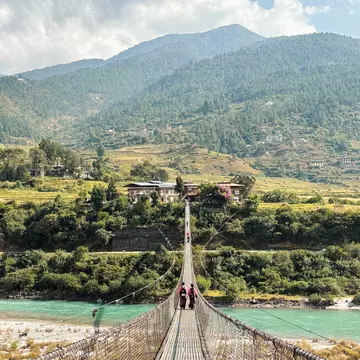
Afterwards, walk 15 minutes north to reach a 160m-long suspension bridge across the Po Chhu, originally dating back to 1637. Draped in colorful prayer flags and swaying in the wind, it makes for a lovely photo backdrop.
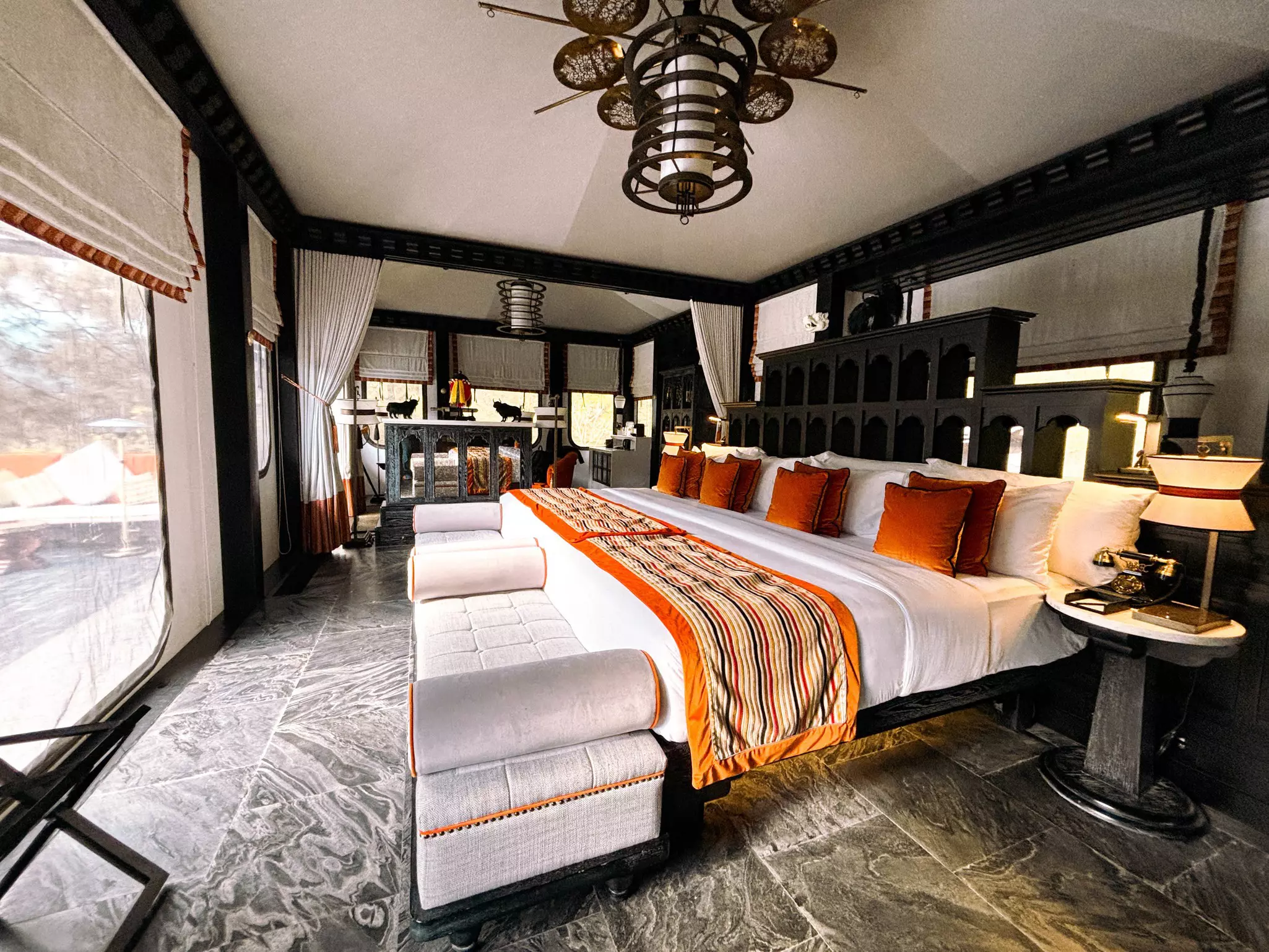
The Punakha Valley is one of Bhutan’s warmest regions, making it popular for outdoor activities like rafting and hiking, all rewarded by views of rice terraces and royal residences. Speak to your travel agency when planning your trip to make arrangements.
If you are staying at the striking Pemako Punakha, while the afternoon away testing your skills at archery (Bhutan’s national sport), learning how ara (a traditional alcoholic beverage) is made or soaking in a bath warmed by fire-heated river rocks. Or just watch the Mo Chhu gurgle and flow from a hidden beach.
Set in a restored heritage residence, Alchemy House at Pemako Punakha serves up traditional Bhutanese meals, prepared using local and seasonal ingredients. Browse the collection of vintage tools on display while the chef prepares dishes in clay pots over an open stove. Expect authentic Bhutanese dishes such as yak-meat curry, hoentay buckwheat dumplings and churu jaju, a creamy, comforting soup of pumpkin and greens.
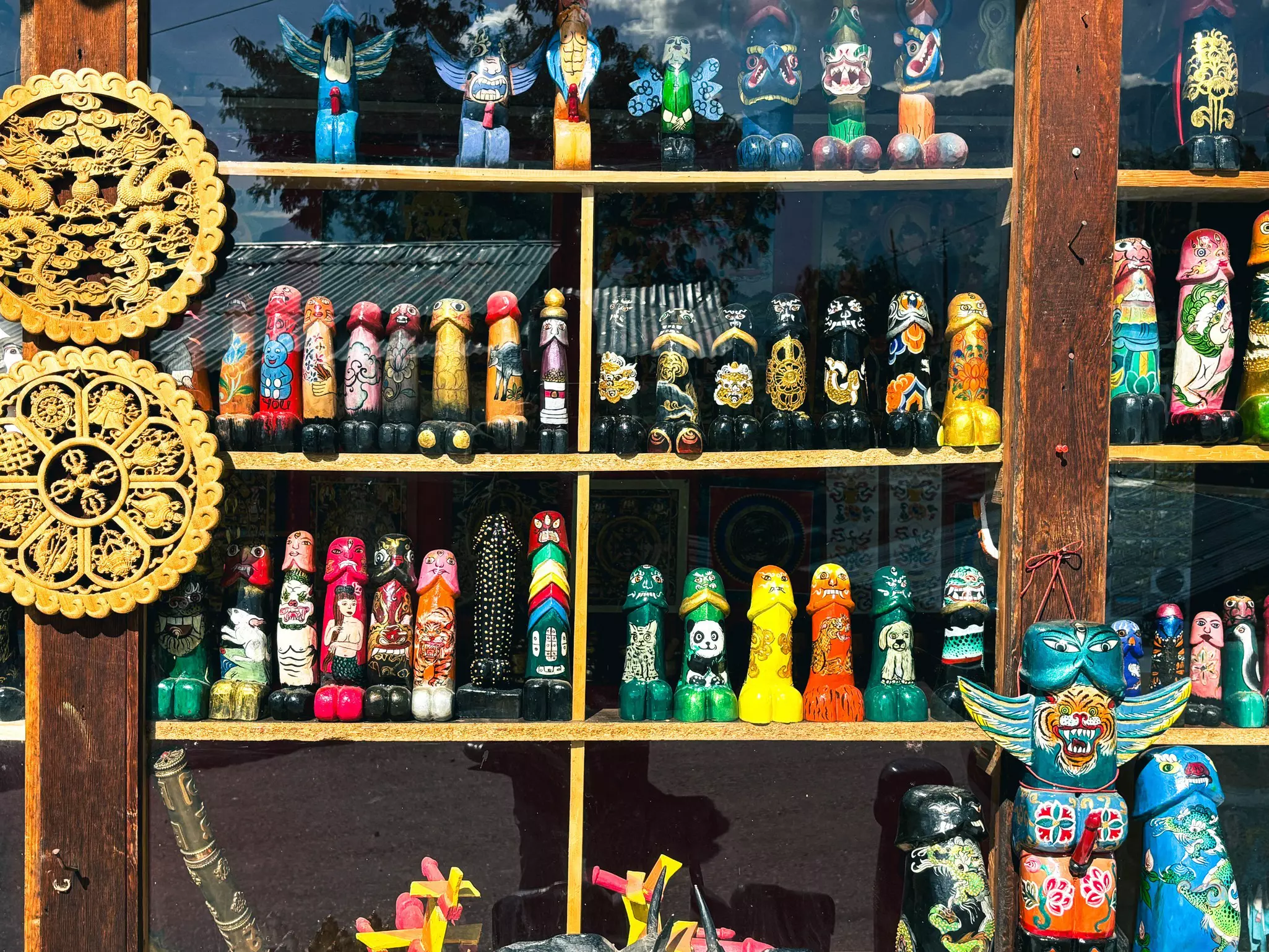
As you make your way back to Thimphu, stop at Chimi Lhakhang, a temple built to honor Drukpa Kunley (of takin-creating fame). This Tibetan magician-saint was also known as the “Divine Madman” for his outrageous behavior and sexual antics, including using his phallic “Flaming Thunderbolt of Wisdom” to subdue demons.
It should come as no surprise that the temple is popular among childless women hoping to conceive and expectant mothers who come to select a name for their baby. Houses surrounding the temple feature painted phalluses (in all states of attention) on their walls – they are considered to be symbols of protection, fertility and good luck. If you feel inspired, souvenir shops sell phallus-shaped mementos, from keychains to giant statues that would definitely attract side-eyes from your neighbors.
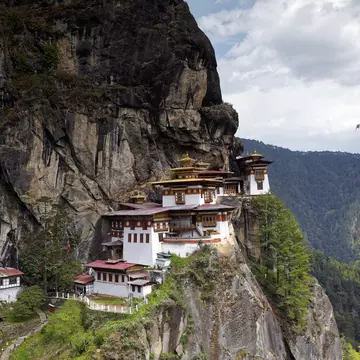
Detour: If you can add one more day to your itinerary, spend it visiting the famed Tiger’s Nest Monastery (Taktshang Goemba). Accessible via a two-hour uphill hike starting north of Paro, the monastery was built in 1692 and appears to grow out of the cliff face, balanced 900m above the Paro Valley. The walk up here offers stunning views – it's one of the top things to do in a country packed with spectacular sights.
James Pham visited Bhutan on the invitation of Pemako Hotels . Lonely Planet does not accept freebies in exchange for positive coverage.
Explore related stories