Feb 4, 20269 min read
A Guide to Ko Samui, ThailandFeb 4, 2026
9 MIN READ
Writer
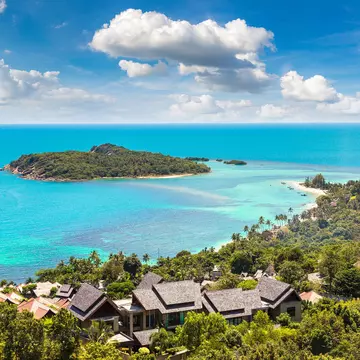
Ko Samui in Thailand's Lower Gulf. bloodua/Getty Images

Writer
Highlights
Writer Barbara Woolsey guides Ko Samui, Thailand's island for beaches and jungle adventures.
December to early April is driest; May and August offer sunshine with fewer crowds.
Rent a scooter to reach Hat Chaweng's beach clubs, the Fisherman's Village and jungle waterfalls.
For open-water thrills, head to Ang Thong Marine National Park to kayak, snorkel or free dive.
Lonely Planet may earn a commission from affiliate links on our site. All recommendations and reviews reflect our own independent opinions.
Ko Samui is southern Thailand’s perfect island for decompressing in unspoilt paradise while still having all your creature comforts. Cozied into the Lower Gulf, palm-fringed and sun-soaked Samui keeps a remote-feeling, carefree vibe. Yet, as Thailand’s second-largest island, it is as infrastructurally developed as you can imagine.
While the island might be known for its luxury resorts and honeymooners – The White Lotus was filmed here – being a budget-friendly, easygoing place to relax is also a specialty. Plan your time on Ko Samui with these top tips on when to visit, how long to stay and the best things to do.
December to early April are Ko Samui’s driest months, and a favorite time to visit. The island enjoys long, sunny days blessed with low humidity. Traveler influx swings up all around southern Thailand during high season, but nowhere quite like this. The resorts and beach clubs are at their buzziest and the added road traffic and crowds can get exhausting, particularly in December and January.
Beyond being busy itself, Samui’s piers connect to smaller islands, hippie-rave-happy Ko Pha-Ngan and Ko Tao’s diving paradise. Before you go, check your travel dates to potentially avoid some of the higher-frenzy periods, like Chinese New Year and Pha-Ngan’s monthly Full Moon Parties when even more visitors pass through.
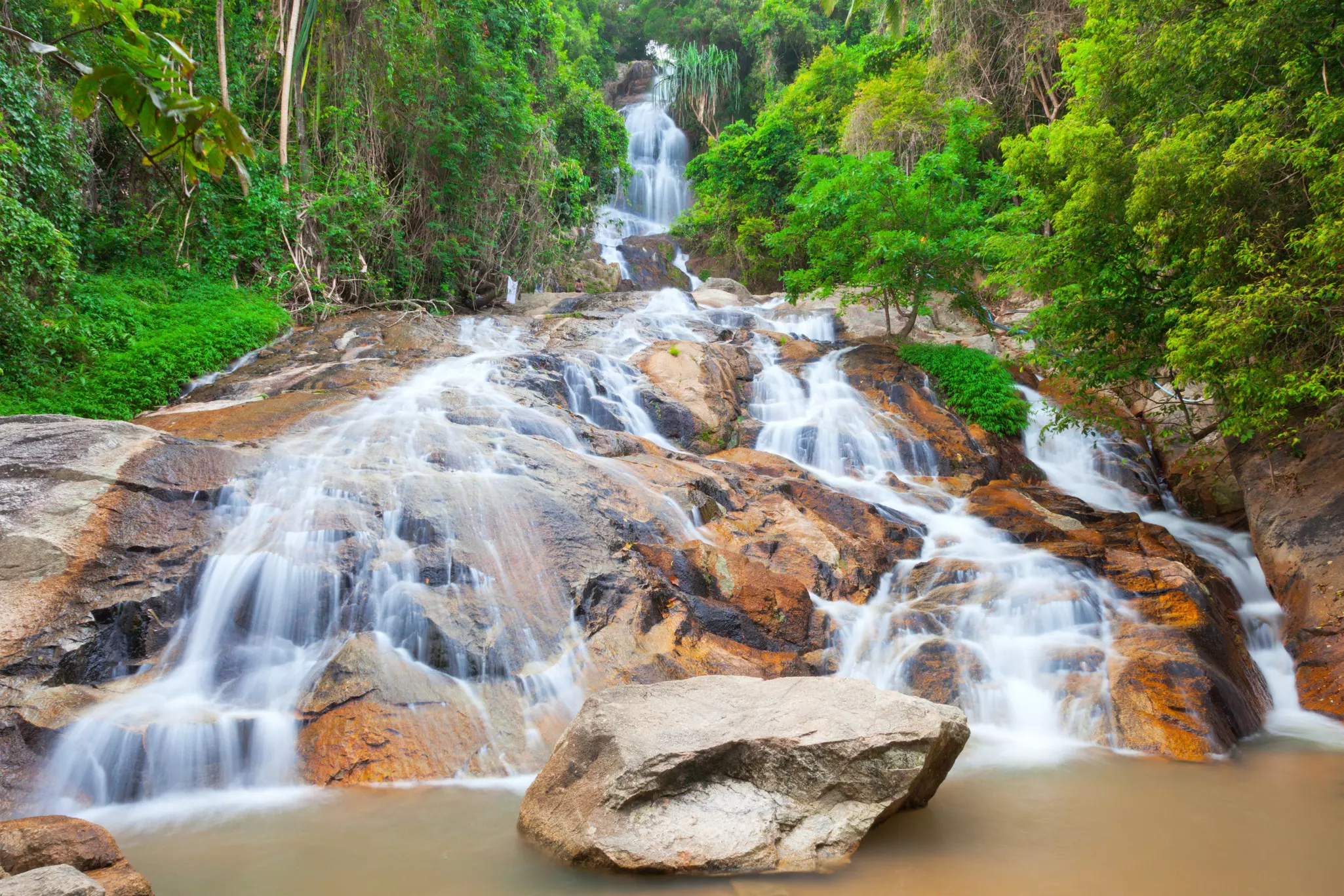
Shoulder months, such as May and August, are a lovely time to visit. There are fewer tourists and prices drop, though there’s still plenty of sunshine. Afterwards, the rainy season (from around September to November) slows down Samui life, but thankfully, it doesn’t grind to a halt like on the smaller islands. Downpours come in short, late-afternoon and evening spurts, leaving plenty of time in the day for enjoying tropical greenery and waterfalls, which are both at their most vibrant during rainy season. Overall, it’s a great time to travel, explore the gastronomy scene, and save on accommodation costs.
Christmas, New Year and Thai Buddhist holidays such as Songkran (Thai New Year in April) are when Ko Samui peaks out. Bangkokians and international visitors converge on the island; accommodation prices surge and minimum stays kick in. Book places to stay and flights at least a few weeks ahead.
It all depends on how much time you’re spending in Thailand overall. If you’re traveling around the country or island hopping, 2 or 3 days is enough for Samui’s highlights – the Fisherman’s Village, Chaweng Beach, and at least one activity, like a jungle hike or boat cruise. If Samui’s your only destination, staying at least a week or two at a resort lends wonderfully to true relaxation.
Even better, Ko Samui is a fabulous place to unwind over several weeks. A lot of travelers, including families, retired folks and digital nomads, post up anywhere from a month to the entire winter back at home. Over a month or longer, you can rent your own wheels and even take a weekend trip to Ko Pha-Ngan and Ko Tao (around 30 minutes to 2 hours by ferry, respectively).
Any of the island’s accommodations will offer better rates for longer bookings. Fully-furnished condos and other long-term rental properties are especially great for a little more space to spread out.
Ko Samui is one of the quickest, easiest islands to reach from the Thai capital, Bangkok. One-hour flights leave up to 20 times a day from Suvarnabhumi International Airport. Flights to Samui are the cushiest of any Thai domestic flights; they’re also the most expensive. Samui airport is privately owned and operated and Bangkok Airways exclusively flies here. Book tickets no less than 2 weeks in advance of travel to avoid price hikes.
From Bangkok, you can also reach Samui by flying to Surat Thani, then taking a bus or shared minivan and ferry (about 5 hours in total and much cheaper). There are also overnight bus and train options from Bangkok (up to 15 hours); definitely spring for a sleeper berth.
Stepping out of the airport, you’ll quickly learn that local transport is limited, and often run by set prices according to where you’re staying. In fact, the height of feeling like you’re “roughing it” will be hailing taxis and negotiating with drivers. Ride-sharing is also virtually non-existent – if you’re lucky to get your ride accepted in the app, be prepared for long wait times and high prices.
Renting a scooter is the happiest, easiest way to get around, and you can see much more of the island. Driving on Samui is relatively easy; most areas keep moderate traffic, and the island’s main ring road stays quite light. While Samui doesn’t get as many party travelers as Phuket and Pha-Ngan, riding after dark is still best avoided. All rental shops require an international driver’s license.
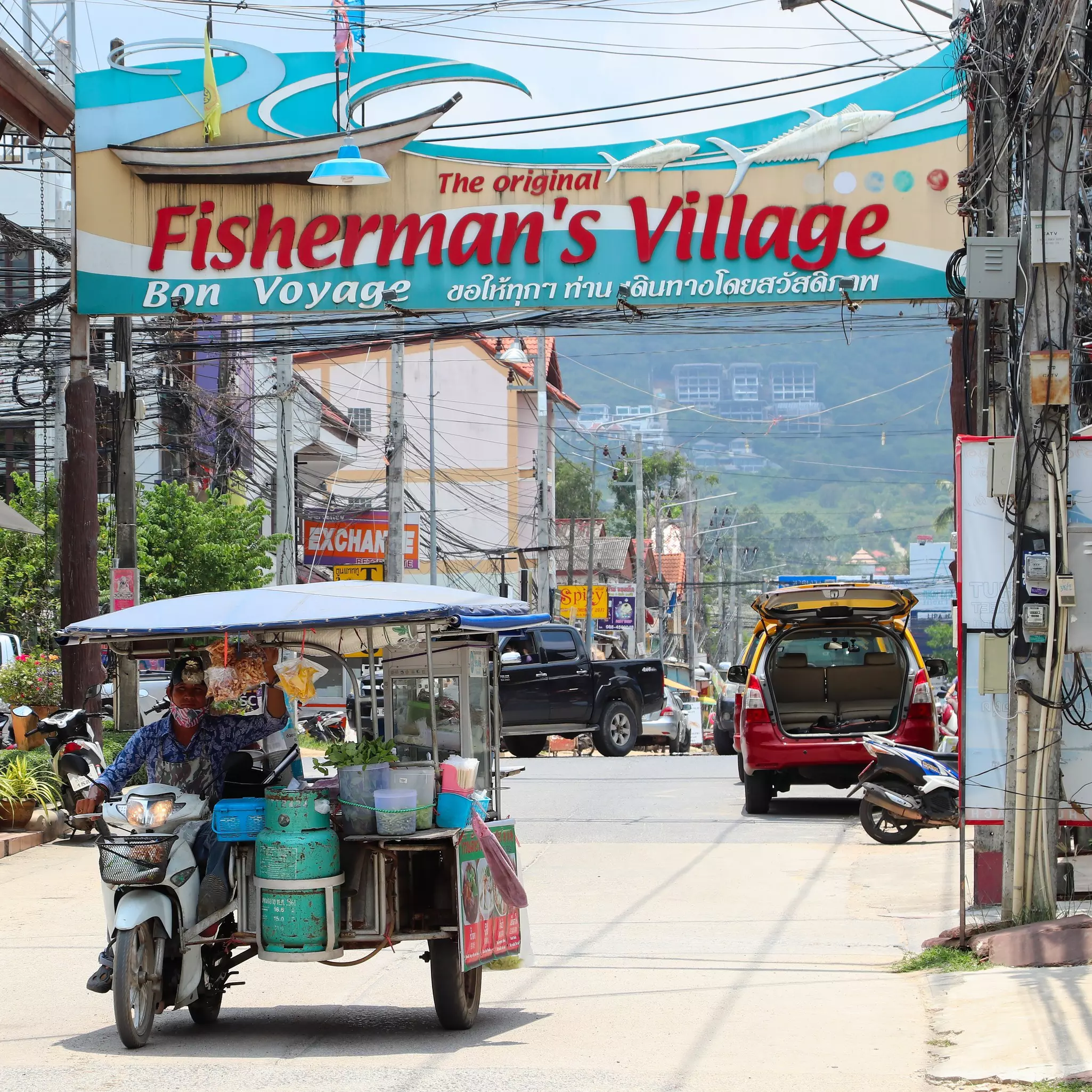
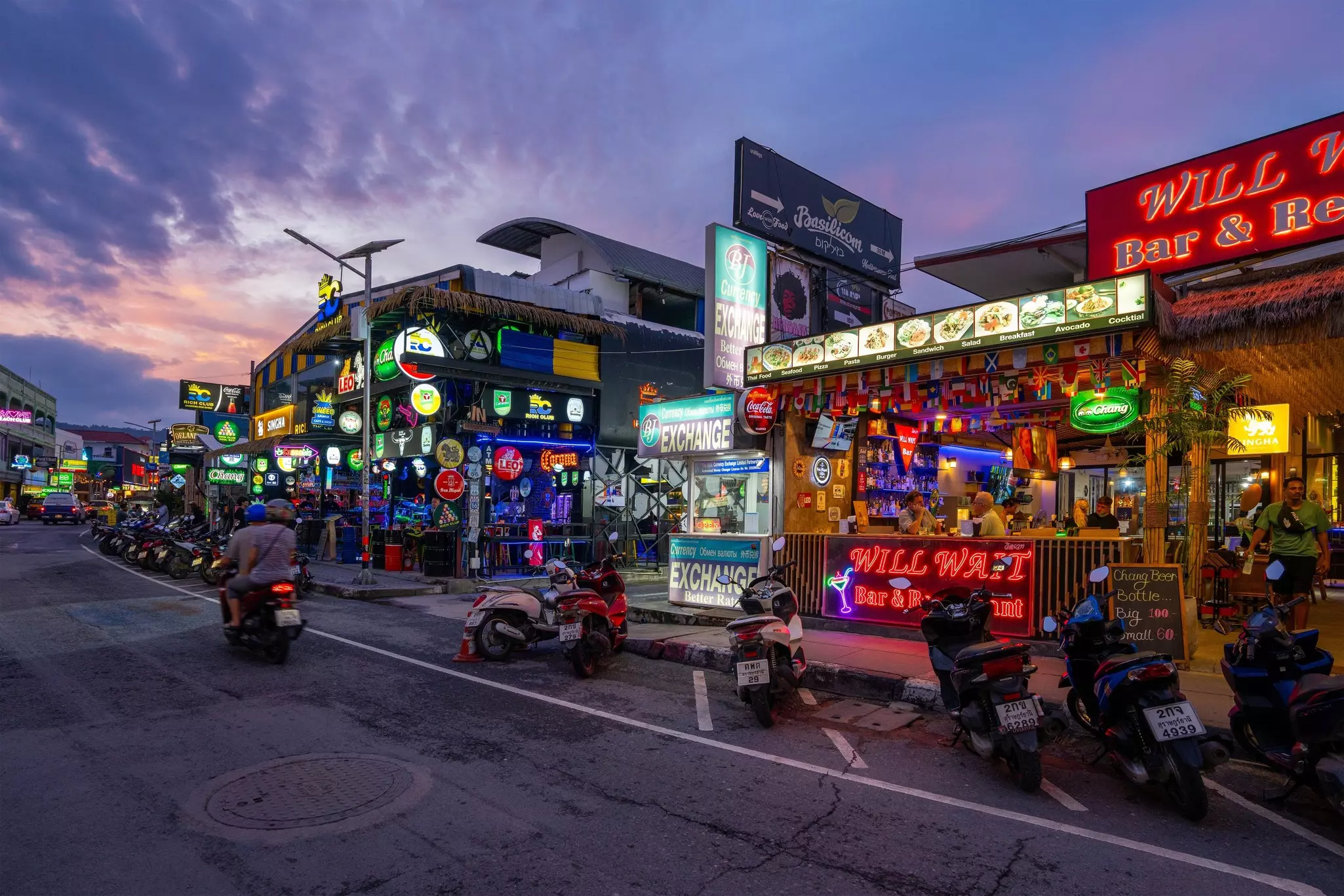
The Fisherman’s Village, where narrow Chinese shophouses are transformed into a lovely shopping and dining area, is Ko Samui’s must-visit. Arrive just before the sun sets to take your pick of seafood restaurants along the beach; you’ll find a few cheaper, mom-and-pop-style Thai restaurants tucked into tiny interior alleyways.
The Fisherman's Village evolves into a lovely night market. Poke around independent boutiques, souvenir shops and walking street stands for handmade jewellery, wooden carved decor and ceramics. Locally produced dried fruits, spicy chili pastes and fragrant Thai herbs are the perfect take-home tastes of southern Thailand.
End the evening in a cocktail bar – the Village’s favorite nightlife hangout is Coco Tam’s, where live DJs and fire dancers entertain tables on the sand – or Thai spa. One of the walking street’s best is Sakura, where massage chairs flaunt panoramic, beach-view windows.
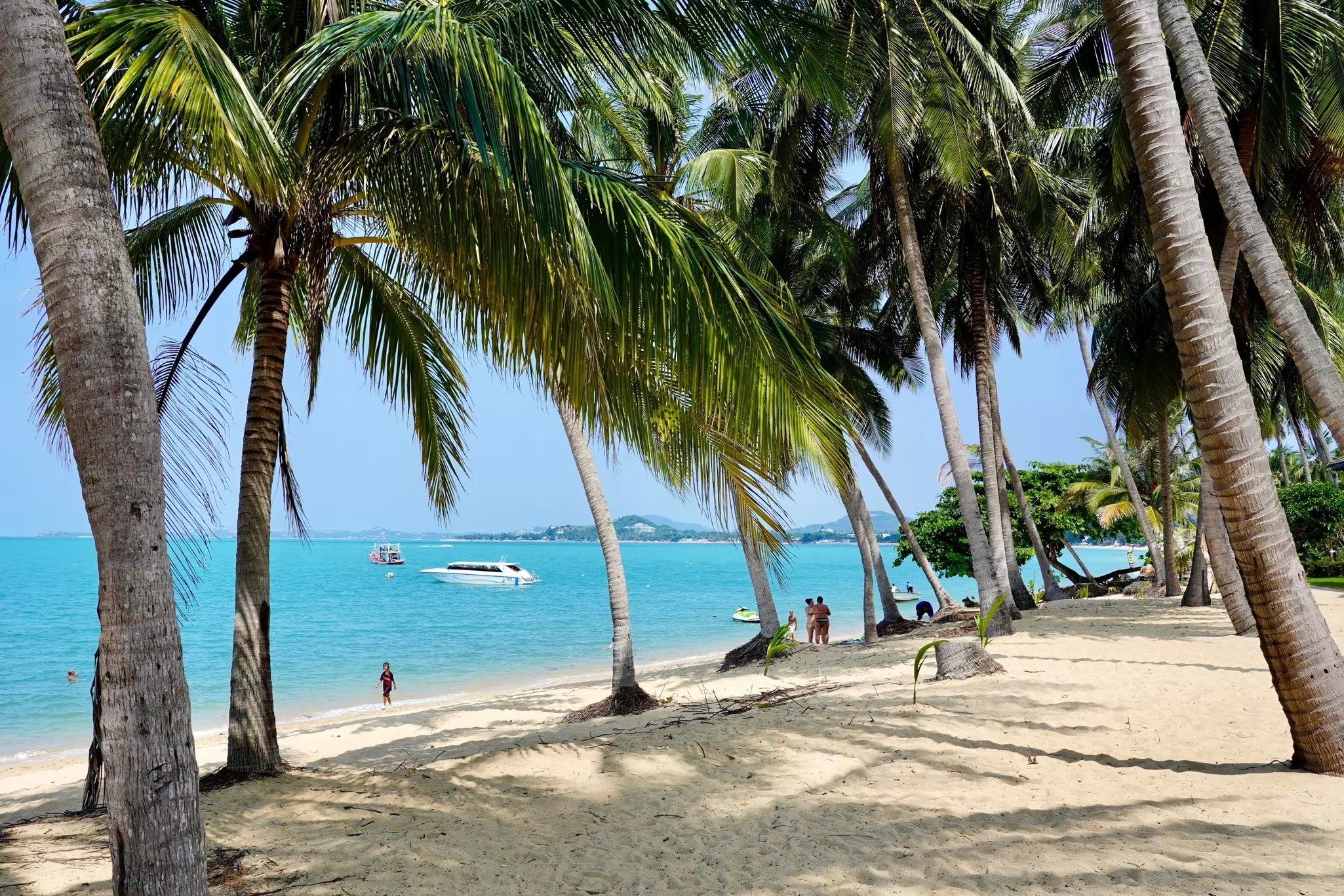
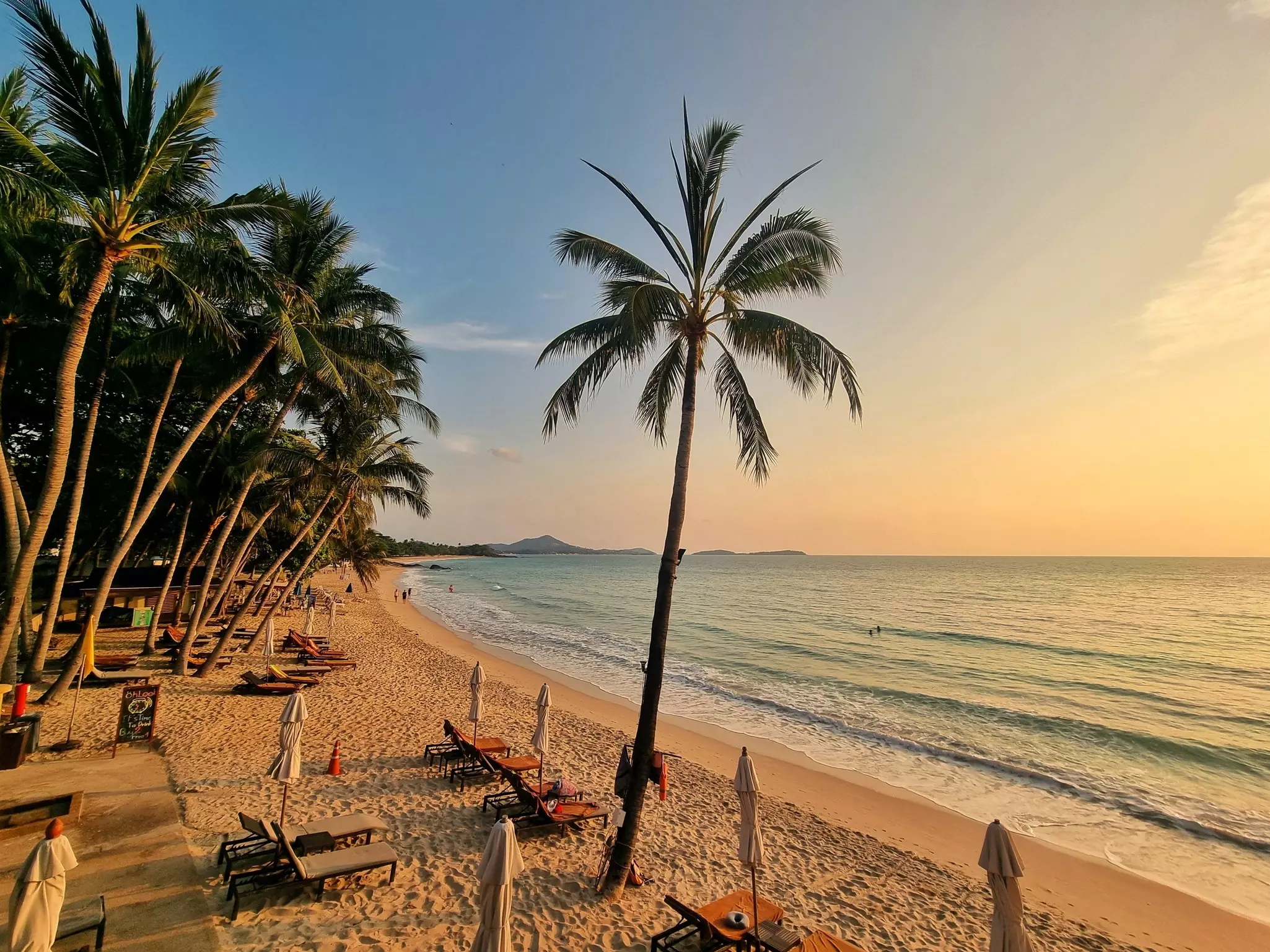
Samui is known for its awesome beach-hopping. On the eastern side, Hat Chaweng is the island’s longest strip, and also its busiest, great for people-watching, late-night beach clubs and romantic dinner dates. Up a little further north, Hat Lamai has major sightseeing landmarks – the quirky, genitalia-shaped boulders, Hin-Ta & Hin-Yai (Grandfather and Grandmother Rocks), and the charming temple Wat Lamai.
In the north, Hat Bo Phut and Hat Mae Nam are both laid-back, scenic beaches more popular with locals and long-stayers. On the west coast, Taling Ngam and Lipa Noi are great for swimming. For a total, off-the-beaten-track escape, head to Ao Phang Ka in the south.
Ko Samui’s food and drink scene can only be described as a chef’s kiss. Luxury resorts boast fine-dining restaurants with the view of a lifetime. Drift out to sea at Dining on the Rocks, gourmandize amongst forest canopies at Tree Tops Signature Dining, or sip fine wines in an artsy, upscale bungalow at Clandestino. Woobar is Samui’s most spectacular infinity pool lounge for sunset cocktails.
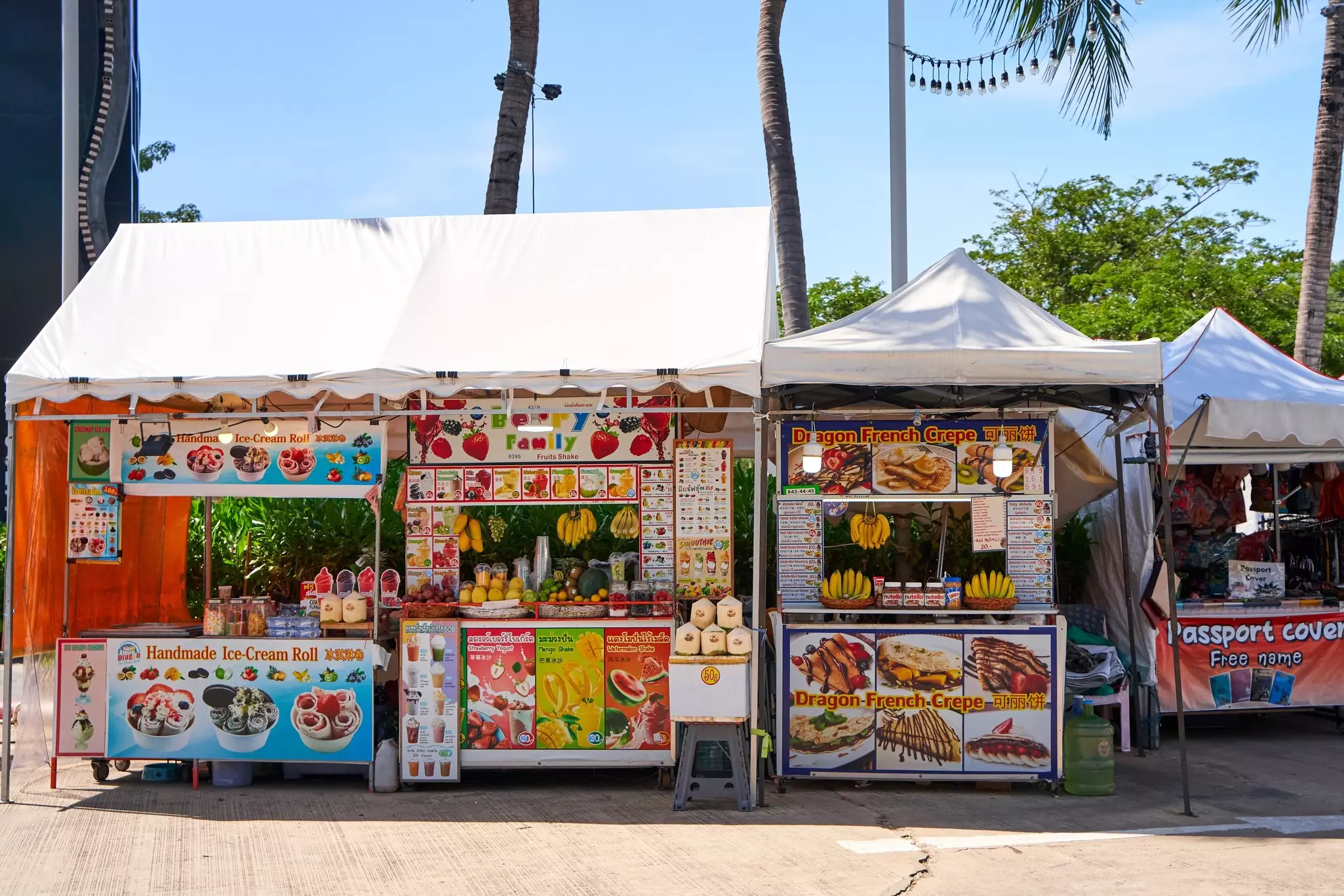
On the gastronomic spectrum’s opposite side, there’s delicious street food everywhere. Driving along Samui’s roads, keep your eyes peeled for makeshift, wooden-shack restaurants, boasting quick, easy lunches: boat noodles and simmering kôw gaang (rice with southern Thai-style curry) served out of metal pots. Locals pull up on their motorcycles, sink into plastic tables and chairs, or take a portion to-go (the best kitchens usually sell out by 1pm).
International food – everything from French patisserie to proper English pub grub – abounds to no end. Flavors unique to Ko Samui include bountiful fresh seafood and southern Thai dishes with regional (Malay, Indian, Chinese, Indonesian) influences. Night markets are fantastic for gorging on lots of local delicacies at once.
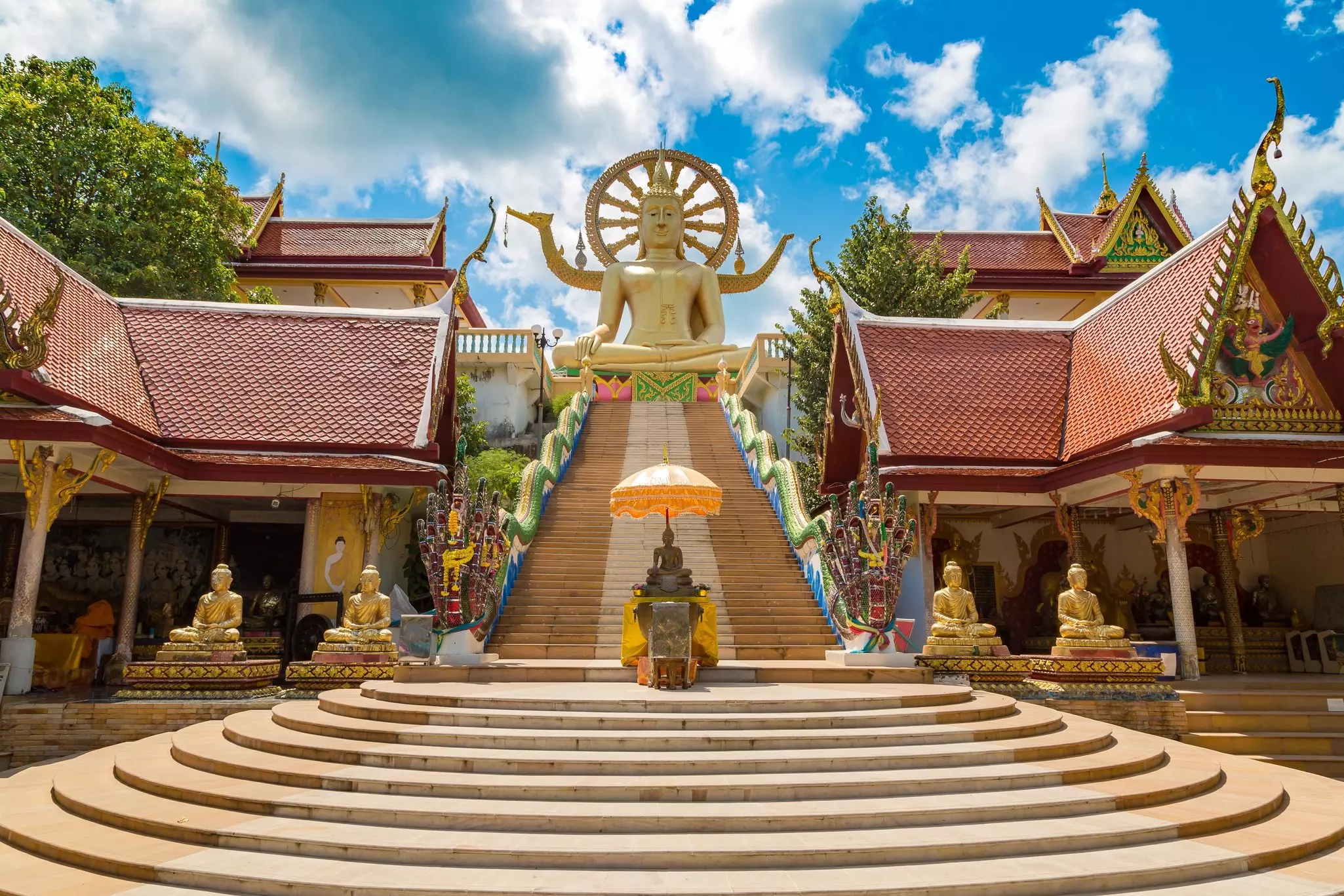
Exploring on a boat or scooter offers the truest freedom that Samui has to offer. The island’s lush, wild interior is a labyrinth of dense jungle landscapes, crystal-clear waterfalls, and sleepy little villages made for hiking adventures. A morning walk around the iconic Wat Phra Yai (Temple of the Big Buddha) complex, gazing up at the statue’s silhouette against the sparkly sea, is a must.
Further out, across Ang Thong Marine National Park, a set of 40-some jagged, emerald-jungle islands, discover the natural dreaminess which inspired Alex Garland’s cult novel (and the Leo DiCaprio movie), The Beach (2000). Investigating on a longtail boat, catamaran or watercraft, pull up to soft sands, explore hidden lagoons, limestone cliffs and coral reefs. Snorkeling, kayaking or even free diving here are the catch of the day.
Ko Samui is my happy place for active escapes. I’m not a big morning person, but it’s my favorite time of day for healthy island rituals. I’ll sometimes go to a personal trainer (sessions cost a fraction of that at home), or take a jungle or waterfall hike, or Muay Thai kickboxing class. Afterwards, I love jumping on my scooter and catching some breeze looking for a bite. Usually, I’ll grab a mixed shake or fresh coconut (my favorite fruit stand is at Bangrak pier), or stop at a street kitchen to savor khao man gai (Thai-Hainanese-style chicken rice), or papaya salad and sticky rice.
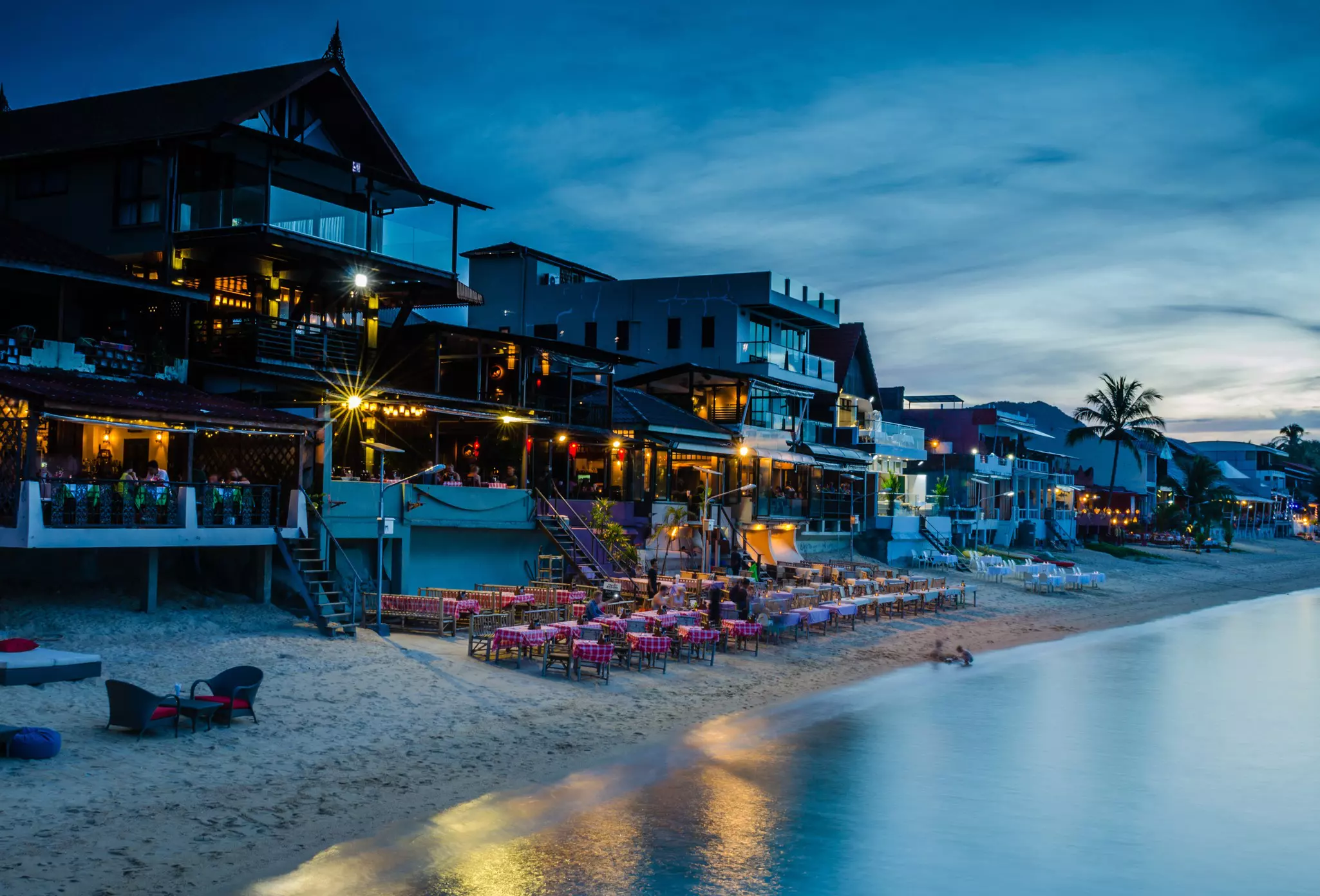
While Samui is often associated with moneyed vacations, the island’s dining and lodging offer a world of options. Pay no attention to the celebrities Instagramming their hideaway villas – Ko Samui can be fabulous going high or low. Flights to Samui and ground transport are the only parts of the equation where budgets aren’t flexible. Simple pleasures range from lounging on white sands to the endlessly harvested fresh coconuts the islands' palms are famous for. A fancy meal or sunset drinks can be a worthwhile splurge.
Round-trip flights from Bangkok to Samui: 10,000฿
One-way flight to Surat Thani (including ground transport to Samui): 3000฿
Basic guesthouse or hotel room per night: 1000฿
Boutique villa or guesthouse per night: 3000฿
Upscale hotel room per night: from 6000฿
Market/street-stall meal: 40–100฿
Fruit shake: 60฿
Bottle of beer: 80฿
Seafood restaurant meal: 1000฿
Fancy cocktail: 300฿
Fine-dining meal: 3000฿
Scooter hire per day: 150–300฿
Thai oil massage: 400฿
Half-day tour experience: 1500฿
Explore related stories