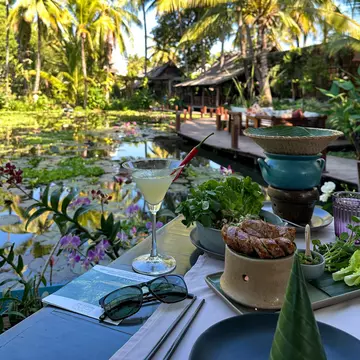
May 28, 20269 min read
The Best Places to Eat and Drink in Luang Prabang, LaosLonely Planet may earn a commission from affiliate links on our site. All recommendations and reviews reflect our own independent opinions.
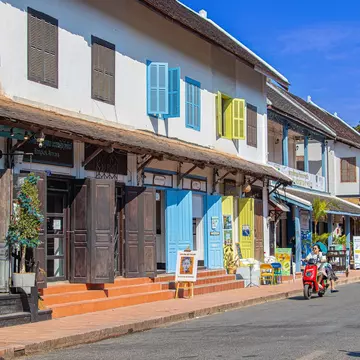
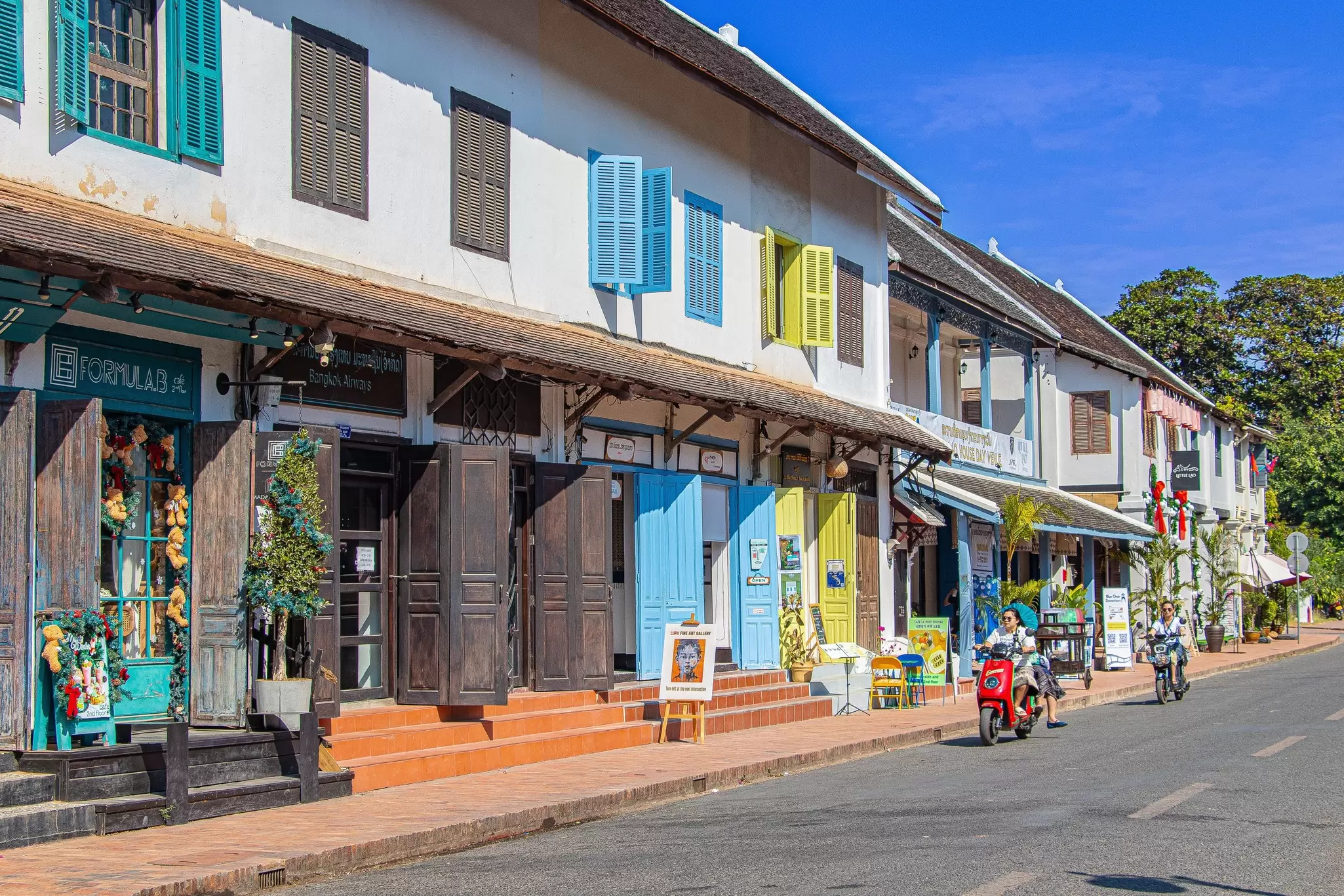
For many decades, Luang Prabang felt like a secret. Word spread of a sleepy little backwater on the Mekong full of golden temples and charming Lao-French colonial buildings, all surrounded by mountains, rice paddies, jungles, waterfalls and rivers. The catch? It required time, money and effort to reach. The town’s isolated location within landlocked Laos kept mass tourism and the modern world at bay.
Luang Prabang’s days as an under-the-radar destination have long passed and the former royal capital is firmly established as one of Southeast Asia’s must-sees. The slow but steady growth in visitors and modernization are stirring the UNESCO World Heritage town from its languid pace. A $6 billion Chinese-built high-speed railway opened in 2021, heralding a new era for the region.
Yet tradition persists. In the heart of town, nestled on a 1.5km long peninsula formed by the Nam Khan River flowing into the Mekong, there are 34 historic temples, home to over 1000 monks and novices practicing the oldest surviving form of Buddhism. Putter around and you’ll be amazed by picture-perfect scenes, eye-popping markets and quaint tableaus of daily life.
The peaceful ambience has a way of permeating your soul, and you may find yourself throwing out your original plans and extending your stay. The locals continue to be laid-back, unhurried and reservedly polite, a reputation they’ve upheld since the country opened to international tourists in 1989. For many travelers, this will be their only stop in Laos. So take the opportunity to learn about the country’s culture, history and ethnic diversity through Luang Prabang’s many interesting experiences, classes and museums.
Luang Prabang’s high tourist season overlaps with the country’s dry season, from November to May. The busiest time is from November to February, when temperatures in northern Laos are pleasantly cool – sometimes downright chilly.
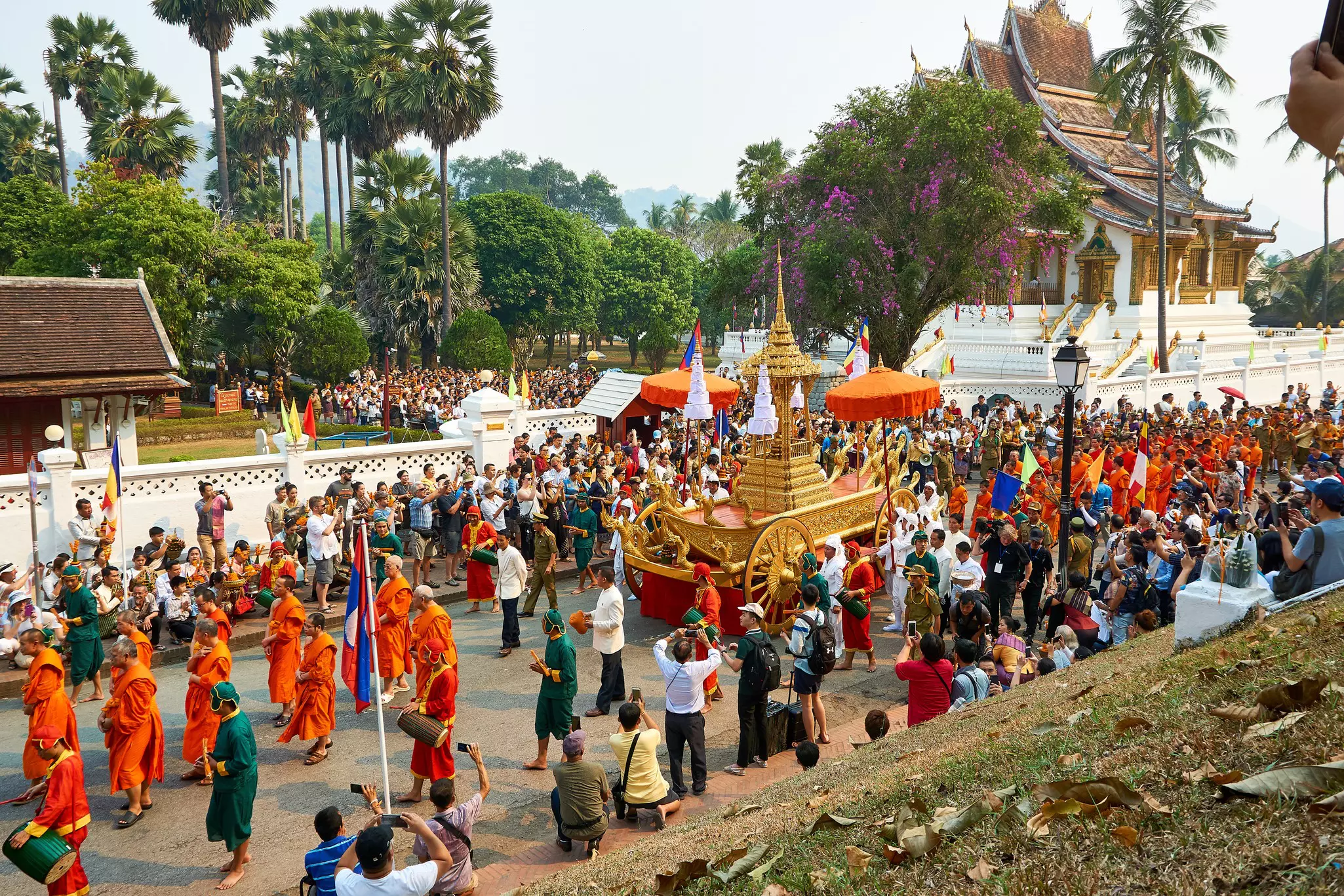
The best time to visit is the beginning of the dry season when humidity drops, but the foliage is still green and waterfalls are still impressive. It’s also the time of my favorite festival, the boat lantern festival (Lai Heua Fai), which marks the end of Buddhist Lent. The peninsula’s temples glow with handmade paper lanterns. Each village parades its giant boat lantern down the main street before releasing it onto the Mekong.
Lao New Year, Boun Pi Mai Lao, is celebrated annually April 13 to 16, during the hottest, driest time of year. Locals unleash in a raucous celebration with drinking and lively water splashing, symbolizing purification and renewal. Important religious ceremonies and processions also take place.
The rainy season, from approximately June to September, has challenges and rewards. It’s a good time for budget travelers wanting to take advantage of low-season hotel rates. The scenery can be spectacular, with blazing blue skies, pink and purple bougainvillea and fragrant frangipani in riotous bloom, neon green rice paddies and colorful sunsets. Anticipate one short, heavy downpour a day, which can be the perfect time to relax in a cafe or head to the spa.
Luang Prabang now has train connections from China, and the town experiences an overwhelming influx of tourists during major holidays such as Lunar New Year (usually February or March) and Golden Week. Those with respiratory issues should avoid March to April, when the air turns hazy as farmers across the region burn their fields in preparation for rainy season.
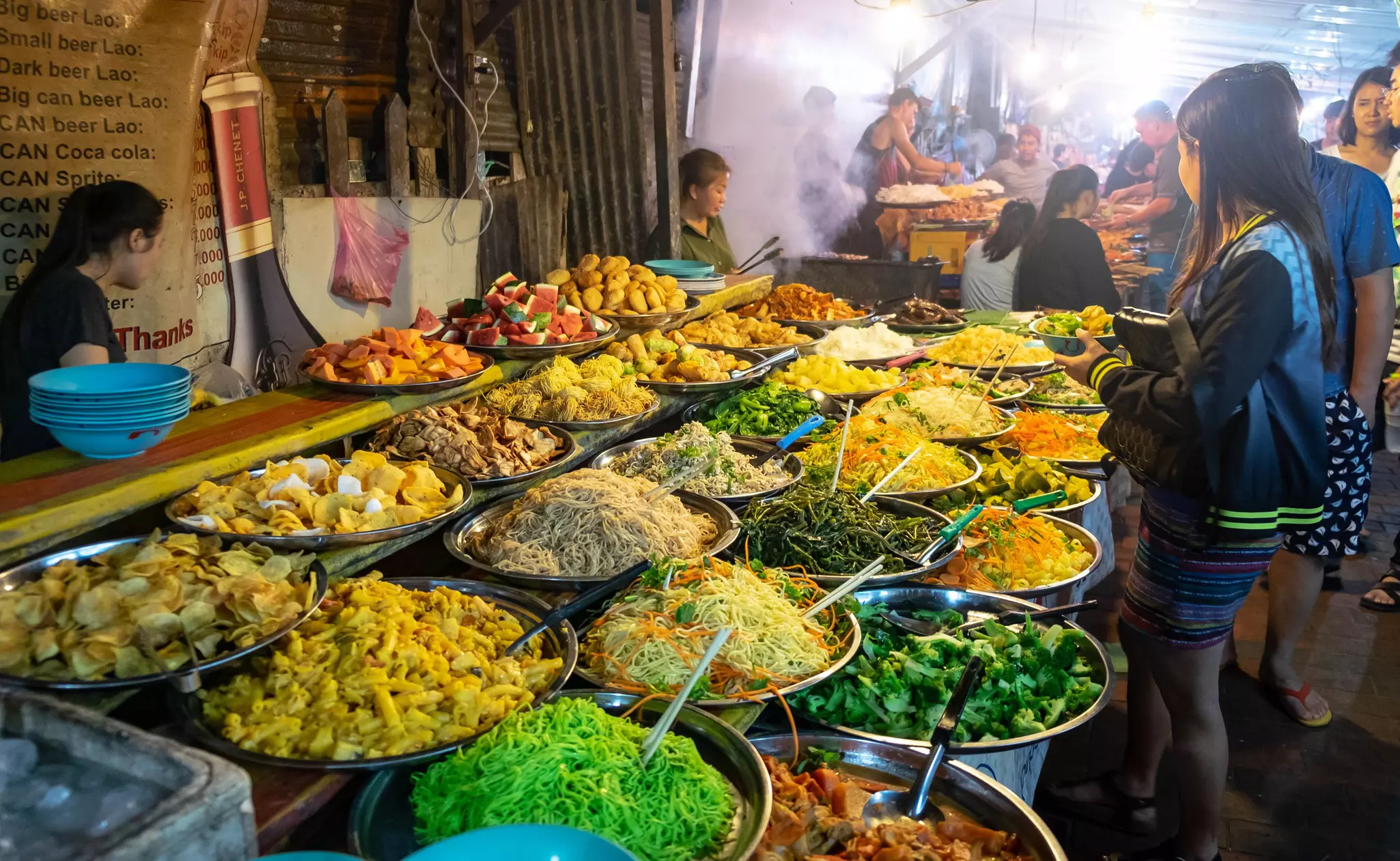
“I wish I had more time” is a common regret for travelers who cram Luang Prabang into a weekend. Five days would allow for the major attractions, plus time to sa-sa or “slow down“ to enjoy a croissant at Le Banneton, sunset beers on the riverside and a second look through the night market. Remember, even President Barack Obama took time out of his busy state visit in 2016 to stop for a fresh coconut water. (Look for the stand on the Mekong road with his cardboard cutout.)
The long-running joke that Laos P.D.R. (People’s Democratic Republic) actually stands for Laos “Please Don’t Rush” still rings true today. Two days could be spent exploring the temples, museums, shops, craft villages and shows, such as Garavek, then try for at least two day trips outside of town to places like Kuang Si waterfall, Tad Se waterfall, Living Land for its “Rice Experience” or the Luang Prabang Wildlife Sanctuary. And most important, more days means getting to alternate between Lao and French breakfasts.
Until recently, the three main options into Luang Prabang were a two-day slow-boat journey from northern Thailand on a local boat or tour boat, a nauseating 12-hour bus ride through the mountains from the Lao capital Vientiane, or a relatively expensive flight from Bangkok, Hanoi or Siem Reap. The travel effort deterred travelers, which only added to Luang Prabang’s mystique.
The figurative gates were thrown open in 2021 with the high-speed railway that cuts through the country to Kunming, China. The modern train with three classes connects Vientiane (via Vang Vieng) to Luang Prabang in just one hour 45 minutes, starting at US$17 per person. The other options remain, but there is little reason to take a bus from Vientiane unless you are transporting something that cannot go by rail.
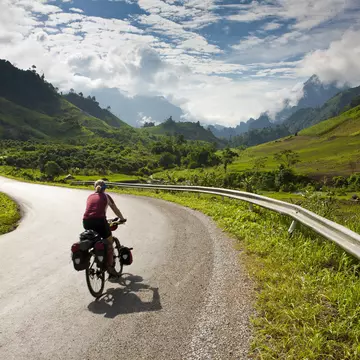
Getting around Luang Prabang’s center, tuk-tuks and songthaews are still a mainstay, though they are facing tough competition with recently introduced ride-hailing apps Loca and InDrive. Travelers are also increasingly opting to rent motorbikes (arranged through hotels or at one of the many shops around town) and electric bicycles via the LAOS-Ebike app. Think twice about renting a motorbike: hospitals and medical care in Luang Prabang are rudimentary, the roads are more hazardous than they appear and there have been serious and sometimes fatal motorbike accidents involving tourists, especially on the road to Kuang Si waterfall.
Taxis and tour vehicles are typically air-conditioned minivans. Unless it is scorching hot, the best way to get around the peninsula is on foot or by bicycle. The Lao-French colonial architecture, the gilded temples, the scenes of Lao life, the sounds and the pace all beseech travelers to slow down and take it in.
A cooking class is a great way to learn about Lao cuisine, but take it a step further, if you dare, with Tamarind Restaurant’s market tour followed by an Adventurous Lao Gourmet degustation menu that showcases the unusual, often foraged ingredients of traditional northern Lao food. This may include ant eggs, bee larvae, pepperwood and water buffalo skin. Count on the meal to include padaek, Laos’ intensely pungent fish sauce. At The Living Land Farm, find yourself stomping through the mud, trying the 14 steps it takes to grow sticky rice, the country’s staple. Also, be sure to try local snacks such as kaipen, fried river weed and crunchy fried black mushroom “chips.” Sample silkworm poo tea (yes, you read that right) and fried silkworms at Ock Pop Tok’s Living Craft Center.
At the Luang Prabang Wildlife Sanctuary, learn about the illegal wildlife trade that is threatening Laos’ native species. The sanctuary's Bear Care Tour includes behind-the-scenes access and assisting keepers in preparing food for the over 150 rescued moon and sun bears that sadly can never be returned to the wild.
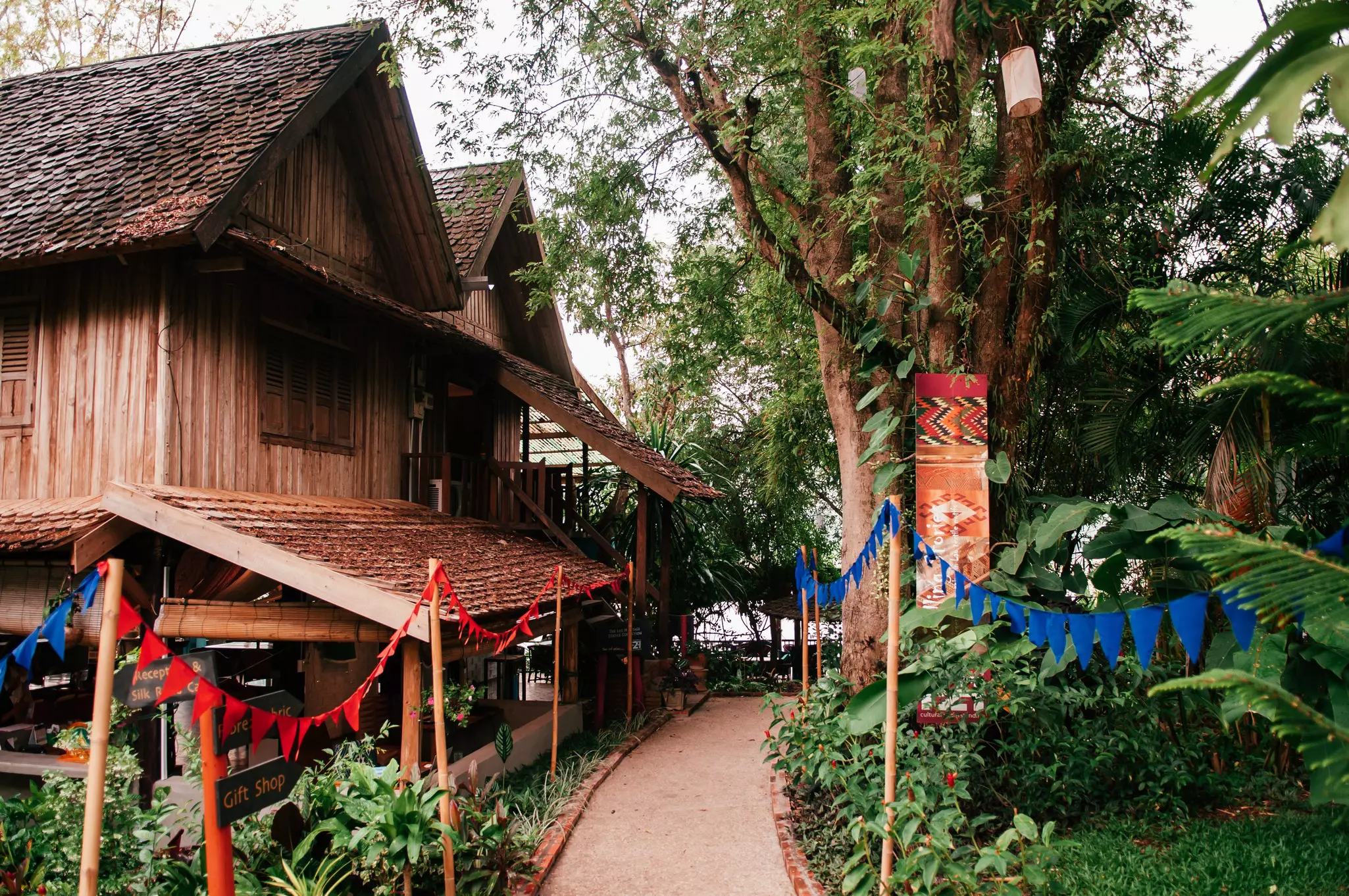
Laos has 50 distinct ethnic groups and making traditional handicraft is an important way of life for many of the rural ethnic minority communities. Connect with the country’s rich diversity and heritage through workshops led by master artisans of weaving, natural dyes, silk production, embroidery, paper making, silversmithing and bamboo craft. Buy fairtrade handicraft and learn through social enterprises Traditional Arts & Ethnology Centre (TAEC), Ma Té Sai, The Weaving Sisters, Lao Pottery House and Ock Pop Tok.
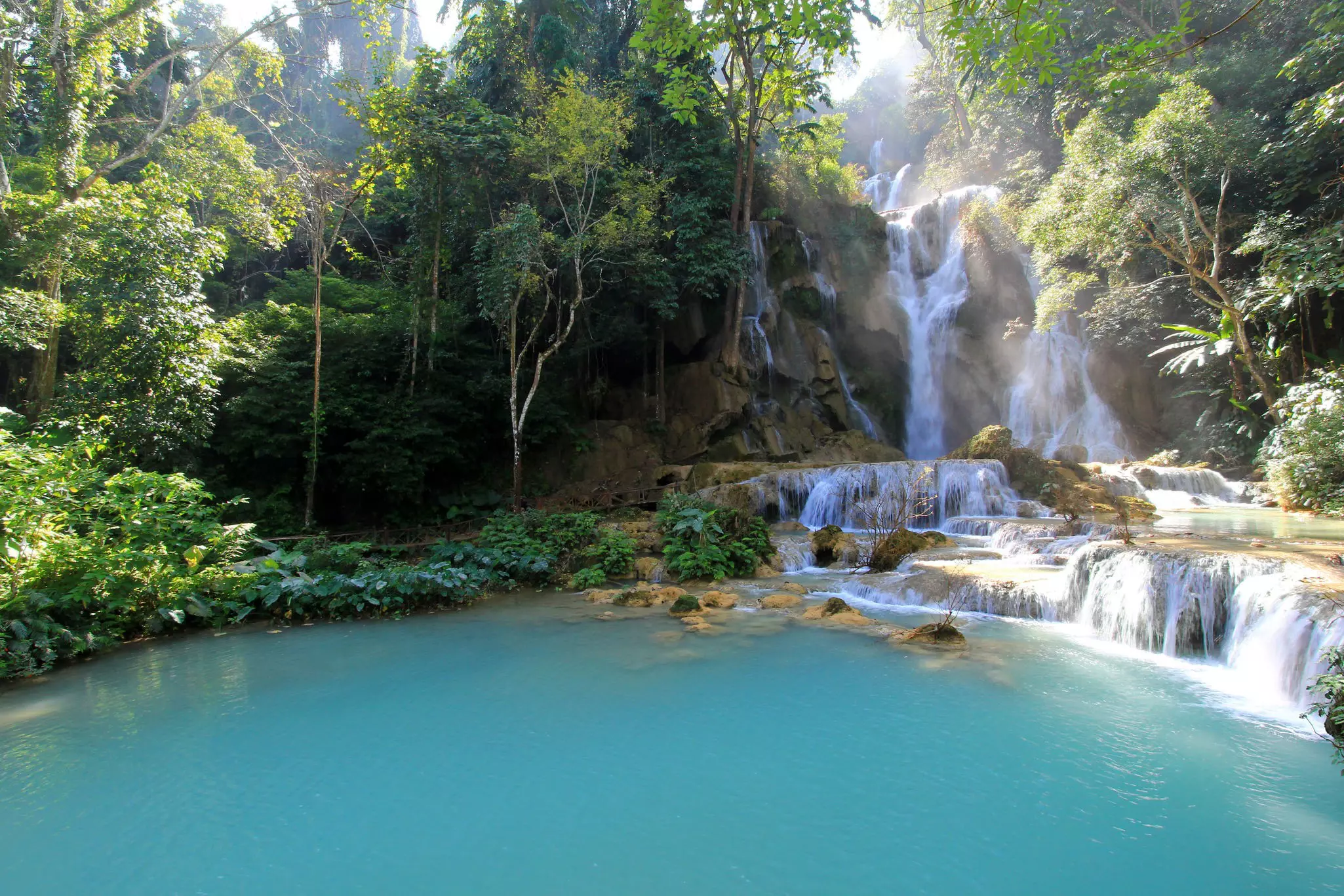
Kuang Si, 28km from town, is one of Luang Prabang’s top attractions for good reason. The turquoise blue waterfall is breathtaking. A 20-minute walk through the jungle brings you to the sight of a cascade spilling off a rocky limestone cliff, flowing down to create a series of smaller falls and natural pools that are perfect for a refreshing swim. Getting there is a “choose your own adventure”: hire a songthaew; book a shared or private air-conditioned van through a tour agency or your hotel; combine it with a boat trip; go under your own steam by bicycle; or rent a motorbike (only recommended for experienced drivers).
Too often, visitors spend their days running around ticking things off the tourist bucket list, but remember to take a moment to do less. Lao culture values chai yen yen which literally translates as “cool heart.“ It means to stay calm and avoid confrontation and impatience, though the concept goes much deeper. The Lao ideal is to be peaceful, unhurried, mindful and chill. When in Luang Prabang, I try to live by that philosophy and do as the Lao do: when things don’t go as planned, just smile and say “Bor pen yang” — no problem.
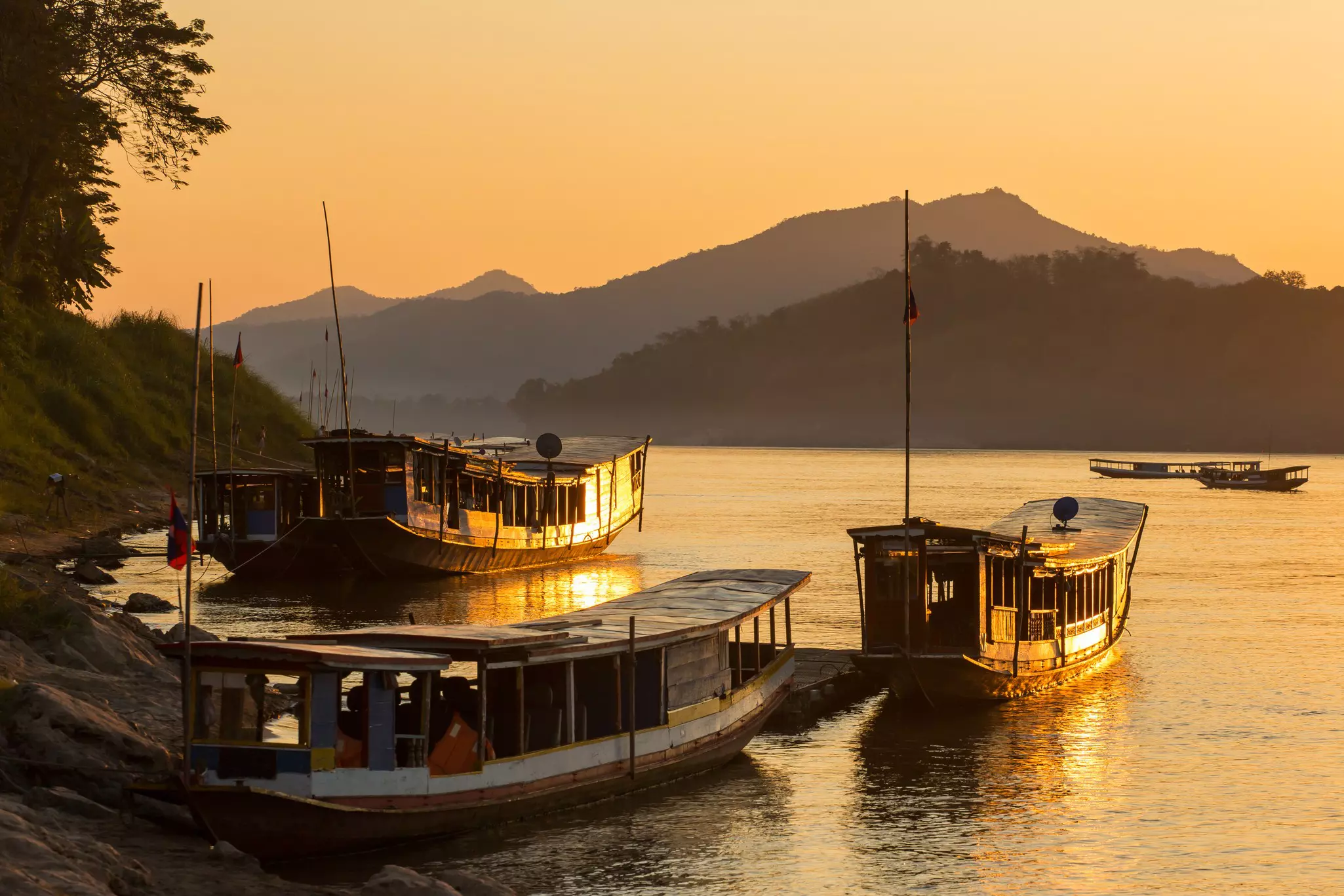
So my favorite thing to do, no matter how busy life feels, is to take an indulgent pause at sunset for a drink on the riverside and watch what I call “Mekong TV,” tuning into the flowing water, palm trees, slow boats and the golden light illuminating the mountains.
Laos can feel more expensive than neighboring Vietnam and Cambodia, especially when it comes to domestic and international flights, mid- to high-end accommodation, tuk-tuks, motorbike rentals and eating at restaurants that serve international cuisine. The landlocked country is still developing and heavily relies on imports.
In the aftermath of the pandemic, the Lao kip experienced unprecedented inflation and fluctuations but has since stabilized. Cash in kip is the main way when it comes to paying at local mom-and-pop shops, restaurants and guesthouses, plus tuk-tuks, so it is necessary to always have some on hand. If you are doing a Visa On Arrival instead of an eVisa in advance, you will need US dollars in clean, unmarked bills; most nationalities cost US$40, with a $1 processing fee and a $1 fee if you don’t have a passport-size photo. They also accept Thai baht, though at a poor exchange rate.
Higher-end boutiques, bars and restaurants will usually allow cash payment in US dollars or Thai baht; they accept international credit cards, typically adding the bank’s 3% fee to the bill. Keep in mind that ATMs have a low withdrawal limit of either 2,000,000 or 3,000,000 kip (K), with a service fee and less favorable exchange rate. The best rates are often had by exchanging new, unripped and unmarked US$100 bills at one of the gold shops across from Dara market or at the bank.
Lao Visa on Arrival and processing fee for most nationalities: US$42
Lao eVisa for most nationalities: US$51
Upscale boutique hotel in high season: from US$160-250
Tuk-tuk in town: 30,000-60,000K
Large bottle of Beerlao: 25,000K
Americano: from 38,000K
A bowl of famous khao soi noodle soup across from Wat Sene temple: 50,000K
Bistro dinner for 2 with drinks: 650,000-1,100,000K
Entrance ticket to Kuang Si waterfall: 65,000K
Private sunset boat cruise on the Mekong: Basic boat hired riverside from 300,000K; more comfortable tour boat from 1,500,000K
Sponsoring an educational book on puberty and a hygiene kit for schools through Laos Solidarity US$5
Wages are low, and though tipping is not mandatory, tipping when you receive good service is positive reinforcement and will be much appreciated. Try tipping at least 10% to your tour guide, driver, restaurant, spa and hotels. And remember, a 10,000 kip bill may seem like a lot but that is less than US$0.50.
Laos is socially conservative, especially in rural areas. Women should dress modestly. Do not walk around in a bikini, and men should always wear a top. Public displays of affection, such as kissing, are inappropriate, as is rude behavior. The Lao value politeness. Shouting, arguing, losing your temper or bargaining aggressively causes the other person to “lose face,” a huge social taboo.
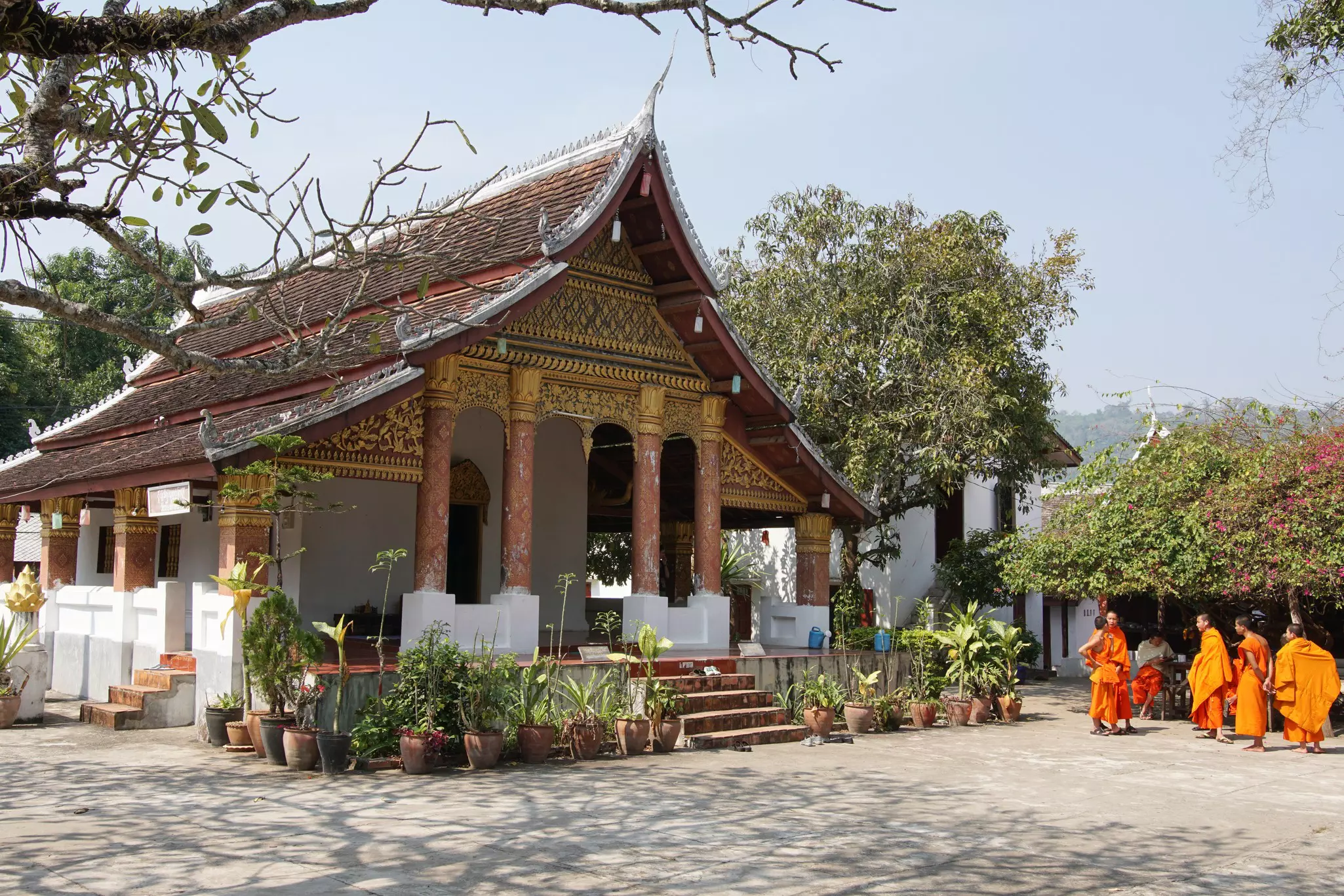
Remove shoes before entering homes and religious buildings. Women can only enter temple grounds with shoulders and knees covered. Men should also have their shoulders covered (no tank tops). If sitting on the floor, do not point your feet at Buddha statues or images, or at another person. Sit kneeling, with feet tucked under, or cross-legged.
Treat children and schools as you would in your own country; in other words, respect their space and privacy.
Many restaurants and cafes automatically serve complimentary glasses of water for the table. Rest assured, it is potable; all drinking water comes from a purification factory. Locals don’t even drink the tap water. The same goes with ice; it is never made in house. So you can skip ordering bottled water and you can even ask to refill your bottle. Most places would be happy to for 4000K.
Explore related stories