Aug 20, 20267 min read
12 Things to Know Before Traveling to BangkokAug 20, 2026
7 MIN READ

Writer
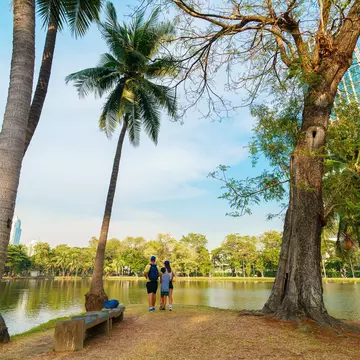
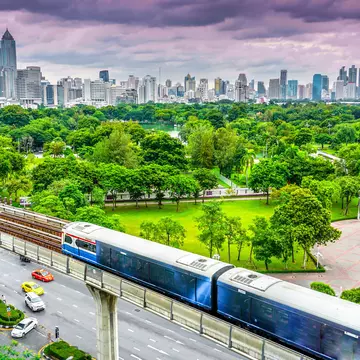
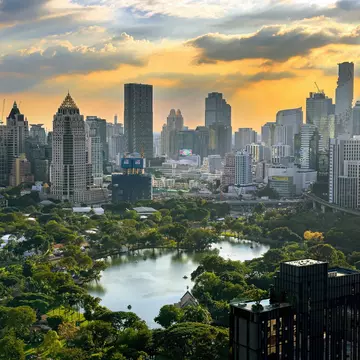
Downtown Bangkok and Lumpini Park. Noppawat Tom Charoensinphon/Getty Images

Writer
Highlights
Writer Austin Bush shares 12 Bangkok tips on scams, transport, food and etiquette.
Dress light for year-round heat; April brings Songkran's raucous city-wide water fight.
Insist on metered taxis and walk away from tuk-tuk drivers offering free tours to gem shops.
Beyond street food, try Bangkok's charming old-town restaurants or Sukhumvit's Japanese spots.
Lonely Planet may earn a commission from affiliate links on our site. All recommendations and reviews reflect our own independent opinions.
I moved to Bangkok in 1999, a time when most visitors to Thailand reluctantly spent a night in this megacity before beelining to an island or the north. Synonymous with traffic jams, pollution and urban sprawl, the Thai capital was largely seen as an unwanted but obligatory stopover.
Decades later, Bangkok is now a destination of choice for many visitors. Easier to get around and cleaner than ever, with a vibrant eating and drinking scene that caters to just about every budget and an enviable spread of intriguing sights and fantastic shopping, the city has more to offer than ever before.
Yet like any big city, Bangkok has its quirks and surprises. From planning your trip to understanding local safety issues, here's what you need to know before visiting Bangkok.
If you're prepared with a clear itinerary and have plenty of energy to explore, you can see the best of Bangkok in 3 days. With some extra time, you can add a day trip to the ruins of Thailand’s former capital Ayuthaya. We'd highly recommend contrasting pounding Bangkok’s concrete with exploring less urbanized Thai life.
From late December to early January, Bangkok is at its coolest. Technically, this also makes for peak travel season, although with a constant influx of business and leisure visitors from Southeast Asia and beyond, it's almost always crowded here.
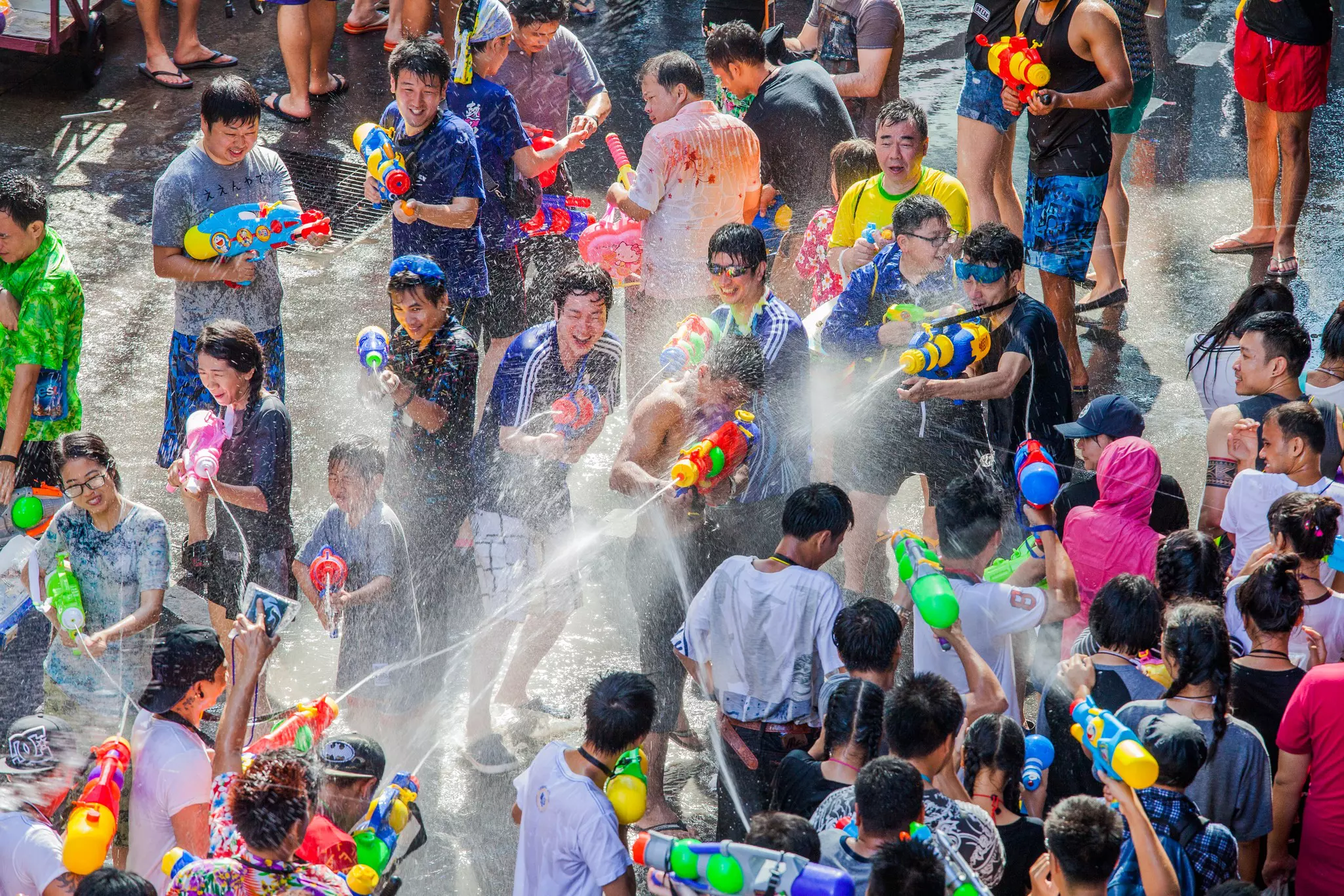
Around April, Bangkok grinds to a halt during Thai New Year, known as Songkran (the water festival). The tradition has its origins in the cleansing role of water, but these days it essentially means that Bangkok holds a raucous multiday water fight. If you visit at this time, whether you're into it or not, you’ll be splashed with water or smeared with baby powder. Don’t even attempt to step outside your door in your best clothes, and don’t expect your favorite restaurant, museum, or monument to be open (although shopping centers will be operating).
During the annual monsoon, from approximately May to October, Bangkok’s streets occasionally turn into rivers. During this time of year, don’t be surprised if you have to camp out on an elevated street corner or in a 7-Eleven until the waters recede.
Where is the best place to stay will depend on what kind of trip you're after. Shopping and eating out? Head to Siam Square, Pratunam, Phloen Chit and Ratchathewi. If you want a slice of modern Bangkok life, try Sukhumvit. And if you're after a more local neighborhood feel, look at Thewet and Dusit or North Bangkok.
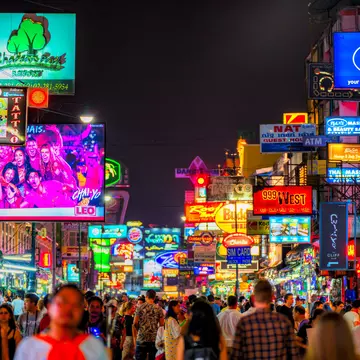
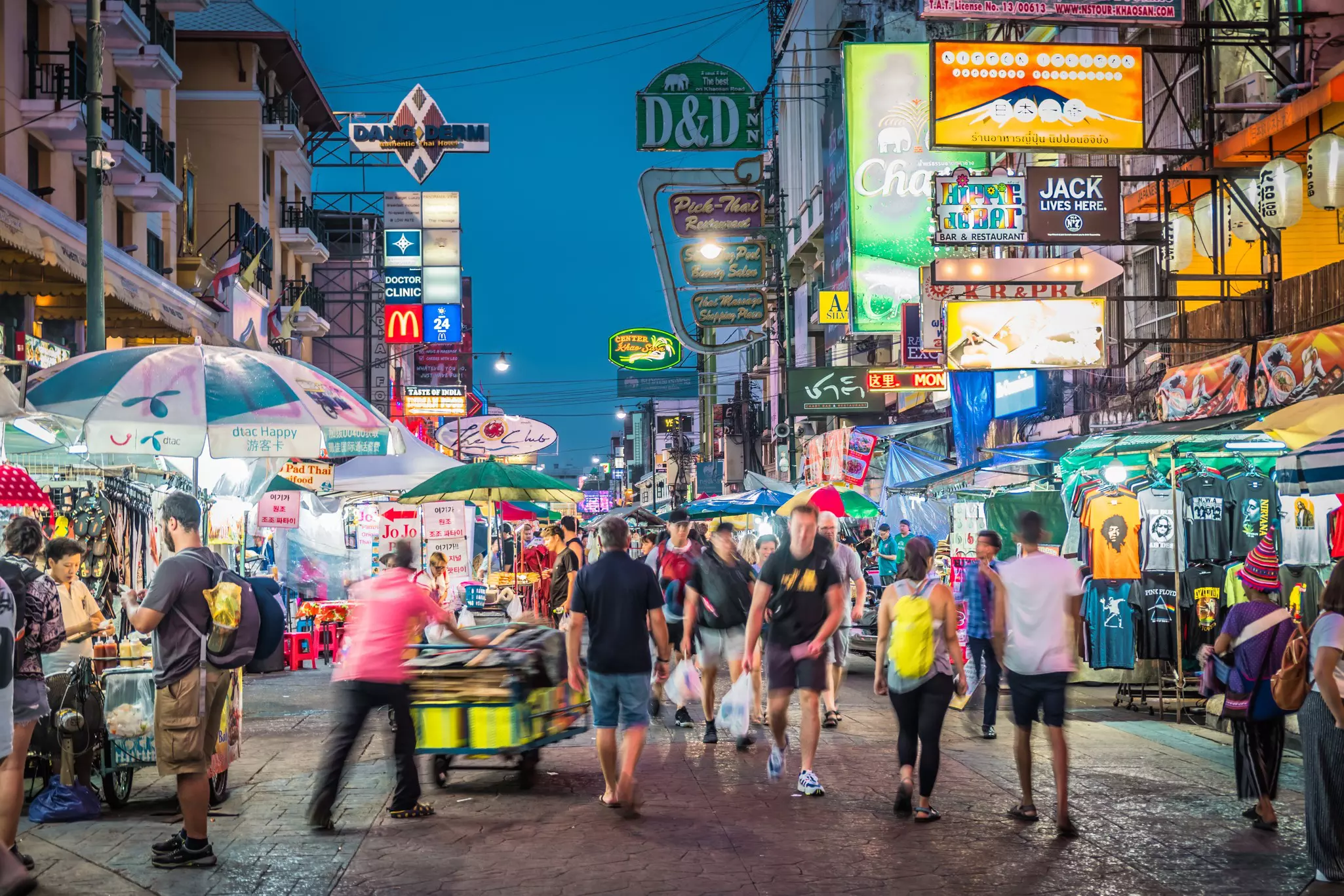
If you want to be based on the world’s most famous backpacker strip and all that entails, book a bed or room on Thanon Khao San, generally known as Khao San Road in the historic area of Banglamphu. It’s lively and fun, and provides easy access to the city’s old town. Having moved slightly upscale in recent decades, Khao San Road no longer represents the best value area to stay in Bangkok. And with loud bars and a boozy vibe, it’s definitely not the most peaceful place to stay. For access to the backpacker amenities without the noise and hassle, consider staying in the neighborhood streets nearby, such as Thanon Rambutri or Thanon Phra Athit.
Bangkok is one of the hottest capital cities in the world, with an average temperature of 29°C (84°F). This heat is compounded by intense humidity and the urban environment, which reflects and retains heat, meaning the city often feels much, much (much) hotter. April is Bangkok's hottest month, with an average daily max temperature of 35°C (96°F), and during December and January, temperatures rarely dip below 20°C (68°F). Pack light clothing, remembering that Thais are conservative when it comes to showing skin in public, and Bangkok is not the beach.
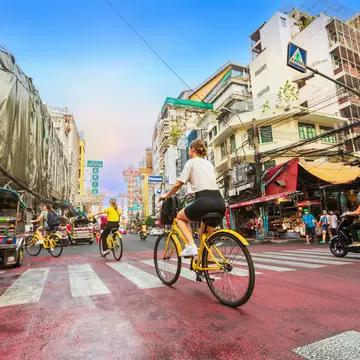
In the city, don't try to cover too much ground on foot – an already difficult task given the city’s lack of pedestrian infrastructure. If you do walk, learn the technique of regularly ducking into air-conditioned malls, hotel lobbies and 7-Elevens to cool off.
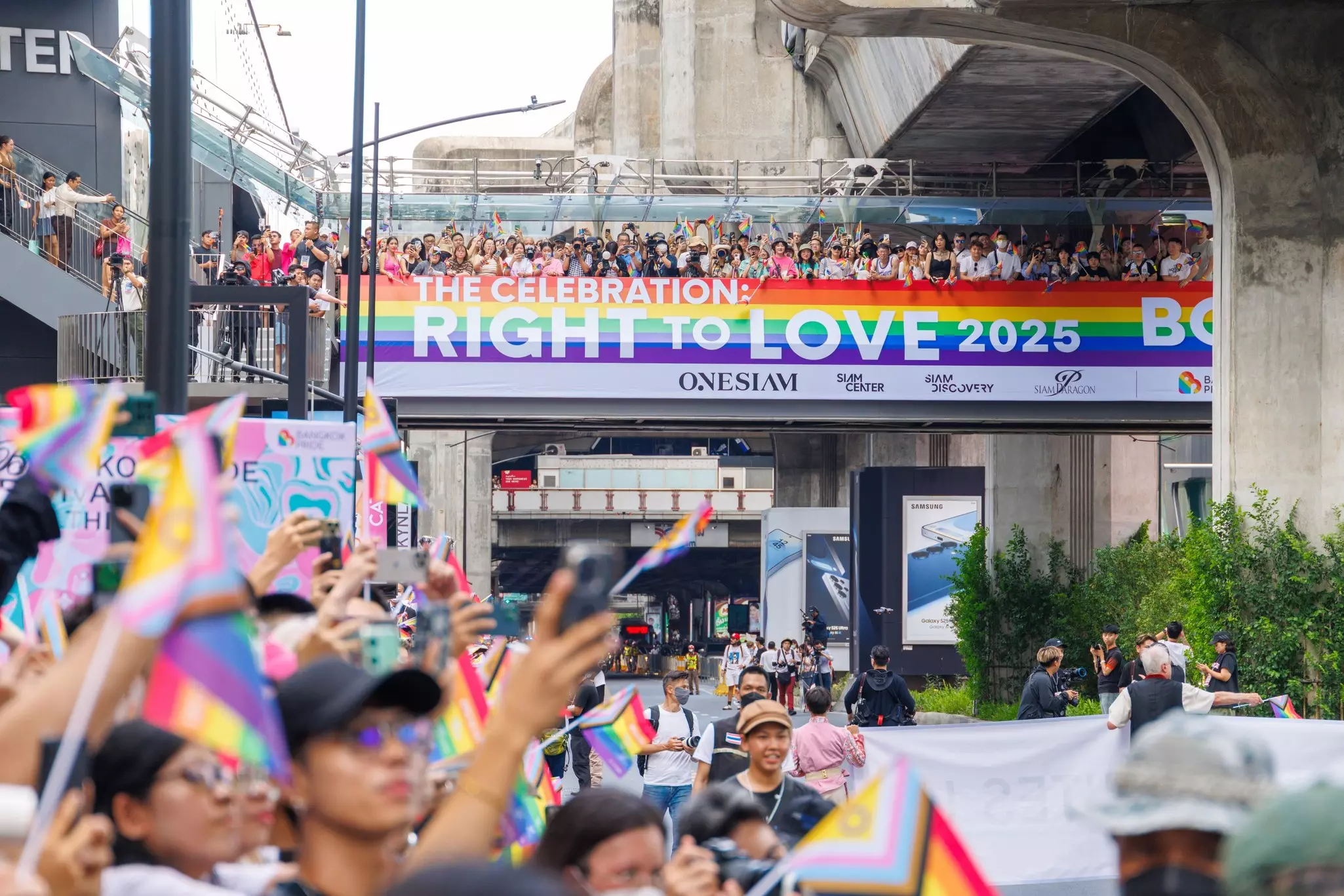
In January 2025, Thailand became the first Southeast Asian country to legalize same-sex marriage, and Bangkok is generally considered Asia’s most queer-friendly city. The epicenter of the gay scene is Thanon Silom, especially in and around Soi 4, which is ostensibly Asia’s biggest queer nightlife area. However, keep in mind that public displays of affection between people of any gender are frowned upon in Thailand.
While shopping malls are a dying breed in parts of the world, they’re thriving in Bangkok, where over-the-top shopping centers serve a second function: as conveniently air-conditioned social centers. Thais gather at the city’s more than 500 shopping centers to chat, eat, take selfies and occasionally make purchases, and so should you.
In June 2022, marijuana and hemp were removed from the Category 5 narcotics list in Thailand. However, there are still many restrictions, and smoking marijuana in public is not legal and is not recommended.
Thailand has a low crime rate and is generally considered a safe country. Bangkok has the same violent crimes as any big city, but anecdotally is considered a safe place. Apart from occasional bag snatching and theft, the most dangerous thing in the city is its traffic (Thailand’s roads are some of the deadliest of any country). Solo women travelers and locals report feeling safe in the city.
It’s worth noting that Bangkok’s police don’t have a great reputation. Steer clear of them unless you really need help.
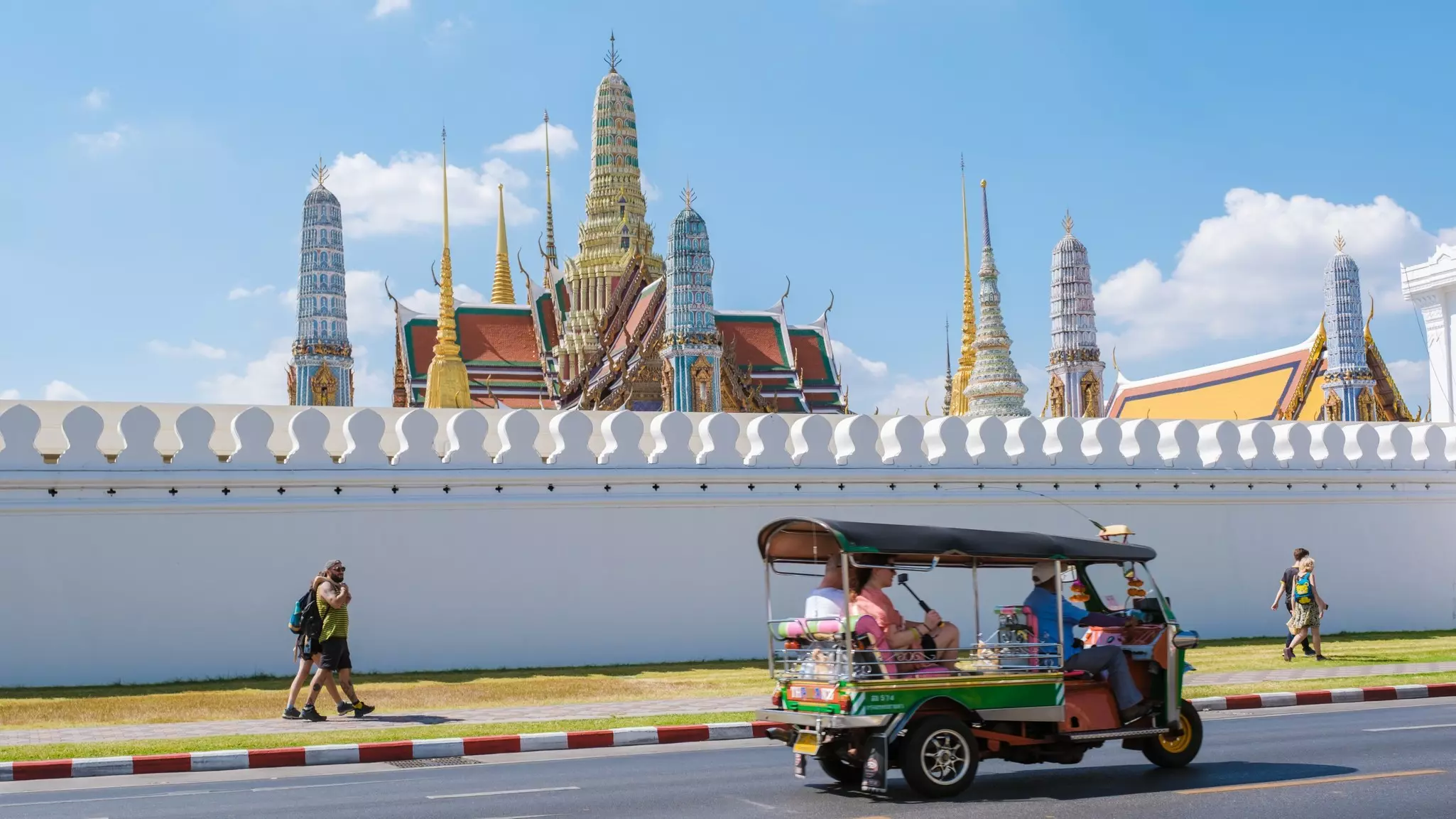
A particular Bangkok annoyance is scams directed at tourists. These typically involve taxi drivers who refuse to use their meters and tuk-tuk drivers or well-dressed, English-speaking men who appear out of nowhere, offering free tours that inevitably lead to dodgy gem shops or tailors. The good news is that most of these situations are easy to spot and relatively low-pressure; if something seems off, simply walk away.
There is a sex industry in Bangkok, but if you steer clear of the main red-light zones at night – namely Thanon Patpong, Soi Nana and Soi Cowboy – it's likely you won’t witness this side of the city.
Bangkok used to be synonymous with traffic jams and air pollution. The jams still happen, but the good news is that the city’s public transportation system has grown immensely. The various above and underground rail networks unite 10 lines – with more in the works – and 192 stations, including trains linking both of Bangkok’s international airports and the city center.
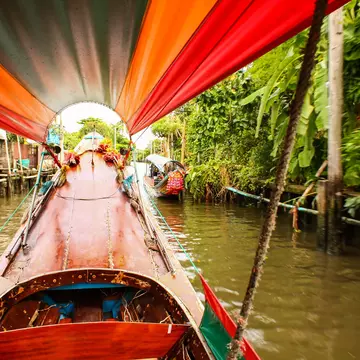
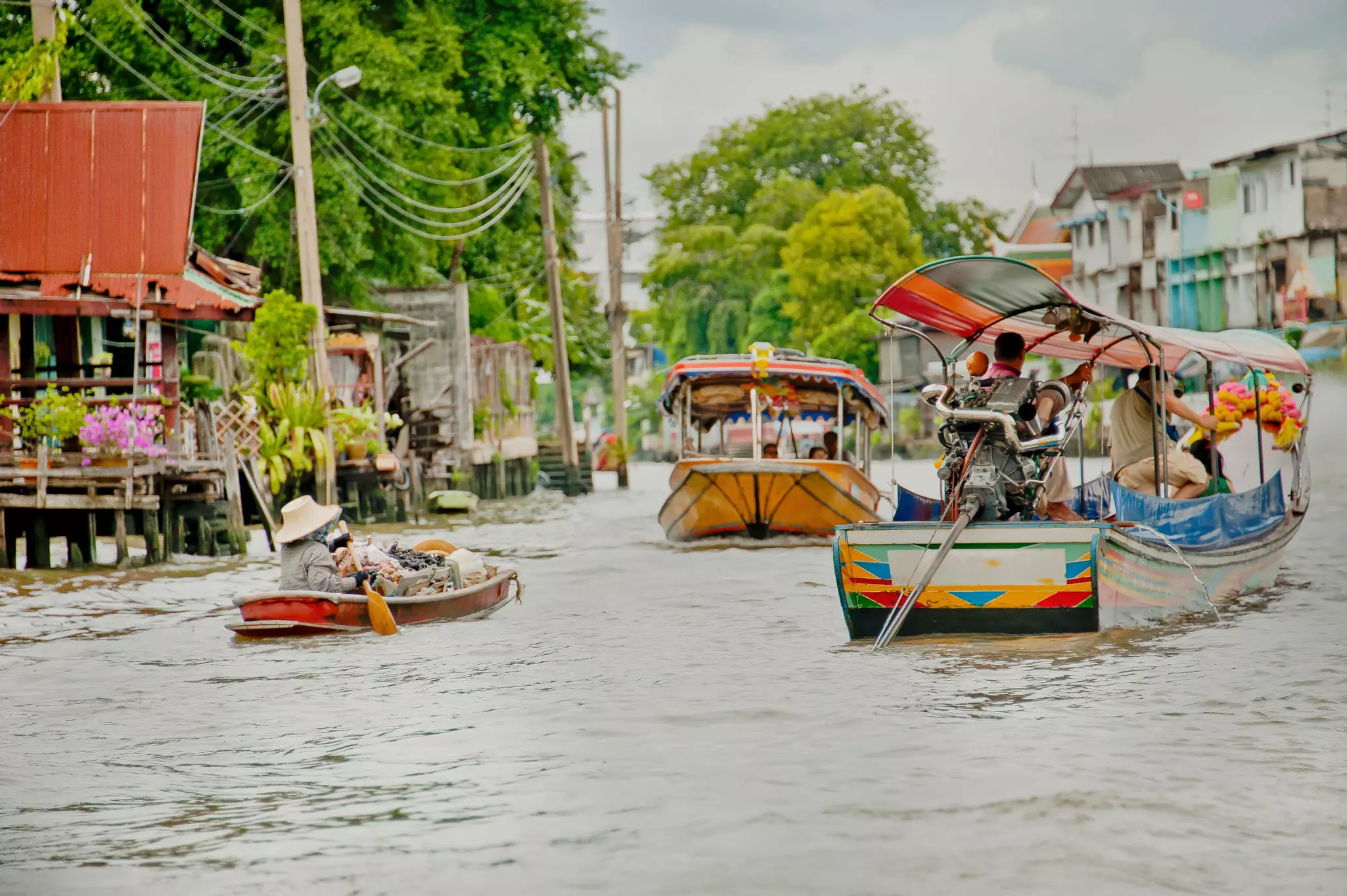
Taxis remain ubiquitous and a good value – though subject to the issues that make the city’s traffic so infamous – while quirky public transportation systems such as the city’s river and canal taxis provide a slow but steady (and scenic) way to get around.
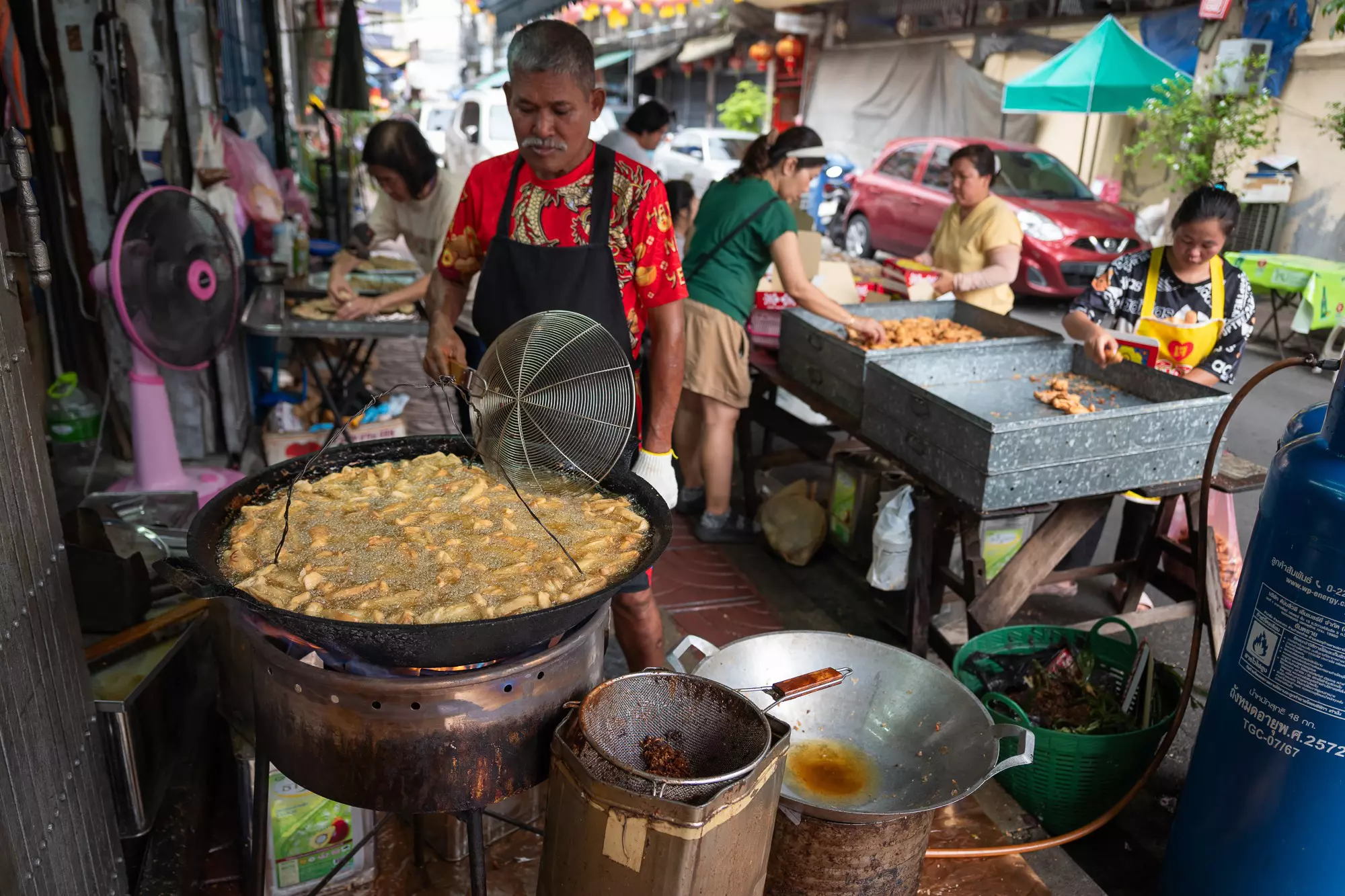
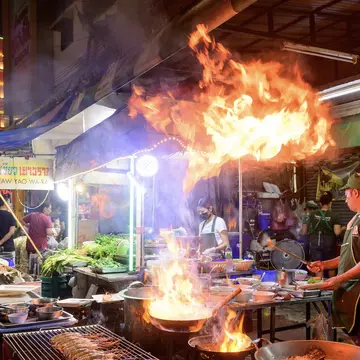
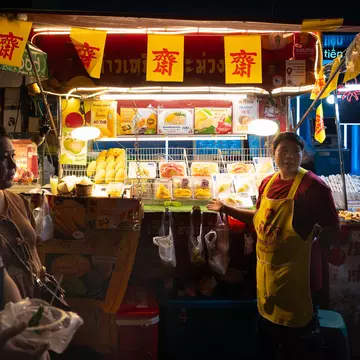
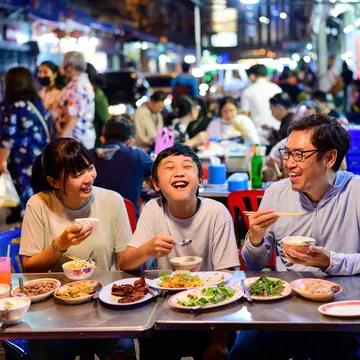
Western chefs and food media have been raving about Bangkok’s street food for more than a decade. And it’s a fun, often delicious way to eat. But if you restrict yourself to street food alone, you’ll miss the entire scope of Bangkok’s cuisine.
Supplement streetside noodles with meals at the charming, decades-old restaurants in the old town – these are the places that get the most praise in the Thai media. In Bangkok’s newer districts, such as along Thanon Sukhumvit, consider a Japanese meal – the city is home to one of the largest populations of Japanese people outside of Japan.
If your budget allows, consider a splurge restaurant. While the rest of the world was obsessing over its street food, Bangkok's dining scene went in the opposite direction and today is home to several cutting-edge upscale restaurants.
Explore related stories