Jul 29, 20265 min read
The Best Hawker Centers in SingaporeFeb 10, 2026
6 MIN READ

Writer
The Lau Pa Sat hawker center, Singapore. Jack Hong/Shutterstock

Writer
Lonely Planet may earn a commission from affiliate links on our site. All recommendations and reviews reflect our own independent opinions.
A center of commerce and luxury, Singapore ranks among the world’s most expensive cities. Prices here are comparable to those in New York, London and Dubai – which can rankle, especially when compared with Singapore’s neighbors in Southeast Asia, where budget travel is a breeze.
Yet those with less-than-generous budgets, there are plenty of ways to explore Singapore without breaking the bank. As you plan your trip, start with the tips below – 10 ways to visit Singapore on a budget.
Over 100 airlines serve the four terminals of Singapore’s beautiful Changi Airport. The list includes numerous low-cost airlines that often offer low-priced tickets to countries around the region. This means that tacking on Singapore to a larger, multi-city jaunt around Southeast Asia could be a cost-effective way to get here.
If you’re connecting flights at Changi, consider planning a long layover, which would allow you a few hours to zoom through the highlights of the city-state. Indeed, the airport offers free 3-hour city tours for travelers with layovers between 5.5 and 24 hours.
You can also save money by avoiding late-night arrivals in Singapore: public transport stops around midnight, and taxis add on a late-night fee on top of the airport surcharge.
Hotels in Singapore are quite pricey – and rates spike for major holidays. If you want to such peak-rate windows, avoid the Singapore school holiday-months at mid-year (June) and year-end (December); the 2-day public holiday for Chinese New Year (late January or early February), National Day (August 9); and the Formula 1 Grand Prix (mid-September).
Check Singapore’s annual public holiday calendar to see when long weekends fall, as these usually result in high demand for staycations and thus more expensive hotel rates.
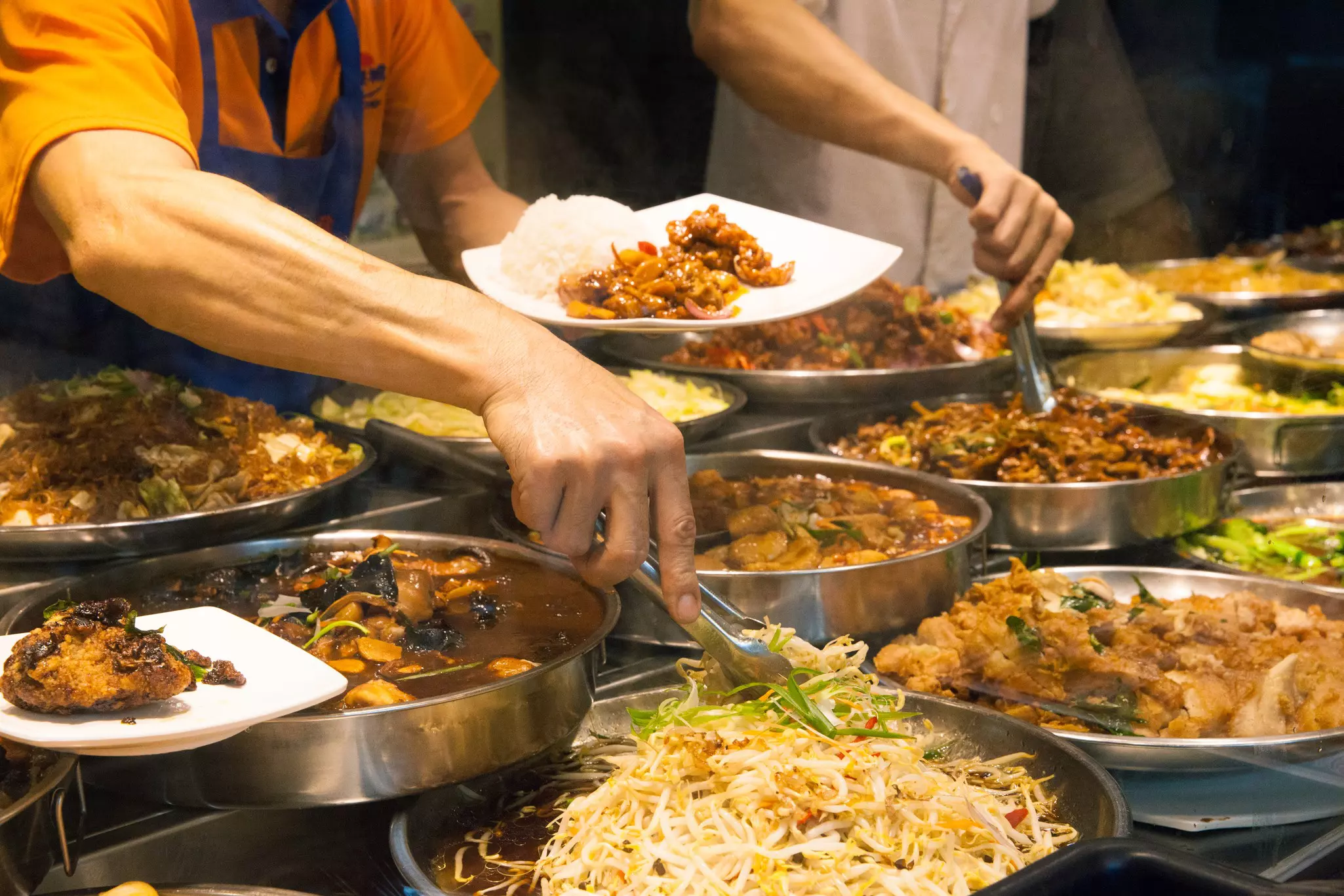
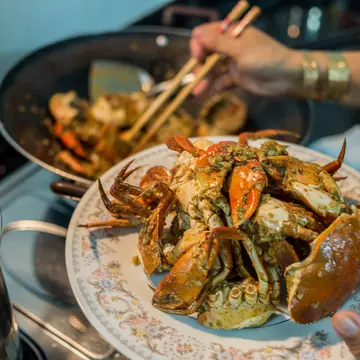
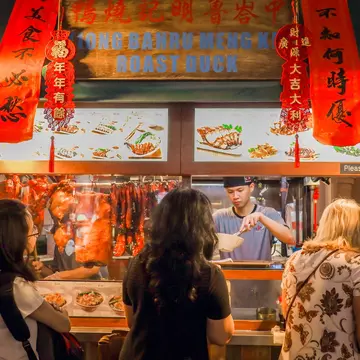
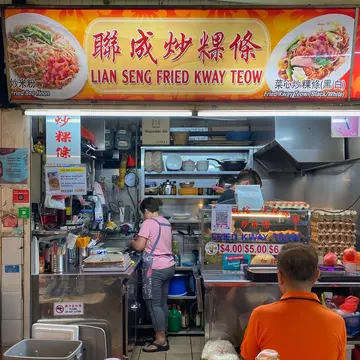
One thing that has remained relatively affordable in Singapore is the food at its famous hawker centers. The Singaporean fare at these lively food courts is reliably tasty and cheap. Hawker centers also provide a great introduction to Singaporean culture as you join the locals for noodles, chicken rice, chili crabs and more delights. Singapore even has Michelin-rated street food stalls, meaning you can indulge in award-winning flavors without blowing up your budget.
Planning tip: While credit cards and now contactless payments are the norm in Singapore, cash is still king at hawker centers. Be sure to bring small bills.
Alcohol is heavily taxed in Singapore, and a night out at a posh bar or club can add up alarmingly. Pints of beer at a typical pub range from 15 Singaporean dollars to S$20 – while the famous Singapore Sling at the Long Bar at the Raffles Hotel will run you almost S$40. (It’s still worth it.)
The best way to save on drinks is to take advantage of supermarkets or hawker center drink stalls that serve bottled beer – just be sure to do so before 10:30pm, as there is a curfew on alcohol sales in Singapore. Alternatively, seek out happy hour deals around the nightlife districts to save a few dollars.
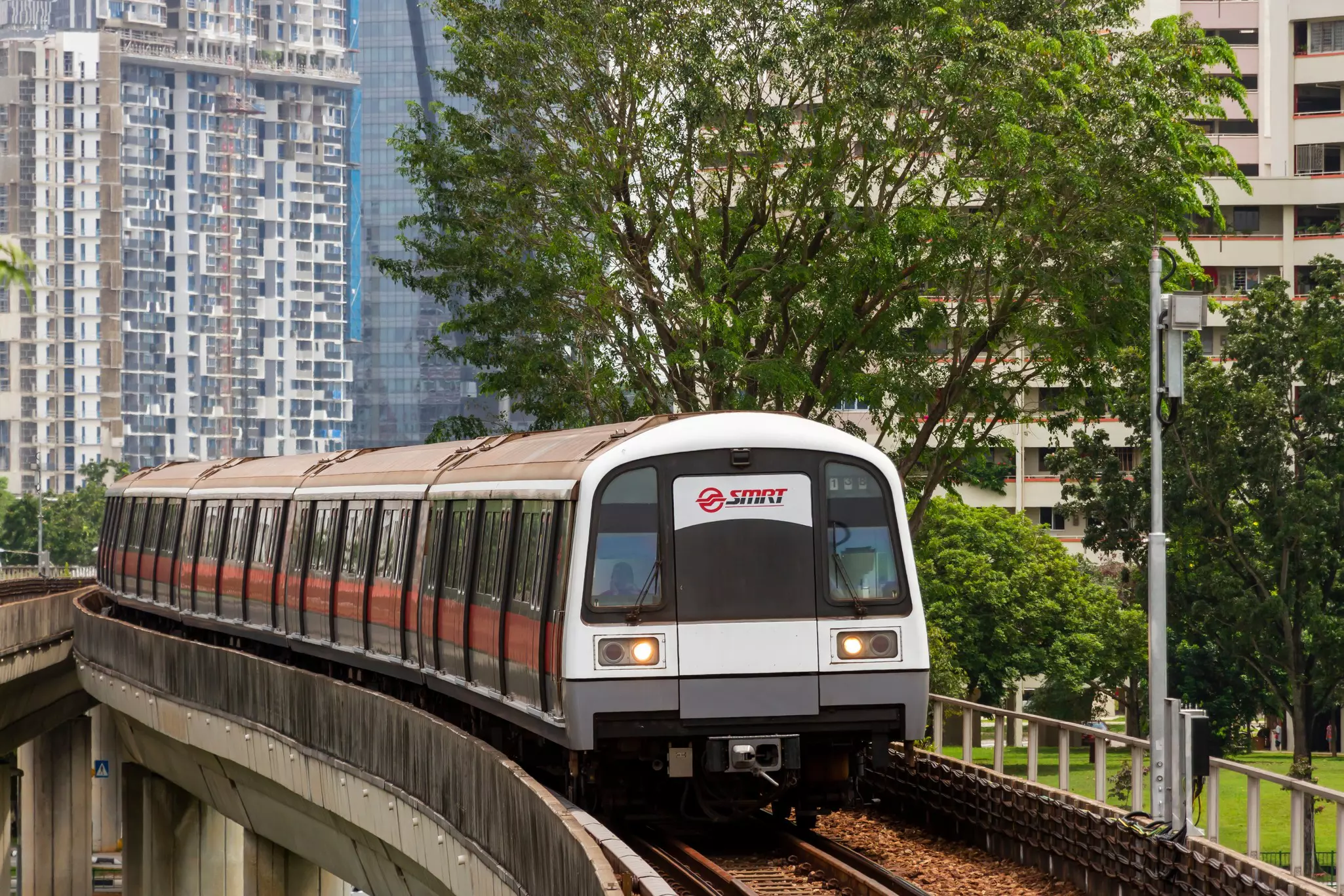
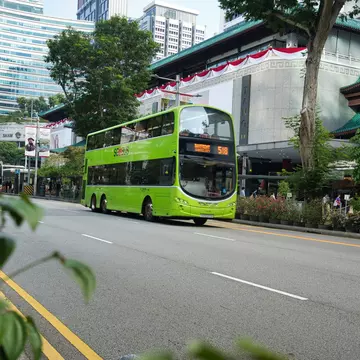
Singapore’s public transport network is well-developed and efficient, offering a reliable and very affordable way to explore the city. Fares are calculated based on distance traveled; while you can easily pay with your credit card, opt for a visitor-oriented day pass if you expect to cover a lot of ground. Starting a S$17 for a 1-day card, these passes are valid on all buses, metro lines (MRT) and light rail services (LRT) within Singapore.
If you want to avoid expensive taxi rides, look out for cheap or even free shuttle options around major tourist attractions. For example, you can walk for free or take the public bus to Sentosa versus paying for the scenic but more expensive cable car. The Mandai Wildlife Reserve also has cheap shuttle connections to the MRT.
Most of Singapore’s famous sights are clustered in the center of the city – and the numerous hotels near them tend to have the most expensive rooms in town. If you’re willing to skip the convenience of sightseeing on foot, consider staying in a farther-flung area of town, then heading downtown on public transit.
Staying close to an MRT station will help cut transport costs (see above) – the subway lines connect to most major attractions, run until midnight and also connect to Changi Airport.
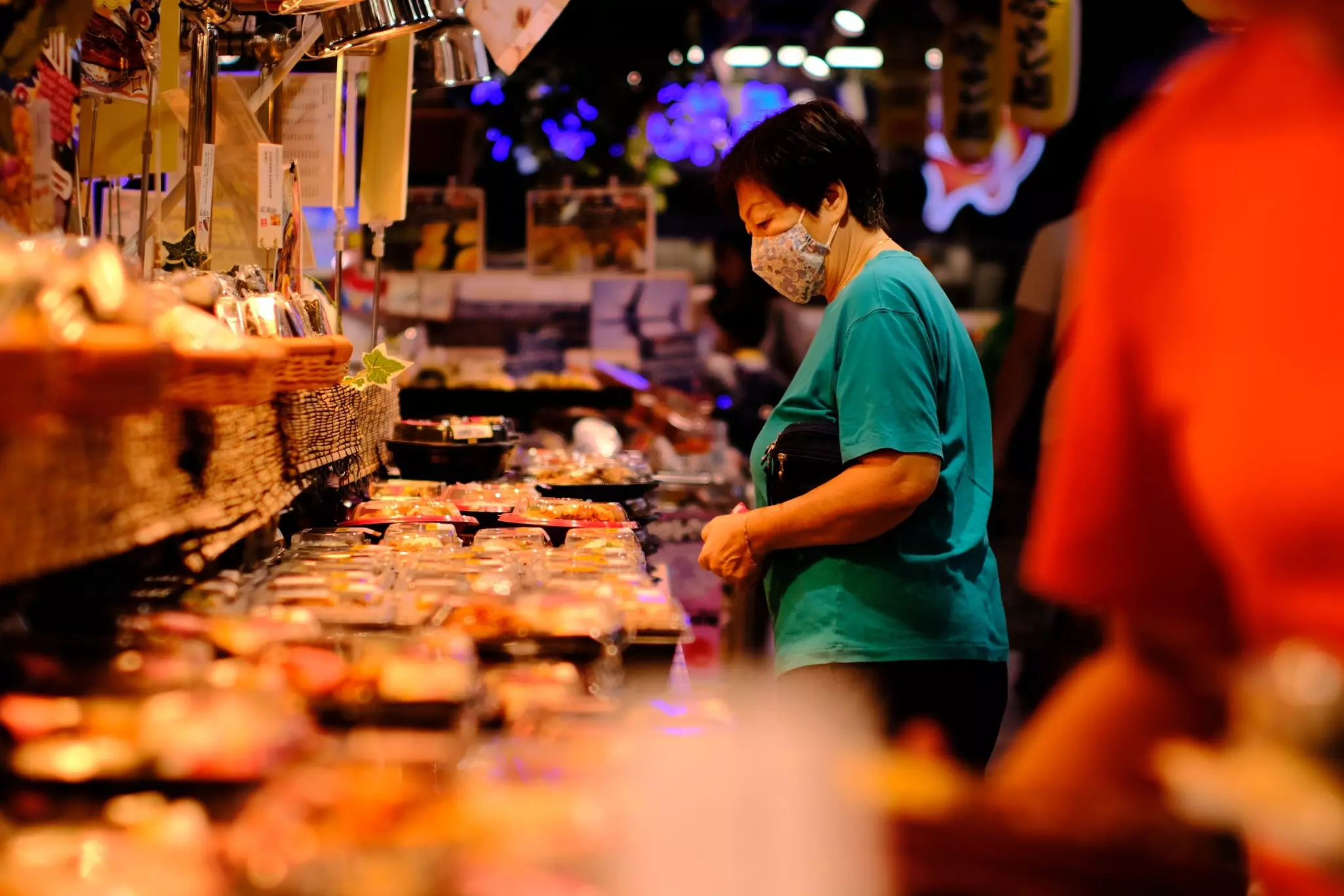
If you need to stock up on daily necessities, look for a major supermarket; local chains include Fairprice, Cold Storage, Giant and Sheng Siong. While you’ll find hundreds of hundreds of smaller convenience stores, including 7-11 and Cheers, all over Singapore, the food and drink sold there tend to be much more expensive than at supermarkets.
Local tip: Instead of a fridge magnet as a souvenir, pick up pre-packaged sauces, seasonings and foods to bring the local tastes of Singapore home after your trip.
There’s no need to buy bottled water in Singapore as the tap water is perfectly safe to drink. Carry around a reusable bottle, as most attractions have a water cooler to refill bottles. In restaurants and cafes, ask for tap water instead of still or sparkling water as it’s usually free (though some places may still charge for water, even if it comes from the tap).
If you know exactly what you want to see in Singapore, you can save a bit by purchasing bundled tickets beforehand. Major tourist attractions usually offer family bundles as well for those traveling in groups or with children. Popular sightseeing passes are offered by Go City and Klook, both of which include admission to several major attractions.
Alternatively, skip the paid attractions and check out the many free things to do in Singapore, from hikes in beautiful outdoor spaces to visits to unique places of worship.
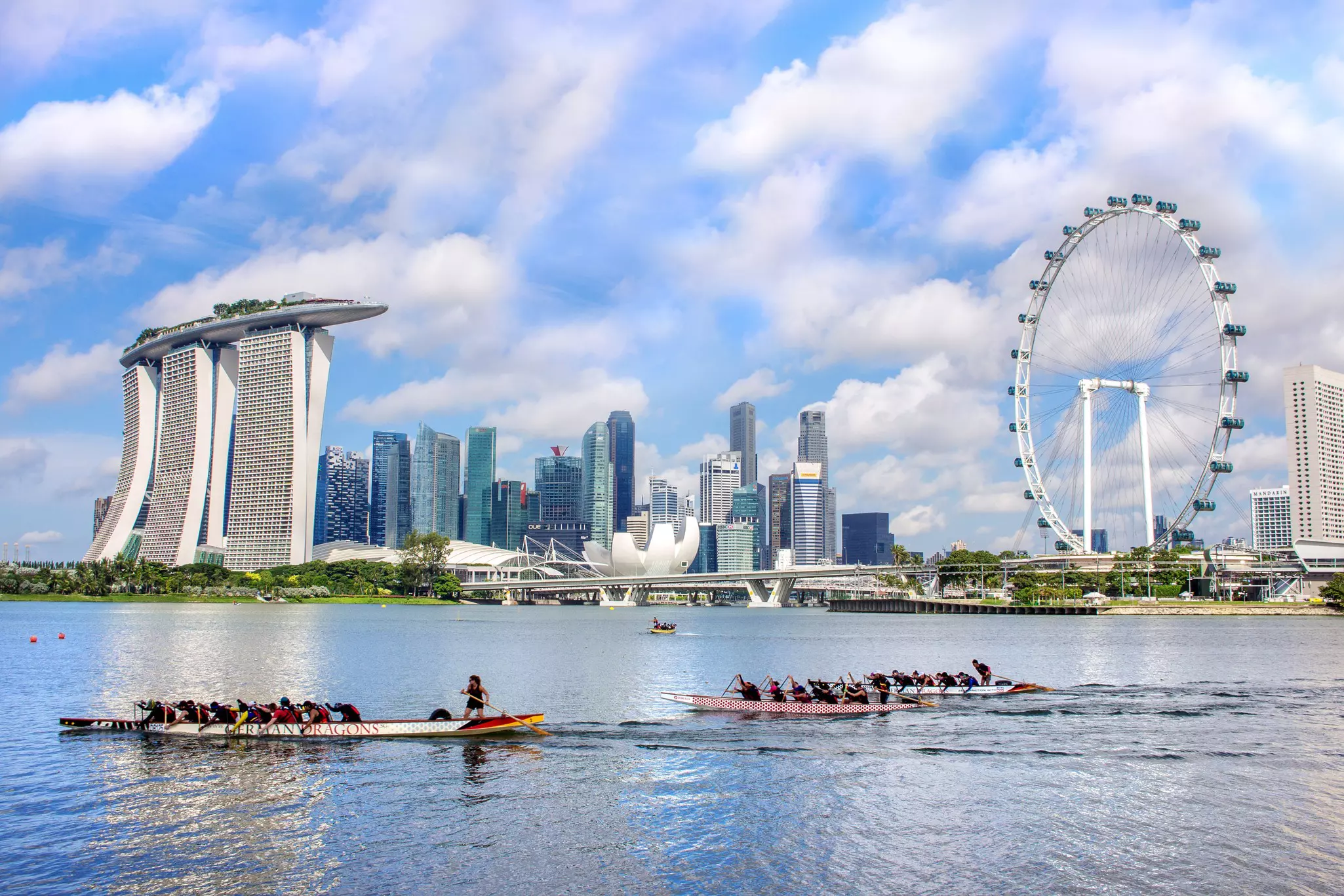
Access to panoramic viewpoints such as the Marina Bay Sands SkyPark or the Singapore Flyer can be pricey, while rooftop bars often have a cover charge or (sometimes and) a requirement to buy an expensive cocktail or two.
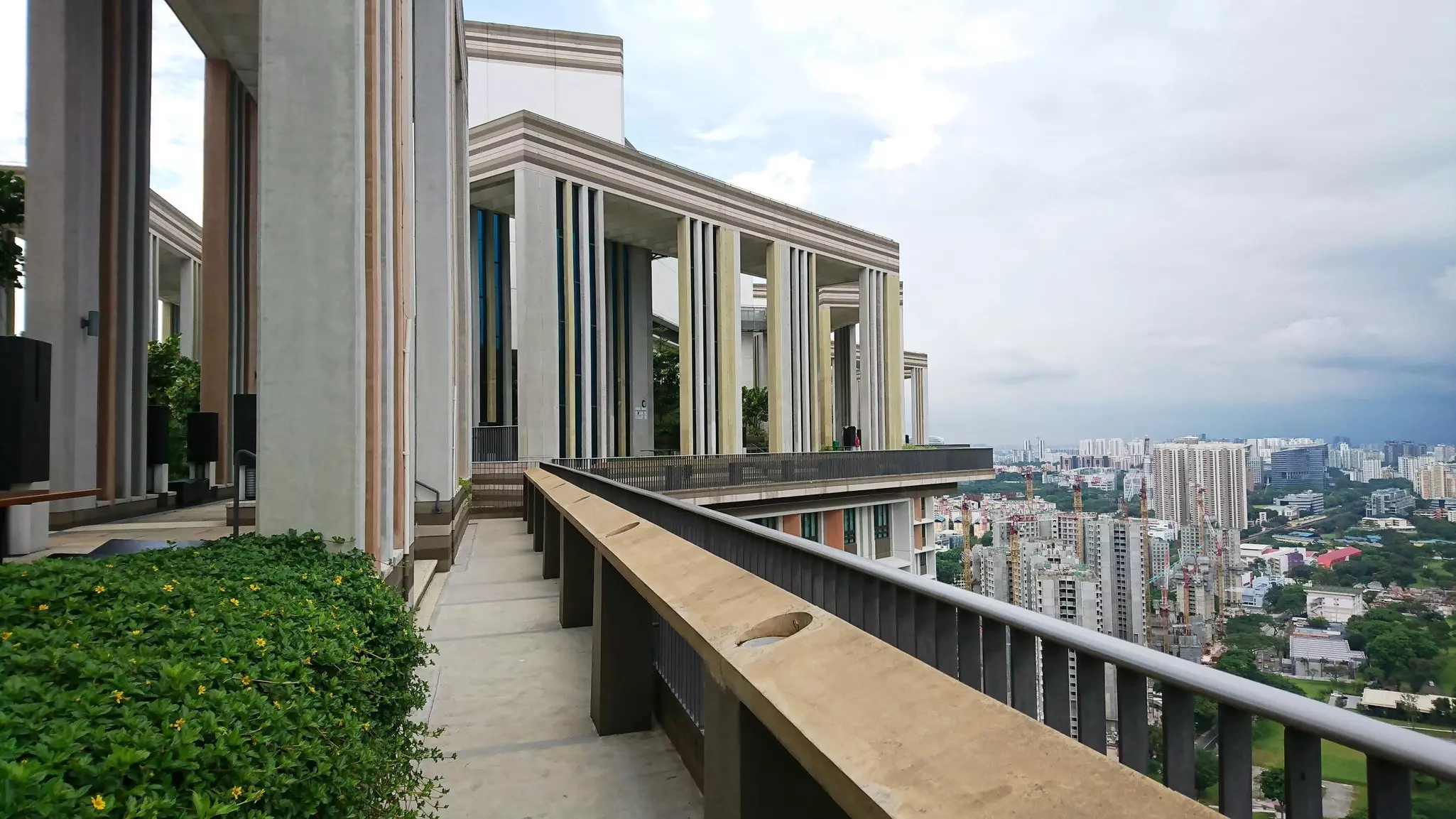
Yet you don’t need to splash out to enjoy Singapore views. If you’re not in the mood to splurge, take a hike along the 10km Southern Ridges. Mount Faber offers great views, while the undulating Henderson Waves is Singapore’s tallest pedestrian bridge. The more sedentary can visit CapitaSpring Sky Garden, with its landscaped gardens and bistro with a view right in the middle of the city, or pop over to Skyville @ Dawson, a public-housing development with a rooftop garden 47 stories above the ground.
Dorm bed in a hostel room: S$30–40 per night
Hotel room for two: S$200–300 per night
Public bus/MRT fare (distance-based fare): S$1–3 per trip
Singapore Tourist Pass (1–5 days unlimited travel): S$17–45
Meal at a hawker center: S$5–10 per person
Meal at a cafe/simple eatery: S$10–30 per person
Meal at a restaurant: S$20–100 per person
Pint of beer at a bar: S$10–20 per pint
Average daily cost: S$100–300
Explore related stories