Sep 24, 202610 min read
The 12 Best Places to Visit in Asia in FallJul 24, 2026
10 MIN READ

Writer
Circuit de Monaco, Monaco Grand Prix. Jay Hirano/Shutterstock

Writer
Highlights
Writer Trisha Ping picks nine top Formula 1 circuits, from Australia to Austin.
Monaco and Silverstone both date to F1's inaugural 1950 season, ideal for history fans.
Singapore races under the lights; samba and sprints make Interlagos near São Paulo electric.
Suzuka's figure-8 in Japan thrills track-design fans; Melbourne suits F1 newcomers.
Lonely Planet may earn a commission from affiliate links on our site. All recommendations and reviews reflect our own independent opinions.
For 75 years, Formula 1 has been the pinnacle of auto racing, featuring the fastest road-course cars, the most cutting-edge technology and the most skilled drivers in the world. A truly international competition, its 20-some races take place in cities from Miami to Madrid over the course of the year. Keeping things exciting, no two annual city lineups are the same, since new venues are always getting added while others go on hiatus. Still, the nine stalwarts below are tried-and-true spots to see the rubber hit the road.
These are the world’s top circuits for catching a Formula 1 race.
Best for F1 newbies or casual fans
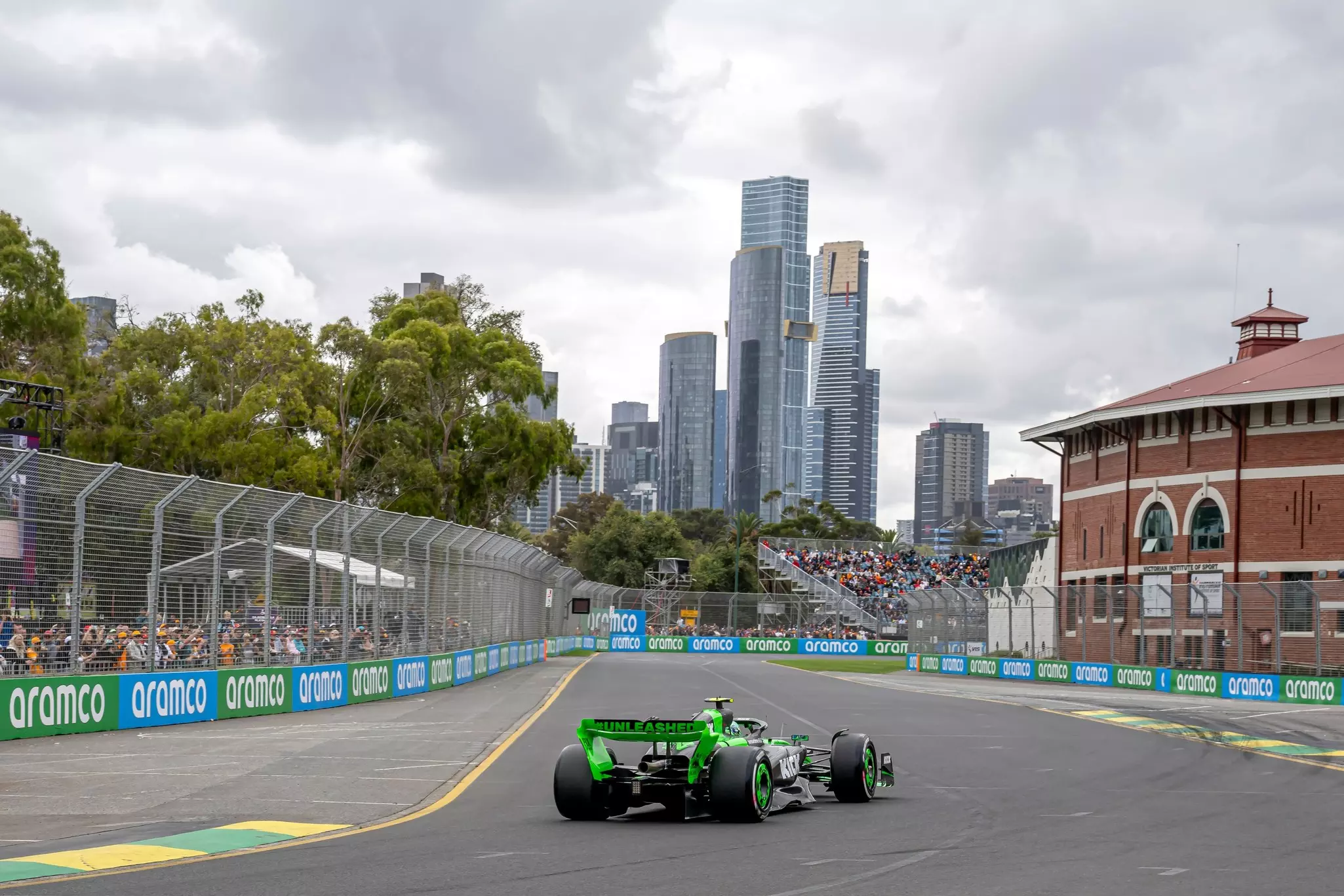
The F1 season kicks off with the Australian Grand Prix, the second-oldest auto race in Australia, held in Melbourne since 1996. Each spring, some 300,000 people make their way to Albert Park to watch their favorite driver zoom around the 5.3km circuit surrounding shimmering Albert Park Lake.
Clean, safe and frequent public transport makes this the perfect introduction to F1 for those who might be worried about logistics or navigating traffic, or who prefer to spend only part of the day at the track. Though Albert Park is a lovely place to watch the race, it’s relatively flat, which means you’ll need to spring for a grandstand seat for the best views. Still, we love this track for its proximity to the city center and the bubbling energy that surges during what is typically the year’s first F1 competition.
Best for exceptional track design
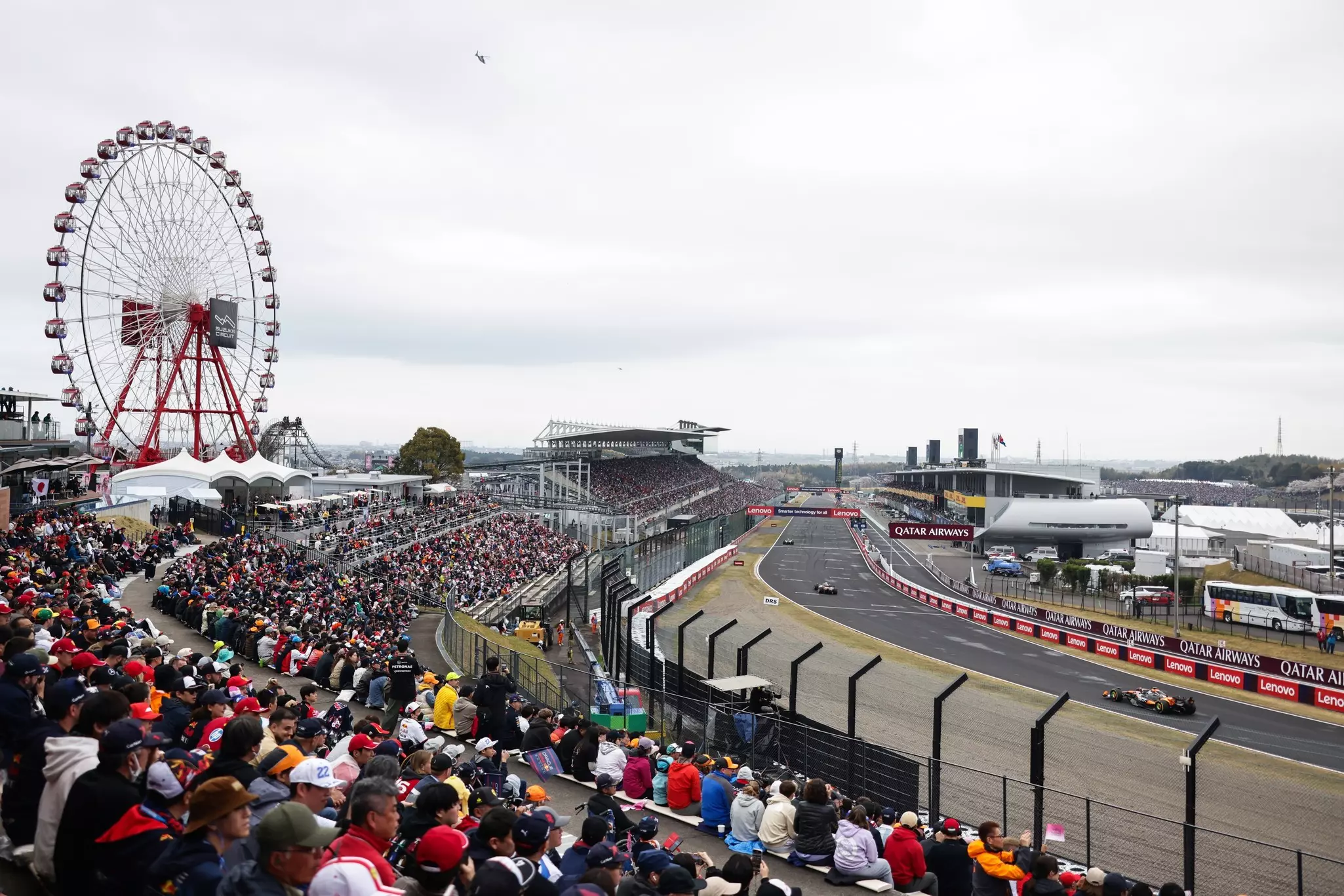
One of the older Formula 1 speedways, the Suzuka Circuit was designed in 1962 as a Honda test track. Unique in F1, its figure-8 shape boasts two intersecting loops that provide a challenge for drivers as well as electrifying moments for fans. It’s iconic – and a must-see for anyone interested in how speedway design can affect a race.
Though at nearly 6km this is a longer circuit, its shape also makes it easier to take in more of the track from the grandstands. Historically scheduled in October, toward the end of the season, the Japan Grand Prix moved to the spring in 2024, which means there’s a possibility of catching Japan’s legendary cherry blossoms in all their glory.
Planning tip: There is limited accommodation in Suzuka; most fans stay in Nagoya and take public transit to the track.
Best for night owls
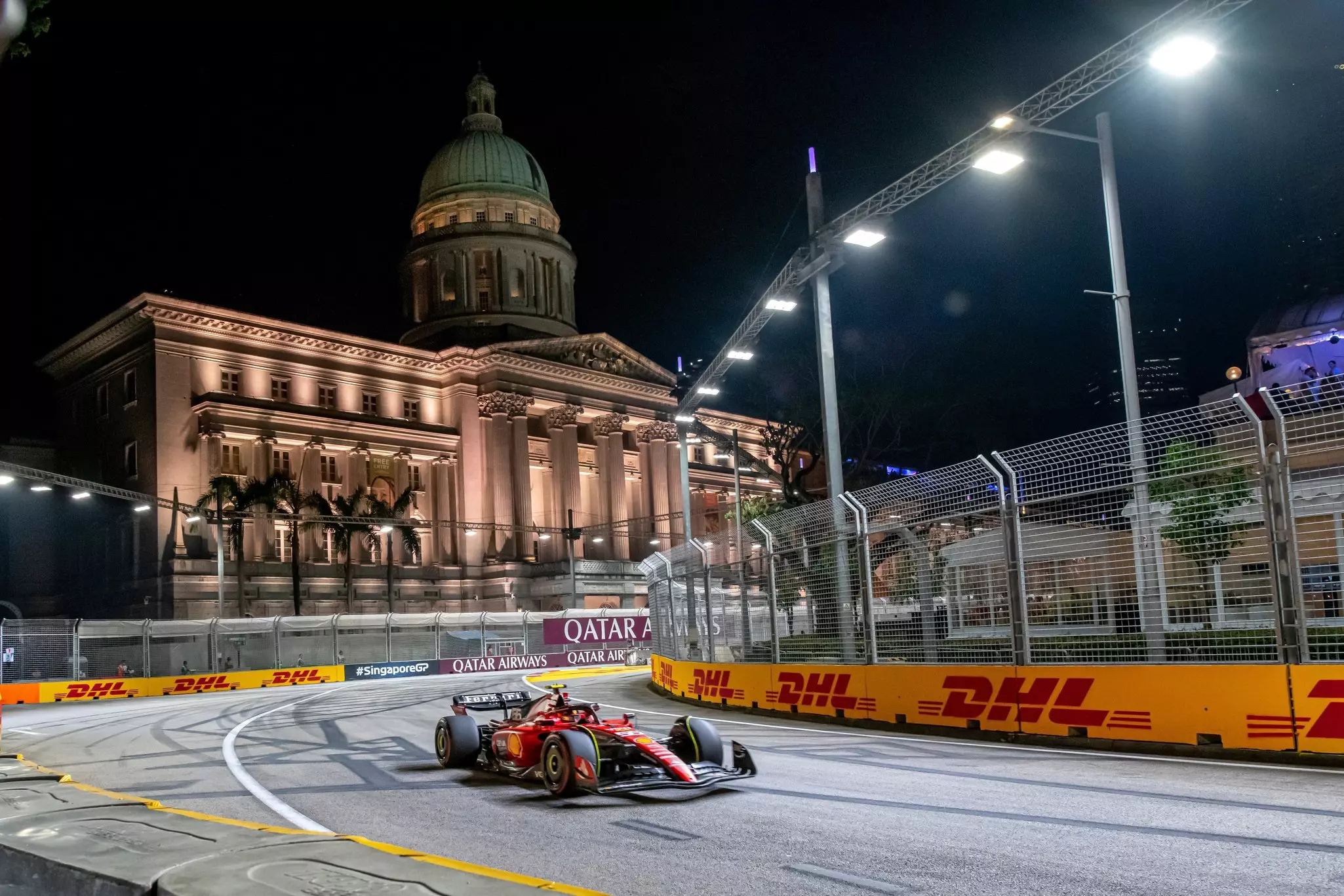
When the Singapore Grand Prix launched on the Marina Bay Street Circuit in 2008, it was the first night race in F1 history, and the first street circuit in Asia. Like the iconic Monaco Grand Prix, the race goes through the heart of the city and past its famous harbor. Singapore’s gleaming skyscrapers serve as a stunning backdrop to the action.
Night races are a special – and wonderful – beast. Singapore’s has a festival atmosphere, with after-parties on the nights leading up to the race and plenty of live music – typically a world-spanning lineup that reflects Singapore’s multiculturalism. It’s also easy to navigate: Singapore’s excellent public transportation system can get you within walking distance of the track from just about anywhere.
Planning tip: The humidity in Singapore is oppressive even at night, so don’t forget to stay hydrated.
Best off-the-beaten path experience
The former Soviet state of Azerbaijan joined the ranks of F1 host countries in 2016 with the Baku City Circuit, a 6km street course through the capital city with 20 corners and one of the series’ longest straights, allowing for some thrilling passes.
Part of the course follows the shore of the Caspian Sea, while other sections wind through the city’s 12th-century medieval center, a UNESCO World Heritage Site. Watching drivers tear through narrow, twisting roads past glowing golden fortresses and iconic buildings like the Government House of Baku at top speed is truly breathtaking. This is also a smaller race than most, with fewer than 100,000 people in attendance – if you’re looking for an off-the-beaten path adventure, this is the track for you.
Planning tip: Many teams stay at the Hilton Baku. Book a seat at 360 Bar in the hotel for a chance to mingle.
Best for nature lovers
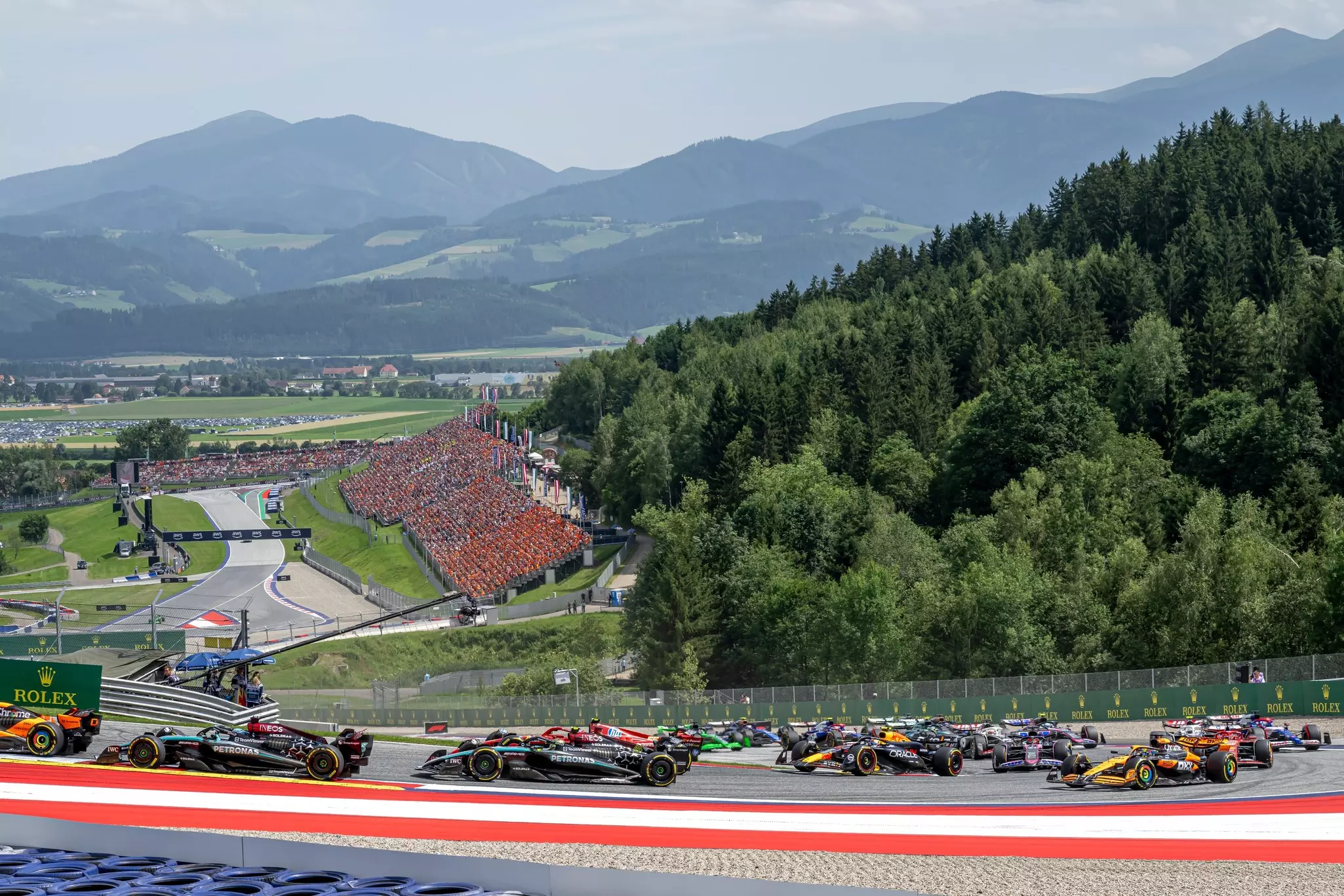
After a decade-plus hiatus, the Austrian Grand Prix returned to the F1 lineup in 2014, running on a brand-new track nestled amid the soaring Styrian alps outside Spielburg in southern Austria. The Red Bull Ring has a stunning natural setting, and its short length (only 4km) and ample grandstands provide great views of the speedway even from the cheap seats.
Speaking of cheap, the Austrian Grand Prix remains one of the more affordable races in the lineup: parking is free, ticket prices are relatively low and you can even camp. The Legends Parade, where vintage F1 cars and famous drivers – all past winners of the Austrian Grand Prix – is a fan favorite event and unique to this venue. This is also the only track at which a driver has hit a deer (in 1987)...more proof that anything can – and does – happen in F1.
Best for F1 history nerds
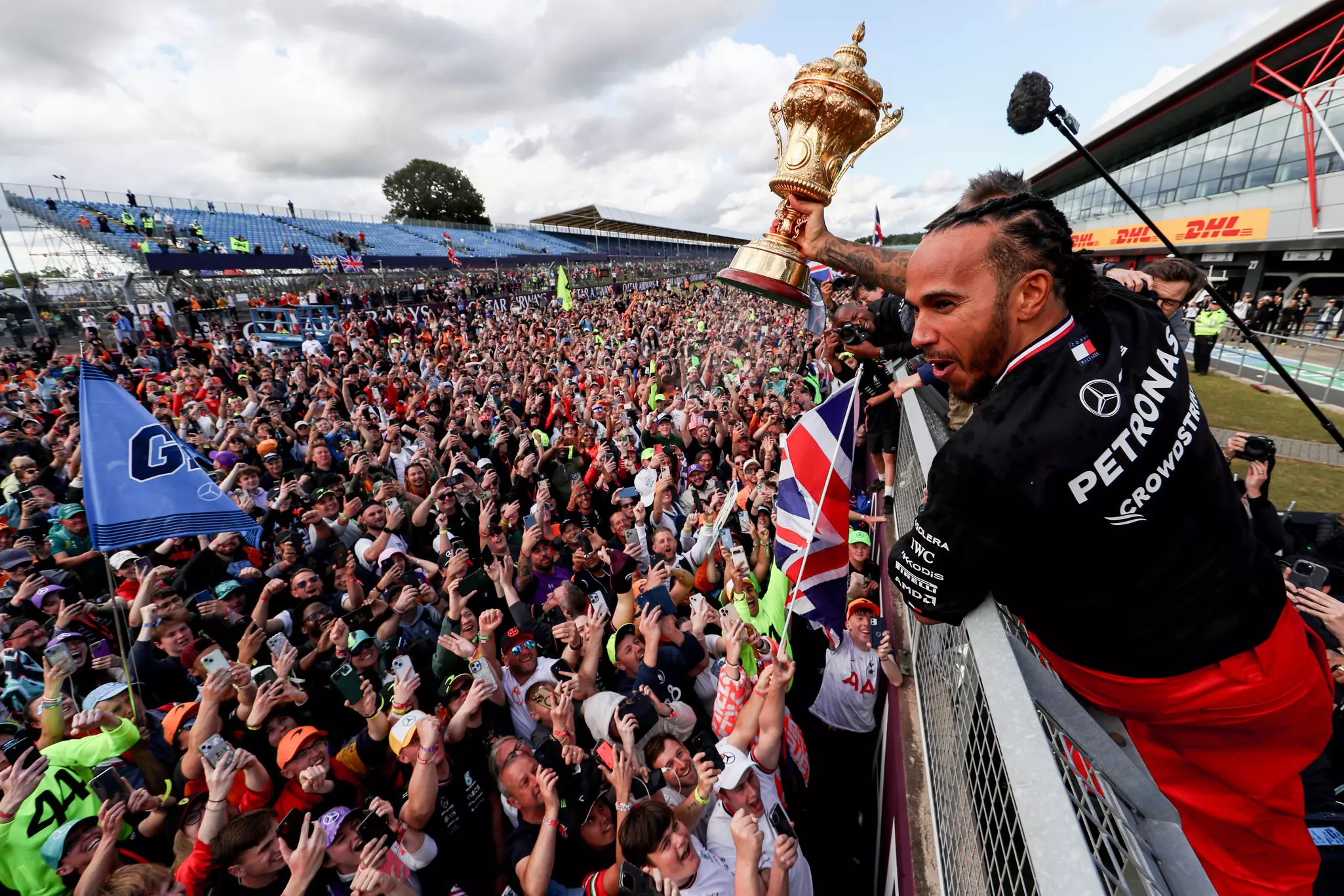
Along with the Circuit de Monaco, the Silverstone Circuit is one of the original Formula 1 tracks: the first British Grand Prix took place here in 1950, and the circuit has hosted the race annually since 1987. Current contracts guarantee it will be a staple on the circuit until at least 2034. At 5.9km, it’s also one of the longest tracks in the series. In his final season in 2024, F1 superstar Lewis Hamilton won this race for the ninth time, a victory that broke Michael Schumacher’s record for the most wins at one circuit.
Silverstone is a rural track, and lots of fans camp to avoid the daily drive in and out. Milton Keynes and Northampton are the largest towns nearby; special shuttle buses run to and from the train stations to the track on race weekend. Brackley, a small town just a 10-minute drive from the circuit, is also the home of the Mercedes F1 head office. It's not unusual to see members of the team out and about there, so keep an eye out when you’re out stocking up.
Planning tip: Check out the grandstands at the International Pit Straight, which overlooks the start/finish line and is filled to the brim with cheering fans each year.
Best for a once-in-a-lifetime experience
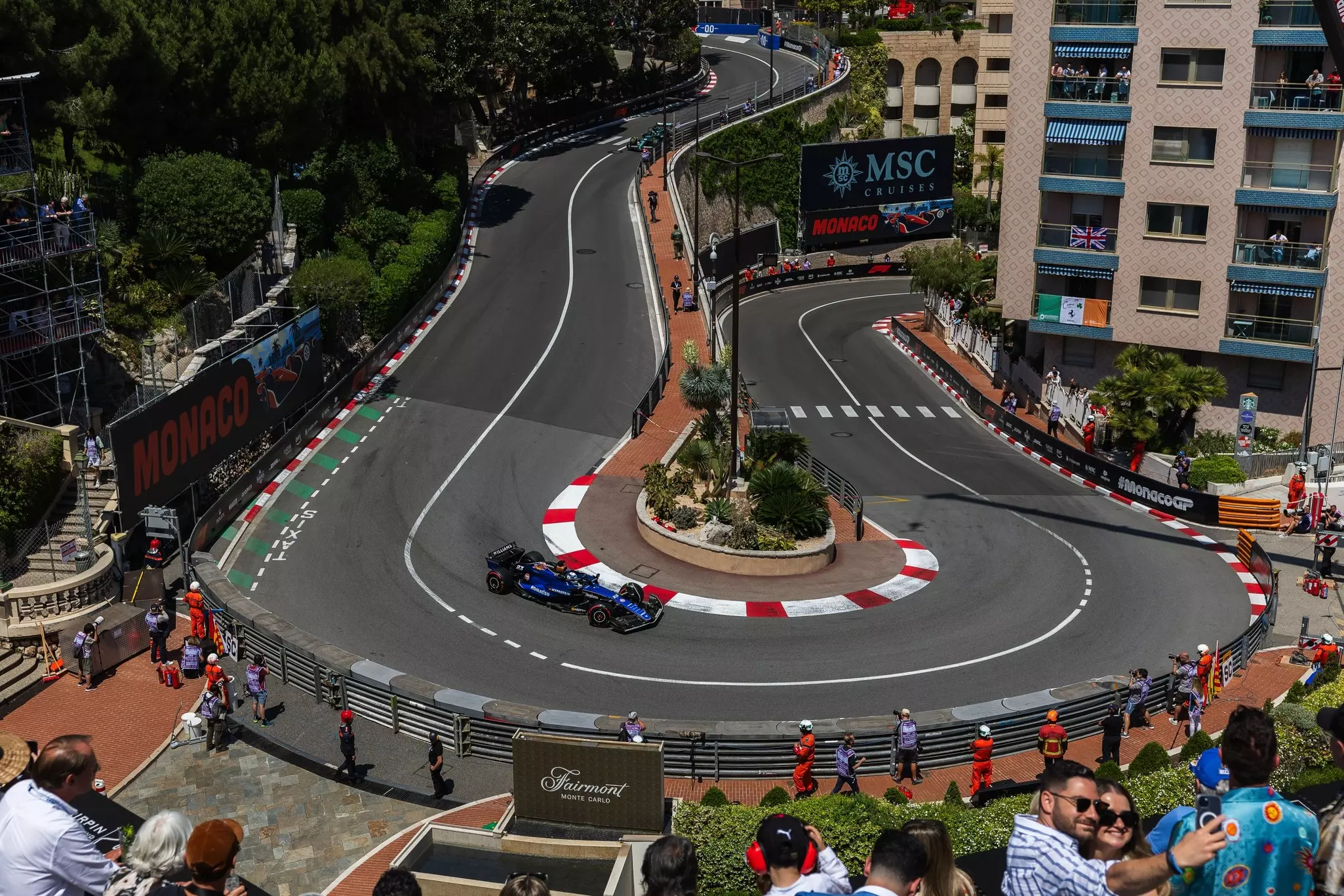
The Monaco Grand Prix might be the most prestigious automobile race in the world. This highlight of the F1 circuit was part of the roster for the very first season in 1950, and has been continuously run since 1955. It’s part of the "Triple Crown" of motorsports, alongside the Indianapolis 500 and the 24 Hours of Le Mans.
The 3.3km street circuit winds through the streets of hillside Monte Carlo. It’s probably the most treacherous race on the F1 schedule – and certainly the only one where two drivers have ended up in a harbor (both survived). In addition to this natural hazard, hairpin turns, elevation changes and even a tunnel combine to challenge even the most seasoned F1 drivers. If you only go to one Formula 1 race in your lifetime, it should probably be this one.
Planning tip: Monte Carlo is the opposite of an affordable destination even in the low season; during events like the Grand Prix, hotels book up far in advance and prices soar. Luckily, regional trains to Monte Carlo from Nice, France, or Ventimiglia, Italy, are relatively cheap, frequent and quick.
Best for fabulous crowds
If you’re looking for a lively fan atmosphere, check out Interlagos, outside São Paulo. Home country of the legendary triple champion Ayrton Senna (who is buried just 15km from the speedway), Brazil has a long, passionate history with Formula 1. It shows in the crowds that gather each November to watch the action at one of the series’ most dynamic and spirited races.
Just 4.3km long, Interlagos has many elevated grandstands that allow for a broad view of the course. Live music – especially the beats of Brazil’s national music, samba – is a guarantee. And this is also one of only six circuits where you can catch F1 Sprints – 30-minute, pit-stop-free races introduced in 2021 – over the course of the weekend, which adds to the excitement.
Planning tip: Consider reserving a covered seat. Rain is not uncommon in Brazil in the fall, and if the sun is shining, you’ll be grateful for shade.
Best for amazing track views
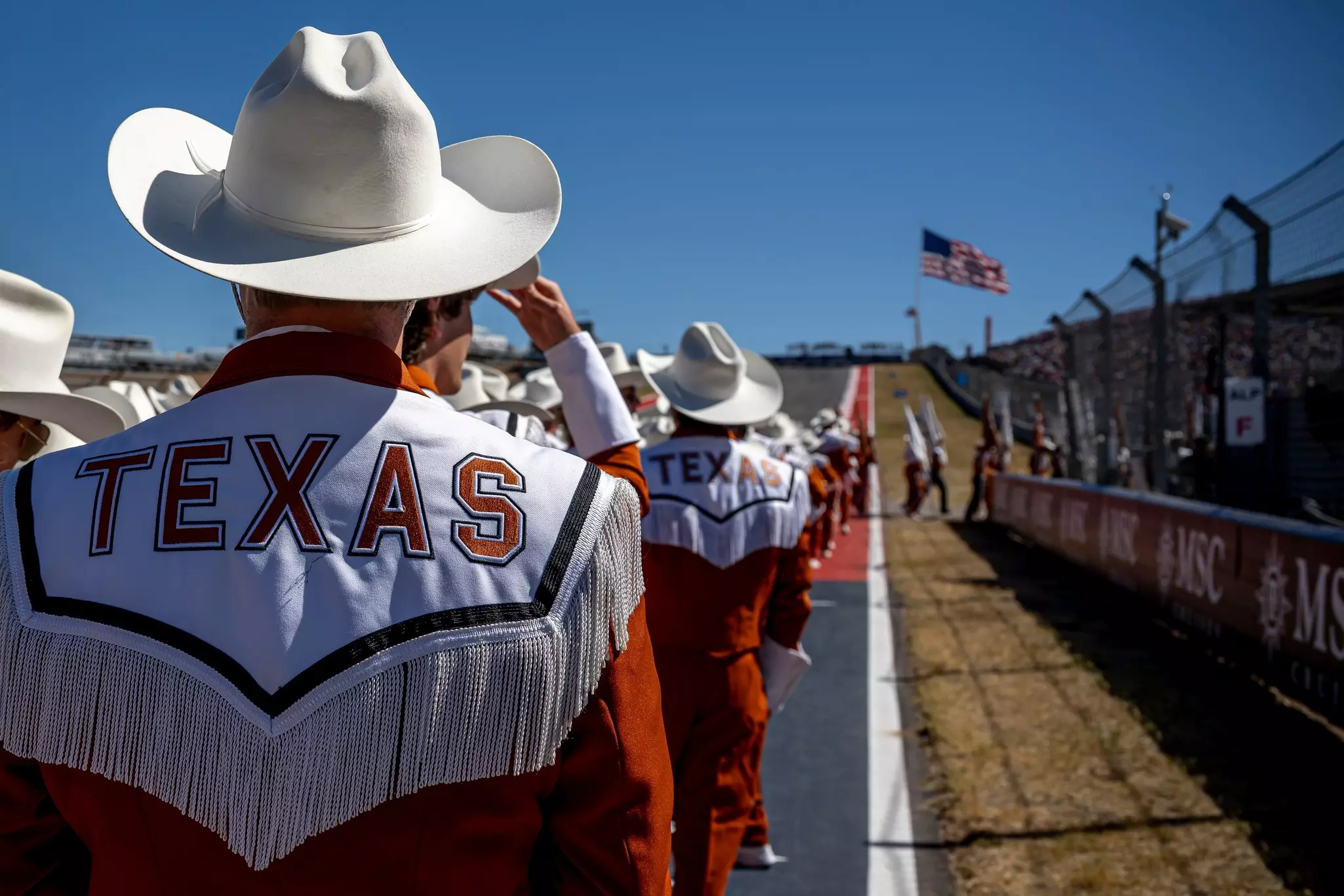
The Circuit of the Americas outside of Austin, Texas, has been hosting the United States Grand Prix since 2012. This modern 5.5km track was the first in the US to be built specifically for F1, and has been designed to maximize viewability. Elevation changes both increase the difficulty and allow spectators to take in as many as four turns from the same vantage point.
Though F1 is still growing in the US, decades of NASCAR and IndyCar racing have set standards for motorsports events. What’s more, concerts usually keep spectators entertained: Taylor Swift, Britney Spears and Bruno Mars have all performed at the Circuit of the Americas. Don’t miss the local food vendors from Austin, serving up regional delicacies like tacos, fried chicken in a cone, and grilled cheese.
Planning tip: The track is only about 25km from Austin, but the city’s notorious traffic means you should allow up to 2 hours if you plan to drive. Parking passes must be reserved in advance.
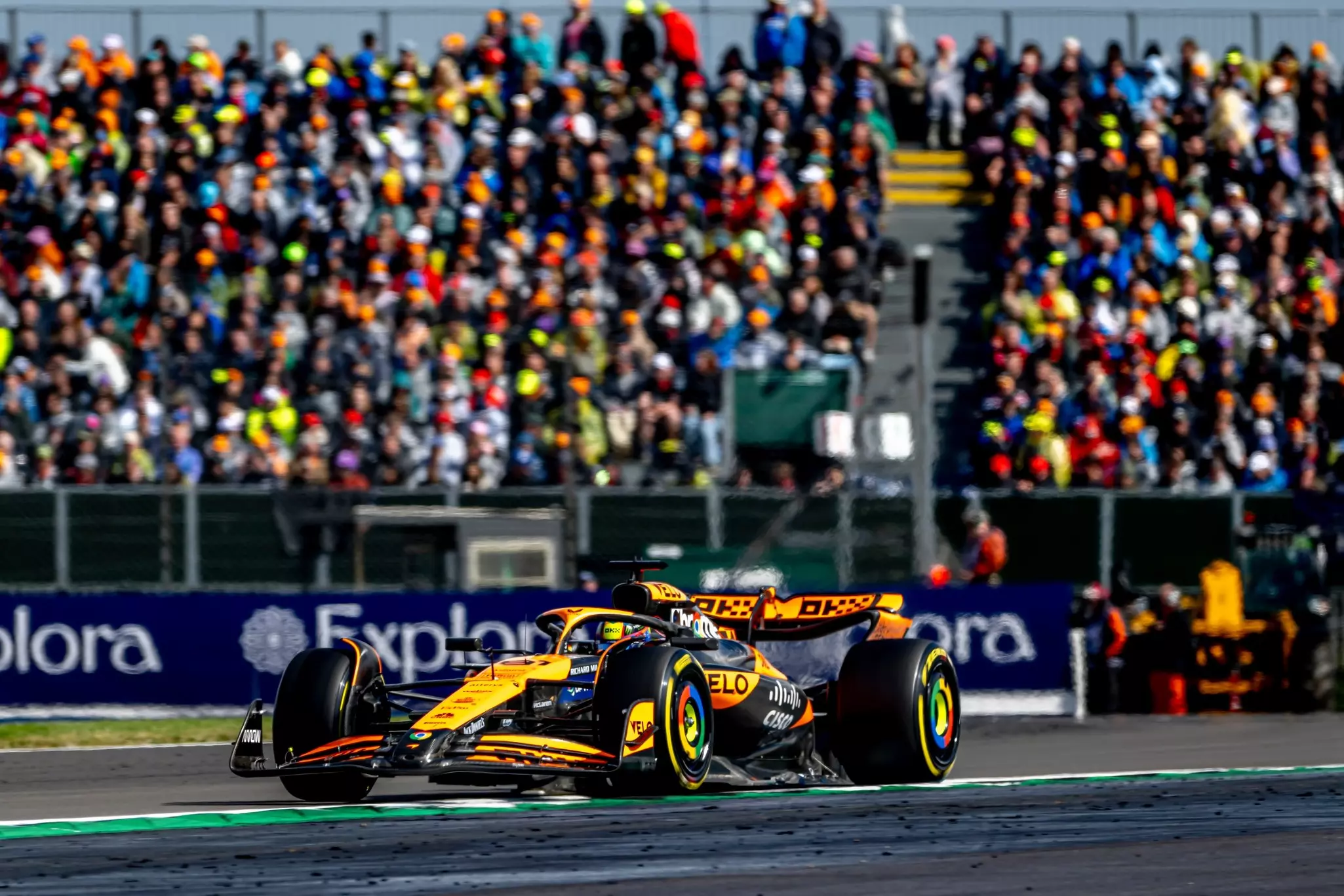
While rules about what you can bring in to each track vary, here are a few tips that might make your day a little more comfortable.
Earplugs: Cars are loud and races are long, so bring these if you think you’ll need respite from the screaming engines.
Hat, sunscreen and sunglasses: Much of the F1 season takes place during summer and/or in warmer locales, so sun protection is a must.
Bottle of water: Most tracks don’t let you bring in your own food, but a bottle of water is typically permitted and can be refilled to save you money.
Blanket or chair: For the general-admission folks; those with grandstand seats may want to bring a cushion.
Race-scanner headphones: Loudspeaker commentary is often inaudible or distorted. Plus, you can listen to what your favorite teams are saying.
Closed-toe shoes and long trousers: If you have a pass for the pits or garage areas, be aware that shorts, skirts and sandals are typically not allowed.
Explore related stories