Sep 21, 202611 min read
The Best Things to Do in OmanSep 21, 2026
11 MIN READ

Writer
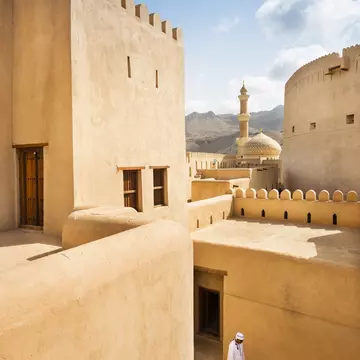
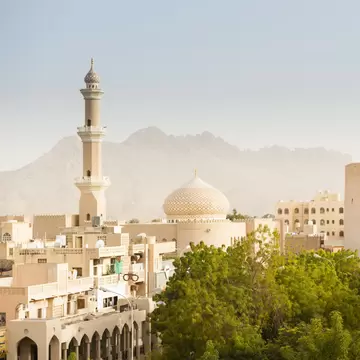
Nizwa, Oman's ancient capital. Justin Foulkes/Lonely Planet

Writer
Highlights
Writer Yulia Denisyuk picks 17 Oman experiences, from the sea to the desert.
In Muscat, walk the Mutrah Corniche and visit the Sultan Qaboos Grand Mosque.
Whale shark encounters await at Damaniyat Islands; sea turtles nest at Ras Al Jinz.
Head to Wadi Ghul for canyon views, or meet Bedouin in Sharqiya Sands.
Lonely Planet may earn a commission from affiliate links on our site. All recommendations and reviews reflect our own independent opinions.
Oman is the third-largest country in the Arabian Peninsula, famed for its endless miles of coastline, high mountain ranges, rugged canyons, lush oases and vast deserts. It's also noted for the warm welcome given to visitors.
With its remarkable diversity of landscapes, Oman has been attracting intrepid travelers for years, but changing visa rules opened this desert sultanate up to a wider audience. Beyond Oman’s natural beauty, you’ll find strong traditions, rich heritage and cities that blend history and tradition with a modern outlook.
Looking for an epic adventure? Here are the top experiences in Oman that you shouldn’t miss.
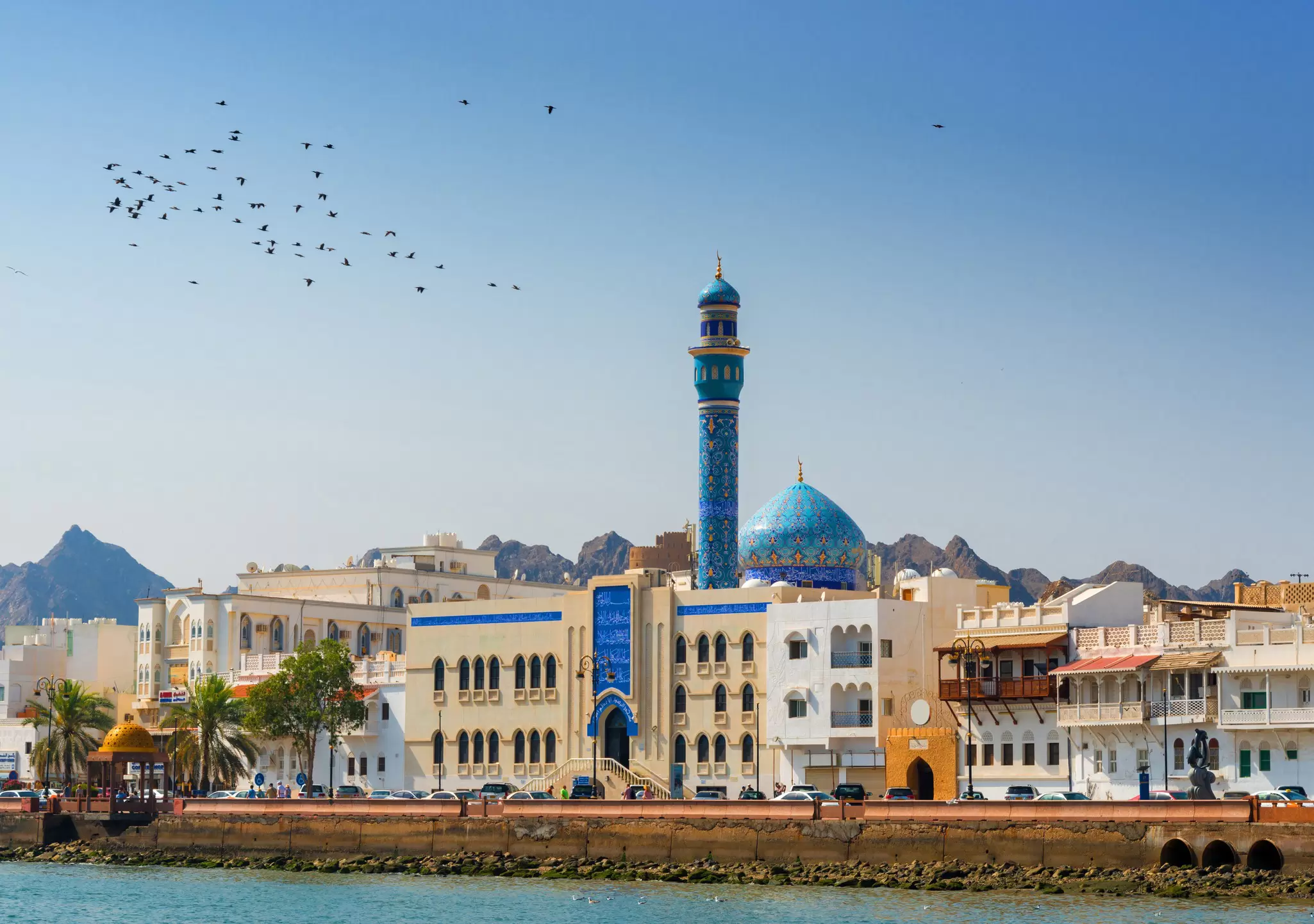
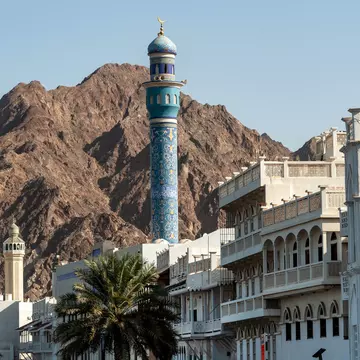
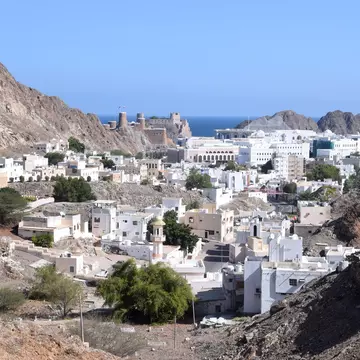
Oman’s capital, Muscat, is probably the closest you'll come to stepping back in time on the Arabian Peninsula. While its glitzy neighbors Dubai and Riyadh are known for their glass-and-chrome-laden skyscrapers, tall buildings are prohibited by law in this historic port city. Instead, you'll find whitewashed, low-rise buildings with unobstructed views of the jagged Hajar Mountains that flank the city to the south.
A walk along the Mutrah Corniche – the wide promenade that stretches alongside the Gulf of Oman on the northern edge of Muscat – is an excellent way to get a feel for the city’s scenic waterfront. On the way, you can explore the stalls at the Mutrah Souq, pause for cups of the sweet cardamom tea known as karak chai and marvel at the striking Masjid Al Rasool Al Adham, a blue-domed Shia mosque from the 15th century.
Oman’s soaring mosques are notable exceptions to the country’s “no tall buildings'' laws. In the heart of Muscat, surrounded by manicured gardens and a network of intricate archways, Sultan Qaboos Grand Mosque and its 91m minaret dominate the city skyline.
The mosque opened in 2001 to commemorate the 30-year rule of Sultan Qaboos Bin Said Al Said, the ruler who propelled Oman into modernity after the discovery of extensive oil reserves in the 1970s. The Grand Mosque used to be home to the world’s largest Swarovski chandelier and the world’s largest hand-woven carpet, but these titles have been snatched by the chandelier and carpet at the Sheikh Zayed Grand Mosque in Abu Dhabi.
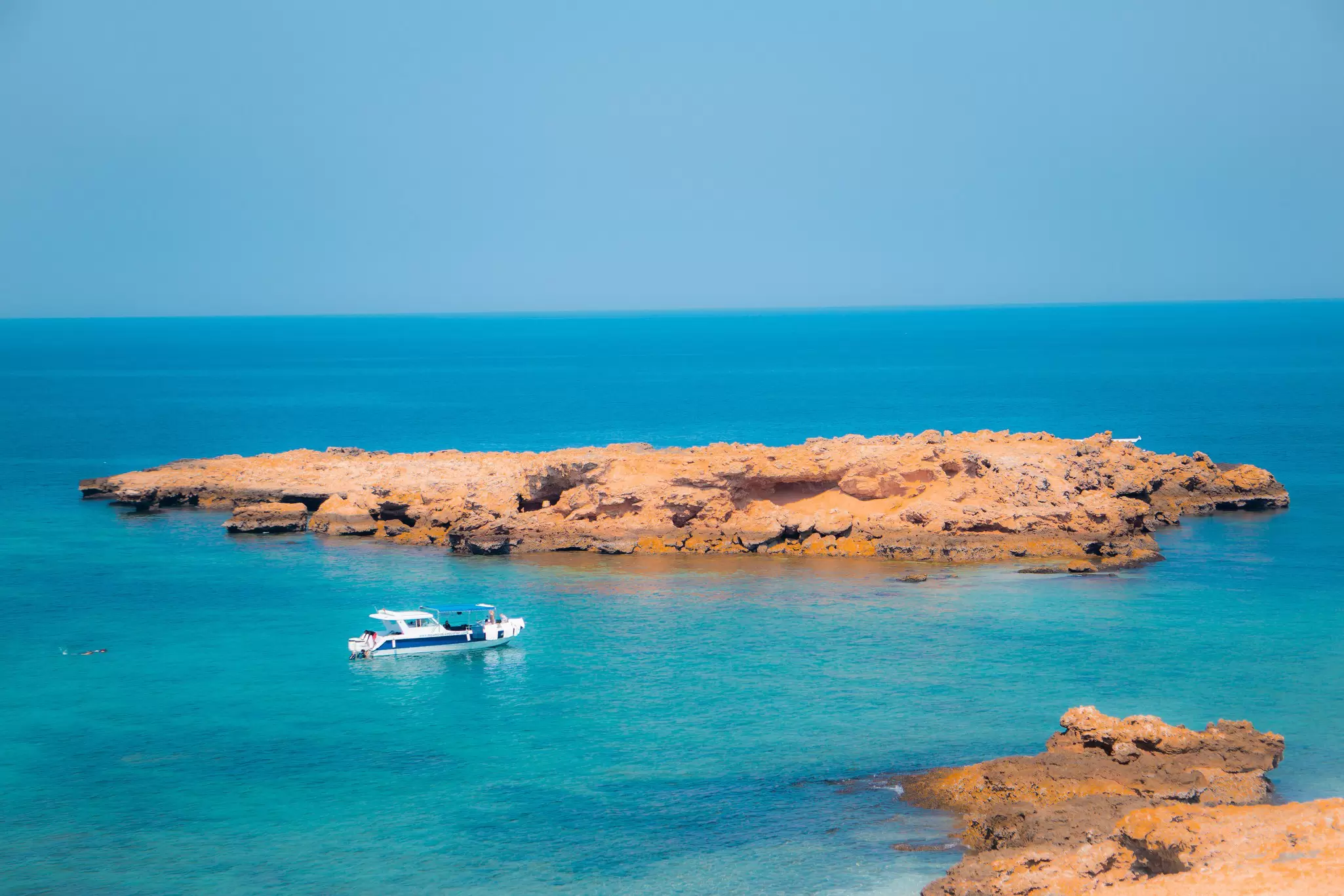
Just a short drive and boat trip away from Muscat, Damaniyat is a chain of nine uninhabited islands just off the Gulf coast. Dotted with calm, shallow coves and pristine beaches, the islands host a stunning array of wildlife both above and below the water. Sea turtles, sharks, migratory birds and ancient coral reefs all thrive at Damaniyat, making this protected archipelago a prime spot for snorkeling and scuba diving.
Planning tip: September to November is the peak season for spotting whale sharks – an unforgettable encounter.
The small fishing village of Qurayyat is a must-stop on the way to the eastern coastal city of Sur to experience the fishing culture of the Omani coast. Year-round, fishers land a vast array of fish from the Gulf and the Arabian Sea, including grouper, snapper, yellowfin tuna and mackerel.
The busy fish market in the village center is the place to look over the catch of the day, and any fish you buy can be grilled at a nearby roadside cafe. An ambitious development project is ongoing in Qurayyat, aiming to add new restaurants and hotels to the waterfront.
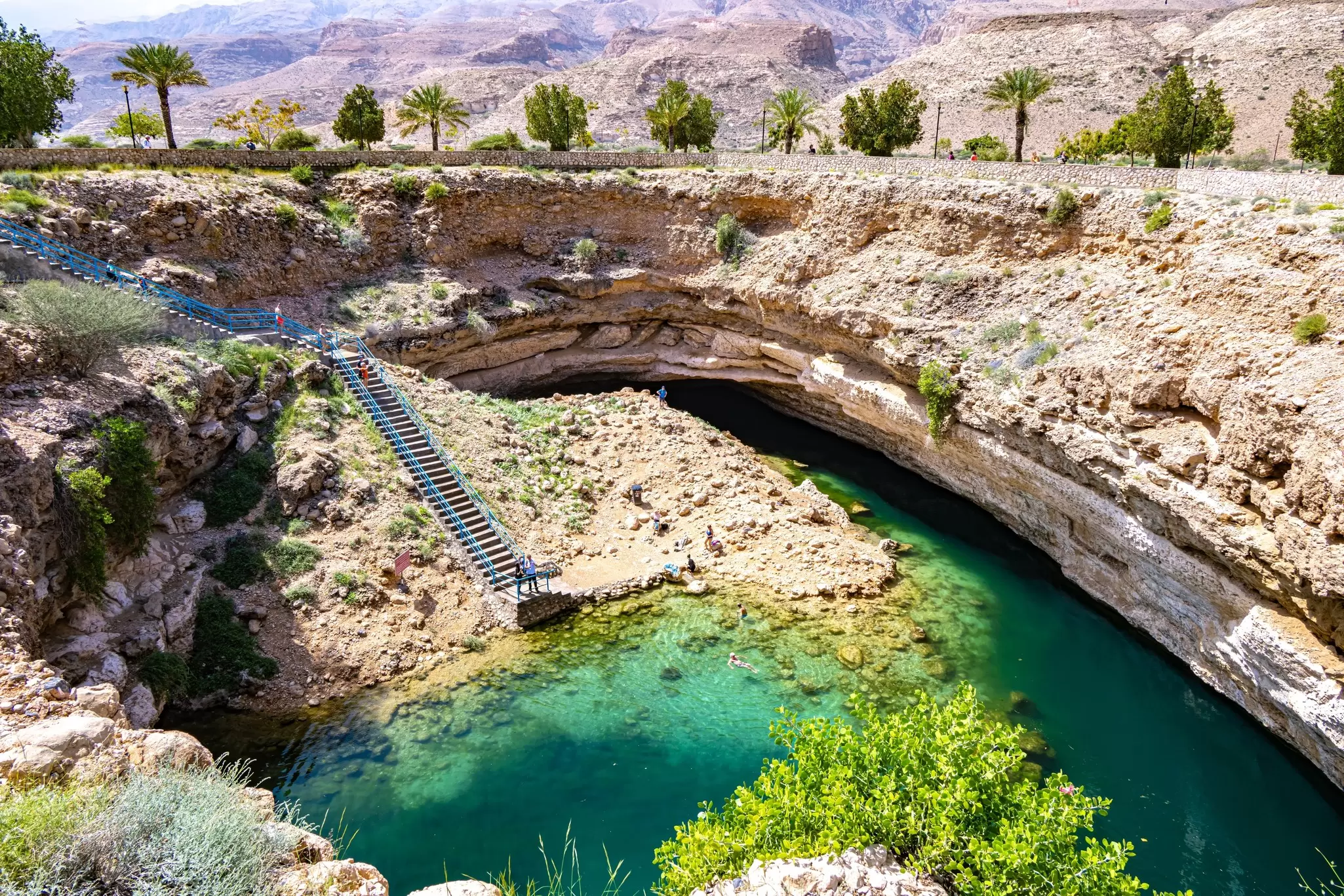
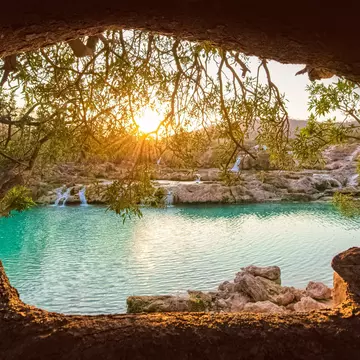
One of Oman’s most beautiful natural sights, the Bimmah Sinkhole plunges to 20m, creating a serene spot for swimming and cliff-diving just inland from the shore on the way to Sur. Some locals credit the sinkhole’s origins to a meteorite strike in the area, but geologists believe this underground channel formed through the more down-to-earth process of erosion as water ate away the limestone bedrock. Freshwater mixing with the salty waters of the Arabian Sea gives Bimmah its stunning turquoise shade.
Planning tip: The army of garra rufa fish that inhabit the sinkhole are likely to nibble at your feet. Think of it as a free pedicure.
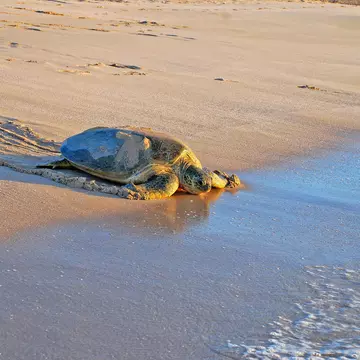
Witnessing sea turtles nesting and hatchlings emerging on Oman's remote beaches is an experience not to be missed. Five of the seven sea turtle species can be found in Oman, and the endangered green turtle comes to nest on the beaches of Ras Al Jinz, the easternmost point of the Arabian Peninsula and one of the largest turtle nesting sites in the Indian Ocean. Turtle-watching at Ras Al Jinz is a wonderful family activity, enhanced by a stay at the Ras Al Jinz Turtle Reserve, an eco-lodge with tented accommodation and a scientific center devoted to marine research.
Planning tip: While turtles visit Omani waters year-round, summertime is when these giant turtles emerge from the sea to dig their nests in the sand. A few months later, tiny hatchlings crawl back to the water, making the most perilous journey of their lifetimes.
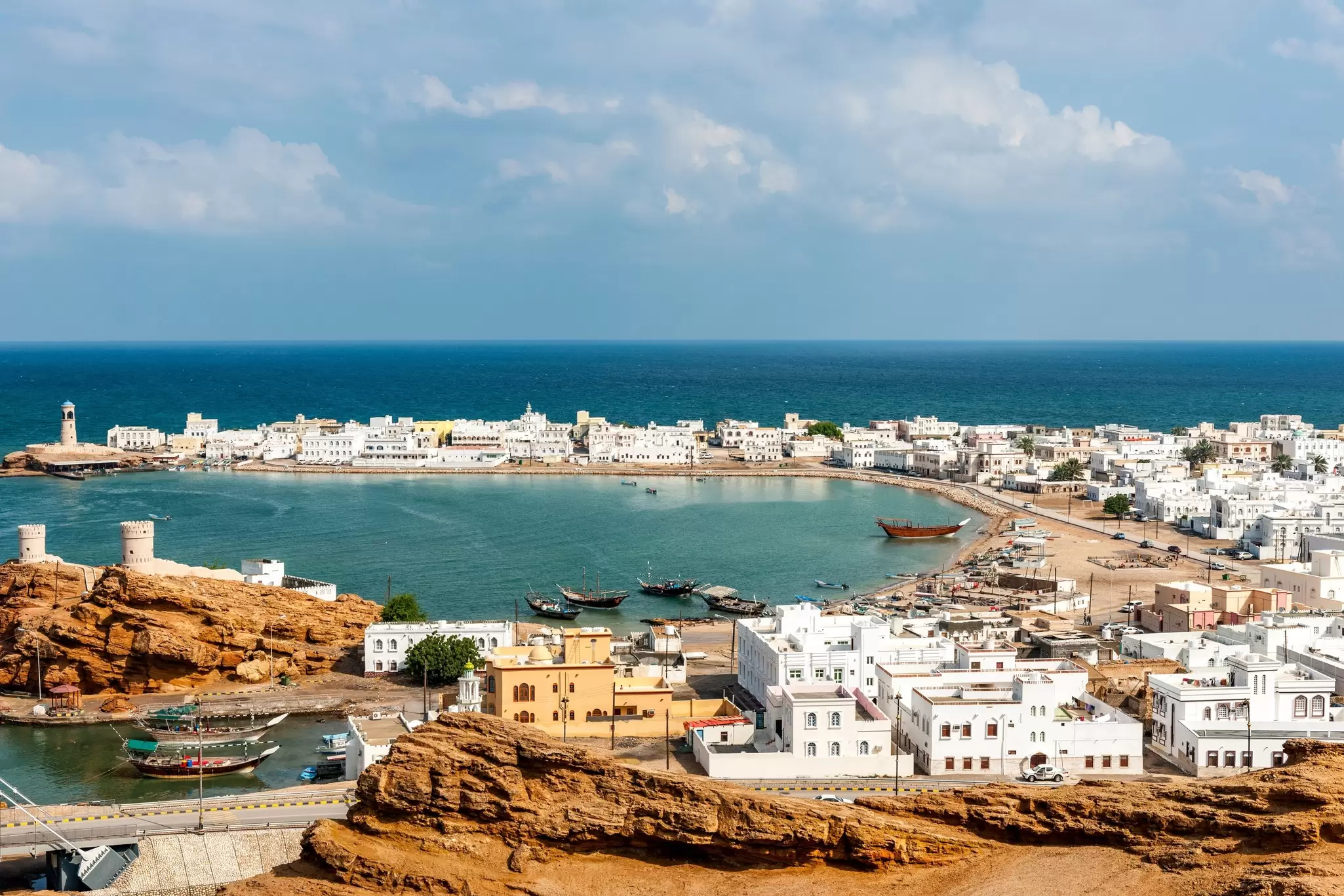
Oman’s rich seafaring traditions date back to at least the 3rd century BCE – Sumerian records mention Omani ships transporting copper from the kingdom's ancient capital, Sohar, to markets in Mesopotamia. Historians have speculated that famed voyager Sinbad the Sailor could have hailed from Oman, but even if Sinbad was just a legend, there's ample evidence that Omani explorers crisscrossed the busy waters of the Indian Ocean for the better part of two millennia.
At the height of its glory, the Omani trading empire stretched from modern-day Pakistan to Zanzibar, and the coastal town of Sur was the epicenter of its trade of enslaved people, supplying the sultanate with long wooden boats called dhows. The tradition of dhow-building is still very much alive in Sur’s dhow-making shipyards, and visitors can drop by to see the boat-makers in action.
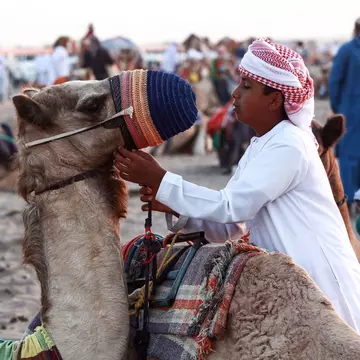
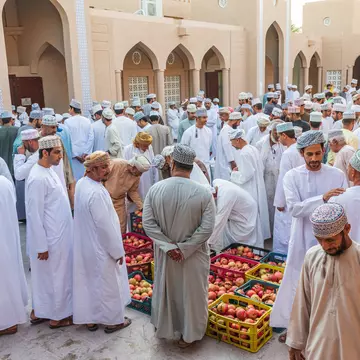
Nizwa is Oman’s ancient capital and its most vibrant cultural center, and the Friday cattle market by the walls of Nizwa Fort is a local institution. The market operates much as it did centuries ago, when buyers and sellers from surrounding villages congregated under a circular tent to trade cattle, goats, sheep, camels and the latest gossip.
By mid-morning, the cattle market gives way to the bustling Nizwa Souq where you can find treats like Omani halwa, a staple dessert made with saffron, cardamom, rose water and nuts. It's also a good place to shop for a khanjar, the curved ceremonial dagger worn by many Omani men.
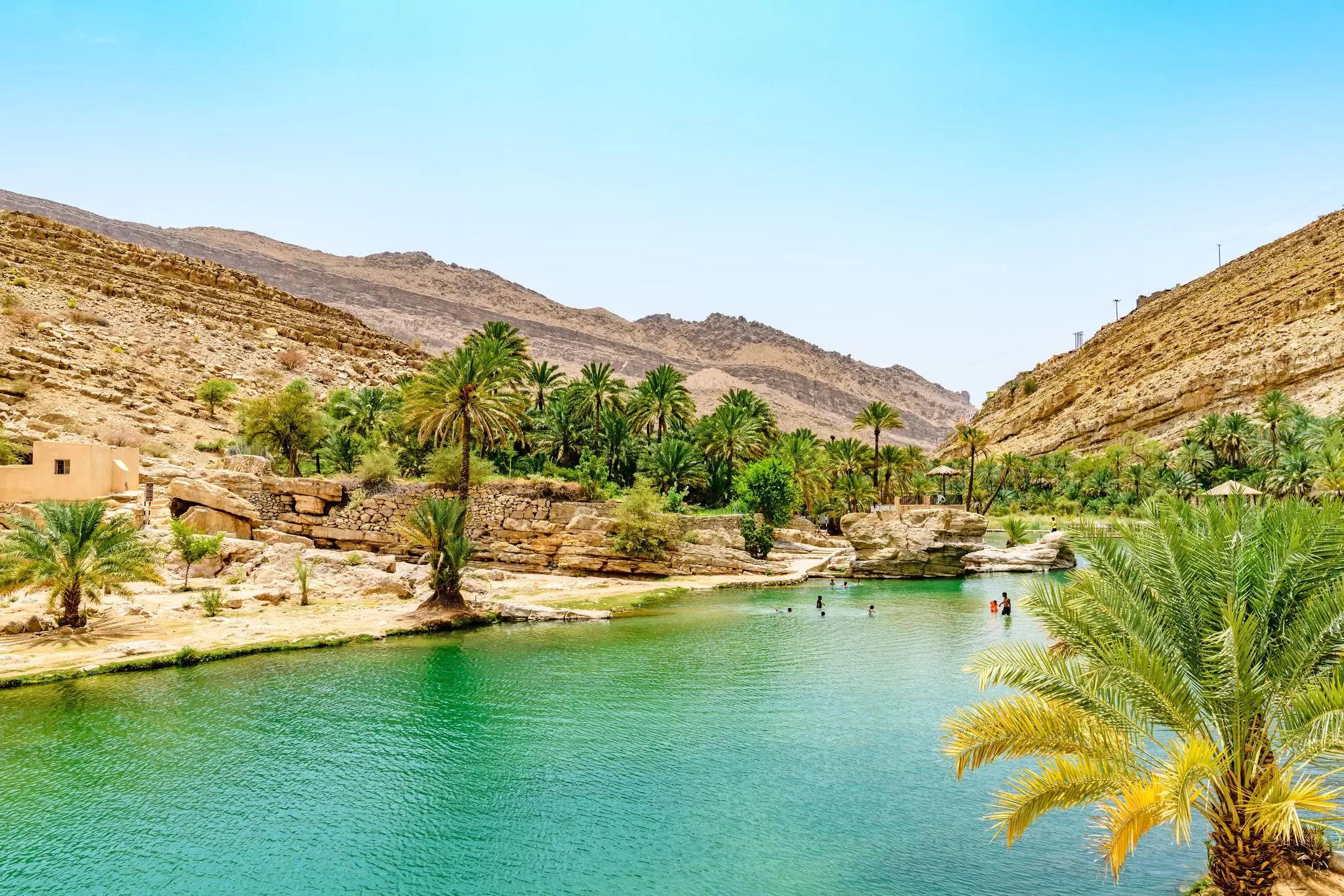
Etched into the eastern flank of the Hajar Mountains, Wadi Bani Khalid is one of Oman’s most picturesque wadis (ravines). A veritable oasis, this shallow valley is famed for its emerald waters, abundant waterfalls, spectacular rock formations, lush vegetation and colorful villages.
Unlike most other river valleys in the Sultanate, Wadi Bani Khalid and its natural splash pools have a constant flow of water, making this an extremely popular picnic and swimming spot year-round, particularly at weekends and holidays.
Planning tip: Hiking to the farthest pools of the wadi offers a more private experience.
The clay-rich soil of Bahla transformed this desert outpost into Oman’s main center for the production of pottery in ancient times. Earthenware has been discovered here dating back to the 4th millennium BCE. The traditional art of pottery making is dwindling today, but a few workshops remain in the backstreets of Bahla’s bazaar district, where you can bargain for pots made for keeping water, honey, dates and coffee.
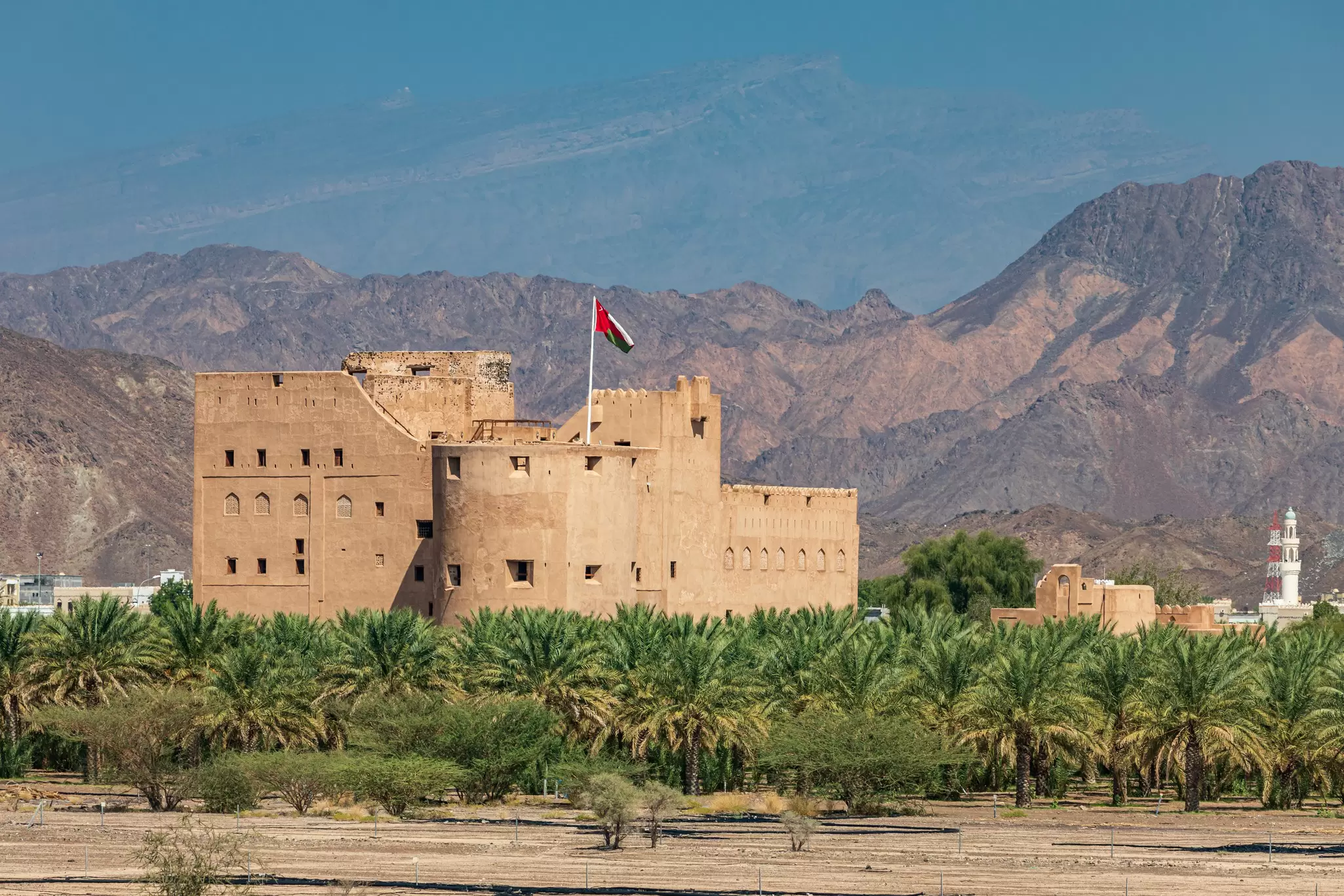
Surrounded by the dramatic Hajar Mountains in the north and empty desert terrain in the south, the Al Dakhiliyah region in northern Oman played an important role in the country’s history. Successive rulers built fortified outposts here to protect trading links from the coast to the interior plains and highlands. Today, the time-worn remnants of centuries past pepper the region.
Planning tip: The UNESCO-listed Bahla Fort, whimsical Jabreen Castle, popular Nizwa Fort and the more obscure Bait Al Radidah fortress are all within convenient driving distance of Muscat.
Jebel Akhdar (Green Mountain) is a remote area in the central Hajar Mountains, where arid outcrops rise to an expansive plateau. Because of its high elevation, Jebel Akhdar receives enough precipitation to support a green oasis, giving the plateau its name.
A 5000-year-old system of aflaj irrigation channels brings water to verdant terraces bearing pomegranates, apricots, peaches, figs, almonds and saffron. Perhaps the most prized crop in Jebel Akhdar is the Damask rose, harvested in March and April and distilled to make world-famous Omani rosewater.
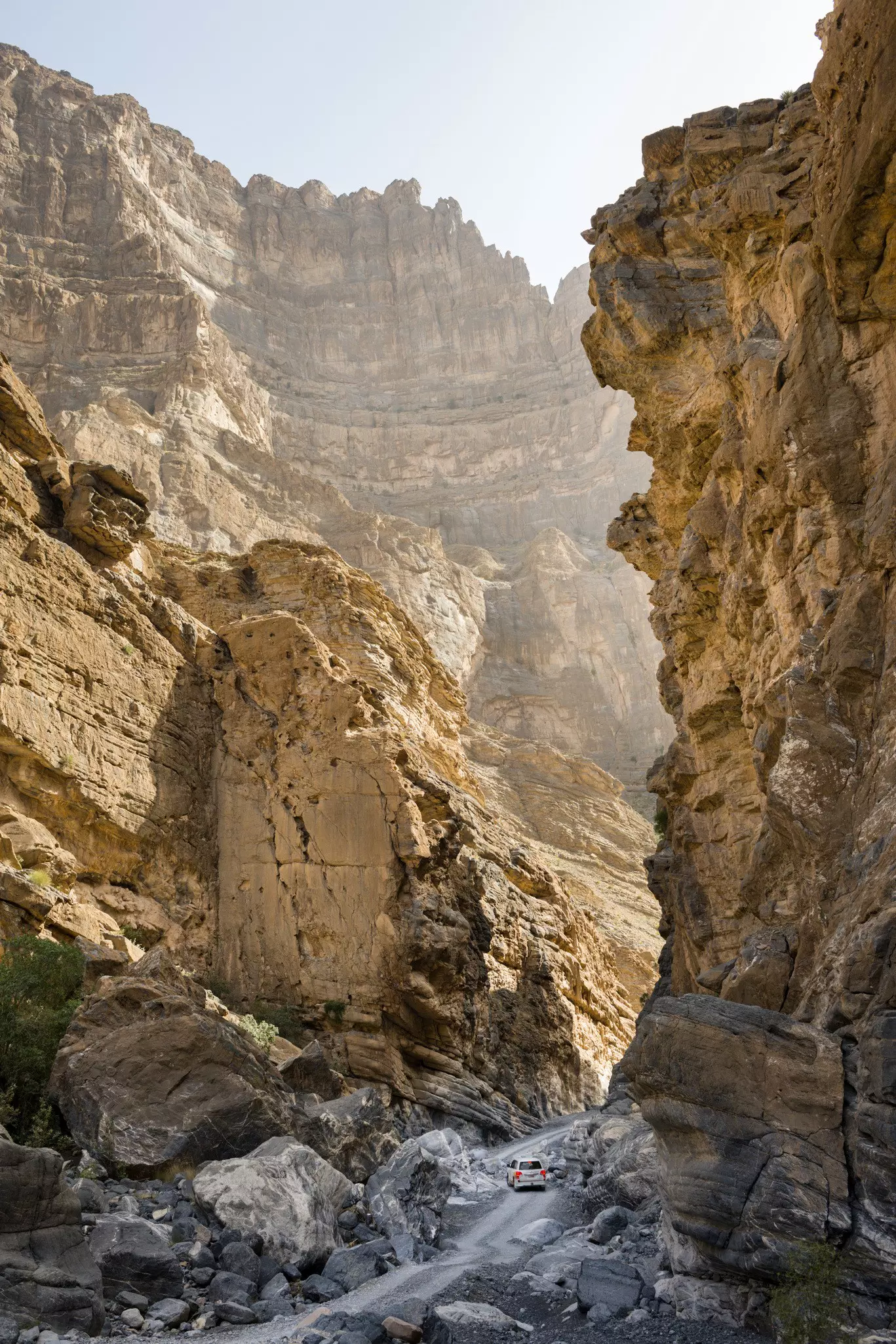
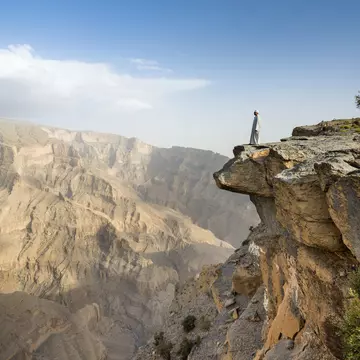
If you have time to see only one natural wonder in Oman, make it Wadi Ghul, often described as Oman’s Grand Canyon. There are spectacular views into Wadi Ghul from 3009m Jebel Shams, Oman’s highest peak, which towers over the western Hajar Mountains.
There are multiple trekking paths, including a demanding multiday hike to the top of Jebel Shams. Less ambitious but still daunting, the Balcony Walk is a 9.6km round-trip hike to an abandoned village that offers dizzying views into the deep ravine below.
Planning tip: Post-hike, the Jebel Shams Resort is a good spot to relax and steady the nerves.
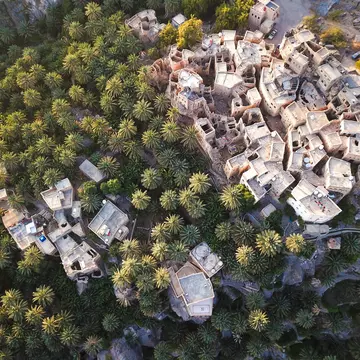
The mountain village of Misfat Al Abreyeen on the western slopes of the Hajar Mountains is so tiny that no cars are allowed to enter its narrow alleyways. Mudbrick homes huddle together on giant boulders, and irrigation canals known as aflaj crisscross the multi-leveled streets, watering lush terraces of dates, pomegranates, bananas and other crops. Unlike many other villages in Oman, Misfat Al Abreyeen is still inhabited, offering a fascinating glimpse of Oman's traditional system of desert agriculture.
Planning tip: For a special treat, stay at the Misfah Old House, a traditional guesthouse where guests sleep on mattresses and pillows spread on the floor and eat meals provided by local families.
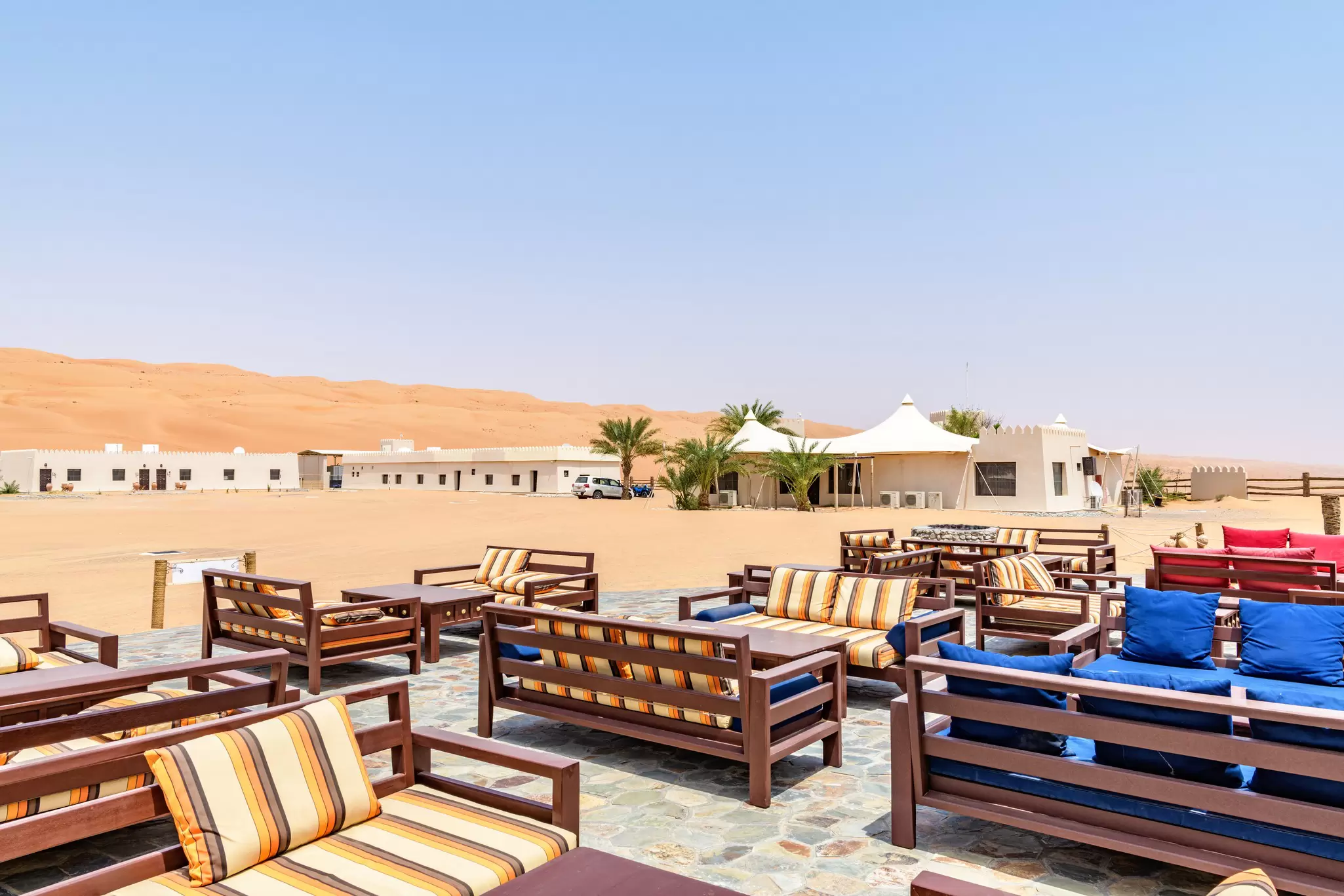
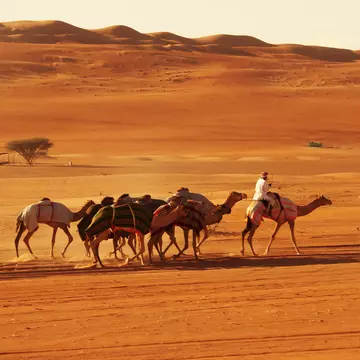
Covering nearly 10,360 sq km of desert, Sharqiya Sands (formerly known as Wahiba) is the perfect spot for a family adventure. Rising as high as 100m, its shifting sand dunes are a playground for off-roading and a popular place for young Omanis to show off their driving prowess.
For a change of pace, the region’s Bedouin camps present an opportunity to get to know the culture of Oman's desert-dwelling nomads, before it gets replaced by the comforts of modern living. Women here take a more active role in tourism than in other parts of Oman, welcoming travelers to their desert tents, where they paint henna tattoos and share treats of halwa and coffee with visitors.
In the Omani desert, summer temperatures soar above 45°C (113°F), but the wild frontier region of Dhofar transforms into a tropical idyll with the arrival of the annual khareef monsoon. From June to September, moist winds from the Arabian Sea bring cooling rains and pleasant temperatures to this remote region on the border with Yemen.
The region’s capital Salalah is flanked by the stunning Mughsail Beach on one side and the grassy canyon of Wadi Darbat on the other. Nearby, ancient frankincense groves at Wadi Dawkah are part of the UNESCO-protected Land of Frankincense; local people still harvest the prized tree resin that put this area at the center of ancient trade routes.
A fragrant combination of rice and spiced lamb or goat meat, shuwa is as quintessentially Omani as dates and halwa. Slow-cooked over a fire pit for as long as 2 days, this communal meal is prepared for holidays, festivals and other celebrations, and it's a must-try if you're in Oman at the right time.
Planning tip: Families serve it on one large platter and eat with their hands, encircling the shuwa as they help themselves. More than just a dish, shuwa is a symbol of Omani hospitality; to be invited to a family’s shuwa meal is one of the highest honors a guest can receive.
To start planning your trip, download the Lonely Planet app or check out our Oman, UAE and Arabian Peninsula guidebook for local tips, maps and more
Explore related stories