Oct 12, 20269 min read
3 Days in Tokyo: The Ultimate ItinerarySponsored by
This article was paid for and produced with Tokyo Metropolitan Government. Paid content is produced separately from Lonely Planet's editorial coverage. Product availability and terms are subject to change; please verify details directly with service providers.
Feb 12, 2026
7 MIN READ

Writer
A chef at Sincère pairs classic ingredients with modern techniques in Tokyo. Todd Fong

Writer
The evolution of Tokyo’s food culture: from Edo traditions to modern Innovation
Part one, of a two-part series. Click here for part two.
Tokyo’s cuisine is the result of an evolution in food culture, from Edo traditions to modern innovation – where craftsmanship, seasonality, and innovation combine with centuries of trade, technique, and adaptation. In Tokyo’s culinary ecosystem, past and present coexist across landscapes, markets, restaurants, workshops, and city streets.
–––
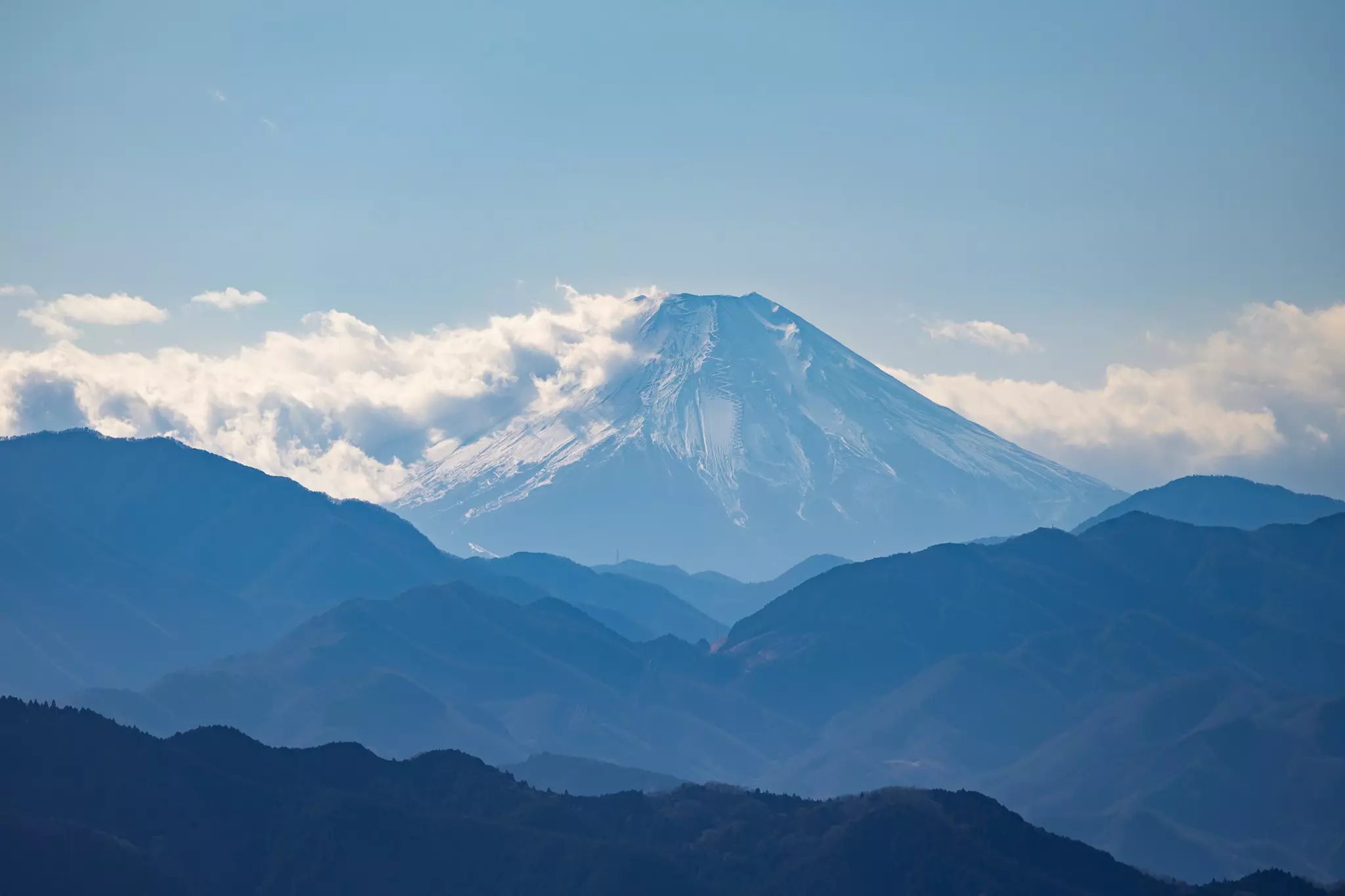
Geographical diversity is a key factor in Tokyo’s top-quality food and drink. The capital of Japan is more than just a city – spanning almost 2200 sq km, comparable in size to Los Angeles County or Luxembourg, it encompasses the world's largest metropolis, its suburbs, rural communities and two island chains spilling into the Pacific Ocean.
Tokyo’s unique terroir is centered on the low alluvial plains and upland hills of its urban core, an agricultural heartland that includes family-run farms and community-driven allotments. In the Tama region in the west, rugged mountains dominate the skyline, while people farm in harmony with nature in satoyama landscapes, where foothills and forests meet arable land.
To the south, the subtropical climate and volcanic soil of the Izu and Ogasawara archipelagos enable the cultivation of tropical fruits, often employing traditional techniques. Inspired by this blend of rural and urban traditions, I decided to dig deeper into the ingredients and traditions that fuel Tokyo's foodie culture.
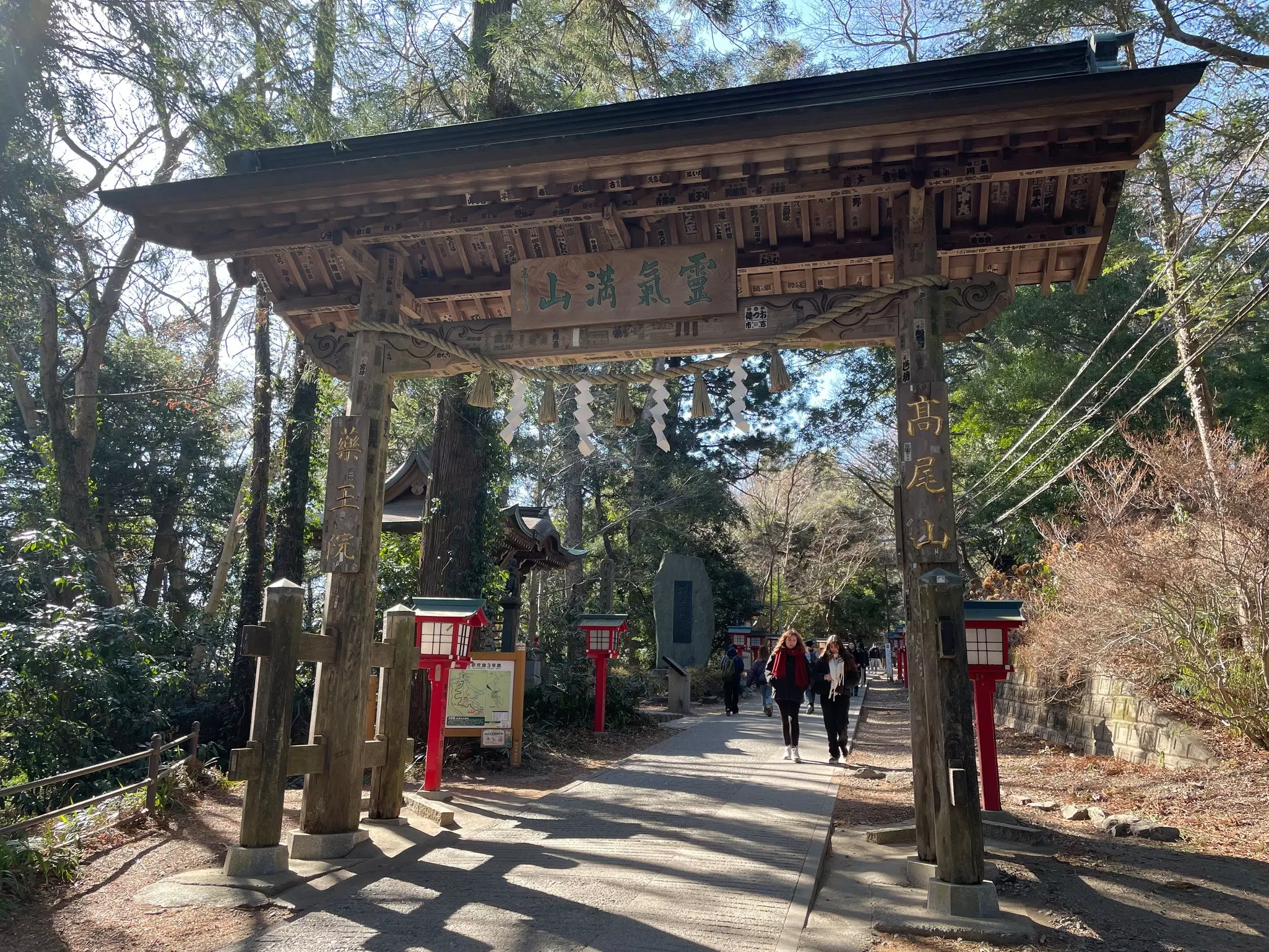
Tama’s farmland is the source of the vegetables used to make shōjin ryōri (traditional Japanese Buddhist cuisine), as served at Takao-san’s Yakuō-in Temple in the same region. As part of an authentic farm-to-table tradition, monks prepare an array of small, plant-based dishes, each beautifully prepared and featuring different cooking methods, visual appeal and flavor profiles. The concept, they say, is to savor each one, while appreciating the food and all those responsible for it.
Tokyo's culture of growing isn't limited to the outskirts. Within the central city limits, people work on the ancient network of waterways that has transported local ingredients and farming supplies into Tokyo for over 400 years. And high-tech agricultural projects such as vertical farming in office buildings and compact beekeeping on rooftops in the heart of Ginza are also driving city-centered food production.
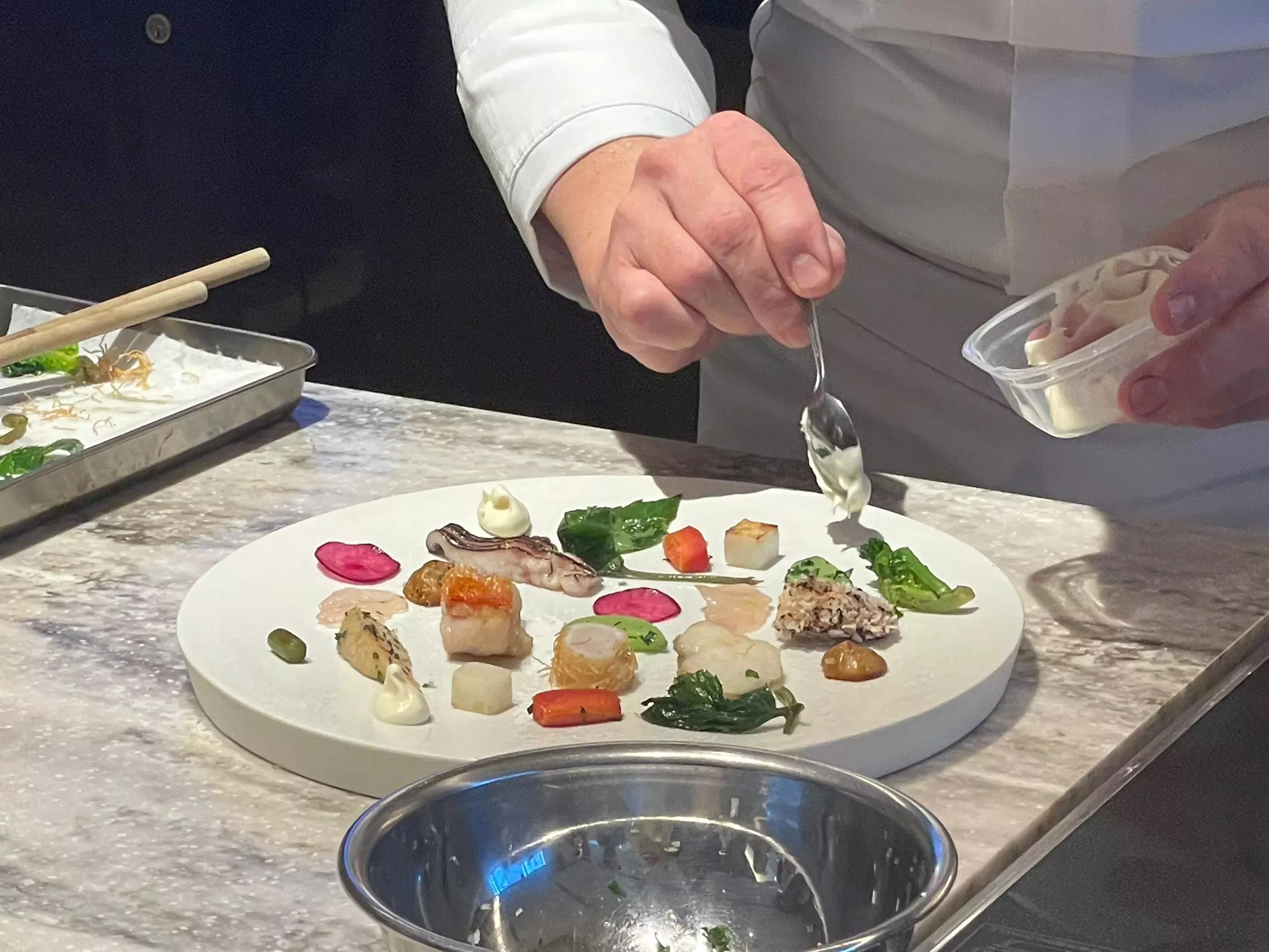
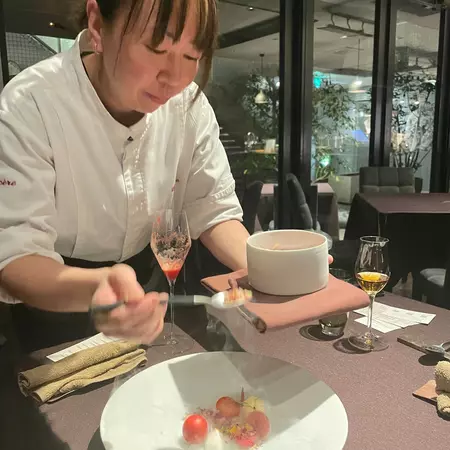
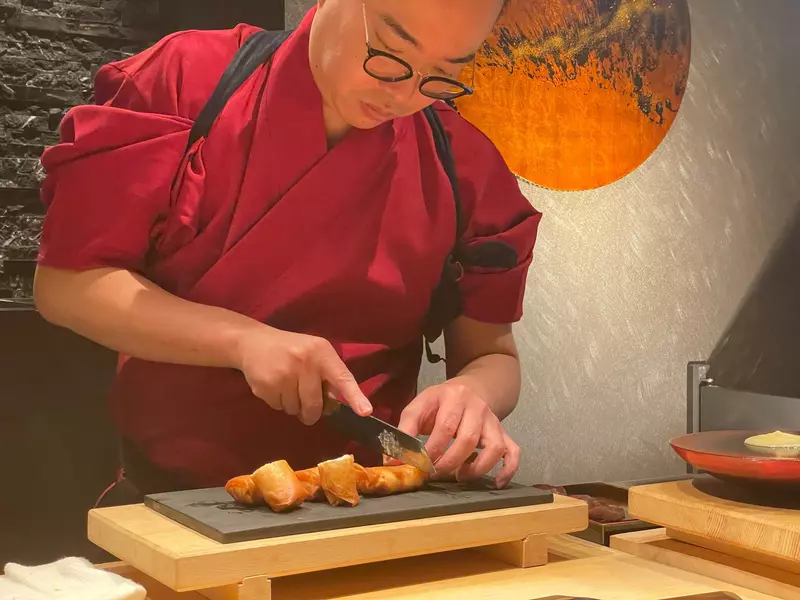
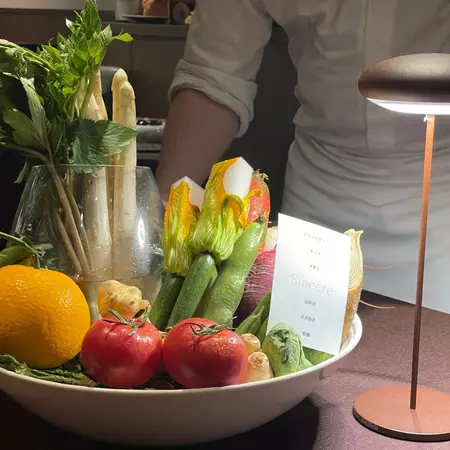
Waiting eagerly to get creative with the resulting produce, as well as ingredients sourced from across Japan, are thousands of chefs, supported by Tokyo’s impressive logistics network, markets and specialist suppliers. Precise food management by the right people, at the right time and in the right way, ensures ultimate freshness, particularly when it comes to seafood.
Even a water temperature change of one degree affects quality, I was told by a representative of a 75-year-old land-based aquaculture company as he checked his shrimp at a Tokyo market. His dedication to knowing his product and implementing strict practices to ensure optimal texture and flavor reflects the approach of producers across the capital.
At Tokyo's 11 wholesale markets, exceptional standards of hygiene, cold chains, handling and freshness are maintained, to the delight of expert buyers who demand perfection. Among them is Takuya Motohashi, the owner-chef of innovative sushi restaurant Hiroya Tokyo-mae.
Every morning, he wakes before dawn to browse the stalls of Tsukiji Outer Market, rubbing shoulders with fellow food professionals — as well as consumers — to find the best seafood, fruits and vegetables. Only after purchasing his daily supplies does he decide on his menu for the day.
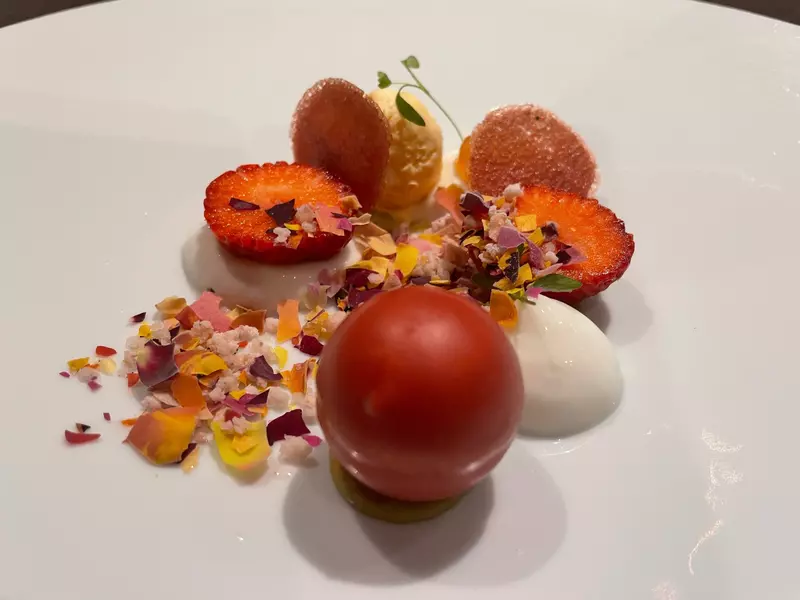
The management of Chinya, a sukiyaki hotpot restaurant founded in 1880, has similarly strict criteria for ingredients, most of which have remained unchanged for decades. All the beef used is wagyu, sourced from 31-month-old cows with A4-rank marbling, to produce a perfect balance of umami (savory) and sweet flavors.
Motohashi’s menus, meanwhile, combine creative thinking with advanced aging technologies to create a modern take on Edomae sushi, which reached its peak in the 1820s. On his sushi plates, he wants simple, high-quality ingredients to shine.
Rather than serving the typical gari (pickled ginger) as a palate cleanser between courses on his omakase (chef’s choice) menu, he invites customers to enjoy two types of local vegetables that he cures gently with salt: napa cabbage in winter and cucumber in summer. The capital’s terroir, he says, has created such delicious vegetables that they require no other embellishments.
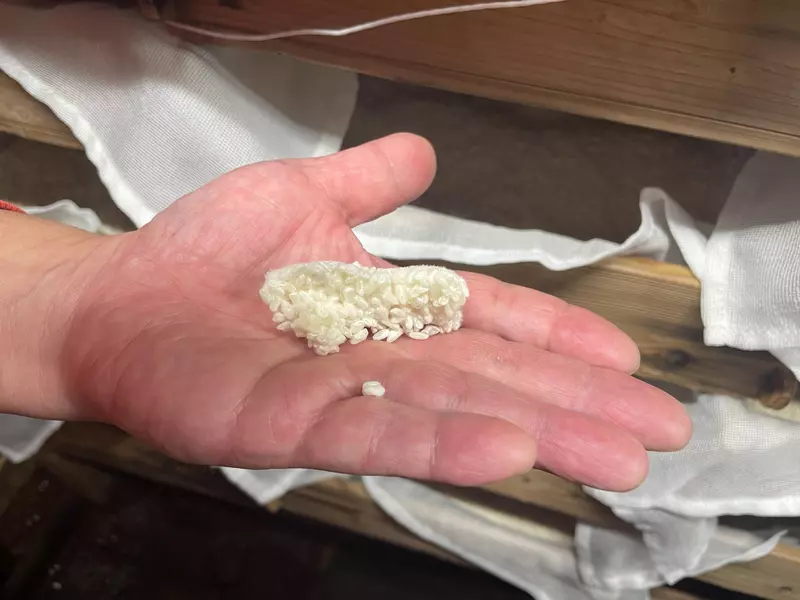
Specialty food shop AKOMEYA TOKYO also believes in elevating simple ingredients. Its focus is rice – Japan’s “soul food,” explains store manager Motoki Watanabe. Designed as a place to eat as well as buy, this creative concept store serves delicious set meals featuring traditional dishes made from ingredients that can be purchased onsite.
Unsurprisingly, rice is the showstopper: steamed in small batches using rounded pots known as hagama that encourage heat convection and act as a flavor booster. What’s more, this rice is sourced from small Tokyo farms as part of AKOMEYA TOKYO’s efforts to support local producers and revitalize countryside communities.
Rice connoisseurs are even on hand in-store to advise customers on the best ways to reproduce the cooking process at home, or choose which of the wide array of grains on offer would best suit particular rice-based dishes. Rice, they say, is a terroir-driven ingredient that can be appreciated like wine.

Makers of koji, the mold-based starter often described as the secret of umami, have also long understood the importance of rice, not only as a food but also as a key component in one of Japan's most important culinary creations. Aside from Aspergillus oryzae spores, rice is the sole ingredient of koji, a fermentation agent that has been used in Japan for almost 2000 years.
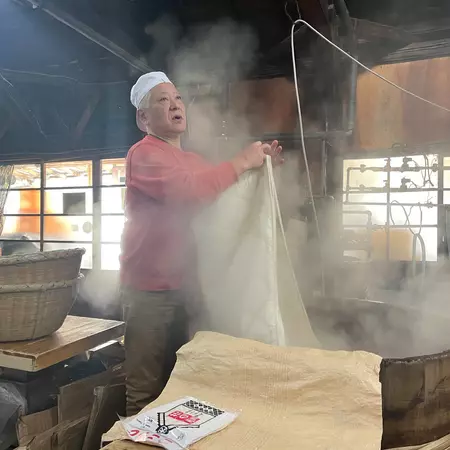
At Koujiya Saburoemon, the Tsujita family has been making koji since 1839. First, washed rice is steamed in traditional wooden barrels, before being cooled to about 95°F (35°C) and mixed thoroughly with mold spores. Speed and care are vital at this point to ensure safe and consistent mold growth during incubation, says 7th-generation maker Masahiro Tsujita. The mixture is then spread out on wooden trays and placed in a high-humidity environment for around three days.
Koji is the cornerstone of Japanese fermentation, serving as the starter culture in the production of traditional ingredients such as miso, soy sauce, mirin and vinegar, as well as being used as a tenderizer for meat and fish. Tsujita both sells koji and uses it to make the company’s signature misos – hand-crafted, “living” varieties containing active probiotics, enzymes and yeast.
Each of the company's misos has only four ingredients — soybeans, koji, salt and water — and all are aged with love. Tsujita says older miso tends to be more popular thanks to its rounded flavor profile, with less saltiness and more umami, but other types of miso play a key role in enhancing various types of Japanese cuisine.

Sake brewing is another historic fermentation process that relies on koji. Tokyo Port Brewery produces its koji in-house, while sourcing rice from the Tama area and water from Tokyo's taps (the city's soft water is highly suitable for sake production) to make its “All Tokyo” brands.
The facility is the capital’s only urban sake brewery. It’s a bittersweet title for chief brewer Yoshimi Terasawa, considering that central Tokyo was home to more than 50 brewers at the turn of the 20th century, but Tokyo Port Brewery is also a symbol of revival, rekindling the sake traditions of the historic Wakamatsuya brewery, founded in 1812.
Once a purveyor to the daimyo lord of the Satsuma domain (present-day Kagoshima Prefecture), Wakamatsuya became a meeting place for important political figures of the period, cementing the company's reputation for exquisite sake.
A century after his ancestors ceased operations at the Wakamatsuya brewery, company president Shunichi Saito decided “it was time to bring back sake brewing” to Tokyo, opening Tokyo Port Brewery to craft small-batch sakes that celebrate the drink's long history in the capital.

For Saito, history and legacy were the inspiration for continuing his family’s contribution to Tokyo’s culinary ecosystem. For others, like Takeshi Okumura, CEO of specialized fruit and vegetable wholesaler Midori Shop, the future is the key motivation.
In the face of climate change, farmers are increasingly having to consider how to adapt what they grow based on changing temperatures and humidity levels. As times change, Okumura is also thinking about ways to “become a better bridge between farmers and chefs,” motivated by a passion to protect and enhance the city’s unique food culture for the next generation.
For more information on the diverse culinary charms Tokyo boasts to the world, and the depth of its food culture, visit gourmet. gotokyo.org
Book your Japan trip with Lonely Planet Journeys
See Japan how it's meant to be seen
Accommodations, activities and ground transportation all taken care of, so you can focus on the fun part. Tell us what your dream trip to Japan looks like, and our local experts will build it from scratch. Or start with one of our itineraries and make it your own.

Explore related stories