Oct 12, 20269 min read
3 Days in Tokyo: The Ultimate ItinerarySponsored by
This article was paid for and produced with Tokyo Metropolitan Government. Paid content is produced separately from Lonely Planet's editorial coverage. Product availability and terms are subject to change; please verify details directly with service providers.
Feb 12, 2026
9 MIN READ

Writer
Tokyo chefs working on modern classics at Sincère, in Tokyo. Todd Fong

Writer
The evolution of Tokyo’s food culture: from Edo traditions to modern Innovation
Part two, of a two-part series. Click here for part one.
Tokyo’s cuisine is the result of an evolution in food culture, from Edo traditions to modern innovation – where craftsmanship, seasonality, and innovation combine with centuries of trade, technique, and adaptation. In Tokyo’s culinary ecosystem, past and present coexist across landscapes, markets, restaurants, workshops, and city streets.
–––
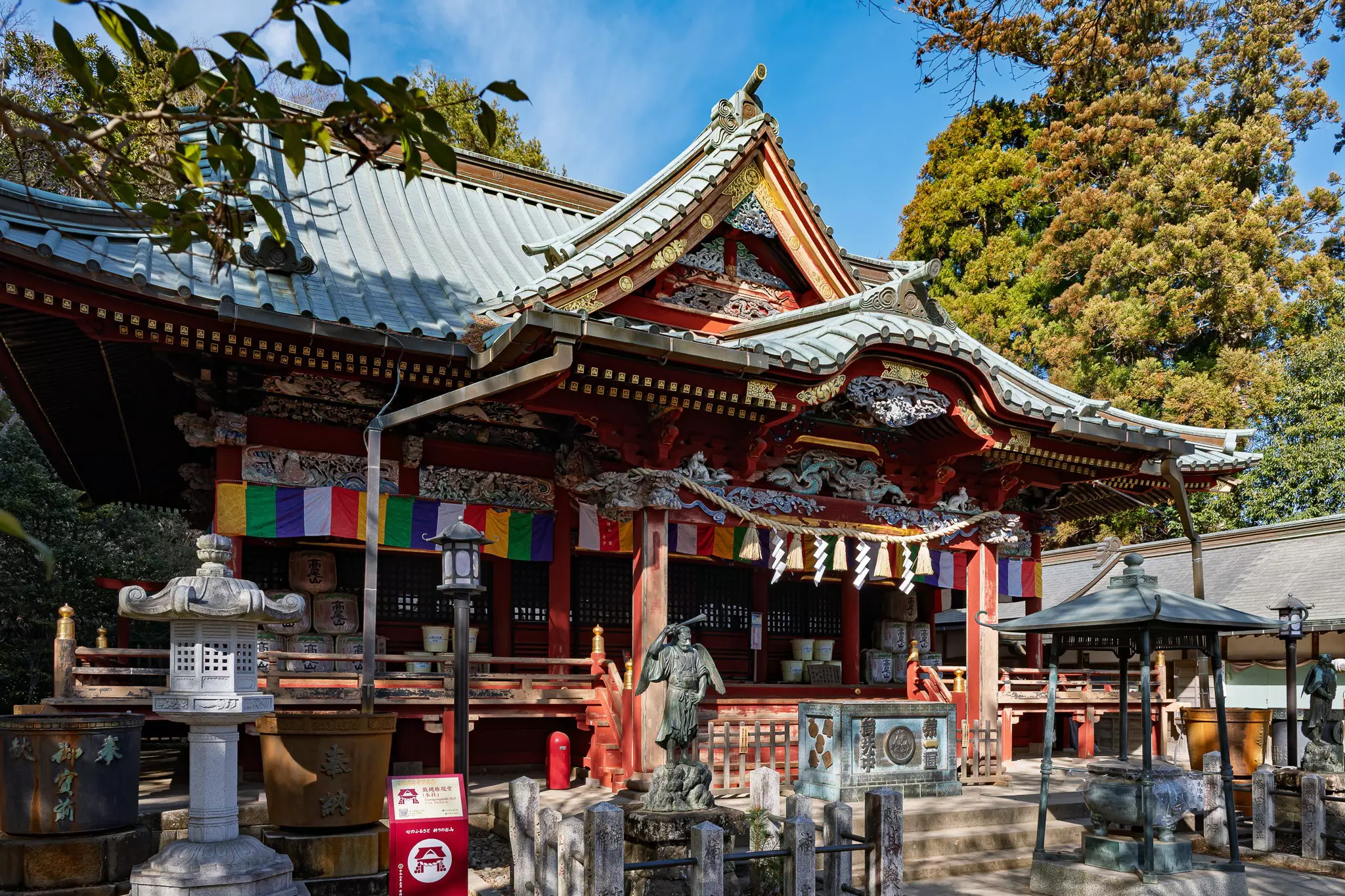
Over the centuries, Tokyo’s food culture has evolved into something wonderful and unique, but that evolution didn’t happen in a vacuum. Tracing its roots back to the early 17th century, the Tokugawa Shogunate united Japan for nearly three centuries of peace, enabling culture – in the arts, crafts and cuisine – to thrive.
This was especially true in the Shogunate's vibrant capital city, Tokyo, formerly known as Edo. To understand Tokyo's food scene today, you need to learn about the unique local ingredients that have inspired local chefs for generations, and the long and rich history of Tokyo cuisine, which is what we're here to talk about!
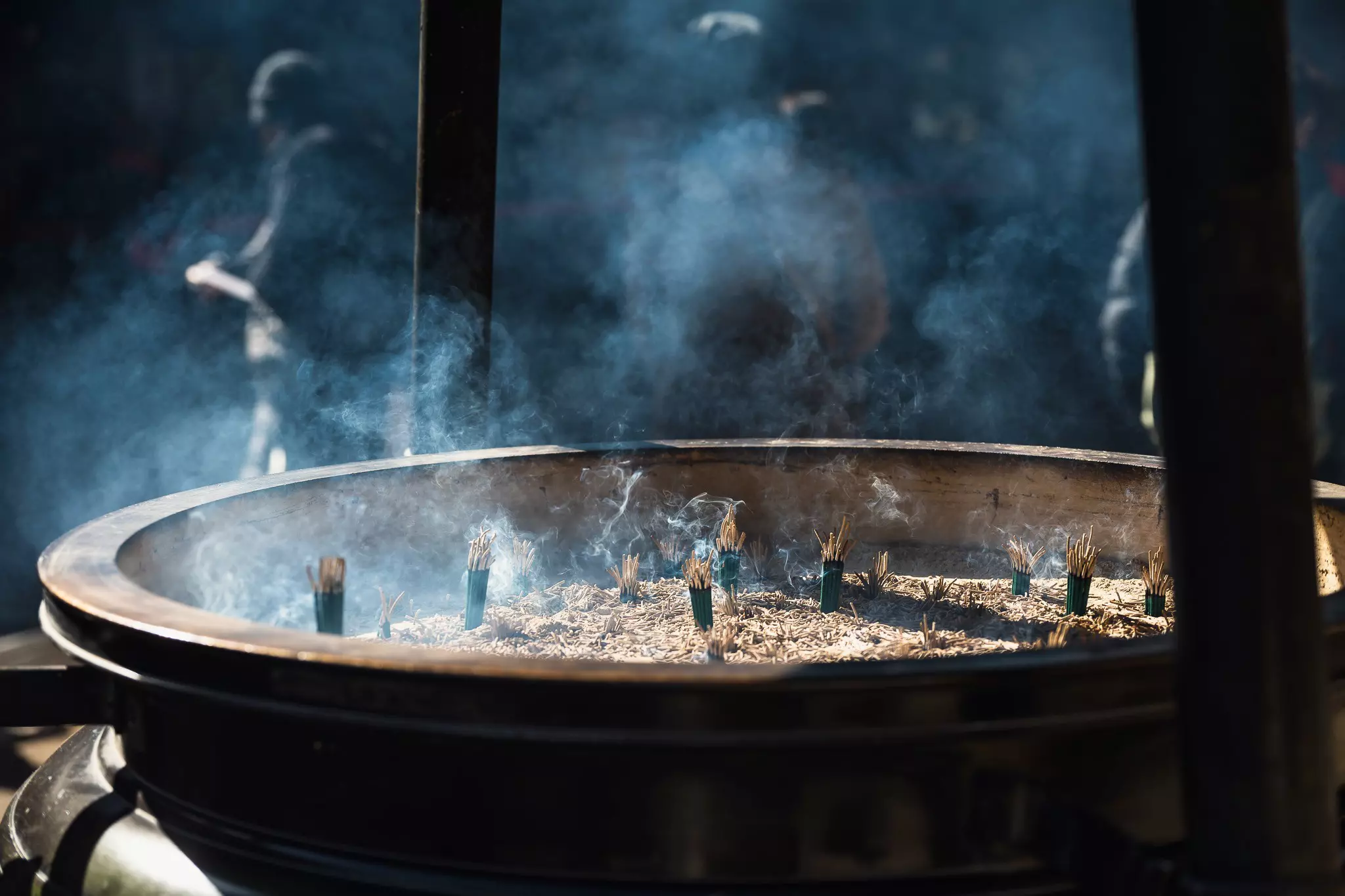
During the Edo period, feudal lords from all over Japan were required to split their time between residing in their domains and spending time in the capital. A system of highways was established that connected Edo to the rest of the country, the most famous of which – the Tokaido – linked Kyoto and Osaka.
Through these busy transportation arteries, Tokyo enjoyed a constant exchange of people, culture, foods, and culinary ideas with the rest of Japan. In the modern era, technology enables this exchange to happen much faster, allowing ingredients from all over the country to reach Tokyo – in many cases within a day.
As the Shogunate evolved, the mix of people from far-flung regions living in Edo necessitated some changes to Tokyo's cuisine. Strong regional flavors, such as those from the miso paste made in the northern Tohoku region, were toned down to appeal to the masses, and the flavors of Tokyo became a fusion of what people enjoyed in their hometowns.
Today, Tokyo’s trading and cultural connections to the rest of the world have expanded the palette of flavors in the city’s restaurants exponentially, impacting both the food that people crave and the fresh ingredients now readily available. At the same time, Tokyo chefs face the new challenge of being ecologically responsible in their ingredient choices – a growing movement in Tokyo cuisine.
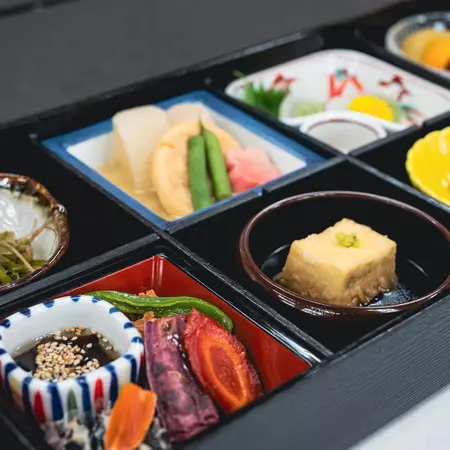
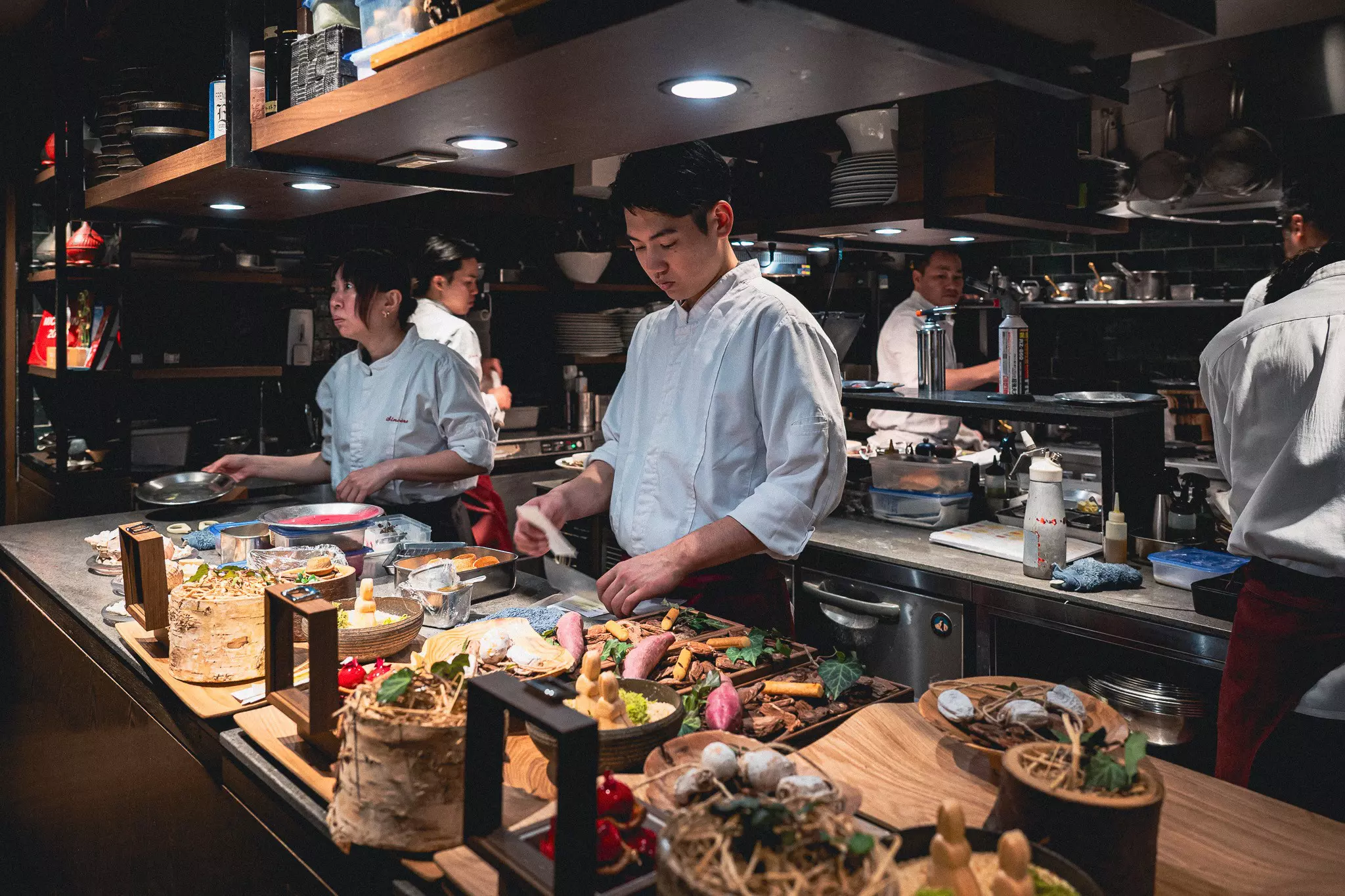
The French restaurant Sincère in the Shibuya district may appear to be a typical French restaurant at first glance, albeit one with extraordinarily beautiful and delicious meals, but behind the scenes, Chef Shinsuke Ishii helped lay the foundation for sustainable seafood sourcing in Tokyo.
In 2017, Chef Ishii helped to establish Chefs for the Blue, which brings together well-known chefs who intentionally purchase low-value, underutilized fish species — rather than overexploited or resource-depleted species — and transform them into high value-added dishes. The aim is to help prevent the depletion of specific fish stocks by diversifying demand.
As he points out, many fish species that are not used widely in Japanese cuisine are both delicious and treasured in other countries’ cuisines. By helping to promote the use of a wider variety of fish in restaurants in Japan, Chef Ishii hopes to preserve a diverse range of seafood for future generations to eat responsibly.
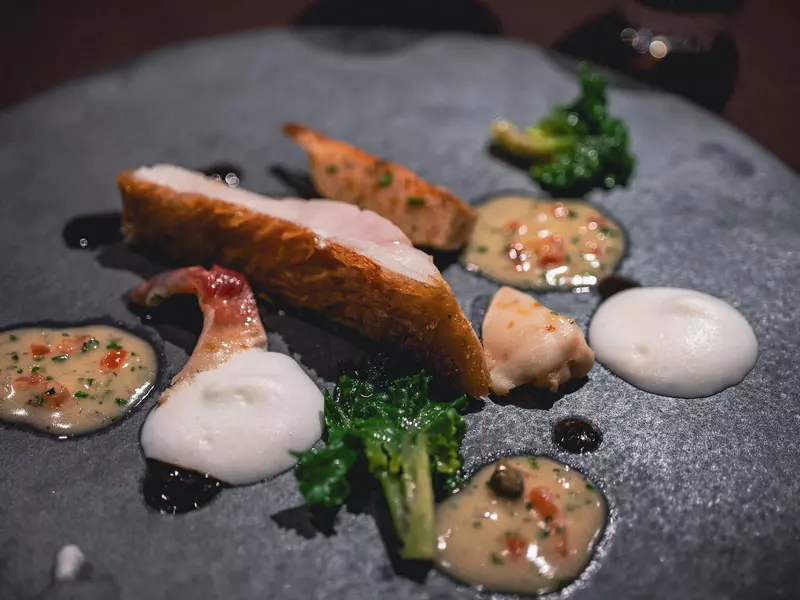
My meal at Sincère included a wide array of seasonal Japanese seafood, including plentiful zuwai-gani (snow crabs) from the Sea of Japan, sea urchin and sweet prawns from Hokkaidō, and a flaky piece of snapper with crispy skin. Each dish featured an elegant yet playful presentation based on the winter season.
In Sincère’s open kitchen, I got a close-up view of how the chefs were preparing their meals. The countless techniques used to generate the fine flavors and textures of such meals require many specialized tools, and in Tokyo, the place you go to find those tools is the neighborhood of Kappabashi, Tokyo’s “Kitchen Street.”
For specialized cooking tools, few shops in the world can compete with the 8,000+ items found along the narrow aisles of Iidaya. The store’s 6th president, Yuta Iida, can usually be found behind the register, where he fills stacks of notebooks with comments and wish lists from his customers.
When he’s not behind the counter talking to customers, he’s upstairs in his workshop, where he personally tries out each of the items he sells, and when he finds room for improvement, he creates something new. One of Iidaya’s most famous products is its “EVER PEELER,” designed to last for 100 years and peel hundreds of thousands of vegetables.
But Iida went well beyond durability, testing various angles of head alignment for his peeler until he found the precise angle that made peeling easiest (spoiler: it's 30º). The peeler comes in both right and left-handed models – Iida’s ultimate goal is to create utensils that enable chefs to create entirely new types of dishes, like his newly invented grater, which produces the world’s thinnest shavings at just 0.01mm.
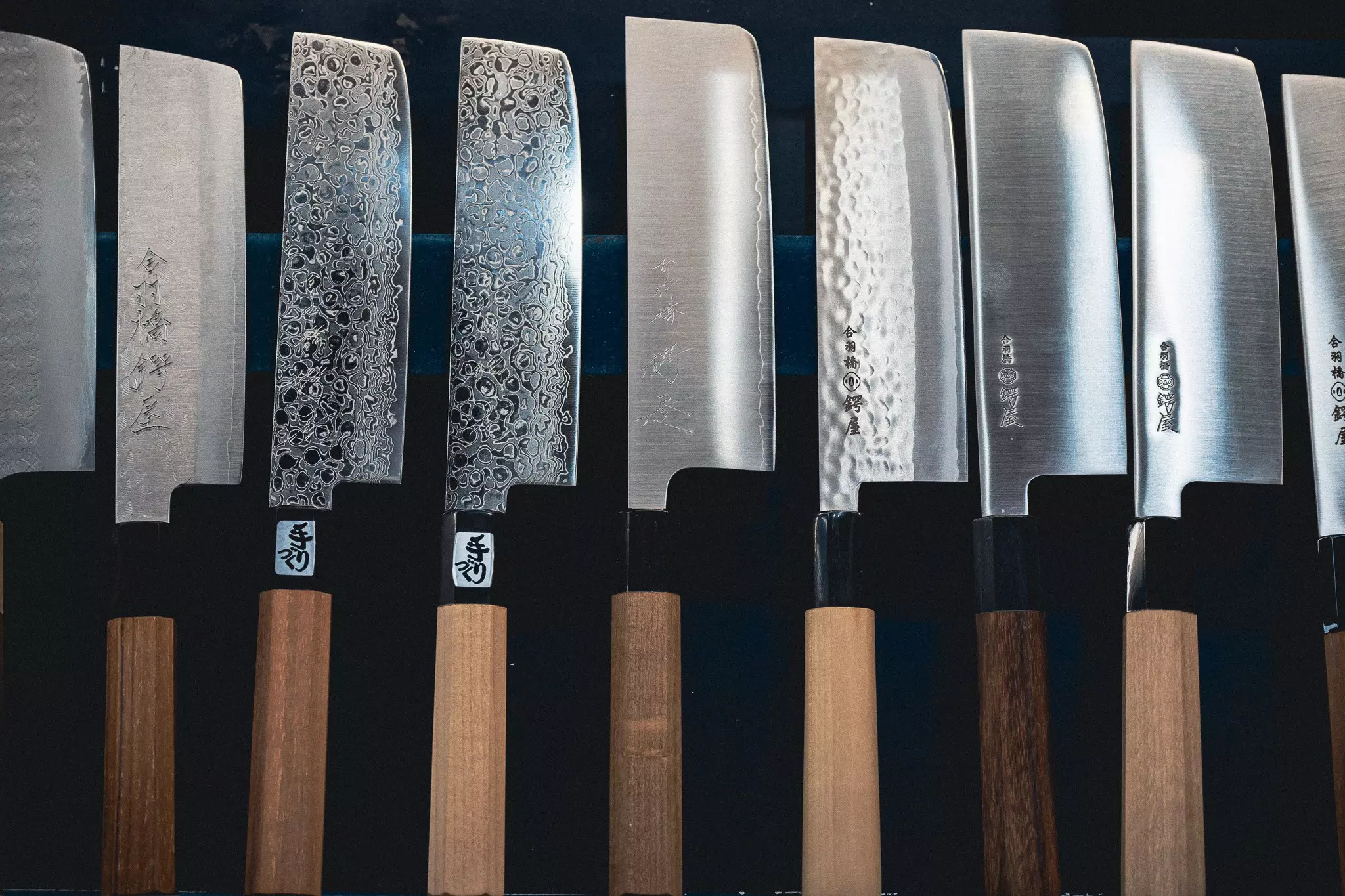
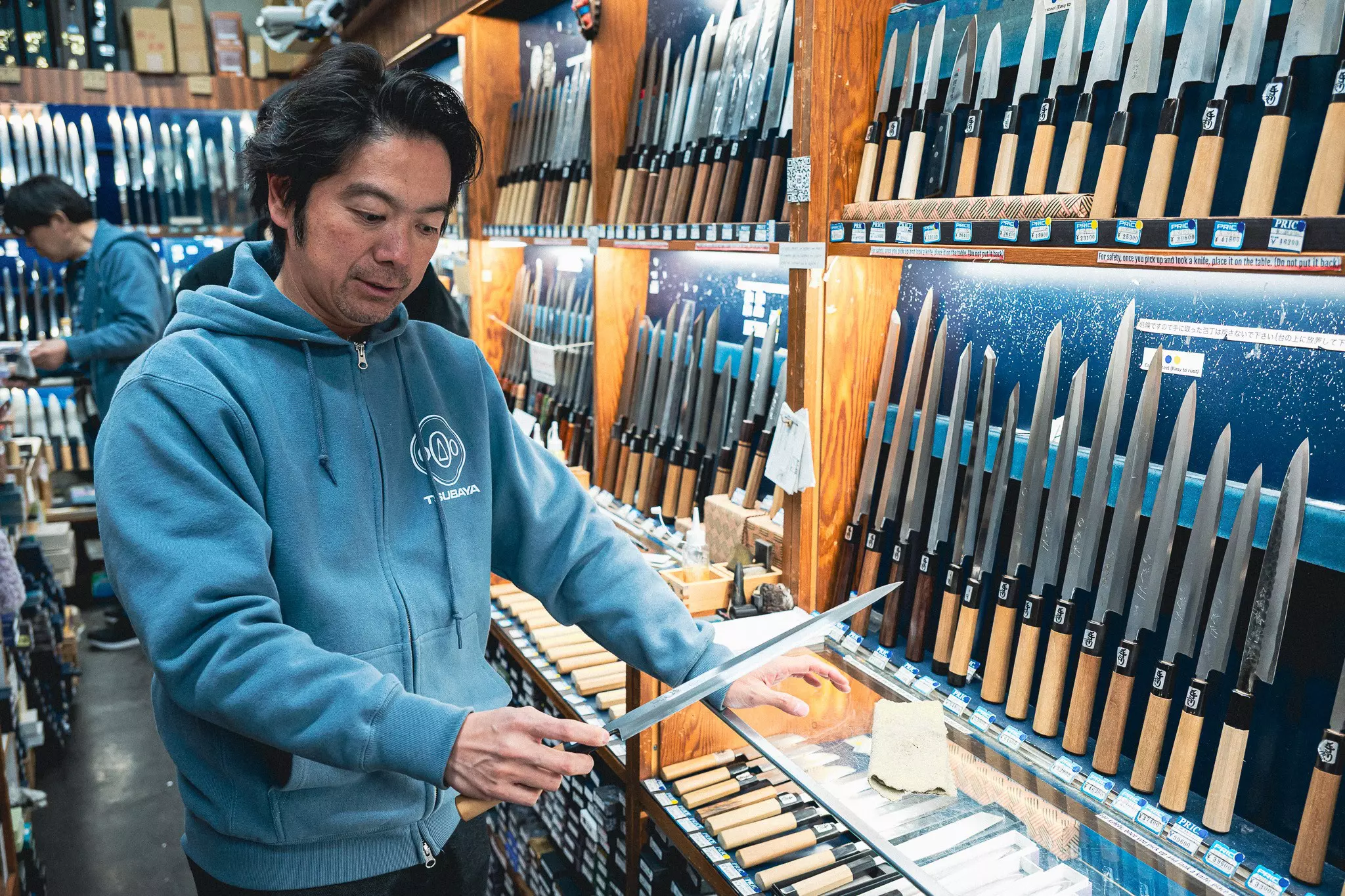
Nearby, the Tsubaya knife shop works with 40 Japanese knife makers to supply the varied knives demanded by its clientele, many of whom are professional chefs. Owner Riki Saito, whose t-shirt proclaims “No Knife, No Life,” tells me that the shop will sometimes ask a specific craftsman to forge a particular blade, though strong demand has made that rare today.
Tsubaya carries knives for specific tasks, like slicing fish for sashimi or making soba noodles, as well as many variations of the now-ubiquitous Japanese kitchen knife, the gently curved santoku. Apart from technological improvements in materials, the Japanese knife has changed little since its invention 1200 years ago.
A little-discussed secret is that the different knife shapes and designs you'll find in modern Japan are mainly cosmetic changes, made to appeal to the larger number of men who cook at home – a situation that rarely occurred in Japan until the late 20th century.
Overseas customers make up a large percentage of Tsubaya’s customers, to the point that he is taking his business to America, establishing a shop in Little Tokyo in Los Angeles to help Southern California chefs find the tools they need to create Japanese dishes.
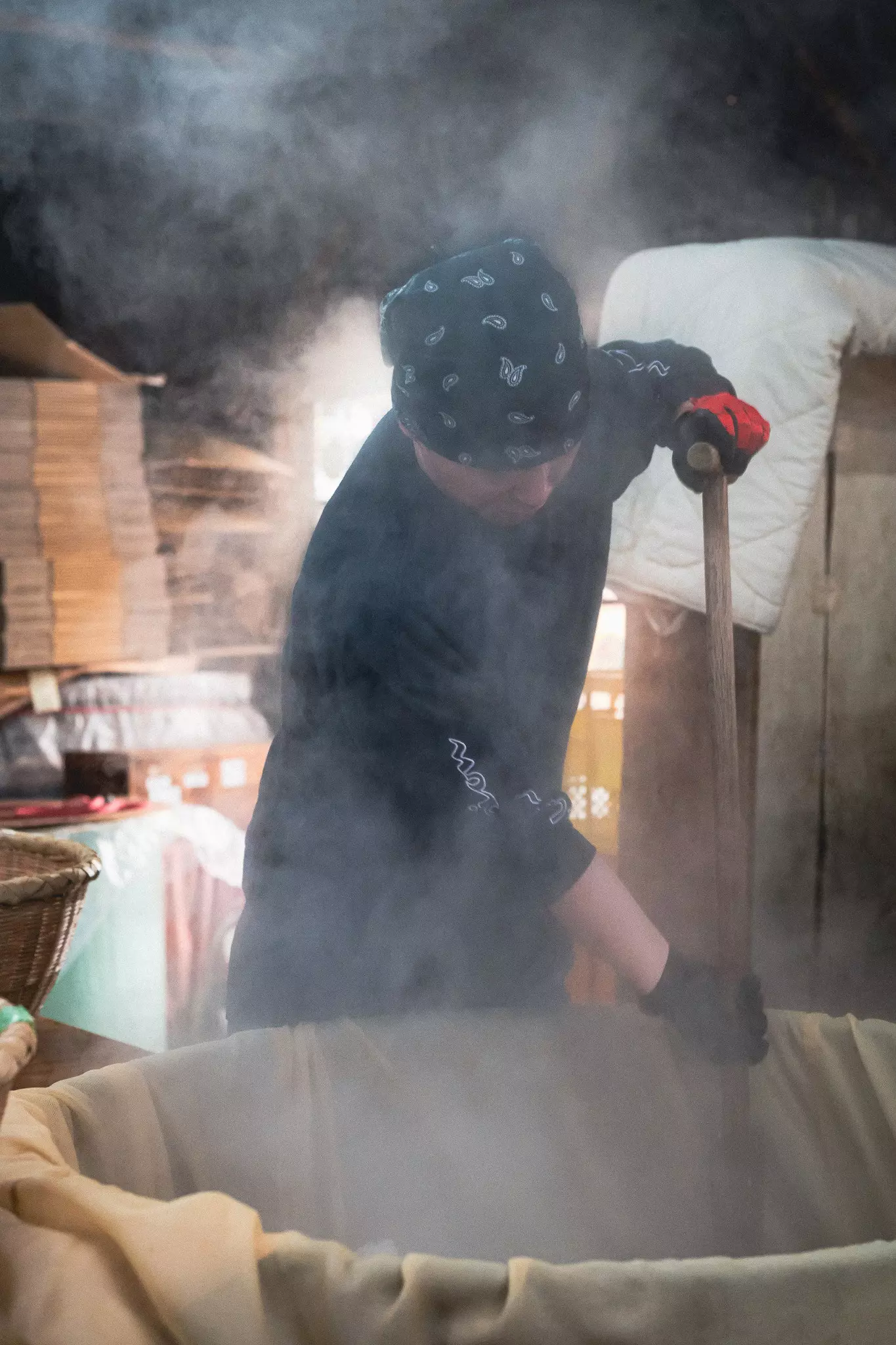
Japanese cuisine’s popularity has only exploded further since it was added to UNESCO’s Intangible Cultural Heritage list in 2013. Thankfully, this has slowed or prevented the decline of some of Japan’s unique food and drink traditions, including the nation's original adult beverage, sake.
While alcohol consumption is in decline worldwide, the sake industry has felt the shift in local preferences keenly, with many breweries unable to sustain themselves. As many as 4000 breweries existed in Japan after WWII, but that number has declined to roughly 1400 in the 2020s. At the same time, interest in sake has increased overseas, so a much greater volume of sake is being exported from Japan.
Hampering sake’s global reach is the fact that few companies outside of Japan produce this rice-based beverage. Yoshimi Terasawa, brewmaster at the Tokyo Port Brewery, hopes to change that, one tiny brewery at a time. Terasawa is a specialist in creating sake microbreweries – he brewed sake for 10 years on Tokyo’s artificial island of Odaiba in a 560-sq-ft premises.
Covering 1840 sq ft, the four-story Tokyo Port Brewery seems cavernous in comparison, and it also produces other alcoholic beverages such as liqueurs, plum wine and shochu (a distilled, clear spirit). With Terasawa’s know-how, aspiring sake brewers can build a brewery practically anywhere, even without a source of groundwater.
One of his proof-of-concept products is called Sustainable Sake Project Air, which uses purified water captured from the air using a special machine from the AQUAM hydrotech company. Using such technology, Terasawa believes it should be possible to brew sake almost anywhere – on the top of a mountain or even on a cruise ship – and he hopes many non-Japanese entrepreneurs will give it a go.
Across the modern city, the world's largest, Tokyo’s chefs continue to blur the lines between traditional and modern, drawing on traditional culinary styles while introducing a host of new techniques and ingredients that didn’t exist in the Edo period. I find this out the pleasurable way at elegant Hiroya Tokyo-mae.
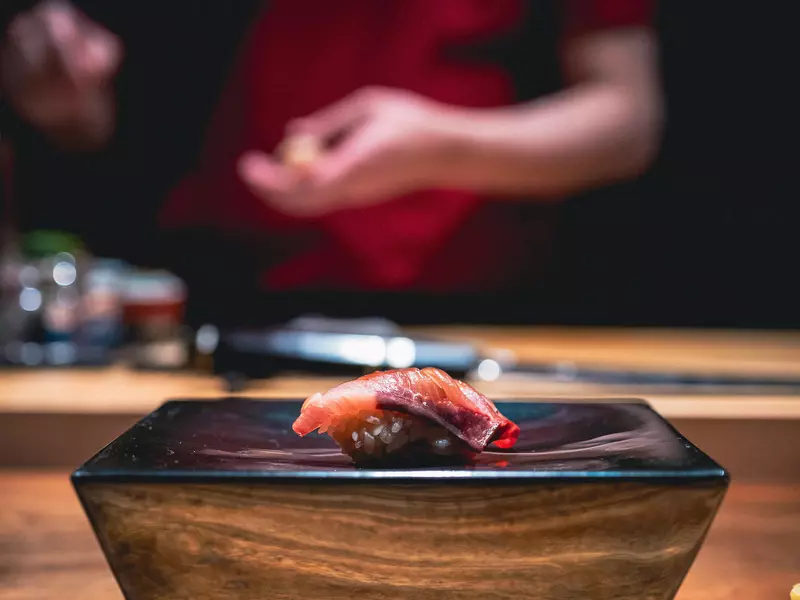
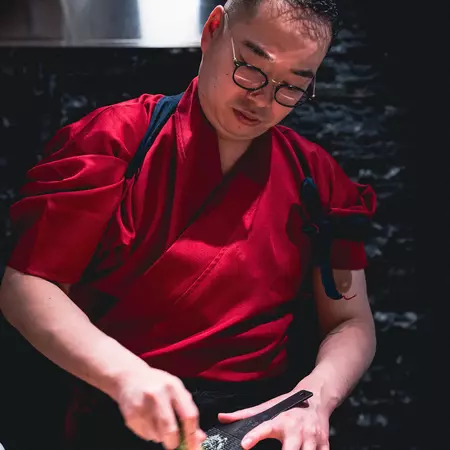
To the right of the restaurant's noren-draped entrance is an easily overlooked wooden door; at precisely 6pm, the lock on the door clicks, and I am ushered along a long, dark hallway, emerging into a hidden room of the restaurant, a place that could be aptly described as "Sushi Wonderland." Waiting behind three fearsome-looking knives on the counter, chef Takuya Motohashi deftly prepares a 21st-century version of Tokyo’s original fast food, Edomae sushi.
Motohashi studied for 6 years as a sushi chef in the Edomae style, and honed his skills over two years in other types of restaurants, where he had the revelation that sushi-making could still evolve beyond the traditional style. While slicing, he muses, “What is the definition of sushi anyway?” – answering the question with a variety of dishes that push the envelope of what Edomae means.
Originally, Edomae sushi was prepared using only the fish available in Tokyo Bay, preserving them with vinegar, salt and soy sauce as preservatives before the days of refrigeration. But modern advances have negated the need to follow the Edomae process to the letter.
Today, incorporating traditional flavors and ingredients with the less traditional, Motohashi surprises his guests with spring rolls stuffed with shirako (fish milt) and sprinkled with grated French Mimolette cheese, and kabu radish served in a pureed vegetable sauce, giving it the chewy consistency of a mochi rice cake. The result is a more subtle form of Edomae, still distinctly Tokyo in character, but more refined.
Cooperation among chefs, producers, and even craftspeople, along with Tokyo’s exceptionally efficient transport system, continues to fuel innovation in the Tokyo food scene. Not only is it easy for diners to reach restaurants across the city, but ingredients zip into Tokyo from across the nation by road, rail and air.
And because of the easy availability of fresh ingredients, and a keen audience of Tokyo residents and tourists to consume them, restaurants are offering bolder, broader choices of cuisine. If there is anything certain in the future, it is that Tokyo’s cuisine will continue to evolve, yet never sever its ties to the traditions that helped make it the envy of the world.
For more information on the diverse culinary charms Tokyo boasts to the world, and the depth of its food culture, visit gourmet. gotokyo.org
Book your Japan trip with Lonely Planet Journeys
See Japan how it's meant to be seen
Accommodations, activities and ground transportation all taken care of, so you can focus on the fun part. Tell us what your dream trip to Japan looks like, and our local experts will build it from scratch. Or start with one of our itineraries and make it your own.

Explore related stories