
Oct 4, 20268 min read
10 Best Things to Do in New ZealandAug 15, 2026
4 MIN READ

Writer
The Great Pyramids of Giza complex, Egypt. muratart/Shutterstock

Writer
Highlights
Editor Acacia Gabriel shares what to know about the next solar eclipse.
The 2027 eclipse is the longest in our lifetimes, crossing Egypt, Saudi Arabia and Spain.
Book early, pick a destination with clear skies, and order eclipse glasses before you travel.
Alaska's next US eclipse in March 2033 pairs totality with peak aurora season.
Lonely Planet may earn a commission from affiliate links on our site. All recommendations and reviews reflect our own independent opinions.
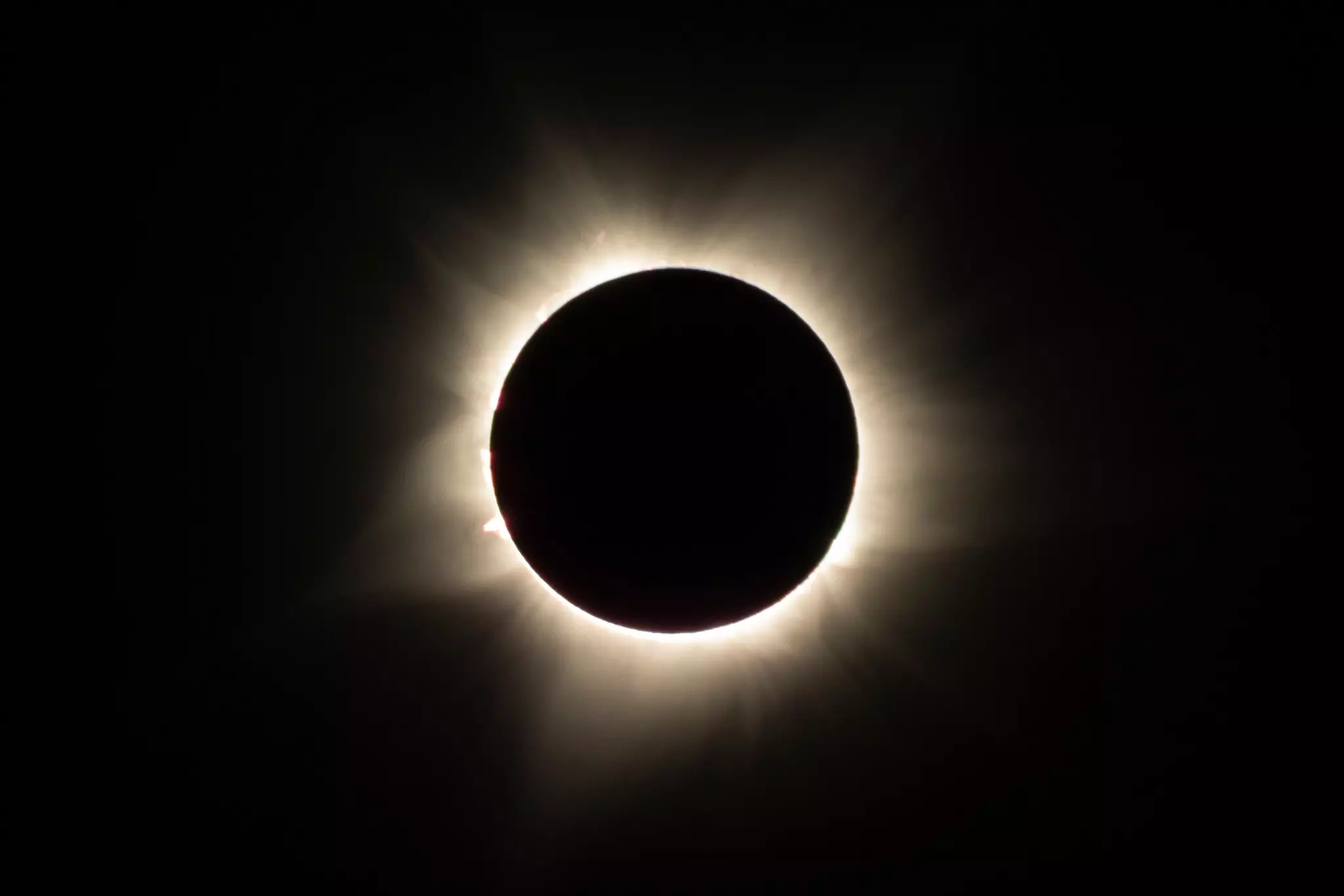
Total solar eclipses are as breathtaking as they are rare. They exist for a brief moment in time and only in specific locations, and no two eclipses are the same.
The moment the moon passes in front of the sun, the world goes dark, the birds stop chirping, and rays of light struggle to wriggle out from the shadows. It is quite literally otherworldly, and it serves as a reminder of the magic of the cosmos.
As with all travel, it's not just about the destination or the solar eclipse itself. While you may be surrounded by strangers halfway across the world, in that moment we are all humans watching the sky together. And there is something so unifying about bearing witness to a celestial event of this grandeur. Solar eclipses remind us how small and brief we are in the grand scheme of the universe, bringing cities together and raising the spirits of all who witnessed it.
If you are interested in experiencing it all for yourself, here’s what you need to know about planning a trip to see the next total solar eclipse. Oh, and the travel-planning experts at Lonely Planet Journeys can help you create the perfect future eclipse itinerary, whether you're going next year or in 2038! What can we say? We're planners.

The next total solar eclipse will occur on August 2, 2027. The path of totality, or where the moon’s shadow falls and you can experience a total solar eclipse, will cross Spain, Gibraltar, Morocco, Algeria, Tunisia, Libya, Egypt, Saudi Arabia, Yemen and Somalia, the Atlantic Ocean and the Indian Ocean. Most notably, it will pass directly over the Valley of the Kings in Luxor, the Great Pyramids of Giza near Cairo, and Mecca in Saudi Arabia, according to the National Solar Observatory.
The next solar eclipse is particularly noteworthy because it will be the longest eclipse in our lifetimes, lasting more than six minutes. For reference, the 2026 solar eclipse in Spain lasted less than 2.5 minutes.
The next total solar eclipse in the United States will occur on March 30, 2033 in Alaska. It will pass over Utqiagvik, Prudhoe Bay, Kotzebue, and Nome, with a maximum totality of 2.5 minutes. Late March is also peak aurora season, so celestial lovers can also travel to the Arctic Circle to try to observe the northern lights on the same trip.

Even though it’s a year out, hotels, tours and cruises are already starting to book up for the 2027 eclipse. If you are hoping to see it, buy your tickets and book accommodation as soon as possible, especially if you are hoping to go to Luxor Temple, Mecca or another popular destination.
It’s important to consider the weather and sky conditions to ensure that you have the best experience viewing the total solar eclipse. Some travelers have struggled to actually witness totality because of cloudy or rainy weather, so choose destinations that historically have clear skies during that time of year. Luckily for travelers in 2027, the total eclipse will be in the desert in the middle of summer, so odds are that it will be a perfect viewing condition.
Order eclipse glasses before your trip just in case they sell out at your destination (it’s just not worth the stress of finding them the day of) or worse, you inadvertently buy non-compliant glasses. While, according to NASA, you won’t need to wear the glasses during totality, you will need them before and after to protect your eyes.
If you are hoping to capture the eclipse, you may want to invest in a tripod to properly capture the shot. However, don’t forget to put the phones and cameras down to witness this rare cosmic occurrence fully.

Between now and 2038, there will be six eclipses spread across four continents.
July 22, 2028: Australia and New Zealand.
November 25, 2030: Namibia, Botswana, South Africa, Lesotho and Australia.
March 20, 2034: Nigeria, Cameroon, Chad, Sudan, Egypt, Saudi Arabia, Iran, Afghanistan, Pakistan, India and China.
September 2, 2035: China, South Korea, and Japan.
July 13, 2037: Australia and New Zealand.
December 26, 2038: Australia and New Zealand.
Explore related stories