Aug 12, 20269 min read
Lonely Planet’s Guide to Overtourism in NaplesAug 12, 2026
9 MIN READ
Writer
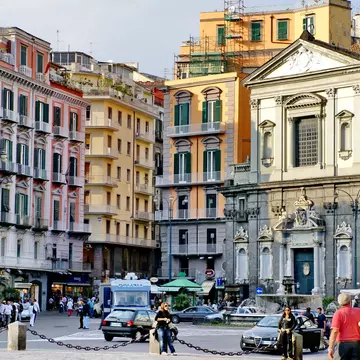
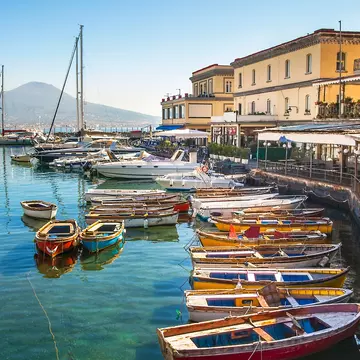
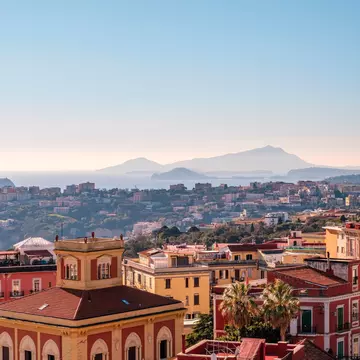
Naples city centre, Campania, Italy. tommaso lizzul/Shutterstock

Writer
Highlights
Writer Virginia DiGaetano shares five ways to visit Naples without fueling overtourism.
Book hotels over short-term rentals – over 10,000 Airbnb listings already push Neapolitans out.
Salumeria Malinconico's meals and Officina Flegrea's screen-prints are the antidote to tourist tat.
Head west to Campi Flegrei to snorkel Roman ruins at Baia Sommersa.
Lonely Planet may earn a commission from affiliate links on our site. All recommendations and reviews reflect our own independent opinions.
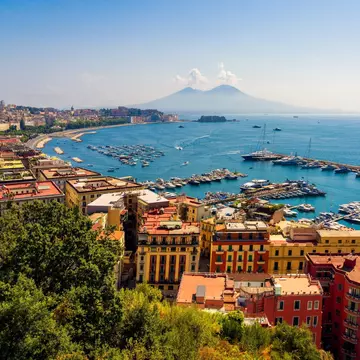
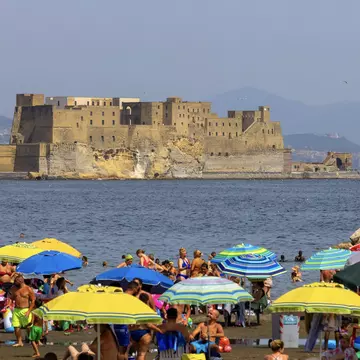
Until very recently, Naples was little more than a reluctant transit point between big-ticket destinations in Italy. Even a decade ago, few travelers wanted to go there. However, Naples has now grown into one of Italy’s most desirable tourist destinations, recording 15 million tourist visits in 2025. To put that into context: Italy had approximately 68 million visitors in 2025, meaning roughly 20-25% of all tourists who came here visited Naples.
That incredible increase has turned Naples into a full-stop destination in an extremely brief period. On the one hand, this changing image is undeniably positive. However, turbo-charged touristification also has profound consequences. Because the tourist economy has existed for such a short time here, Naples lacks the infrastructure that Rome, Florence, or Venice have had in place for decades (and those cities still face tremendous challenges from modern tourism). Remember, overtourism is not simply overcrowding, overexposure, or inflated pricing schemes. It’s the systematic failure of states and governments to provide the necessary resources and infrastructure to meet the demands of both residents and tourists in equal and equitable measure.
And I know, all you want to do is go on a well-earned holiday that makes you feel a little bit recharged in body and mind, one where you eat well and sleep well and hopefully live a few moments that will one day make funny stories. You don’t want to do harm; indeed, you’d prefer to do good. Well, you’re in luck. Naples is innately welcoming and kind to those who put in the effort. And the role of Naples tourist is still being written, making it the perfect time to travel here with purpose.
The housing market in Naples has been profoundly impacted by unchecked tourism. According to watchdog group Inside Airbnb, there are over 10,000 listings around the city being used as private holiday apartments, and nearly 85% of those listings are used for short-term rentals. So every apartment that gets turned into a holiday rental keeps Neapolitans out of the city in order for you (or me) to capture that lightning-in-a-bottle sensation known as “living like a local.”
When possible, stay in hotels. Artemisia Domus and Atelier Inès are part of a new wave of thoughtful boutique hotels; the Grand Hotel Parker’s and Grand Hotel Vesuvio are the oldest and most fabled in the city for good reason. Budget Ostello Bello has a fantastic rooftop overlooking the best parts of the city center, and 6 Small Rooms really does feel like you’re amongst friends.
Of course, many people may opt for an apartment, for various reasons (no judgement). If you decide to rent an apartment, search for “individual listings” rather than “business listings”. The former is more often a person renting their family or second home, and less predatory than the large property companies that transform entire neighborhoods into short-term accommodation.
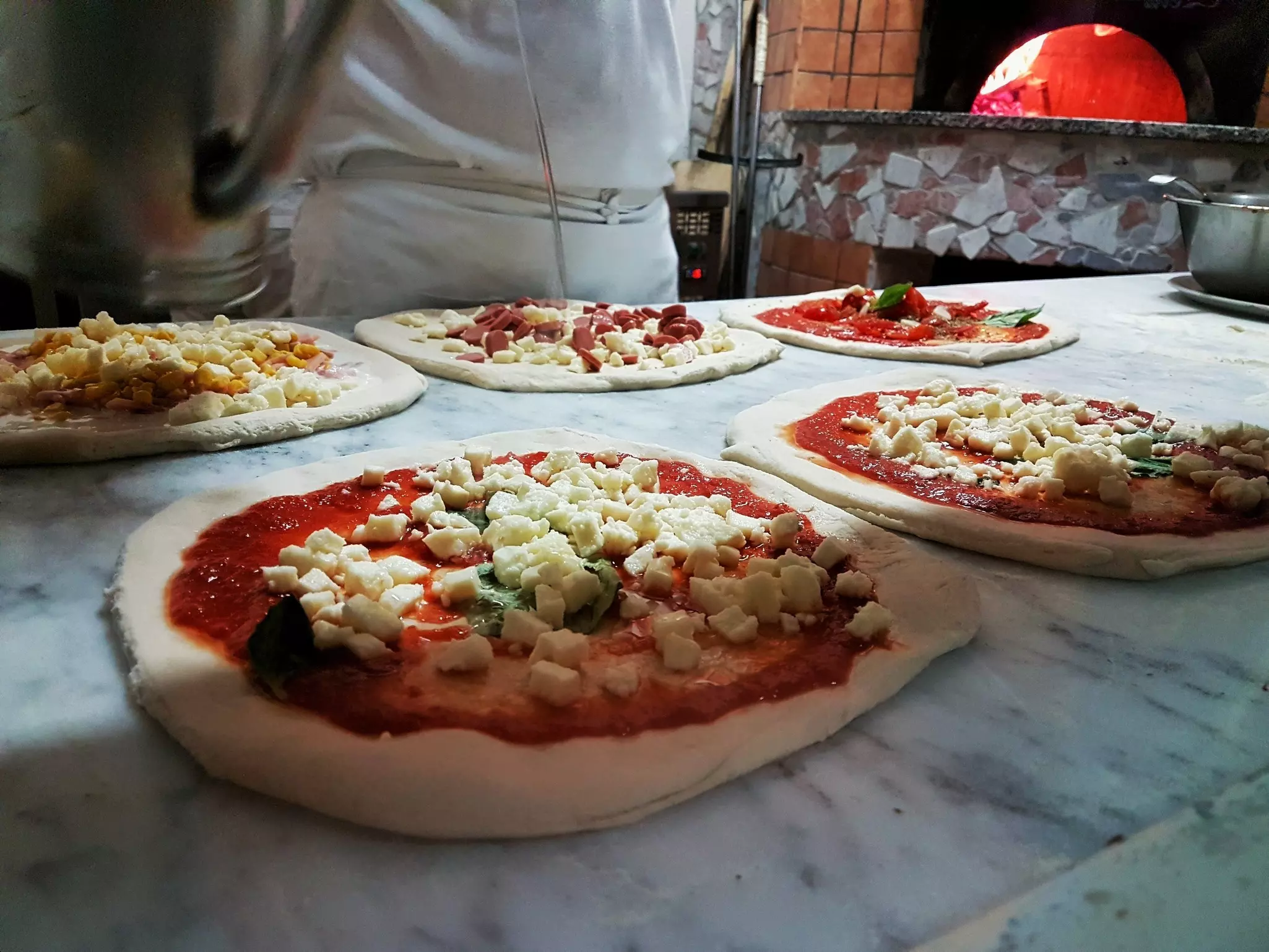
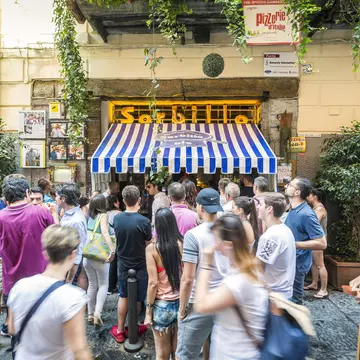
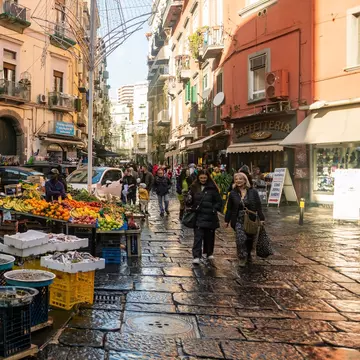
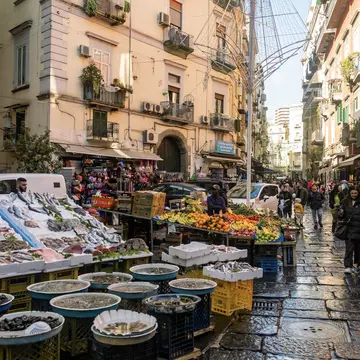
Food is an enormous part of Neapolitan culture. But if you’re gorging on fried pizzas in the middle of the street or worse, sitting on the steps of a church with a cone of fried fish in one hand and a Maradona Spritz in the other, you’re not part of that great tradition. Moreover, a lot of the cheap eats that have taken over the center of Naples are linked to organized crime networks. The friggitoria (takeaway stands) where you get an “authentic” paper cone of fried fish, or those ubiquitous limonata a cosce aperte (“exploding lemonade”) kiosks, often engage in abusive labor practices, price gouging, and intimidation of vendors, suppliers, and neighbors. The proliferation of low-quality street food has led many Neapolitans to lambast the center as an “open-air fryer” where very few locals actually eat.
Instead, find great meals via word of mouth, something that Naples has in abundant supply. Start at historic Salumeria Malinconico, where fourth-generation Alessio has created an extraordinary network of collaborators in the city’s food, drink, and art scene. Go in, grab a bulging panino made on the spot, and ask for tips. Either he’ll tell you, or someone else standing in line will have recommendations. Or go find Andrea at the pizzeria Santa Maradona in the Quartieri Spagnoli: a local boy done good, he’s turned his place into a true neighborhood meeting point, and he’ll give you tips for real meals from honest people. In Naples, where you eat and who you support is one of the most important ways to exercise your purchasing power – in a way that builds community rather than eroding it.
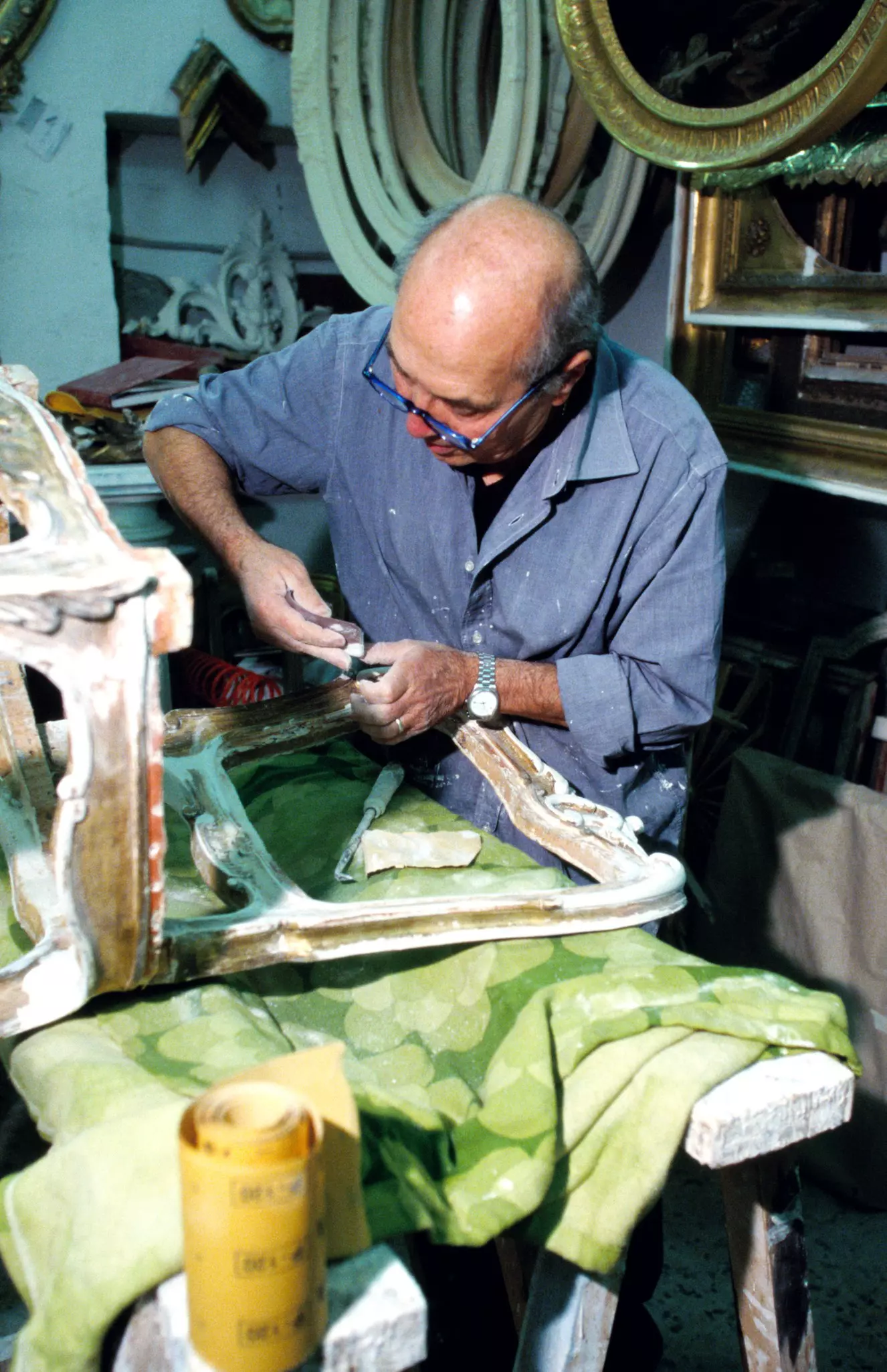
If you choose disposable souvenirs, they proliferate; if you choose locally produced arts, crafts and keepsakes, you’ll help these industries thrive. Naples is full of artists creating work that reflects the city. Officina Flegrea produces subversive, ironic, and undeniably unique screen-printed clothes and accessories from proudly activist owners. Terry di Renzo’s ceramics workshop, Casa Cometa, is one of the best stops in the Quartieri Spagnoli. Just outside of her studio, you’ll see the iconic Sirena Ciaciona by street artist Trallallà: the abundant, evocative, and playful seductress epitomizes the soul of Naples. Visit Trallallà in his studio for signed prints and lithographs.
The Napolitaner reimagines iconic symbols of Neapolitan life, in the style of The New Yorker, and founder Luca Casillo explains that their mission is, “to bring our city to everyone, to create a new language of design and expression that shows people how Naples isn’t this ritualistic, folkloric place to fetishize but a dynamic place, full of potential”. Their permanent store on Via Duomo is a perfect place to get oriented.
A legion of Neapolitan photographers are truly ambassadors for the city, and their work is inspirational (just remember, they’re not tour guides – don’t ask them for restaurant recommendations). Robbie McIntosh knows the gaze of Naples inside and out; Roberto Salamone tells beautiful, multidimensional human stories. Yvonne de Rosa’s portraits depict a city in motion anchored to a not-so-distant past, and Kristel Pisani Massamormile showcases the beating heart of Naples, its women.
Supporting artists in Naples also means seeing them live. La Santissima, a cultural center in the Quartieri Spagnoli, has a calendar of great events and festivals. Palazzo Venezia hosts live music, art exhibitions, and even Neapolitan language lessons. A’Mbasciata is one of the best spots in the city for a night out, whether for swing dancing, magic shows, or burlesque performances.
One of the best things about Naples is that there’s nothing you have to see. Leave Spaccanapoli for the newly restored Cimitero delle Fontanelle in Sanità. Instead of staring at Castel Sant’Elmo from below, hop on the funicular (or walk up if you missed leg day) and then wander through Vomero. I won’t tell you that you won’t run into another tourist, or that this is the “authentic” part of the city, but you’ll understand how much more there is to Naples.
Social media is also useful for exploring further afield: follow Simona Fiengo for great meals outside the center, hire Sara Prossomariti for an amazing tour of unusual sites around Naples, and see where Corrado Cafaggi is on any given day.
Alternatively, hop on the linea 2 and head west towards the criminally overlooked Campi Flegrei. On the western reaches of Naples and less than an hour from Napoli Centrale, Campi Flegrei is a collection of seaside towns known for sitting on top of the most seismically active area in Europe. But Campi Flegrei isn’t just about lava flows: the area is moving thanks to passionate chefs, artists, lawmakers, and entrepreneurs.
Winemaker Cristina Varchetta of Cantina degli Astroni puts it perfectly. “I am so proud to be from Campi Flegrei, and whenever I meet someone who doesn’t know where it is, I feel like I get the chance to fall in love with it all over again.”
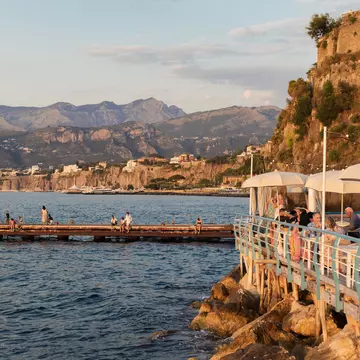
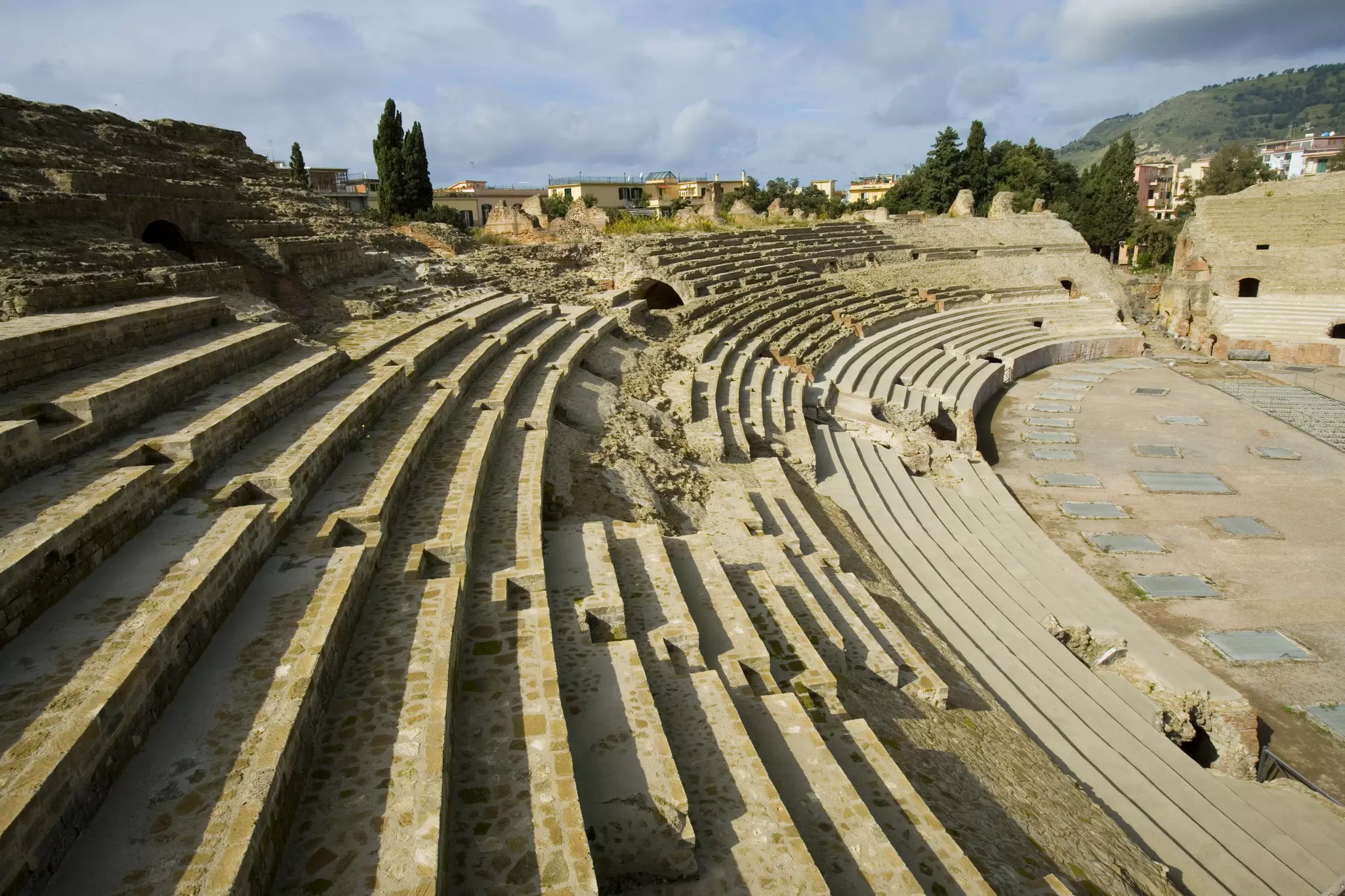
After a wine tasting, head to the Flavian Amphitheater in Pozzuoli and then lunch at Mar Limone from one of Campania’s best chefs, Marianna Vitale. A bit farther down the coast, the Archaeological Museum in Baia fills the former Aragonese castle, and the epic Terme di Baia complex, famous for the inverted fig tree growing through ancient cracks in its Roman arches, is just down the road. If the weather complies (it usually does), get in touch with Centro Sub Campi Flegrei to snorkel or scuba through the underwater archaeological park of Baia Sommersa, the only place in the world where you can see the perfectly preserved ruins and mosaics of Roman villas that once dotted the shores.
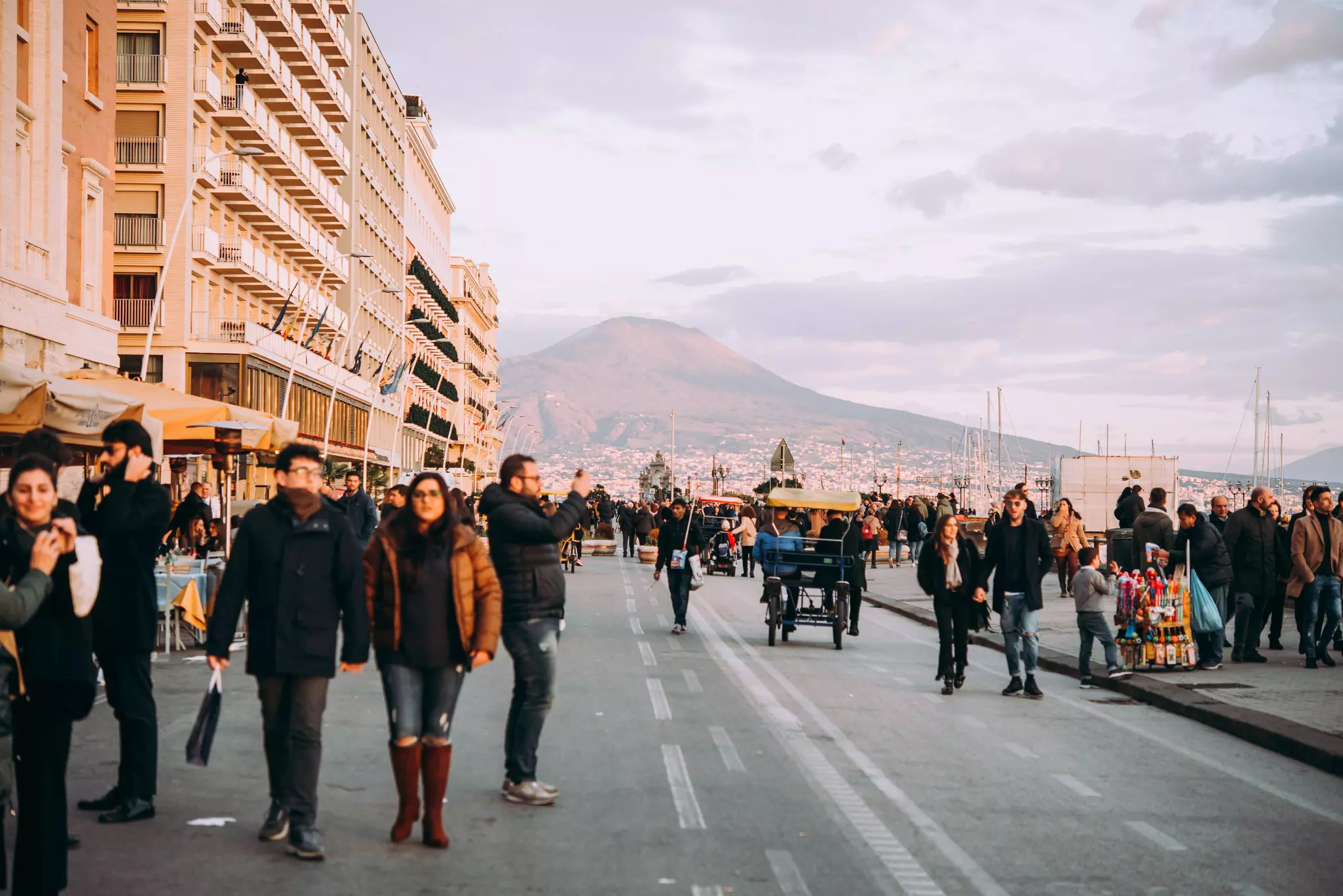
“Naples is a theatre,” says Luigi de Magistris, who served as mayor of Naples from 2011 to 2021. “But it is not a theme park.” One need only walk down via San Gregorio Armeno to get a sense of the difference. Once a hub for artisans crafting statues, particularly nativity scenes, the street is now so crowded with day trippers that the people who once lived there have moved out, keeping their shopfronts but sacrificing the soul of the street. “The most important part of Naples is Neapolitans; they are what make the city”, de Magistris continues. “Naples without Neapolitans is like a nativity scene without shepherds.”
But Neapolitans aren’t a monolith, nor are they obligated to be our friends. The favorite waiter that you took a hundred pictures with, the old woman who hung her laundry above your flat, the person selling fruits and vegetables on the street where you stayed; all of these people can easily become extras in our main character fantasies.
This all too easily transforms into “poverty tourism”, where genuine curiosity is replaced by voyeurism. This is why tipping is such a complex practice: after all, it’s rooted in the American slavery system.
In Naples, what looks like dolce far niente (the sweetness of doing nothing) is often far more complicated. “I always find it strange, this idea that we’re all just hanging around doing nothing because life is so good,” Robbie McIntosh says. “Does it occur to people that we’re not doing anything because we’ve got no jobs, no money, and we’re just trying to survive?”
So, if you want to take a picture of someone, ask. If you’re curious about someone’s life, ask. It doesn’t matter whether you can’t completely understand; your sincerity speaks louder than any spoken word.
When we travel, we are part of the place we visit, whether we realize it or not. There is a profound difference between curiosity and exploitation, and it is one of the most important differences that we can make as travelers. Naples is the latest city beset by overtourism, and it won’t be the last. But we don’t have to get caught in those currents, particularly not in a city with so much more to offer.
Explore related stories