Sep 26, 202613 min read
Where to Eat and Drink in New OrleansAug 13, 2026
8 MIN READ
Contributors
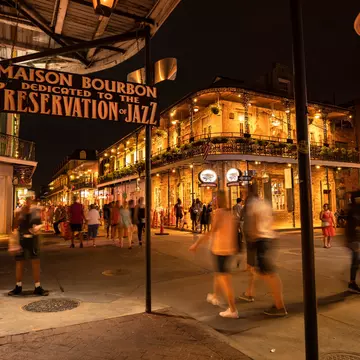
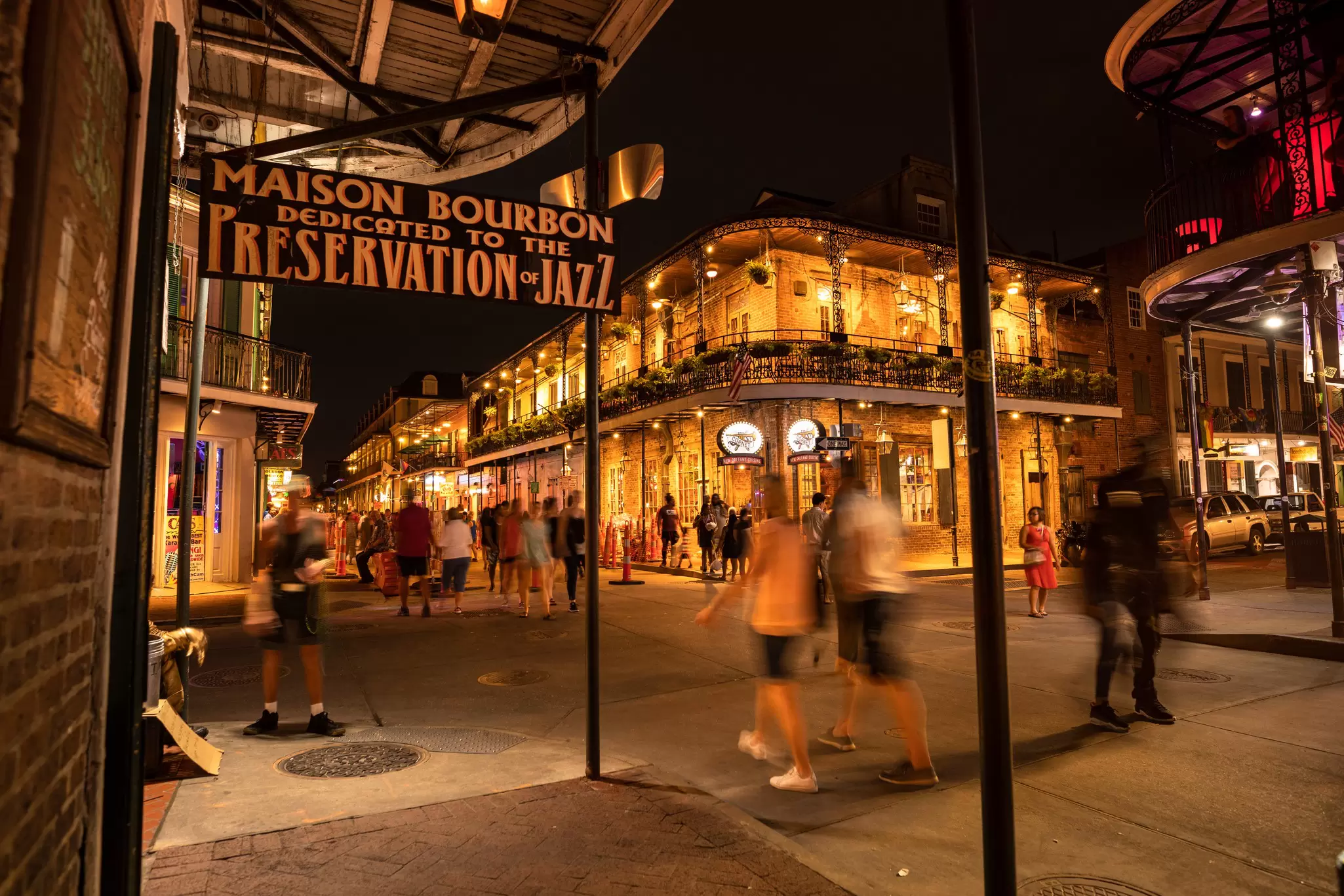
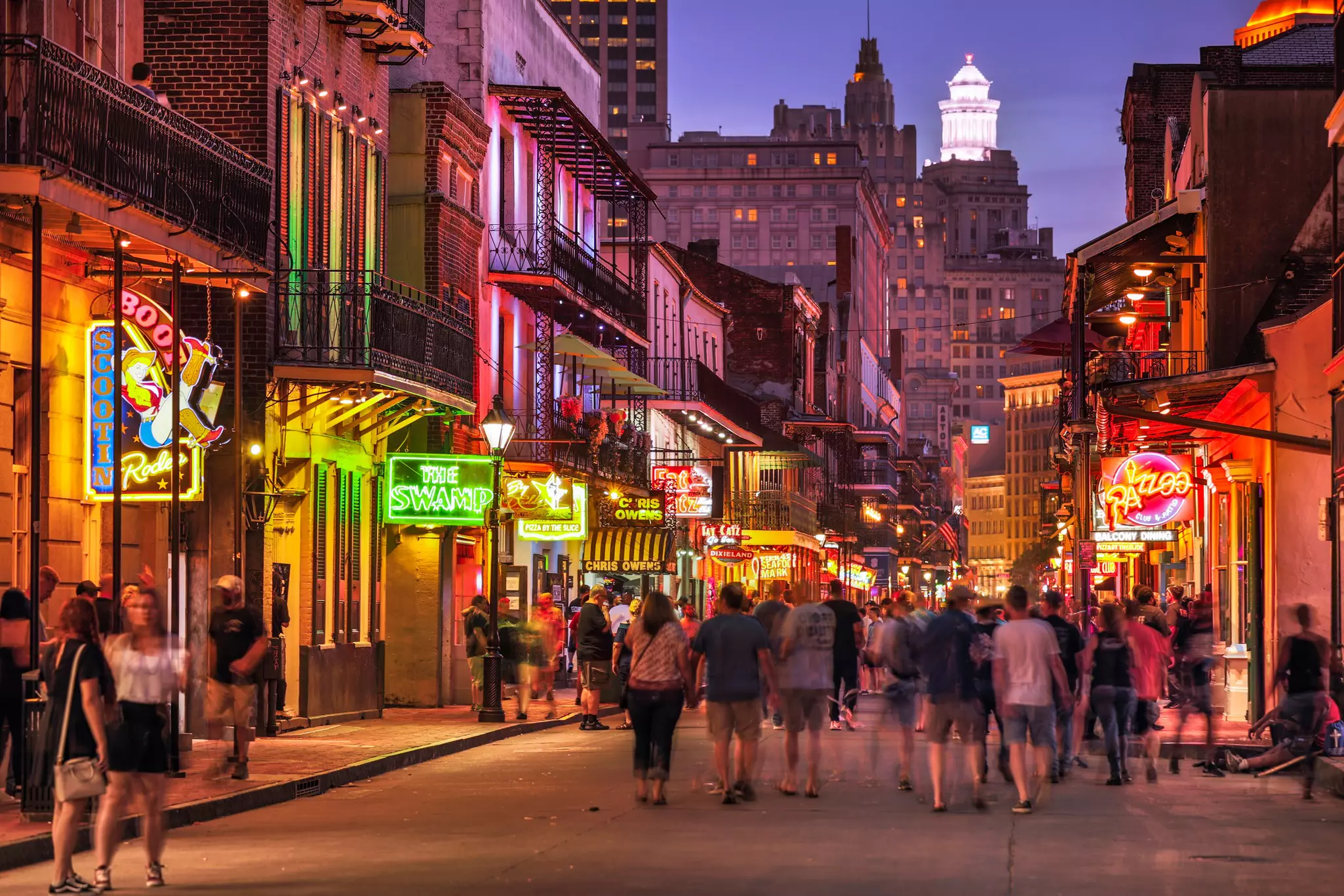
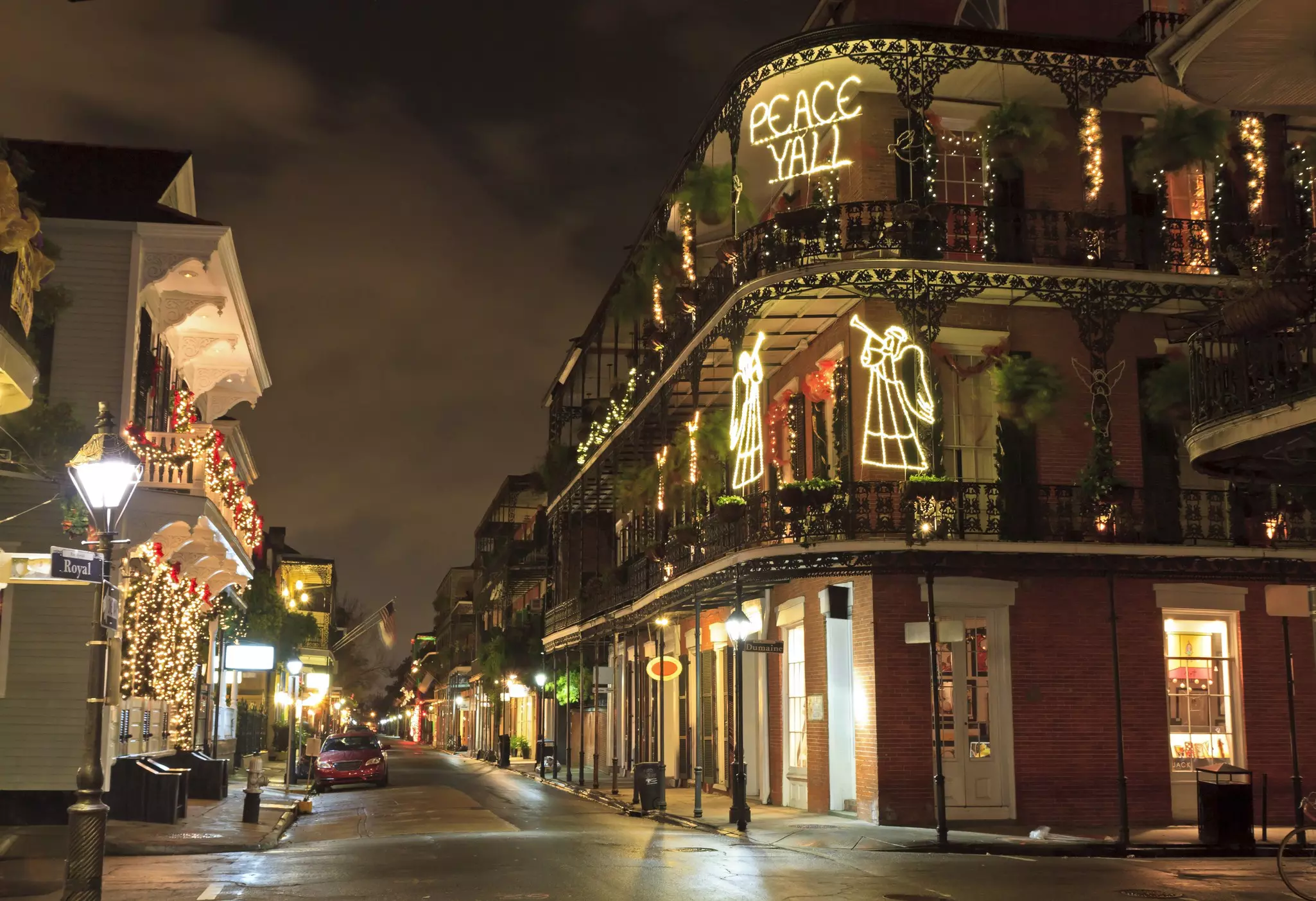
The French Quarter by night, New Orleans. AevanStock/Shutterstock
Contributors


Lonely Planet Editors, Adam Karlin
Highlights
Writer Adam Karlin maps New Orleans' seasons from Carnival to sweltering summer.
Visit January to May for Carnival parades, the free French Quarter Festival and Jazz Fest.
Summer brings lower prices, sweaty romance and Southern Decadence over Labor Day weekend.
Come October for Halloween ghost tours; November skips the heat, hurricanes and high prices.
Lonely Planet may earn a commission from affiliate links on our site. All recommendations and reviews reflect our own independent opinions.
When is the best time to visit New Orleans? Whenever you feel the need to add some fun and random, beautiful chaos to your life – because this city delivers good times on overdrive. Whether you’re drawn by the music, the history, the food or the warm Southern welcome, there are good reasons to visit the Big Easy any month of the year.
There are effectively two seasons in New Orleans: summer, which brings hot, humid weather but lower prices; and “not-summer,” with lovely days but higher rates for rooms and flights. Summer here lasts from May until October, though muggy weather can rear its head at any time of year – random 80°F (26°C) days in the middle of a 50°F (10°C) week in winter are definitely a thing. The second half of the summer season also overlaps with hurricane season, which has its own climatic footnotes (and occasionally devastating effects), even in years when big storms bypass the city.

The non-summer months from October to April typically include a surprisingly chilly winter in the middle, bracketed by a gorgeous, roughly 2-month-long spring at one end, and at the other a fall that lasts maybe 3 days (we’re exaggerating...but only just).
But the best time to visit New Orleans is not just a question of climate. There are other major considerations when planning your visit. Which festivals are happening? Will there be a rush for flights and accommodation, and how many opportunities will there be for overindulgence? For any of the city’s big festivals, count on booking flights and accommodation months in advance, and try to stay somewhere within walking distance of the celebrations to avoid hassles with parking.
Whether you come in spring for Carnival and Jazz Fest, in fall for Halloween, in winter for warm holiday cheer or in summer for the eclectic lineup of local festivals, here are the best times to visit New Orleans.
“It’s carnival tiiiiiime!” is the hook for Al Johnson’s masterpiece “Carnival Time,” recorded in 1960; more than 65 years later, it remains the definitive Mardi Gras banger. (OK, we concede it might share the title with Professor Longhair’s “Go To the Mardi Gras.”)
If you’re from outside Louisiana, you might think Mardi Gras is a 1-day party...and you’d be mistaken. While Mardi Gras (French for “Fat Tuesday”) is technically just the last Tuesday before Lent, it caps off an extended Carnival season, lasting from Twelfth Night/Feast of the Epiphany (January 6) until the day before Ash Wednesday.
Since the precise date depends on the Catholic liturgical calendar, Mardi Gras shifts from year to year, though it always falls in February or early March. (Look online for exact upcoming dates.) Expect frenzied demand for flights and accommodation, huge crowds in the French Quarter and beyond, and a desperate rush for parking spaces.
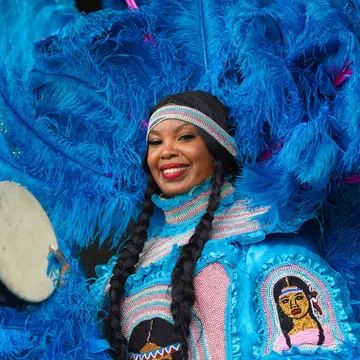
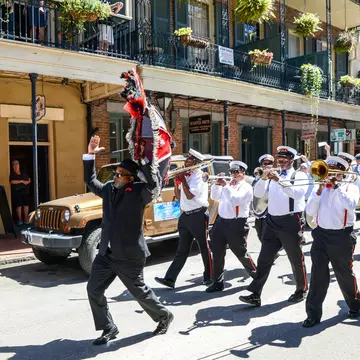
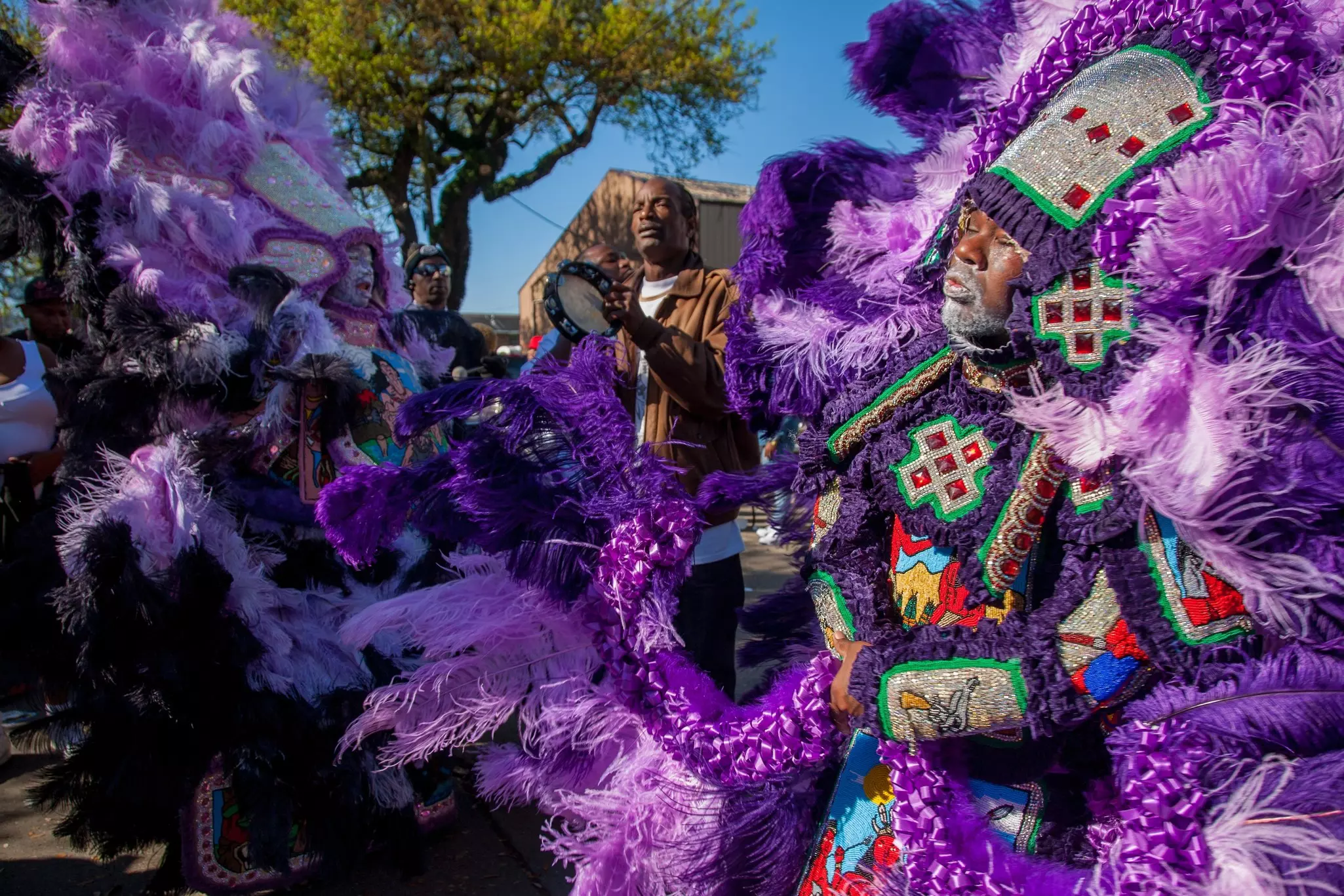
Locals know that the pre-Carnival season is almost as impressive as Carnival day itself, with vibrant parades by New Orleans “krewes.” It all begins with the streetcar procession of the Phunny Phorty Phellows, and then continues to grow in fever-dream intensity, with parades like the science fiction-themed Chewbacchus.
The excitement reaches a crescendo in the 5 days before Mardi Gras, when everything in the city shuts down; everyone throws on a costume; and the greater New Orleans metro area becomes an explosion of glitter, costuming and king cake, the city’s famous iced treat.
Suffice it to say that Carnival season is a ton of fun. If you’re coming from up north, the weather will almost certainly be warmer than back home – although be aware that southern Louisiana’s high humidity makes cool temperatures of 50°F (10°C) feel a lot more bitter than you’d expect. (Regardless of the temperature, there’ll be enough dancing in the street to keep everyone warm.) On the flip side, days hitting 70°F (21°C) or above are certainly not unknown.
Rates for everything, of course, are high – and you’ll want to make all your bookings for accommodation as well as dining months in advance.
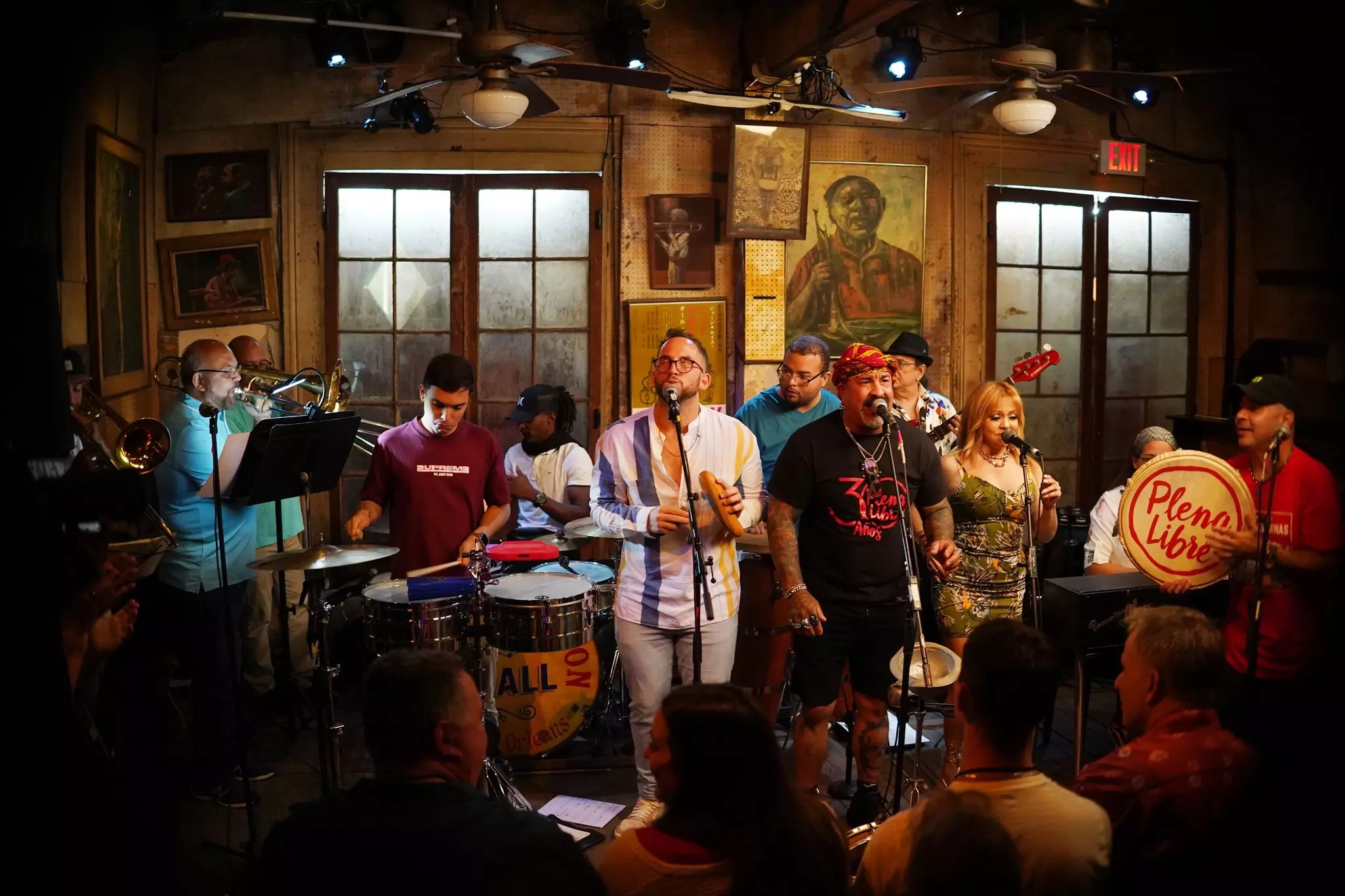
Lent begins the day after Mardi Gras – but that doesn’t mean that New Orleans gives up on big communal celebrations. Spring in the city heralds festival season, marked by several smaller parties and two big-name events: the French Quarter Festival (which is totally free), and the New Orleans Jazz & Heritage Festival – aka world-famous Jazz Fest.
The weather approaches chef’s-kiss perfection during this time. Louisiana spring is sort of like the golden days of early summer in many other parts of the country: warm, dry (at least compared to high summer) and ideal for exploring outdoors.
Are room rates high? Definitely – and anything that can be booked in advance should be. In return, you’re getting great weather and live music around the clock. In spring, the city is just in a good mood, full stop.
What’s more, on the last weekend of April, the city of Lafayette, 140 miles west of New Orleans, hosts the Festival International de Louisiane, a rollicking free festival that celebrates Francophone music and heritage. Expect music from as far away as West Africa, as well as homegrown Cajun and Zydeco tunes.
The summer slog of high heat and humidity arrives and settles in starting in mid-May, but prices don’t drop until after the Memorial Day weekend.
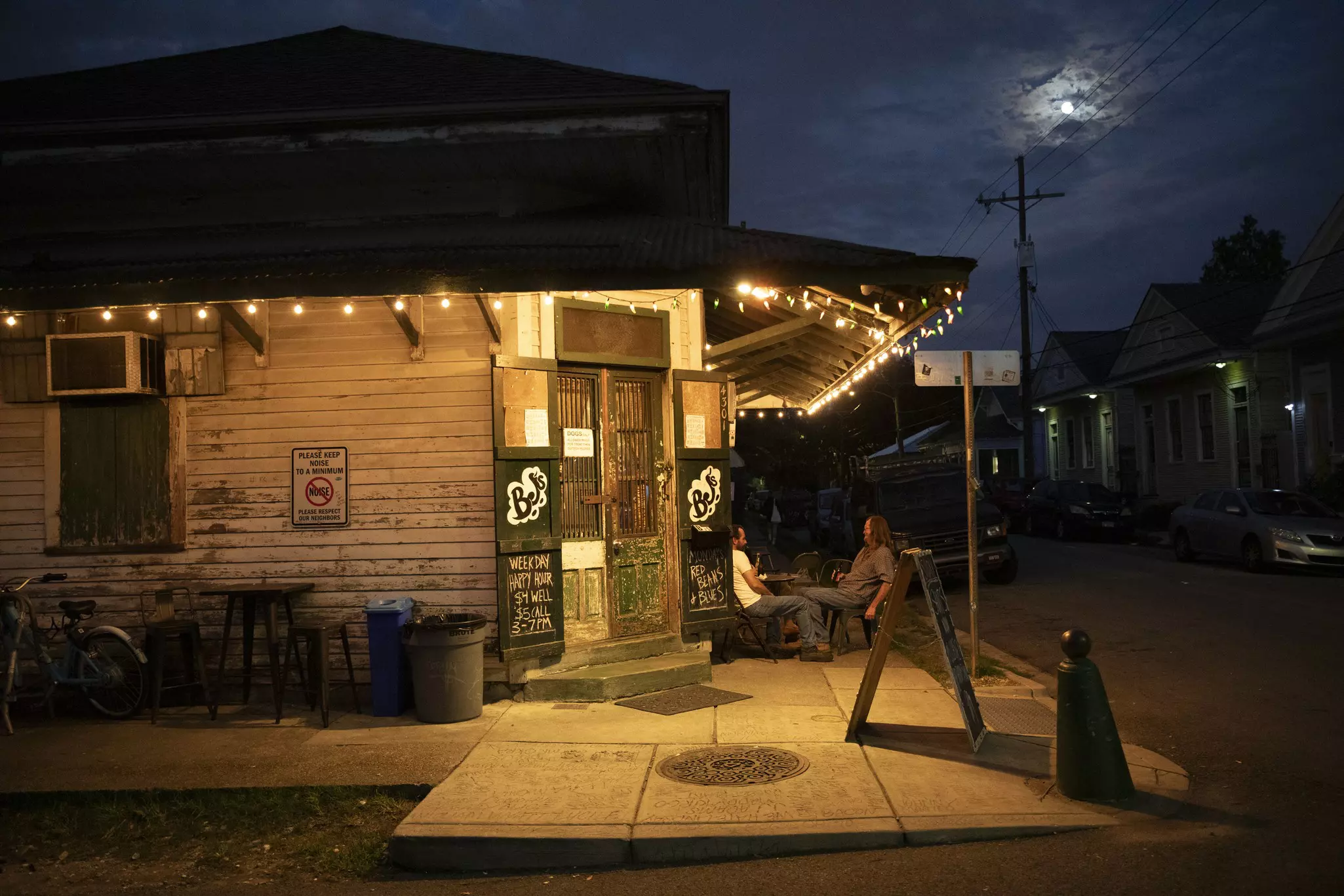
Let’s be frank: summer in New Orleans is interminably long and downright uncomfortable. Temperatures regularly climb above 90ºF (32°C), yet the unceasingly high humidity makes it feel like the mercury is really in the triple digits. Sometimes, it’s so stifling it can feel hard to breathe. And almost always, being outside for longer than 30 minutes means dealing with copious amounts of sweat.
Some relief comes in the unlikely form of thunderstorms, when the humidity swells and swells until it all gets swept away by a dramatic downpour. Even worse, summer is the start of hurricane season, with the peak hurricane window generally in August and September. While direct hits like Hurricane Katrina in 2005 are rare, most years see some extra-stormy weather in this window.
Why visit at this time? Because things are as cheap as New Orleans gets. Waitstaff and hospitality workers seem even friendlier – perhaps as a nod of respect to those who come here during the swelter. This is also the moment for lavish, art-gallery-centered parties like the tony White Linen Night and the earthier Dirty Linen Night.
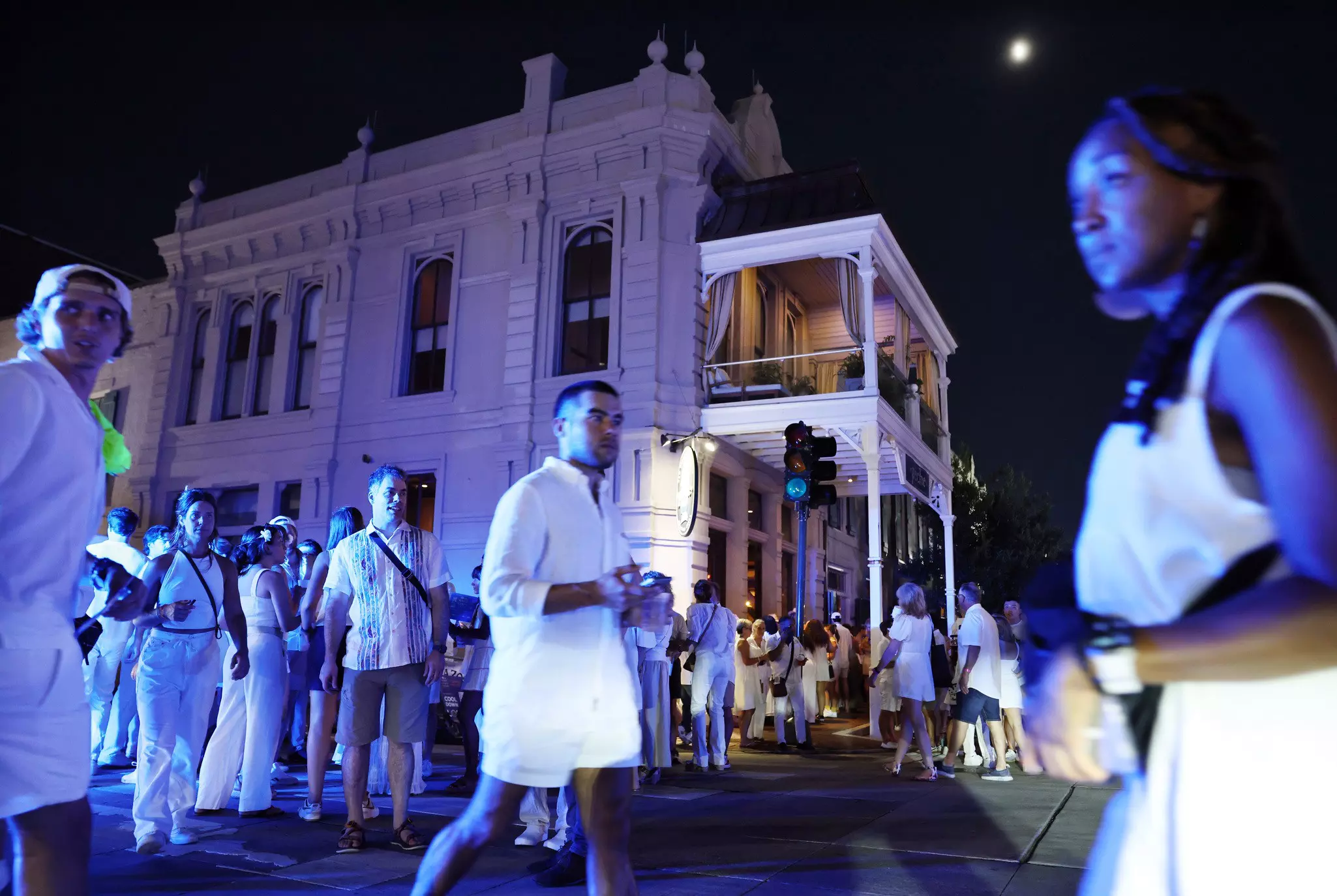
Other fun offseason traditions include the New Orleans Running of the Bulls (featuring roller derby skaters), the Essence Music Festival and Satchmo Summerfest. Showcasing New Orleans’ inclusive and fun-loving spirit, Southern Decadence – the city’s most energetic LGBTQ+ festival – takes place over Labor Day weekend.
During the steamy summer, you’re a lot likelier to rub shoulders with locals at a show – and you can look forward to a vibe of sweaty romance in the air on those long, sticky summer nights. Come September, New Orleans usually experiences a “false fall” (we call it...“fallse”), when temperatures dip to 70°F (21°C)...before the heat comes raging back for a few more weeks.
While Louisiana locals start gearing up for fall by late September, the heat can still regularly top 100ºF (38°C). By October, the hellish heat gets broken up by cooler days, when the temperature dips to a mere 80ºF (26°C). It’s not unusual for the A/C to stay on as Halloween rolls around, although sometimes spooky season gets noticeably cooler.
Whatever the temperature, thanks largely to Anne Rice’s vampire novels and their big and small screen spin-offs, Halloween is a whole lot of fun in New Orleans, a time when locals throw themselves into costuming and silliness after the long, hot summer. This is a great time for ghost tours and guided tours of the city’s famous St Louis Cemetery No 1.
Rates go up over the Halloween weekend but drop again in November – a generally quiet month and an excellent time for exploring the city free of the trifecta of heat, hurricane warnings and high prices. Indeed, if you’re after a (relatively) calm New Orleans experience of strolling and admiring historical buildings, November is hard to beat.
Christmas is also big in New Orleans, and while daytime highs often top 70ºF (21°C), there are days that fall below 50ºF (10°C), which feels extra cold in the humid air. While room rates climb back up in anticipation of Carnival season, this is more or less a shoulder window with the bonus of sincere family cheer.
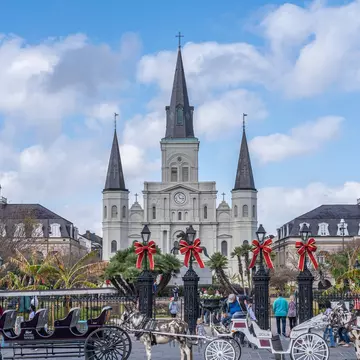
December in New Orleans is all about holiday parties and seasonal celebrations – don't miss the illuminations that fill City Park for Celebration in the Oaks, and the city’s spirited celebrations for New Year’s Eve, centered on the Fleur de Lis drop in Jackson Square and fireworks along the Mississippi River.
Book your United States trip with Lonely Planet Journeys
See United States how it's meant to be seen
Accommodations, activities and ground transportation all taken care of, so you can focus on the fun part. Tell us what your dream trip to United States looks like, and our local experts will build it from scratch. Or start with one of our itineraries and make it your own.

Explore related stories