May 22, 20268 min read
10 Epic Outdoor Adventures in Saudi ArabiaMar 31, 2026
11 MIN READ

Writer
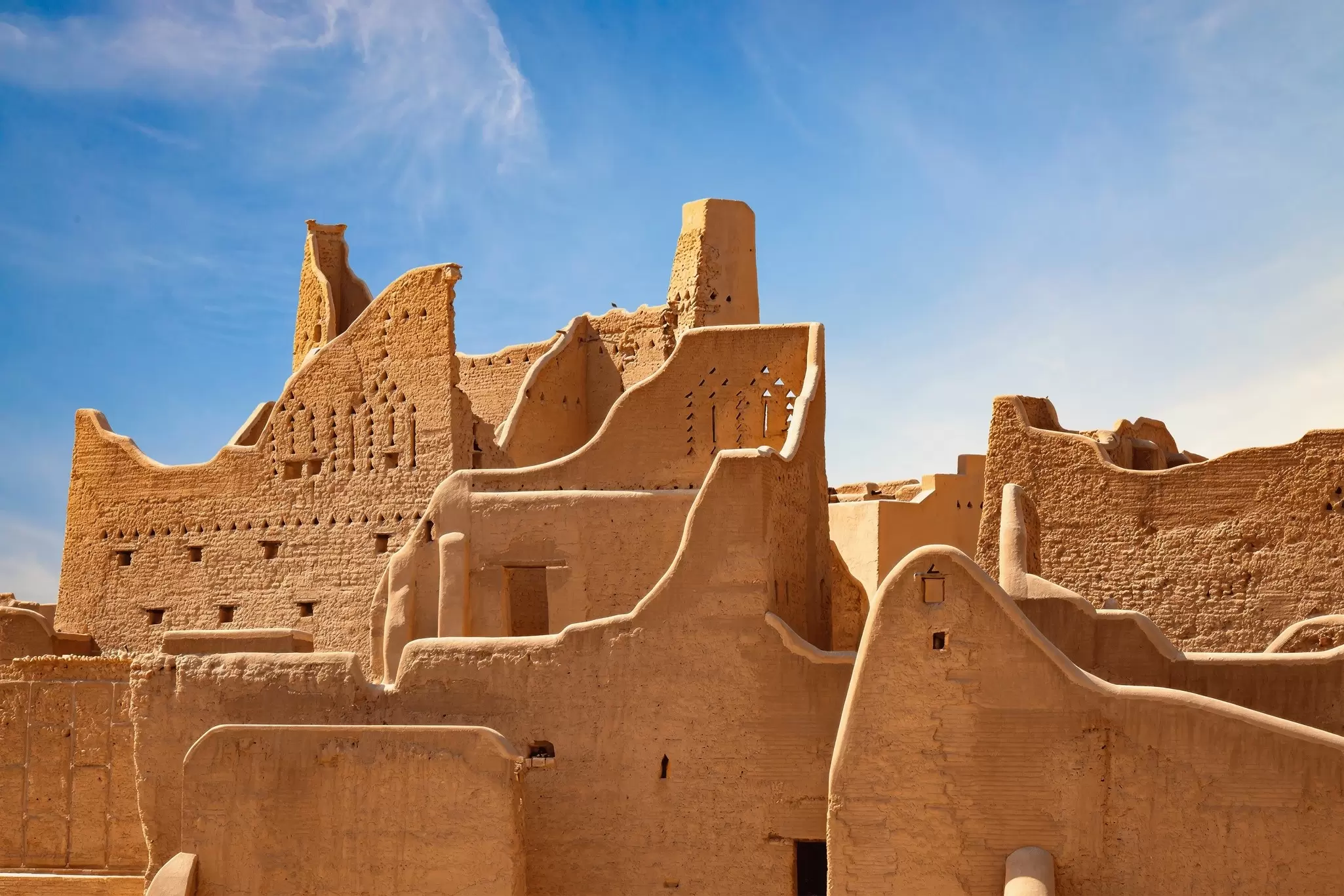
Diriyah, Saudi Arabia. Jimmy Designer/Shutterstock
Writer
Lonely Planet may earn a commission from affiliate links on our site. All recommendations and reviews reflect our own independent opinions.
A visit to Saudi Arabia will surprise you in every way. It’s a chance to see one of the final frontiers of tourism transforming before your very eyes. This country, the largest in the Middle East, is the size of Western Europe, with a staggering diversity of landscapes – yes, there’s much more than deserts! – and tons of sights and activities for travelers interested in culture, history, art and the outdoors.
Until 2019, Saudi Arabia was one of the hardest countries in the world to visit as a tourist, but then Saudi Arabia launched its first-ever tourist visa, making it possible for casual, non-religious visitors to enter the country for the first time in modern history.
This means you can gaze on ancient sights like the Nabataean tombs of Hegra and Jeddah's atmospheric old town, and visit skyscraper-crowned modern cities and cutting-edge theme parks, as well as some of Islam's most sacred sites.
Saudi Arabia still feels like an enigma to many travelers, but the country has been on a building spree, opening attractions, hotels and even entirely new cities in the hopes of drawing in more visitors. If this has piqued your interest in visiting a country at the frontier of travel, here are the best things to do in Saudi Arabia.
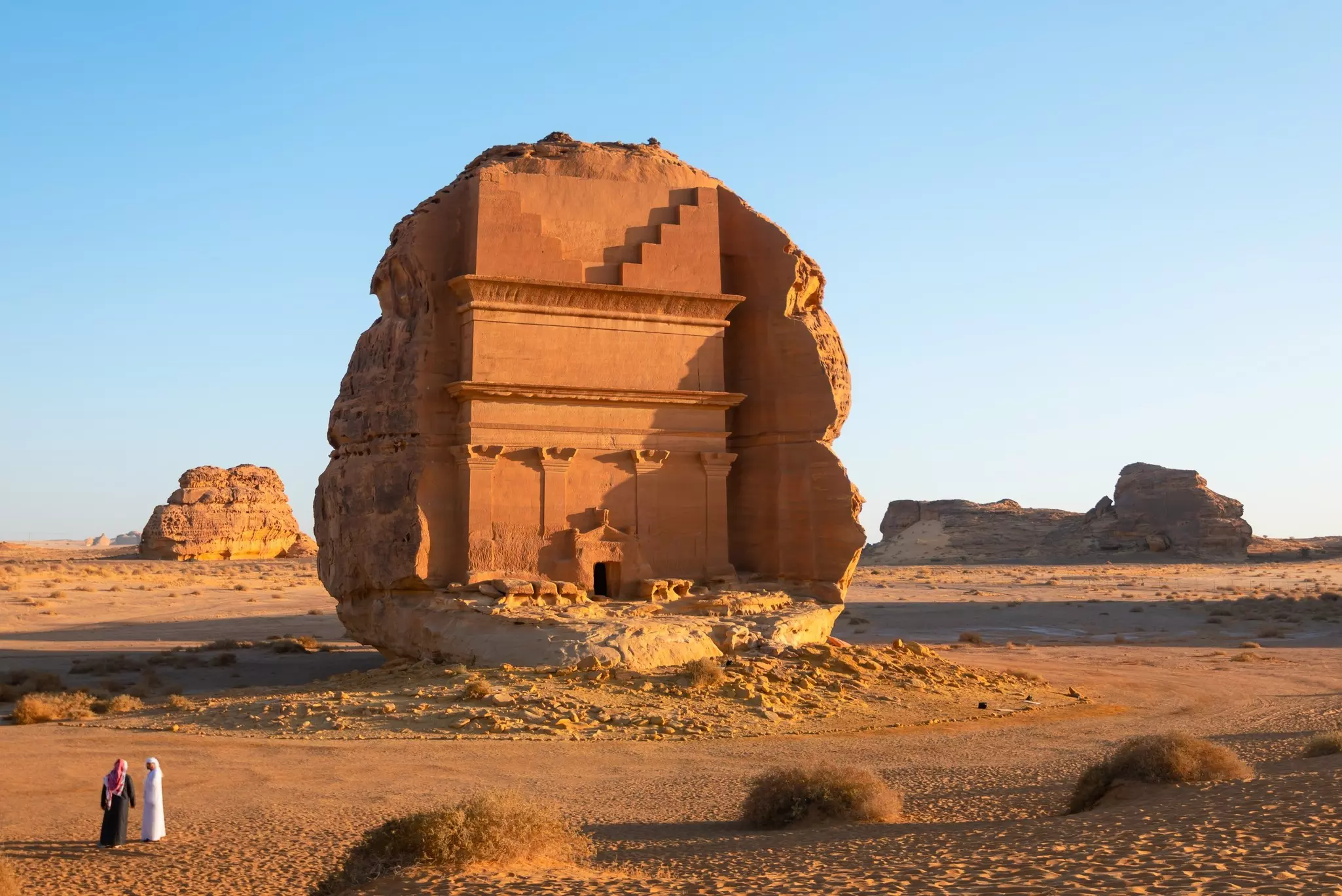
The merchants and master engineers of the ancient Nabataean civilization created Petra in Jordan, and their stunning "second city" of Hegra (Madain Saleh), close to AlUla in the north of Saudi Arabia, is like Petra without the crowds and chaos. The kingdom's most remarkable ancient site has been sitting in the desert for 2000 years, and visiting requires signing up for an organized tour.
Both Petra and Hegra – Saudi Arabia’s first UNESCO-listed site – were major commercial cities along the Greco-Roman "Incense Route," but it’s the site's 100-plus tombs that grab the attention. These enigmatic rock-cut mausoleums combine elements of Graeco-Roman architecture with Nabataean and Egyptian imagery. The poster child for Saudi’s tourism drive is the Tomb of Lihyan, Son of Kuza, carved from a free-standing 23m-tall rock monolith in an isolated location that amplifies its beauty.
Planning tip: One of the only ways to see Hegra under your own steam is to stay at the luxe Chedi Hegra, where hotel rooms have been inserted into a former station of the Ottoman-era Hejaz railway. A perk for guests is access to a bicycle and a "secret" back door (originally slated to be the main entrance) into the Hegra site.
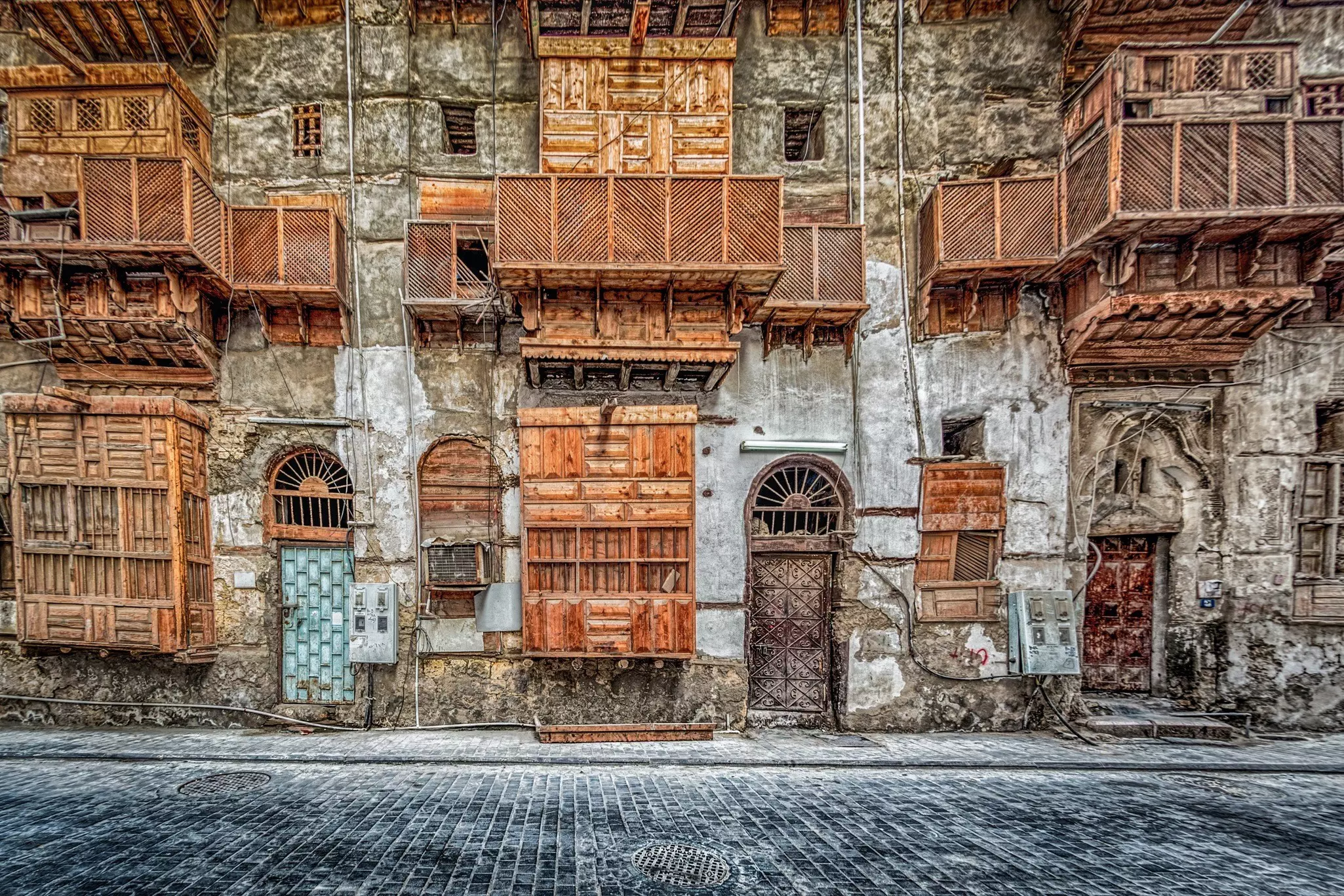
The past and present mingle beautifully in the seaside city of Jeddah, especially in Al Balad, the city’s historic old town – one of the most fascinating neighborhoods in the entire Middle East. Crumbling centuries-old buildings constructed of Red Sea coral and limestone line the narrow, winding streets, their windows covered with brightly painted teak rawasheen (wooden lattice screens), designed so that the women of the house could look outside without being seen.
Originally settled in the 7th century CE, this neighborhood was once the heart of Jeddah, but families started moving out in the 1960s as the city expanded and grew more prosperous, leaving the old buildings at the mercy of the elements. Today, Al Balad is catching the attention of a new generation of Saudis, who are bringing its neglected buildings back from the brink.
The Red Sea Museum opened in December 2025; fittingly, it is set inside the Bab Al Bunt building, built in 1866 as part of the port that welcomed Muslim pilgrims arriving by sea. Visitors can poke around stuck-in-time historical houses that look like their residents left all their possessions in place. When you need refreshment, head to a rooftop cafe, like the one at Beit Al Sharbatly.
Al Balad makes a scenic backdrop for some popular festivals and events, including Balad Al Fann (“Town of Art” in Arabic), an annual arts festival that sees contemporary installations take over the neighborhood from April to June. During January’s 2-day Balad Beast, EDM, hip-hop and Arab fusion artists perform on four stages across the district.
Planning tip: The holy month of Ramadan brings a particularly magical vibe to Al Balad; after the day's final call to prayer, Jeddawis flock to the area to shop, hang out at cafes and snack on treats from dozens of street food stalls that set up across the district, staying open till 3am or later.
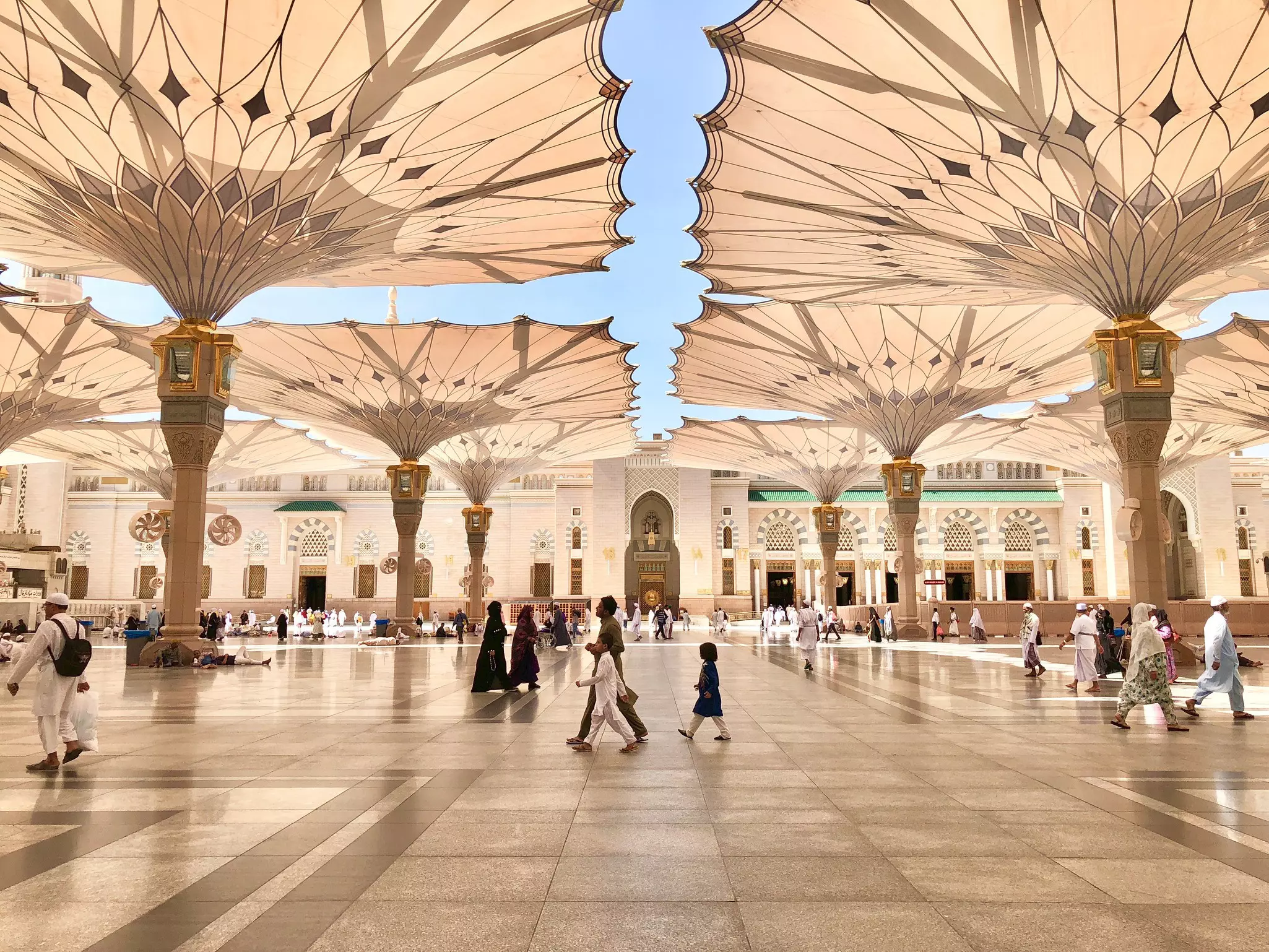
As the birthplace of the Prophet Muhammad, Saudi Arabia is the spiritual home of Islam. For Muslims, the cities of Mecca and Medina, rich in religious significance, have no equal. Millions of pilgrims travel to these holy cities every year to perform the hajj and umrah pilgrimages, the focus of which is the Masjid Al Haram, the world’s largest mosque, in Mecca.
It's here that you'll find the revered Kaaba, a stone structure covered in the sacred kiswah, a black and gold cloth. This ancient shrine is attributed to the Prophet Ibrahim and his son Ismail, and Muslims circumnavigate it night and day in a ritual known as tawaf. Non-Muslims are forbidden from entering Mecca, so only followers of the faith can view Islam's most sacred site.
However, restrictions loosened on visiting Medina in 2023, though some areas remain off-limits. At the city’s heart stands the Prophet's Mosque; only Muslims can enter the mosque courtyard, but it’s a sight to behold, no matter how close you can get. A 20-minute walk to the southwest is the historic Al Mughaisilah district, filled with restaurants, cafes and even a couple of small guesthouses set inside buildings made of dark basalt stones.
Planning tip: The best way to reach Medina and Mecca is on the Haramain train from Jeddah, the Middle East’s only (so far) high-speed rail service. It takes a little under 2 hours to travel from Jeddah to Medina and about 30 minutes to travel from Jeddah to Mecca.
A brand new city is emerging from the desert to the southwest of Riyadh, Saudi's expanding capital city. One of Saudi Arabia’s “giga projects,” so named because of their vast scope and hefty price tag, Qiddiya City bills itself as the world's first city dedicated to play. Although much of the area is still a construction site, a few attractions are now welcoming visitors.
Opened on New Year’s Eve in 2025, Six Flags Qiddiya City is the brand's first park outside of North America, with 28 rides set across six themed zones. The most insane ride of the bunch is Falcons Flight, the world's tallest (163m), fastest (240km/h) and longest (4.25km) roller coaster, which plunges riders off a sheer vertical cliffside as it zooms around the whole park.
Four other rides are also record-breakers, but if that’s not quite your speed, 18 of the rides are suitable for all ages and adrenaline levels.
Planning tip: A new Riyadh Metro line is set to head to Qiddiya City, but until it opens, you can get off at the Metro’s Jeddah Road station, where free shuttle buses for Six Flags ticketholders depart from 3pm to 7pm and return from 7:30pm to 11pm.
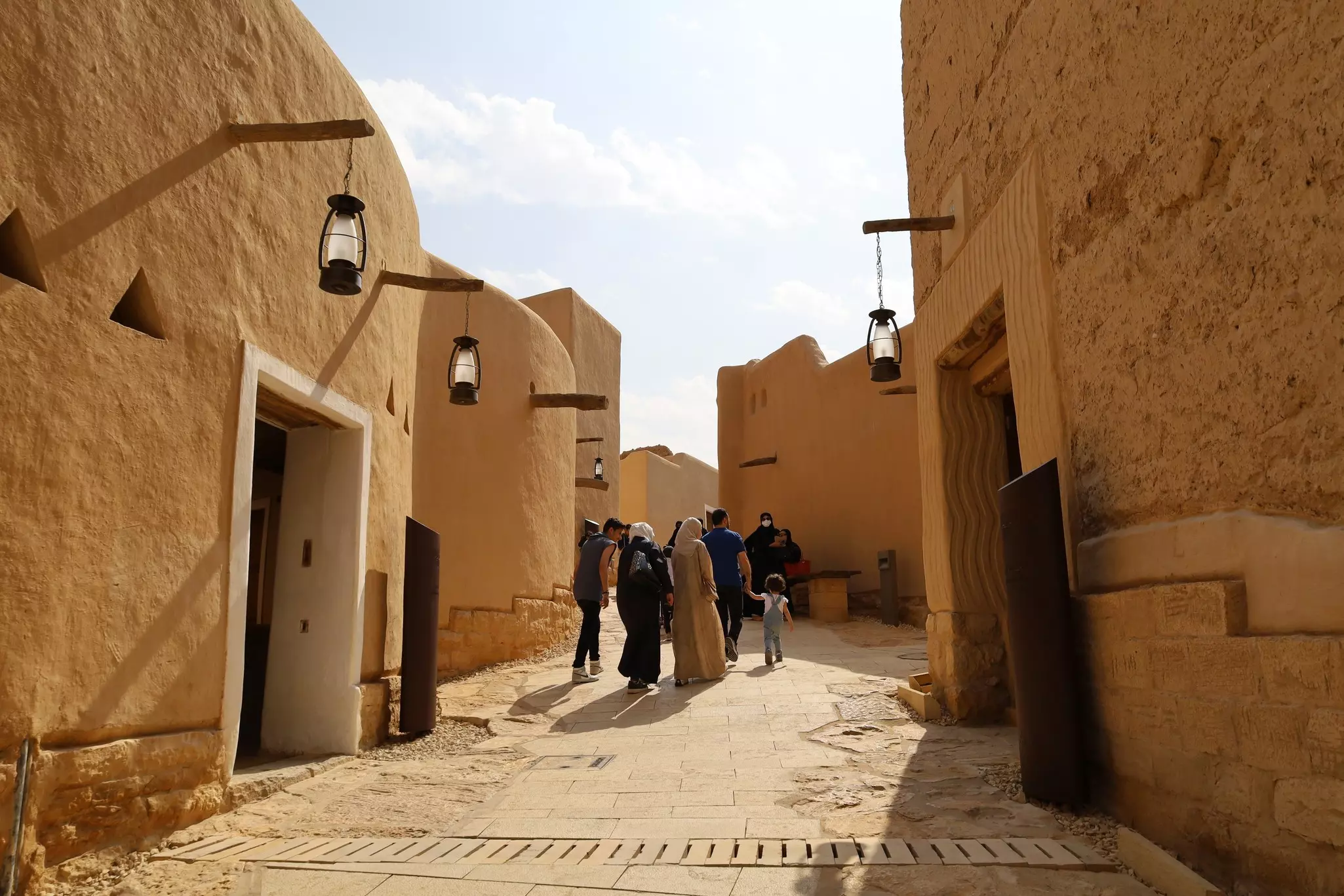
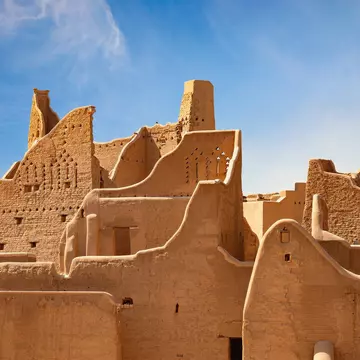
Most buildings in Riyadh are of the glass-and-steel variety, but history is what looms large in the mud-brick district of Diriyah, on its western side. As the ancestral home of the ruling Al Saud family, the dynasty that gave Saudi Arabia its name, Diriyah holds great political and historical significance as the birthplace of the Saudi state.
After the Ottomans sacked the city in 1818, it lay abandoned for more than 180 years, before restorers arrived to transform the ruins into a tourist attraction. At its heart is At Turaif, one of the largest collections of mud-brick buildings in the world, now home to a clutch of museums that dive into the site’s history as well as Saudi culture.
But Diriyah isn’t stuck in the past – elsewhere in the district, the mind-expanding Diriyah Art Futures is a center for new media art, with edgy, forward-looking exhibitions, while the up-and-coming Jax District is transforming industrial warehouses into dozens of art galleries and cool cultural spaces, including SAMoCA, Saudi Arabia’s first contemporary art museum.
Don’t miss a visit to Beast House. By day, it’s a coworking space, recording studio and restaurant, but after dark, it morphs into a nightclub and cultural zone with an eclectic events program that includes DJ sessions, poetry supper clubs, Saturday brunches and perfume-making workshops.
Planning tip: Book in advance to stay the night at Bab Samhan, Diriyah’s first hotel, a stunning modern heritage-style property built in the traditional mud-brick, maze-like architectural style of the Najd region.
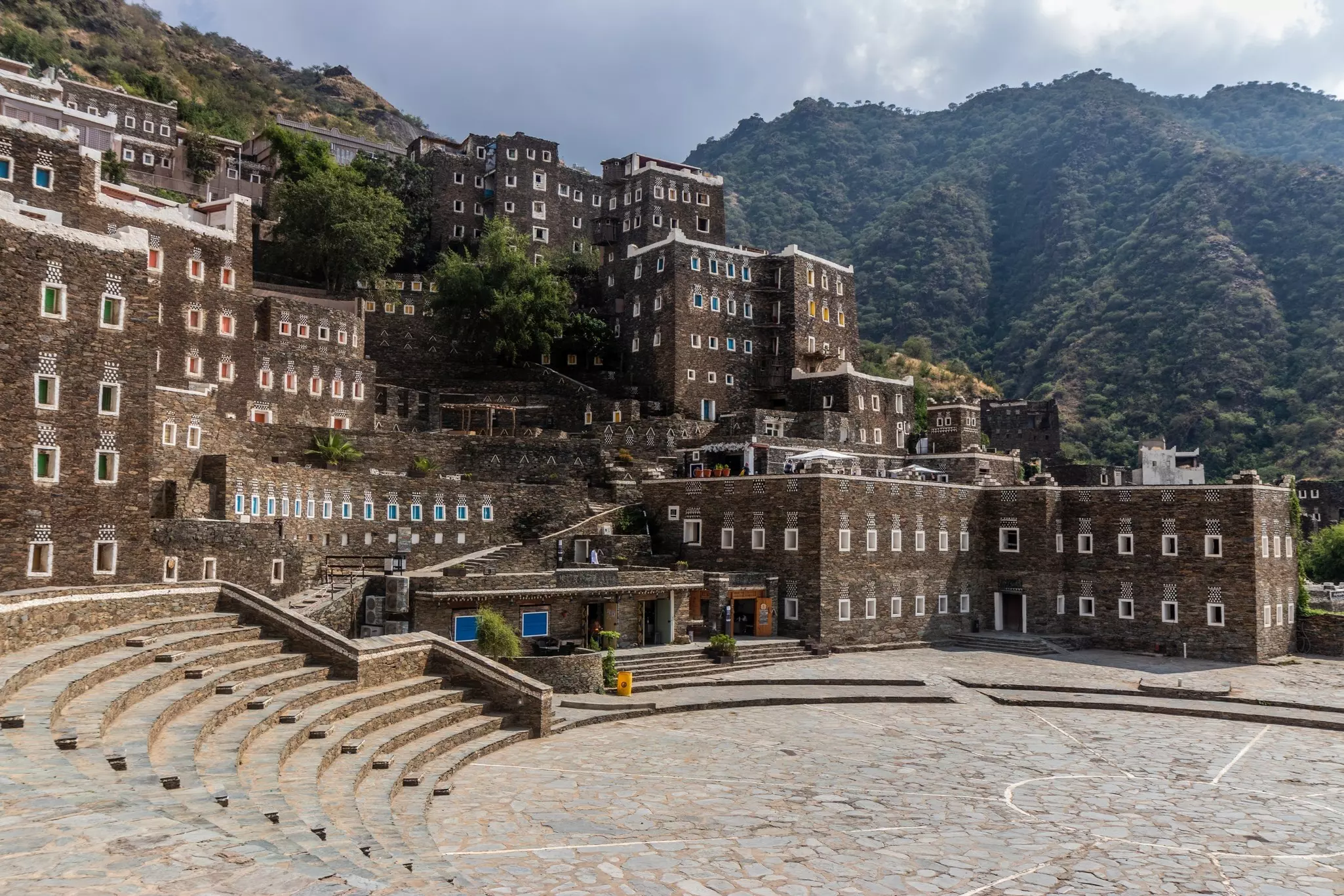
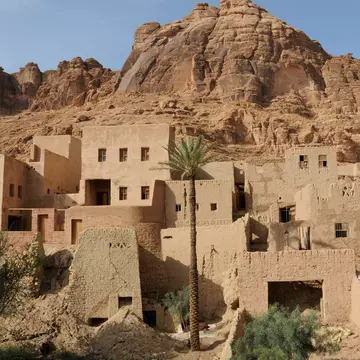
In southern Saudi Arabia, clouds of fog obscure mountain peaks in a cloak of mist, hiding restored heritage villages and colorful culture that has so far been witnessed by few foreigners. Here, jagged slopes are dotted with juniper trees and etched with steeply curving roads monitored by mischievous baboons. This is a place travelers rarely hear about, and its green landscapes are the polar opposite of what most people imagine when they think of Saudi Arabia.
In a valley shadowed by Saudi Arabia’s tallest mountain, 3015m-high Jabal Soudah, the picture-perfect stone village of Rijal Almaa captures local heritage in a bite-sized package. Cafes cascade down a terrace overlooking the village plaza, anchored by a modern visitor center. Many village residents still wear traditional clothing, which for men includes flower crowns made of marigold, jasmine and basil, and a sarong-like wrap belted with a dagger.
Detour: Southern Saudi Arabia is home to about 4000 heritage villages, some still lived in, some abandoned and left to the elements, and some restored. As well as Rijal Almaa, other villages worth seeking out include Thee Ain, Al Yanfa and Al Habala.
Set in the mountains some 1880m above sea level, Taif is known as the “City of Roses” because its temperate climate provides ideal growing conditions for fragrant Damask roses. When these oil-rich flowers bloom in April, farmers pick them by hand at dawn and take them to local factories, where the blossoms are mixed with water and distilled into rosewater and attar (perfume) in copper vats.
Much sought after by the likes of Chanel and Hèrmes, rose oil from Taif is so precious that the outer walls of the Kaaba in Mecca are cleaned with it. Local factories welcome visitors to watch the extraction process; roses typically bloom from mid-March through till April.
Planning tip: The city doesn’t have a huge amount to do outside of the rose harvest season, but it’s famous for the huge clouds of fog that roll in over the mountains and irrigate the rose bushes. Watch the spectacle from Ash Shafa, one of the tallest mountains in the region, about 30km southwest of Taif. A paved road encircles its summit, and it’s lined with coffee shops and food trucks. The glass-floored viewing platform at Breezes Cafe is one of the best viewpoints.
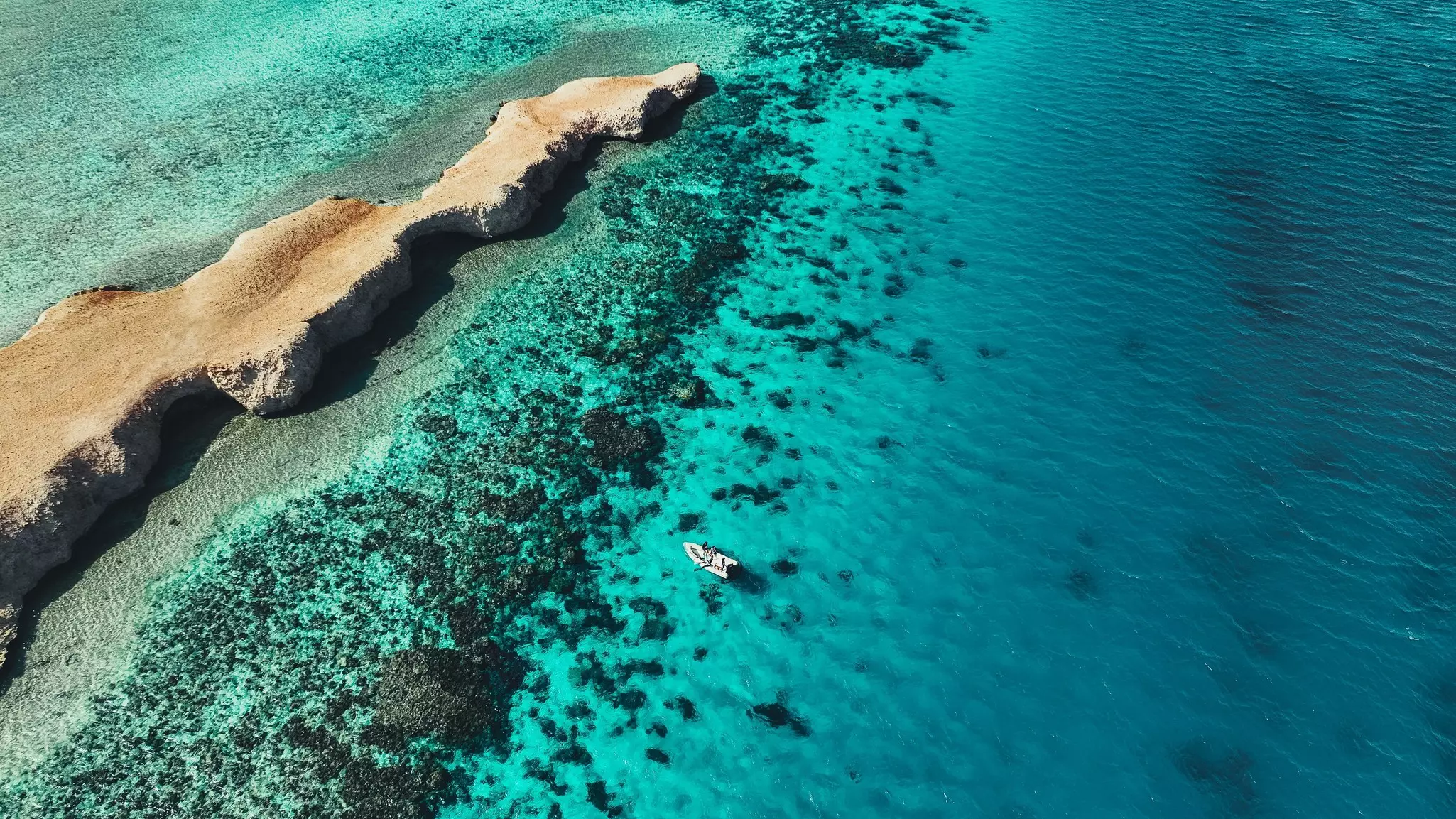
Tracing Saudi Arabia's western shore, the Red Sea is one of the world's most biodiverse bodies of water, and fish found nowhere else in the world dart around its striking coral reefs. The kingdom is unveiling a brand new way to experience the Red Sea’s magic that also cranks luxury up to the next level, with some resorts reachable only by seaplane or speedboat.
Strung out atop the water like a pearl necklace, the futuristic pod rooms at Shebara Resort are set some 19km off the coast on their own island, while St Regis Red Sea Resort and Nujuma, a Ritz-Carlton Reserve are a stunning duo of secluded properties on neighboring islands with lavish beachfront suites, as well as Maldives-style overwater villas with private pools, floor-to-ceiling windows and steps that lead directly into the sea.
The sands of the Red Sea lie not just on the beach but also in the surrounding desert. Slightly inland from the water is Desert Rock Resort, where rooms seem to defy gravity, cut into caves, inserted into cliff crevices or seemingly dangling from the peaks. Every spot on the property is oriented for the best views, whether you’re lounging at the pool in the valley or trekking to the mountain-top sundowner spot called the Observatory, reached via a cable suspension bridge and 622 steps.
Planning tip: The Red Sea is the perfect place for lazy vacation days, but you’ll definitely want to scrape yourself off the sunlounger to go scuba diving or snorkeling. You can also try kayaking, sailing and even electric-powered surfboards, seabobs and water scooters, in line with the Red Sea’s environmental ethos. Adrena, opened in March 2026, is a one-of-a-kind adventure hub, where you can surf the largest saltwater pool in Saudi Arabia, go wakeboarding using a suspended cable system or stumble through an inflatable obstacle course.
Explore related stories