May 22, 20268 min read
10 Epic Outdoor Adventures in Saudi ArabiaApr 2, 2026
9 MIN READ

Writer
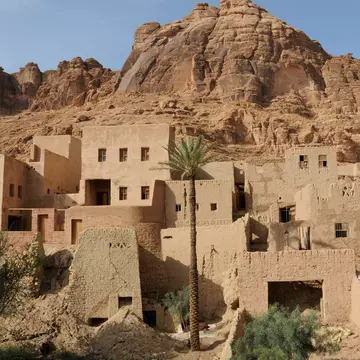
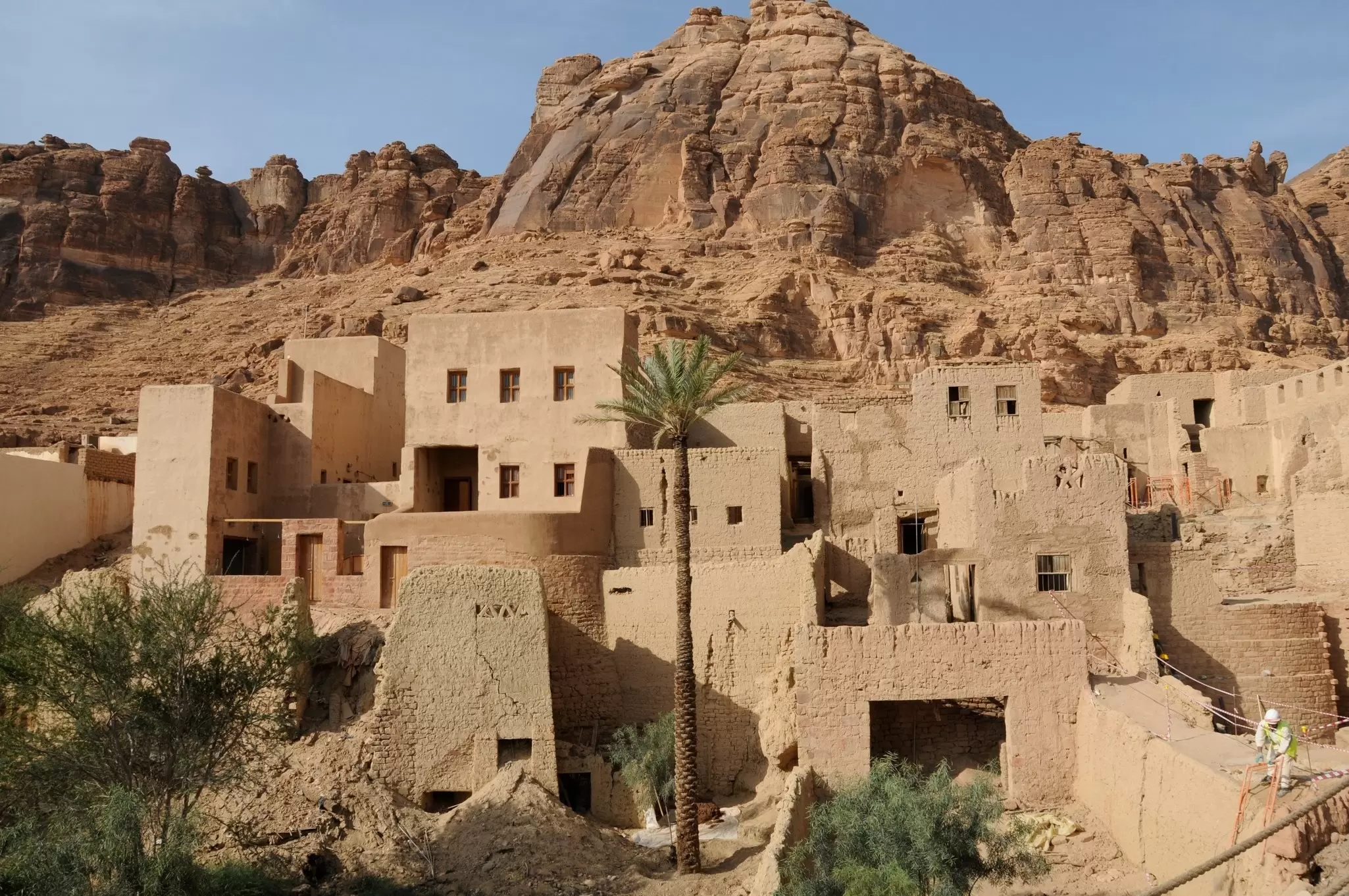
The Old Town of AlUla in Saudi Arabia. Andrzej Lisowski Travel/Shutterstock
Writer
Lonely Planet may earn a commission from affiliate links on our site. All recommendations and reviews reflect our own independent opinions.
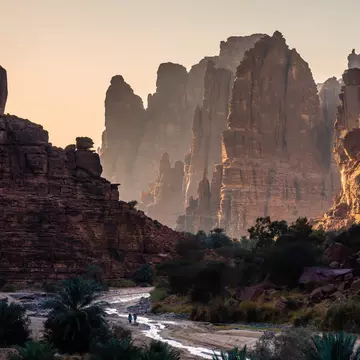
So many cities in the Middle East show off their glass-and-steel visions of the future, but magical AlUla leads travelers in the footsteps of the ancients instead. This historic oasis town in northwestern Saudi Arabia appears like a mirage, a spectacular palm-filled valley hemmed in by honeycombed sandstone cliffs. The tallest buildings here rise only a few stories, putting the focus squarely on the stunning landscape that feels like a vision of ancient Arabia.
AlUla’s biggest draw is Hegra, the second city of the Nabataean civilization, which also built Petra in modern-day Jordan. The valleys between the soaring sandstone are home to more than 100 monumental tombs cut straight into the rock face, with many facades in even better condition than its twin city to the north.
AlUla was the original focus of Saudi Arabia’s tourism drive, so the region is well set up for visitors, and it’s worth lingering as long as possible. Figure out how with this guide to when to go, what to see and how to get around AlUla.
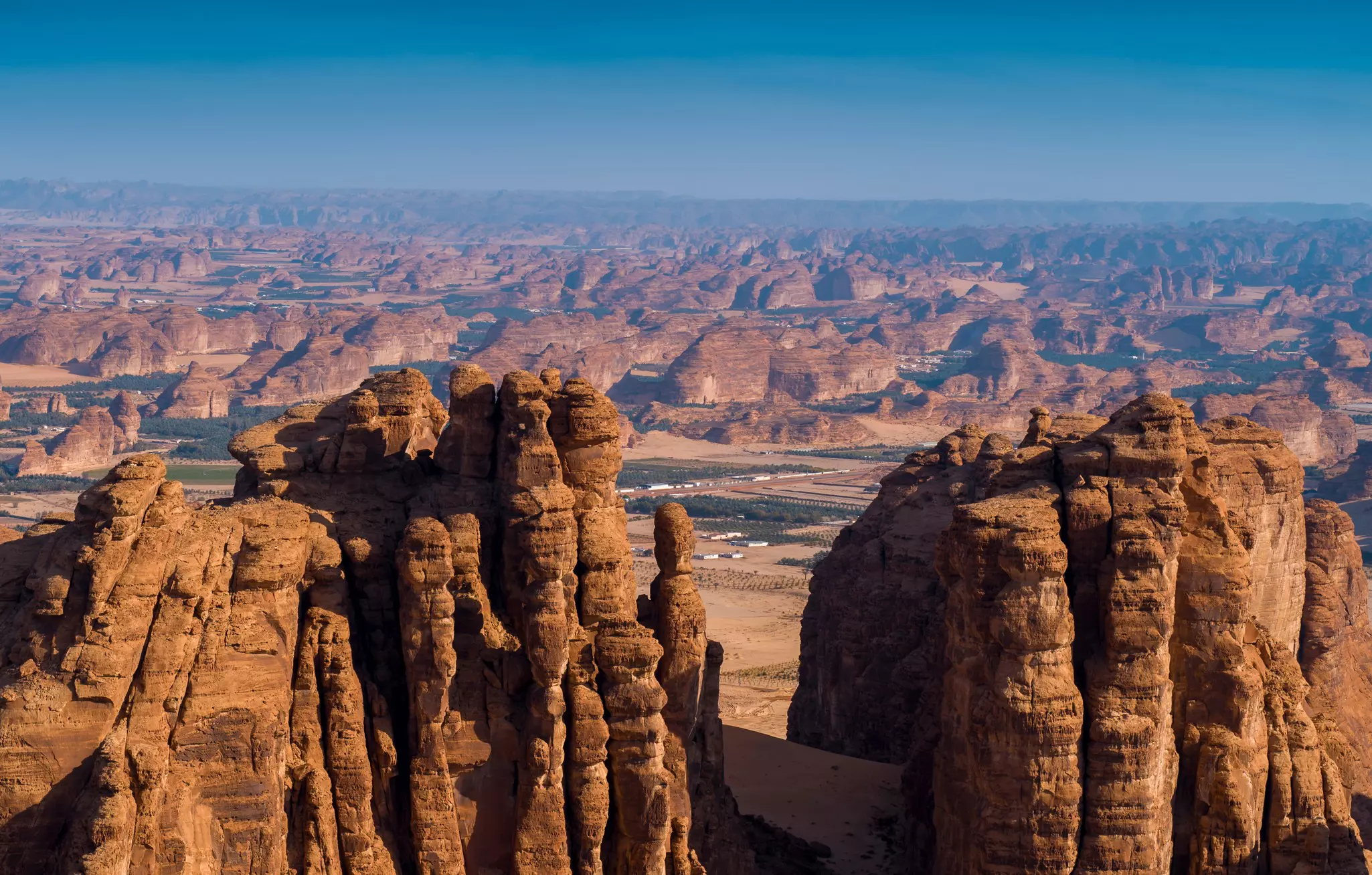
AlUla is an outdoor-focused destination. Almost all of the attractions are in nature, and many restaurants have little indoor seating, so timing your trip right is important.
Winter (November to March) is the best – and busiest – time to visit AlUla. Daytime temperatures are balmy and perfect for exploring the desert setting, with average highs at a comfortable 21–30°C (70–85°F). Nights feel chillier than you might expect, with lows down to 10°C (50°F), so bring a jacket and warmer shoes that aren’t sandals. Most festivals take place during the winter.
Spring and fall are also popular times to visit, but some days can be too hot to fully enjoy AlUla’s outdoor activities. Summer is a challenging time for all but the hardiest desert dwellers, with temperatures climbing to average highs of 43°C (110°F) in August. Some sights and accommodations close in summer or reduce their prices significantly, making it a good time for budget travelers who can handle the heat.
AlUla is a great destination if you’re visiting Saudi Arabia during Ramadan. Muslims fast from sunrise to sunset during the holy month, so many restaurants across the country stay closed until dusk. That’s less the case in this tourism-focused region, so it’s not as challenging for non-Muslims to find a midday meal.
Save room in your schedule for at least 2 full days in AlUla, not including the days you arrive and depart. Most of the first day should be dedicated to Hegra, and the second day can easily be given over to art, history or the outdoors, depending on your interests. But AlUla isn’t a place to rush. The hip resorts, such as Habitas and Banyan Tree, have enough to keep you occupied for an additional day, with scenically set pools, art installations and great restaurants.
AlUla International Airport has daily connections to Riyadh and Jeddah, as well as international links to Dubai and Doha (and Amman, in winter only). If you’re visiting the Red Sea, you can arrange a car transfer from AlUla that includes scenic stops for storytelling or an e-bike ride to stretch your legs.
AlUla is a small town, and most of its attractions are in the surrounding region, so it's best to get around by car. Fortunately, AlUla is one of the calmer places to drive in Saudi Arabia, with ample parking at attractions outside of the Old Town. Rideshare apps like Uber work but often have long wait times. A local ridesharing app called Darb Al-Ula pairs you with other travelers and might get you around more quickly.
A battery-powered tram is expected to open in 2027, and its 17 stations will connect all of AlUla's major sights, including the Old Town, Dadan, Jabal Ikmah and Hegra.
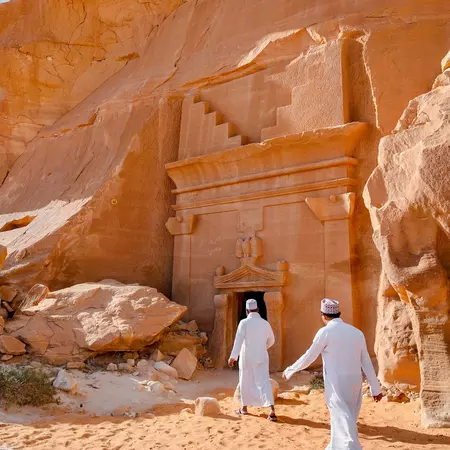
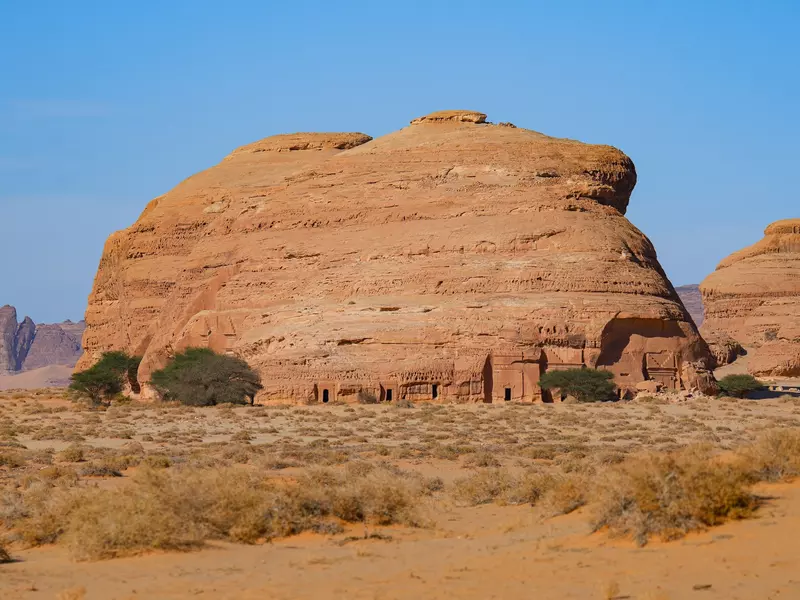
Even though it’s sometimes called the other Petra, there’s nothing second-rate about Hegra, the second city of the ancient Nabataeans, famed for their sandstone-cut tombs. Lesser known but just as – or perhaps even more – impressive, the tombs at Hegra are wonderfully preserved and see just a fraction of the visitors compared to its neighbor to the north.
Guided tours have four stops, including the Diwan at Jabal Ithlib, a huge rock-cut hall with wide rock benches, where high-ranking leaders sat to feast and listen to music, and Jabal Al Banat, a cluster of 29 tombs made for or commissioned by women. The star of the show is the 23m-tall Tomb of Lihyan, Son of Kuza, carved into a massive rock monolith in an isolated location that emphasizes its grandeur.
Hegra is far more than history, and visitors can embark on a wildlife safari in a fenced-in nature reserve that’s been repopulated with ibex, sand gazelles, mountain gazelles, oryx and ostriches.
The Nabataeans, who flourished in this region from the 4th century BCE until 106 CE, when it was annexed by the Roman Empire, were hardly the first civilization to call this region home. That’s evidenced by a separate set of tombs carved into the cliffs at Dadan, which includes the incredible 6th-century BCE Lion Tomb, so named for the stone guardians that stand sentinel above.
The Dadan visitors center displays a collection of artifacts excavated from the site, including striking humanlike statues and tons of incense burners. Walking into the valley below Jabal Ikmah, a short distance away, feels like stepping into an ancient library. The rock walls are filled with hundreds of petroglyphs, offering sacrifices and prayers to the gods. Look for the carvings of donkeys, which were domesticated before camels, and depictions of musical instruments like harps.
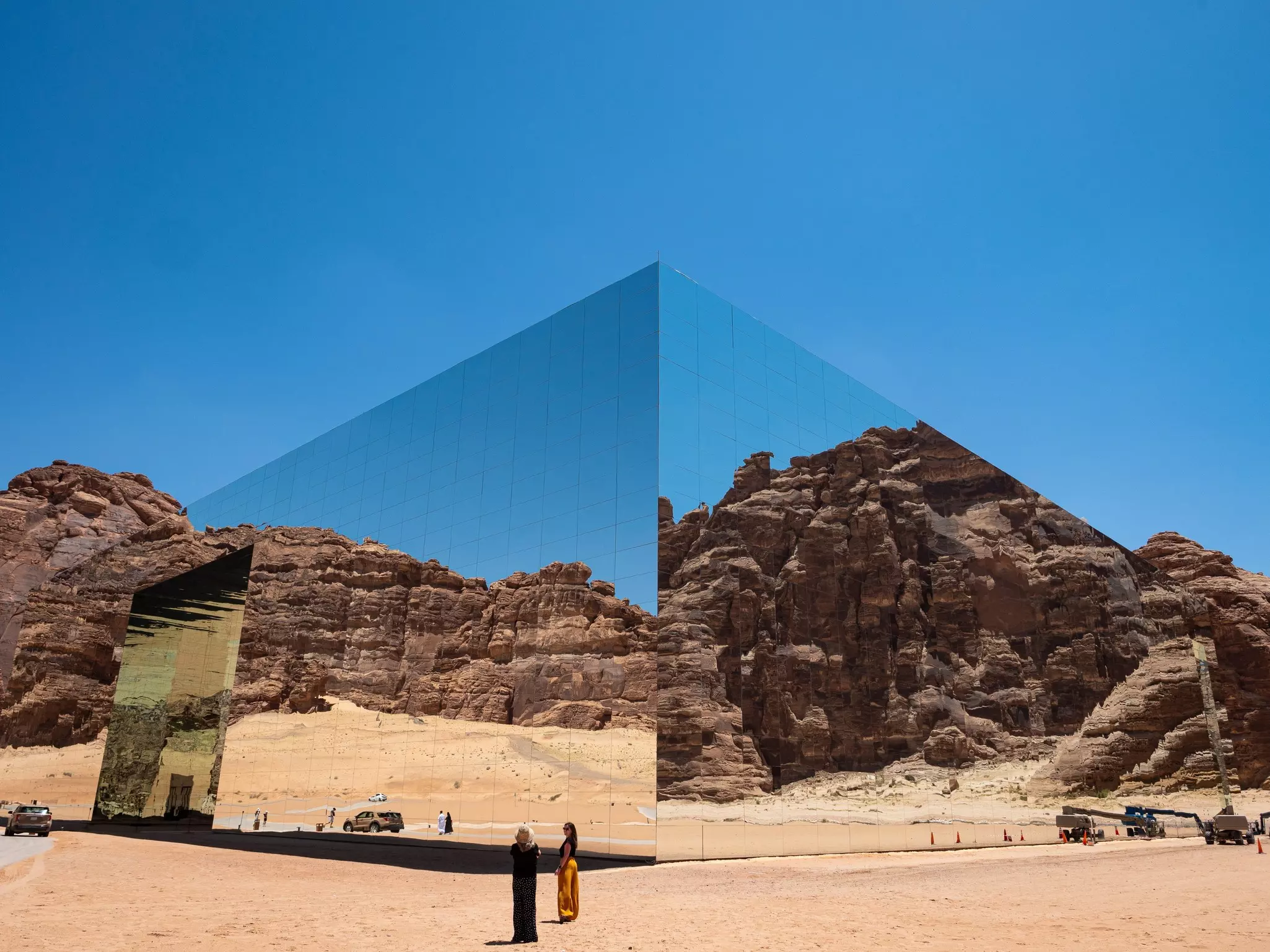
Covered in 9000 reflective panels, Maraya is the Guinness-certified world’s largest mirrored building. Intended as a temporary structure, it’s now a permanent fixture that hosts events and concerts. You can snap selfies freely around the outside, but if you want to go in, you need to book a ticket to a show, join a tour or reserve a table at Maraya Social, a rooftop restaurant helmed by Michelin-starred British chef Jason Atherton.
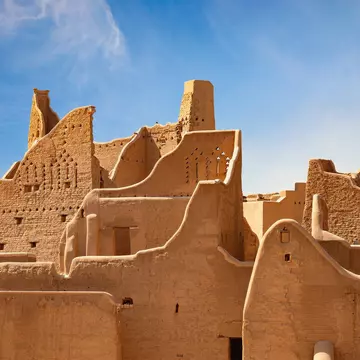
AlUla’s atmospheric Old Town is a delightful place to wander. Dozens of mud-brick houses, the oldest of which date to the 12th century, huddle together, separated only by narrow, winding alleyways.
Some of the structures have been restored into small cafes and shops, but if you really want to stay like a local of yore, check into Dar Tantora, a 30-room eco-boutique carved out of a section of the Old Town, merging past and present like few other places. Every night, 1800 candles are lit for illumination, including in guestrooms, and even the gym's treadmill doesn't run on electricity – it's people powered. If you’re not staying the night, get a meal made with local ingredients, such as date-sprinkled lamb ribs, at Joontos, the hotel’s restaurant, or settle in for a mocktail or cup of tea at the rooftop desert-chic Maqha Cafe.
Travelers who sign up for the hour-long Old Town tours are granted access to AlUla Fort, which sits nearly 45m atop a red sandstone promontory with bird’s-eye views of the historic district and the surrounding valley.
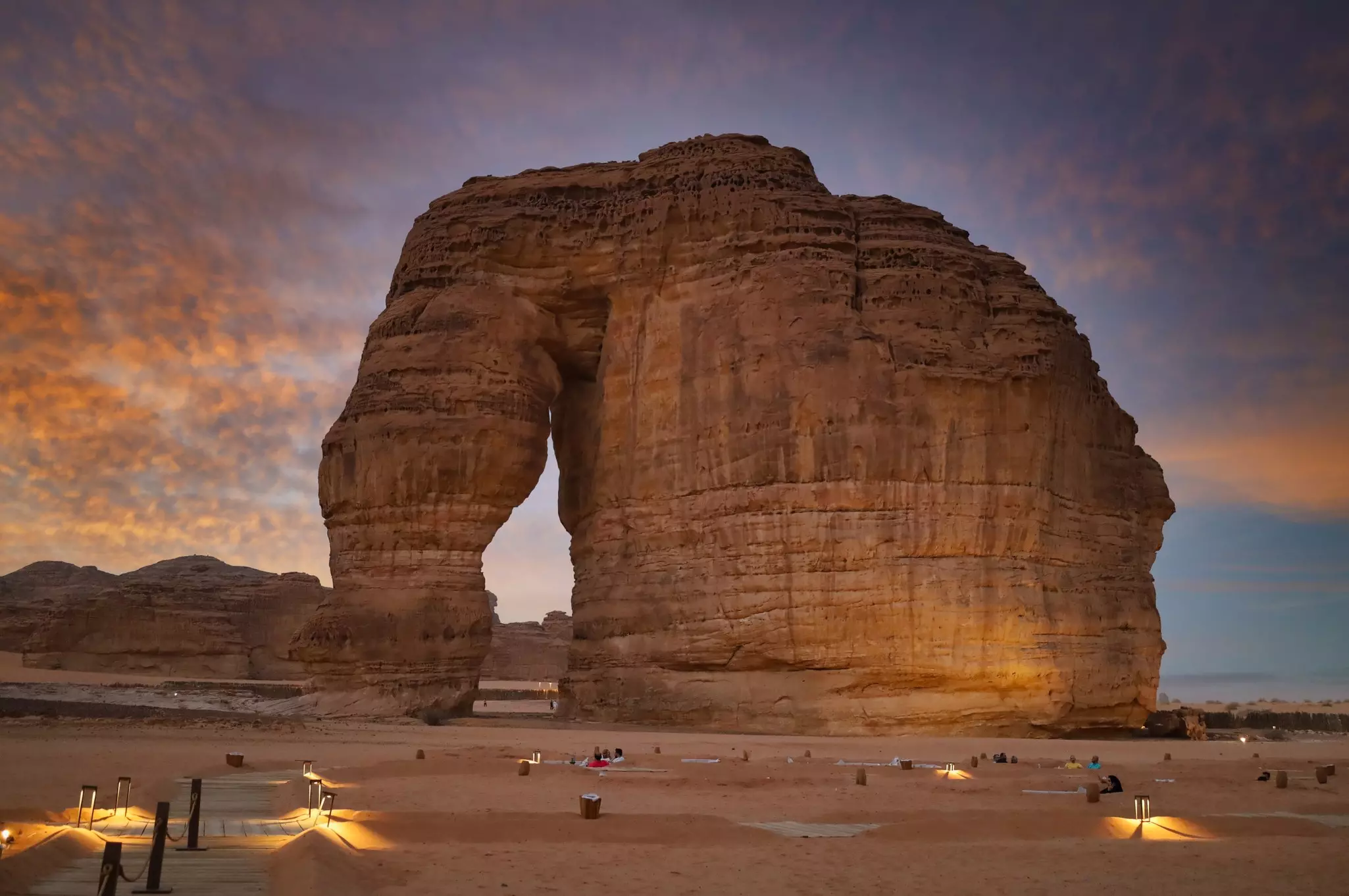
Sunset is one of the most magical times in AlUla, as the fading light paints the rocks in glowing red and orange. Elephant Rock, a 52m uncanny sandstone likeness of its namesake creature, is an incredible place to soak in the scene. Walk on the sand between its trunk and body, or take the boardwalk that wraps around to sunken seating areas with cushions. Stalls sell shisha (a water pipe used to smoke tobacco) and coffee, and there's also a food truck from Salt, a burger sensation from Dubai.
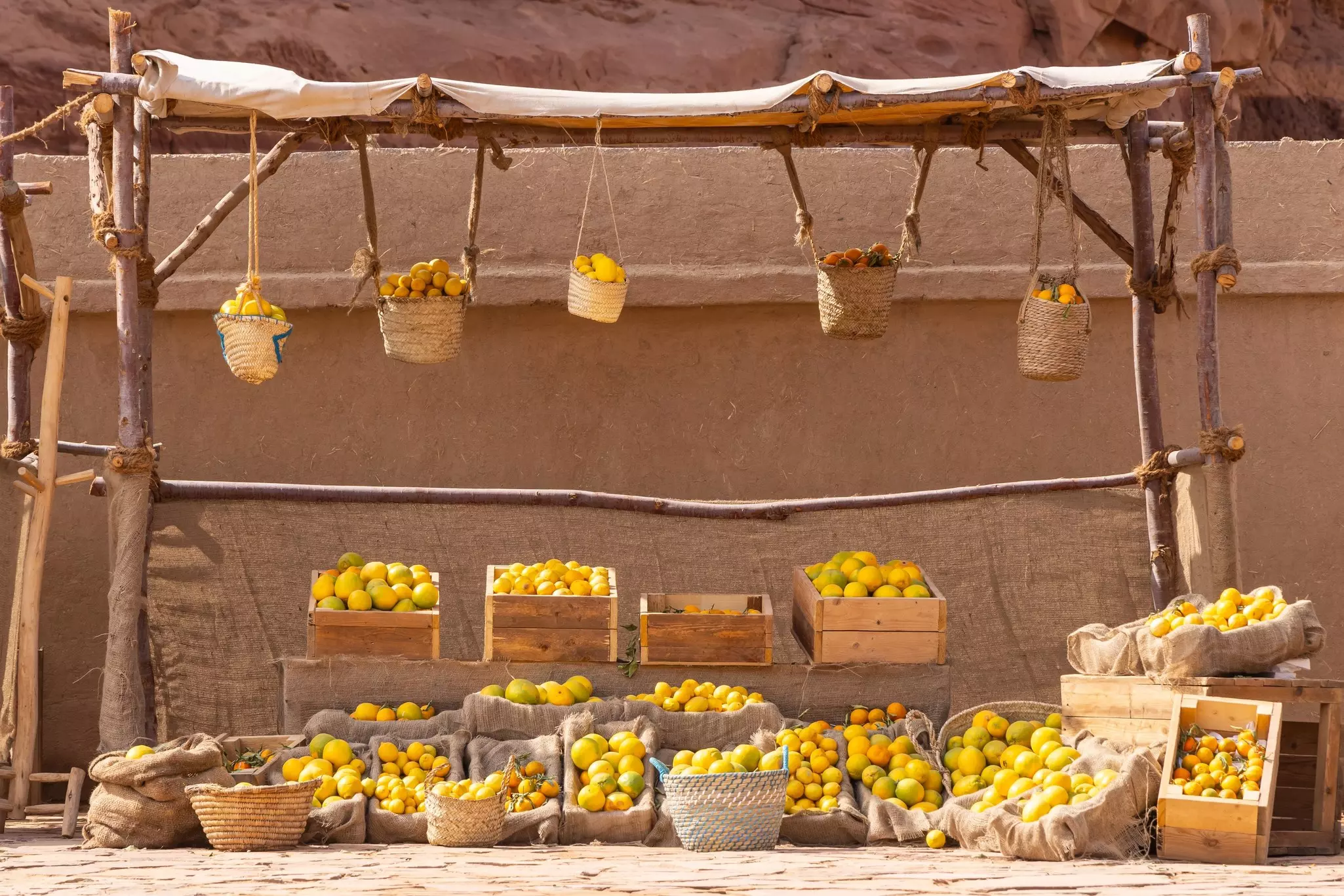
What made AlUla such an attractive home for the ancients is still true today. Vast underground aquifers provide water for millions of date palms and citrus trees, which are planted in lush groves that keep large patches of the land shaded and cool. Walking paths, such as the 2.75km Oasis Heritage Trail, meander under the trees, and travelers can set off on their own or in the company of a guide who shares stories about local life and traditions. Daimumah Oasis has raised boardwalks that wind past tree trunks and art installations.
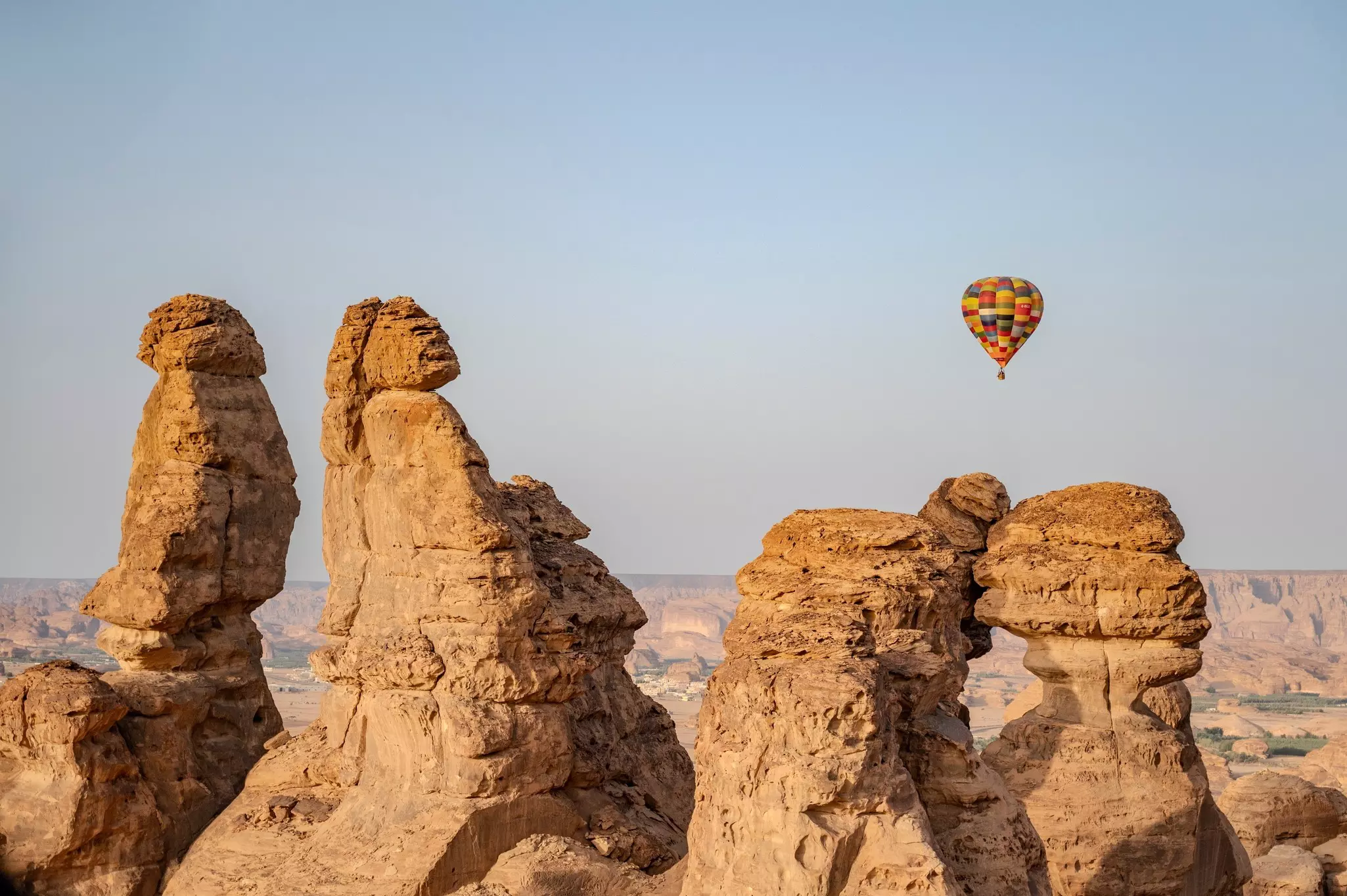
It requires a super-early alarm, but soaring above Hegra in a hot-air balloon at sunrise is unbeatable. Well before dawn, Hero Balloon Flights sends a car to your hotel, then whisks you to a stretch of empty desert to sip coffee and nibble on dates as the team prepares the balloon for liftoff. You get high in the sky, thanks to Hero’s skilled pilots, who drop down to get better views of Hegra’s tombs from a vantage point that few people have experienced. Seeing Hegra from a hot-air balloon in the still silence of the early morning brings a new level of wonder to an already incredible site.
Like the rest of Saudi Arabia, AlUla is an expensive destination to visit, especially for accommodations. Few noteworthy options are available for budget travelers, and it’s worth saving up to splurge on one of the beautiful desert resorts, such as The Chedi or Habitas. Credit cards and digital wallets are accepted almost everywhere, and you likely won’t need to get cash out at all.
Foreign women visiting Saudi Arabia are not required to wear an abaya (a loose-fitting, robelike dress) or headscarf, but it’s still a good idea to dress conservatively, which also offers another layer of protection from the strong Saudi sun. Both men and women should pack long pants (or full-length skirts for women) and shirts with sleeves that go past the elbow.
Winter is the most popular time to visit AlUla, and at night, the temperatures can be downright chilly. Bring a jacket and closed shoes like sneakers instead of (or in addition to) sandals. Visiting Hegra and other historic sites might mean walking short distances in deep sand, so sandals that strap to your feet are a better option than flip-flops. Sun protection in all forms – sun hats, sunglasses, high-SPF sunscreen – is essential.
Alcohol is not available in AlUla or anywhere in Saudi Arabia, but the coffee culture is strong, and restaurants and cafes whip up inventive mocktails that are delicious substitutes.
Explore related stories