May 22, 20268 min read
10 Epic Outdoor Adventures in Saudi ArabiaMay 22, 2026
8 MIN READ

Writer
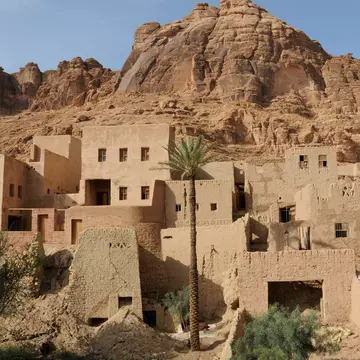
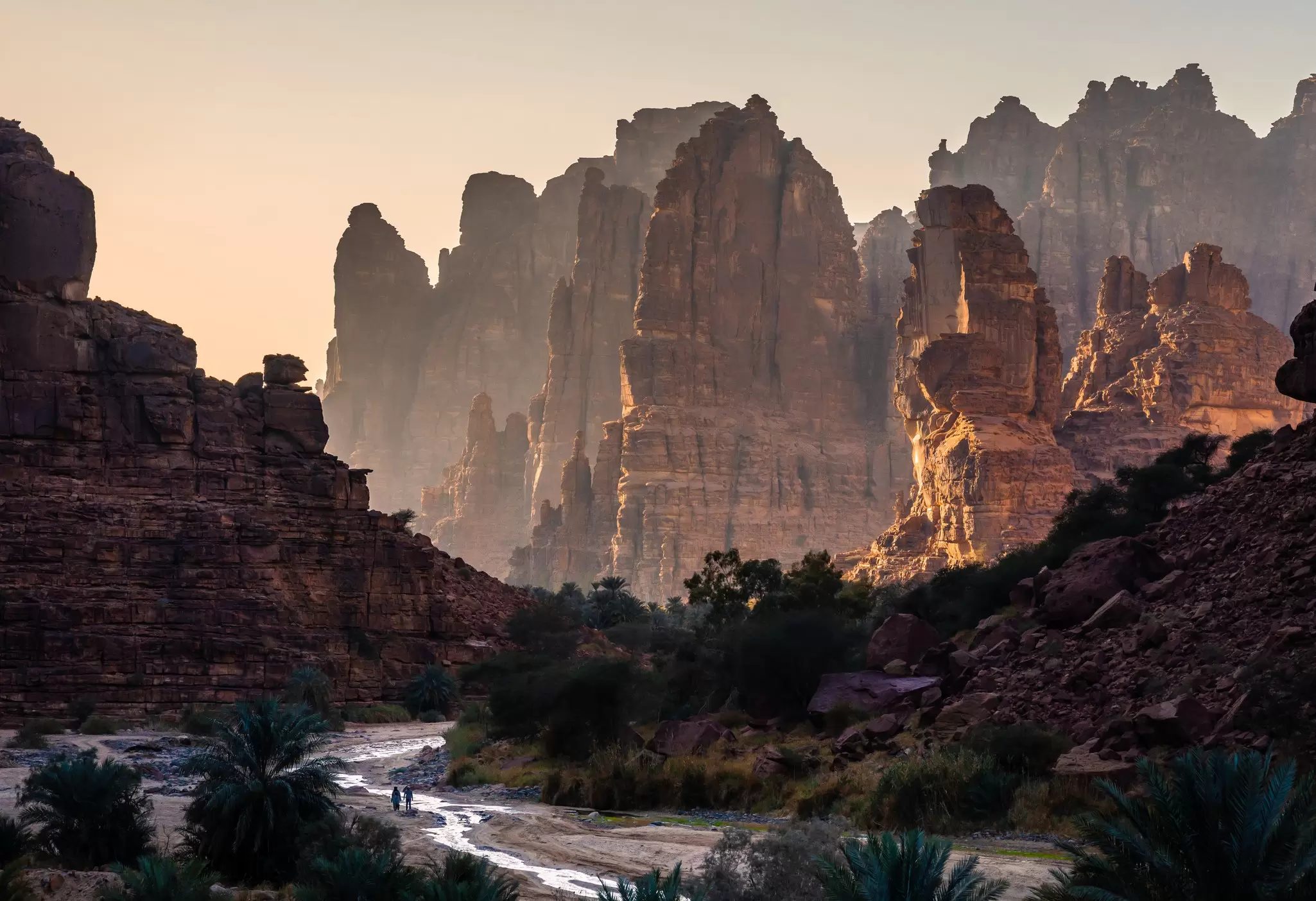
Wadi Disah in Saudi Arabia. Didier Marti/Getty Images
Writer
Lonely Planet may earn a commission from affiliate links on our site. All recommendations and reviews reflect our own independent opinions.
When most travelers imagine Saudi Arabia, they think of endless desert, and yes, the Empty Quarter, the largest area of continuous sand in the world, does take up more than a quarter of its land. But the biggest country in the Middle East by area – comparable to the whole of Western Europe or the Eastern USA – packs in a surprising variety of landscapes that are ripe for outdoor adventures: misty and mysterious mountains, pristine underwater gardens of colorful coral reefs and glittering night skies above secluded, palm-filled valleys.
Add these top things to do outdoors in Saudi Arabia to your travel itinerary and discover the country's full geographic diversity.
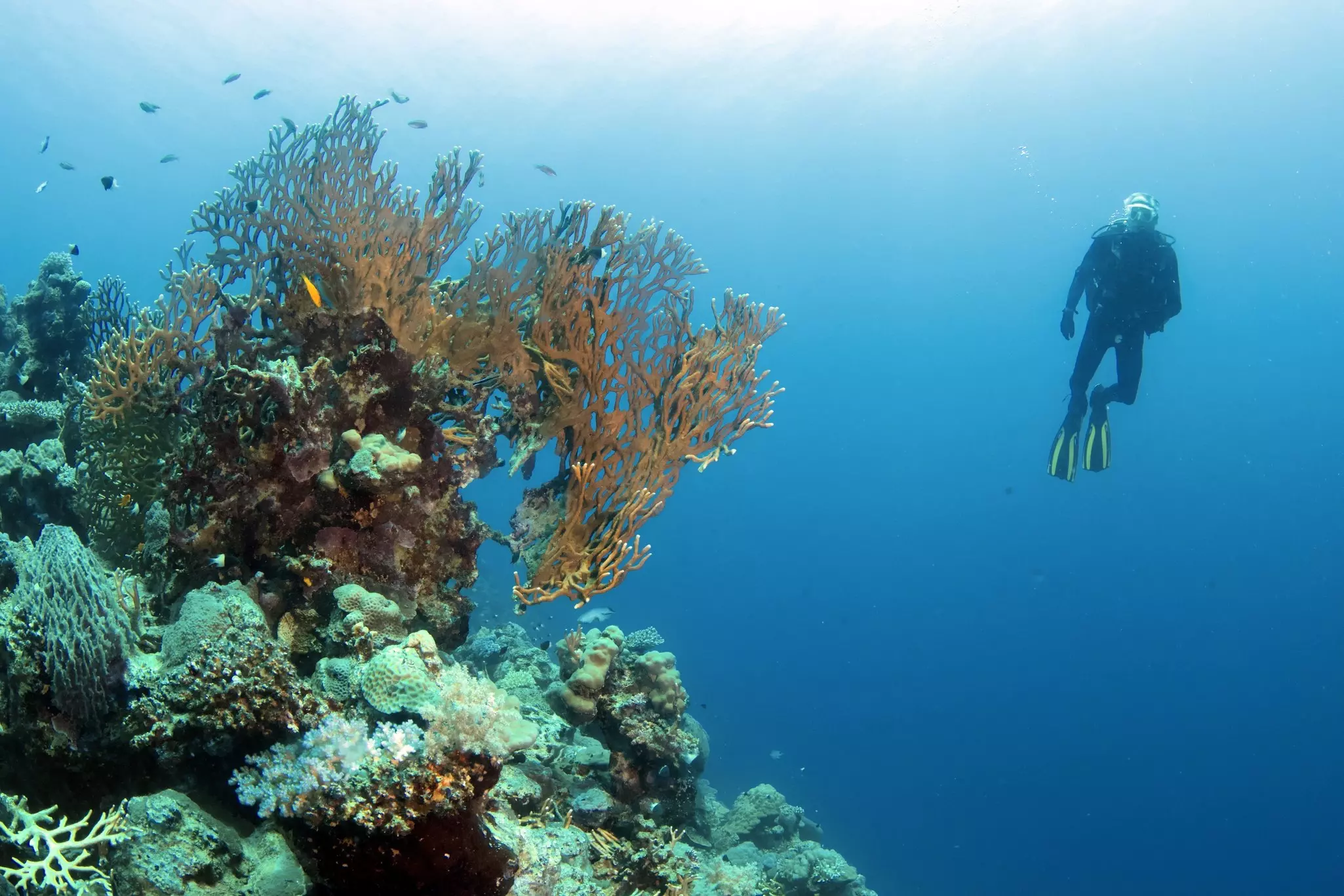
A pinnacle of biodiversity, the Red Sea is a playground for scuba divers and snorkelers – 15% of the fish species you can see through your mask here are found nowhere else in the world. Of the eight countries that surround the Red Sea, Saudi Arabia has the longest coastline, as well as one of the most pristine, because it was previously so difficult to access.
Saudi Arabia’s Red Sea development, set on an archipelago of 90 islands, has brought a touch of luxe to this incredible landscape. The first island hotel, the stunningly secluded St Regis Red Sea Resort, with overwater villas and beachfront suites reachable only by boat or seaplane, opened in 2024. All of the underwater activities around the Red Sea resorts are arranged through Galaxea, which has multiple outposts at the hotels on the various islands.
Planning tip: A trip to the Red Sea is expensive. Check with Visit Red Sea for deals and packages. Prices are often lower in summer and during Ramadan.
The Red Sea development encompasses sand next to the sea as well as slightly inland in the desert, and Desert Rock Resort, tucked into a beautiful valley and with rooms literally hidden in the mountains, opens the doors to awesome adventures. One of the coolest options on the activities menu is taking on a via ferrata, which means "iron way" in Italian. It combines elements of rock climbing and scrambling, and ends with a descent back to ground level on a zip line. It certainly tests your head for heights.
Planning tip: If that feels like too much but you want a taste of the adrenaline (and a drink), head to a mountaintop spot called the Observatory, reached via a cable suspension bridge and 622 steps.
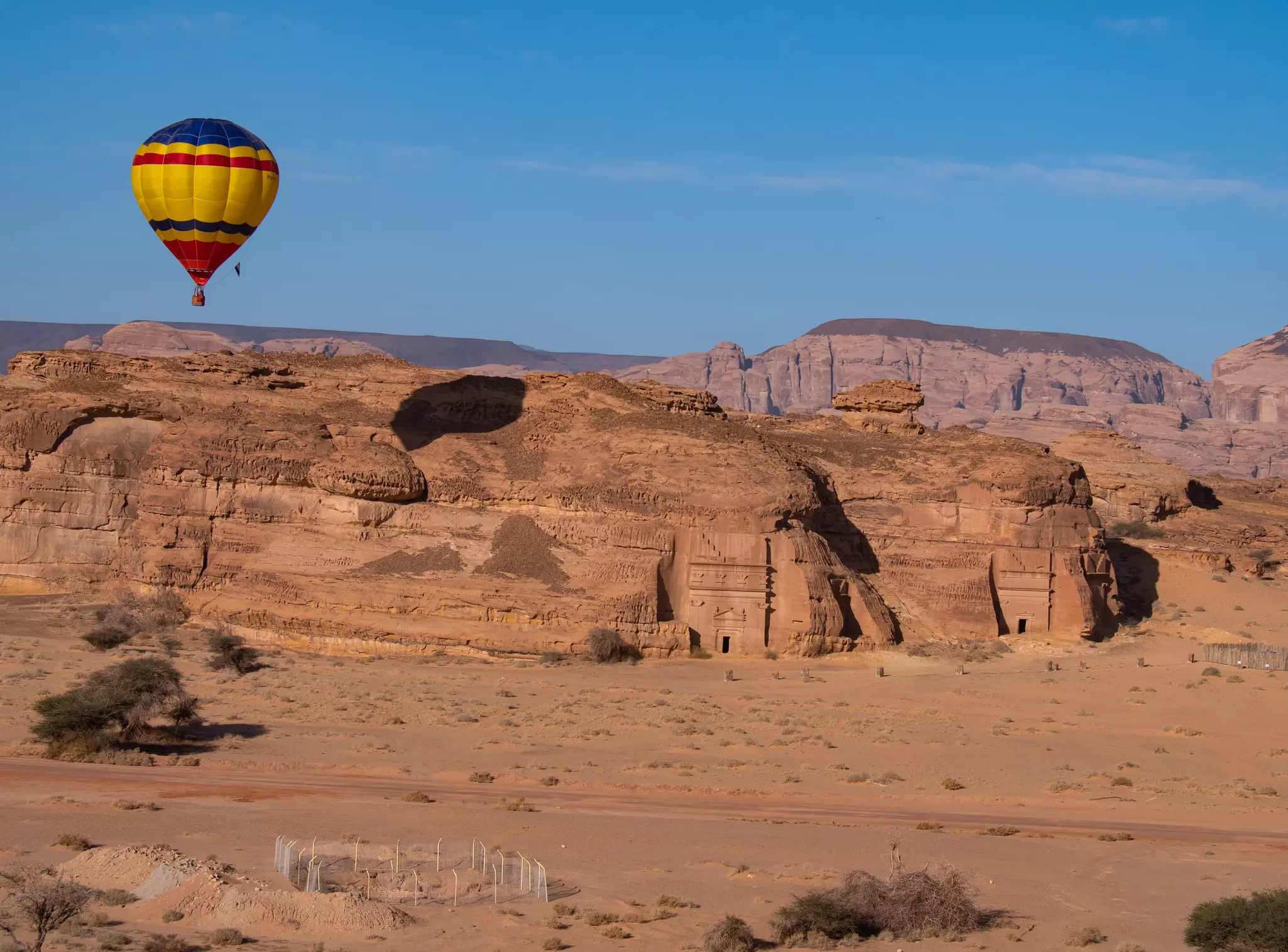
After waking up to a predawn alarm, you might feel like you’re dreaming as you step into a hot-air balloon and glide above AlUla, one of Saudi Arabia’s most captivating regions. Arid camel-colored desertscapes interwoven with lush date palm estates unfurl like a checkered carpet hundreds of feet below the basket you stand in. But the true highlight is getting a bird’s-eye view of the ancient tombs of Hegra, the second city of the Nabataean civilization, which built its capital at Petra in modern-day Jordan. Hegra sees only a fraction of the visitors that Petra does, and at sunrise, you’re one of just a basketful. Book your experience with Hero Balloon Flights.
Planning tip: For more airy adventures, time your visit for the AlUla Skies Festival, when all eyes turn toward the heavens for hot-air balloon rides, stargazing sessions, starlight concerts and movie nights. In 2026, the festival will take place in November.
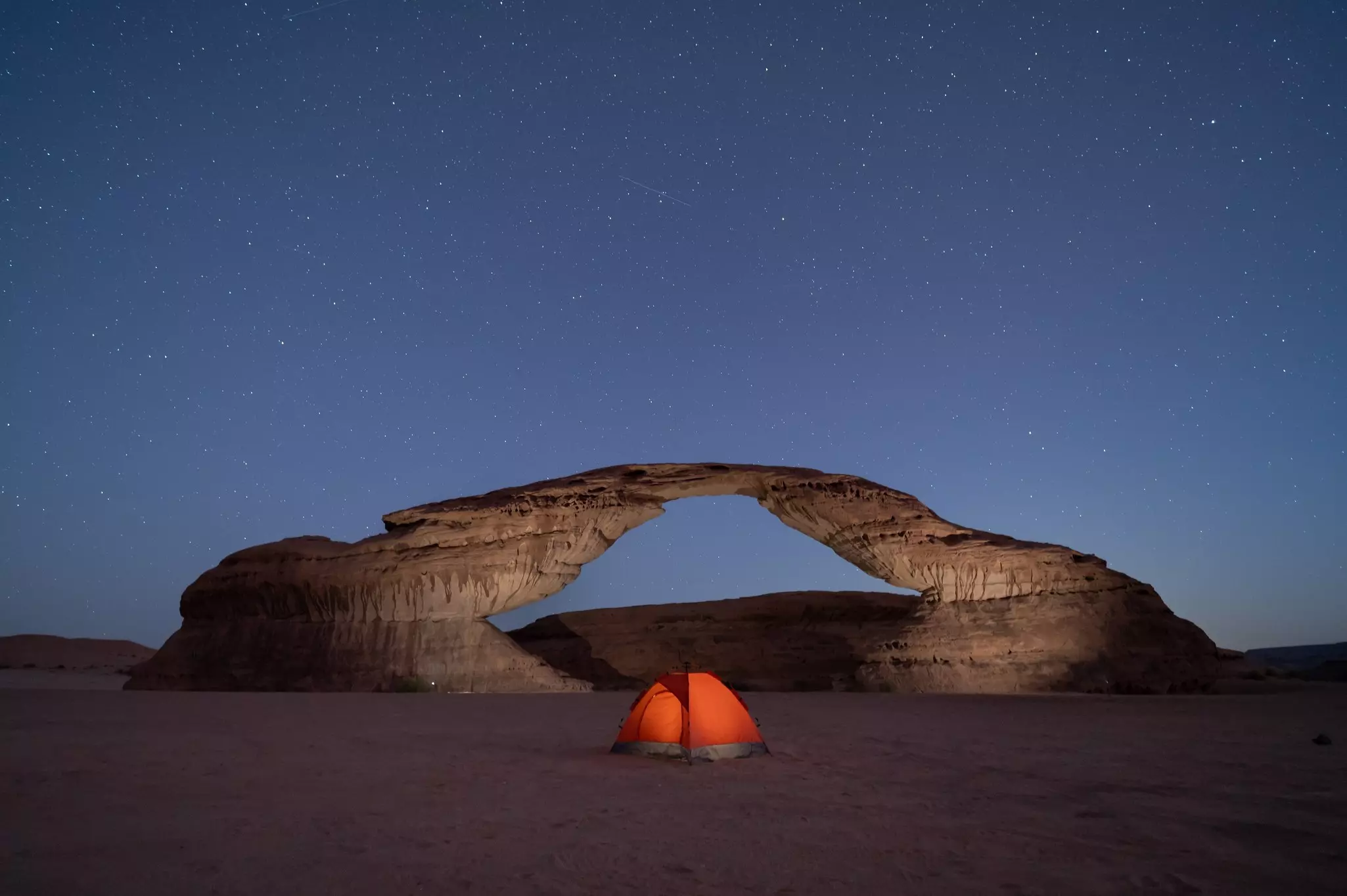
The desert gets cold at night, but nothing warms the heart like sitting under a blanket of shimmering stars amid silent sands. Few places in the world have a night sky as vibrant and unfiltered as AlUla, with the world’s third-largest Dark Sky Park, and the Red Sea development. What brings the endless universe closer to home is hearing local stories of stars and constellations. Early Islamic astronomers preserved and expanded ancient Greek and Roman knowledge of the sky, and many of the names of stars used in English today – Aldebaran, Betelgeuse, Altair, Rigel – come from Arabic. In AlUla, stargaze at Gharameel, a nature reserve, before sitting down for dinner among striking sandstone rock formations. At the Red Sea development, Desert Rock Resort promises a fascinating night of Saudi storytelling with planet-spotting assistance from a rooftop-mounted telescope.
Planning tip: The moon here is so bright that it often casts shadows in the stillness of the desert, making it difficult, if not impossible, to see the stars. For the best chances to view the Milky Way, time your visit during the darkness of a new moon.
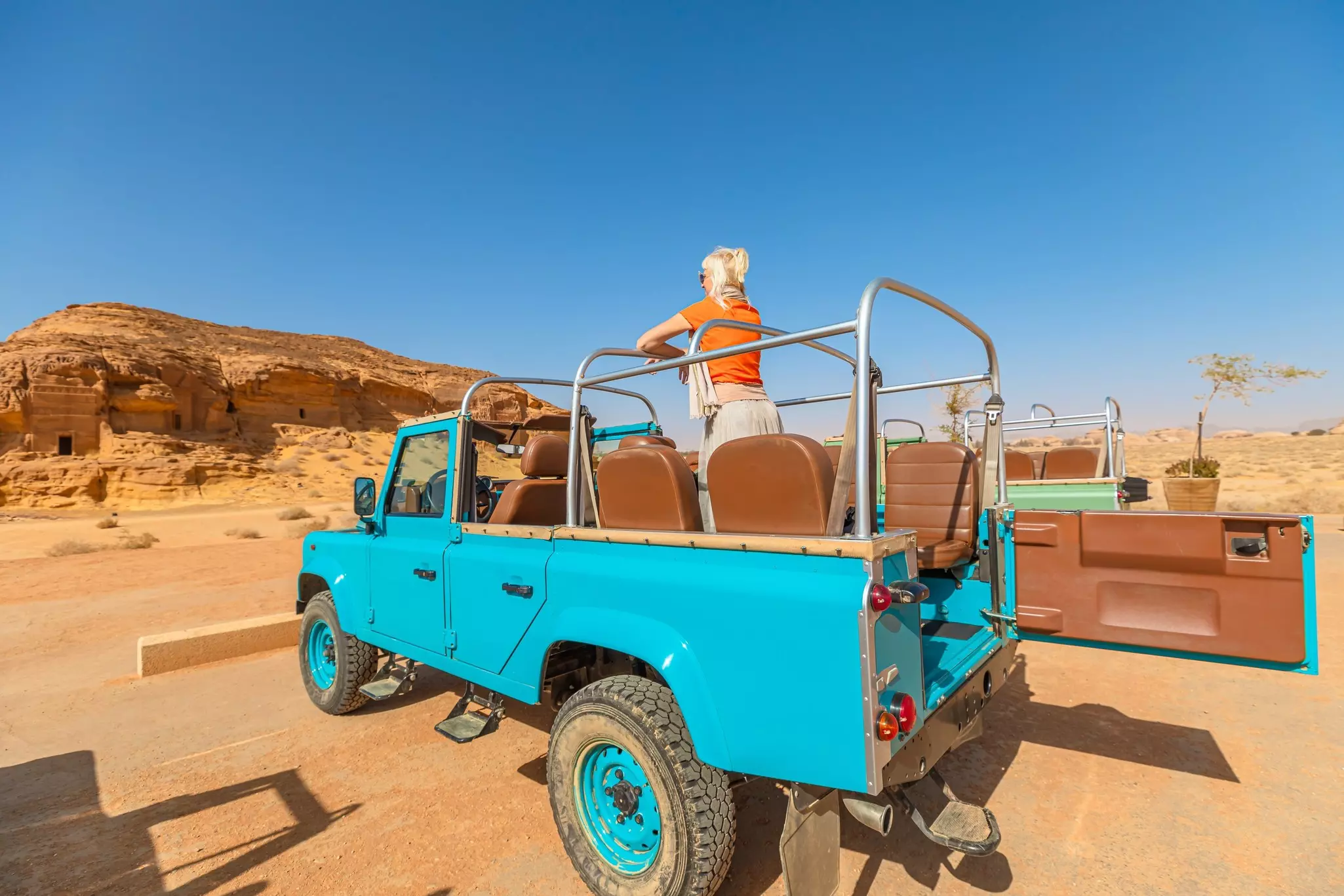
History-filled Hegra is best known for its impressive rock-cut tombs, some of which reach several stories high; a lesser-known way to experience the beauty of this place is on a wildlife tour. Big open-top Jeeps set off from the visitors center into a fenced area that’s been repopulated with Arabian gazelles, sand gazelles, oryx, ibex and ostriches, giving visitors an opportunity for a surprisingly nature-filled experience around Saudi Arabia’s first UNESCO-listed site.
Planning tip: Book this activity – and tons of others – on the Experience AlUla app, which is super helpful for arranging adventures around the region.
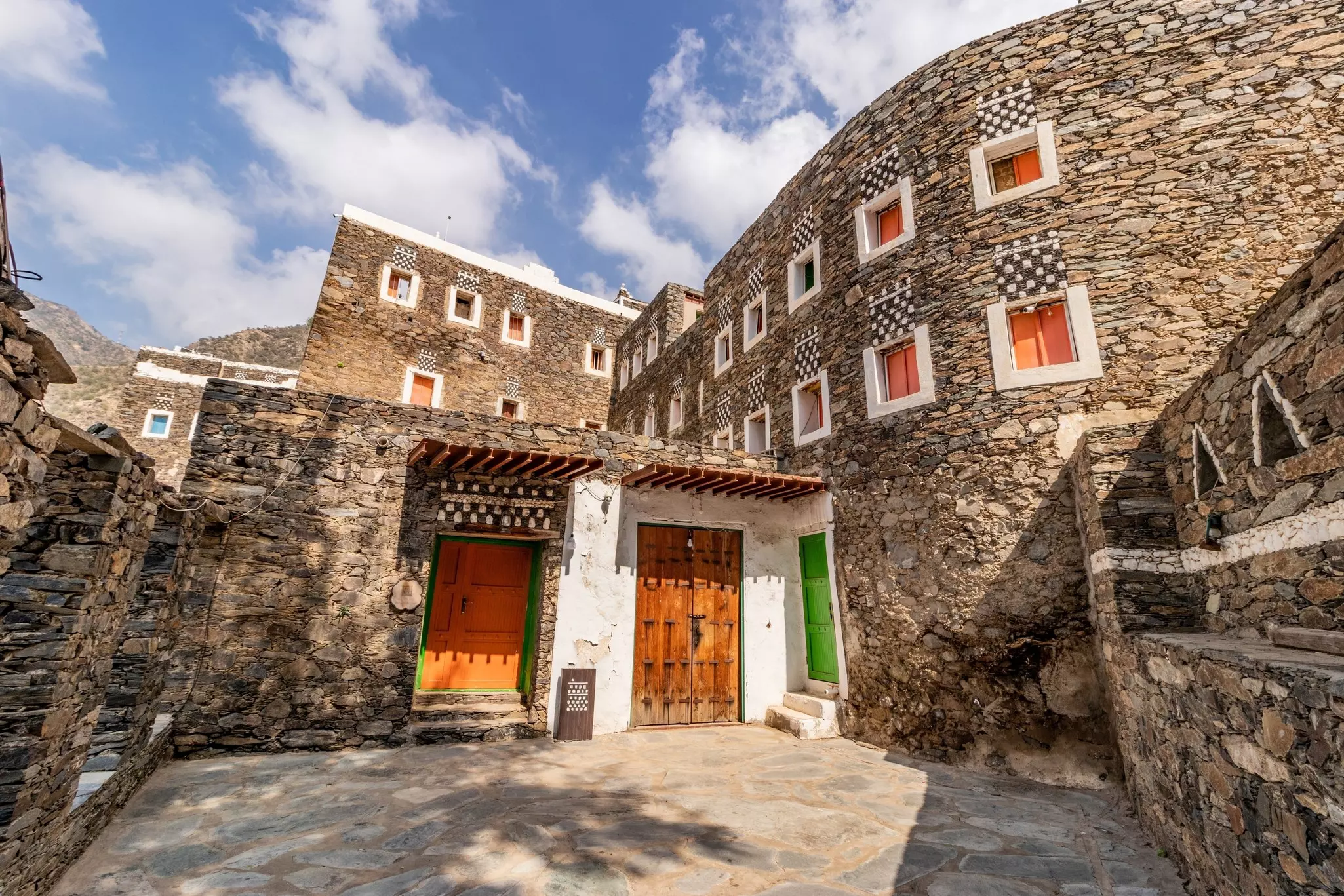
Aseer is the Arabia you never hear about, a region in southern Saudi where jagged, juniper-speckled mountains are cut with steep, zigzagging roads watched over by mischievous baboons. Misty clouds of fog swirl around the mountain peaks, including Saudi Arabia's highest, 3015m Jabal Soudah. Nestled among the rugged ridges are valleys with hundreds of centuries-old villages, some still lived in and some abandoned. If you have time to visit only one, make it Rijal Almaa, which dates from the 8th century and contains some of the finest examples of the stone architecture of the region.
Local guide Ibrahim Al Fathy was raised in the village and has transformed his 300-year-old childhood home into a four-room inn for travelers. He leads hikes around the village and nearby mountains, and often wears the traditional dress of a flower crown and futa (a saronglike wrap) belted with two daggers.
Planning tip: Aqabat Al Samaa, the mountain road from Abha to Rijal Almaa, is one of the most stunning drives in a region with carloads of them. Stop at the Palm Garden for jaw-dropping views into the valley – paragliders sometimes take off from here.
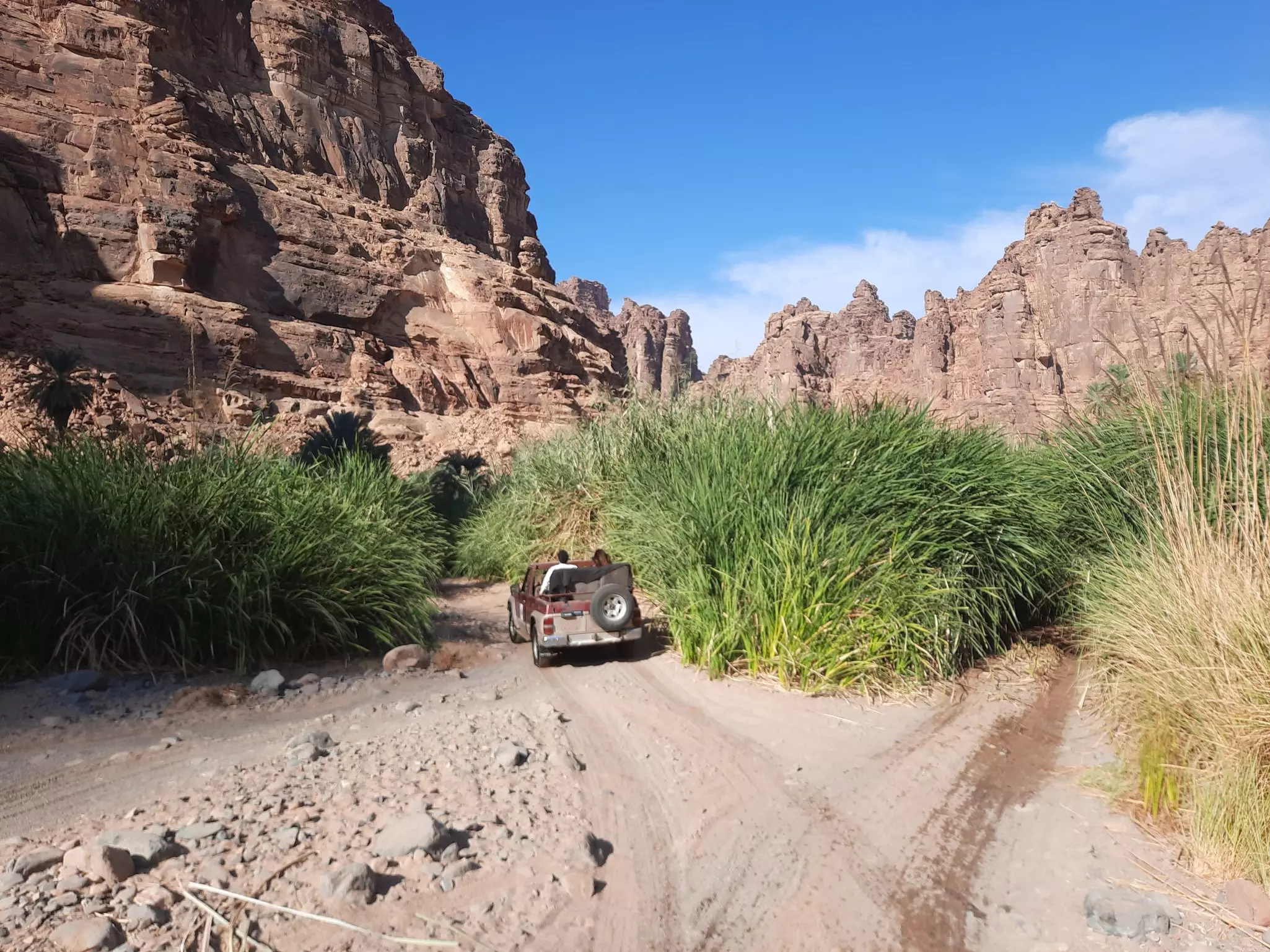
Truly get away from it all northwest of AlUla in the remote Wadi Disah, part of the Prince Mohammed bin Salman Royal Reserve. Punctuated with palm trees and run through with small streams, this valley is a natural antidote to Saudi Arabia’s cities. Tourist infrastructure is minimal, although in a country that’s undergoing huge development in seemingly every corner, that’s part of its appeal.
Planning tip: DIY camping is allowed with a free permit (email info@pmbsr.gov.sa). If you don’t have your own car, you can join a day tour of the valley from the town of Tabuk.
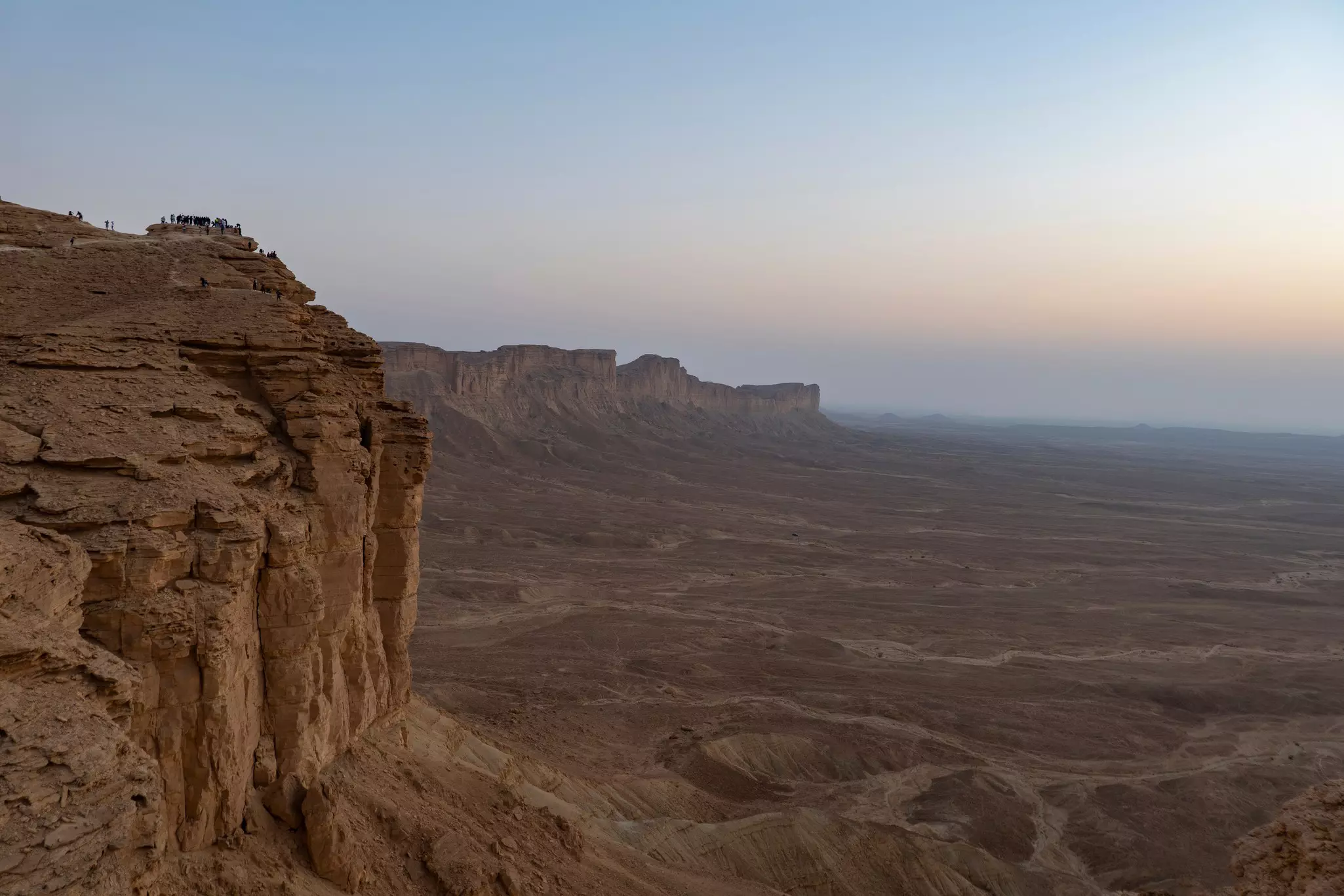
The limestone Tuwaiq Escarpment runs for 800km through central Saudi Arabia, and it’s a spectacular scene you might not have ever imagined existed here. Its most popular point is called the Edge of the World, a day trip outside of the capital city of Riyadh. The undulating rocky cliffs and needlelike pillars rise more than 300m above a barren valley floor that stretches as far as the eye can see. It’s surreal, enchanting and particularly atmospheric at sunrise and sunset.
Planning tip: Most visitors join a tour to get to the Edge of the World because a 4WD vehicle is required, and the route is off-road and not signposted. It's easy to find a tour operator making the trip, but operators change frequently, and websites are rarely updated. Check third-party sites such as GetYourGuide.
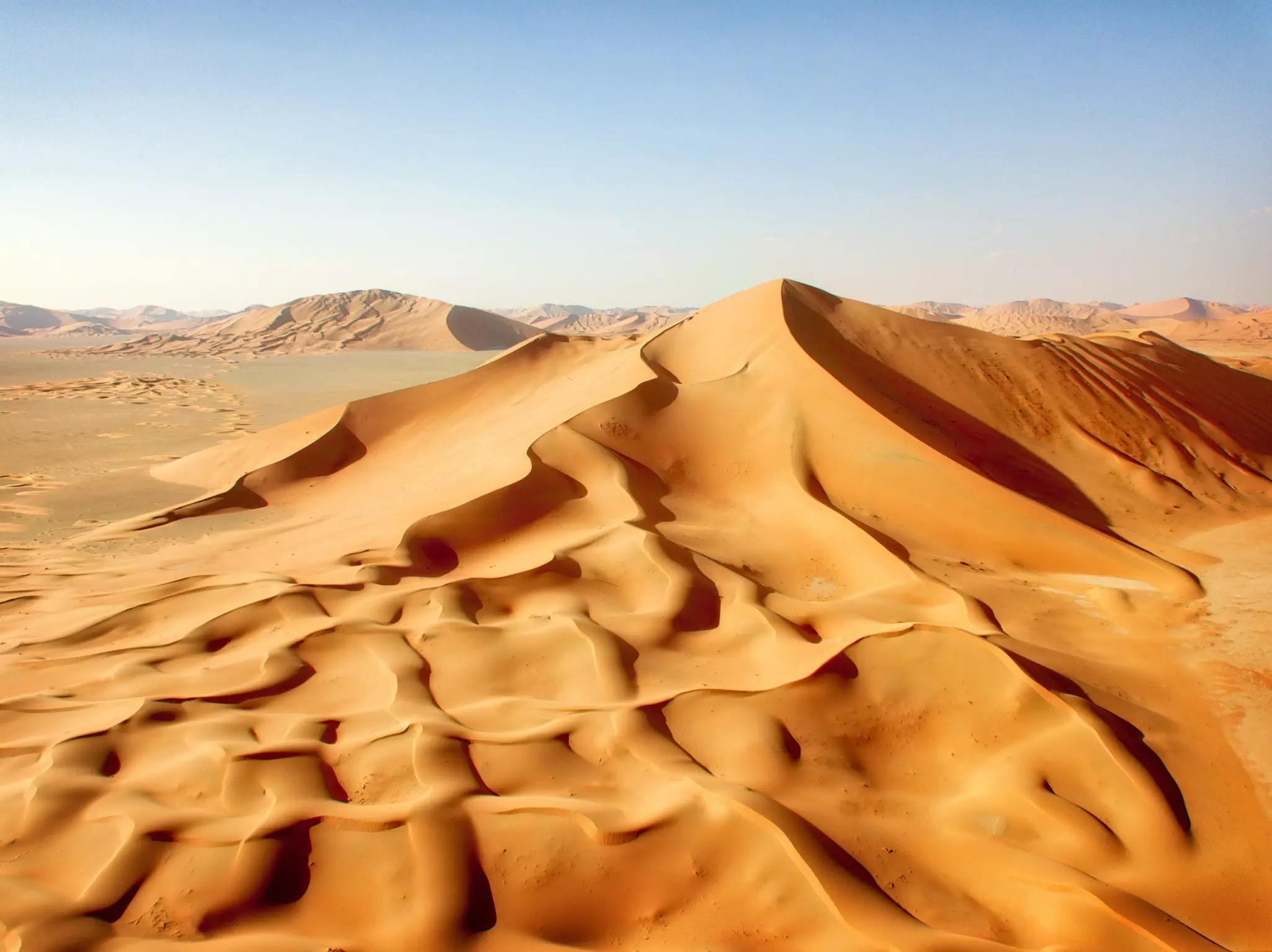
Chronicled in British explorer Wilfred Thesiger’s travel writings, the forbidding Empty Quarter, the world’s largest sea of sand, has been characterized as something of a no-man’s-land, though there is life to be found here, from seasonal Bedouin encampments to desert wildlife, including the Arabian wolf and cape hare. The Empty Quarter crosses the borders of four countries – Oman, Saudi Arabia, the United Arab Emirates and Yemen – but about 80% of it is in Saudi Arabia. It rains less than 3.3cm a year here, and it is one of the most unforgiving places on earth.
Planning tip: Trekking into the Arabian sands and staying overnight should be done in the company of an experienced guide, such as Khaled Al Took. Proper visits require several days at a minimum.
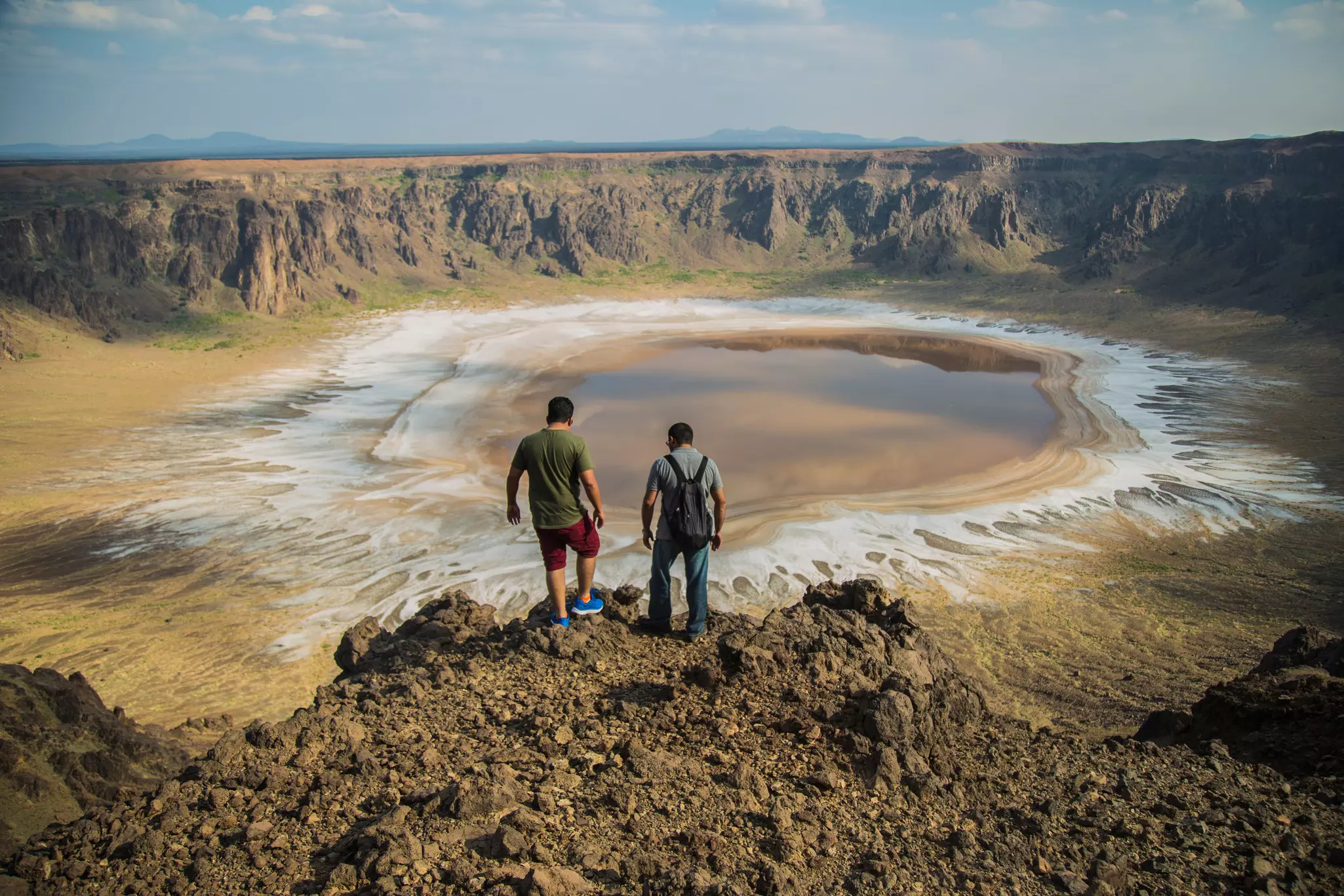
It might look intergalactic, but this giant crater was actually formed by a volcanic eruption caused when groundwater came into contact with molten hot lava underground, blowing out a hole 4km wide and 249m deep. Now at its center is a glittering white "lake" made of dried sodium phosphate crystals surrounded by cracked earth folding up like thin sheets of paper. You can’t hike into the crater, so view its glory from the rim.
Planning tip: Wahba Crater is in a seriously remote spot that you need a car to reach. It’s about 320km by car from Jeddah or 275km from Medina. It’s best to include it as a stop on a longer road trip rather than making it your only destination. Bring plenty of water and sun protection.
Explore related stories