Oct 13, 20269 min read
One Perfect Day: 24 Hours in New York CityAug 13, 2026
8 MIN READ

Writer
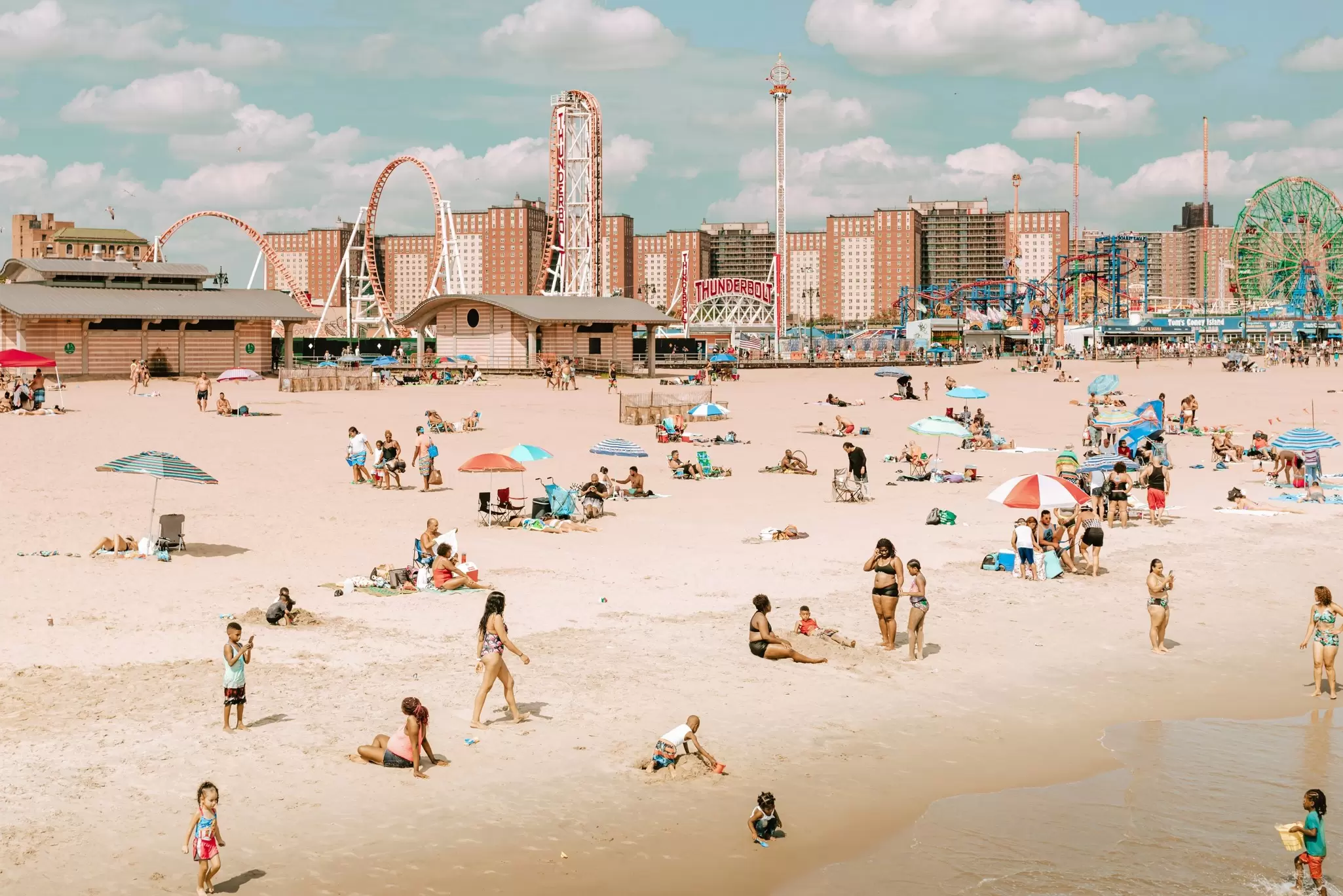
Coney Island in Brooklyn, New York. Iryna Horbachova/Shutterstock
Writer
Highlights
Writer John Garry guides you through Coney Island's rides, beaches and boardwalk.
Scream down the Cyclone's 85ft drop, or soar on the Wonder Wheel 150ft up.
Walk the Riegelmann Boardwalk for Nathan's franks; head inland to Totonno's for Neapolitan pizza.
June's Mermaid Parade washes Surf Ave in nautical costumes and glitter since 1983.
Lonely Planet may earn a commission from affiliate links on our site. All recommendations and reviews reflect our own independent opinions.
Coney Island is New York City’s original summertime escape hatch: gritty, glittery and gloriously weird, with blinking roller coasters, sizzling hot dogs and the occasional tattooed mermaid sunning along the Brooklyn waterfront. Here’s how to soak it all up.
This seaside entertainment hub got its start as a seasonal refuge in the 19th century, when developers built grand resorts to attract wealthy Manhattanites away from city stressors. In the coming decades, amusement parks, racetracks and red-light districts emerged, earning Coney Island nicknames like Electric Eden and Sodom by the Sea. By the 1920s, it was a democratized day-tripper destination for working-class New Yorkers, who hopped on the subway and got there for a nickel. Things got sketchy around the 1960s: rides shuttered, crime surged, and developers plotted its demise. But Coney Island rose from the ashes, reimagined by 1980s artists and revitalized with new amusement rides in the 21st century.
These days, it’s a kitschy, nostalgia-drenched people’s playground powered by joyful NYC chutzpah.
If you’re keen on the amusement parks, visit between Memorial Day and Labor Day, when the rides are open daily and the weather is warm. Hours vary, but both parks usually open by noon and run until 10pm or later. Friday nights are particularly magical, when fireworks erupt near Steeplechase Pier. Crowds tend to be busiest on weekends and holidays.
If you want to escape summer’s swarms, try spring (April and May) or autumn (September and October). The parks operate several days per week, and lines usually aren’t long.
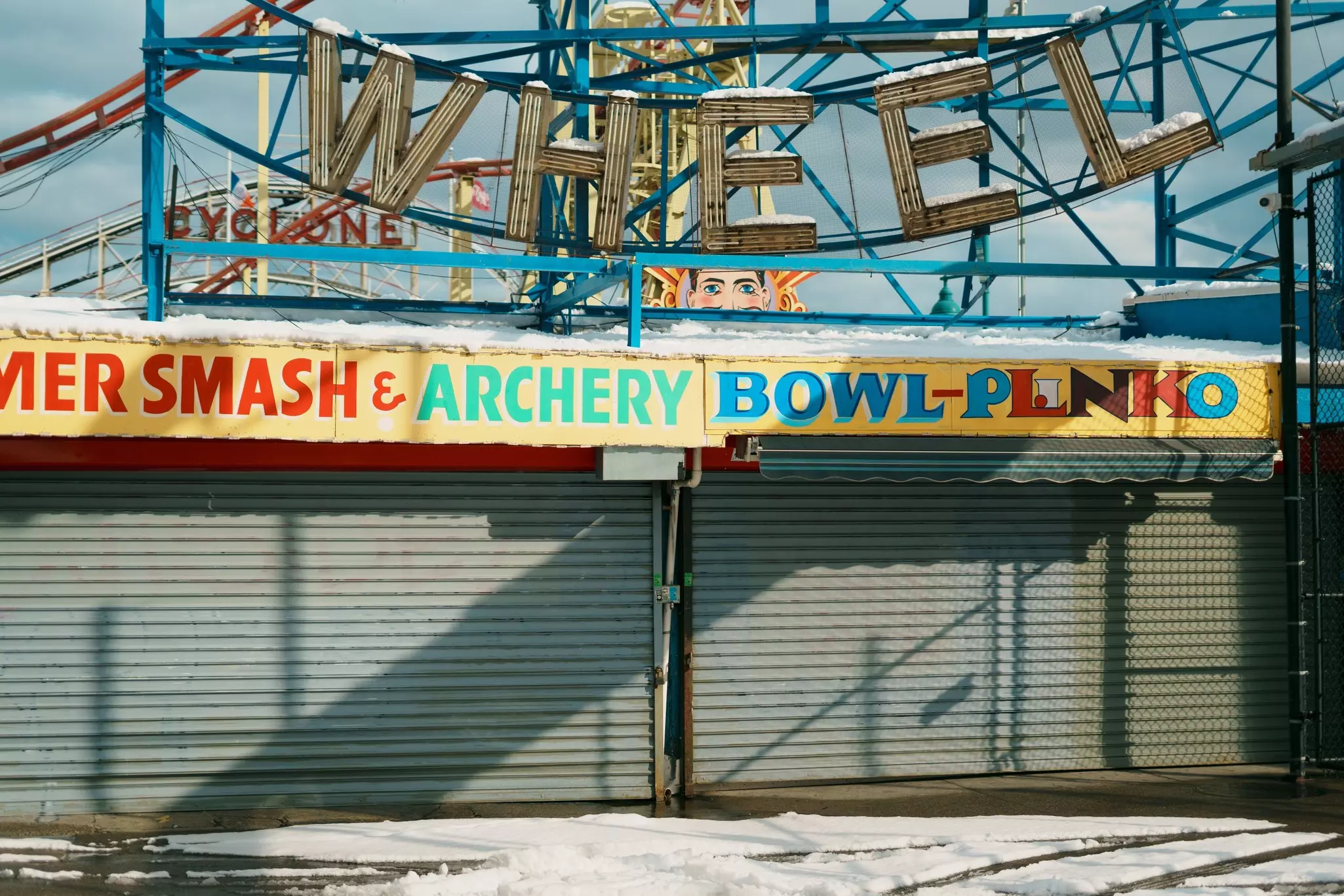
Coney Island winters can be enchanting. The boardwalk becomes a tranquil promenade, and dormant carnival attractions have an eerie allure. Come on Sundays between November and April and you might catch a thrilling spectacle when members of the Coney Island Polar Bear Club take their weekly plunge in the frigid Atlantic waters.
In summer, budget at least half a day. Set aside a few hours to walk the boardwalk, hop on rides and lounge on the beach. For a full-day affair, tack on the aquarium and a baseball game.
Take the D, F, N or Q subway to Coney Island–Stillwell Avenue, the end of the line. From here, follow Stillwell Avenue to the boardwalk. The ride from Midtown Manhattan takes roughly 1 hour.
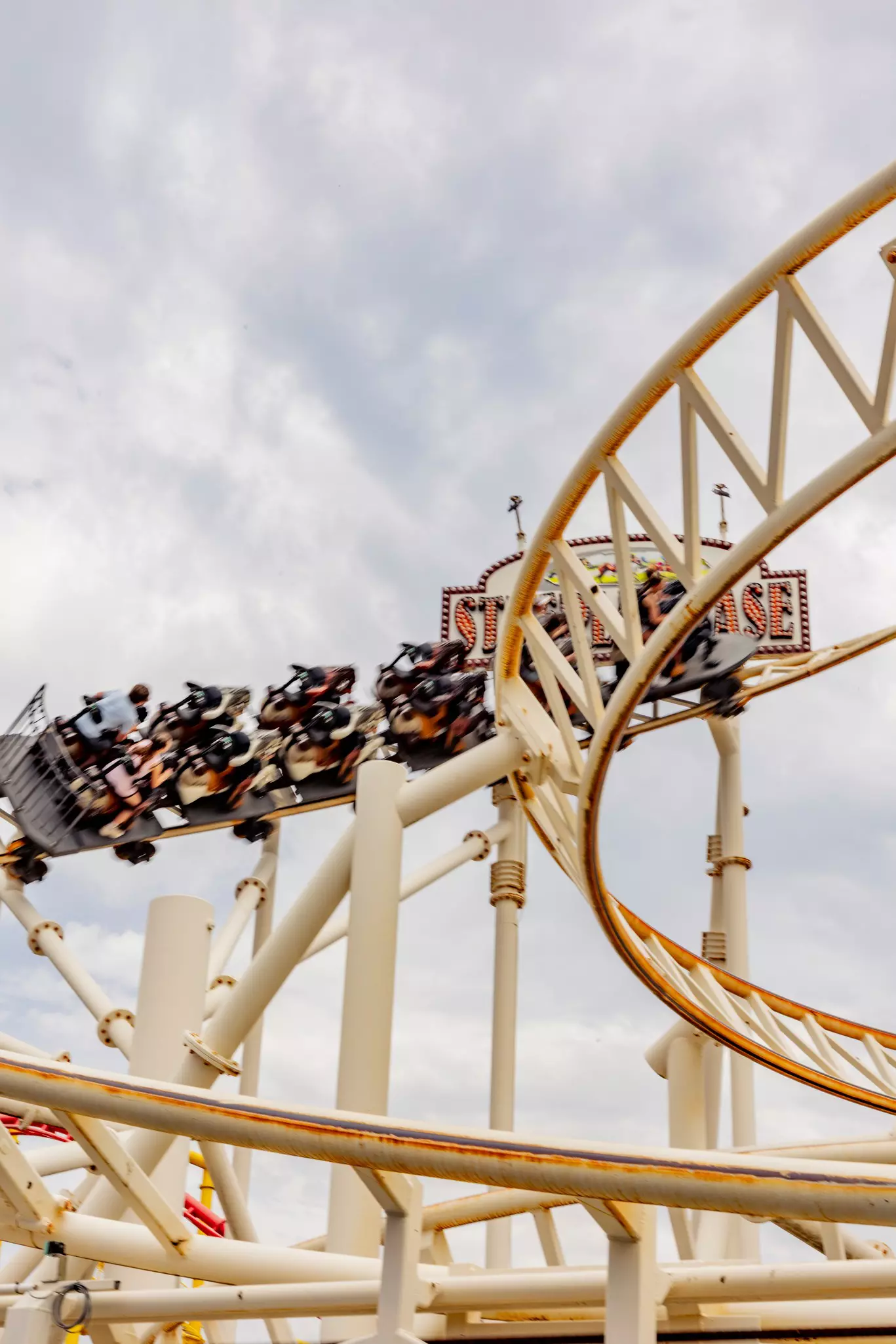
Most of Coney Island’s worthwhile rides are run by Luna Park. Catapult into the air at 90mph on the Sling Shot, then saddle up on the Steeplechase – an equestrian-themed roller coaster with a nod to Steeplechase Park, which operated here from 1897 to 1964. For more thrills rooted in history, scream your head off on the Cyclone, which has been hurling passengers down its 85ft drop since 1927. Adrenaline junkies should grab a seat in the last car – it practically flies off the tracks while whipping through the air.
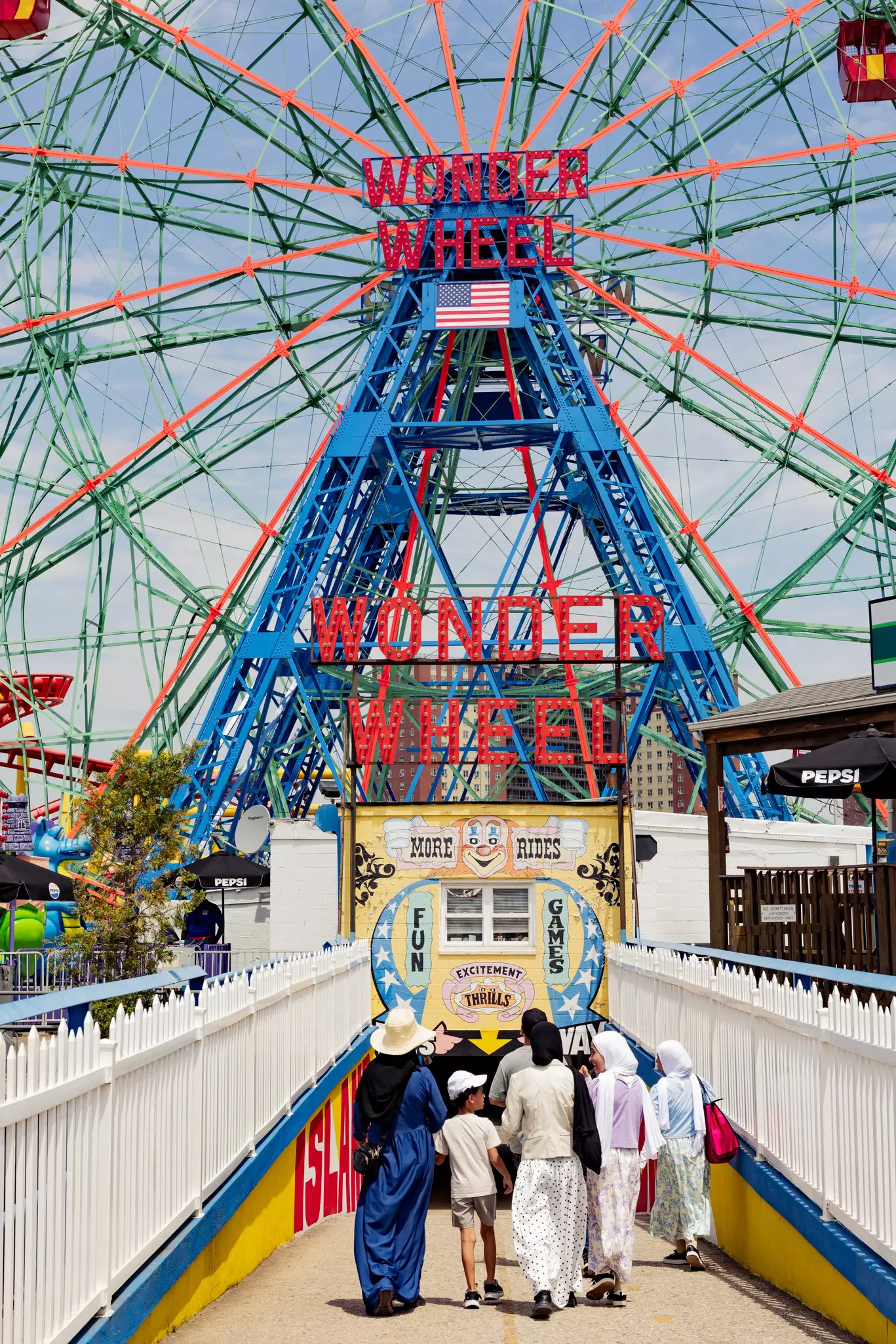
Deno’s Wonder Wheel Park has only a handful of rides, including the Wonder Wheel, which started whisking passengers to views 150ft above ground in 1920. White cars are stationary for a romance-worthy ride. Red and blue cars swing, which may make your heart flutter in an entirely different way.
Tickets: If you want to go all in at Luna Park, buy a day pass for 51–90 US dollars (US$), which gets you unlimited access to most rides. Just here for a few rides? Skip the wristband and pay per ride using credits. You can buy credits at Luna Park ticket booths. The Cyclone costs US$10.
Deno’s Wonder Wheel Park operates separately on a pay-per-ride basis using credits. The Wonder Wheel costs US$10.
NYC’s only aquarium sprawls over 14 acres, with 8000 animals across 500 marine species, including 18 types of sharks and rays and one charming harbor seal named Pickles. If you’re short on time, walk through the 40ft tunnel inside a massive fish tank, then join a Wild Encounter for an up-close animal encounter (offered April to October). Plan a midday trip in summer – it’s an ideal way to cool off while the sun’s overhead.
Tickets: Tickets start at US$30–33 for visitors age 13–64 and US$26–30 for children age 3–12; older adults and younger children are free. The aquarium offers reduced admission on Wednesday afternoons; tickets are available starting at 3pm the Monday before.
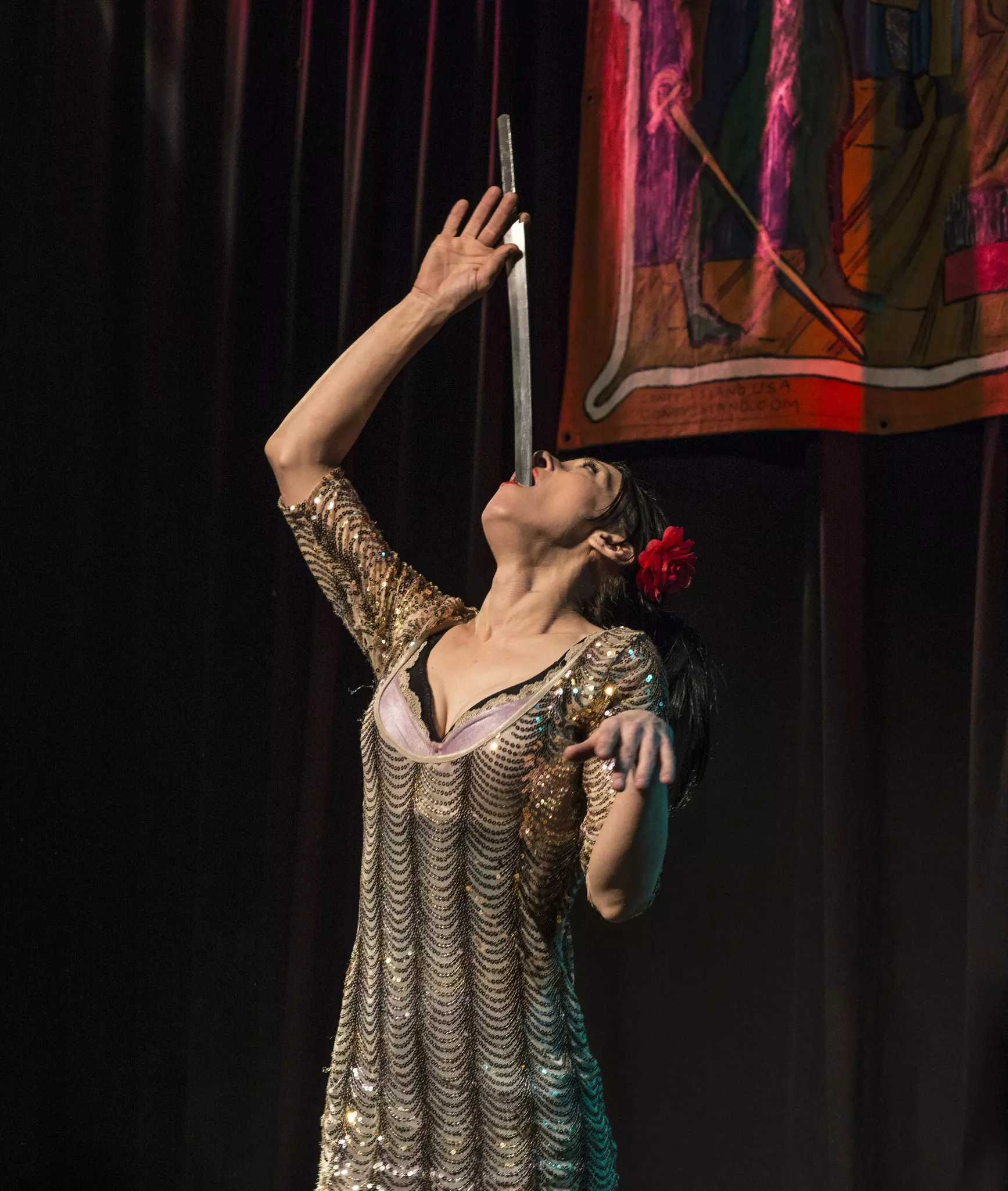
Take a trip down memory lane inside the second-floor Coney Island Museum, with 10,000 objects in its permanent collection, including fun-house mirrors and vintage swimsuit attire. Plan your visit around the Coney Island Circus Sideshow, which performs in the same building. Don’t worry: this isn’t a 1920s circus profiting off ableist tropes. It’s an all-are-welcome, family-friendly spin on the old-school art form, including acts like aerialists and sword swallowers. Polish off your visit with a trip to the first-floor Freak Bar – a cluttercore drinking den packed with Coney Island ephemera.
Tickets: The museum costs US$5 for adults and US$3 for children under 12; the sideshow costs US$15 for adults and US$12 for children. Purchase a museum-sideshow combo ticket for a discount. The museum is only open on weekends. Sideshow performances run from May to September.
Between spring and early autumn, fans pack into the stands of Maimonides Park to cheer on the Cyclones, Brooklyn’s beloved minor league baseball team. Attending a game is an all-American way to spend an evening: grab a Nathan’s Famous frank, clap for mascots Sandy the Seagull and Peewee, and root for the home team. Saturday nights are the best time to go – fireworks explode around 9:45pm.
Tickets: Tickets are US$19–26. Purchase online to save money, or go to the box office at the stadium.
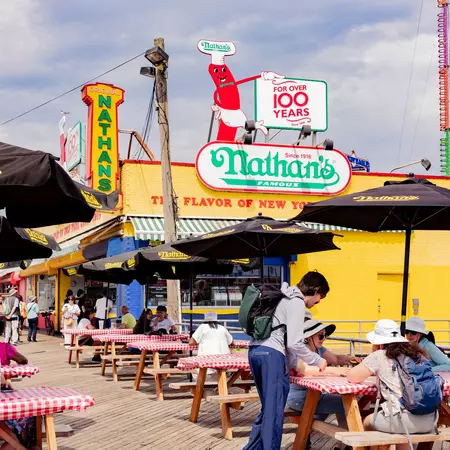
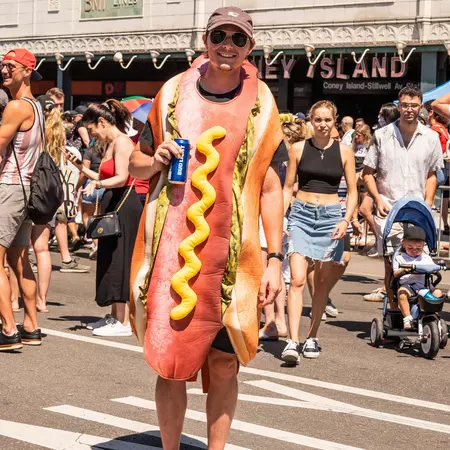
Nathan’s Famous hot dogs are the epitome of Coney Island cuisine: fast, cheap and greasy. Polish immigrant Nathan Handwerker started selling his celebrated franks on the corner of Surf and Stillwell in 1916; it’s now an international empire, with a massive weiner palace where Handwerker got his start. The beefy dog comes nestled in a toasted bun, best with some ketchup and mustard.
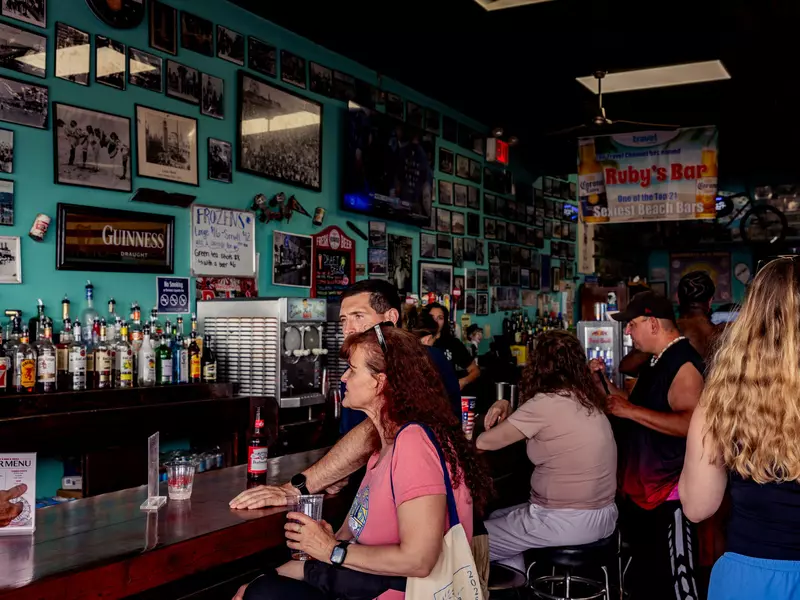
Along the boardwalk, grab lobster rolls from Paul’s Daughter, gelato from Coney’s Cones and carnival-style fried foods from Ruby’s – a great place to down beer and watch the crowds drift by. If you’re willing to hoof it a few blocks inland, get a slice from Totonno’s, firing up Neapolitan-style pizza since 1924.
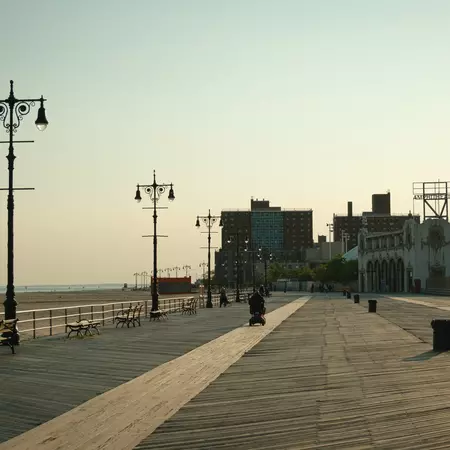

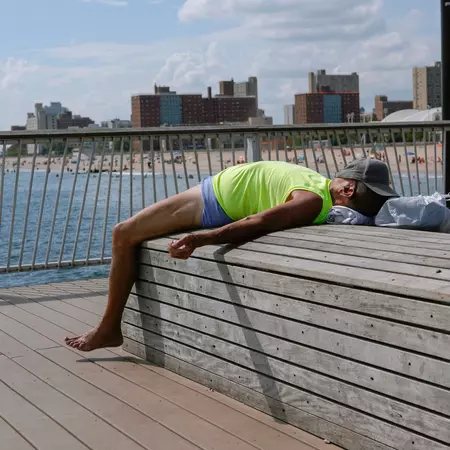
Strut down the Riegelmann Boardwalk. This 2.7-mile promenade, dating back to 1923, runs through the major sites, with the beach on one side, greasy food stands on the other and all the amusement rides blinking above. From here, you can choose your own adventure: hop on the Wonder Wheel, grab a Nathan’s Famous hot dog, see the Coney Island Circus Sideshow, then cap it off with a brew at Freak Bar.
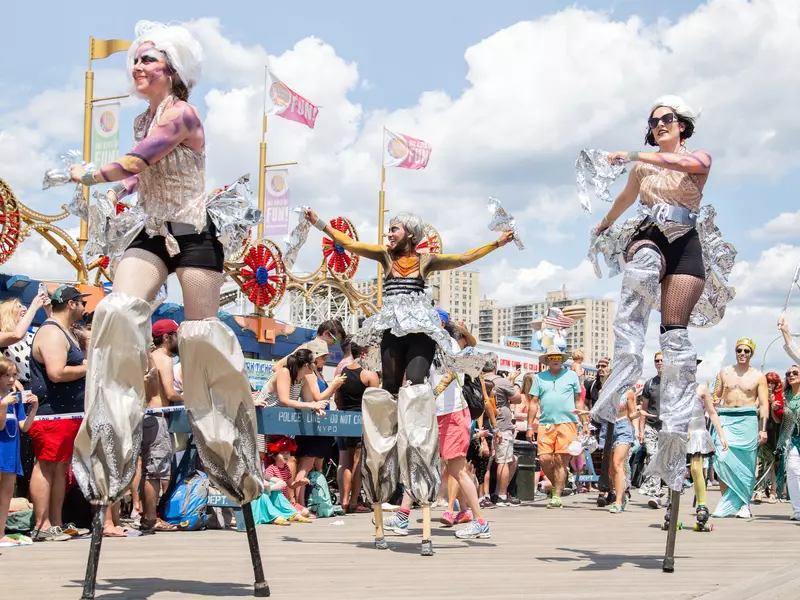
Coney Island’s quirky side is most evident during its annual events. June’s Mermaid Parade is an offbeat summer solstice celebration, washing over Surf Ave with homemade floats and nautical costumes. Dick Zigun, the unofficial mayor of Coney Island, started the gathering in 1983 – a beloved bacchanal where nearly everyone is half naked and covered in glitter.
Crowds return for the Fourth of July, which includes fireworks, a Cyclones baseball game and the infamous hot dog eating contest. (Joey Chestnut holds the record: 76 weiners.)
If you happen to worship fictional NYC stars Jerry, George, Kramer and Elaine, plan a visit to see the Cyclones during its August Seinfeld Night. It’s more Seinfeld convention than baseball game, culminating in a wacky Elaine-themed dance competition.
LGBTQ+ ravers: look out for Battle Hymn’s daytime dance fest near the boardwalk. Once you’re done step-touching, take a twirl on Wonder Wheel.
On January 1, warm-blooded New Yorkers gather for the Polar Bear Plunge; for this tradition dating back to 1903, brave souls dip in the icy Atlantic for a fresh start to the new year. Thousands of people participate, and much like the Mermaid Parade, costumes are encouraged.
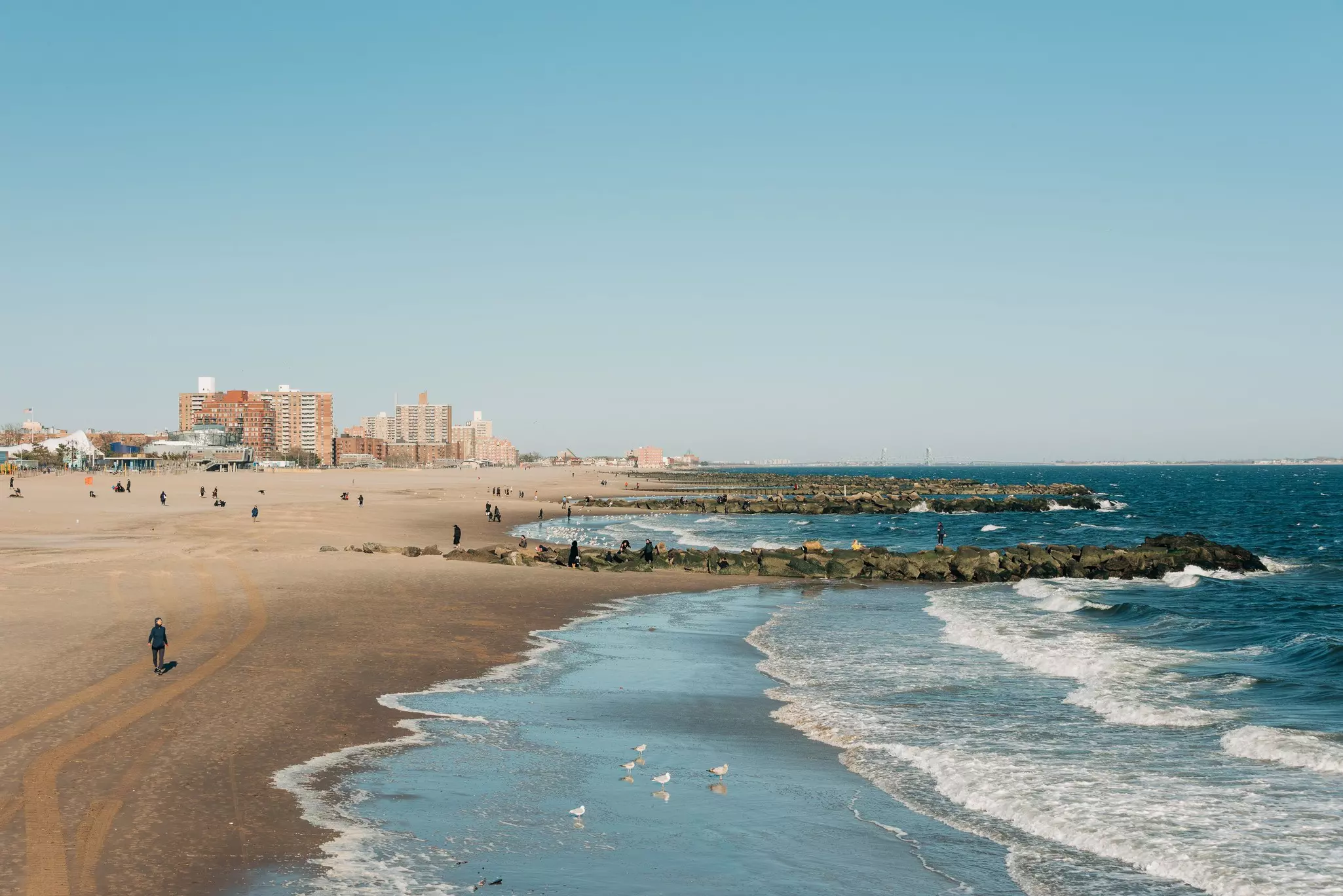
The amusement parks provide limited accessible alternatives for people with physical or cognitive disabilities, but there’s still plenty to enjoy. Coney Island Beach has eight wheelchair-friendly access points, and beach wheelchairs can be reserved through NYC Parks.
For people with sensory sensitivities, the New York Aquarium provides bags filled with fidgets and noise-canceling headphones. Visit its website for more accessibility info.
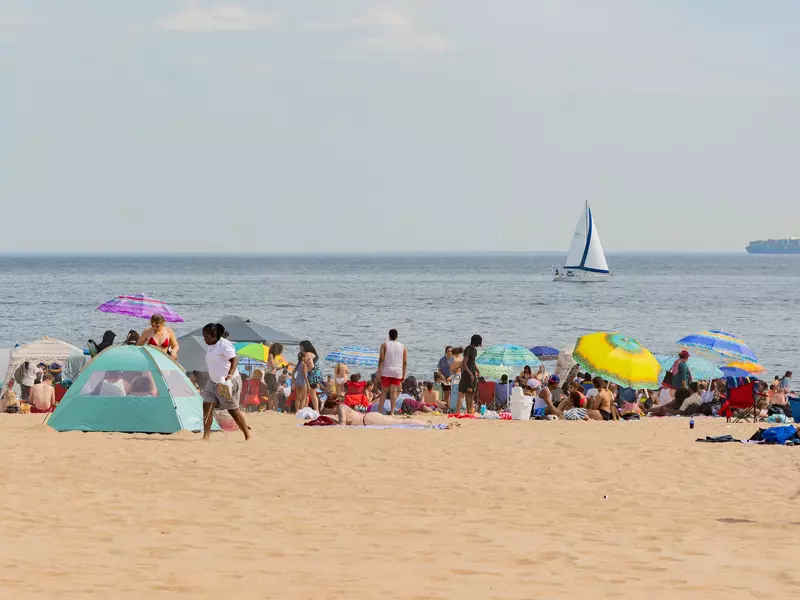
If you want to relax on the beach, bring a towel. (If you want solitude, walk to neighboring Brighton Beach, where crowds are thinner.)
The summer sun can be brutal. Wear sunscreen, and bring a water bottle. If you’re visiting in spring or autumn, expect chilly weather, and wear layers.
Explore related stories