Aug 13, 202617 min read
In Search of Belonging: Exploring My Identity in KoreaAug 13, 2026
17 MIN READ
Writer
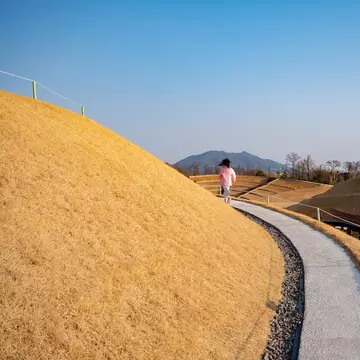
Suncheon Bay National Garden in South Korea. Anna Haines

Writer
Highlights
Writer Anna Haines searches for belonging on a solo trip through southern Korea.
Hiking Busan's Igidae Coastal Trail, Haines finds her first escape from the pressure to fit in.
At Suncheon's Drama Filming Set, Haines finds she's not the only one cosplaying as Korean.
By Jeonju, Haines is too white for Koreans and too Asian for non-Koreans.
Lonely Planet may earn a commission from affiliate links on our site. All recommendations and reviews reflect our own independent opinions.
“Where are you from?” The universal question for a traveler. For me, it’s a question I received at home long before I knew how to answer. My dad is Korean, but didn’t raise me. So my blonde, blue-eyed single mom, carrying little me with slanted brown eyes and a tuft of black hair, often prompted the question, “Where did you adopt her from?” She would affirm, “She was born here, she is Canadian.” Growing up, everyone in my life was white, and the pop culture I consumed was white, so I rarely thought about my Korean roots. It was only when my mom died suddenly 11 years ago that I became curious about the other half of my DNA.
After a series of unexpected losses this winter, I spontaneously booked a one-way ticket to my dad’s native country. I had been twice, but only to Seoul, where I experienced a polished Korean culture manufactured for non-native travelers, like me, in the form of perfectly synchronized K-Pop routines, K-Beauty rituals for flawless skin, and dreamy K-Dramas. I wanted to go deeper and would spend 6 weeks traveling along the southern coast from Busan and then northwards to Seoul. Instead of finding long-lost family, I hoped to discover new parts of myself.
Through sleepy, jet-lagged eyes on a high-speed train into the city from Busan airport, I saw an older woman kiss a woman presumably my age on the forehead with the kind of familial tenderness only shared between mothers and daughters. It was my late mother’s birthday, and already facing the grief of my absentee dad in Korea, I was also facing the familiar grief for my mom. My gaze extended beyond the pair to a woman my age who struck me for her immaculate beauty. I was in awe of her glass-like skin and smooth, glossy hair pulled tightly into a knot.
I recalled a childhood spent longing to look like my white mom. Watching '90s films where the heroine was typically blonde and white, I felt less beautiful because of my Korean features – my thin eyes and barely-there eyebrows. Now I wanted to look like the woman before me, not to feel pretty, but like I belonged. From that moment onward, I noticed my reflection in the countless mirrors in shops and cafes, wondering if I looked Korean enough. I quickly molded myself to the local dress, opting for gaucho pants over leggings, as I noticed the local distaste for form-fitting clothes, and religiously wore a hat; exposing my face to the sun made me an obvious outsider.
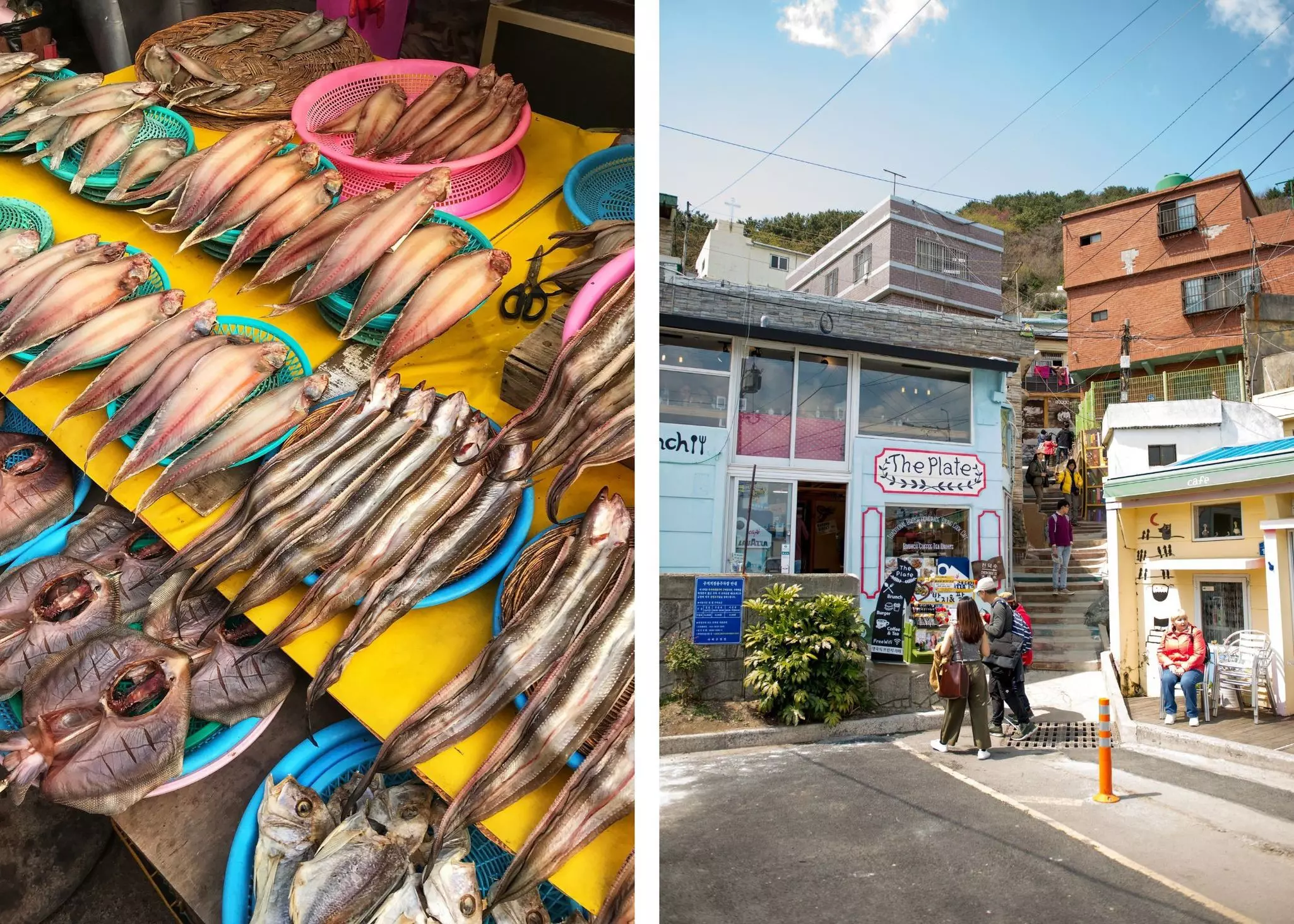
I chose to stay first in Gwangalli Beach, a laid-back alternative to the more touristy Haeundae Beach further east, and began the next morning in search of seafood (grilled fish is a Korean breakfast staple). Jagalchi was the obvious choice – the fish market is the largest in the country. I browsed the endless tanks of live fish – from slithering eel to crab the size of my head – before selecting shrimp and scallops. After paying, a young man magically appeared and led me upstairs to the market’s dining hall, where jwaseok-style (floor) seating overlooked the harbor.
“Barbecued or steamed?” He asked, gesturing to my bag of seafood. As I waited for my barbecued feast to arrive with a simple selection of banchan (side dishes), rice and fresh perilla leaves for wrapping, I observed the diners around me. The locals could de-shell with their eyes closed, while the tourists, like me, asked the server how to approach their fresh catch.
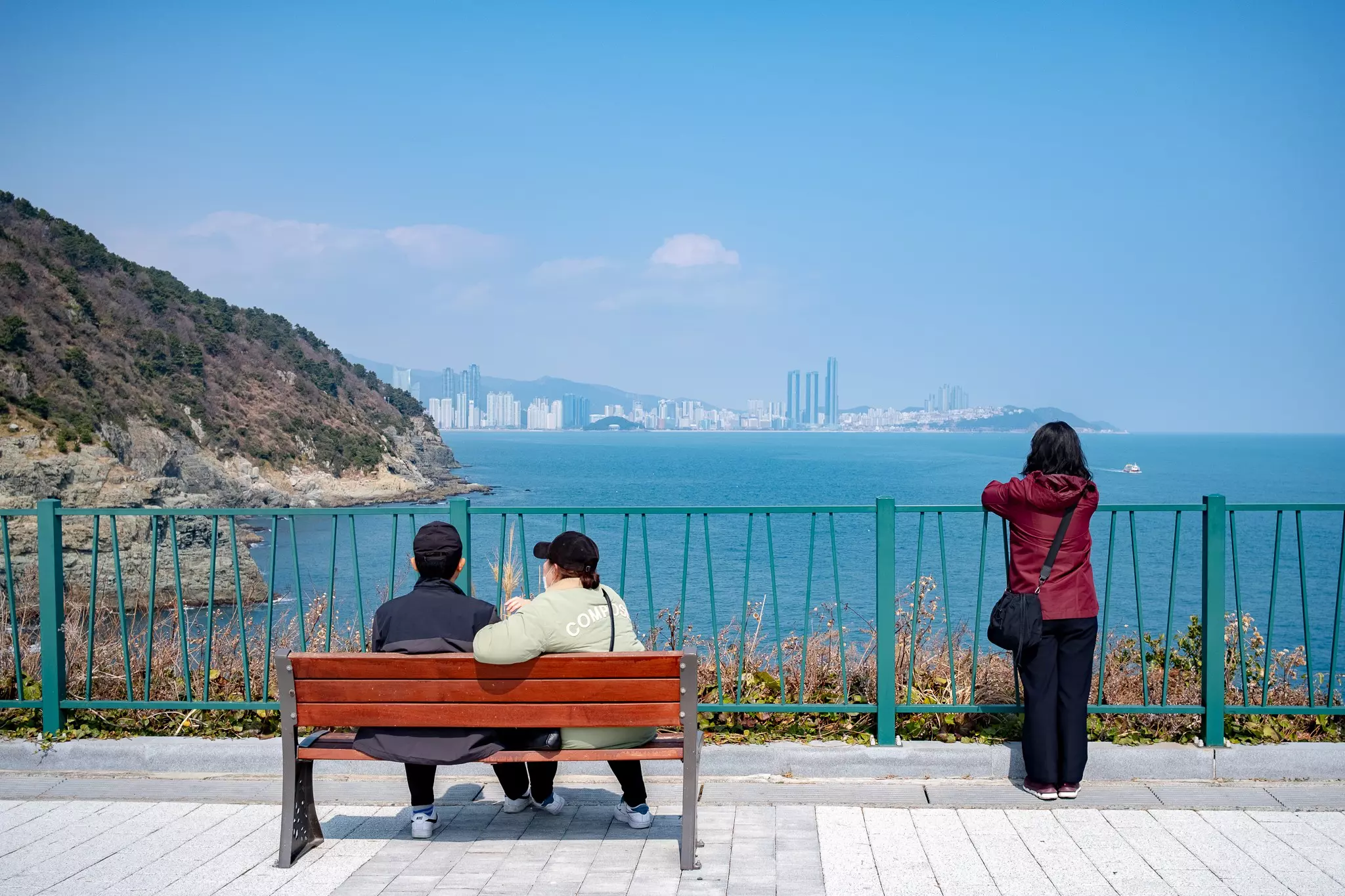
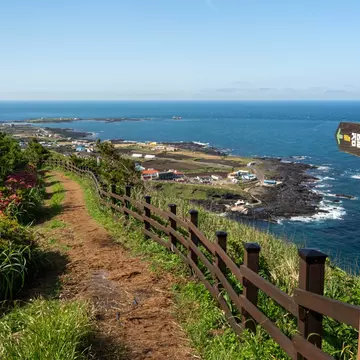
After a couple of days exploring the cultural villages of Huinnyeoul and Gamcheon and shopping in the buzzy neighborhoods of Seomyeon and Jeonpo, I was itching to explore Busan’s seaside geography marked by cavernous cliffs eroded by the magnificent ocean waves. I found the most impressive views on the Igidae Coastal Trail, making my way north from the Oryukdo Skywalk, a free glass-floored walkway overlooking the sea and Oryukdo Island, to the Gwangan Bridge Viewpoint. Along the 5km trail, I admired 80-million-year-old volcanic rock formations meeting the open turquoise sea and Gwangan Bridge against the sparkling high-rises of Haeundae Beach. With few encounters on the winding trail, it was the first time I felt freed from any worries of fitting in.
From Busan, I took a high-speed KTX train to Suncheon, the largest city in South Jeolla province. As a fan of Pachinko and When Life Gives You Tangerines, my first stop was the Suncheon Drama Filming Set, where both K-Dramas were filmed. Wandering into a retro karaoke club and makeshift wedding chapel, the empty recreated streetscapes spanning the 1940s through the 1980s felt like an eerie historical dream. Until I stumbled upon the occasional Korean – a couple playing piano in an empty church, a young woman dressed up in a vintage school uniform available to rent. Inhabiting spaces and clothing they weren’t alive for, they looked as awkward as I imagined I did trying to blend in as a local. Here, I wasn’t the only one cosplaying as Korean. When it comes to our culture, perhaps we’re all playing dress-up to a certain extent.
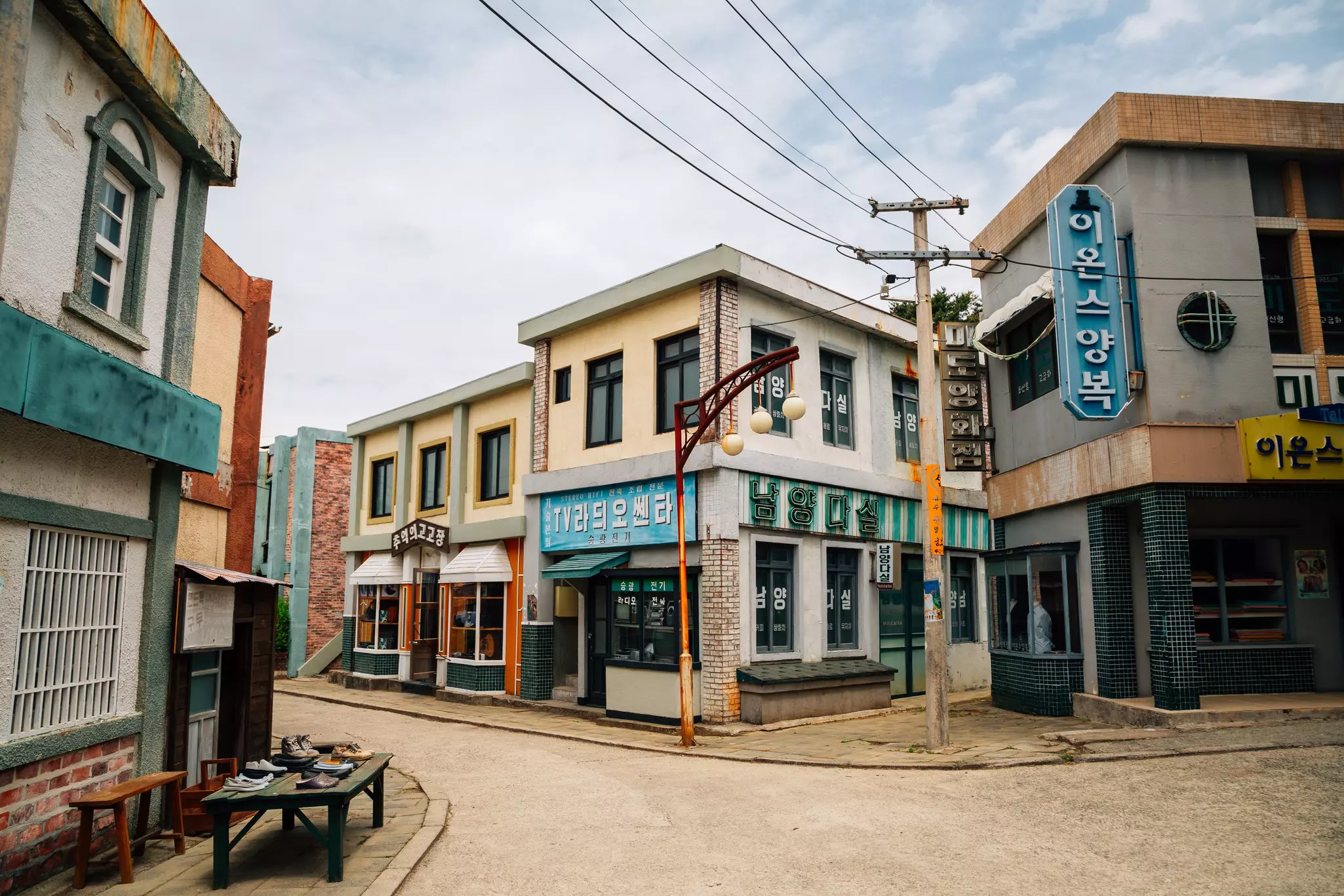
I traveled even further back in time at Naganeup-seong Folk Village, the last remaining walled fortress from the Joseon era in Korea. I quietly witnessed the resident blacksmiths, potters and weavers tending to their crafts in the shade of their thatched-roof homes. Outside, I watched Korean tourists encouraging their children to beat garments on stones with wooden paddles, presumably to experience how laundry was done in the 14th century. Nearby, a father and his teenage son played pretend with a traditional corporal punishment tool. Like the Korean visitors on the K-Drama film set, witnessing modern tourists in a time capsule illuminated how Koreans, like me, are tourists of their own history.
I contemplated what it means to fully embody one’s culture as I watched the setting sun paint the horizon in honey-golden hues at Suncheon Bay Nature Reserve, a protected ecological reserve rich in tidal flatland flora and fauna. More than the thousands of endangered hooded cranes dancing over the stretch of mudflats, my eyes were drawn to the gently swaying reeds. They reminded me of barley, a plant I associate with Korea but don’t identify with, since I didn’t grow up drinking barley tea.
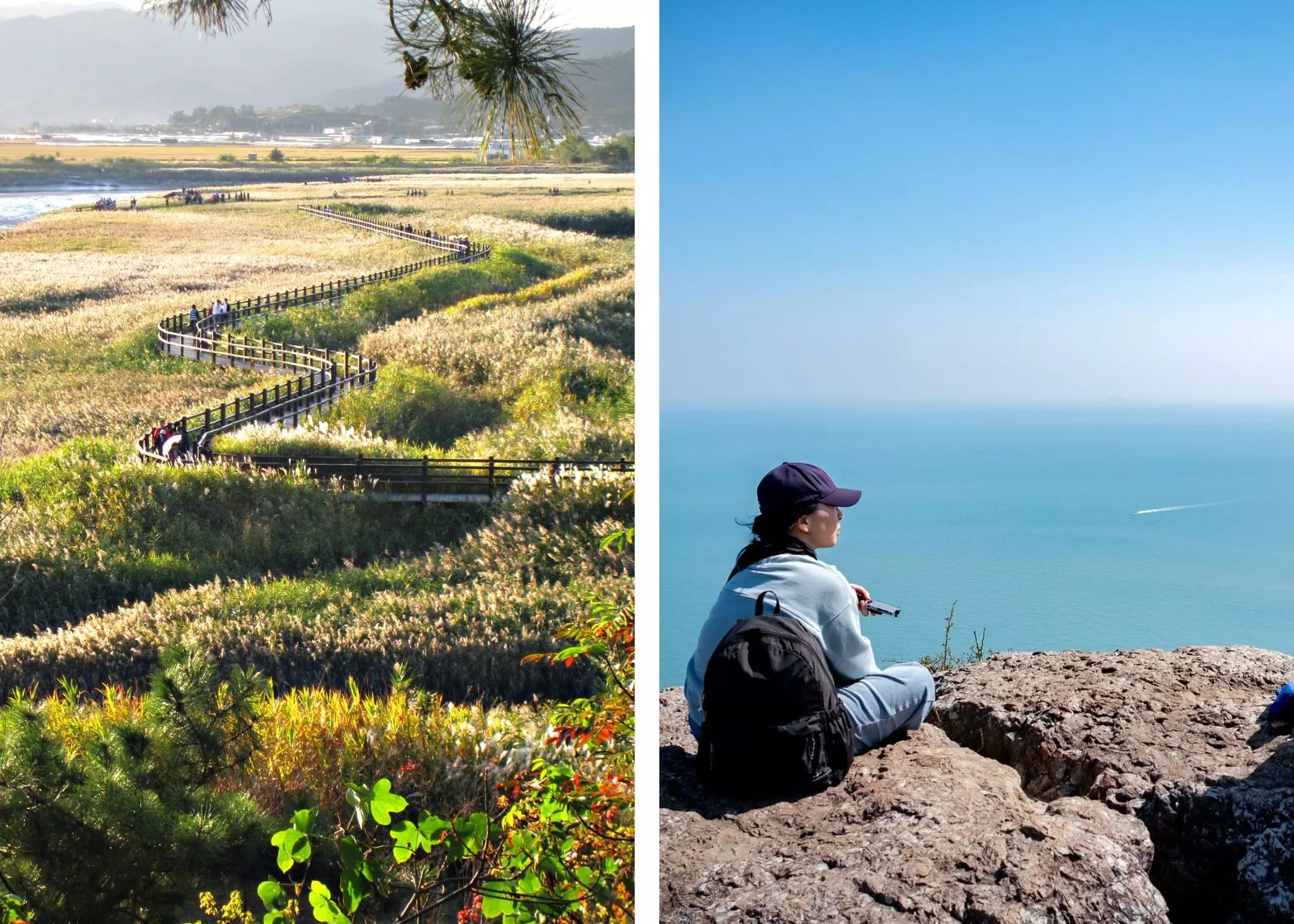
But growing up in an Anglophile household, I did have a strong affinity for tea. So when I heard the other half of my DNA shared my passion, I was determined to find a traditional Korean tea ceremony. I lucked out the next day when I stumbled upon Suncheon Traditional Wild Tea House while walking to Seonamsa Temple on Jogyesan Mountain. For ₩3000, I sampled three types of hand-harvested green tea from the mountain. The meditative experience continued at Seonamsa, as I admired Silla-period Buddhist temples enveloped in rainbow-shaded strings of lanterns and glowing plum blossoms.
I was back on the mountain the next day for my first temple stay. Of the many Buddhist temple stays across Korea, Songgwang-sa appealed for its secluded location in the dense forests of Jogyesan Mountain and its reputation for producing 16 influential monks during the Goryeo and Joseon dynasties. I could feel the friction of my foreignness – more so with the Buddhist way of life than with Korean culture – immediately upon entering my small room, which contained nothing but a thin mattress with a tiny bean pillow and a low table piled with study materials. The bathroom came without towels or soap. The one saving grace was an attached empty room with a kettle and complimentary tea on the floor, overlooking a babbling brook.
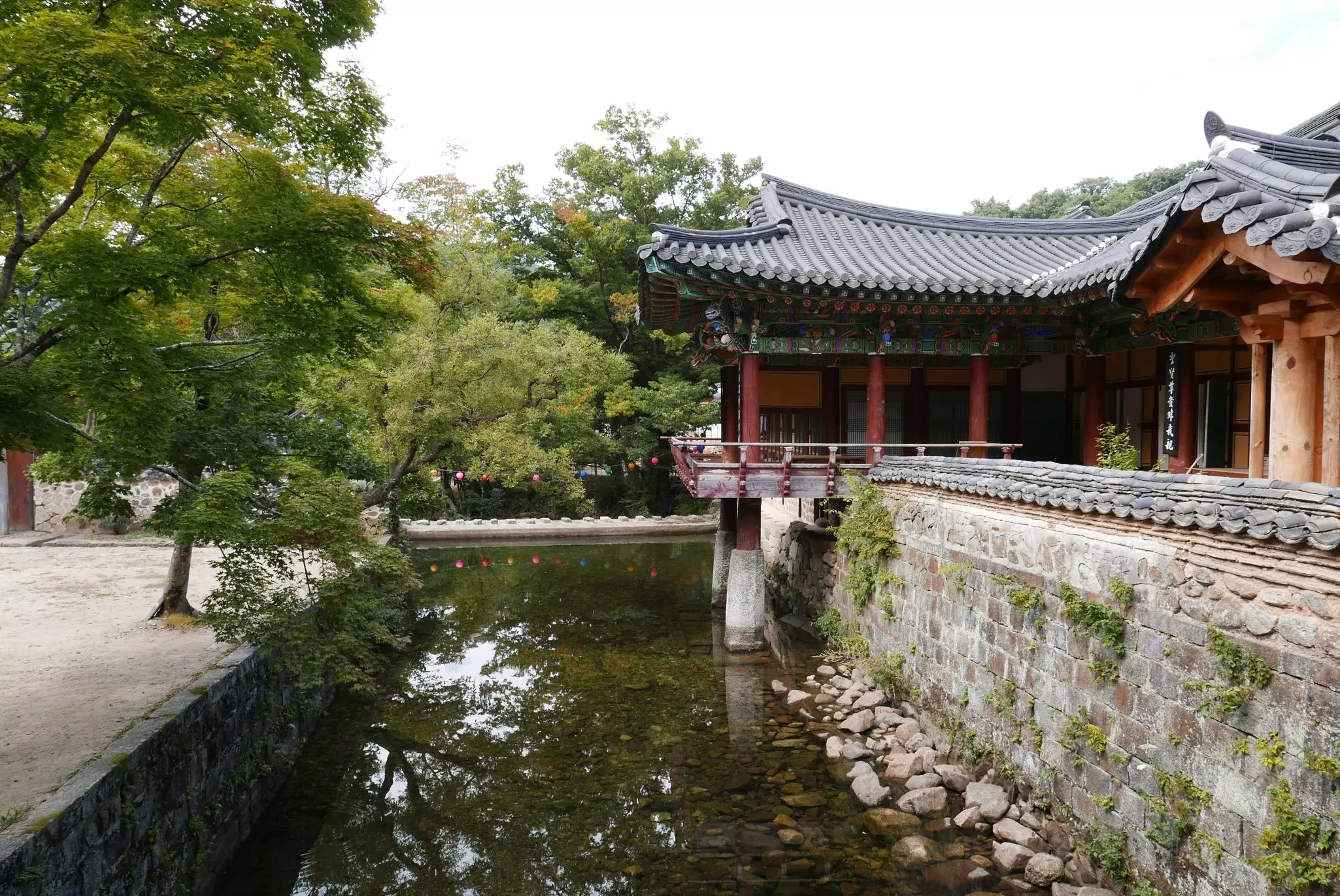
Everyone rushed through a silent dinner of tofu, rice and a few typical Korean sides like sukju-namul (bean sprouts) and sigeumchi namul (spinach) under fluorescent lights before heading to evening prayer. Our group, distinguished by our matching gray uniforms, quietly observed the monks striking a massive gong as the final light of dusk faded. We shuffled single file behind the monks into a temple, where we attempted to copy their bowing ritual. The younger Koreans next to me looked equally confused, and we shared a sympathetic grin of humiliation.
I had made it several hours without anyone realizing I wasn’t a local Korean, until our "teatime with a monk" session, when everyone sat in a circle on floor cushions and introduced themselves. When I said, “I’m sorry, I don’t speak Korean,” the monk’s zen expression broke into surprise. The young woman next to me, who had smiled at me during evening prayer, spoke some English and attempted to translate. Once she relayed that my dad didn’t raise me, the monk began making jokes. But as his light-hearted quips turned more heated, the expressions around the circle shifted from laughter to discomfort. “What is he saying?” I whispered to the young woman next to me. She said she didn’t want to hurt my feelings and translated but one message: he would make me regret never learning Korean.
I sensed the monk’s scornfulness was just his personality, but I still tossed and turned on the floor that night. The next morning, feeling bruised emotionally and physically, I felt less like a monk and more like a spoiled princess too accustomed to warm communication, warm lighting and a warm bed. Before leaving, I found a trail behind the dining hall that led me to an empty Buddhist temple. I sat outside, admiring the unfolding cherry blossoms against the soft contours of the mountains, and finally felt some peace.
I made my way along the coast to the port city of Yeosu and headed straight to a seafood restaurant that appeared to have menu items for one. But the server refused to seat me, insisting I needed company. With all the nearby restaurants catering to large groups, I begged her. She grew impatient and began screaming at me, eventually pushing me out onto the street. Hungry and flustered, I broke down into tears, my first of the trip. Defeated, I went to the nearby 7-Eleven and ate a tuna sandwich in my Airbnb.
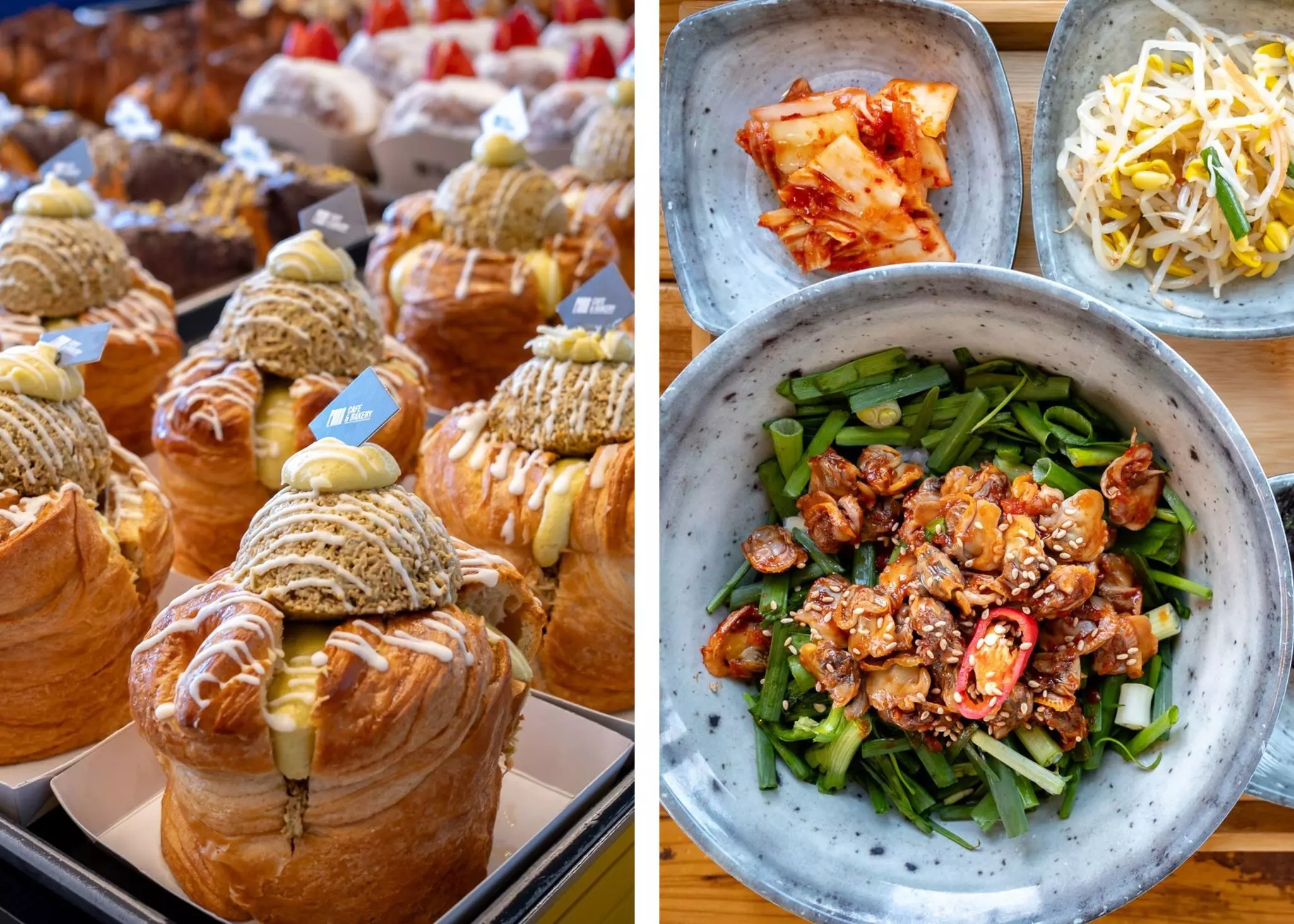
Craving recalibration, I searched for the nearest trail and landed on Odongdo, an island just a 10-minute walk from shore by bridge. As I strolled through the shaded camellia tunnels, pausing to admire waves crashing against the cliffside caves, I contemplated why I, a grown adult, cried so hard over something so small. It wasn’t about the server; I felt guilty that I couldn’t speak my father’s language, and underneath that guilt lay shame. I wasn’t Korean enough; would I ever be?
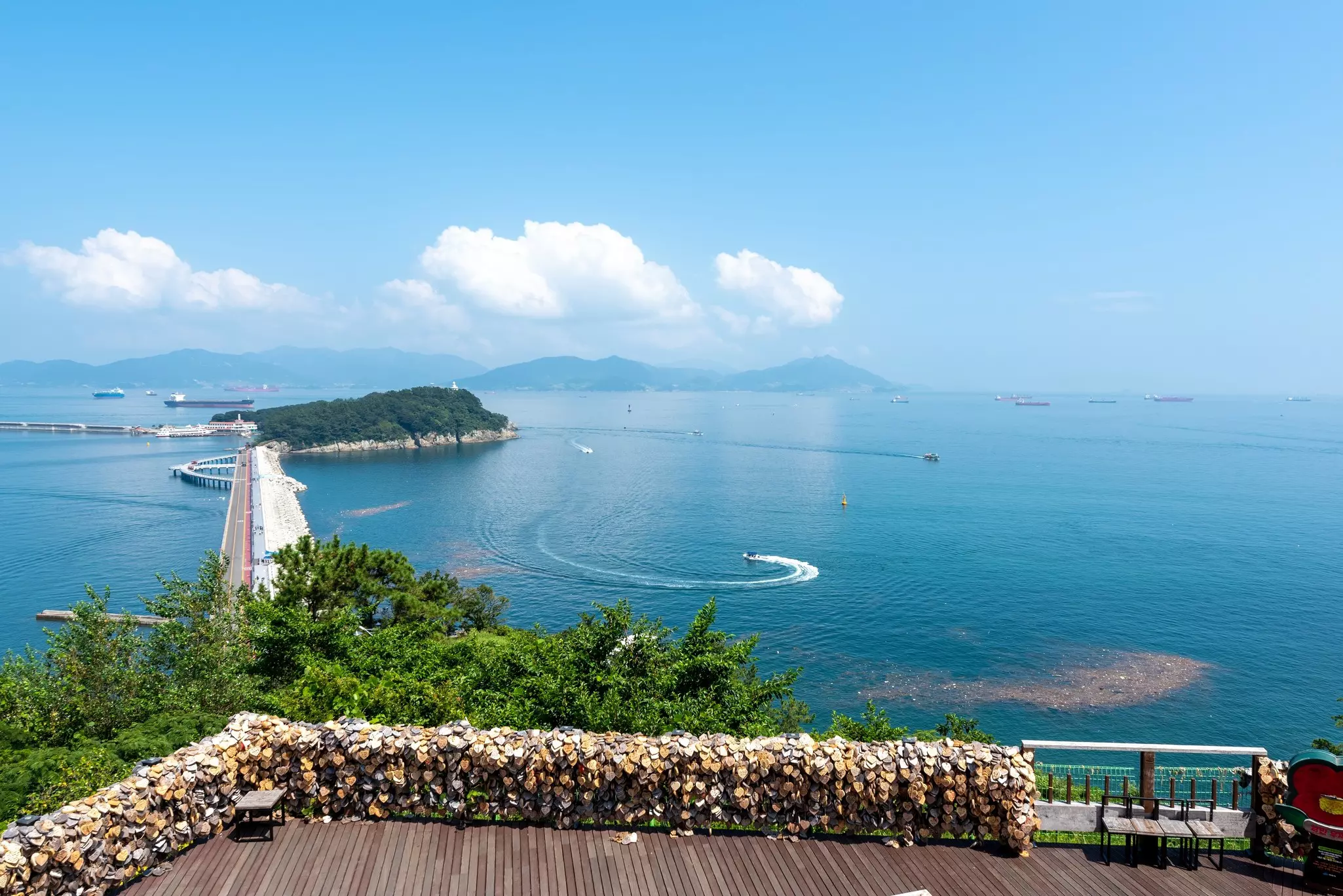
My sandwich wasn’t enough to satiate my hunger. I passed a bakery selling my favorite Korean pastry, cream-ppang, a pillowy bread filled with fluffy cream in all kinds of flavors. The clerk was patient with me as I used my phone to translate my request for a black sesame bun, so I thought she’d be a good person to ask for restaurant recommendations. When I told her where I was going, she said it was popular with tourists – not western tourists, but Korean tourists from outside the city.
She couldn’t think of any restaurants that take solo diners because she said she never eats out alone. But then her face lit up, and she gestured for me to follow her outside. The restaurant next door was popular with locals, and they would take me, she said. It turned out to be the best decision. For US$13, I had a feast of abalone shrimp, cockles, crab marinated two ways, doenjang-jjigae (soybean paste soup) and a dizzying number of banchan.
The next day, I didn’t have the energy to go restaurant hunting again, so I returned. The food was just as delicious, but this time, I was served by the matriarch of the restaurant, who hovered over my table and made fun of how I ate in front of the other diners. I was painfully slow at de-shelling the tightly sealed cockle shells and removing all the shrimp cartilage. I left with a tinge of shame in the pit of my bursting stomach. Instead, I redirected my thoughts to the kindness of the woman at the bakery next door.
Facing frequent rejection made the positive encounters that much more meaningful. Across from my Airbnb, I noticed a shop selling gat kimchi, a style unique to Jeolla Province, made with mustard greens. Once inside, the shopkeeper used Google Translate to tell me he only sells by the kilogram. But then he disappeared into a sealed walk-in freezer and returned with samples. When he saw my face light up upon first bite, he agreed to sell me half a kilogram. I handed him the cash and apologized that I didn’t speak Korean. We played a dance of tossing the bills back and forth until he finally shoved them in my coat pocket.
The next day, I arrived in Mokpo, an island gateway city known for seafood specialties like seballakii (soft octopus served raw) and hongeo (skate served with pork and kimchi). I went to a restaurant that served solo diners only to discover it was gated up. Hungry and desperate for shelter from the pouring rain, I found one open restaurant with a two-person minimum, but the owner obliged when she realized I was a woman traveling alone. I ordered the catfish stew, a deep orange spicy cauldron that wasn’t a local specialty but exactly what I needed on a cold, wet day. When I went to pay, I explained why I didn’t speak Korean. Her stern lips softened into a frown. It was the most sympathy I’d experienced so far. She insisted I keep my money, but this time I refused and added a hefty tip. I left with a full heart and walked until my shoes were soaked, letting raindrops join the tears falling down my cheeks.
My next stop was Jeonju, an ancient city less than 2 hours from Seoul by train. With hundreds of hanoks (traditional wooden homes) and its reputation as a culinary capital, Jeonju has no shortage of tourists, which, for the first time in my entire life, thrilled me. Menus catered to English-speakers with translations, photos and dishes for one. Staff were patient and usually knew a few words of English. And I stood out less.
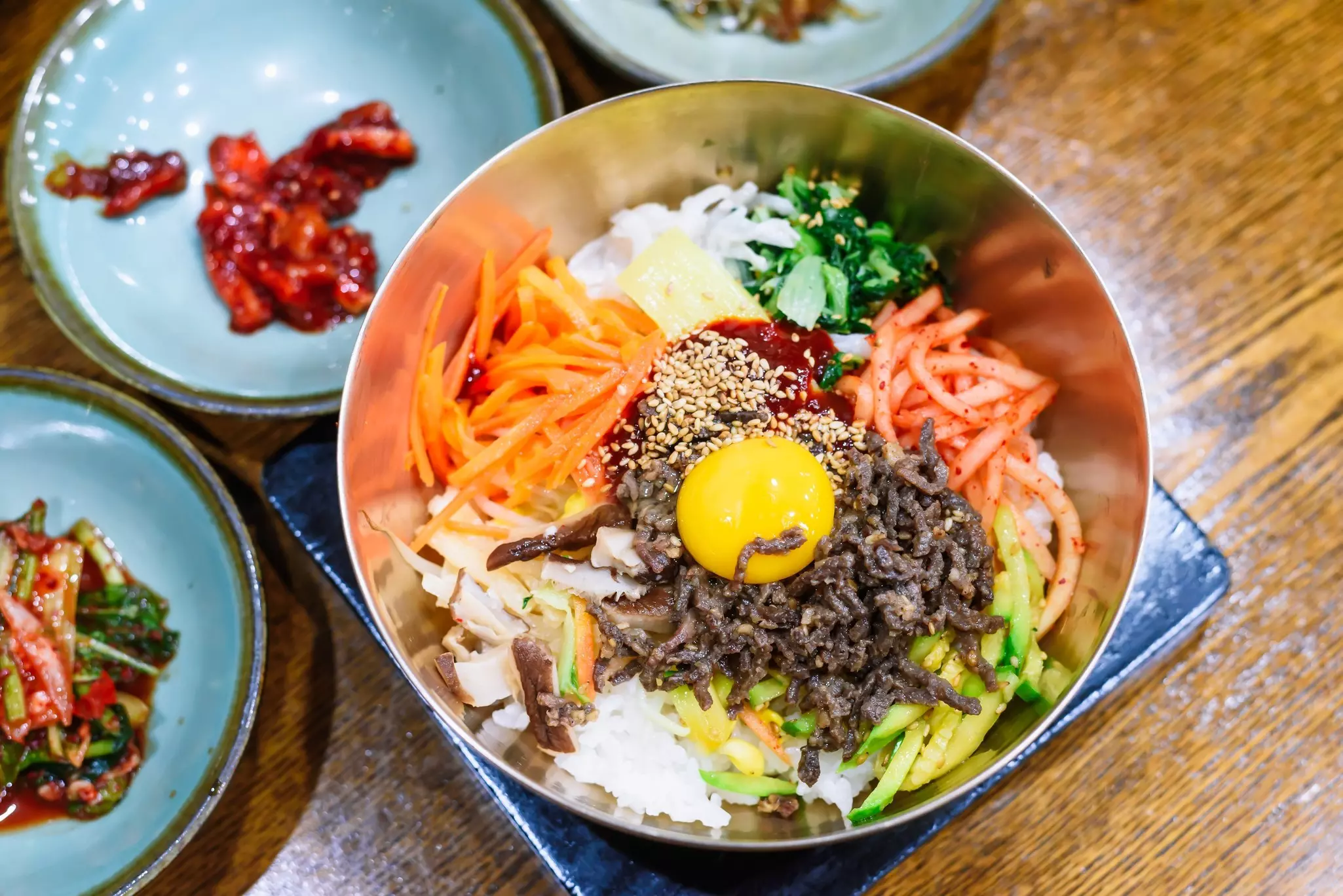
My first order of business was bibimbap, a nourishing bowl of rice typically mixed with marinated beef, raw egg, seasoned vegetables and sweet gochujang (red pepper) sauce. Jeonju is famous for the yukhoe style of the quintessential Korean dish, which is made with beef tartare. The oldest establishment is believed to be Han Kook Jib, but it was too busy, so I found a quiet restaurant overlooking a sun-soaked hanok, and felt my body soften at the sight of “bibimbap for one” on the menu.
I came to Korea out of a desire for belonging and found myself confronting the same dilemma of my childhood: too white for Koreans and too Asian for non-Koreans. One afternoon, a group of non-Korean tourists greeted me in Korean as I walked past them. “Hey,” I responded, since they carried the body language of Westerners. “Whoa, I thought she was Korean,” I heard one of them say.
The next morning, I went to Nambu Market in search of another local specialty: gukbap, a simple bean sprout rice soup often used as a hangover remedy. I found a tiny restaurant filled with Koreans who ate with the no-fuss air of a regular. As I was contemplating how to eat my bubbling gukbap, a white couple sat down next to me. The same server who, minutes prior, shouted at me with the now-familiar tone of disapproval over my etiquette confusion, doted on this couple as if they were innocent newborns. When they approached their bibimbap the rookie way – eating it as it's presented with chopsticks, rather than mixing everything together and eating with a spoon – the server spoke softly, gesturing gently to demonstrate. Their foreigner curiosity elicited gratitude; mine elicited disappointment.
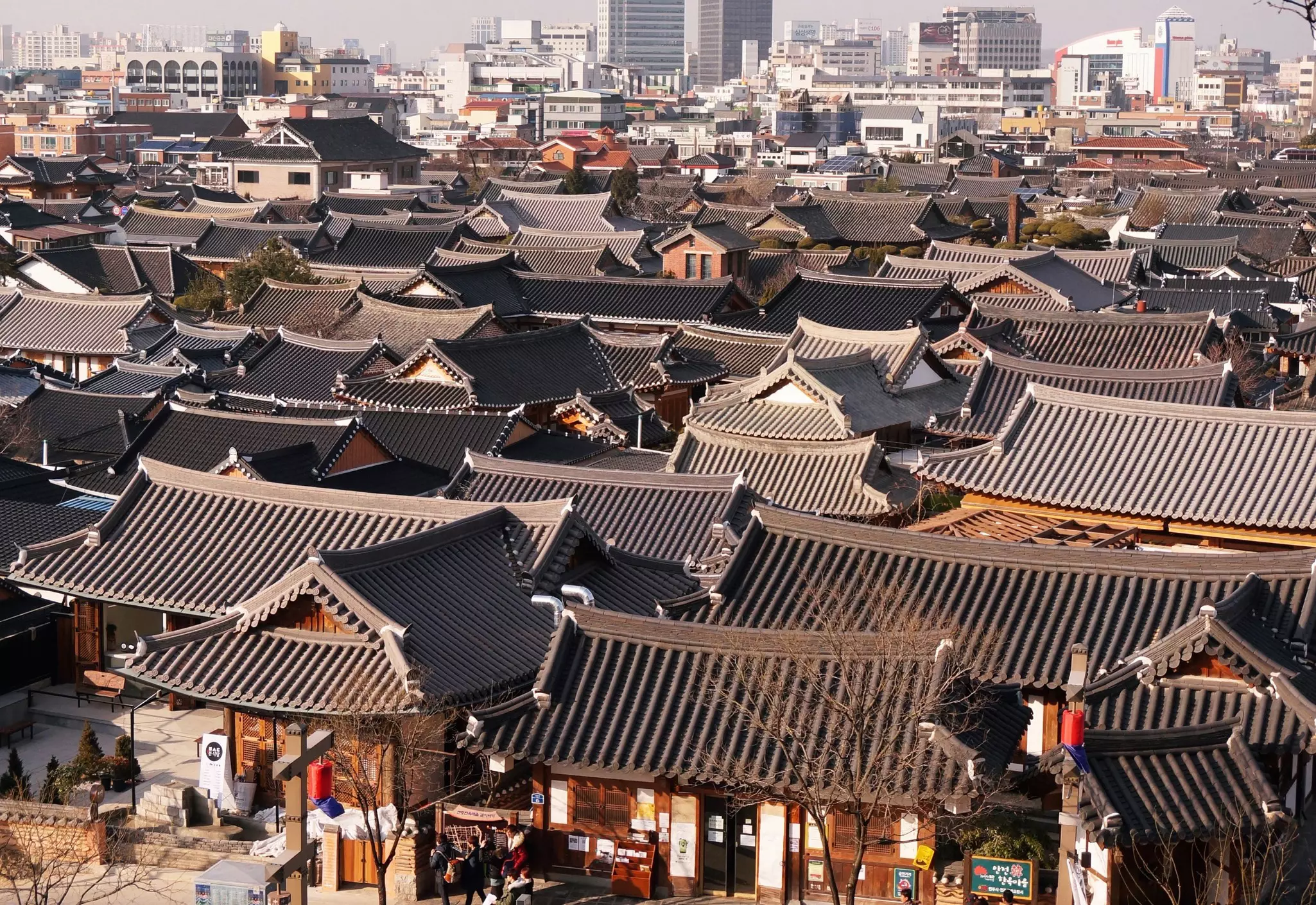
In Jeonju Hanok Maeul, my attention shifted less to the 700 traditional homes that make the village Korea’s largest, and more to the many Koreans and non-Koreans dressed up in rental hanboks (traditional Korean dress). When I did this in Seoul a couple of years ago, I felt like an imposter. Now, I noticed I felt the same way seeing non-Koreans in hanboks. They looked like they were playing dress-up. But why did I interpret Koreans in traditional dress as more authentic? These Koreans could be from another province or another country. Anybody can pretend to be Korean; what makes one’s claim to the culture more legitimate?
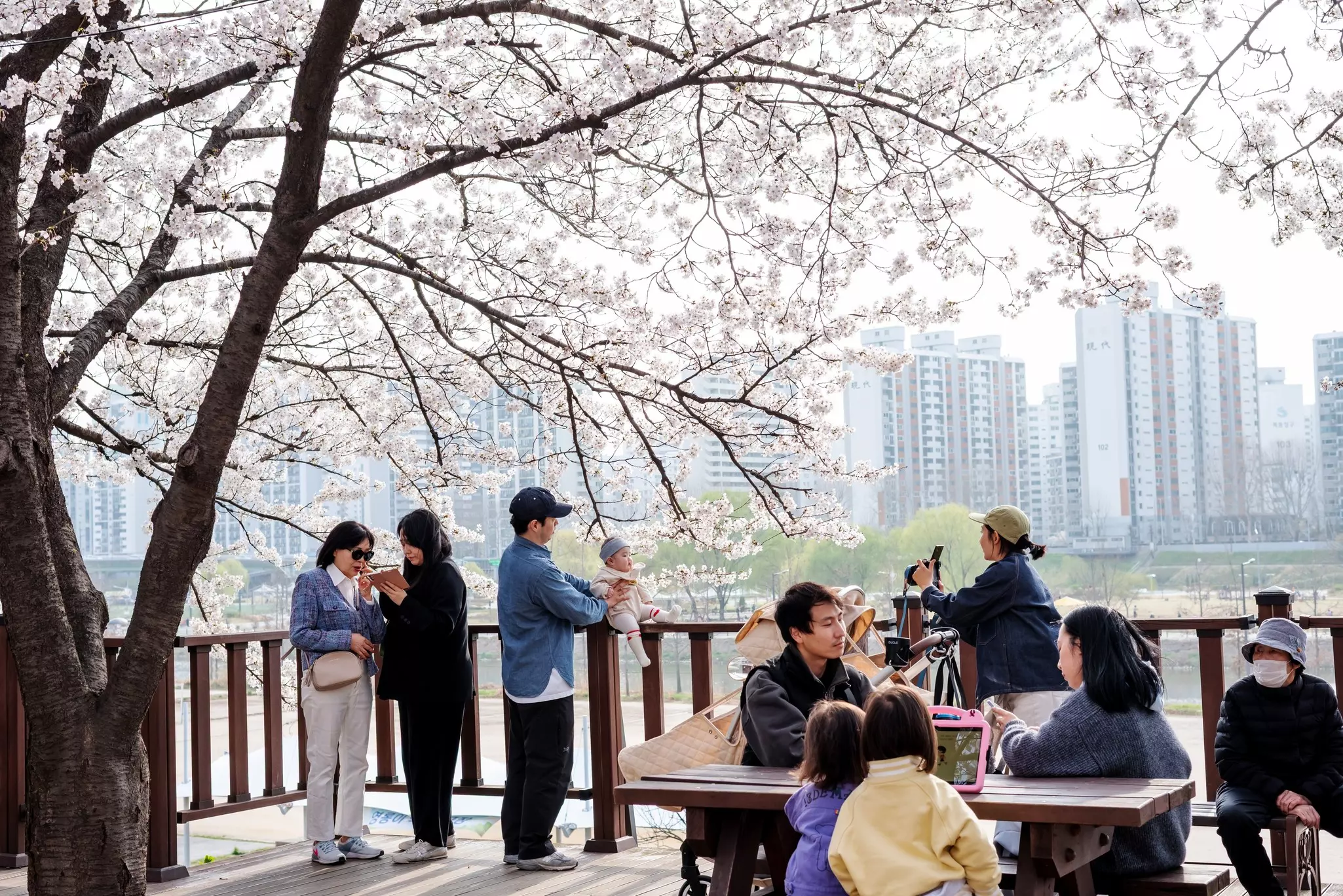
I needed to get away from the questions I couldn’t answer. Wandering away from the village, I spotted a row of cherry blossoms framing a narrow stream that led me to a temple nestled deep in a verdant valley. I imagined all my identity anxieties flowing downstream. The rain stopped, and the crisp air smelled like a fresh start.
On my way back to the hanok village, I stumbled on a charming clothing shop. When I remarked on how chilly it was outside, the owner asked if I would like to stay for tea. For the next hour, we shared details of our lives over Google Translate while a familiar soundtrack of Biggie and Spice Girls played overhead. As I was leaving, she placed a handmade keychain with a Korean chestnut in my palm. I imagined my heart at the end of this trip like the plump chestnut, filled with all the moments of unexpected kindness that saved me from the more painful encounters.
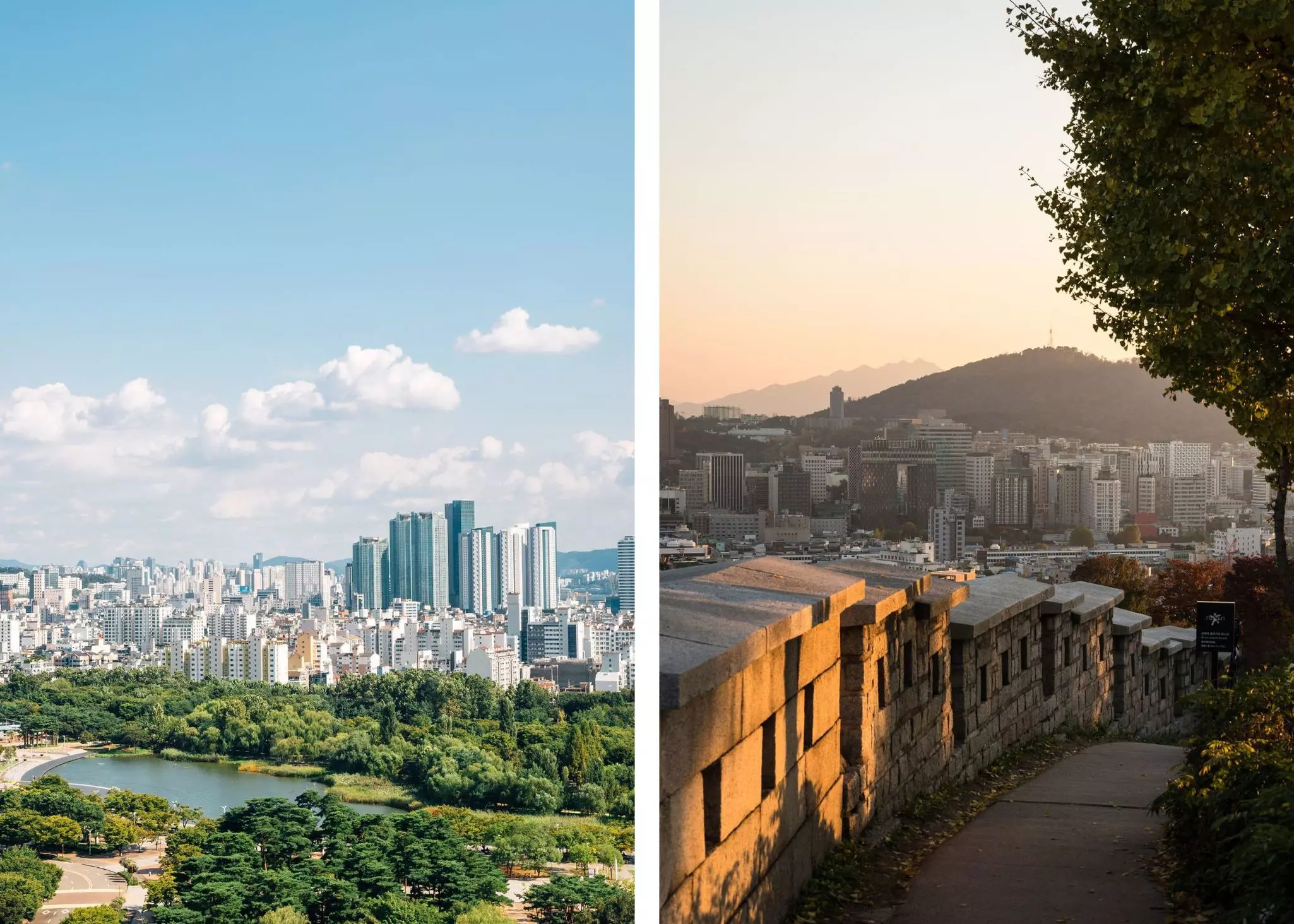
I ended my trip in the easiest of Korean destinations: Seoul. As a hyper-capitalistic city increasingly catering to solo lifestyles and tourists, I didn’t stand out for being Western and found endless opportunities to engage in shopping therapy. Growing up struggling to find pants that fit, I always resented my short legs. But at Dongmyo Flea Market, every pair of pants I thrifted without trying on fit. My long-held belief that I don’t have a face built for glasses was disproved when nearly every frame fit at an optical boutique in Seongsu. Back home, my haircuts always came out choppy and blunt. At a salon in the youth-centric neighborhood of Hongdae, they knew exactly how to handle my fine, flat hair. The results left me speechless. Maybe the problem was never my body, face or hair, but Western sizing standards.
I spent my last afternoon on Namsan Mountain in the heart of the city. As I took my time ascending its leafy, shaded paths, I thought of all the silent walks in nature I’d taken over the past 6 weeks. My silence in communication was a source of pain, but on the trail, silence was a source of solace. The trail was the only place in Korea where I felt free of judgment and shame. While I would carry both the kind and hurtful encounters home with me, I realized I didn’t need approval from anyone here. People could always reject me, but the land couldn’t. I thought getting back to my roots would mean rooting myself in the culture; instead, it meant rooting myself in the land where my ancestors were born. All this time, I hoped belonging would come from an external source. Now I knew it was a feeling that could only be fostered within me.
Book your South Korea trip with Lonely Planet Journeys
See South Korea how it's meant to be seen
Planned by local experts and tailored to you, Lonely Planet Journeys handles the logistics so you can just enjoy the trip. Tell us what you want and we'll build your South Korea itinerary from scratch, or browse our bookable trips to get inspired.


Explore related stories