
Oct 22, 20263 min read
Best Time to Book a Flight: How Far in Advance and Which Day Is CheapestLonely Planet may earn a commission from affiliate links on our site. All recommendations and reviews reflect our own independent opinions.
Creativity accumulates slowly, over centuries. It gathers in the scent of roses at the perfumeries in Grasse, France. You'll sense it in the waxed batik textiles drying under the Javanese sun in Yogyakarta, and in songs rising over the red-earth campus at Shantiniketan, India.
Around the world, travelers can plug into human creativity in school courtyards, community workshops, markets and neighbourhood streets, where skills are repeated often enough to become tradition, and passed from one generation to the next.
These places offer something increasingly rare: the chance to encounter creativity as part of a community’s daily rhythm, and perhaps find your own creative rhythm in the process. If you are inspired by human imagination, here’s our list of the most creative towns and cities across the globe.
Best for artists, writers and lifelong learners
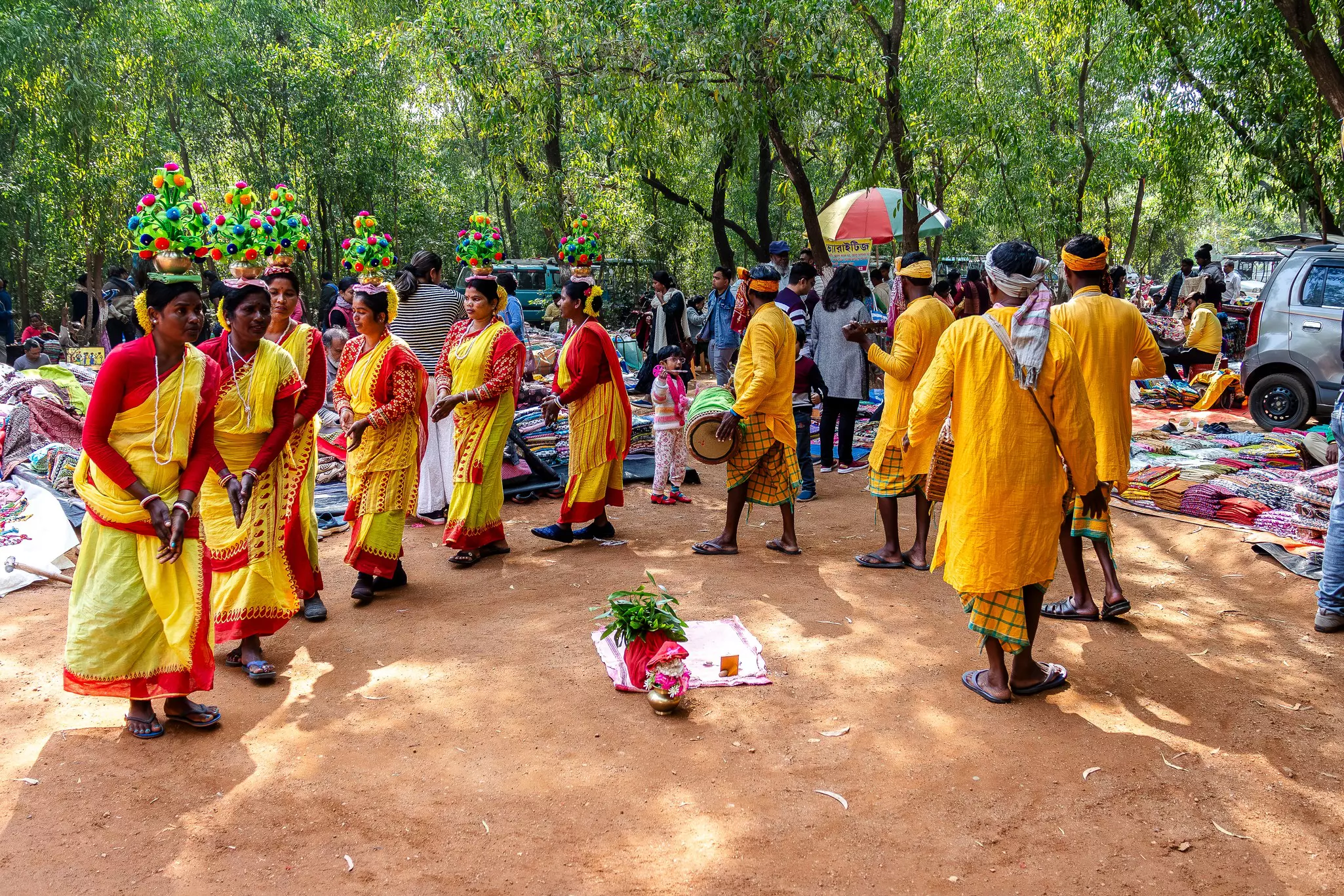
When Bengali poet Rabindranath Tagore founded Kala Bhavana in 1919, he imagined an art school without walls. Students learned beneath trees, painted murals directly onto buildings, and moved freely between painting, sculpture, craft and performance. This philosophy challenged colonial models of education and helped shape modern Indian art.
That spirit remains visible today, both on the campus and in the surrounding town of Shantiniketan, around 150km north of Kolkata. Batik makers, kantha embroiderers, printmakers and sculptors continue to work throughout the town, many connected directly or indirectly to Visva-Bharati University. UNESCO recognized Santiniketan as a World Heritage Site in 2023, citing its unique fusion of education, art, architecture and landscape.
The red-earth campus remains one of India’s most inspiring places to wander. Open-air classrooms, murals, sculpture gardens and artists’ studios blur the boundary between learning and living. Visit during the annual Poush Mela in December and the town fills with Baul musicians – mystics who fuse elements of Sufism and Vaishnavite Hinduism – alongside craftspeople and performers from across Bengal.
When to go: December is the most atmospheric time to visit, thanks to the Poush Mela cultural festival.
Getting there: Trains connect Kolkata with Bolpur Shantiniketan station in approximately 2.5 to 3 hours. On arrival, take an autorickshaw to reach the Visva-Bharati campus.
Pair with: A visit to the Sonajhuri Haat, an open-air market for local artisans held every Saturday on the edge of the Sonajhuri Forest.
Best for craft lovers and cultural historians
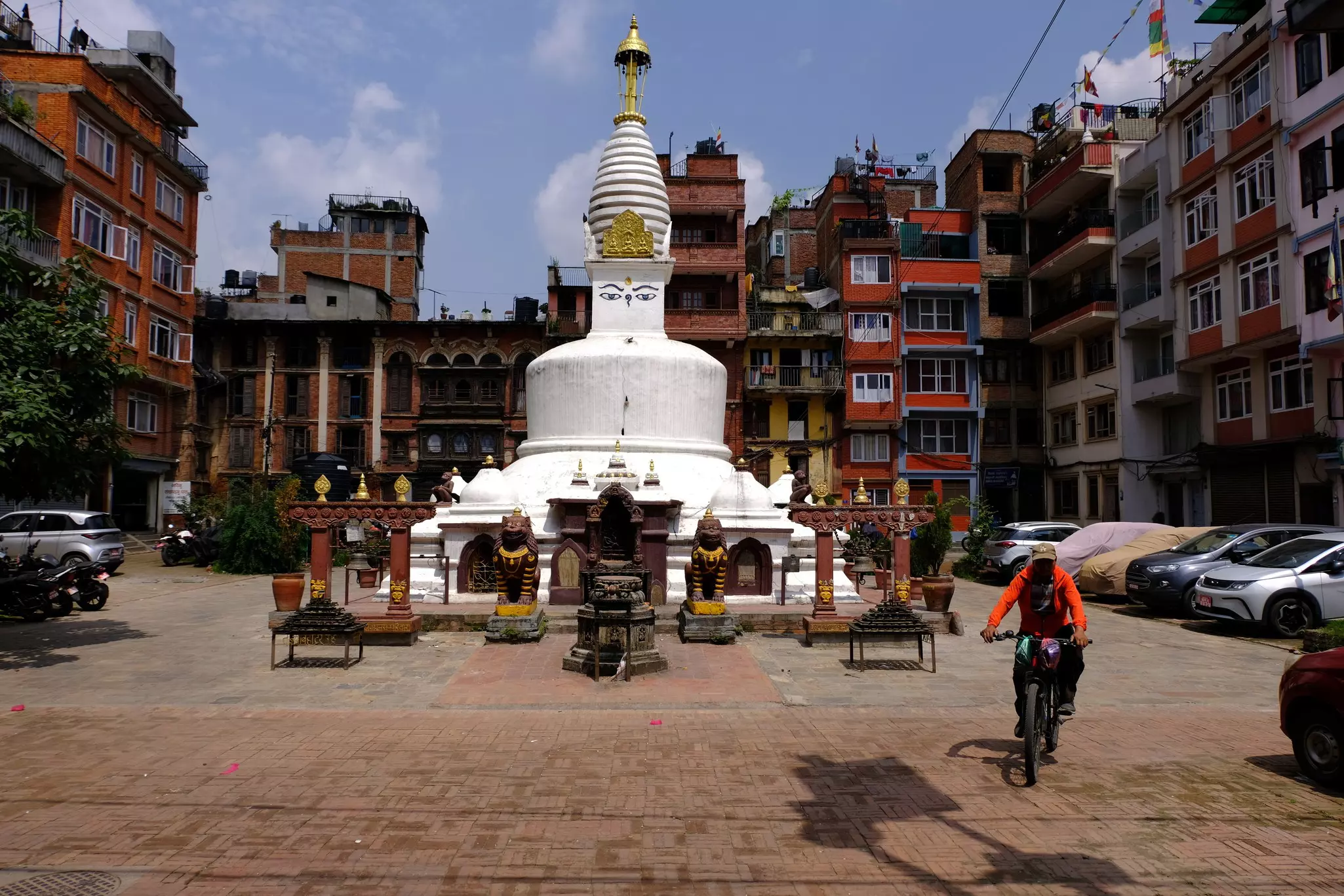
Across the Bagmati River from Kathmandu in Nepal, Patan remains the cultural heartland of the Newars, the Indigenous community whose language, architecture, cuisine, festivals and craftsmanship helped shape the Kathmandu Valley. The artistic legacy of the Newari people is visible everywhere, from intricately carved courtyards and gilded temple rooftops to workshops producing sacred objects for religious ceremonies.
The neighborhood of Okubahal is known for its repoussé metalwork (where intricate designs are hammered into thin metal) and lost-wax casting – both techniques that have been used for centuries to create Buddhist and Hindu sculptures across Nepal and beyond.
Nearby studios continue the tradition of paubha painting, a highly detailed sacred art form that emerged within Newar religious practice and later influenced Tibetan thangka painting. Pieces that take months to paint, following strict rules of geometry and pattern, are available for sale.
What makes Patan remarkable is the way these traditions remain embedded in daily life. Artists still create ritual objects used for worship in temples and at festivals, and skills continue to be taught within families. The city rewards slow wandering: a turn through a brick alleyway can reveal a sculptor’s workshop, a hidden courtyard shrine or an artist bent over a painting in progress.
When to go: The best weather for wandering is during the cooler, drier months from October to March. Alternatively, come during the hot spring for the Rato Machhindranath Jatra celebrations.
Getting there: Patan is 20 to 30 minutes by taxi from Kathmandu’s Tribhuvan International Airport.
Pair with: A few hours in the Patan Museum. Check out this treasure house of ancient Nepali art before exploring the workshops and courtyards around Durbar Square and Okubahal.
Best for sensory travelers
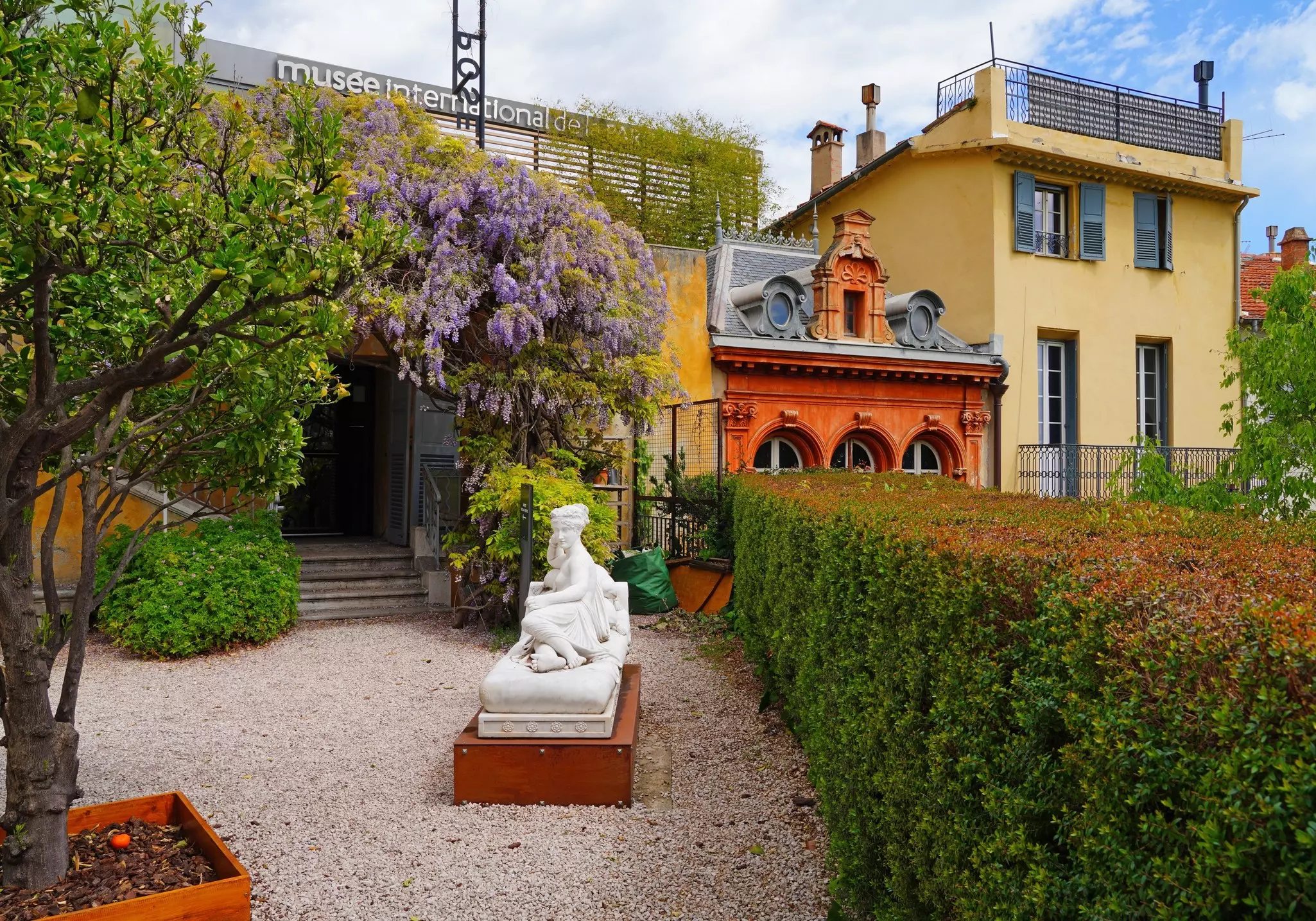
What does a creative city look like when its primary medium is scent? For centuries, the city of Grasse in the south of France has organized its cultural life around the sense of smell. The perfume industry emerged in the 16th century and the town evolved into the global center of fragrance production. UNESCO recognized the olfactory know-how of Grasse in 2018, honoring not only the city's perfume creation but also its history of cultivating flowers and transforming raw materials into aromatic extracts.
The famous perfume houses of Fragonard, Galimard and Molinard continue to train perfumers today, while younger, independent noses are experimenting with new approaches to fragrance. The surrounding landscape remains part of the creative process. Fragrant Centifolia roses bloom in May, while jasmine follows in August.
For writers, artists and designers accustomed to thinking visually, Grasse offers an unusual proposition: a place where memory, atmosphere and creativity are filtered via the nose. Few destinations linger quite so powerfully in the imagination.
When to go: Visit in May for the rose harvest or August for jasmine season.
Getting there: Grasse is about one hour by bus from Nice Côte d’Azur Airport, or trains run here from Nice.
Pair with: A perfume-making class. Several perfume houses offer workshops where visitors can create their own fragrance, including Fragonard. Also be sure to visit the Musée International de la Parfumerie to learn Grasse's backstory.
Best for performing arts and textiles
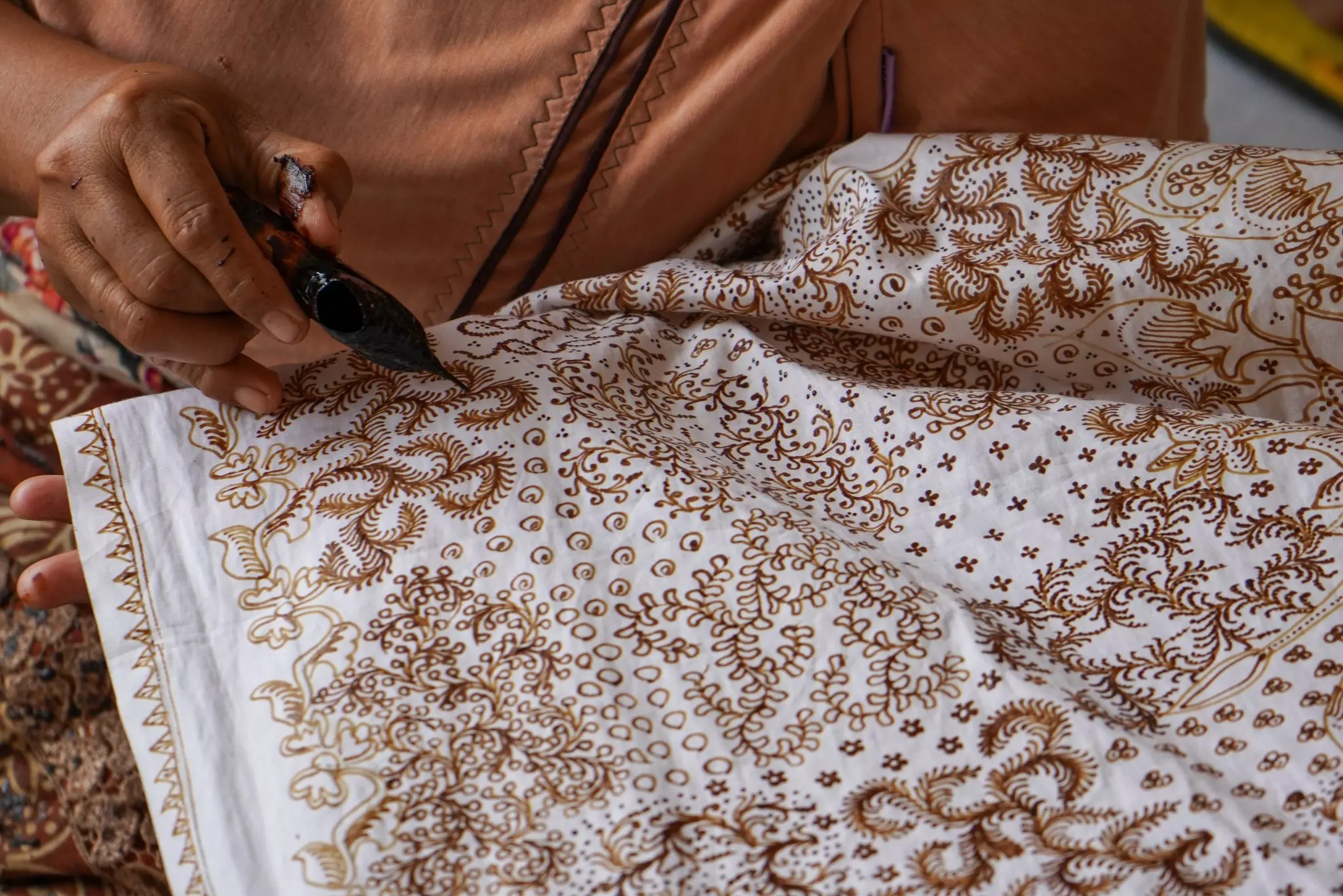
On the island of Java in Indonesia, Yogyakarta is one of the few places where a royal court, a major arts university and a thriving craft economy continue to shape daily life. At the center of the city stands the Kraton, the palace of the Yogyakarta Sultanate, an active center for the preservation of Javan batik traditions.
Batik is created by applying wax to cloth before dyeing, producing intricate patterns that range from geometric court motifs to floral and narrative designs. UNESCO recognized Indonesian batik as part of the Intangible Cultural Heritage of Humanity in 2009 because of its deep connection to identity, ritual and social life.
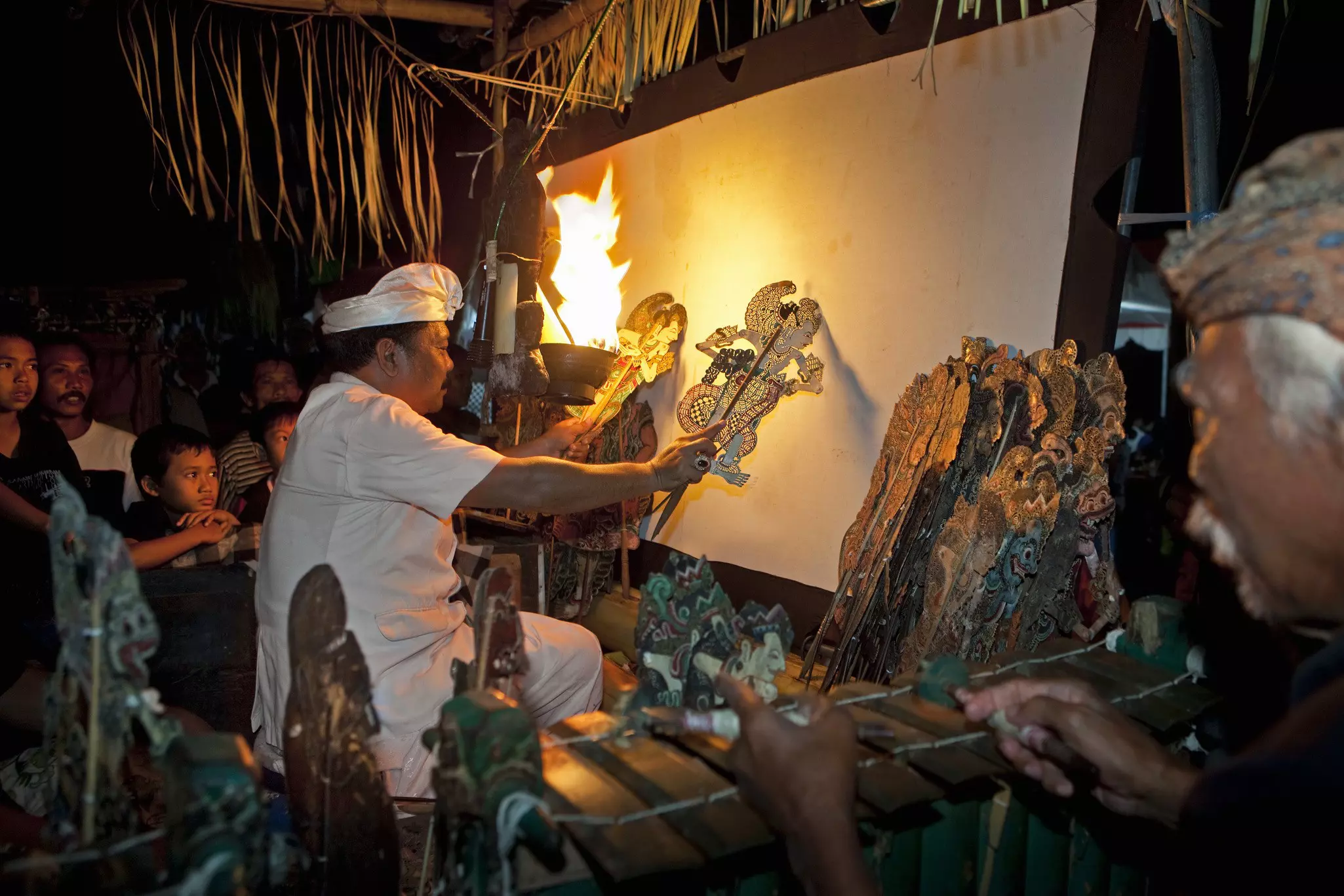
The city’s creative energy extends beyond textiles. At the Institut Seni Indonesia (ISI), students study gamelan orchestral music, classical dance, contemporary art and wayang kulit shadow puppetry. Public performances take place throughout the year, offering visitors a chance to experience traditions that remain central to Javanese culture.
In nearby Kotagede, silversmiths produce jewelry, ceremonial vessels and decorative objects using techniques that have been refined over centuries. Together, these institutions and communities make Yogyakarta one of Southeast Asia’s most vibrant creative centers.
When to go: The dry months from May to September are ideal for exploring Yogyakarta and the ancient sites nearby, such as Prambanan and Borobudur.
Getting there: Fly into Yogyakarta International Airport or arrive by rail from Jakarta or Surabaya.
Pair with: A performance of wayang kulit. Shows take place on Saturdays at the Kraton.
Best for travelers who love both tradition and contemporary art
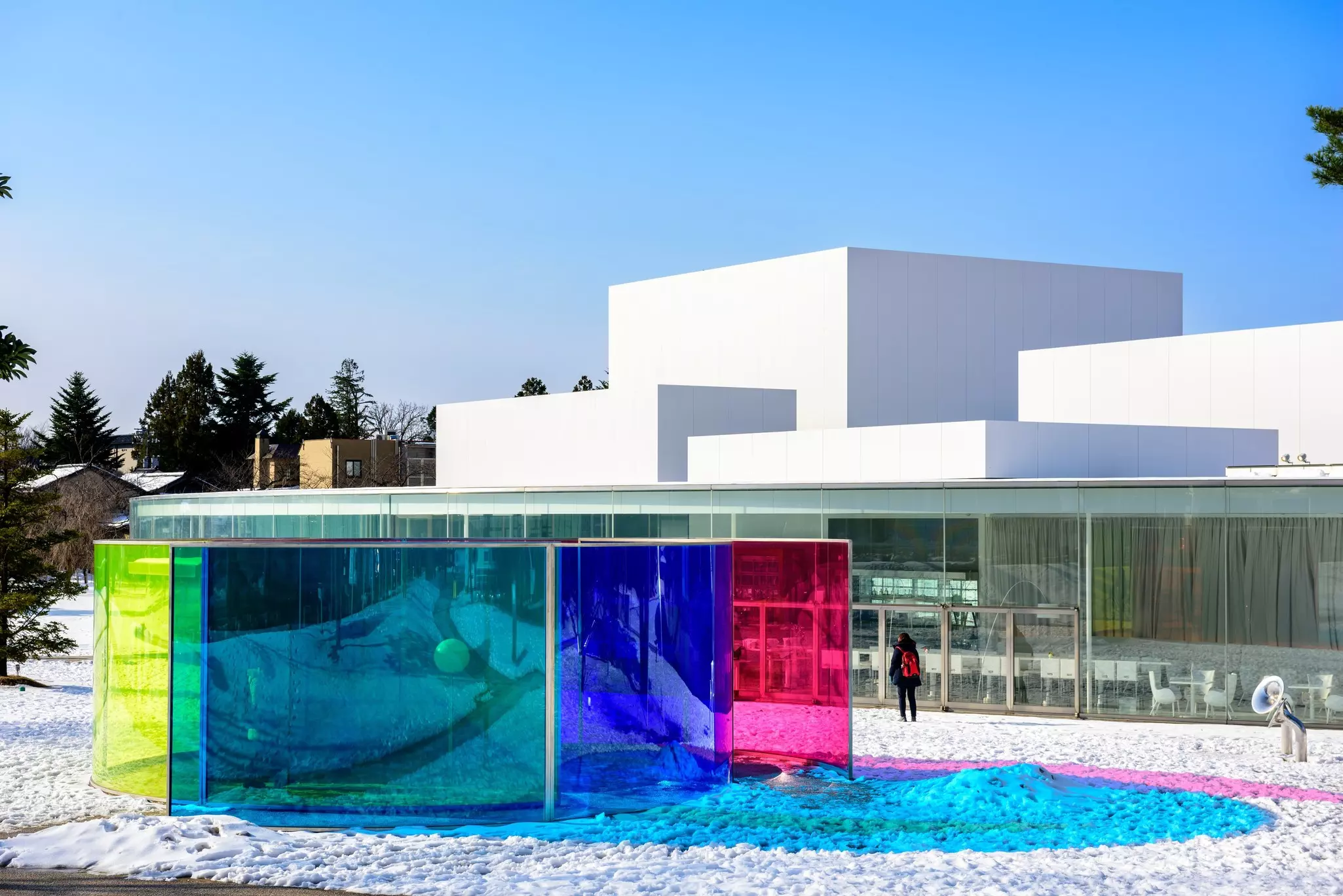
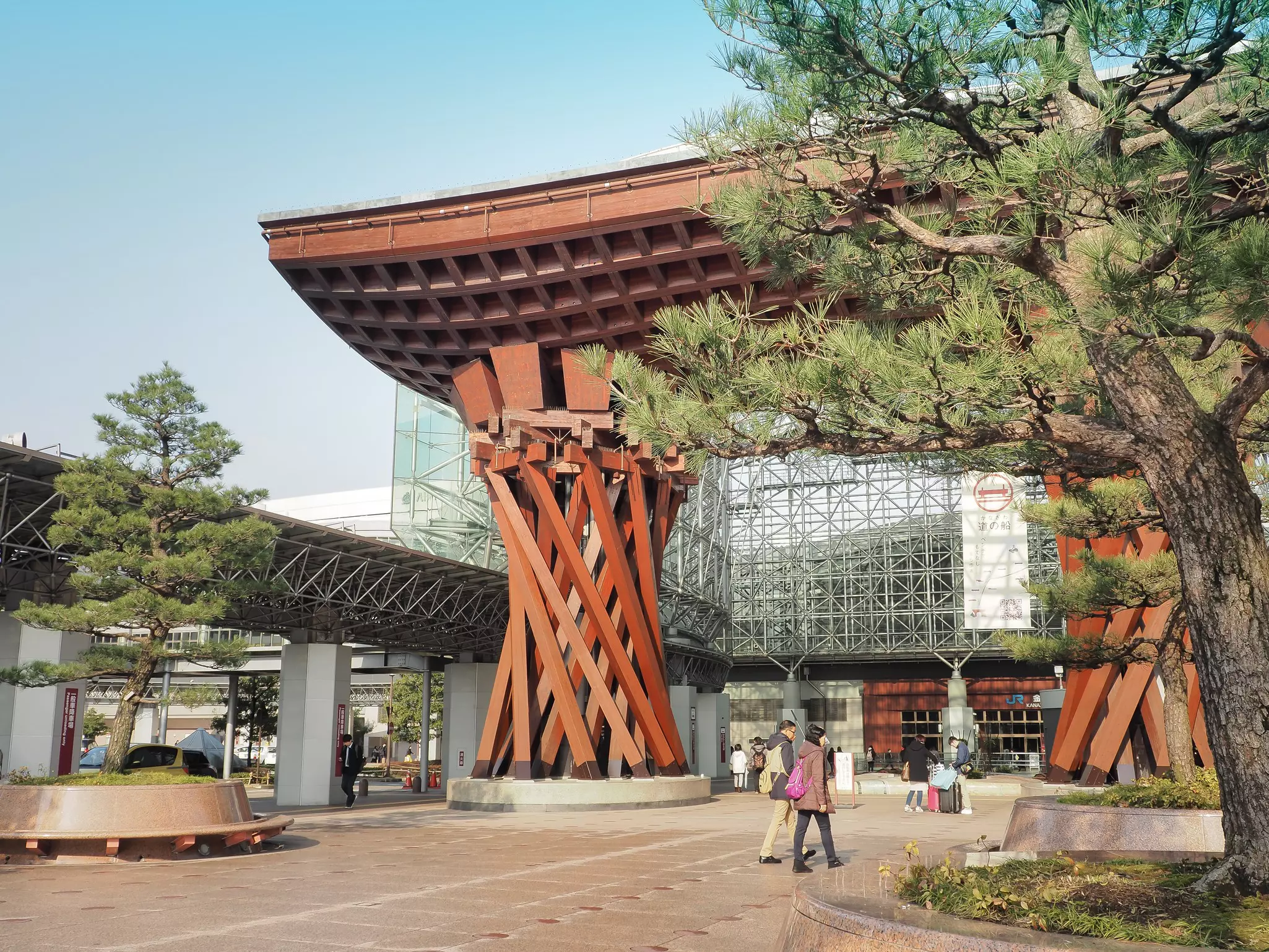
The city of Kanazawa on the island of Honshū offers a distinctly Japanese answer to a question many cities struggle with: how can tradition and modern experimentation thrive together? Across the city, you'll find modern artworks seamlessly juxtaposed against Japanese traditions.
Kanazawa’s best-known contemporary landmark is the 21st Century Museum of Contemporary Art, designed by Pritzker Prize-winning architects Kazuyo Sejima and Ryue Nishizawa of SANAA. Since opening in 2004, its transparent, circular building and ambitious program of international exhibitions have made it one of Japan’s most influential contemporary art institutions.
A short distance away lies Higashi Chaya, one of Japan’s best-preserved geisha districts. Here, student geisha continue to train in music, dance and hospitality, as part of a living cultural tradition. The surrounding craft practices remain equally dynamic. Contemporary ceramicists reinterpret the 17th-century tradition of Kutani ware, textile artists rework Kaga dyeing techniques, and lacquerware artists experiment by mixing new forms with centuries-old methods.
The result is a city where contemporary art and traditional craft enrich one another, rather than competing for attention.
When to go: Come in early April to see Kanazawa painted by cherry blossom or from October to November for fall foliage.
Getting there: The Hokuriku Shinkansen connects Tokyo and JR Kanazawa station in approximately 2.5 hours. On arrival, the Kanazawa Loop Bus makes it easy to explore.
Pair with: A tour ofHigashi Chaya's craft studios. Kanazawa Tours is one of several operators offering tours, and trips include a gold leaf workshop.
Best for anyone interested in Silk Road traditions
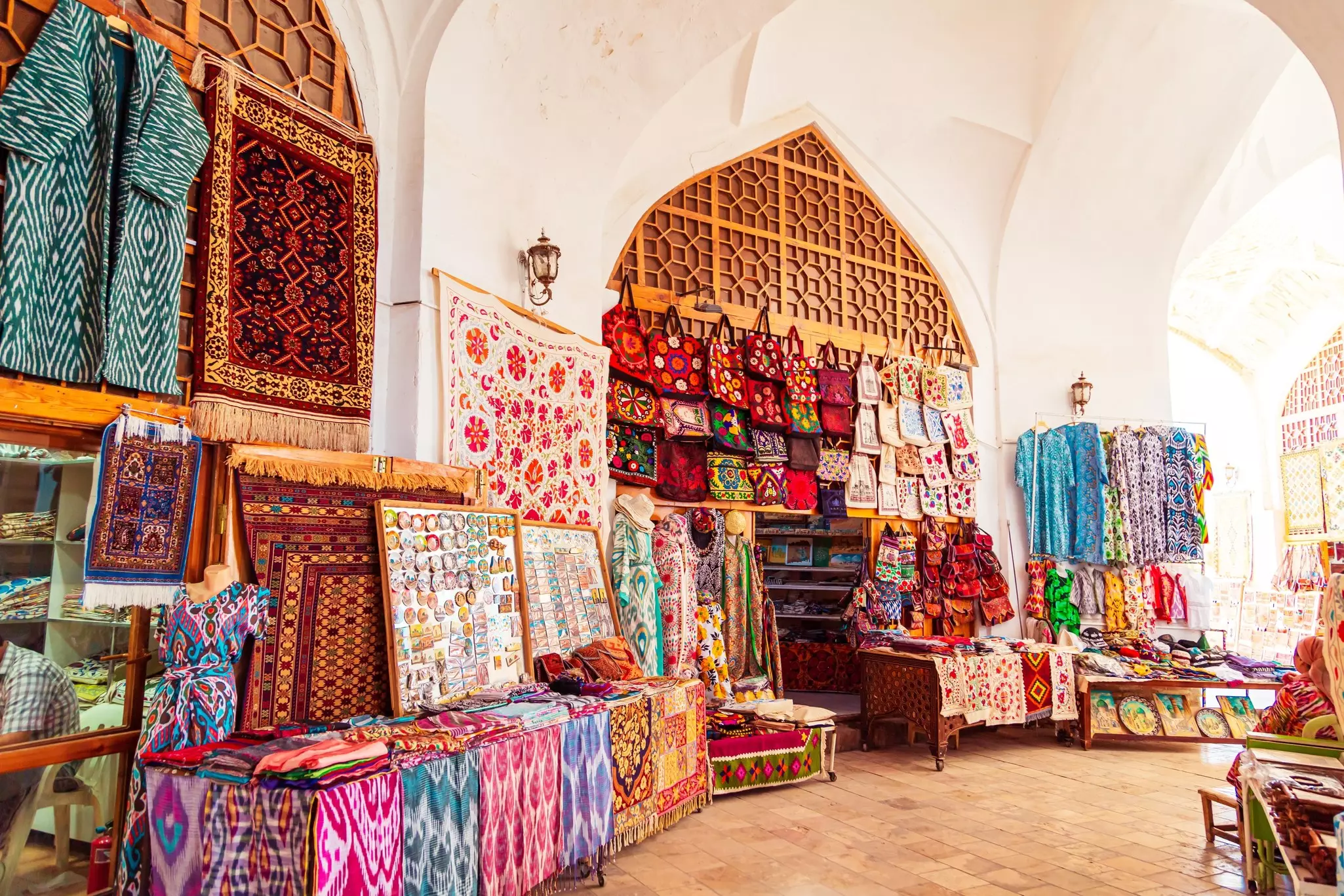
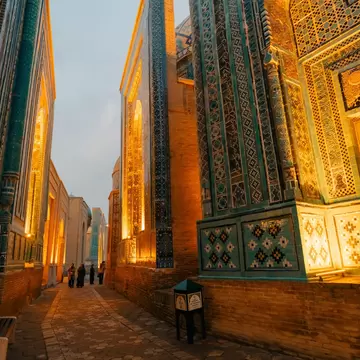
One of Central Asia’s most important historic cities, Bukhara spent centuries as a vital trading crossroads between Persia, India, China, the Middle East and the Mediterranean. Its creative traditions grew from this exchange of goods and ideas. Gold embroidery, miniature painting, silk weaving, ceramics, wood carving and metalwork are still active practices, on display in the old city’s workshops and markets.
The newest chapter in Bukhara’s creative story is contemporary art. The inaugural Bukhara Biennial in 2025 brought together international artists and Uzbek master artisans in collaborative projects installed throughout the city's historic caravanserais (medieval inns), madrasas (religious schools) and public spaces. Rather than treating crafts purely as heritage, the biennial has repositioned traditional artforms as a living source of contemporary knowledge and experimentation.
For travelers interested in the relationship between history and innovation, Bukhara offers something unusual: a chance to see ancient craft traditions not preserved in isolation but actively forming part of new cultural conversations.
When to go: Spring and autumn offer the most comfortable weather. Check biennial dates online before booking your travel; the next biennial is currently scheduled for September to November 2027.
Getting there: Fly to Bukhara via Tashkent or arrive by high-speed rail from Tashkent or Samarkand.
Pair with: Bukhara's Silk Road monuments. Delve into the city's ancient history at the Kalon Minaret and Mosque and the Ark, a royal fortress complex dating from the 5th century.
The best creative travel experiences often happen away from major attractions. If you plan a trip to a creative destination, be it an art city or a theater hub, give yourself time to wander. Visit working studios and workshops. Attend performances, festivals and community events when possible. Start conversations with artists, makers and craftspeople about their work and become part of the creative conversation.
Most importantly, resist the urge to treat these places as open-air museums. Their creative traditions survive because they remain part of everyday life. The more curious, respectful and patient you are as a traveler, the more likely you are to encounter moments that make these destinations unforgettable.
Need help planning your next trip? Check out Lonely Planet Journeys to get connected to a local expert who can craft a custom itinerary for you.
Explore related stories