Mar 25, 20267 min read
A Guide to Kanazawa, JapanMar 25, 2026
7 MIN READ

Writer
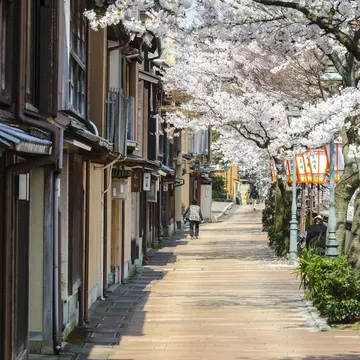
Kyoka no Michi St along the Asanogawa River in Kanazawa, Japan. Anusorn Sutapan/500px

Writer
Highlights
Writer Jesse Scott guides you through Kanazawa, a 2.5-hour shinkansen ride from Tokyo.
Visit in spring for cherry blossoms, or in winter for peak yellowtail and crab sushi.
Stroll Kenroku-en Garden and Kanazawa Castle, then catch a geigi performance in Higashichaya.
Take the 45-minute train to Kaga for hot springs and a traditional ryokan stay.
Lonely Planet may earn a commission from affiliate links on our site. All recommendations and reviews reflect our own independent opinions.
You might never have heard of Kanazawa. Here’s why we love the place.
Far from a household name yet with a big-time feel, this Japanese city is just 2.5 hours from Tokyo via bullet train – making it a worthy alternative to Kyoto and Osaka for anyone looking for a second Japanese city to explore.
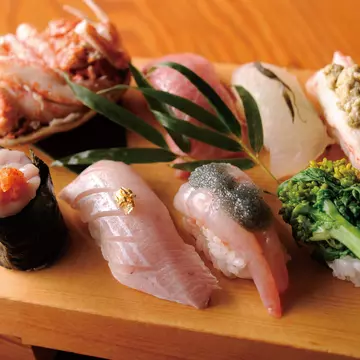
On the Sea of Japan on Honshū’s west coast, Kanazawa has fewer skyscrapers and is visibly less thronged than the capital, yet it’s filled with big-city pleasures. It’s where Japanese vacationers venture for the best sushi in the country (it’s truly yellowtail heaven), standout craft sake and performances by geigi (they’re not called geisha here).
The heart of the Ishikawa prefecture and home to over 1 million residents, Kanazawa is also a gateway to the nearby hot-springs utopia of Kaga, and the historic lacquerware region of Komatsu.
There’s such an abundance of charm in Kanazawa and its surrounding confines, the place ought be better known. But since it’s still wonderfully under the radar, here’s all you need to know as you plan your Kanazawa itinerary.
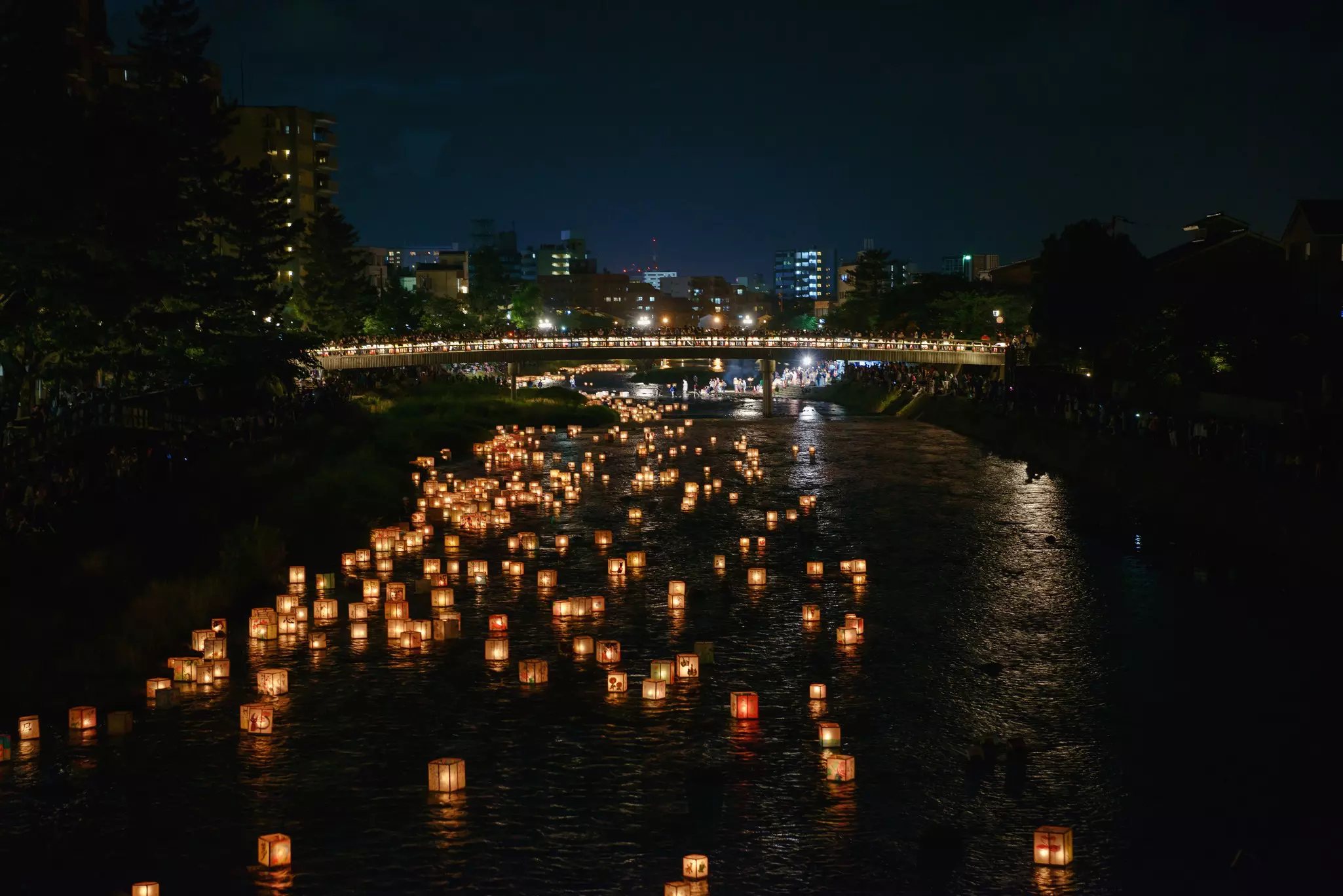
Kanazawa experiences all four seasons, with high temperatures ranging from 40°F (4.5°C) to near-90°F (32°C) over the course of the year. March through May is best for experiencing the city’s gardens at their lushest, with cherry blossom season typically peaking in the mid-March to early-April timeframe. Fall in Kanazawa (September through November) is also prime, as crowds thin after the summer months, and vivid foliage emerges citywide.
If cultural celebrations are your thing, the Hyakumangoku Festival is Kanazawa’s biggest annual spectacle. Taking place the first weekend of June, the event includes a massive parade with lions dancing and acrobatic performances by local firefighters. And if you’re here for the food, consider winter, when yellowtail and crab are particularly abundant and delicious – as is the sushi made from these delicacies.
A long 3-day weekend allows enough time for a proper city wander, leaving time for fresh sashimi bites aplenty at Ōmi-chō Market, tours through Kenroku-en Garden and adjacent Kanazawa Castle, and a geigi performance (or three). Extend your trip to 5 or more days for properly unwinding and recharging at a traditional Japanese ryokan or (and?) a hot spring in nearby Kaga.
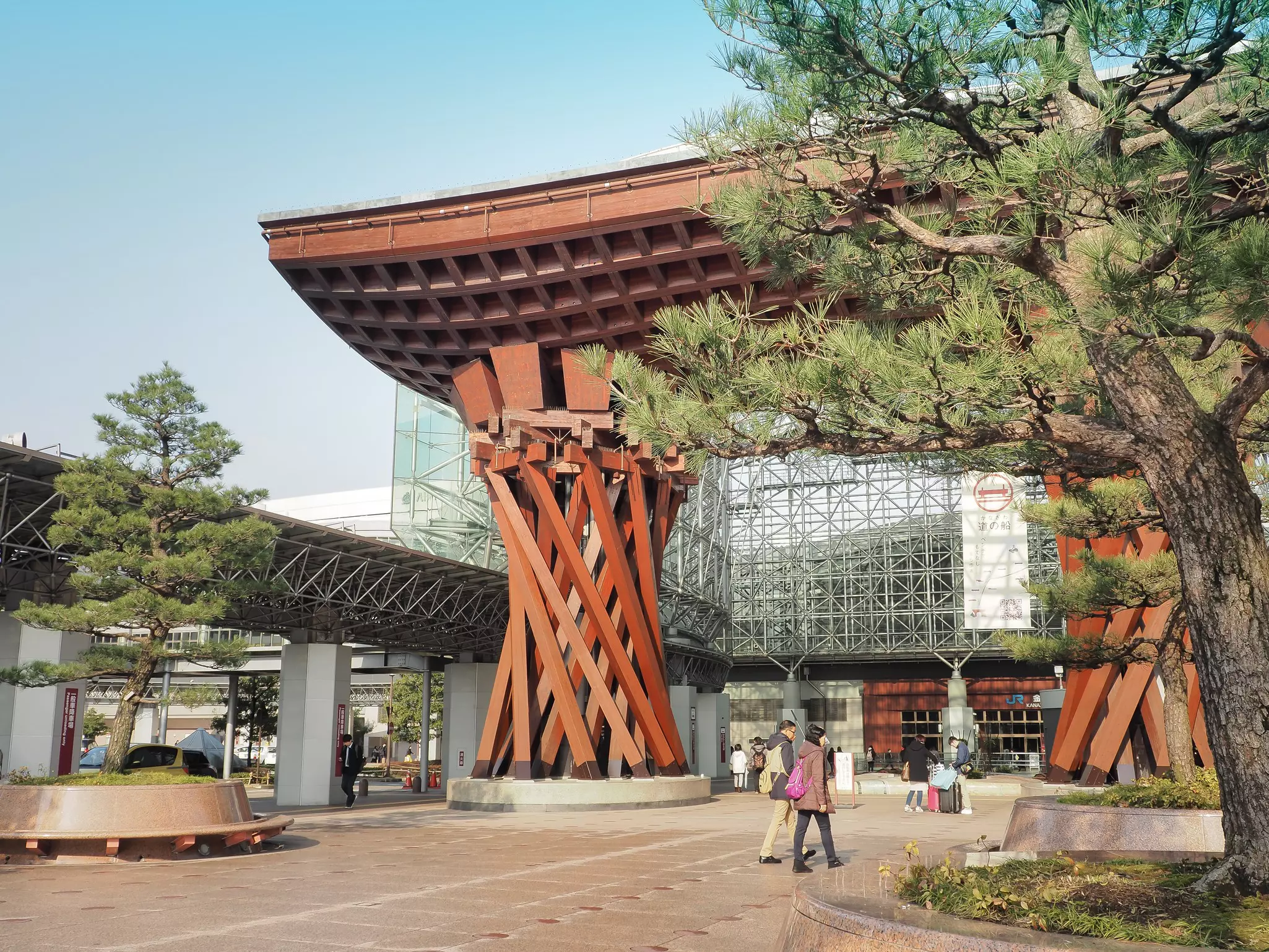
The Hokuriku Shinkansen – better known as the bullet train – was extended from Tokyo to Kanazawa in 2015, putting the region within easy reach of Honshū’s densely populated east coast. The train terminates at the ultra-modern Kanazawa Station. About 35 minutes southwest of the city, Komatsu Airport is the principal airport serving the region.
Kanazawa is generally flat and very walkable. Taxis are common in the city and can be hailed on the street. The Kanazawa Loop Bus makes approximately a dozen stops at tourist sites throughout town, with departures every 15 minutes daily from approximately 8:30am to 6:30pm. Stops include the Oyama-jinja Shrine, the 21st Century Museum of Contemporary Art and Kanazawa Station, among others.
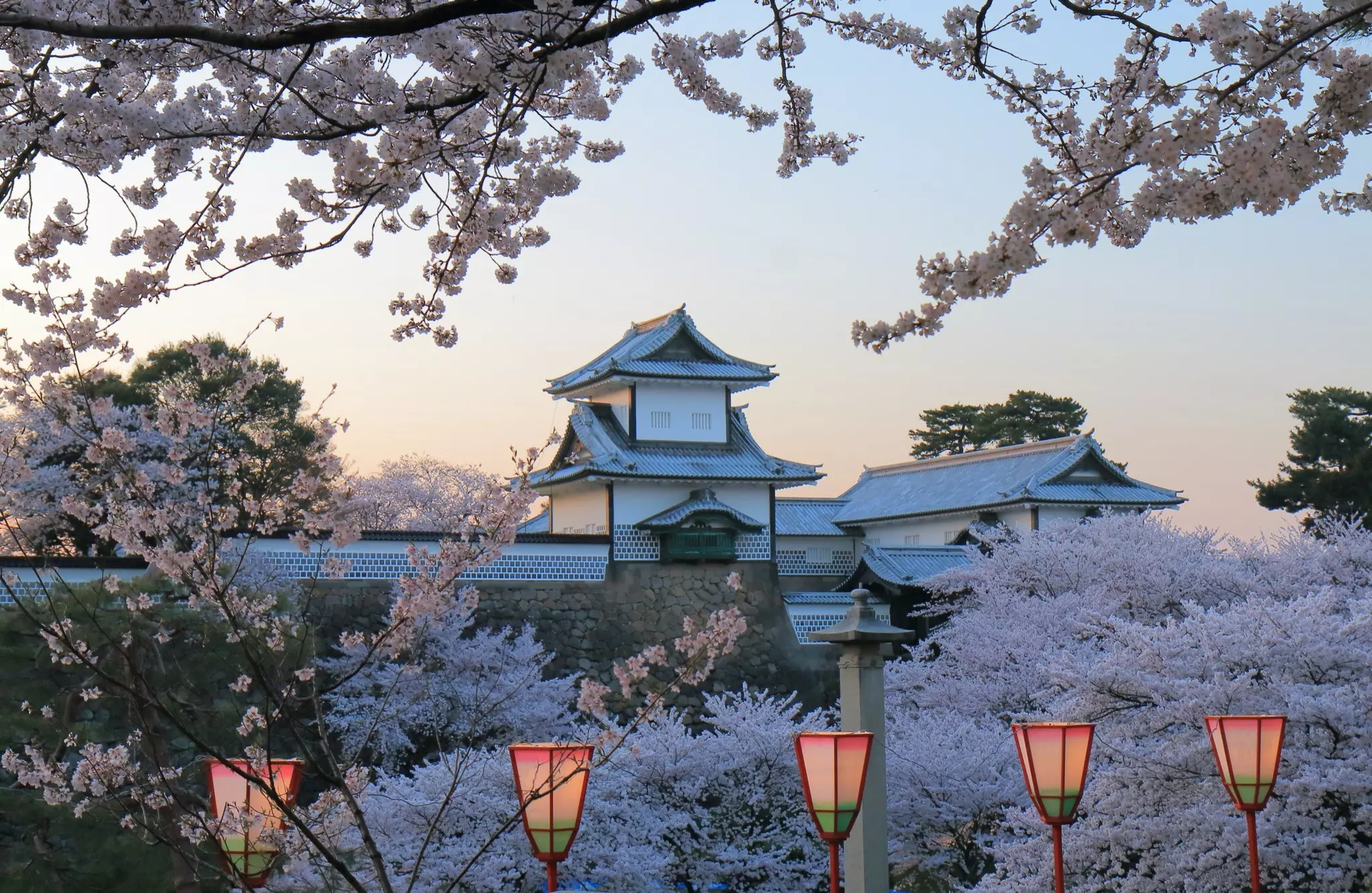
It’s hard to imagine a more beautiful green space than Kenroku-en Garden. Opened to the public in 1871, the gardens had previously been cultivated over two centuries by the Maeda clan, the local rulers. Among the garden’s many charming features: bookable teahouses for scenic noshing, plum and cherry-blossom trees, romantic arched bridges, and a small waterfall.
Across a pedestrian bridge, you can access Kanazawa Castle. Dating back to the late 1500s, it contains walls, moats and reconstructed buildings (there have been many fires through the years) that are full of stories. Volunteer guides tell them daily via walking tours offered from March through December.
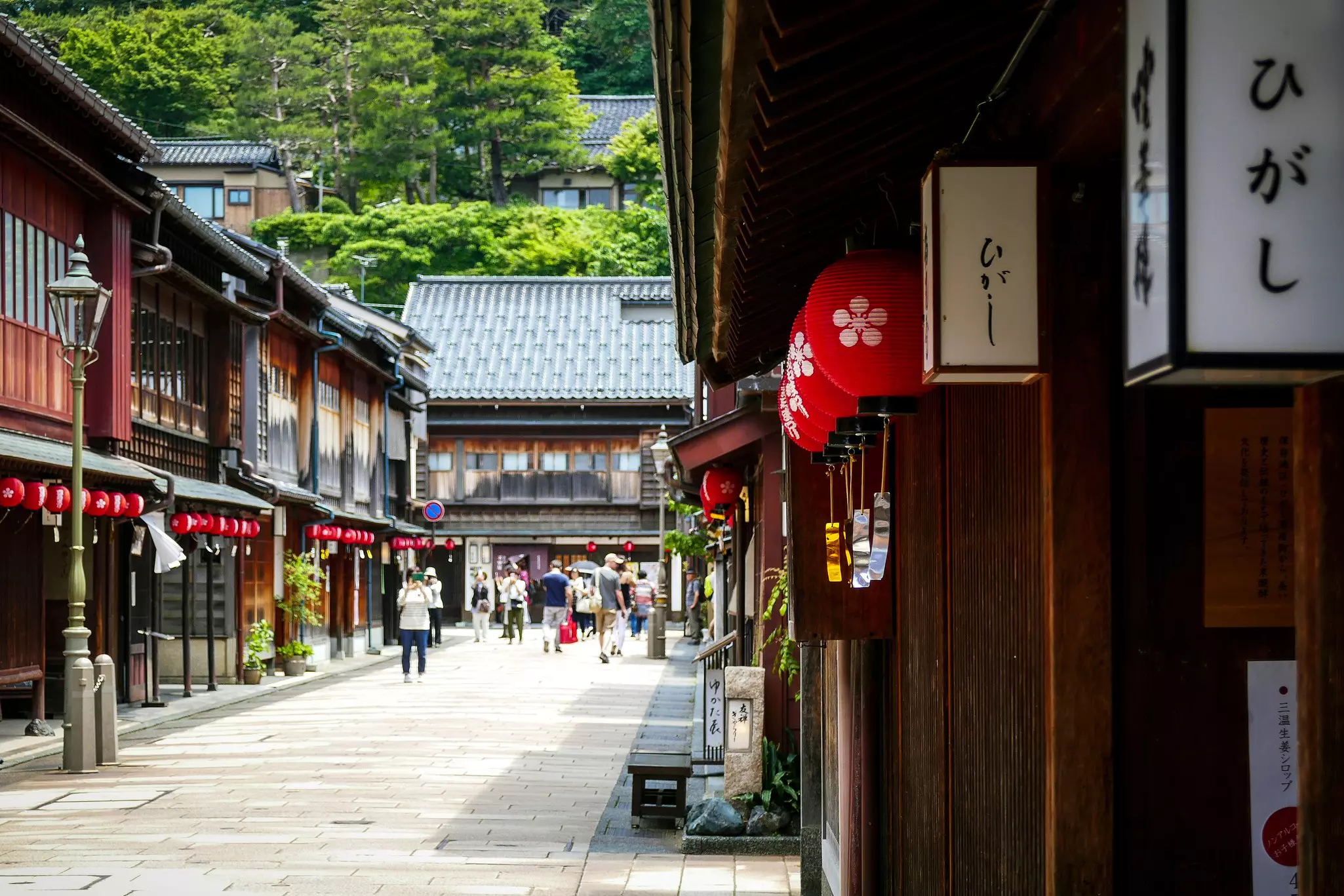
First of all, they’re called geigi rather than geisha in Kanazawa. And here, dozens of geigi perform and interact with guests in three teahouse districts. A standout is the picturesque Higashichaya district, filled with wooden buildings and lattice-dashed windows, behind some of which geigi entertain guests with music and games. Be sure to pop into Ochaya Shima, a living geigi museum with exhibits spanning hair ornaments to prized instruments. And for a treat, snag some ice cream topped with gold leaf at Hakuichi.
Japanese consider Ishikawa prefecture Japan’s capital of sushi and sashimi. And in its main city, the Kanazawa Seafood Market is the center of the action. Local company JF Ishikawa offers daytime and night tours of the facility – at its core, a rugged port – led by a local fisherman. As part of the experience, you can see fishing boats dock, witness a live auction take place and step foot into a massive freezer – featuring a bone-chilling temperature of -30ºF (-34.5°C) – where all the fish are stored. It’s not the most glamorous setting, but it’s a truly only-in-Kanazawa experience. As part of the outing, have the team book you a reservation at a local restaurant so you can taste some of the fresh catch you’ve just admired.
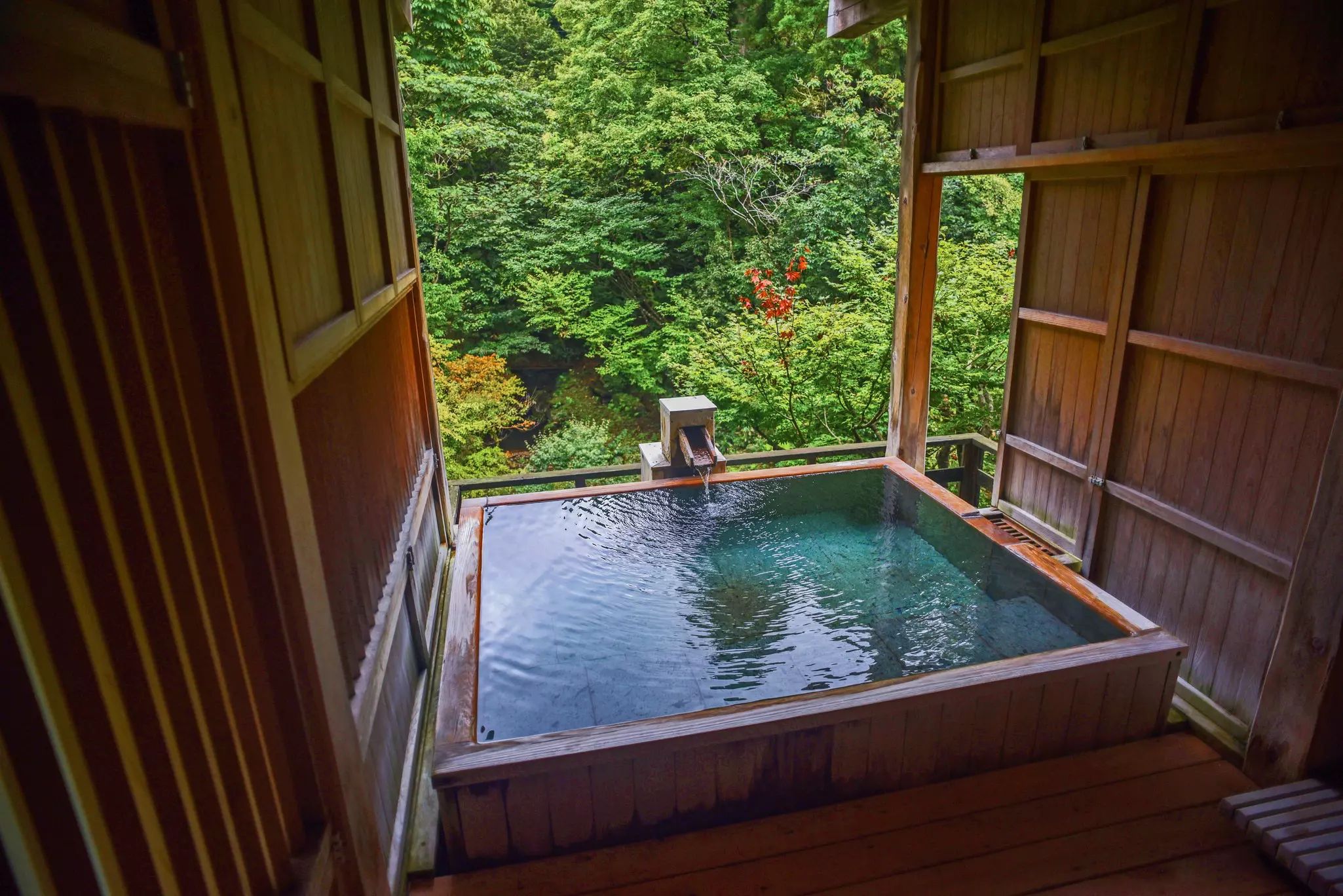
Worth the 45-minute train ride to the brand-new Kagaonsen Station, Kaga is a different world. And as part of a broader Kanazawa itinerary, it merits a full-day trek at least – and for maximum tranquility, a multi-day stay. Nestled at the foot of Mt Hakusan, four hot-spring villages – Awazu, Katayamazu, Yamanaka and Yamashiro, each with quaint boutiques and eateries – offer many options. Book stays at ryokan Araya-totoan in Yamashiro and Kayotei in Yamanaka for total serenity. Each features in-resort hot springs and the most elaborate of traditional Japanese breakfast spreads.
Eating as much sashimi as humanly possible. Seriously, the first time I visited Kanazawa and surrounding Ishikawa, I don’t think I’d ever really had yellowtail (known locally as buri) or even tried nodoguro – blackthroat sea perch, the Rolls Royce of the local fish scene. Sushi anywhere else has never tasted as good – and I’m always longing for that next Kanazawa bite.
To start your day, Curio Espresso and Vintage Design cafe serves up latte art drinks, breakfast sandwiches and a piled-high pulled-pork sandwich. Cubby Hole is a quaint cafe with breakfast wraps, matcha creations and a sleek, white interior with pops of green plants.
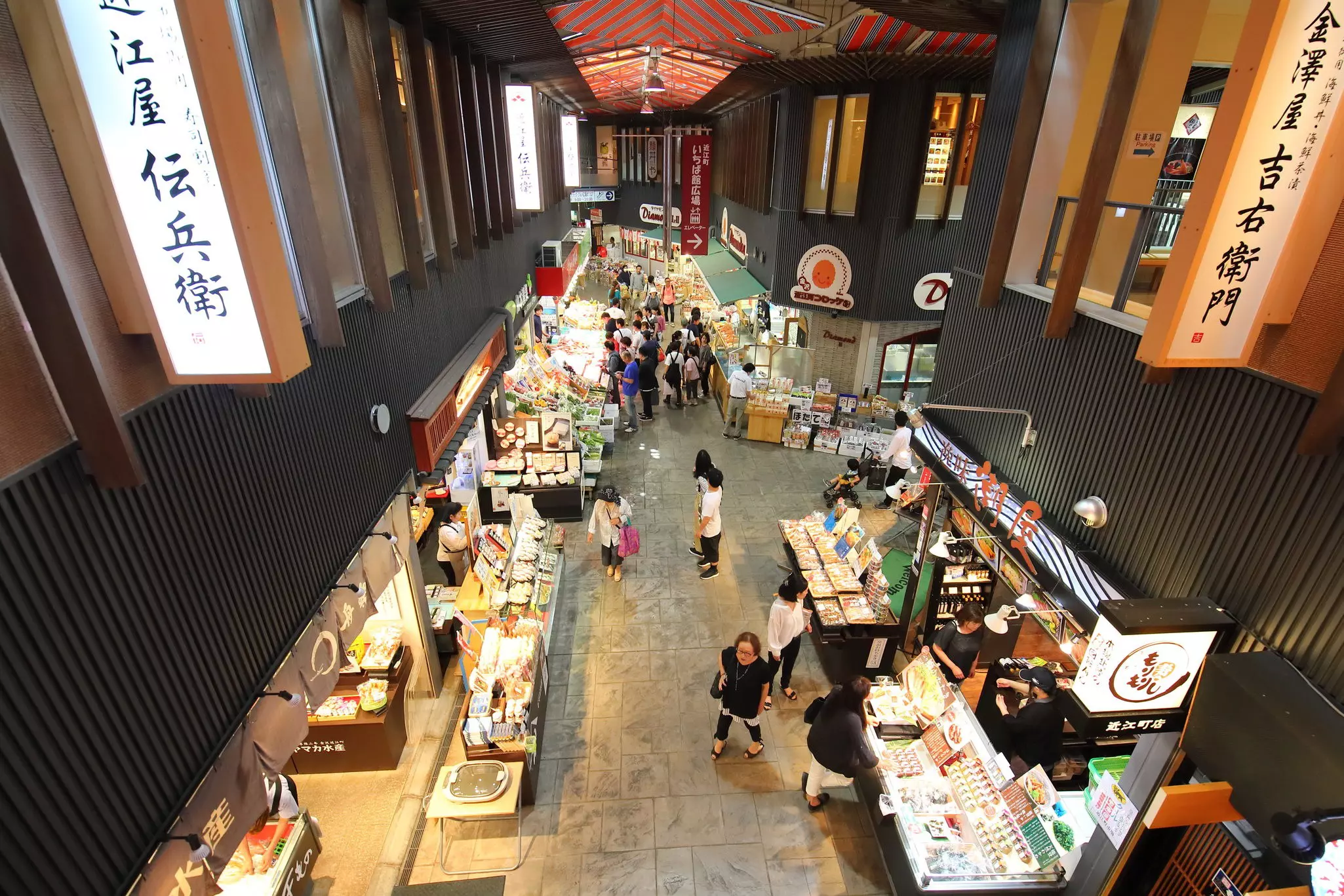
For lunch, it’s worth perusing the vendors at Ōmi-chō Market until something catches your eye. That may be grilled anago (saltwater eel) served on a stick, seafood-filled croquettes or a bowl of ramen at a sit-down joint. Kanazawa curry is also a regional favorite: it’s slightly sweet, chocolate in color and often topped with vegetables and fried protein. For that, Go Go Curry, Turban Curry and Champion’s Curry are local favorites.
Keep it casual come dinnertime by popping into the sushi-conveyor-belt restaurant Kirari, by Kanazawa Station. Beyond all the fresh catches that glide by, you can enjoy made-to-order rolls, all until midnight daily. For a creative cocktail concoction, pop upstairs to The Station Bar, which dazzles with sake-blended ice cream and gold leaf–topped libations.
Kanazawa is on par with, if not a hair more affordable, than its urban Japanese counterparts. Add in a relatively weak yen, and things begin to feel even more reasonable for foreign visitors. Debit and credit cards are widely accepted, and tap technology for mobile and card payments has become omnipresent. Still, it can’t hurt to have a couple thousand yen with you in a pinch.
Hostel room: 5400 Japanese yen–¥7200
Basic room for two: ¥13450–19500
Self-catering apartment: ¥18000–24000
Kanazawa bus ticket: ¥210
Croquette and sashimi bites at Ōmi-chō Market: ¥250–1000
10-piece sashimi dinner for one: ¥1400–3000
Bottle of sake at dinner: ¥550-1200
Resist the temptation of eating and drinking while walking in town, and especially at Ōmi-chō Market: there are signs discouraging this behavior, which is frowned upon in Japan in general. It is customary to stop (standing is okay) to enjoy a few bites, finish and then move along.
Explore related stories