Aug 7, 202613 min read
The Best Things to Do in Aspen, ColoradoAug 7, 2026
13 MIN READ

Writer
Independence Pass on the way to Aspen, Colorado. JurgaR/Getty Images

Writer
Highlights
Writer Sarah Kuta picks nine Aspen favorites, from hikes to history and arts.
The Maroon Bells, two peaks reflected in an alpine lake, are the trip's non-negotiable.
History lovers should visit Ashcroft and Independence ghost towns; music fans should book Belly Up.
Look for hidden shrines on Aspen Mountain, or ride Snowmass Bike Park's downhill trails.
Lonely Planet may earn a commission from affiliate links on our site. All recommendations and reviews reflect our own independent opinions.
Before my first trip to Aspen, all I knew was the stereotype – that it was a glamorous ski town where A-listers came to see and be seen. But once I visited, I quickly realized there was much more to Aspen than its luxe reputation suggested. I found a community with a long and fascinating history, a rich arts and culture scene, abundant outdoor adventures and down-to-earth residents, all surrounded by some of Colorado’s most spectacular landscapes. I've been back more times than I can count, and every visit reminds me why it's my favorite mountain town.
There are many places, experiences and traditions that keep me coming back again and again. Here are some of my favorite things to do in Aspen.
The non-negotiable
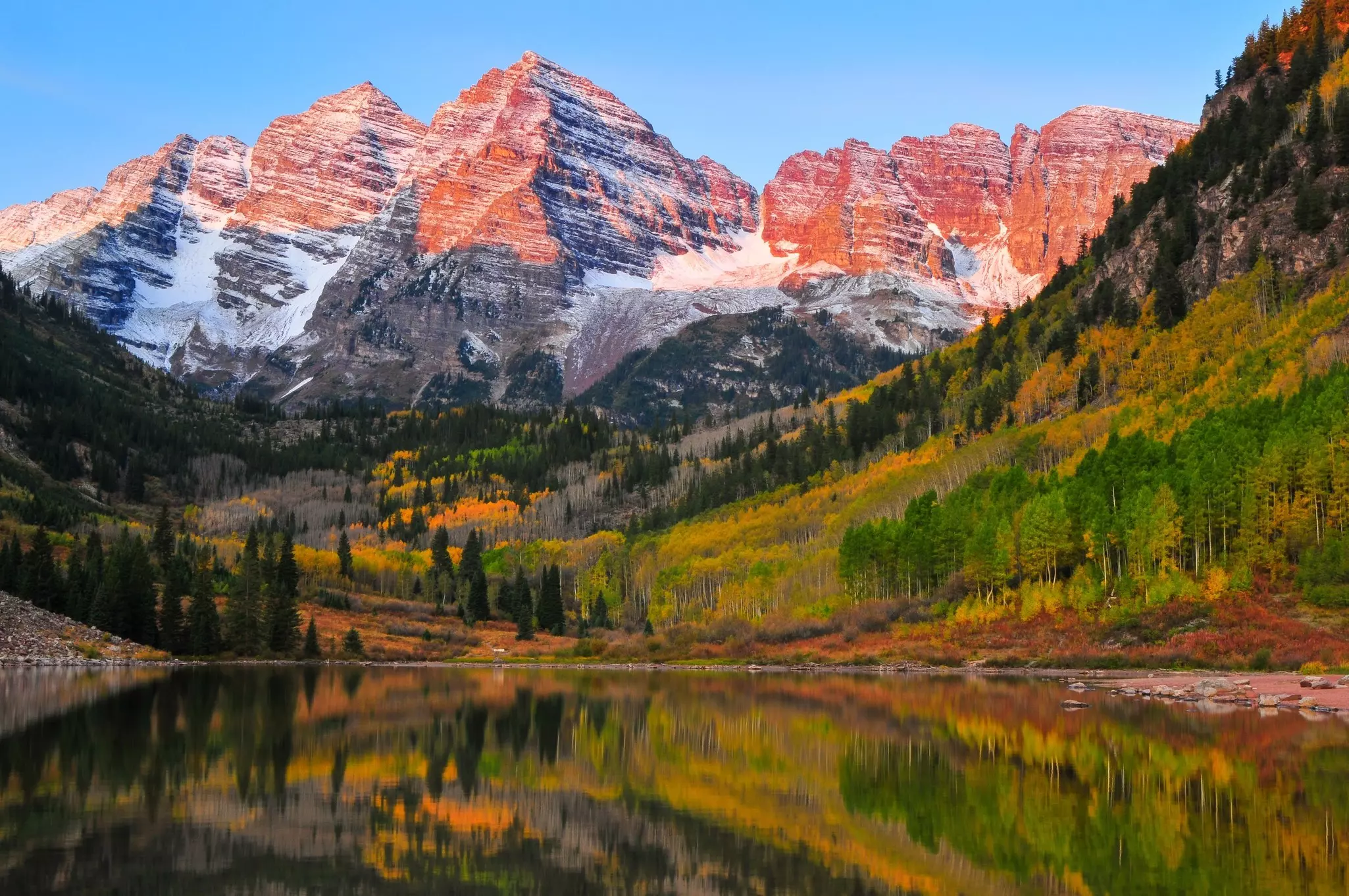
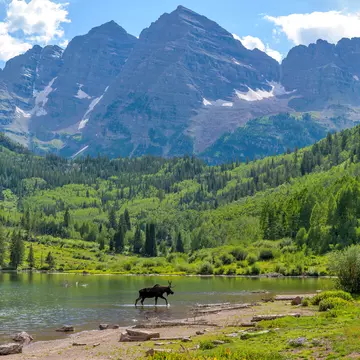
The Maroon Bells – a pair of 14,000ft reddish-brown bell-shaped peaks reflecting in an alpine lake near Aspen – are some of the most photographed mountains in North America. Their natural beauty has made them incredibly popular, but strict access controls help limit crowds while also protecting the landscape. Beyond snapping the classic photo, you can stroll the easy lakeside trail for iconic views, enjoy a picnic, hike deeper into the surrounding wilderness, watch for wildlife or simply soak in the scenery.
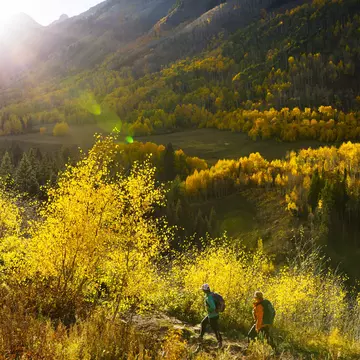
When to go: The road to Maroon Bells is usually open between mid-May and mid-November, though the exact dates vary based on the weather. In summer, wildflowers blanket the meadows, while fall brings brilliant golden-yellow aspens. Whenever you choose to travel, aim for a mid-week trip for the smallest crowds.
Getting there: Visiting takes a little advance planning, but it’s worth it. The easiest way to reach the Maroon Bells is by reserving a seat on the public shuttle, which departs from Aspen Highlands Ski Area. If you want to take your own vehicle, you’ll need to make a parking reservation in advance and arrive before 8am or after 5pm during the peak season. (The road is closed to private vehicles – and only open to shuttles – from 8am to 5pm. between mid-May and mid-October.)
Pair with: Before or after admiring the Maroon Bells, go birding at Hallam Lake, a 25-acre nature preserve managed by the Aspen Center for Environmental Studies (ACES). Just a short walk from downtown Aspen, this serene property is home to dozens of species of resident and migratory birds, including colorful waterfowl, delicate warblers and impressive birds of prey. In addition to regularly scheduled group birding outings, ACES also hosts educational programs, tours, seasonal events, forest bathing sessions, lectures and other nature-focused activities.
The secret
Whether you’re skiing in the winter or hiking in the summer, keep your eyes open and you might suddenly find yourself immersed in a colorful shrine to Jerry Garcia or John Denver. There are dozens of these secret enclaves hidden among the trees at Aspen Mountain, aka Ajax, as well as Aspen Highlands, Buttermilk and Snowmass, paying homage to celebrities and beloved deceased locals; there are even shrines honoring dogs who have crossed the rainbow bridge. Look for fake flowers, beads, photos, wind chimes and even license plates attached to the trunks of spruce and lodgepole pines. Some are somber, others are lighthearted and fun, but they all offer a window into Aspen’s culture and identity.
When to go: Winter or summer, anytime during operating hours.
Getting there: Aspen Mountain’s Silver Queen Gondola rises from the heart of downtown, whisking you above town and into the high alpine landscape in just a few minutes.
Pair with: If you’re visiting in winter, take a break from skiing at Ajax to refuel at Bonnie’s, a cozy, mid-mountain spot that’s known for its pancakes and apple strudel. On bluebird days, the deck is also a great place to grab a beer and soak up the sun while skiers and snowboarders cruise by. In summer or winter, head to the Sundeck for lunch, drinks, people-watching and views of the surrounding 14,000ft peaks.
Must-do with kids
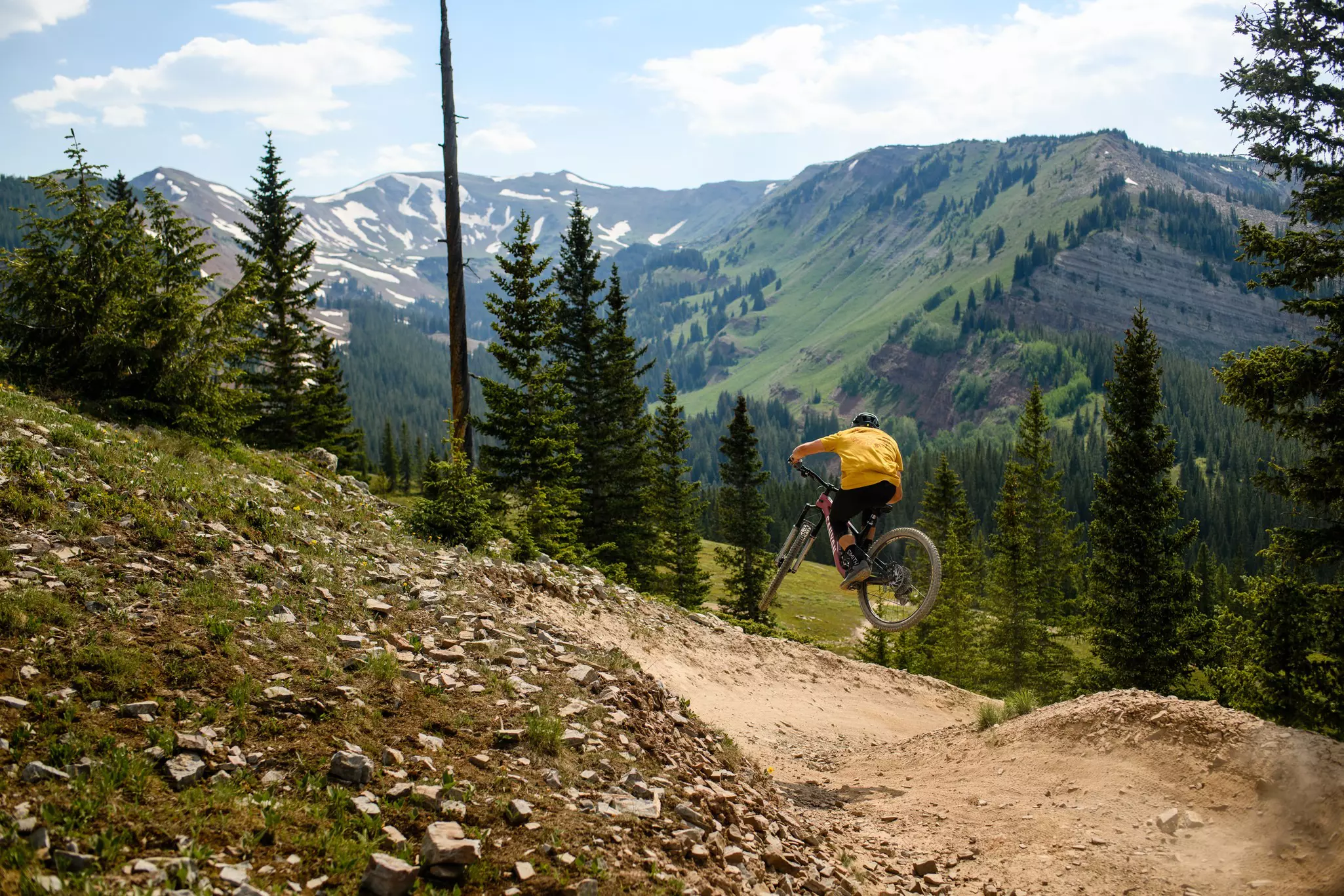
More than 300 miles of mountain bike trails criss-cross the Roaring Fork Valley, which has been designated a gold-level ride center – the highest rating possible – by the International Mountain Bicycling Association. But a good place to start, especially for little ones, is the Snowmass Bike Park.
Here, families can explore 25 miles of purpose-built downhill trails spanning nearly 3000 vertical feet, with options for riders of all ages and skill levels. Hop on the Elk Camp Gondola with your bike for the ride up, then cruise the flowy singletrack back down – no huffing and puffing required (unless you want to ride cross-country!). And if you or your little ones are new to the sport – or you just need a refresher – the Snowmass Bike Park offers lessons and skills clinics. Gear rentals are also available.
When to go: The Snowmass Bike Park is typically open from June through September, when the snow has melted off the ski slopes. If you visit in the summer, you’ll be riding alongside colorful wildflowers. Later in the season, you’ll be pedaling through dazzling yellow aspen groves.
Getting there: Your best bet is to take advantage of the free Roaring Fork Transportation Authority (RFTA) bus service connecting Aspen and Snowmass Village. You can also drive your personal vehicle, as Snowmass Village parking is free in the summer.
Pair with: Take a mellow bike ride on the Rio Grande Trail, a 42-mile “rails-to-trails” route between Aspen and Glenwood Springs. It’s an ideal option for kids because it’s protected from vehicle traffic (except for a handful of well-marked road intersections); it’s also paved and relatively flat, making it ideal for multigenerational groups. If you’re new to cycling or could just use a little extra oomph, consider renting an e-bike from an outfitter like Aspen Velo.
Best thing to do on a rainy day
Duck indoors and step back in time at the Wheeler / Stallard Museum, where Aspen’s Victorian-era history unfolds inside a carefully preserved, late-1880s home. Wander through historic rooms, admire period details and explore exhibits about the people, moments and forces that helped shape the town. If it’s still raining when you finish, head to the Holden / Marolt Mining & Ranching Museum, which brings Aspen’s mining and ranching heritage to life through historic equipment, artifacts and meticulously restored buildings.
When to go: Anytime during open hours – noon to 5pm for both.
Getting there: Both museums are located just east of downtown. Your best bet is to hop on a WE-cycle bike or take a long walk; parking is available near Wheeler / Stallard but limited near Holden / Marolt.
Pair with: A show at the Wheeler Opera House. Built in 1889, this historic venue has been a cornerstone of Aspen’s cultural and social life for more than 130 years. Restored to its original grandeur, the impressive auditorium hosts an array of performances that cater to all tastes, including operas (of course), live concerts, film screenings, plays and lectures.
Best for dramatic views
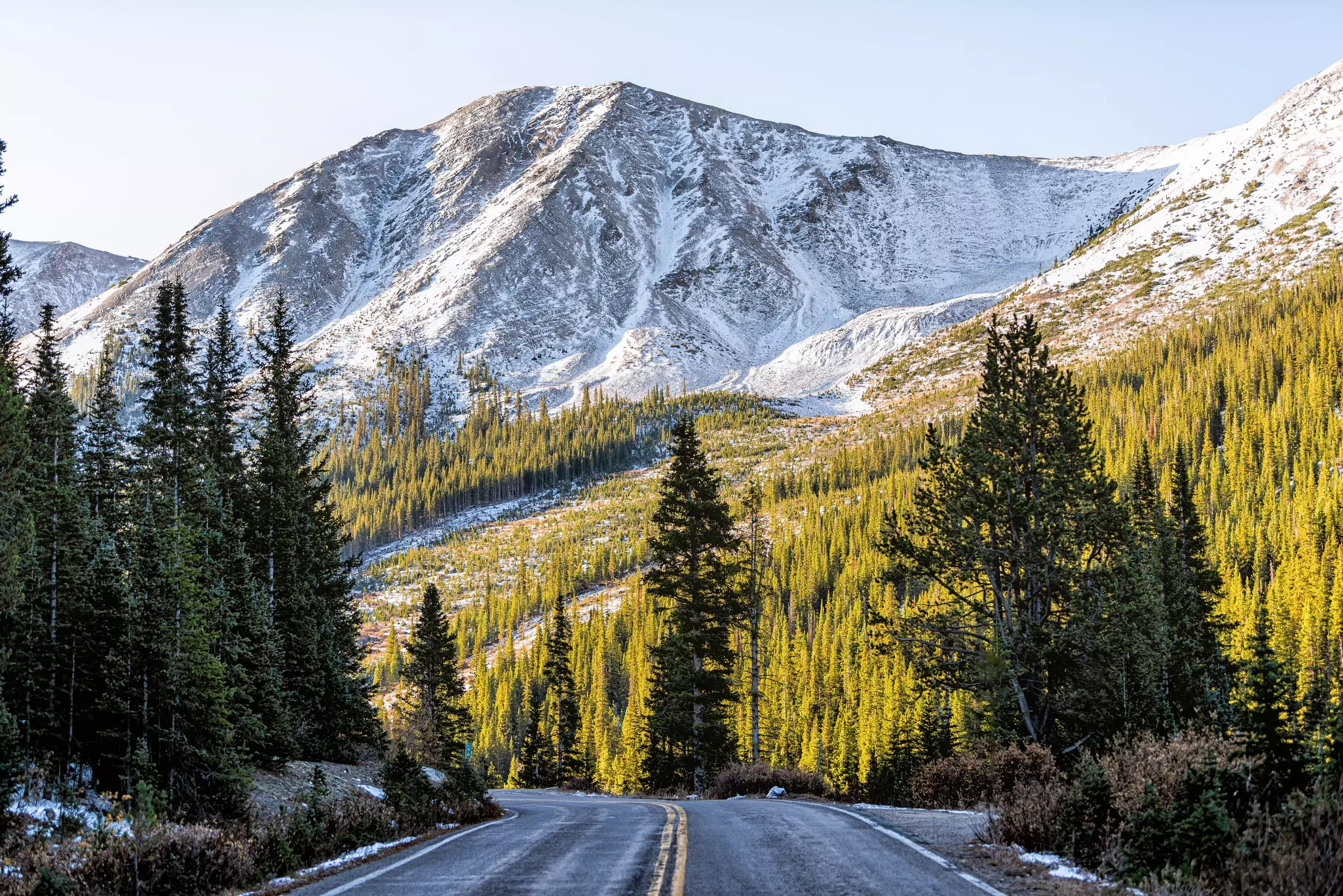
Topping out at 12,095ft, Independence Pass is a two-lane (and, at times, one-lane) highway that traverses the Continental Divide. This scenic summertime drive winds past blooming wildflowers, including bright orange Indian paintbrushes and delicate lavender columbines, while revealing sweeping views of jagged mountain peaks, alpine valleys and the surrounding wilderness. The pass is also popular among road cyclists, though it’s a challenging climb that requires a high level of fitness and constant vigilance for cars. Whether you drive or bike, stop for a break at the summit, where you can stretch your legs, snap photos and take in the rugged scenery. Keep an eye out for marmots, also known as whistle pigs, furry residents of the high alpine that can often be found sunning themselves on rocks.
When to go: The pass is typically open to vehicles from late May through late November, though it depends on the weather. Avoid busy holidays, like the Fourth of July, for a more peaceful experience. If you want to try cycling without worrying about traffic, plan to pedal up in early spring, when the snow has been plowed but cars aren’t yet allowed for the season.
Getting there: Head west from downtown Aspen on Colorado State Highway 82.
Pair with: On your way up or down, make a pit stop at the Grottos. A short hike will lead you to stunning ice caves, cascading waterfalls and smooth boulders.
The surprise
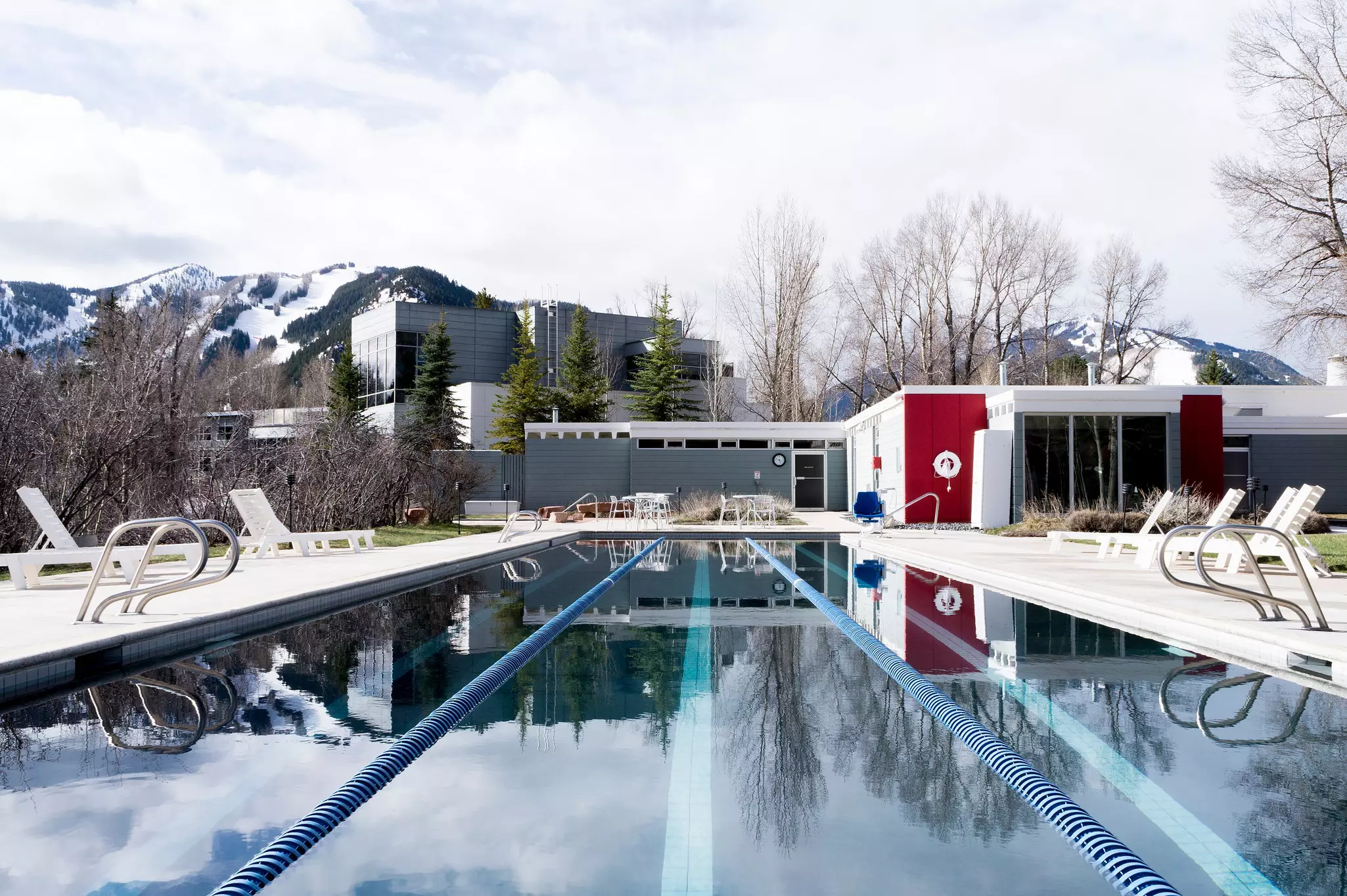
Few people shaped modern Aspen as profoundly as Herbert Bayer. The Austrian-born Bauhaus artist, architect and designer arrived in 1946 and spent nearly 30 years reshaping Aspen’s post-war identity through bold architecture, public art, landmark restoration and landscape design. Today, you can explore his legacy at the new Resnick Center for Herbert Bayer Studies, located on the Aspen Institute campus, which he designed. Bayer spent two decades shaping every detail of the 40-acre site, seamlessly blending architecture, art and landscape features known as earthworks into a cohesive “gesamtkunstwerk,” or total work of art. For an even deeper immersion into Bayer’s vision, book a room at Aspen Meadows Resort.
When to go: The Aspen Institute campus is particularly stunning in the summer, when lush green grass covers Bayer’s mounding earthworks. But the campus’ red, blue and yellow color palette – a nod to the Bauhaus movement’s fascination with primary colors and bold geometric forms – is also striking against the bright white snow in winter.
Getting there: If you’re staying at Aspen Meadows, you can park for free in the on-site garage. The hotel also offers shuttles to and from downtown Aspen, as well as the Aspen/Pitkin County Airport and, in the winter, Buttermilk Ski Resort. If you’re just popping in to the Resnick Center, you can walk, ride a WE-cycle bike, take the free on-demand Downtowner or ride the free Roaring Fork Transit Authority (RFTA) Cross Town shuttle; parking is also available in a lot just east of the building.
Pair with: If the dates of your trip align, enjoy world-class performances at the Aspen Music Festival and School. For eight weeks every summer, a global cohort of music students and professionals travel to the Roaring Fork Valley to rehearse, collaborate and hone their skills. Members of the public benefit from hundreds of performances, many of them held in the Michael Klein Music Tent just north of the Resnick Center. Though the venue seats more than 2000 people, many concert-goers listen while lounging on the grassy lawn surrounding the tent, often with a picnic or a good book.
Best for music aficionados
Belly Up is a small concert venue that attracts big talent. A downtown Aspen staple since 2005, it regularly attracts acclaimed artists across an array of genres, like Norah Jones, Wiz Khalifa, Zach Bryan, Odesza and Three Dog Night. The venue’s intimate, 450-guest size is a major draw: fans can get up close and personal with their favorite musicians, who typically play at much larger venues. With a diverse lineup and a jam-packed schedule of performances, you could attend a gig nearly every night of the week and have a different experience each time. Or, plan an entire trip around a particular performer you’ve always wanted to see live.
When to go: Check the calendar for the full lineup of upcoming shows, which are typically held in the evenings.
Getting there: Belly Up is right downtown, so it’s best to arrive on foot or by bike.
Pair with: Head to Hurst Theatre, a tented stage located along the Roaring Fork River, to be transported to another time and place during a Theatre Aspen musical or play.
Best for Old West enthusiasts
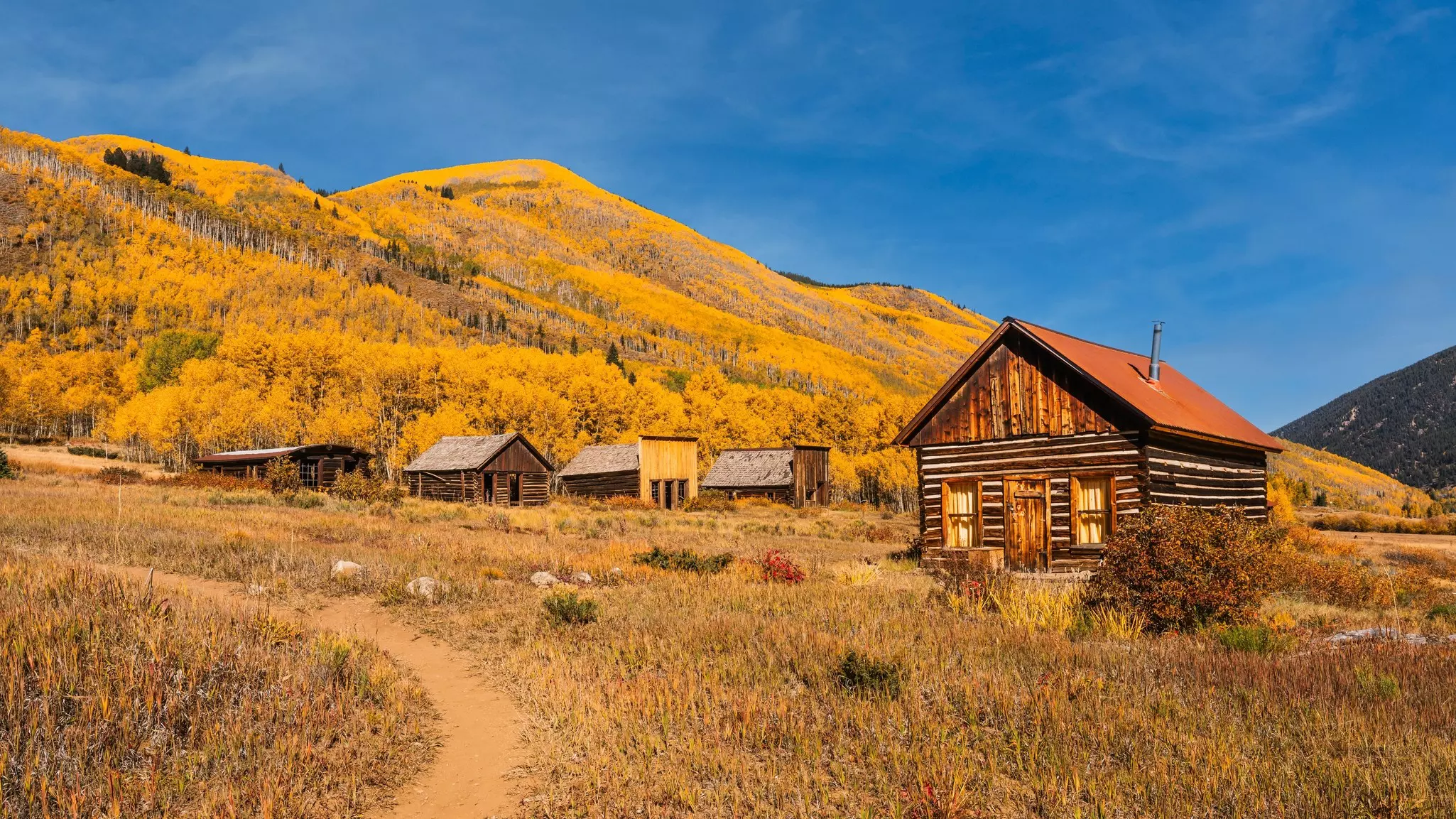
Long before Aspen became a world-famous ski destination, it was a booming silver mining town whose fortunes rose and fell with the precious metal. While Aspen found a second act, the neighboring mining communities of Ashcroft and Independence weren't as fortunate. Today, they’re both ghost towns, featuring restored miners’ cabins and the remains of abandoned buildings from the 1880s. Visit both for a fascinating glimpse into the rugged frontier life that laid the foundation for modern Aspen.
When to go: Independence is only accessible in the summer or early fall, when Colorado State Highway 82 is open to vehicles. Ashcroft, however, offers year-round fun. During the summer, there’s an Aspen Historic Society docent on-site most afternoons. In the winter, you can explore the ghost town and surrounding trails on cross-country skis or snowshoes, then take a scenic horse-drawn sleigh ride to the neighboring Pine Creek Cookhouse for lunch.
Getting there: For Independence, head east on Colorado State Highway 82 about 16 miles. For Ashcroft, go west on Highway 82, then south on Castle Creek Road for 11 miles. If you’re a confident cyclist (or you’ve rented an e-bike), you can pedal to both, though most people drive.
Pair with: After exploring Aspen’s deep past all day, retreat to the equally historic Hotel Jerome, either for an overnight stay, a cocktail, a coffee or a meal. The hotel was built in 1889, amid Aspen’s silver boom, and has been a beloved landmark ever since. This stately brick building has stood through it all: the mining days, the silver crash, the quiet years, the start of Aspen’s ski industry, the Hunter S. Thompson period (when the gonzo journalist ran for sheriff in 1970, he made the hotel’s J-Bar his unofficial office) and, finally, the glitz of the present day.
Best free thing
Outside, the Aspen Art Museum’s woven, picnic basket-inspired façade stands out as one of Aspen’s most distinct architectural landmarks. Inside, the museum hosts rotating exhibitions featuring mostly contemporary art – and it’s always free. After exploring the artwork in this centrally located venue, head up to the gorgeous, sunny café on the third floor, Swedish Hill, for mountain views and a light lunch or coffee.
When to go: The museum doesn’t get too busy, but aim to arrive right after opening or in the late afternoon for the smallest crowds. It’s open year-round but periodically closes for new exhibit installations, so bookmark the website and check before your trip.
Getting there: If you’re coming from another part of downtown Aspen, you can easily walk. If you’re slightly farther afield, take advantage of the city's WE-cycle bikeshare program, which offers free, 30-minute rides on pedal or e-bikes.
Pair with: Walk a few blocks north to the John Denver Sanctuary, a garden dedicated to the legendary singer-songwriter, who lived in Aspen for more than two decades. Located along the banks of the Roaring Fork, this tranquil spot features grassy lawns, colorful flowers and boulders engraved with his song lyrics.
Need help planning your next trip? Check out Lonely Planet Journeys to get connected to a local expert who can craft a custom itinerary for you.
Explore related stories