Aug 10, 202611 min read
The 11 Best Museums in Washington, DCAug 10, 2026
11 MIN READ
Contributors
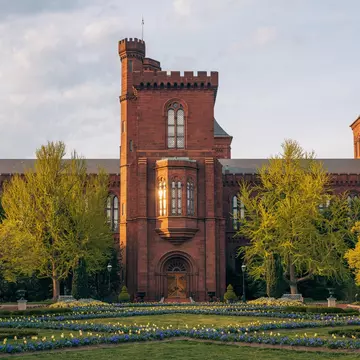
Smithsonian Institution Building (the Smithsonian Castle) viewed across the Enid A. Haupt Garden on the National Mall in Washington, DC. Ayman Haykal/Shutterstock

Contributors


Karla Zimmerman, Marisa Megan Paska
Highlights
Writers Marisa Megan Paska and Karla Zimmerman pick 11 top DC museums.
For Black American history, visit the Blacksonian; the National Gallery holds da Vinci to Kandinsky.
Air and Space is among the world's most visited; Natural History has the Hope Diamond.
From Smithsonian stalwarts on the Mall to Georgetown's Dumbarton Oaks, admission to most is free.
Lonely Planet may earn a commission from affiliate links on our site. All recommendations and reviews reflect our own independent opinions.
Washington, DC, has a mind-blowing array of freebies. From the Smithsonian Institution's multiple museums, gratis theater and concerts, to jaunts through the White House and Capitol, you can be entertained for weeks without spending so much as a dime.
With so many museums to visit (again, for free!), you could spend your entire trip on the National Mall. It's easy to lose a full day to the National Gallery of Art, the National Museum of African American History & Culture or the Air and Space Museum, and many other cultural institutions also deserve multiple-hour visits. Whatever places you decide to explore, be prepared to walk. The main row of sights, from the Smithsonian museums west to the Lincoln Memorial, is about 2 miles tip to tip.
Best for Black American history, culture and heritage
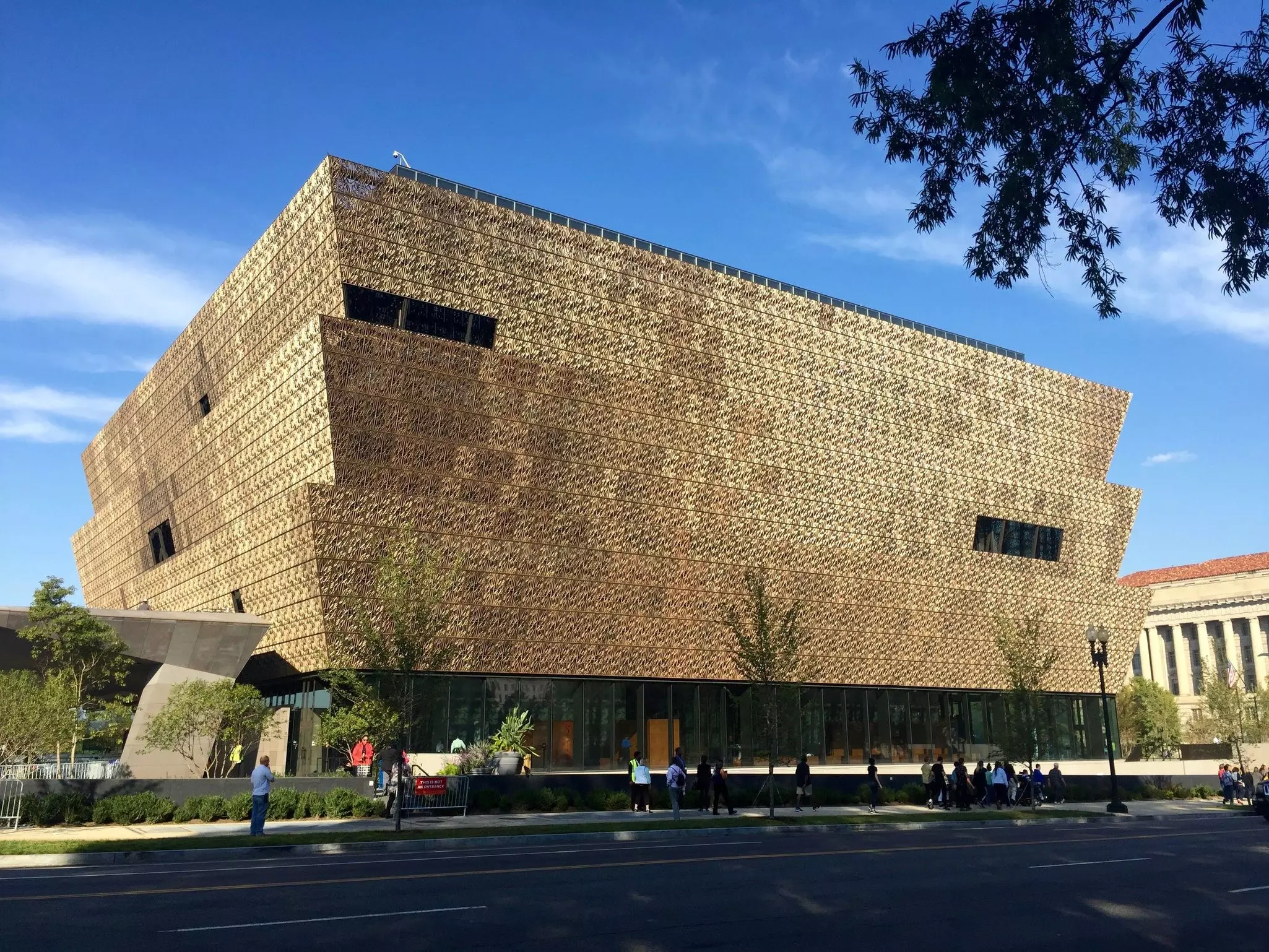
Opened in 2016 and part of the Smithsonian Institution, the National Museum of African American History and Culture is the only museum in the country dedicated to African American culture and history. The exceptional structure that houses the museum's exhibitions was designed by Ghanaian-British architect David Adjaye, together with American architect Philip Freelon, with aspects inspired by Yoruban art from West Africa and a lattice ironwork evoking the intricate artisanal crafts of enslaved African Americans in Louisiana. The four-level museum, often called the "Blacksonian," includes exhibits on Slavery and Freedom, African Americans' impact on sports, music and film, as well as the Power of Place, a compelling exhibition about belonging. The building is the first on the Mall to be LEED-certified and fully ADA-compliant.
Planning tip: If you get hungry, check out the on-site Sweet Home Café, which serves regional African American dishes.
Best for world-class art from da Vinci to Kandinsky
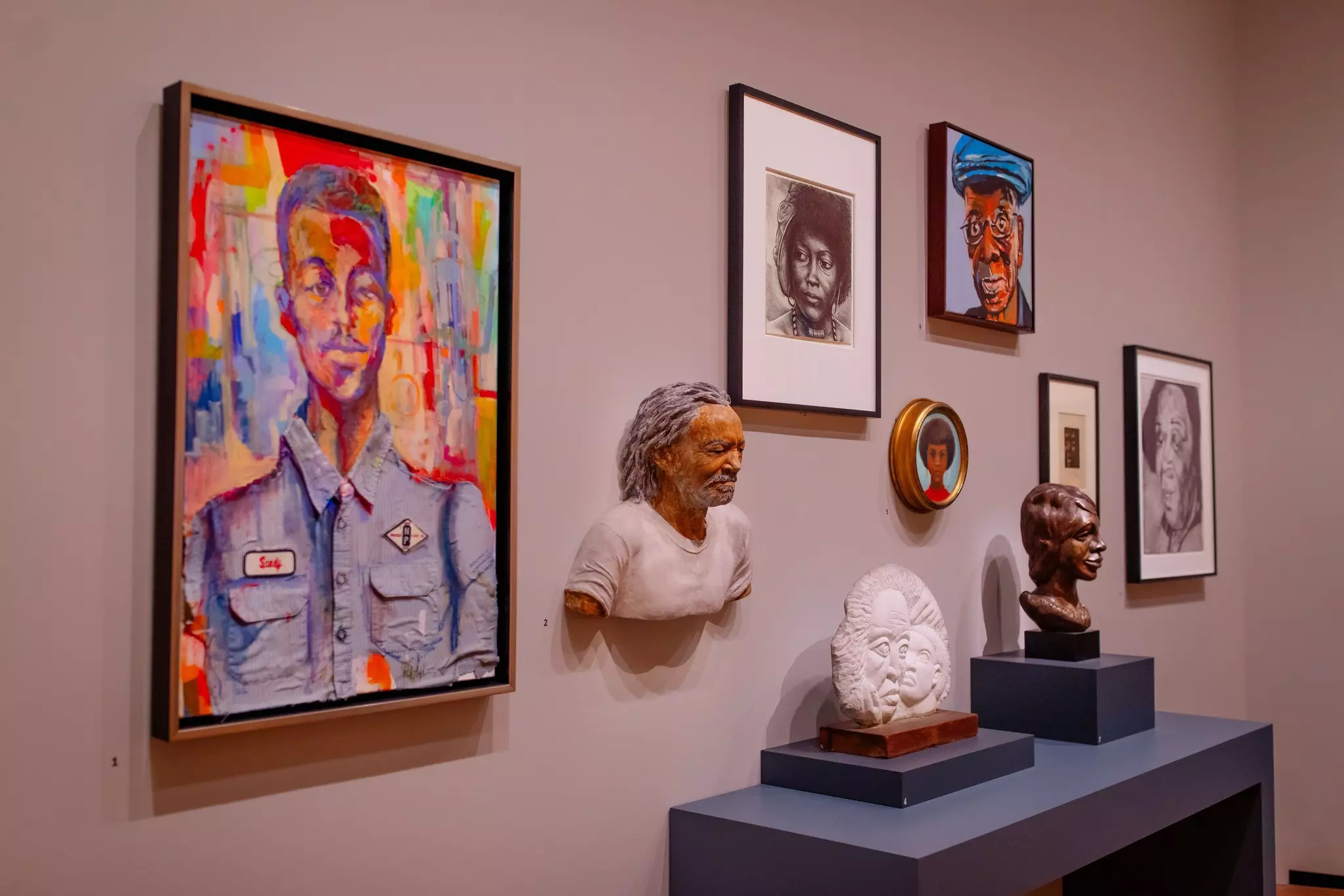
The massive two-building National Gallery of Art is a federally owned art collection featuring works by the likes of Miró, Mondrian, da Vinci, Monet, Kandinsky and more. The museum and its delightful sculpture garden are free and often host big events, such as the city's largest outdoor ice-skating rink in winter and Jazz in the Garden on Friday evenings in summer.
The original neoclassical building, known as the West Building, exhibits primarily European works from the Middle Ages to the early 20th century. Across 4th St NW, the angular East Building, designed by IM Pei, holds modern and contemporary art. To get between the two buildings, jump on the trippy, twinkling, moving sidewalk that connects them underground. It's a work of art itself, titled Multiverse, by Leo Villareal.
The Cascade Cafe buzzes with patrons at the walkway's west end. The gallery's documentary and avant-garde film program takes place several times a month in the East Building auditorium.
Planning tip: Free classical concerts fill the air on Sundays in the West Building's West Garden Court, and jazz concerts are held in the sculpture garden in summer.
Best for aviation history and space exploration
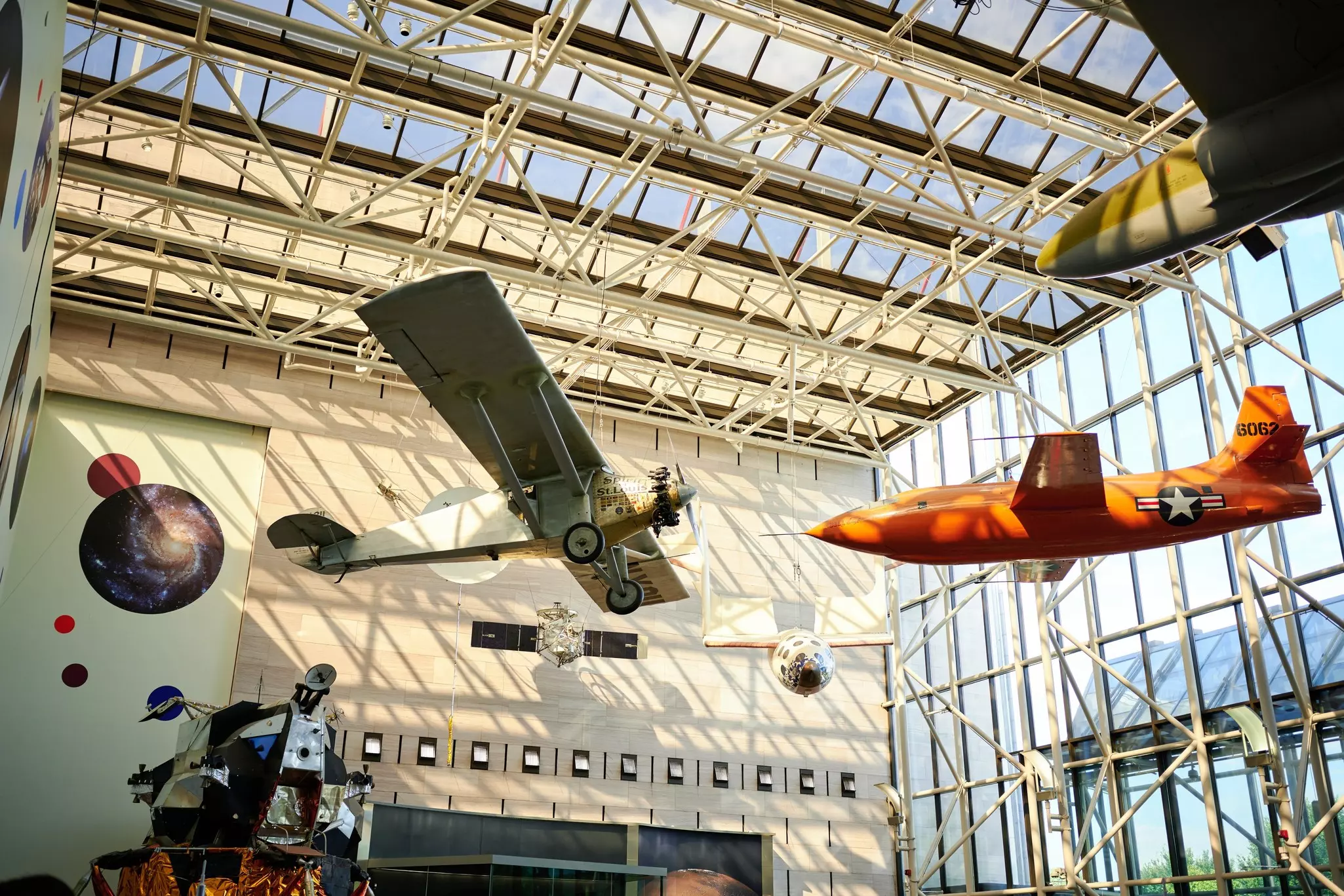
This isn't just one of the most popular museums in the city – year after year, the Smithsonian's National Air and Space Museum is also one of the most visited museums in the world. It holds the largest collection of aviation and space artifacts in the world. Although the museum was officially chartered in 1946, the Institution had been preserving aviation items for decades before that, beginning with 20 Chinese kites acquired in 1876.
See the Wright Flyer from 1903 that took the world's first successful flight, as well as the first airplane to fly nonstop from New York to Paris, the Spirit of St Louis. There are several adorable Mars Rovers on display, along with one of George Lucas' original X-Wing fighters (a highlight for Star Wars fans). Enter into the cockpit of a Boeing 747, or visit the on-site planetarium for a cool space-themed flick. Keep an eye on the events calendar so you can join a nighttime stargazing session, held in different locations around the city or at the Steven F Udvar-Hazy Center, while the museum's public observatory is under renovation.
Planning tip: Free timed-entry passes are required to enter for visitors of all ages, and you'll want to plan ahead, especially in summer. Some same-day passes are released each morning, but they go very quickly.
Best for a moving and comprehensive history of the Holocaust
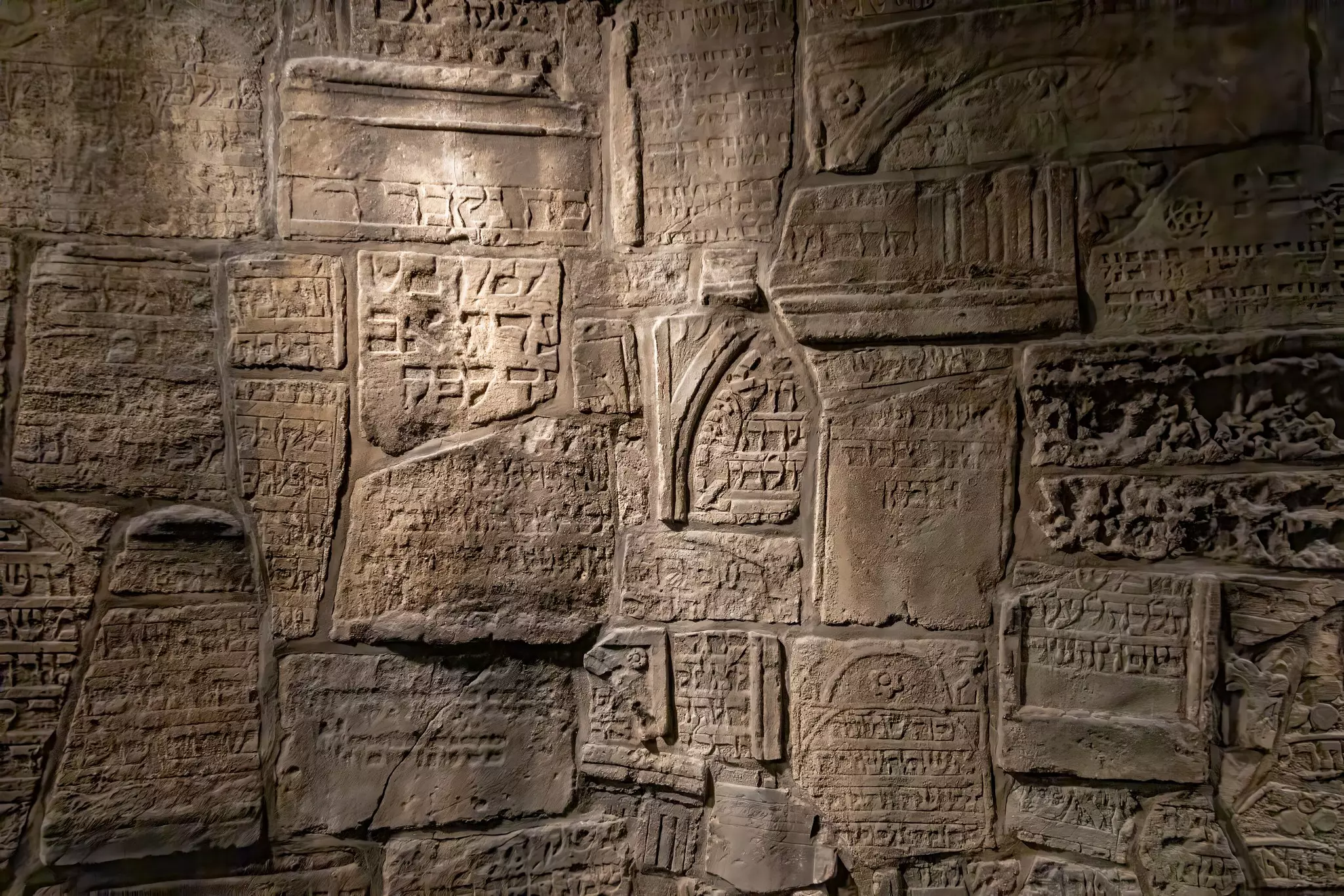
For a deep understanding of the Holocaust, this harrowing museum is a must-see. It gives visitors the identity card of a single Holocaust victim, whose story gets revealed as you plunge into a past marked by ghettos, rail cars and death camps. It also shows the flip side of human nature, documenting the risks many citizens took to help the persecuted.
James Ingo Freed designed the extraordinary building in 1993, and its stark facade and steel-and-glass interior echo the death camps themselves. Look up at the skylight in the Hall of Witness when you enter the building. Many survivors say this reminds them of the sky above the camps. The permanent exhibit presents the Holocaust's history chronologically from 1933 to 1945. Galleries span three floors and use more than 900 artifacts, 70 video monitors, historic film footage and eyewitness testimonies. Start on the fourth floor and end on the second. As you exit the permanent exhibit, you enter the candlelit Hall of Remembrance, a sanctuary for quiet reflection. The Wexner Center is likewise on this floor, featuring exhibits on other genocides around the world.
Planning tip: Same-day passes to view the permanent exhibit are required March through August, available at the pass desk on the 1st floor. Arrive early because they do run out. Better yet, reserve tickets in advance via the museum's website for a 1 US dollar (US$) surcharge.
Best for American art and iconic presidential portraits
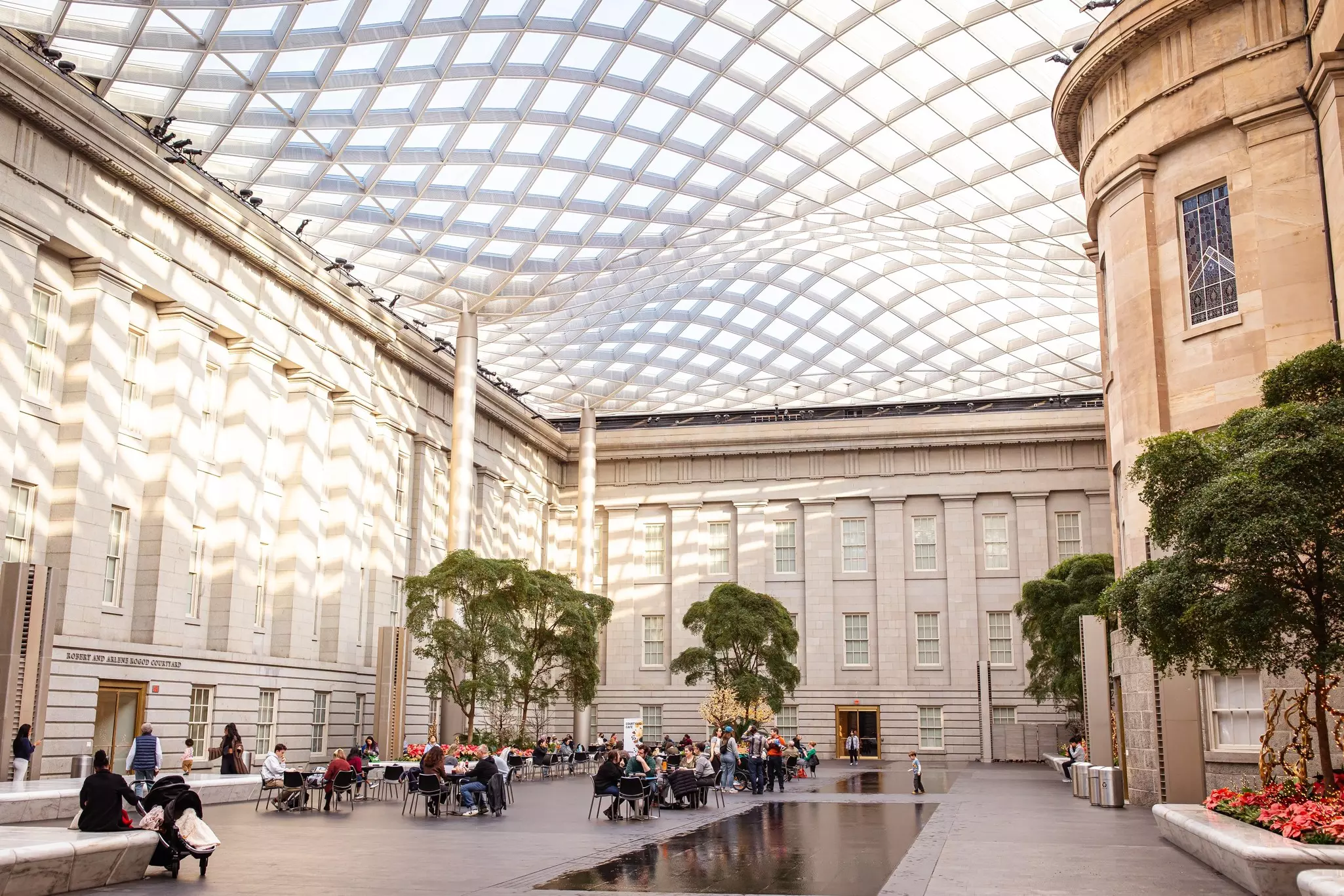
The Reynolds Center houses both the Smithsonian American Art Museum, whose extensive collection of American artwork celebrates the country's rich artistic heritage, and the National Portrait Gallery, a permanent exhibit of portraits of notable Americans from both the past and the present (Oprah, Michelle Obama and Beyoncé are all there), offering a unique visual expression of American identity over time.
Highlights include the Experience America gallery (1st floor), which hangs blockbusters such as Edward Hopper's trapped woman in Cape Cod Morning and a slew of 1930s New Deal paintings; the America's Presidents gallery (2nd floor), which gives due to 44 past heads of state; and on the 3rd floor, Andy Warhol's pop-art version of Michael Jackson and groovy paintings by David Hockney, Franz Kline, Wayne Thiebaud and modern blue-chip artists. Both museums occupy three floors in the 19th-century US Patent Office building, a neoclassical beauty that hosted Lincoln's second inaugural ball.
Planning tip: The building's 1st-floor inner courtyard, roofed with slanting glass and dotted with olive trees and marble benches, is a lovely lunch spot. Bring your own picnic or order sandwiches at the cafe.
Best for kids, dinosaurs and natural wonders
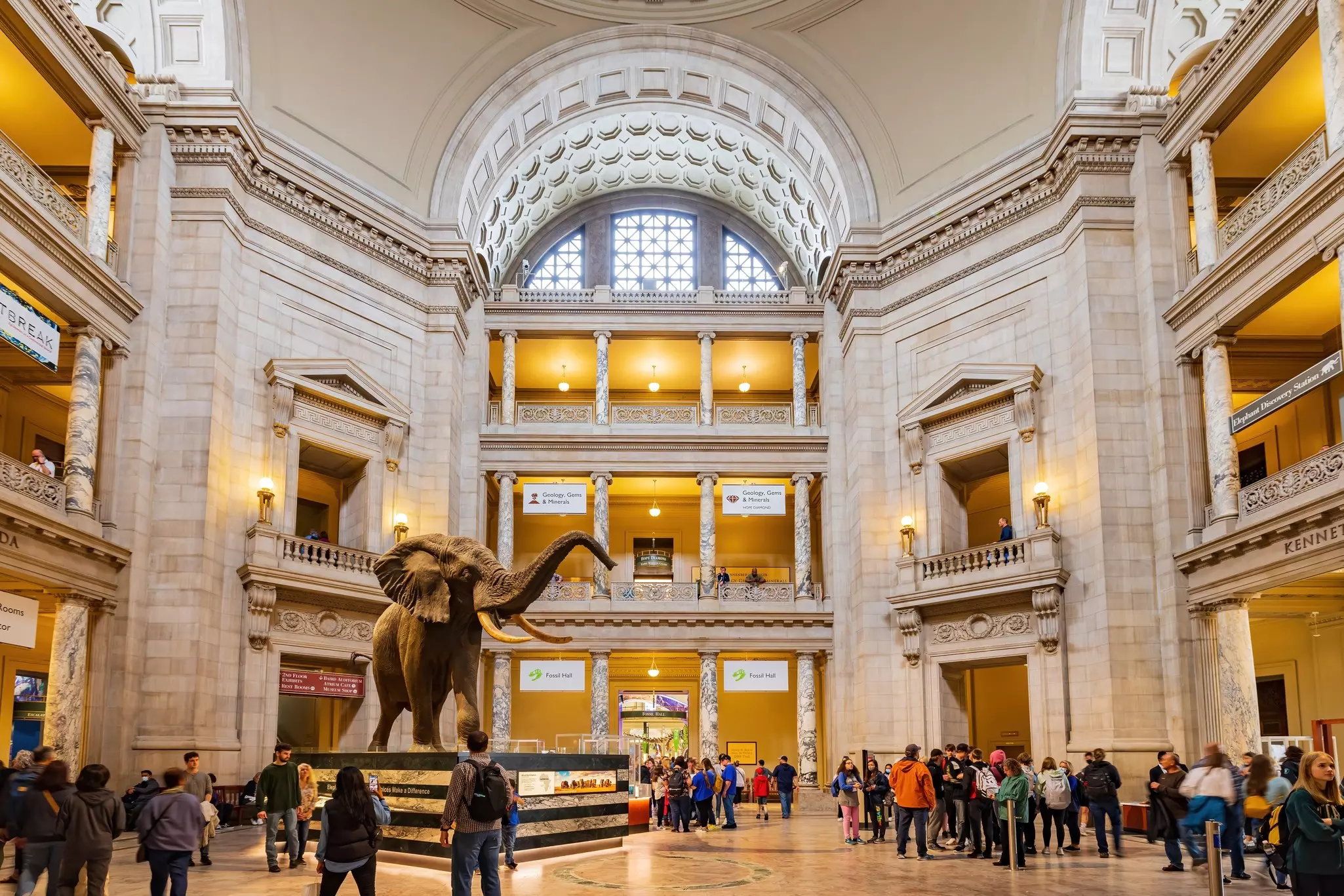
The Smithsonian's National Museum of Natural History is one of the most acclaimed museums in the world, and with so much on offer, it's no wonder why. It would be impossible to visit the entire museum in a day, so choose your exhibits wisely. Most are immersive, enriching and exciting for people of all ages. Besides Henry, the giant African elephant greeting you in the Rotunda upon entry, museum highlights include rare gemstones and the Hope Diamond, the Hall of Fossils (think: dinosaurs), the Butterfly Pavilion filled with live butterflies, and Egyptian mummies – and that's not even a quarter of it.
Planning tip: Like most Smithsonian museums, the Museum of Natural History is open 364 days a year (closed on December 25) from 10am to 5:30pm, and entrance is free.
Best for artifacts spanning the full sweep of American life
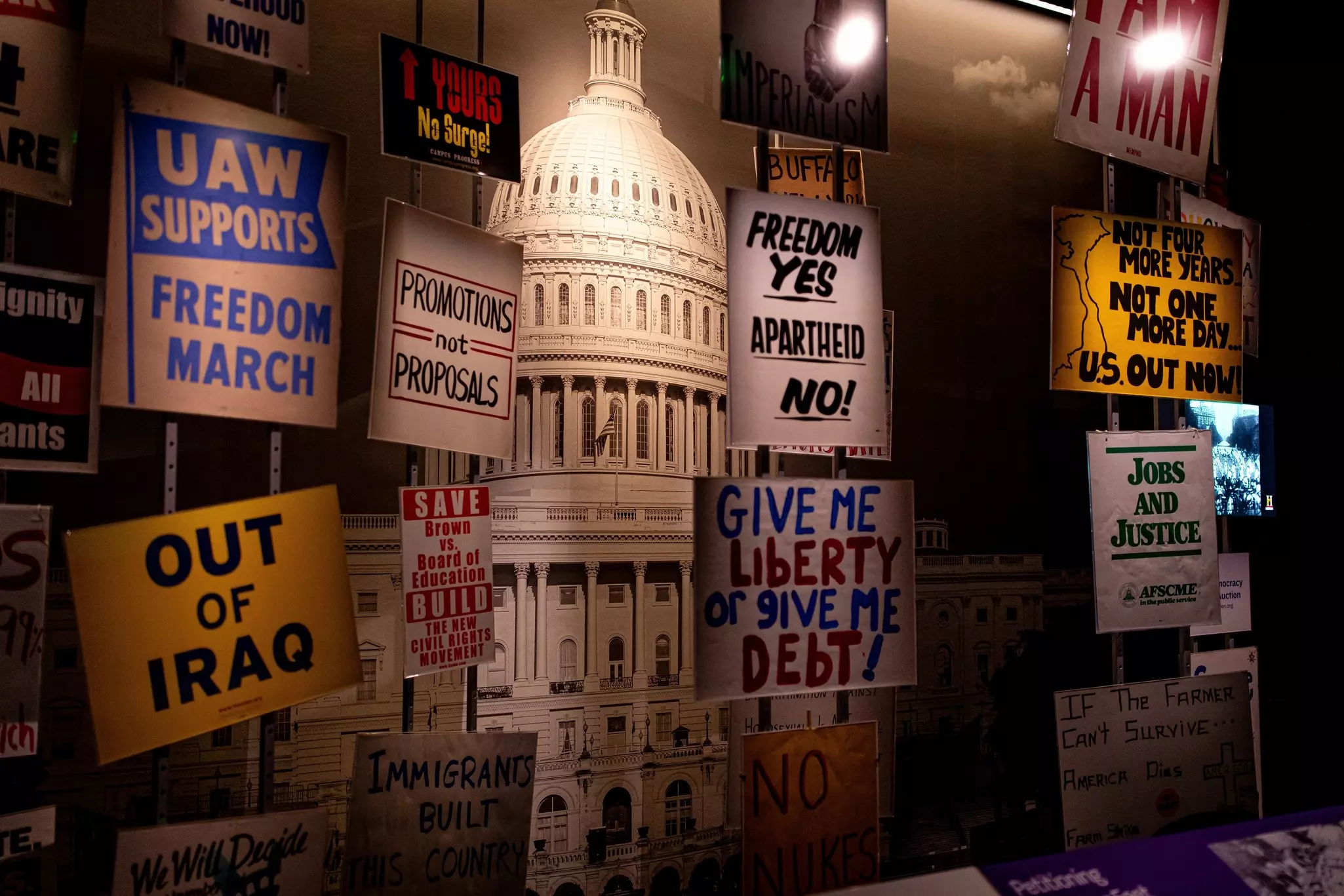
Founded in 1964 as the National Museum of History and Technology, the Smithsonian's National Museum of American History has a collection that has evolved over the decades to focus on all artifacts anthropologically relevant to American culture, be they automobiles, ball gowns or the original Star-Spangled Banner. The collection of more than three million pieces ranges from pop culture to politics, and is exhibited in an 800,000-sq-ft building on the north side of the National Mall.
Best for teens, gadgets and Cold War intrigue
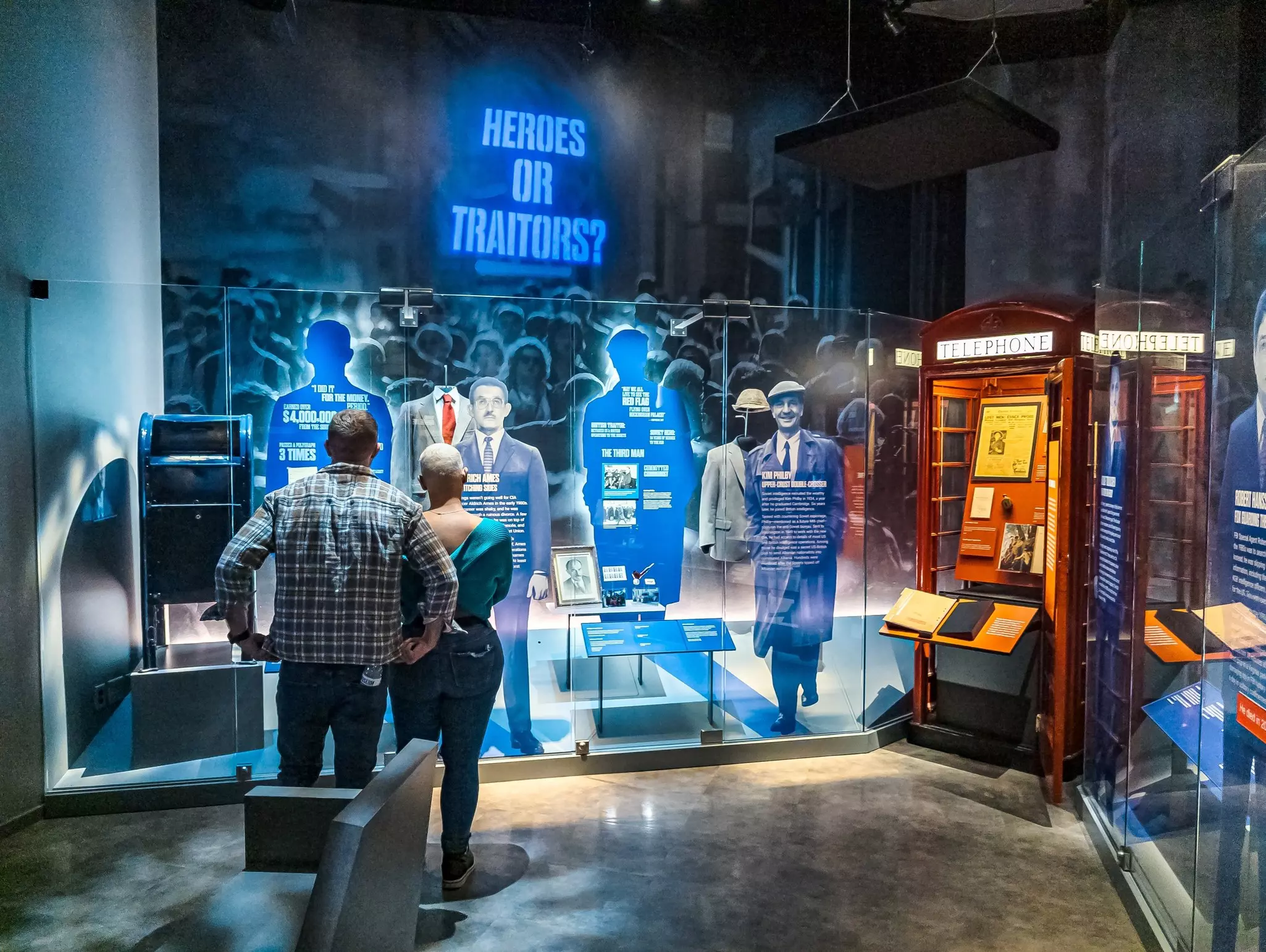
The International Spy Museum is a longtime DC favorite that gives visitors an interactive and exciting peek into the world of espionage. Learn the art of codebreaking, understand why spies have to dress the part, or find out why in the world we have spies in the first place. The museum was moved in 2019 to a state-of-the-art, purpose-built, 14,000-sq-ft building near the Southwest Waterfront, loaded with interactive experiences, interesting history and unique rotating exhibits. Check out an immense collection of the coolest spy gadgets, or head to the 5th floor, where you'll find fascinating stories about the world's most famous spies, like Queen Elizabeth's spymaster or James Lafayette, an enslaved American who became a spy during the American Revolution.
Best for ancient Asian art from the Neolithic period to today
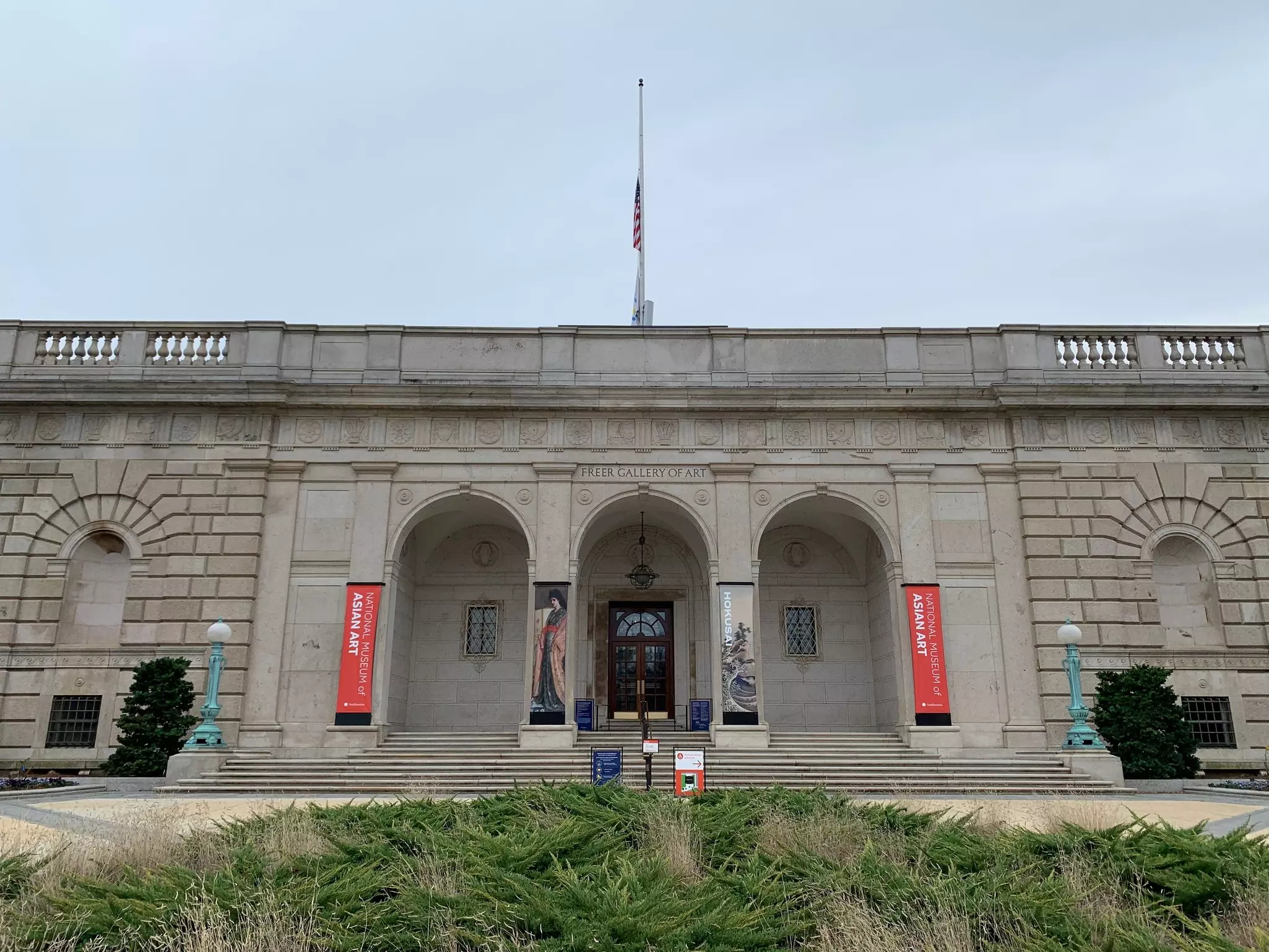
Stop by the Smithsonian's National Museum of Asian Art, which is split between two galleries – the Freer Gallery of Art and the Arthur M Sackler Gallery – situated in two separate but contiguous buildings. This century-old institution includes works from China, Korea, Japan, Southeast Asia, South Asia and the Middle East from as far back as the Neolithic period.
This is a lovely spot in which to while away a Washington afternoon. Japanese silk scrolls, smiling Buddhas, rare Islamic manuscripts and Chinese jades are exhibited in cool, quiet galleries connected by an underground tunnel. The Freer also houses works by American painter James Whistler, including five Nocturnes. Don't miss the extraordinarily beautiful blue-and-gold Peacock Room on its ground floor, designed by Whistler in 1876-77 as an exotic showcase for a shipping magnate's collection of Chinese porcelain.
Planning tip: Like all Smithsonian institutions, the venues host free lectures, concerts and film screenings, though the ones here typically have an Asian bent.
Best for Indigenous art, culture and history across the Americas
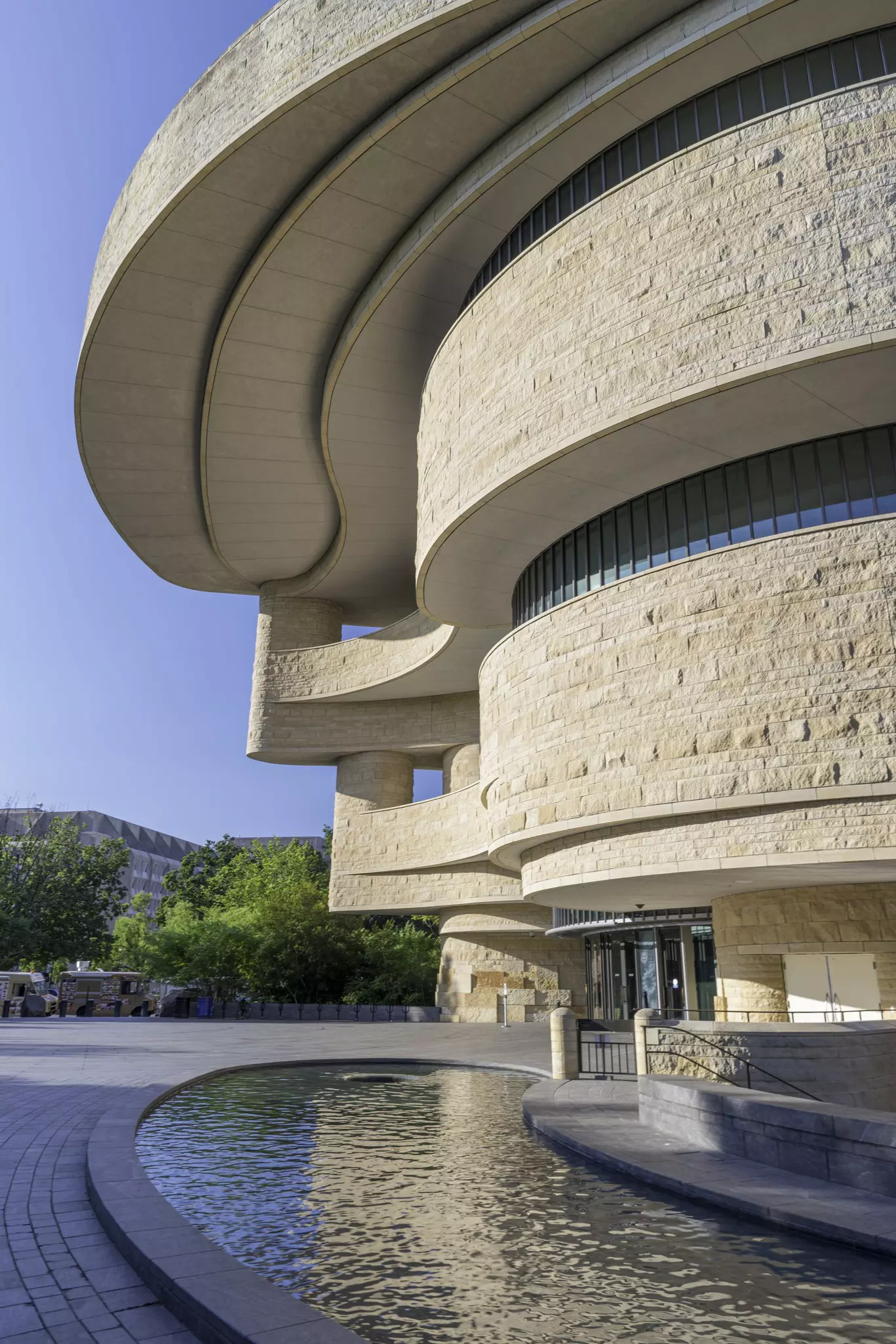
The curvilinear limestone building, designed entirely by Native American architects, isn't just one of DC's most visually striking structures – it's also home to one-third of the world's largest collection of objects, archives and photographs of Indigenous populations from the American continents. The Smithsonian's National Museum of the American Indian covers indigenous populations across North and South America, and all of its exhibitions, landscaping and structures are designed in collaboration with tribes and communities.
Designed by Canadian architect and Native North American Douglas Cardinal, it is a curving, almost undulating building with a rough-hewn Kasota limestone facade that references the natural wind- and rain-sculpted rock formations of the southwest. The museum's garden features more than 150 plant and wildflower species native to the Atlantic coastal plain and the Appalachian Mountains, which enhance the building's naturalism.
Planning tip: The ground-floor Mitsitam Native Foods Cafe is one of the Mall's most popular dining options.
Best for formal gardens and Byzantine art in Georgetown
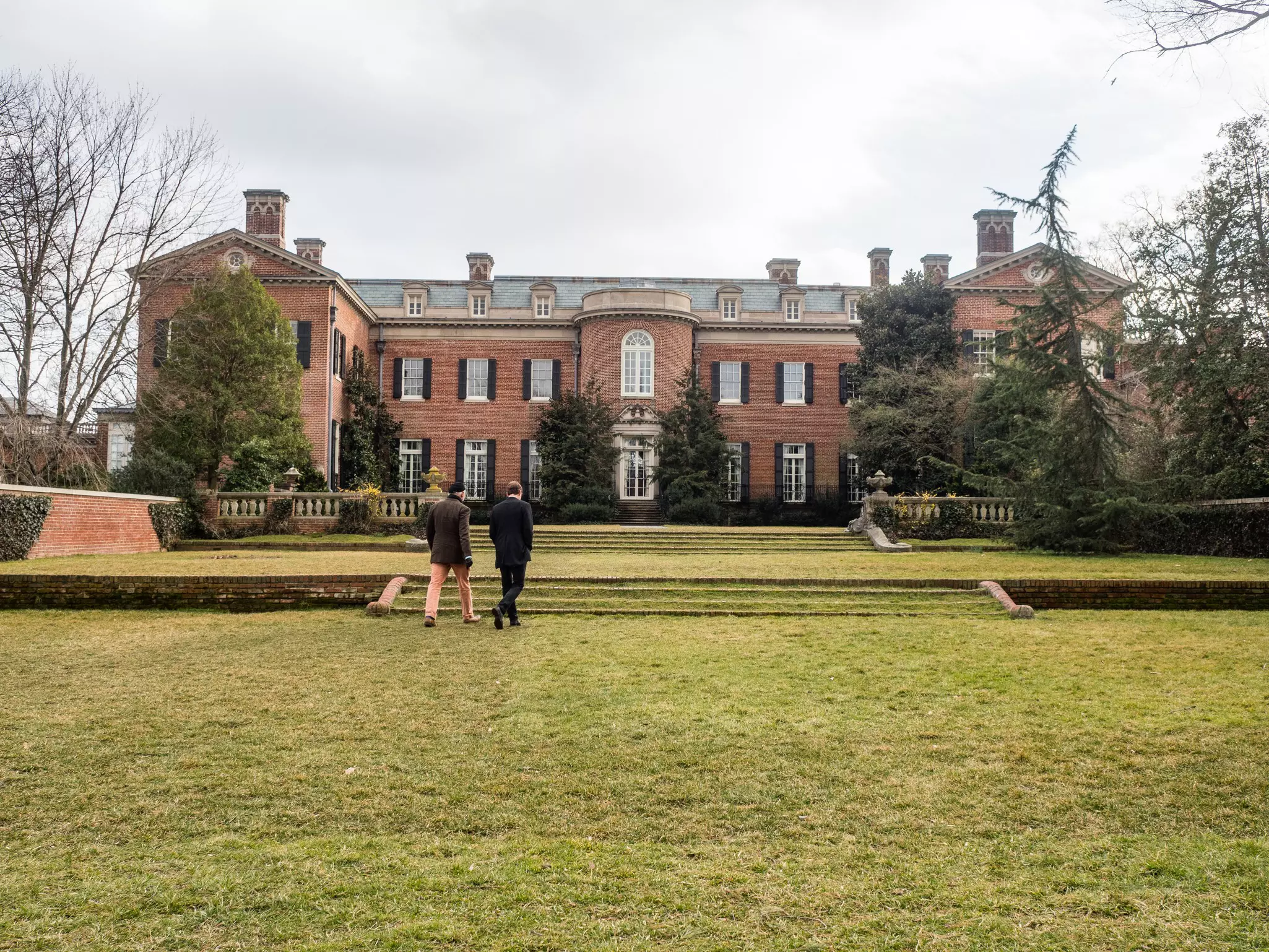
This mansion's 27 acres of enchanting formal gardens are straight out of a storybook. In springtime, the blooms – including heaps of cherry blossoms – are stunning. The mansion itself is worth a walk-through to see exquisite Byzantine and pre-Columbian art (including El Greco's The Visitation) and the fascinating library of rare books that date as far back as 1491.
In 1944, diplomatic meetings took place here that laid the groundwork for the UN. The trustees of Harvard University operate the house, so Harvard students, faculty and staff get in for free.
Planning tip: From November to mid-March, the gardens are free to all (and they close at 5pm). The garden entrance is at R and 31st Sts NW.
Explore related stories