Aug 10, 20266 min read
16 Things to Know Before Visiting SantoriniAug 10, 2026
6 MIN READ

Writer
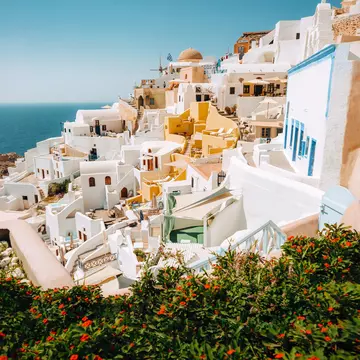
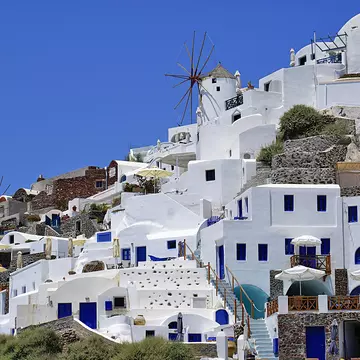
Oia in Santorini, Greece. Tomas Marek/Shutterstock

Writer
Highlights
Writer Vesna Maric shares 16 tips on Santorini planning, transport and etiquette.
Visit late April–June or September–October; July and August bring peak crowds and prices.
Cover up for churches, skip swimwear in restaurants and tip guides around €5 per person.
Book at least one winery tour – Santorini's volcanic microclimate yields some of Greece's best wine.
Lonely Planet may earn a commission from affiliate links on our site. All recommendations and reviews reflect our own independent opinions.
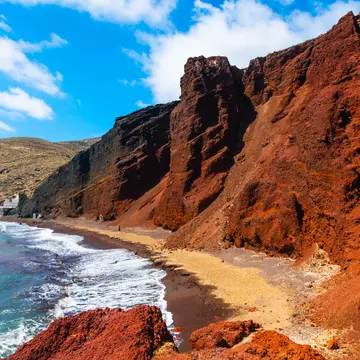
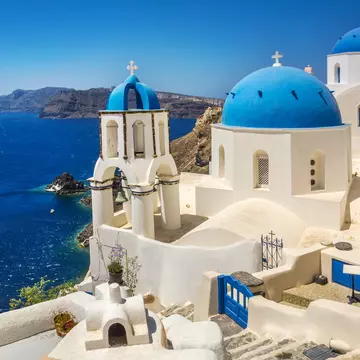
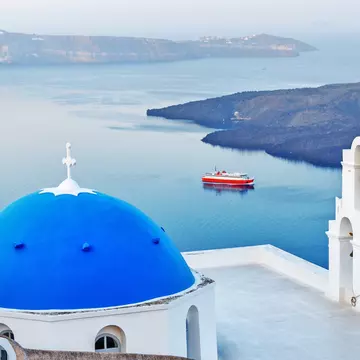
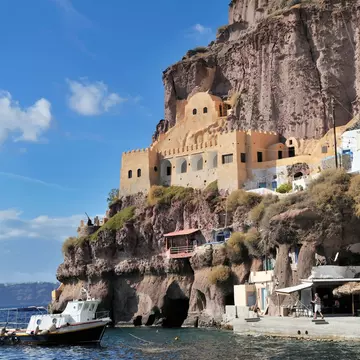
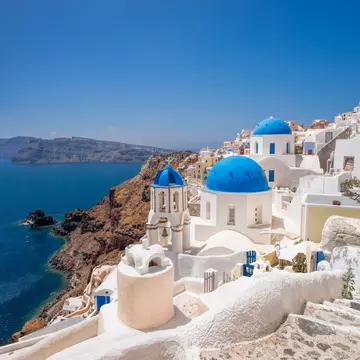
Prepare to be awed when you approach Santorini from the water – the sheer cliffs soaring above the turquoise Aegean are breathtaking, as is knowing that you’re sailing into the immense crater of a drowned volcano. The awe doesn’t stop there: the pristine white villages of Fira and Oia are straight out of anyone’s Greek island fantasy, and the volcanic beaches, the good wine and magnificent vistas all around are endlessly enjoyable.
Beware, however, that this tiny island is one of the most overtouristed places in Greece. It gets seriously overcrowded in peak season, so choose your travel dates with care.
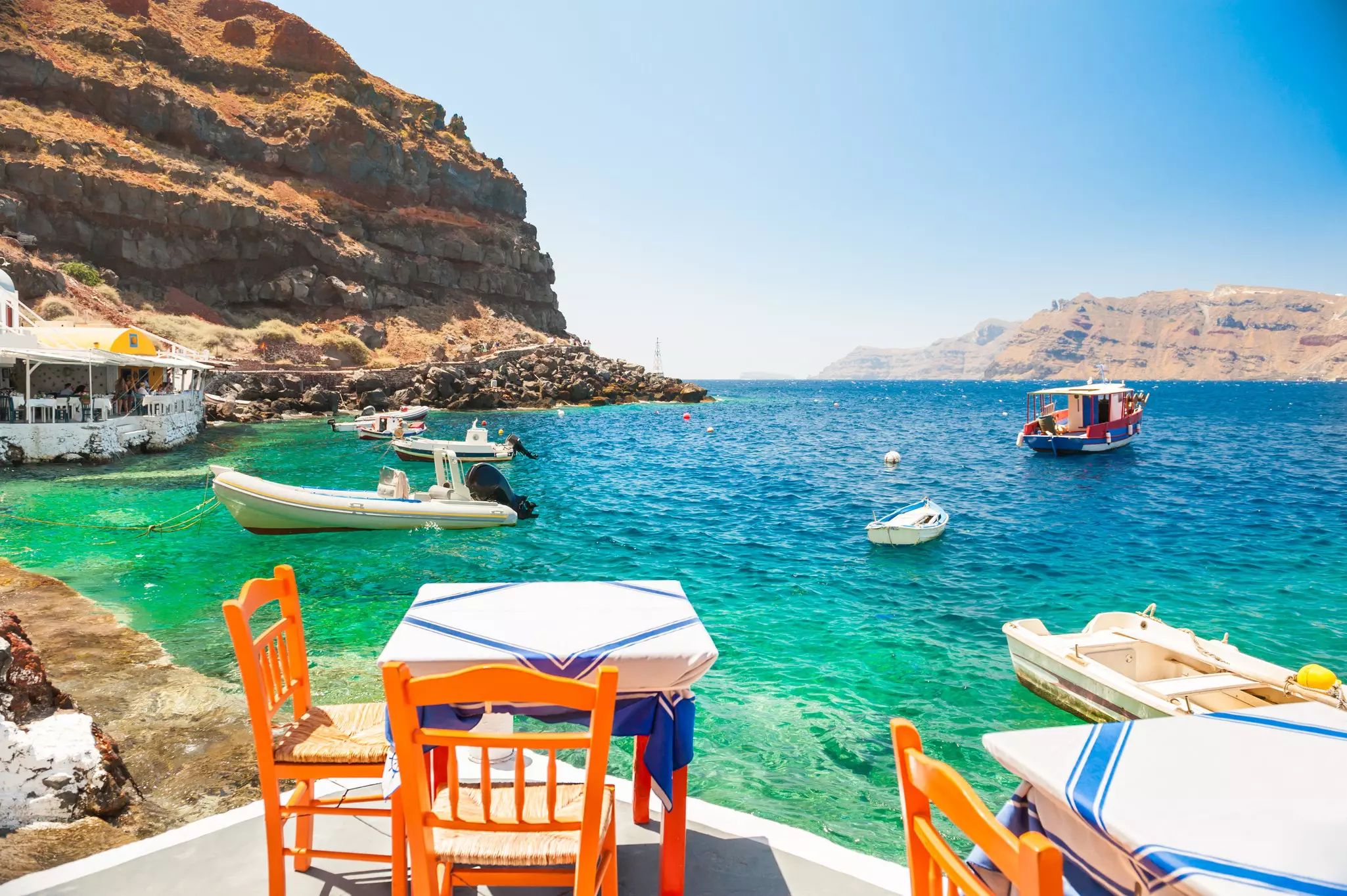
Peak travel to Santorini is July and August, when temperatures and prices are at their highest, and the island throngs with tourists. The best times to visit are from late April to June and September to October, when there are fewer crowds and the sea is just perfect. If you want to explore the island in tranquility, enjoy the scenery and do some hiking, and don’t mind some places being closed, a winter break on Santorini is highly recommended.
How much time you spend in Santorini will depend on your budget – prices are set by the season – since Santorini is one of Greece’s most expensive places to visit.
Count on a couple of days to see the spectacular caldera and sunset views (plus the packed shopping streets), but if you have more time and are interested in archaeology, include another 2 days for the pair of impressive ancient sites here. Seeing them properly takes at least a half day each.
Lounging about on the gorgeous volcanic beaches can fill an infinite amount of time, and wine lovers will want to visit some of the excellent wineries. Add in a boat tour or scuba diving in the caldera (both of which last a whole or half day), exploring the island’s villages and possibly wedging in a hike and you can easily dedicate a whole week to Santorini.
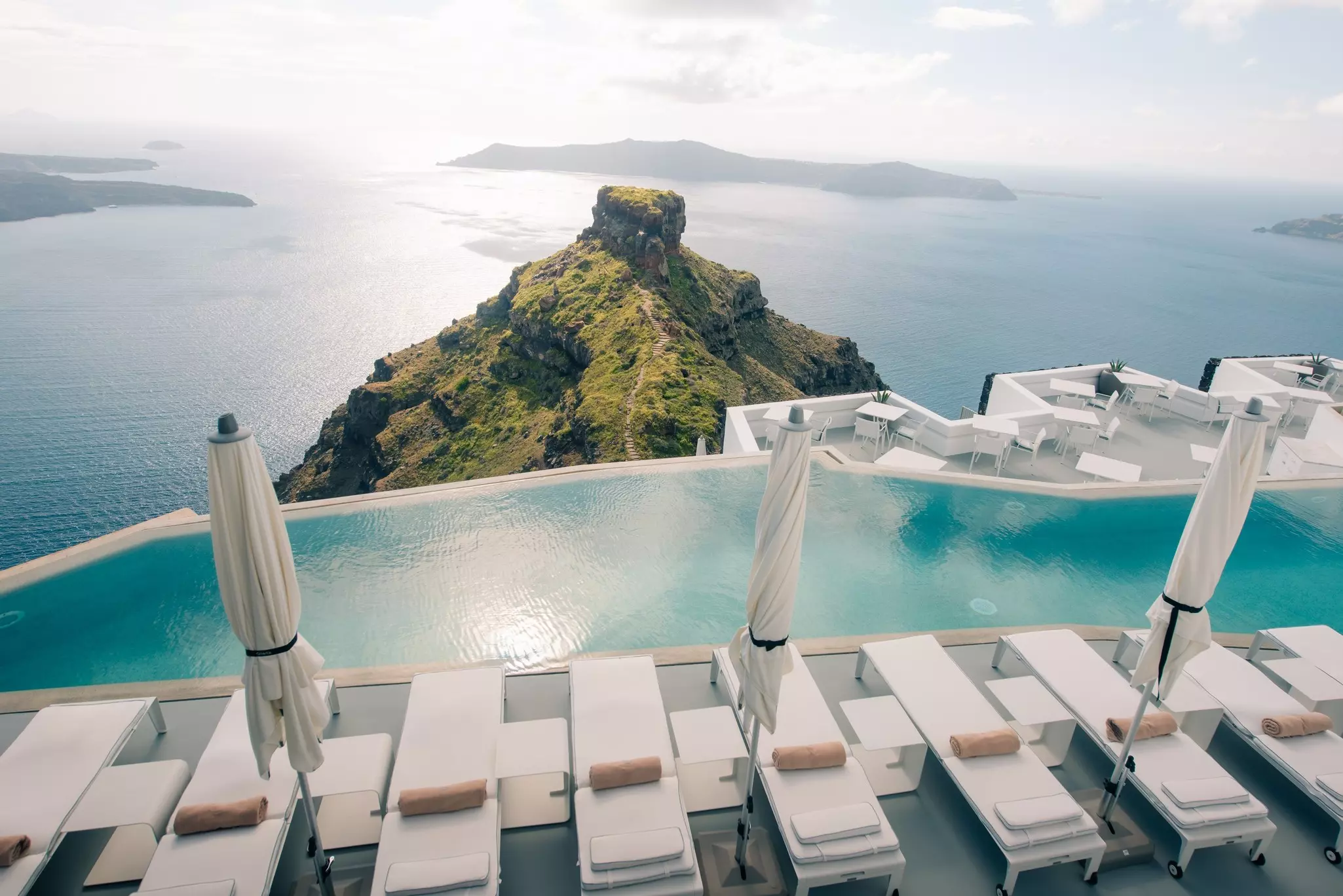
Choose from luxury rooms by the caldera, or find peace in rural stays. If you can afford it, stay on the caldera's edge. You may never need to leave your hotel as you marvel at the view. Most of the accommodations (primarily midrange and top end) are concentrated around Fira and Oia, with the priciest on the caldera's edge, where the sky is the limit: private terrace, plunge pool, you name it. Midrange and budget spots include the areas around Kamari, Perissa and Messaria. Consider the northeast or smaller villages if you want peace. Many hotels on the caldera's rim involve loads of steps – see if a porter can help with luggage.
Relatively untouched in terms of tourism, Thirasia (population 200) was separated from Santorini by an eruption in 236 BC. Clifftop Manolas, the main town, has tavernas and a few domatia (rooms), and it’s almost completely off the tourist route. The unpopulated islets in the middle of the caldera are still volcanically active, and oodles of boat tours head to the crater at Nea Kameni, the hot springs on Palia Kameni (more lukewarm than hot) and Thirasia.
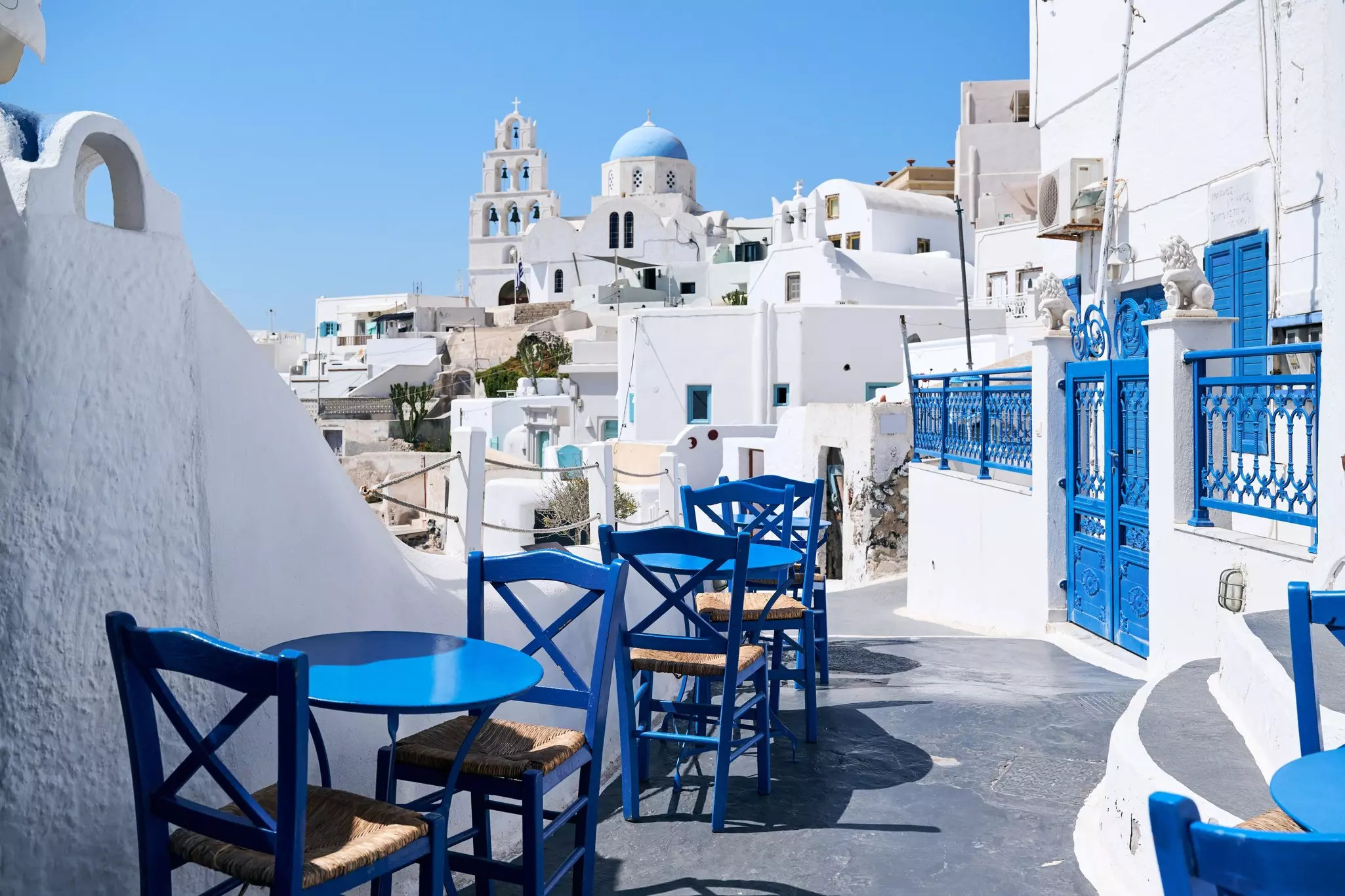
Tipping in restaurants is around 10% of your bill, but first check if service is included when your bill arrives. Tipping on tours is expected, especially if you had a good experience – €5 per person should be sufficient. If you’re staying by the caldera and a porter carries your luggage up the many stairs, make sure you tip!
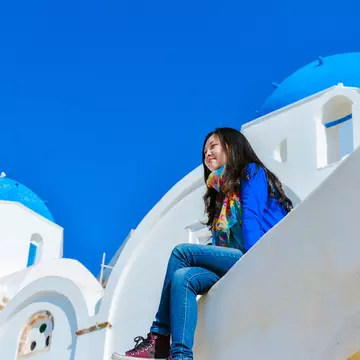
Cover your shoulders and wear clothing that is appropriate for church visits, otherwise you may be refused entry. Some roofs in Fira and Oia have signs reading "do not climb" and these are often roofs. Tourists have been known to step on church roofs to snap a photo – even nonreligious locals find this offensive.
Don your casual wear for low-key places, or dress up for fancier restaurants, but whatever you do, avoid entering indoor establishments in your swimwear, a holiday habit that the locals find indecorous.
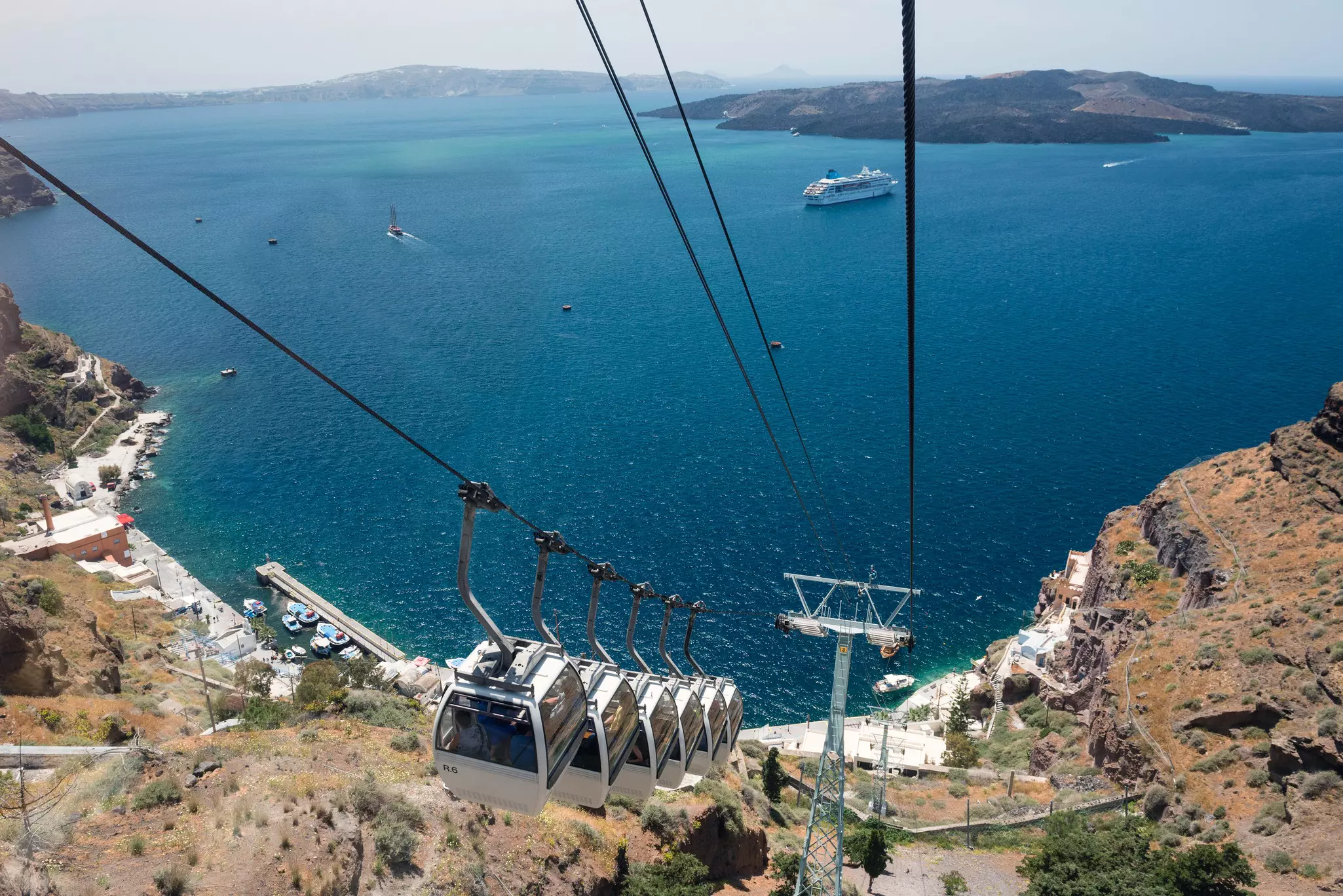
Even though it might be tempting to beat the traffic and slog it up the steep road from the port to Fira, don’t do it – it is dangerous because the road is very narrow.
Touts at the port may claim that their rooms are in town when they’re not; ask to see a map showing the exact location. Also, check if a port or airport transfer is included.
Santorini’s tap water isn’t recommended for drinking. The island has no freshwater supply and depends on desalination plants. During the peak summer months, supplemental water is regularly shipped in by tankers, so it is very important to use water mindfully.
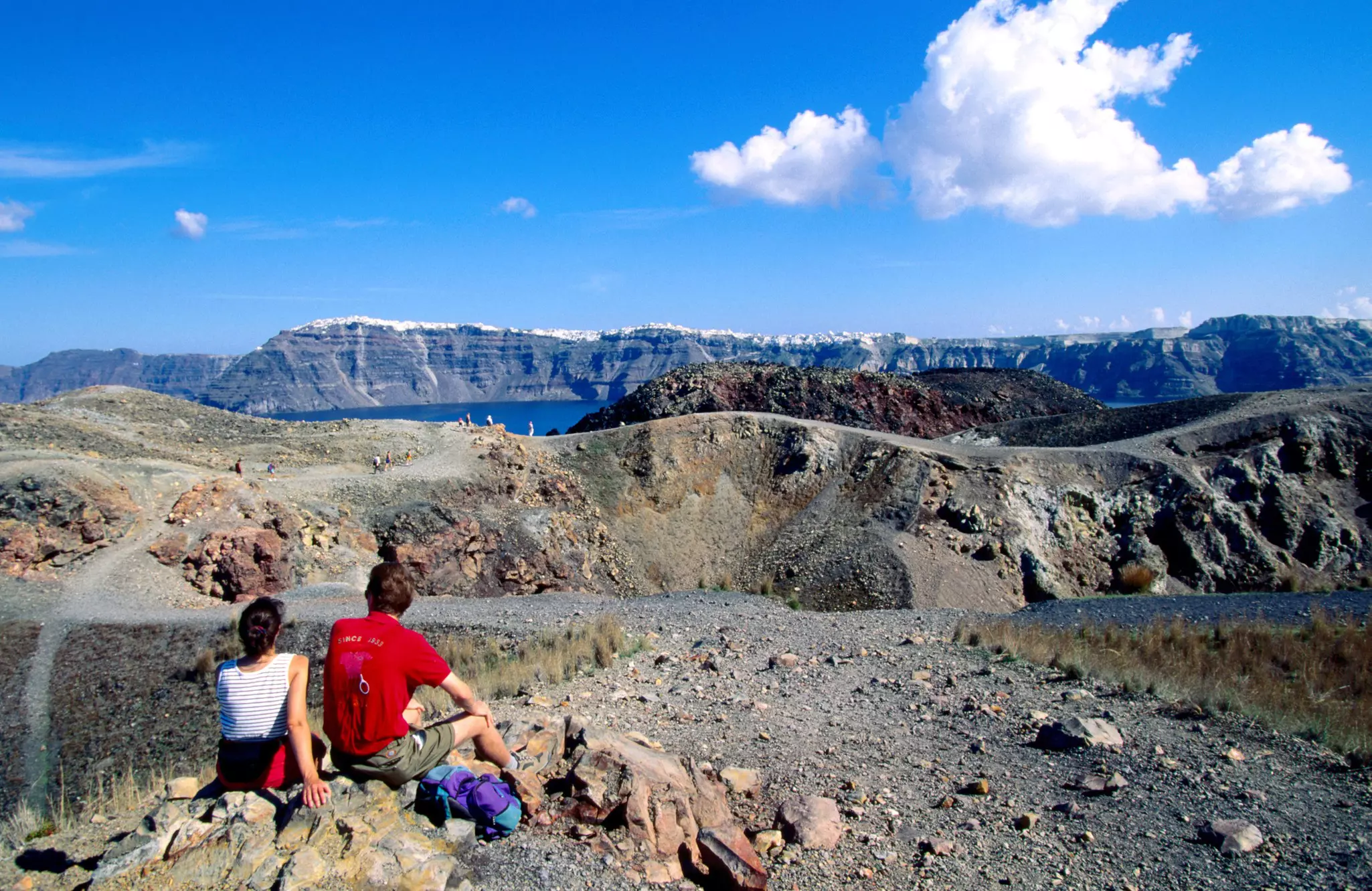
Walking is by far the best way to get around the caldera-edge clifftop towns, and hiking around the island (outside of the hot summer months) gives you the opportunity to appreciate the incredible volcanic landscape.
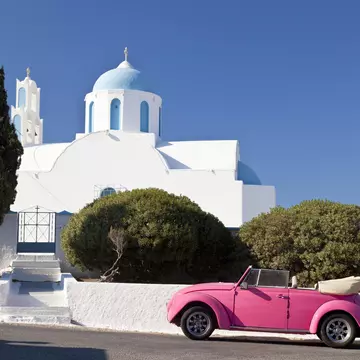
Lots of companies rent cars, mopeds and ATVs. Mind that ATVs are unstable and can clog up traffic.
If you take the bus between Fira and Oia, giving up seats for older adults is customary and expected in Greece. Tickets are cash only – try to have exact change. Timetables are posted at bus stops, and buses are reliable.
Whether you arrive or leave by water or air, prepare for lines, waiting and general mayhem, especially in peak season. The small airport terminal is busy, so give yourself time, especially for departures.
Santorini’s main port, Athinios, is on a shelf of land at the bottom of a cliff, and the serpentine bends in the road leading up to Fira will be clogged with cars, taxis and buses.
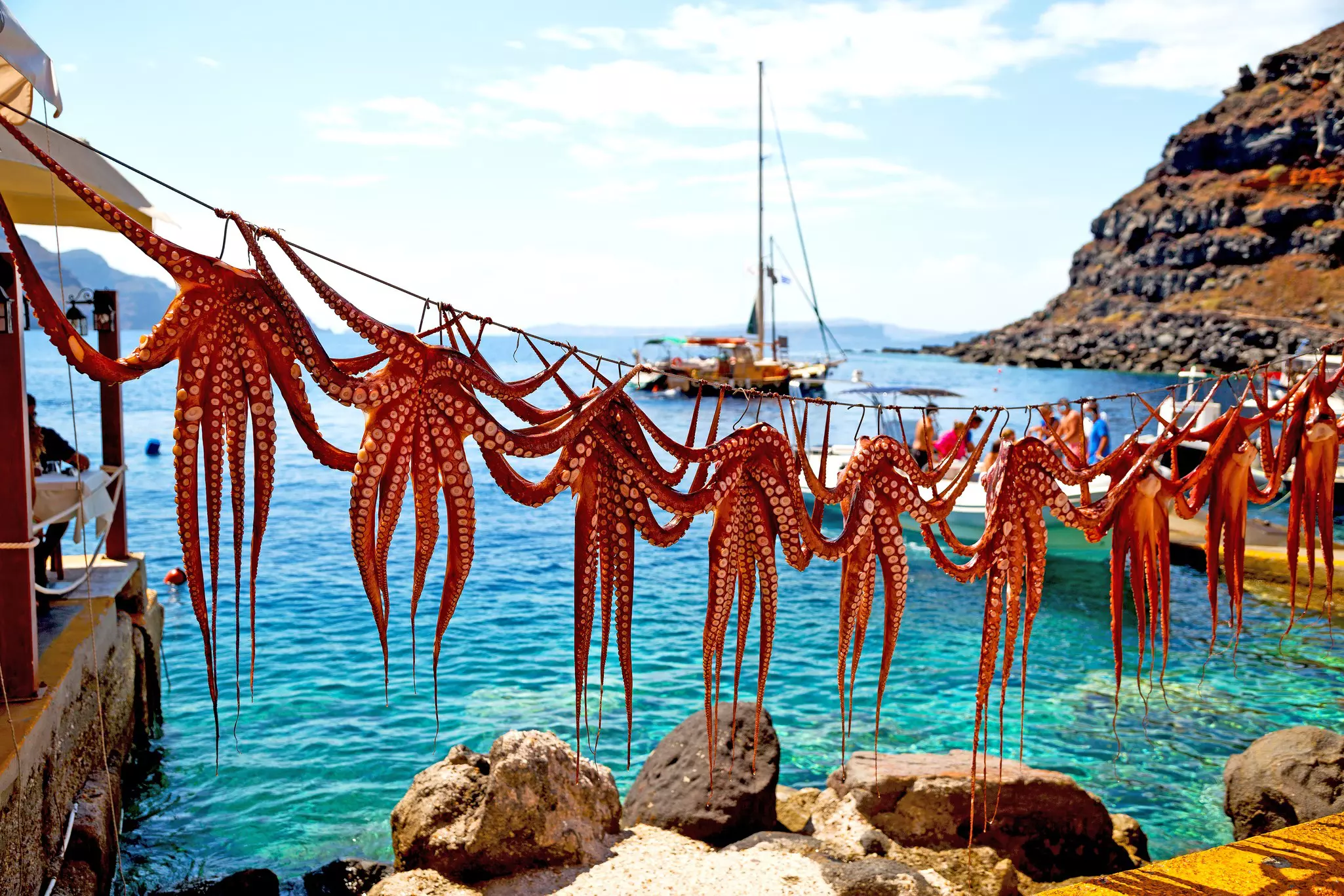
If you want to make your holidays last longer, shop locally and get some fava beans, sun-dried tomatoes and wonderful preserved caper leaves to take home.
Not only is Santorini blessed with a dry, volcanic microclimate that results in some of the best wine in Greece, but its vines are also Europe’s oldest, impervious to the phylloxera bug that wiped out most European vines in the late 19th century. Most local vineyards, many of world-class quality, host tastings with meals or snacks on the side. Santorini Wine Adventure and Santorini Wine Tour are among the local guide operators, which also means you'll have a designated driver.
Explore related stories