Aug 9, 20268 min read
What to Know Before Visiting EcuadorAug 9, 2026
8 MIN READ

Writer
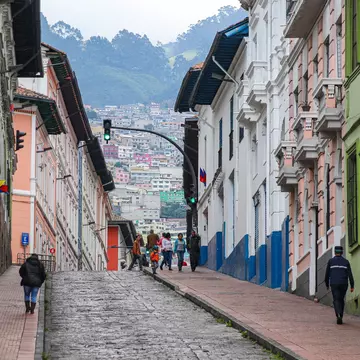
People walk the historic center of Quito, Ecuador. Omri Eliyahu/Shutterstock

Writer
Highlights
Writer Mayra Peralta shares 13 Ecuador tips on altitude, climate, safety and tipping.
Pace yourself in Quito's thin air and carry sunscreen – equatorial rays catch visitors off-guard.
Brush up on Spanish basics before you go; tipping is courteous but not mandatory here.
In Guayaquil and coastal provinces, use metered taxis and avoid wandering alone at night.
Lonely Planet may earn a commission from affiliate links on our site. All recommendations and reviews reflect our own independent opinions.
With four geographic regions squeezed into a compact 283,561 sq km (109,484 sq miles), Ecuador caters to all kinds of travelers.
Whether you’re looking for adventure in spectacular landscapes, relaxation on white-sand beaches, or cultural experiences in UNESCO World Heritage Sites, booking a trip to Ecuador will surely fit the bill.
But just like traveling anywhere, visiting this enchanting country has its own peculiarities. Here are our useful tips to help you make the most of your trip to Ecuador, one of the most biodiverse places in the world.
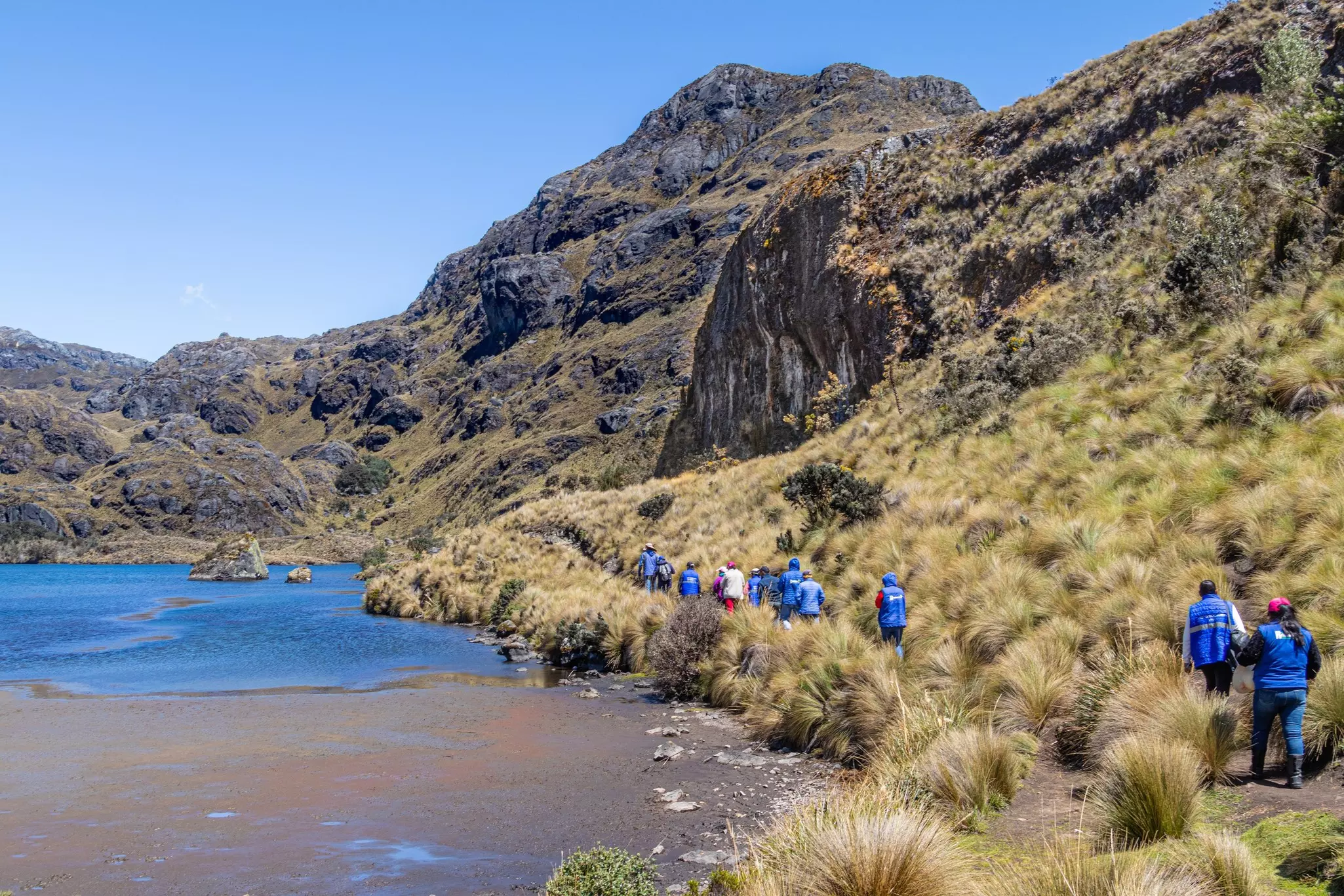
Despite popular belief, Ecuador is not a tropical country. Perhaps fueled by the moniker of “the country in the middle of the world, ” many travelers wrongfully believe Ecuador is a tropical country and that they’ll encounter oppressively hot weather. Though the climate will largely depend on the region in which you stay, expect moderate temperatures. In the highlands, anticipate chillier weather and occasional rain, especially between October and April. Meanwhile, the coastal region enjoys warmer, generally steadier temperatures, though watch out for rain between February and April.
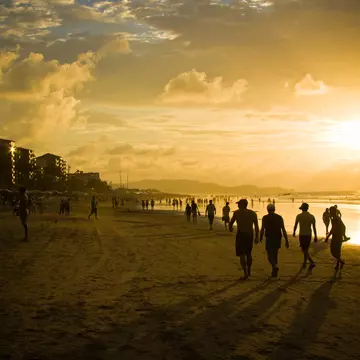
Along the coast, the rainy season from December to April brings regular showers that leave the air fresh when the sun comes out again. The surf is best during this season, before Ecuadorians flock to the beaches around the Easter holidays, July and August. The highlands start drying out in May, and are warmest from June through September. The weather cools down from October to May, with afternoon clouds and rain. In the Amazon, the seasons are rainy – and rainier. It is driest and hottest (with intermittent rain) from December to February. Rainy season means higher water, lusher flora and more active fauna, with the heaviest rainfall in May and June.
Although many consider continental Ecuador a stopover on the way to the Galápagos Islands, visiting the country is well worth your time. For adroit travelers, staying in Ecuador for seven to 10 days will allow them to explore its main attractions. However, if you can stay longer, anywhere near 15 to 20 days will suffice to tour Ecuador’s most prominent cities and towns.
Room rates are highest throughout Ecuador around Christmas and New Year's, Semana Santa (Easter week), and July and August. They also peak during local fiestas. Hotels along the coast sometimes charge higher rates on weekends.
Ecuador is one of the world’s most biodiverse countries, and wildlife reserves help keep it that way. Some reserves have a small number of rooms available to visitors, with stays also helping fund their work. San Jorge Eco-Lodge and Botanical Reserve and the Hacienda Jimenita Wildlife Reserve, both outside of Quito, are private nature reserves ideal for bird-watchers.
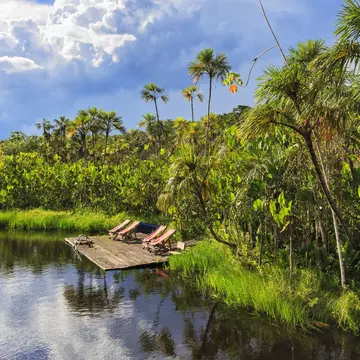
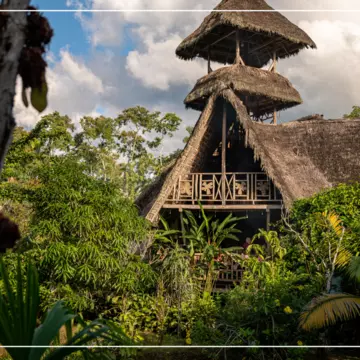
In areas where tourism depends on preserving diverse ecosystems, there are lodges pioneering conservation and community sustainability programs in their areas. Mashpi Lodge in the Andes outside Quito and the Napo Wildlife Center Ecolodge in Yasuní National Park are good examples.
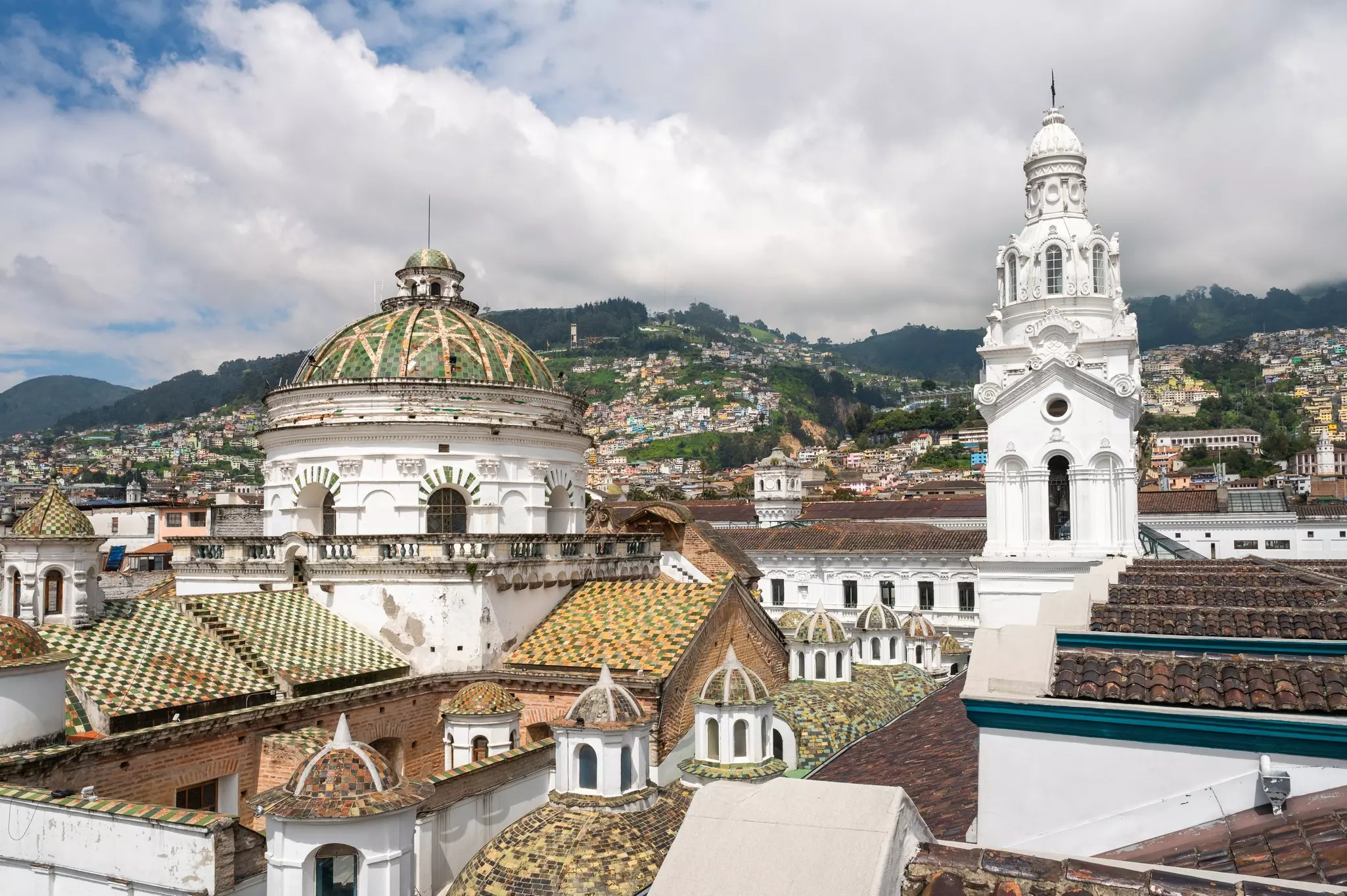
Many of the main city hotels are in restored colonial mansions, with charming interior courtyards, baroque ceilings and original wooden features. These heritage hotels are a special treat for lovers of colonial architecture, especially in the UNESCO World Heritage cities of Quito and Cuenca. La Casona del Ronda in Quito and the Hotel Boutique Santa Lucia in Cuenca are two especially beautiful options.
While knowing how to communicate with locals is a good idea on any trip, memorizing some Spanish keywords can truly make a difference in Ecuador. Learning etiquette words such as buenos días (good day), por favor (please) and gracias (thank you), as well as useful traveling phrases, will go a long way when interacting with Ecuadorian people.
Many Ecuadorians will find ways to communicate with you even if they can’t speak your language, but don’t assume or expect them to understand you without first trying to speak in Spanish.
If you lack confidence in your Spanish-speaking skills, head for Quito, a preferred destination for language learning because of quiteños’ slow and almost accent-less way of speaking. This is an excellent place to book a class or engage in Spanish learning experiences.
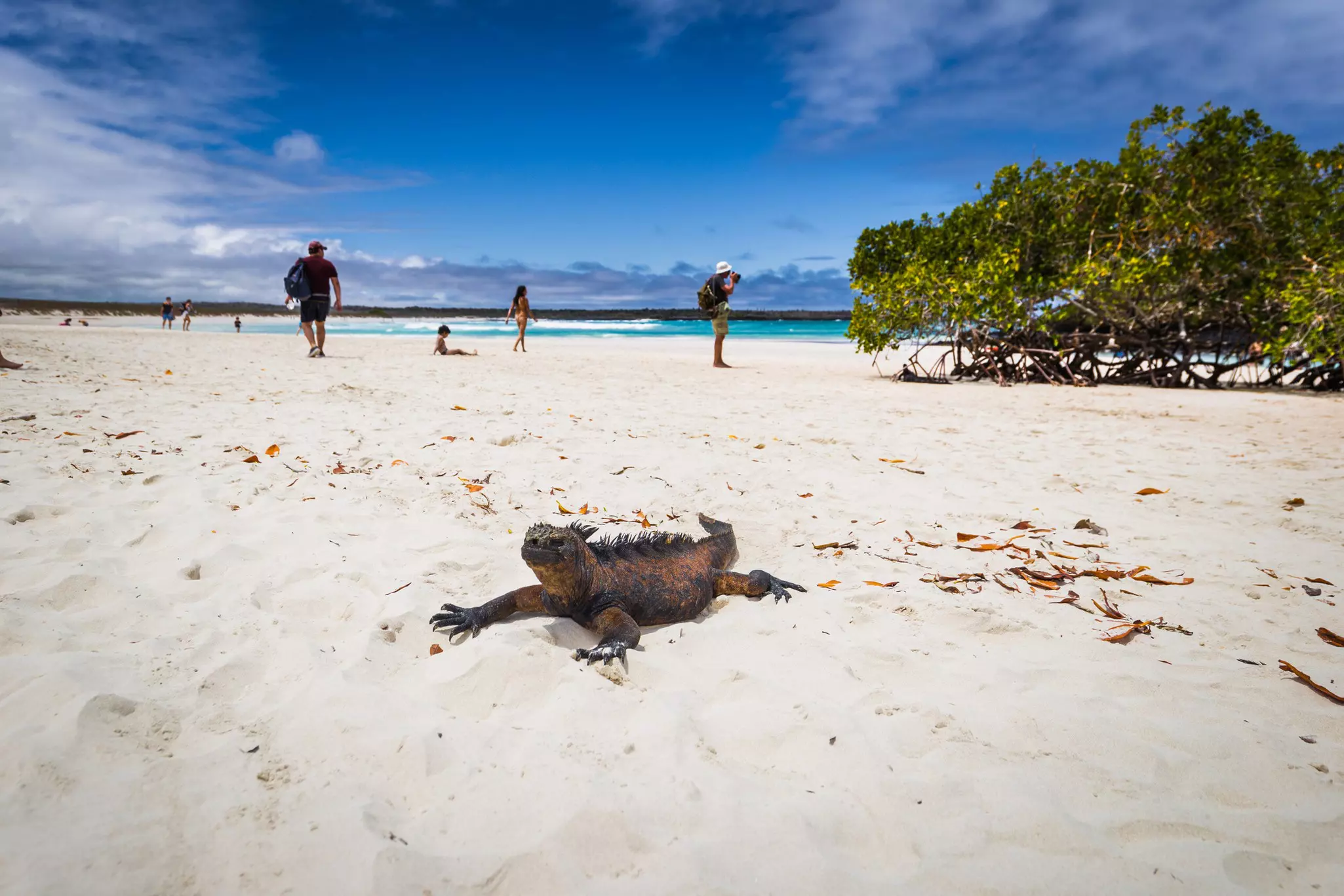
Sitting at 2850m (9350ft) above sea level, the Ecuadorian capital Quito is the second-highest capital city in the world. This means travelers are prone to altitude sickness upon arrival — manifested through headaches, nausea and dizziness.
This can also be an issue if you visit cities in the highlands with similar elevations. If you arrive from low-altitude places, take things slow and allow your body to acclimate during the first few days of your visit. If you’re feeling sick, keep hydrated and don’t exhaust yourself with excessive physical activity.
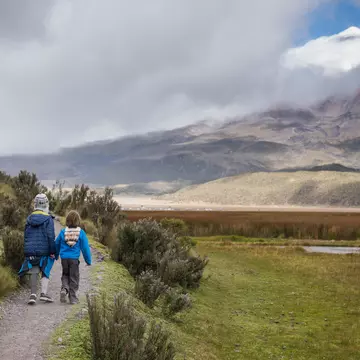
If you’re planning to venture into the mountains in the highlands, bring a packable jacket that keeps you both warm and dry, and comfortable, sturdy footwear for long walks.
If you’re staying in Quito, bring a jacket or cardigan everywhere — as you will discover, the weather can switch dramatically within minutes. You might also want to sunbathe on the shores of the Pacific coast or explore the Amazon rainforest, so don’t forget your beach essentials, comfortable clothing and a hat that protects you from the intense sun of the equator.
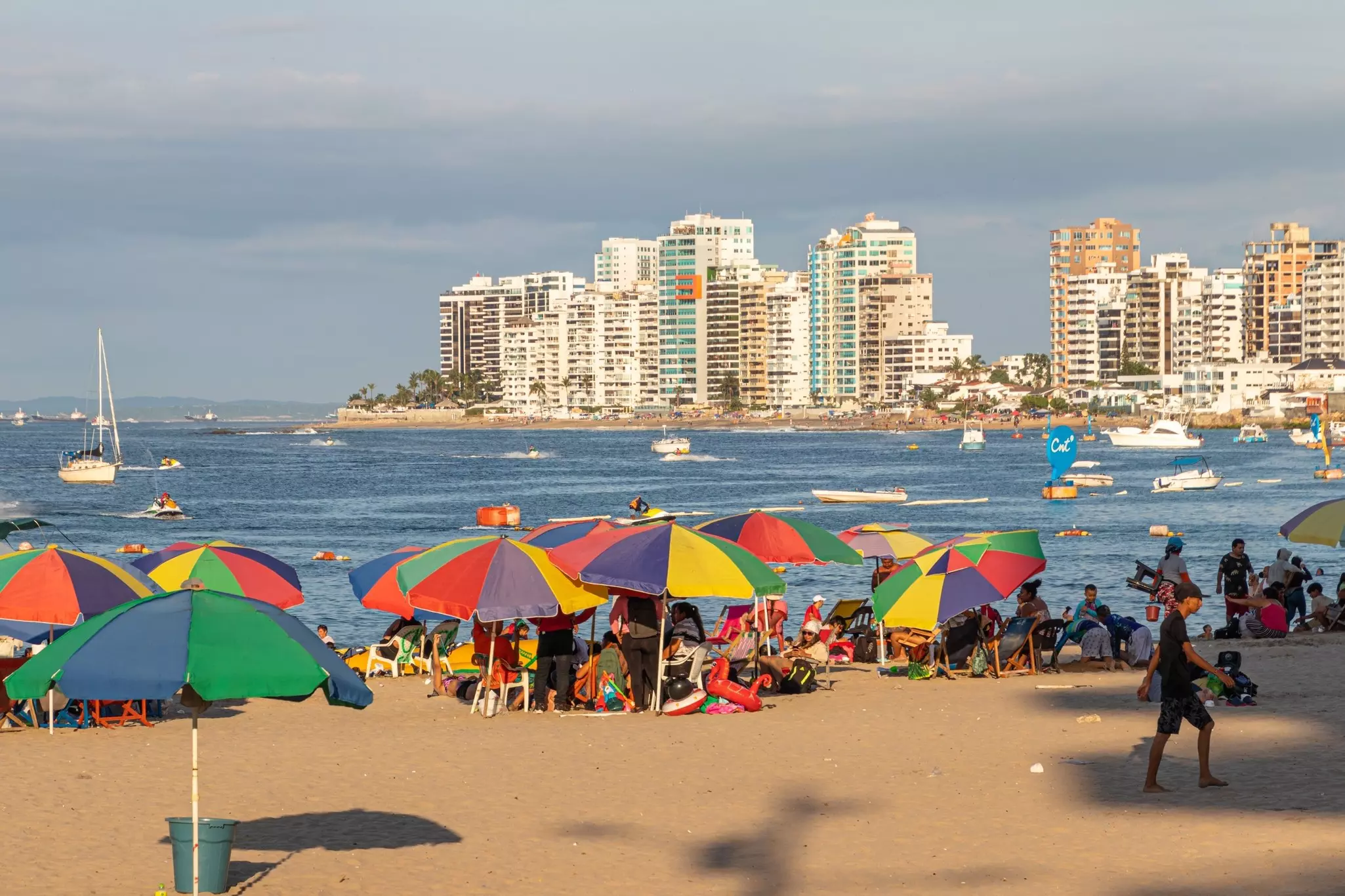
You may believe sunscreen is not a priority while visiting the Andean highlands or strolling down a colonial city, but due to its geographical location (standing on the equatorial line), sun rays shine perpendicularly in Ecuador.
To protect your skin from UV rays throughout your stay, keep the sunscreen close and reapply regularly.
Unfortunately, Ecuador has experienced violent crime associated with drug cartels and transnational criminal organizations.
Violence is predominant in port cities and the coastal region, but this doesn’t mean you have to entirely rule the country out of your itinerary. People are still carrying out their daily lives, working hard to offer the best experiences to visitors.
Check the latest foreign travel advice from your government (the FCDO advises for UK citizens, the Department of State for US citizens), to see which areas, if any, they advise against.
Traveling is synonymous with meeting new people and making friends. However, be cautious when going out, and don’t trust just anyone.
Solo travelers in beach areas and the night scene should be particularly aware of common theft and robbery techniques (scams, drugs in drinks, the use of scopolamine to subdue victims).
Pay attention when meeting people. Don’t trust people who seem too eager to establish a conversation or get physically close to you for no reason. Don’t accept anything (flyers, cards, etc.) in the streets, and keep your valuables hidden.
While falling victim to crime can happen to anyone, being careful and taking additional precautions is always encouraged. If you travel to Guayaquil, the country’s second-biggest city and main port, and the provinces of Esmeraldas, Guayas and Los Ríos, be sure to avoid conflict areas and red zones.
As a general rule everywhere in Ecuador, don’t wander alone and avoid being out late at night.
There are conflicting testimonials online about discarding toilet paper in Ecuador. While many claim flushing toilet paper in Ecuador is safe, some cities and buildings (as modern as they are) don’t have adequate plumbing to guarantee you can do this without clogging the system.
The best way to solve the dilemma is to actually ask your hotel or the people in charge of the accommodation. When in doubt, always use the waste basket.
Most cities in Ecuador have reliable potable water systems, so using tap water for cooking and washing is considered safe.
Ecuadorians, however, will never drink tap water unless it has been purified and will mostly boil it before drinking. In rural areas, water is not necessarily potable, so opt out of drinking tap water entirely and favor boiled or bottled water.
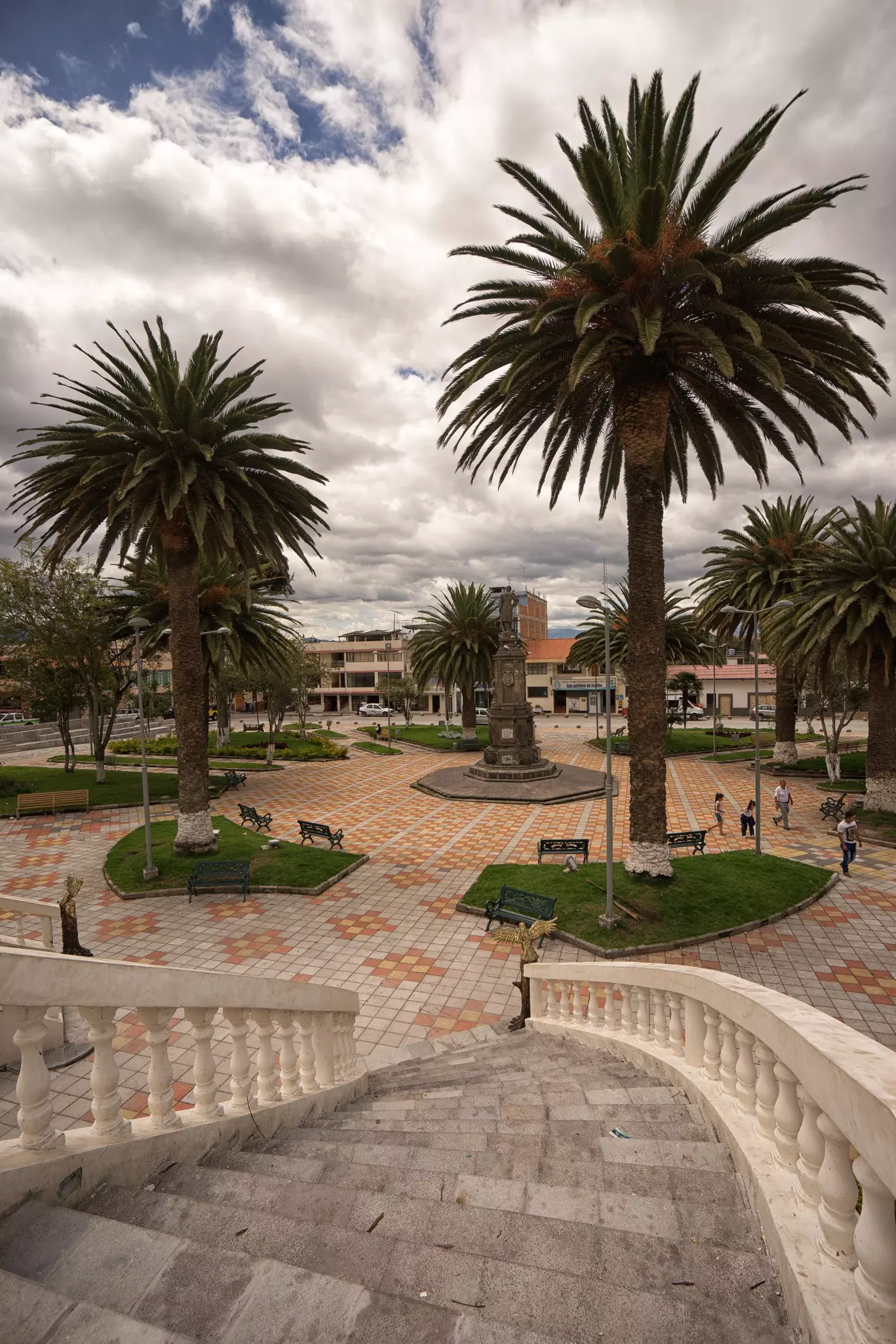
Using apps and hailing taxis on the streets is relatively safe and affordable in Ecuador, but always check their credentials – car plates are nonnegotiable; if the car doesn’t have one, don’t get in.
If you opt for a taxi, always make sure that the meter is on when you hop in. If you’re uncomfortable with hailing taxis from the street, ask your tour guide or hotel staff for their trusted taxi or transportation companies.
The US dollar is the official currency in Ecuador, so eating out might not be as gasp-inducingly cheap as in neighboring countries. However, prices are relatively affordable compared to the US and Europe.
Generally, service is included in the bill (you’ll see a disclaimer on menus), so tipping is not mandatory. But if you’re feeling generous, leaving a tip is always a courtesy to show appreciation for good service.
Book your Ecuador trip with Lonely Planet Journeys
See Ecuador how it's meant to be seen
Planned by local experts and tailored to you, Lonely Planet Journeys handles the logistics so you can just enjoy the trip. Tell us what you want and we'll build your Ecuador itinerary from scratch, or browse our bookable trips to get inspired.

Explore related stories